REVIEW · PADUA
Padua: Jewish Heritage Museum and Synagogue Tour
Book on GetYourGuide →Operated by Fondazione per il Museo della Padova Ebr · Bookable on GetYourGuide
Padua has a synagogue you can still pray in. This is a short, well-paced guided visit through the Jewish Ghetto area, ending at the Italian Synagogue, where the community still gathers for prayer. I especially like the multimedia museum experience, including a video installation by film director Denis Brotto.
I also love how the tour slows down long enough to explain the synagogue’s art and sacred details—especially the Aron-ha-Kodesh and its eastern-wall placement. The one possible catch: it’s only 1 to 1.5 hours, so if you want lots of free time to wander or read every display quietly, you’ll need a plan for extra time on your own.
In This Review
- Key things I’d circle on your map
- A fast, focused tour of Padua’s Jewish Ghetto
- Meeting point, voucher check, and dress code reality
- Inside the Padua Jewish Museum: multimedia by Denis Brotto and 10 living stories
- Walking the restricted Ghetto streets: daily life, religion, and community roles
- The Italian Synagogue: Aron-ha-Kodesh, architecture, and prayer still happening
- How this tour fits into a Padua day (and adds context to other stops)
- Price and value: why $17 can feel like a bargain (and why weekdays can change)
- Who should book this tour?
- Practical tips so you don’t feel rushed
- Should you book the Padua Jewish Heritage Museum and Synagogue Tour?
- FAQ
- How long is the Padua Jewish Heritage Museum and Synagogue Tour?
- How much does the tour cost?
- What’s included with the ticket?
- Which places will I visit?
- Where do I meet the guide?
- Do I need to show a voucher before the tour starts?
- What languages are the tours offered in?
- Is the tour wheelchair accessible?
- Are there dress code rules?
- Can I cancel for a refund or reserve without paying now?
Key things I’d circle on your map
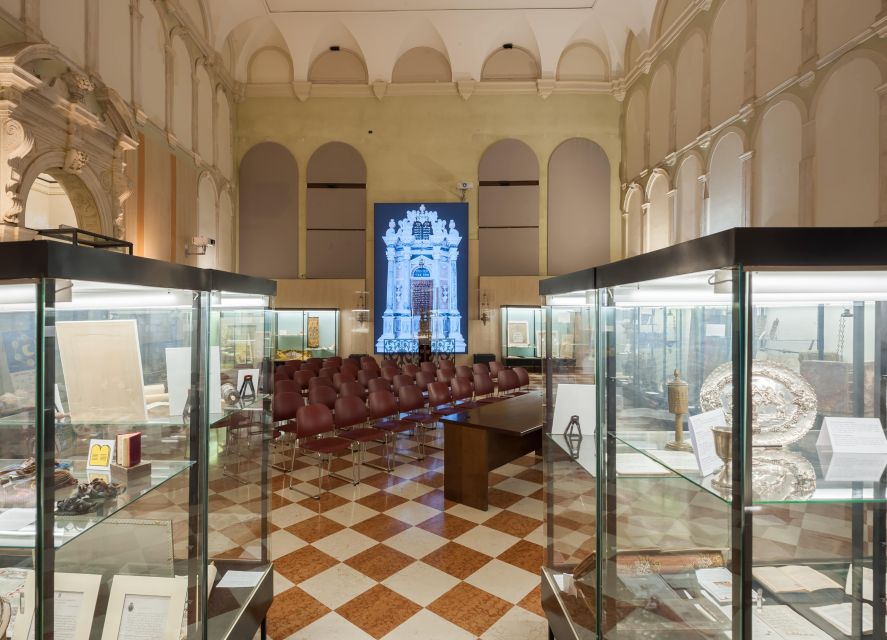
- Museum in the former Ashkenazi Synagogue: a space rebuilt after historic tragedy, now used to tell the community’s story
- Denis Brotto’s multimedia installation: video storytelling that keeps the facts moving
- Character-led narratives: you follow the lives of 10 illustrious figures in Padua Jewish life
- A respectful synagogue visit: you learn about the architecture and the Aron-ha-Kodesh still used for prayer
- Narrow Ghetto street walk: you connect daily life to the city’s commercial and religious past
A fast, focused tour of Padua’s Jewish Ghetto
This tour is built for people who want meaning, not just pictures. You get a guided overview of Jewish life in Padua—from origins to the present—without it turning into a lecture that loses people halfway through. The format works because the story is split into places you can actually see: the museum first, then a walk through the Ghetto streets, and finally the synagogue.
You’ll also get a clear sense of how Padua’s Jewish community lived in close connection with the city around it. The tour’s walking portion is short, but it’s framed around settlement life and the community’s public role: commercial, social, cultural, and religious activities in the Ghetto area.
One more reason I like it: you’re not stuck staring at one room for the whole time. The museum gives context and names; the street walk gives geography; the synagogue gives sacred details you can’t pick up from a distance.
You can also read our reviews of more tours and experiences in Padua.



Meeting point, voucher check, and dress code reality
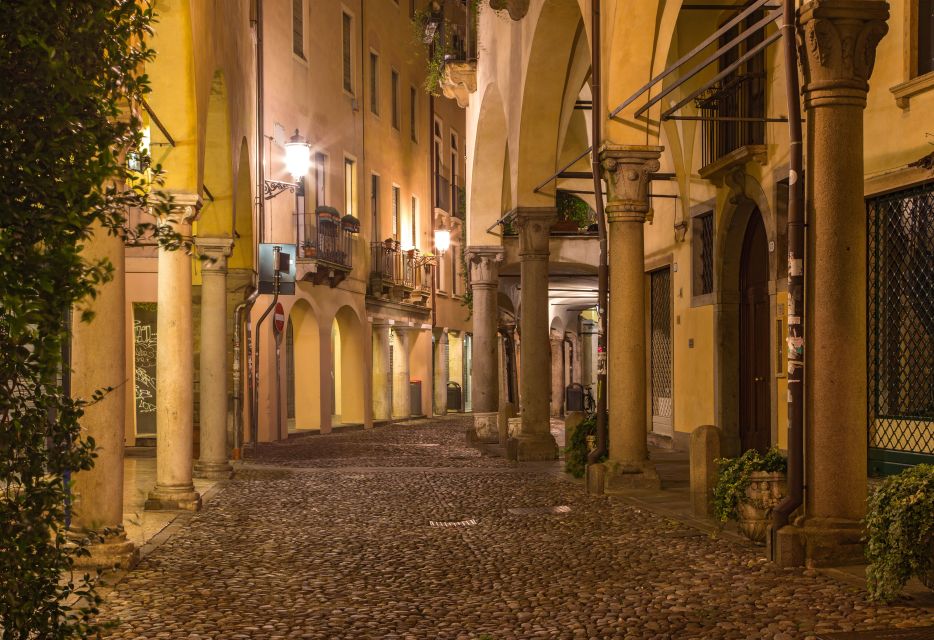
The tour meets in Padua’s historical center near the old Ghetto area. Look for a magenta-colored building in the street. Before you begin, you show your voucher at the ticket counter.
The practical part you should plan for is clothing. The tour does not allow shorts or sleeveless shirts (and, of course, nudity). Even if you’re used to warmer Italian weather, bring something you can wear comfortably indoors and respectfully in a synagogue setting. This is the kind of thing that can ruin the start of your day if you’re caught unprepared.
Also: the tour includes entry and a guided program, so you’ll want to arrive with a little buffer. You’re skipping the ticket line, but you still have to check in at the counter first.
Inside the Padua Jewish Museum: multimedia by Denis Brotto and 10 living stories
The heart of the experience is the Padua Jewish Museum, housed in the former Ashkenazi synagogue. This matters, because you’re not learning about Judaism in Padua from a distance—you’re inside a synagogue space with deep local memory.
The museum uses a multimedia video installation by Denis Brotto, and that format is a smart match for a guided tour. You can listen and look at the same time, and the storytelling helps connect objects, names, and historical events. It’s not only text-on-walls style history.
A highlight is the way the museum presents the lives of 10 illustrious characters connected to Padua Jewish life. In the guided format, those figures become more than names. You’ll be led to specific spots that represent the community’s presence in Padua, and you’ll hear how each figure fits into the larger story.
What makes the setting especially meaningful is that the synagogue building itself has been through hardship and restoration. One of the most striking pieces of context you may hear is that the Ashkenazi synagogue was rebuilt in the 1990s after a 1943 fire set by fascists. That historical fact doesn’t just add drama—it explains why the museum experience feels like both remembrance and education.
How long it lasts: the entire tour is 1 to 1.5 hours, so the museum portion is designed to be thorough but not exhausting. You’ll get the key points and the visual anchors without needing a full afternoon.
A possible drawback to consider: multimedia can be very good, but it also means your pace depends partly on the program. If you prefer reading slowly and taking extra time with exhibits, you might find the museum segment a bit time-compressed.
Walking the restricted Ghetto streets: daily life, religion, and community roles
After the museum, the tour moves through narrow, restricted streets of the Ghetto area. This part is where the history stops feeling abstract and starts feeling like a map of real human choices.
The guide connects the settlement story to how Jewish life worked in Padua. You’ll hear about commercial, social, cultural, and religious life in the Ghetto—how a community functioned under limits, with networks and routines shaped by both internal tradition and the surrounding city.
This is also where the character storytelling becomes more grounded. Instead of only hearing about people, you’re walking through the kind of physical environment they would have understood—tight streets, historic center layout, and a sense of how the Ghetto fit into Padua’s urban life.
A good tour for photos? Maybe a few, but that’s not the point. The focus here is listening and seeing. Keep expectations realistic: you’re learning how to read the neighborhood, not collecting a street-style photo set.
The Italian Synagogue: Aron-ha-Kodesh, architecture, and prayer still happening
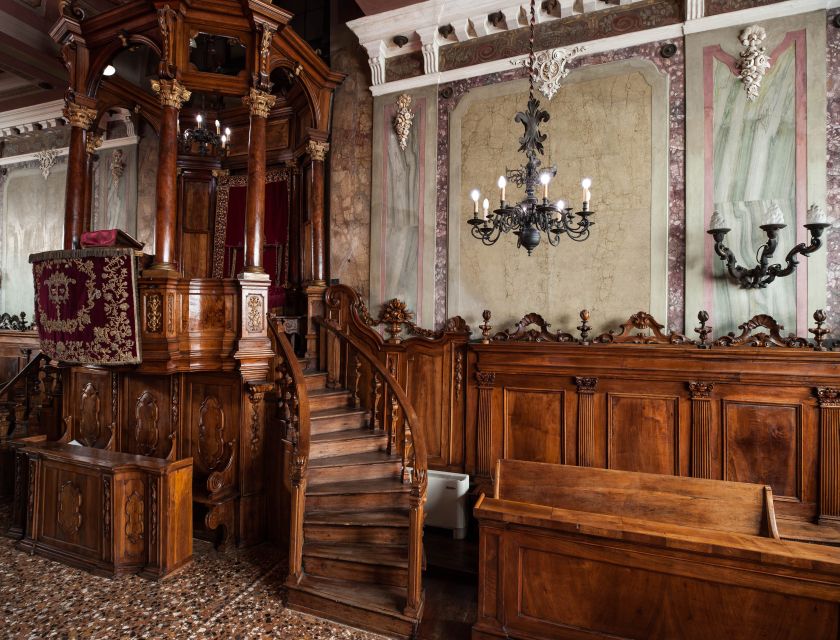
The tour ends in the Italian Synagogue, which is still used as a prayer site by members of the Padua community. That one detail changes the whole tone of the visit. You’re not only visiting a historic building; you’re stepping into a living religious space.
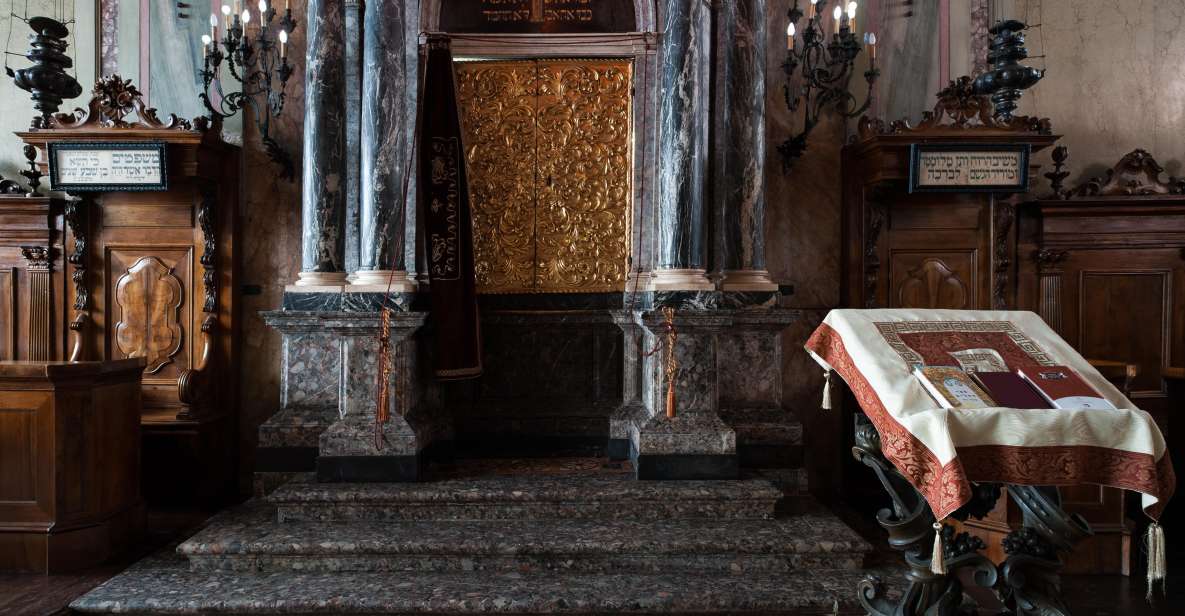
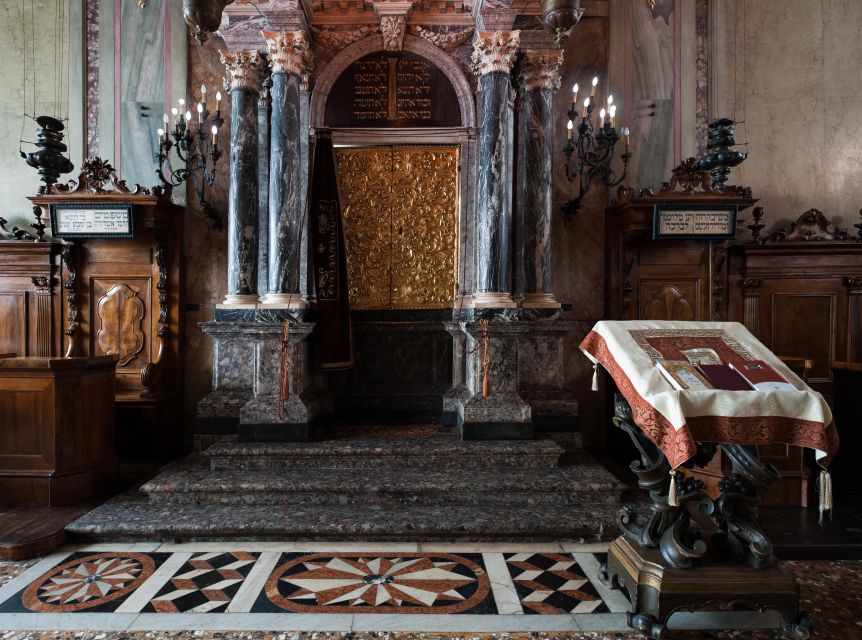
You’ll get an explanation of the synagogue’s architecture and style, plus a close look at one of its most important sacred features: the Aron-ha-Kodesh. The guide highlights its polychrome marble work and explains that it’s positioned on the Eastern Wall—the location that matters for orientation in Jewish worship.
The Aron-ha-Kodesh is still used for prayer today, so you should treat the ending of the tour with extra respect. Think quiet attention more than sightseeing mode. The payoff for many people is that the sacred art and the practical function come together: what you see isn’t just decoration; it’s part of ongoing religious practice.
If your interests lean toward Judaica, this ending is worth it by itself. You’ll come away with language and context for what you’re looking at, instead of leaving with only a vague sense of beauty.



How this tour fits into a Padua day (and adds context to other stops)
Padua is packed with sights, but Jewish history here can be easier to miss if you’re only doing mainstream landmarks. This tour gives you the framework that makes other parts of the city feel more connected.
One example from the wider Padua story: the University of Padua, famous for centuries of learning, is often brought up in the context of Jewish participation and scholarship in Italy. If you’re planning time there, this tour helps you understand why Jewish studies and Jewish figures mattered in Padua’s intellectual world.
Some visitors also pair this with Jewish cemetery visits when available (timing can vary). If that’s on your list, the key value of this tour is that it gives you names, themes, and a sense of continuity—so a cemetery stop later feels like an extension of the same story instead of a random side quest.
Price and value: why $17 can feel like a bargain (and why weekdays can change)
The advertised price is $17 per person, and the inclusions are substantial for the time. You’re getting:
- entry to the Padua Jewish Museum and Padua Synagogue
- a guided tour
- a multimedia experience
For a 1 to 1.5 hour program, that can be excellent value, especially because it’s not just admission. The guide is what turns the building and displays into an understandable timeline.
That said, there’s an important consideration: for weekday reservations, the tour requests a €60 ticket. Before you commit, check the exact pricing shown for your selected day and time. If you’re flexible with scheduling, an on-weekend slot might be different value than a weekday slot. Either way, this is one of those tours where the price is less about the numbers and more about what you’re getting inside—especially the synagogue end and the structured museum narrative.
Who should book this tour?
This is a strong fit if you want:
- a respectful, guided look at Padua’s Jewish heritage
- synagogue architecture and sacred art explained in plain language
- multimedia storytelling that supports history learning
- a focused experience that won’t swallow your whole day
It’s also a good match for families, as long as everyone can sit through the indoor portions and handle the tone respectfully. The total length is short enough to avoid turning the day into fatigue.
You might want to think twice if your top priority is long, quiet self-guided time in museums. The tour format is guided and timed. You’ll learn a lot, but you won’t have hours of solo wandering built in.
Practical tips so you don’t feel rushed
Here’s how I’d set yourself up for a smooth experience:
- Wear clothing that meets the rules: no shorts, no sleeveless tops.
- Plan comfortable shoes for the street portion. The streets can be narrow, and you’ll be moving.
- Bring a calm listening mindset. This tour is about connecting places to stories.
- If you’re traveling with kids, explain that this is a respectful religious site visit before you arrive.
If you like leaving tours with something more than facts—like names you can remember and concepts you can explain—this one tends to land well.
Should you book the Padua Jewish Heritage Museum and Synagogue Tour?
If you care about Jewish history in Italy and you want it delivered through the real spaces where it happened, I’d say yes. The museum’s multimedia approach, the structured walk through the Ghetto streets, and the ending at the Italian Synagogue—where prayer still happens—create a full arc in just 1 to 1.5 hours.
I’d especially book it if you’re passing through Padua with limited time or you don’t want to piece the story together on your own. Just double-check the day-specific price (weekday reservations can request €60), and dress for the synagogue environment so the start isn’t stressful.
FAQ
How long is the Padua Jewish Heritage Museum and Synagogue Tour?
The tour lasts about 1 to 1.5 hours.
How much does the tour cost?
The price is listed as $17 per person, and weekday reservations may request a €60 ticket.
What’s included with the ticket?
Your ticket includes entry to the Padua Jewish Museum and the synagogue, a guided tour, and a multimedia experience.
Which places will I visit?
You’ll visit the Padua Jewish Museum (in the former Ashkenazi Synagogue) and the Italian Synagogue. The tour also includes walking through the Jewish Ghetto streets.
Where do I meet the guide?
Meet at a magenta-colored building in the street. You’ll check in at the ticket counter.
Do I need to show a voucher before the tour starts?
Yes. You need to show your voucher at the ticket counter before the tour begins.
What languages are the tours offered in?
The tour is offered in English and Italian.
Is the tour wheelchair accessible?
Yes, wheelchair access is listed as available.
Are there dress code rules?
Yes. Shorts and sleeveless shirts are not allowed, and nudity is not allowed.
Can I cancel for a refund or reserve without paying now?
You can cancel up to 24 hours in advance for a full refund. You can also reserve now and pay later.