REVIEW · PADUA
Padua: Private City Walking Tour & Scrovegni’s Chapel Visit
Book on GetYourGuide →Operated by BOLOGNA TOUR & BEST ITALY TOUR · Bookable on GetYourGuide
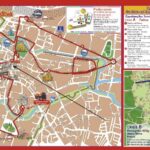
Giotto’s ceiling makes Padua feel instantly special. This private city walk takes you through the center’s most important squares and landmarks, then closes with the unforgettable Scrovegni Chapel visit. You’ll also stop at Palazzo della Ragione and the Cathedral of Padua, so you get both street-level atmosphere and major sights in one tight loop.
I especially like that this is led by a certified local guide, with Spanish, English, or Italian options. I also love the focus: it’s not a rushed hit-and-run. You’re there for the art and architecture, with enough time to understand what you’re looking at—then move on to the next stop.
One consideration: it’s a walking experience and it’s not suitable for people with mobility impairments. If you’re traveling with limited stamina, you’ll want to plan around the fact that it’s still a compact 2-hour route on foot.
In This Review
- Key highlights worth planning around
- Padua in 2 hours: the smart way to see the center
- Scrovegni Chapel and Giotto: the visit that anchors the whole tour
- Piazza della Erbe, Frutta, and Signoria: how the city shows off
- Palazzo della Ragione: medieval market energy, guided
- Cathedral of Padua: a 4th-century starting point
- Guides are the real difference: Caterina, Cinzia, Laura, Rosanna, Tiziana
- Price and value: is $62.63 per person worth it?
- Timing, meeting points, and what to expect on the ground
- Who should book this Padua tour
- Should you book it?
- FAQ
- How long is the Padua private walking tour?
- Is admission to Scrovegni Chapel included?
- What main sights does the tour include?
- What languages are available for the tour guide?
- Is there a dress code for the religious sites?
- Is this tour suitable for mobility impairments, and are pets allowed?
Key highlights worth planning around
- Scrovegni Chapel admission focused on 14th-century art and Giotto’s murals
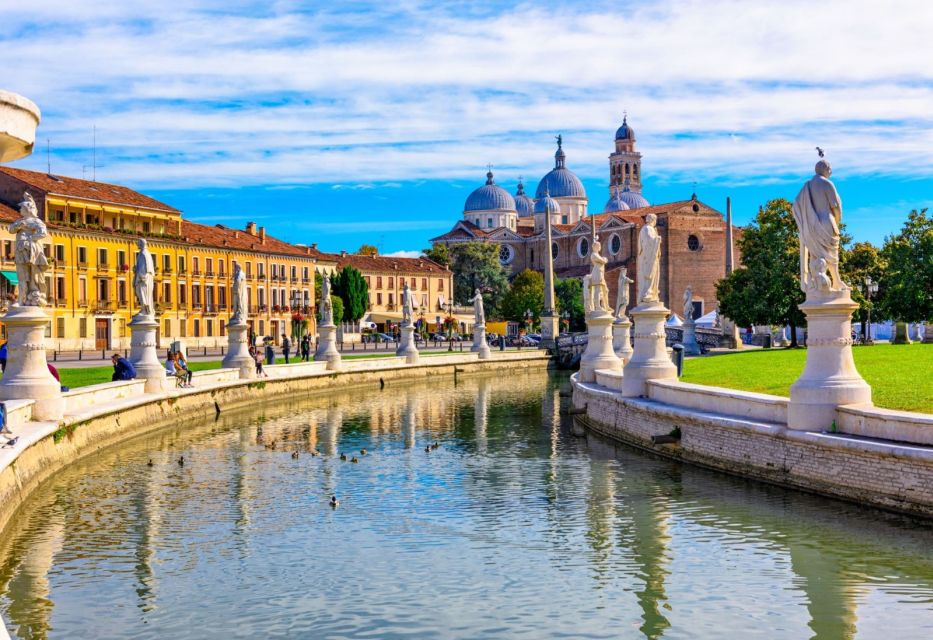
- Piazza della Erbe, Piazza della Frutta, and Piazza della Signoria with prominent buildings all around
- Palazzo della Ragione as a medieval market hall you can visually connect to daily life
- Cathedral of Padua with roots reaching back to the 4th century
- Private or small-group format that makes it easier to adjust pacing to your needs
Padua in 2 hours: the smart way to see the center
Padua is one of those cities where the details add up fast. This tour is built for that. In about 2 hours, you get a guided circuit that hits the squares you’ll actually want photos of, plus the indoor stops that do most of the heavy lifting for art and architecture.
Because it’s private (or small-group), you’re not stuck behind a crowd moving at someone else’s speed. You’ll walk the city center with a live guide and hear on-the-ground context for what’s in front of you. Guides here can also adapt when someone needs a slower rhythm, which matters when you’re balancing major sites with real human legs.
If you’re the type of traveler who likes to understand what you’re looking at—why a building matters, what a square was for, how the pieces of the city connect—you’ll probably feel this tour is “efficient” in the good way. It doesn’t try to do everything. It does the important stuff well.
You can also read our reviews of more tours and experiences in Padua.



Scrovegni Chapel and Giotto: the visit that anchors the whole tour
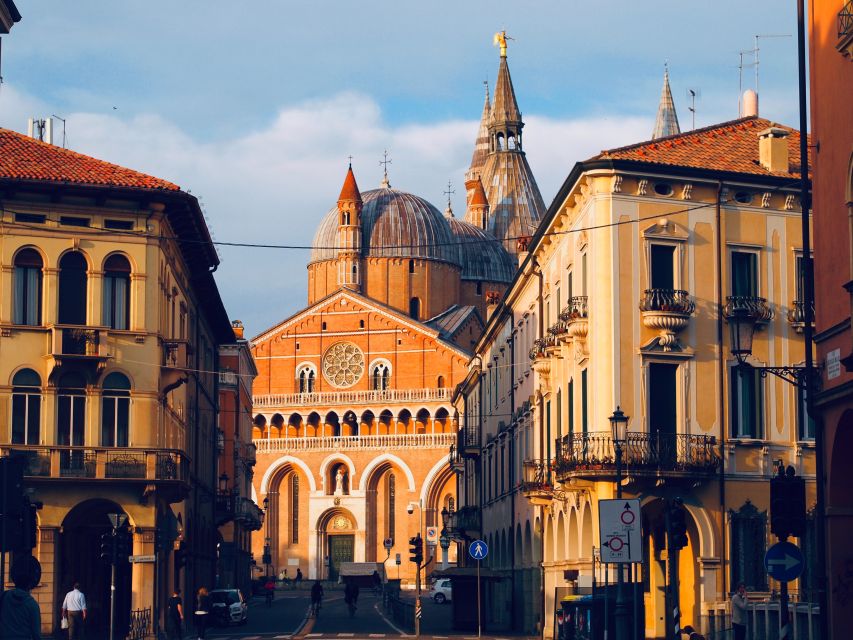
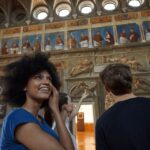
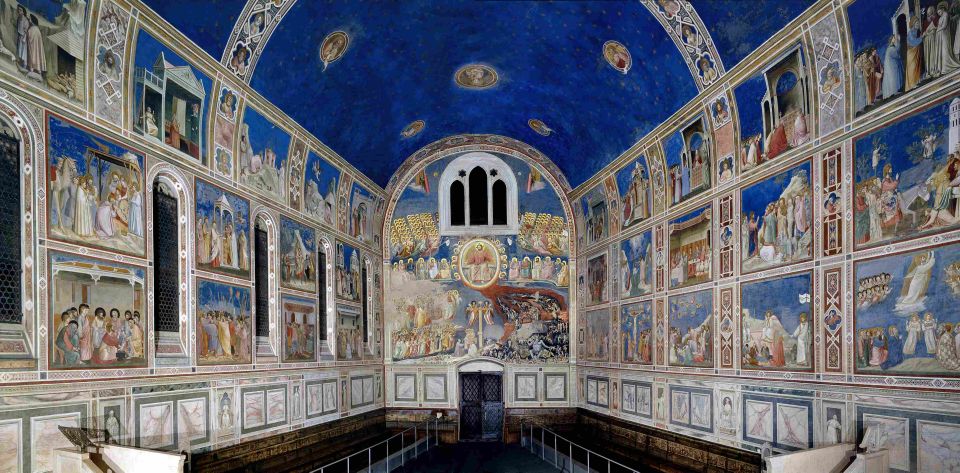
If you’re coming to Padua for one reason, it’s the Scrovegni Chapel. This stop is the headline, and it’s included: admission to Scrovegni Chapel is part of the tour. You’ll enter the chapel during the experience and focus on the 14th-century art that made it famous.
The chapel visit centers on Giotto’s murals. That’s not just marketing language. The mural cycle is what people remember when the rest of the day fades, and it’s exactly the kind of place where having a guide makes a big difference. A guide can help you look instead of just glance—what to notice first, how the art is organized, and how it fits into the broader story of Padua.
Practical tip: the chapel is a place of worship, so you’ll need appropriate clothing. I’d treat this as a real planning item, not an afterthought. Plan layers that won’t make you uncomfortable once you’re inside.
Also, the tour is designed so the chapel visit happens as part of the overall flow. In the best-guided versions of this kind of experience, entry is managed so you’re not left waiting around wondering what’s next—so you can stay focused on the artwork instead of logistics.
Piazza della Erbe, Frutta, and Signoria: how the city shows off
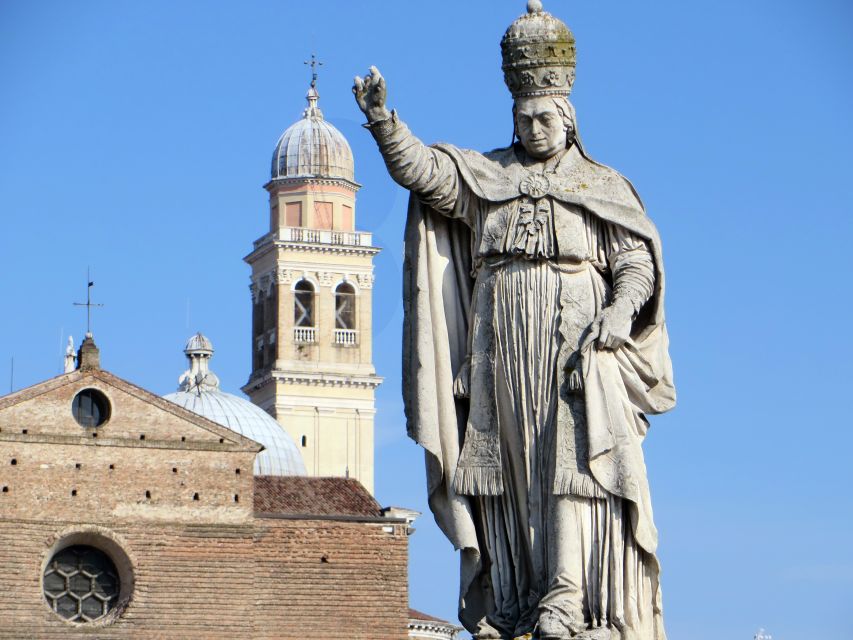
After the chapel, you still need the city’s outdoor “stage” to make sense of it all. That’s where the Piazza sequence comes in. You’ll stroll through Padua’s most famous squares, including Piazza della Erbe, plus Piazza della Frutta and Piazza della Signoria.
The key detail here is that these squares all overlook prominent, majestic buildings. That means your guide can connect the view in front of you to the city’s layout and identity, instead of just rattling off facts. It’s sightseeing that helps you build a mental map fast: you start to recognize where major buildings sit, how the open space frames them, and how the streets connect.
I like that the tour doesn’t pretend squares are just photo stops. With a guide, you can understand how these places function as the city’s social center—places you’d naturally gravitate toward even if you didn’t know any history going in. If you want to experience Padua the way locals move through it, these squares are a strong place to do it.
One more benefit: because it’s private, your guide can slow down at the spots that interest you. If you’re more into architecture than statues, you can focus the conversation there.
Palazzo della Ragione: medieval market energy, guided
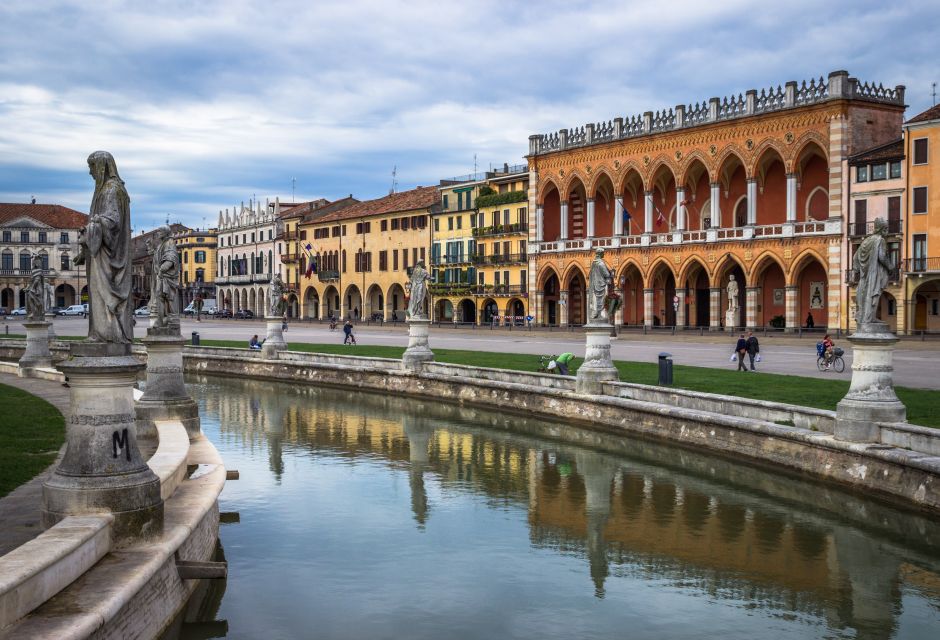
Next up is Palazzo della Ragione, described as a medieval market hall. This matters because it’s not just a pretty exterior. It’s a building tied to daily movement and commerce—one of those structures where “what it used to be” helps you read what you’re seeing now.
In a guided walk, this stop works because the guide can bridge the gap between past and present. You’re not just hearing that it’s medieval; you’re connecting it to why a market hall would end up as a focal point in a city center. Then you get to look at the building in context of the squares around it.
A practical note: you’ll be touring on foot for the overall experience, so this is a good moment to keep an eye on comfort. If you have stiff knees or back issues, wear shoes that you can walk in without thinking about it. The tour is only 2 hours, but you’ll still be on the move.
Cathedral of Padua: a 4th-century starting point
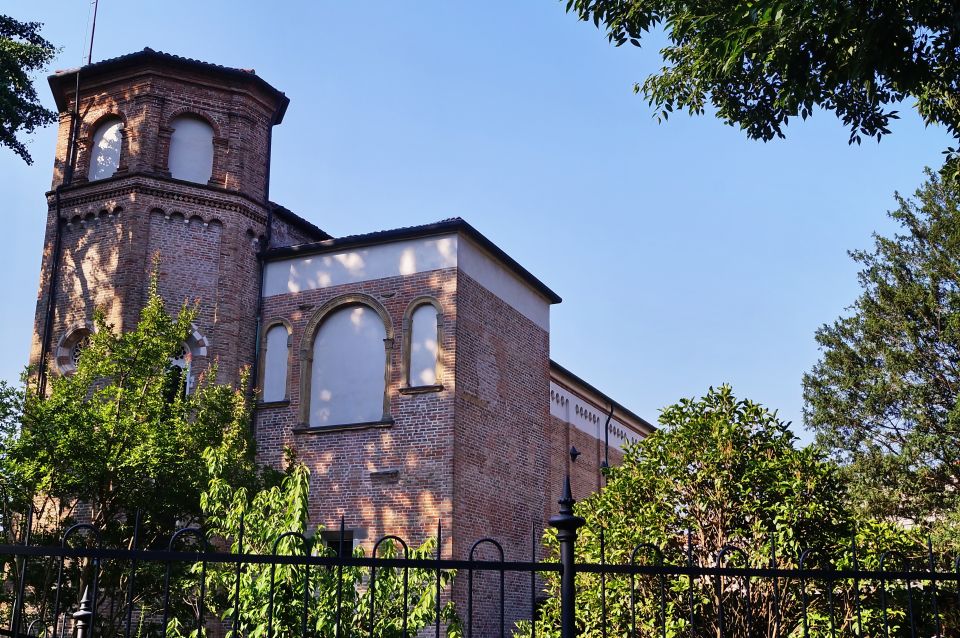
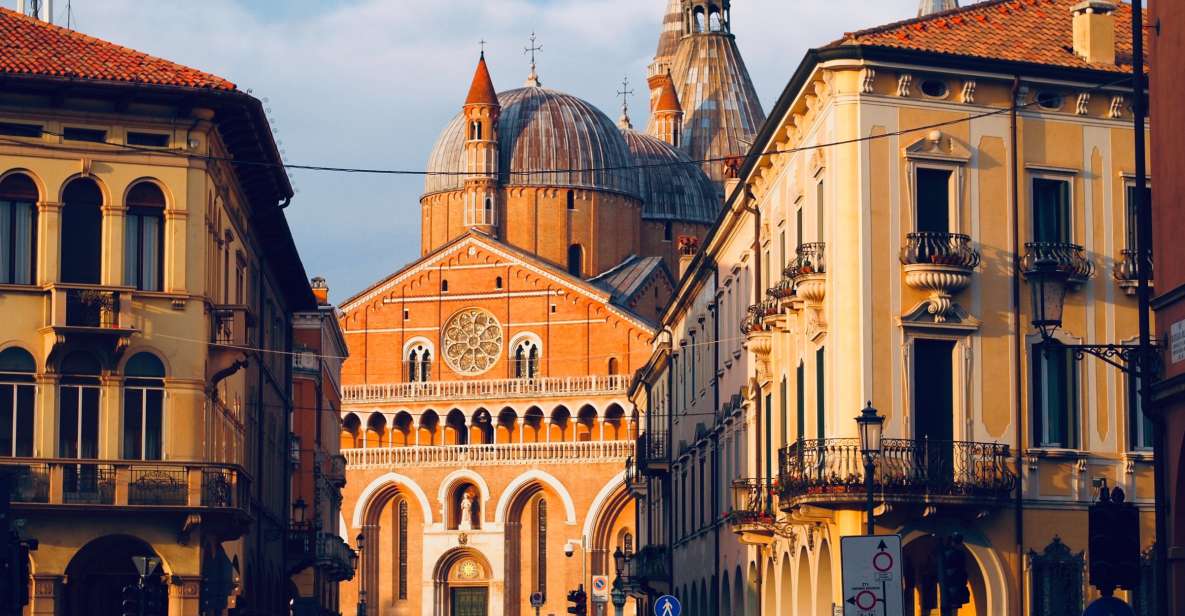
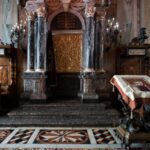
The tour also includes the Cathedral of Padua, which was first erected in the 4th century. That’s a big timeline anchor. Even if you’re not a deep church-architecture person, that kind of age helps you understand why the cathedral is treated as a cornerstone sight.
Because the tour is designed for paced viewing, you’ll enter the cathedral as part of the same guided loop. That helps you avoid the common problem of arriving at a major church with no context and leaving with only vague impressions. With a guide, you can focus on what’s immediately in front of you and how it connects to the city’s long timeline.
Again, dress matters. This is a place of worship, and the tour information calls out appropriate clothing is required. If you’re traveling in warm weather, bring something that covers when needed so you don’t spend your time dealing with rules at the door.



Guides are the real difference: Caterina, Cinzia, Laura, Rosanna, Tiziana
Private tours are only as good as the person holding the thread together. The standout theme here is how guides bring Padua to life in a personal way.
- Caterina is noted for sharing knowledge and love for her native Padua, and for providing extra care in how the Scrovegni Chapel visit is handled.
- Cinzia is repeatedly praised for tying together multiple “Padua worlds,” including the Scrovegni Chapel, and—within her approach—also highlighting University of Padua settings tied to Palazzo Bo (started in 1494) and the New Court (1938–42). She’s also praised for pointing out Café Pedrocchi, dating to the 1830s, as part of how Padua feels.
- Laura is recognized for being considerate when someone wasn’t feeling well and needed to shorten the time, while still choosing the tour highlights.
- Rosanna earned strong marks for adjusting the tour so an older family member could enjoy it more easily.
- Tiziana is appreciated for solid on-the-ground information within the time frame.
You don’t need to memorize names, but you should take the message seriously: this experience tends to work best when your guide can adapt. That’s a big deal in a city like Padua, where the best details are the ones you learn to notice—not just the ones you pass by.
Price and value: is $62.63 per person worth it?
At $62.63 per person, the big value question is what you’re buying: time, private guiding, and at least one important included admission.
Here’s the value math that matters:
- You get a certified local guide for the full walking experience.
- You get a private tour (or small-group option). That usually means better pacing and more chances to ask questions.
- You get admission to Scrovegni Chapel included, which is the most “you must see it” component of Padua for many visitors.
So instead of paying just for basic sightseeing, you’re paying for someone to help you actually experience the art and the city as a connected story. In my view, this kind of tour makes sense if you:
- care about meaning, not just locations
- want to avoid wasting time figuring things out on your own
- prefer a guided plan that includes the chapel entrance cleanly as part of the route
If you’re a super independent traveler who already knows exactly what you want to see and can handle timed art-entry sites smoothly on your own, you might question whether private guiding is necessary. But if you want a guided “center loop” that prioritizes the chapel and the key monuments, this price lands in a reasonable zone.
Timing, meeting points, and what to expect on the ground
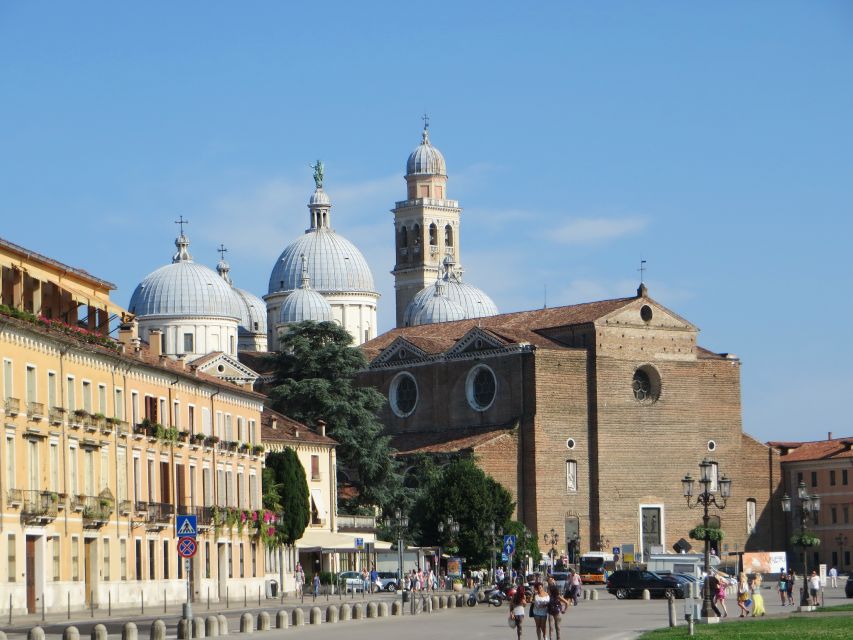
The tour is 2 hours, and starting times depend on availability. The meeting point can vary depending on the option you book, and the tour ends back at the meeting point.
Why this matters: for a short experience, logistics can make or break your day. If the start time lines up with your energy and your other plans, you’ll get a satisfying loop instead of squeezing Padua into empty gaps.
Also, the guide language options—Spanish, English, Italian—are clearly stated. If you’re traveling with mixed language needs, this helps you pick a tour that fits your group.
One more heads-up: this experience is listed as not suitable for people with mobility impairments. If that’s part of your situation, you’ll be happier choosing a different format or a less walking-heavy plan.
Who should book this Padua tour
This is a strong match for:
- first-time visitors who want the center without turning it into an all-day project
- art lovers focused on Scrovegni Chapel and Giotto’s murals
- travelers who like local guidance and prefer a private format
- families and groups where pacing needs to be flexible (guides here have adapted when someone needed to slow down)
It may not be the best fit if you want:
- a long, slow, unstructured wandering day (this is a tight 2-hour route)
- an experience designed for mobility limitations (it’s not suitable for that)
Should you book it?
Yes, I’d book this if your priorities are the Scrovegni Chapel, the main squares like Piazza della Erbe, and a guided connection between monuments instead of stand-alone photo stops. The included chapel admission and the private, adaptable guide format make it feel like more than a checklist tour.
If you’re unsure, use this quick test: if you’re excited to look closely at Giotto’s murals and you want a guide to help you do that efficiently, this tour should fit you well. If you’d rather explore at your own pace with no structured route, then you might prefer a self-guided plan for the sites on your list.
FAQ
How long is the Padua private walking tour?
The tour lasts 2 hours. Starting times depend on availability.
Is admission to Scrovegni Chapel included?
Yes. Admission to Scrovegni Chapel is included in this experience.
What main sights does the tour include?
You’ll visit Scrovegni Chapel, the Cathedral of Padua, and Palazzo della Ragione. You’ll also walk through famous central squares, including Piazza della Erbe, Piazza della Frutta, and Piazza della Signoria.
What languages are available for the tour guide?
The live tour guide speaks Spanish, English, and Italian.
Is there a dress code for the religious sites?
Yes. Appropriate clothing is required to enter places of worship.
Is this tour suitable for mobility impairments, and are pets allowed?
No. The tour is not suitable for people with mobility impairments. Pets are not allowed, but assistance dogs are permitted.