REVIEW · PALERMO
Palermo: Walking Tour of Historic Markets and Monuments
Book on GetYourGuide →Operated by Palermo a Piedi - Walking Tour · Bookable on GetYourGuide
You can feel Palermo’s street life in every corner. This 3-hour walk links major monuments like the UNESCO Palermo Cathedral with the sights and smells of the Capo market—and it’s all guided in Italian. I like that the route is tight and practical, with real city storytelling (not museum lectures), and you also get time to sample Sicilian street food that’s tied to the places you’re walking through. One drawback: the tour is Italian-only, so if you’re not comfortable with the language you’ll want to manage expectations and maybe focus more on the visuals.
A good heads-up: there are rules for entering the cathedral, so plan your clothing accordingly and wear comfortable shoes from the start. If you’re expecting lots of indoor time with ticketed attractions included, you may feel a little limited because entry tickets aren’t included.
In This Review
- Key points to know before you go
- Entering Palermo Cathedral: the rules, the bell towers, and why it matters
- What I think makes this stop worth your time
- Teatro Massimo and the city’s ghost stories
- A practical note
- Quattro Canti and Fontana Pretoria: baroque street-corner geometry
- Why this part works on the walking route
- Beati Paoli and Santa Rosalia: legends that connect the route
- Capo market street food: what you’ll sample and how to enjoy it
- How to pace yourself (so you don’t regret it later)
- Guides like Claudio and Fabrizio: what great guiding looks like here
- Price, tickets, and pacing: is $35 a good deal for this 3-hour route?
- Who gets the most value
- What to wear and bring for this Palermo walk
- Should you book this Palermo walking tour?
- FAQ
- Is this tour in Italian only?
- How long is the Palermo walking tour?
- What is the price?
- Where is the meeting point?
- Are entry tickets included?
- Do I need to wear modest clothing for the cathedral?
- What should I bring?
- Is there free cancellation?
- Is a live guide included?
Key points to know before you go
- Palermo Cathedral first: early-12th-century site with architectural changes explained on the spot
- Teatro Massimo storytelling: the largest theater in Italy and legends that add drama to the facade
- Quattro Canti + Fontana Pretoria: baroque corner planning and an imposing fountain you’ll actually see up close
- Capo market food stop: you’ll taste Sicilian snacks and pastries right where local stalls operate
- Local legends in the route: Beati Paoli and Santa Rosalia/L a Santuzza come into the walk
Entering Palermo Cathedral: the rules, the bell towers, and why it matters
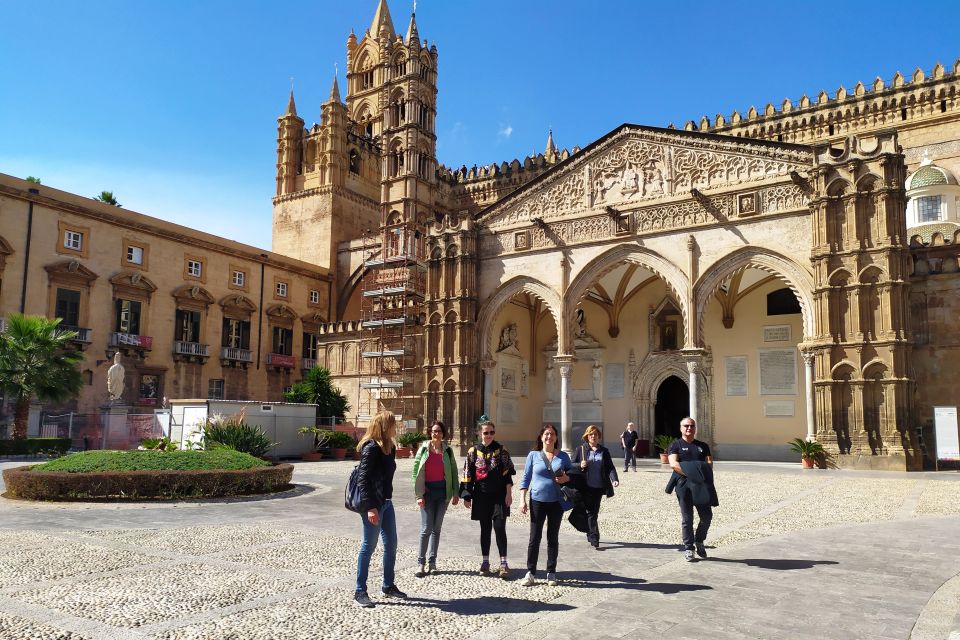
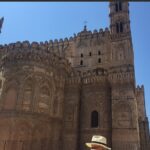
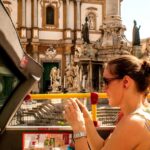
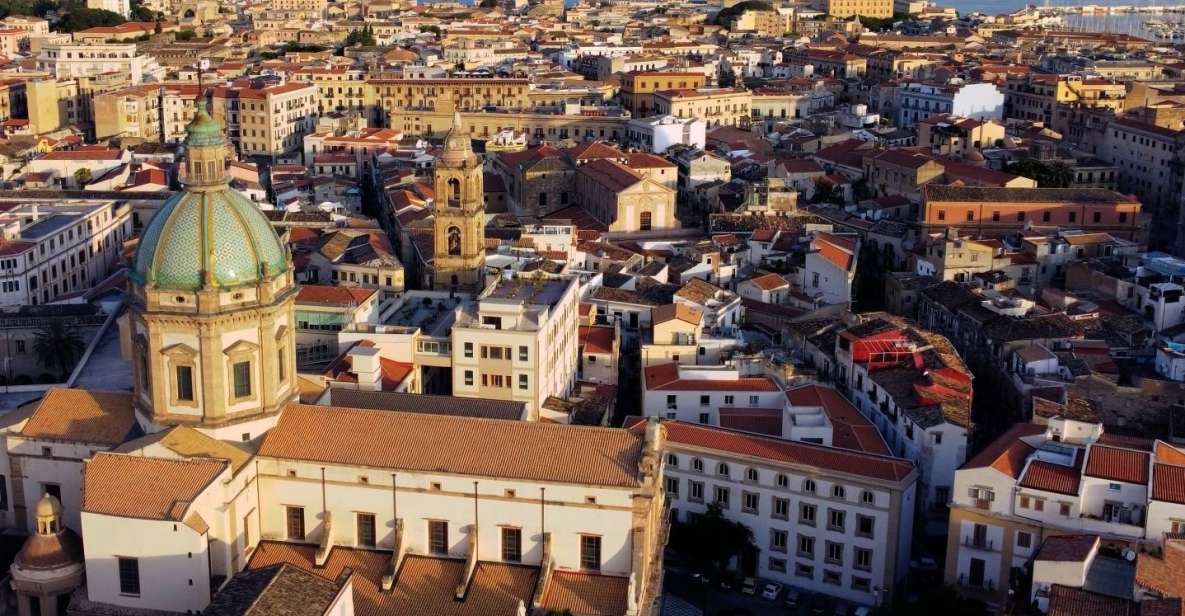
The tour starts at the Palermo Cathedral, a UNESCO-listed church dating to the early 12th century. This is a smart first stop because it gives you a foundation: you see the site before you head into the market streets, so the city’s layers start making sense right away.
Before you go in, remember the practical part: you must wear modest clothing to enter. That means covering up enough to respect church rules; plan for it rather than trying to figure it out on the street. I also recommend you treat the beginning as your visual warm-up—pay attention to the bell towers and how the building reads from different angles as you move.
Inside the cathedral area, your guide walks you through how the architecture evolved over time, rather than just listing dates. That approach helps you notice things on your own later: changes in style, the way parts of the structure relate, and why Palermo’s faith and rulers left fingerprints on the stone.
You can also read our reviews of more tours and experiences in Palermo.
What I think makes this stop worth your time
A cathedral on a walking tour can turn into a quick photo moment. Here, it’s set up as context. You’re not just looking at impressive walls—you’re learning how Palermo’s identity shifts through centuries, and that makes the rest of the walk more meaningful.
Teatro Massimo and the city’s ghost stories
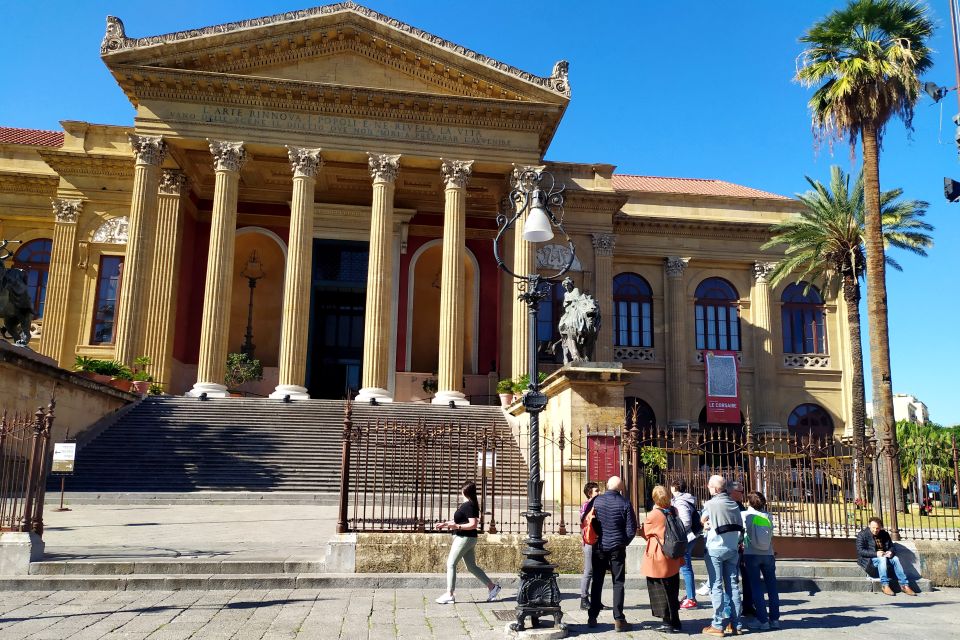
Next you’ll head toward Teatro Massimo, described in the tour as Italy’s largest theater and a symbol of Palermo. This is the kind of landmark that feels cinematic even when you’re just standing outside, because the scale is hard to ignore.
What makes the stop more than architecture is the storytelling. You’ll hear ghostly legends tied to the theater, which turns the exterior into something more than a landmark. It also works well in a walking tour setting because you can watch the building’s front while the story explains why it has such a hold on local imagination.
I like how this kind of legend functions on a tour like this. You’re not asked to believe everything. You’re invited to understand how a city narrates itself—why people talk about certain places and how those stories survive.
A practical note
Since this tour is 3 hours and includes a market food moment, you’ll want to keep your energy up. Teatro Massimo is a good pause point: it gives your legs a short reset while you get a fresh angle on Palermo.
Quattro Canti and Fontana Pretoria: baroque street-corner geometry
Palermo’s Quattro Canti is where the city’s planning shows off. This baroque plaza sits at a key intersection, and the tour uses it as a moment to slow down and actually look at the corner design. It’s the kind of place where, once you understand what you’re seeing, you can’t unsee the symmetry.
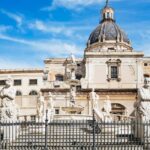
Nearby, you’ll also see Fontana Pretoria in the piazza of the same name. This fountain is imposing, and even if you’re not a fountain person, it’s worth your attention because it’s so visually dense. Up close, it’s harder to dismiss as just decoration. It feels like a statement.
Why this part works on the walking route
If you only see photos, Quattro Canti can blend into other Italian squares. On foot, you get the scale and the street angles. That’s important because Palermo’s historic center is all about how buildings line up with the streets, not just how single monuments look.
Beati Paoli and Santa Rosalia: legends that connect the route
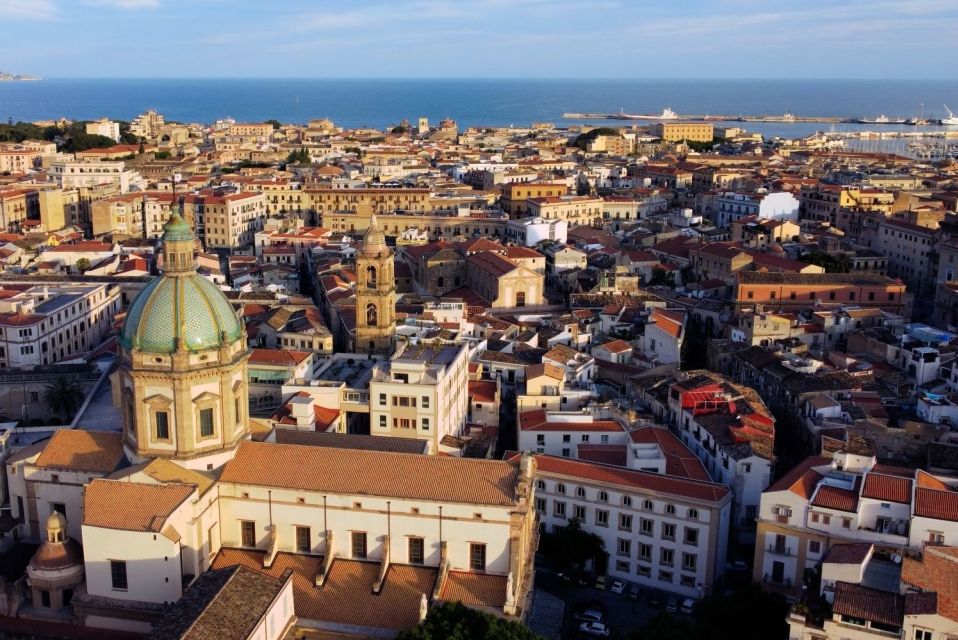
Palermo’s identity isn’t only in stone. During the walk, your guide threads in local myths and figures you’ll hear about again and again in the city—especially Beati Paoli and Santa Rosalia, also known as La Santuzza.
This is where you’ll feel the difference between a checklist tour and a story-based one. Instead of stopping at sights and moving on, the guide uses legends to add meaning to what you’re seeing. And the stories have texture: they explain why certain places attract attention, why certain names matter, and why locals still talk about them.
I also like that this section doesn’t pretend legends replace facts. It treats them as part of Palermo’s cultural map. Even if you only catch the main ideas, you’ll leave with names you can carry into the rest of your trip.
Capo market street food: what you’ll sample and how to enjoy it
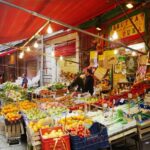
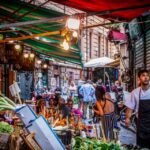
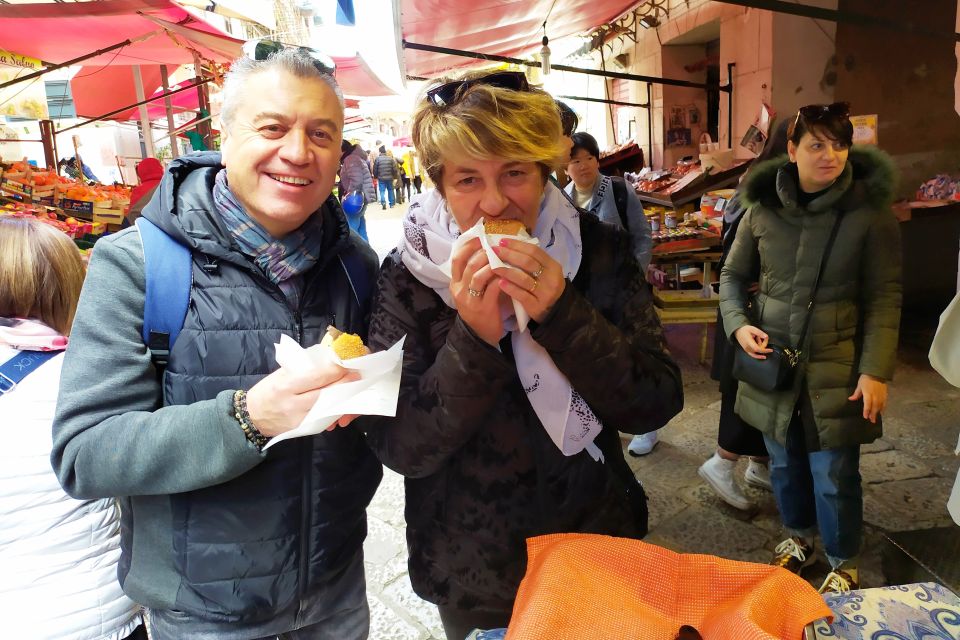
The heart of the experience is the Capo street market. This part is all about the sensory mix—voices, colors, and the daily rhythm of vendors and shoppers. It’s a classic Palermo setting where you can learn what locals actually buy and eat, not what a tourist menu imagines.
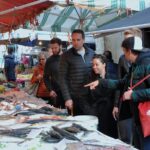
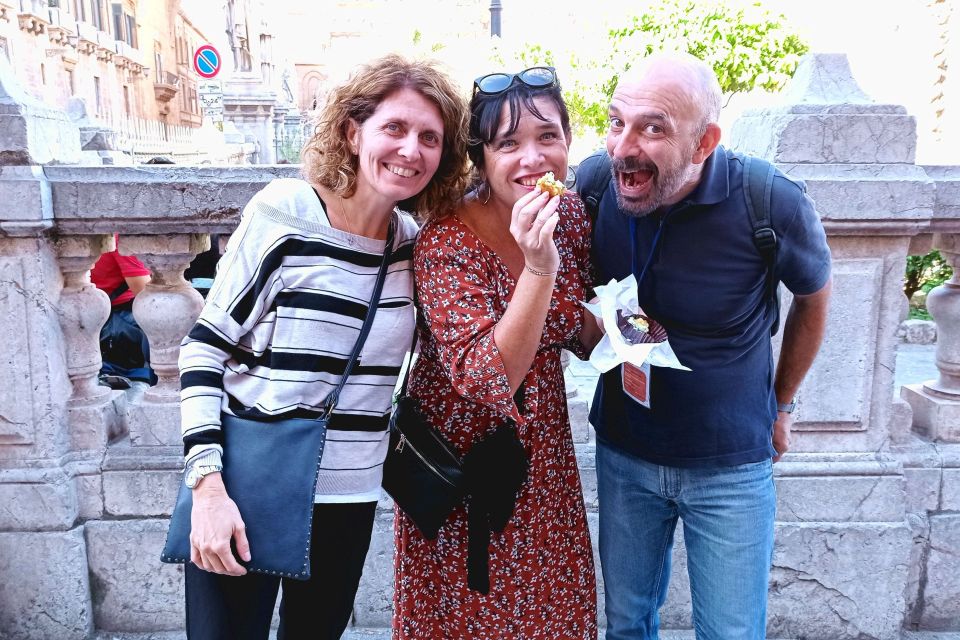
You’ll also get the practical benefit of a guided stop: you’re walking through the market, and you’ll have the chance to try Sicilian street food and pastries connected to what’s sold there. Since the tour is designed to sample fresh items right from the market area, you avoid the usual problem of arriving hungry without knowing where to start.
How to pace yourself (so you don’t regret it later)
If you’re the type who likes to try everything, keep an eye on your stomach capacity. Markets are a tempting trap: you’ll spot more snacks than you planned to eat. Aim to share and sample. Take small bites. Save room if the guide offers a pastry option you really want.
Also bring your sense of humor. Market energy moves fast, and your guide helps keep it moving in a way that still feels personal.
Guides like Claudio and Fabrizio: what great guiding looks like here
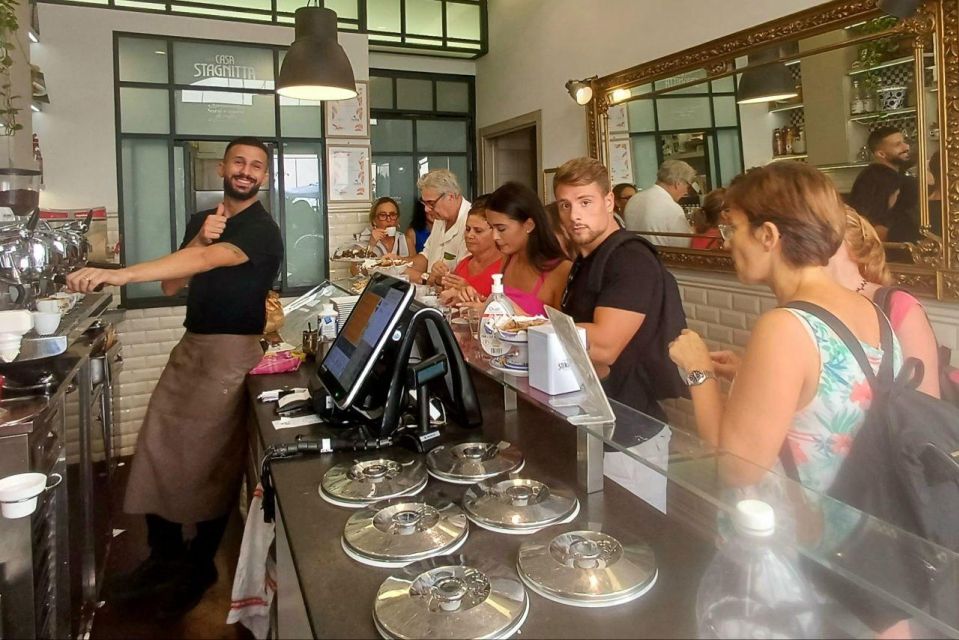
One thing that shows up again and again is the quality of the guide. Names that come up include Claudio and Fabrizio, both described as professional and enthusiastic, with a delivery style that makes the walk feel lighter and easier to follow.
I like this kind of guiding because it changes how you remember the city. When the explanation has personality—ironical and fun in Claudio’s case, or broadly prepared in Fabrizio’s—your brain organizes information around moments, not facts alone. You start to connect the Cathedral to the streets you walk later, and Teatro Massimo to the legends you hear in between.
You’ll get the most out of the tour if you treat it like a conversation, not a lecture. If you’re asking simple questions like What would you eat here? or What should I see next? you’ll likely get useful suggestions.
Price, tickets, and pacing: is $35 a good deal for this 3-hour route?
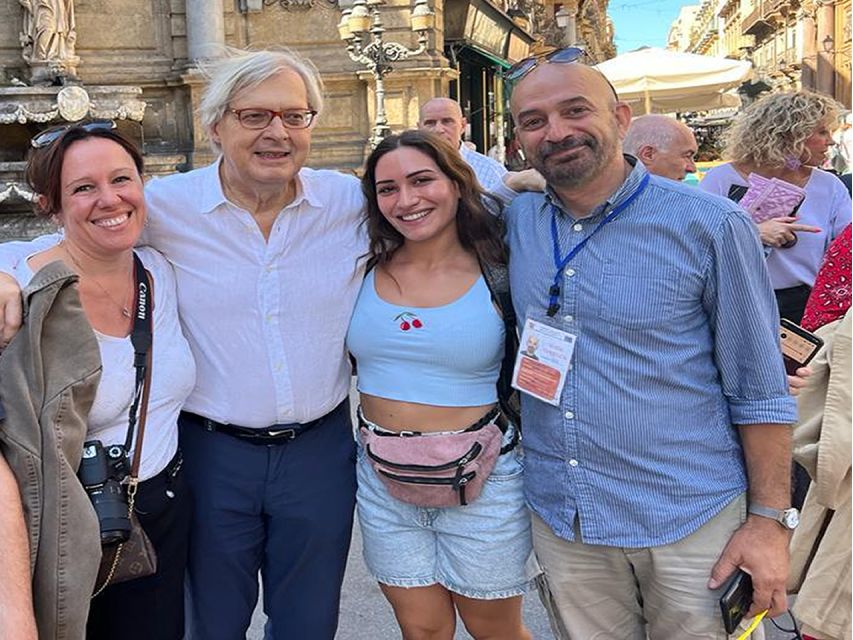
At $35 per person for a 3-hour guided walking tour, this sits in a reasonable range for a city-center experience. The value is in three things you can’t fully DIY: a guided route through major monuments, live storytelling in Italian, and the market stop with street-food sampling.
Here’s the trade-off to understand early: entry tickets aren’t included. That doesn’t mean you can’t enjoy the tour without spending extra, but it does mean you should expect possible separate costs for any ticketed entries you want. If you’re budgeting tightly, plan for small add-ons and decide what’s worth paying for versus seeing from outside.
Who gets the most value
You’ll feel the best value if you:
- want an organized walk that links Cathedral, theater, baroque corners, and a market
- enjoy local legends as part of the travel story
- are ready to eat a few Sicilian snacks rather than just look
- can follow Italian explanations at least at a basic level
If you prefer silent sightseeing with minimal talking, you might feel the time pressure of a structured route.
What to wear and bring for this Palermo walk
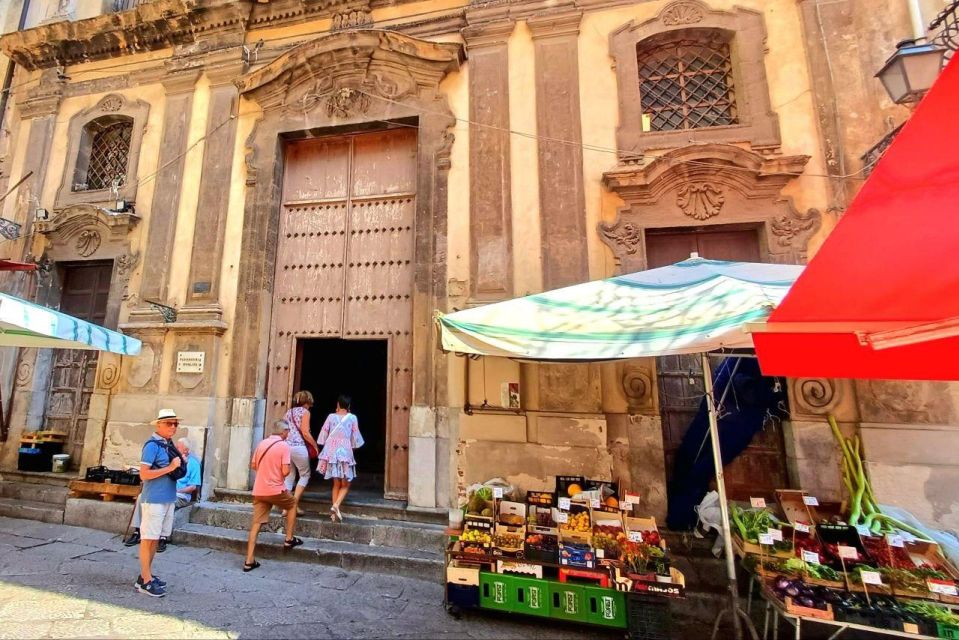
This tour is mostly on foot, and comfortable shoes are a must. Palermo’s historic center has uneven sidewalks and lots of street-level movement, so skip anything that pinches or makes you limp by the second hour.
For the cathedral stop, plan clothing that meets the requirement for modest entry. Even if you bring a light layer, it’s better to plan ahead so you’re not scrambling when you arrive.
Should you book this Palermo walking tour?
Book it if you want a compact Palermo highlights route that mixes major monuments with real market life. It’s especially good for first-timers who don’t want to guess their way through Capo or figure out which stories to pay attention to.
Skip it or adjust expectations if:
- you need an English-speaking guide since the tour is Italian only
- you hate clothing rules and don’t want to plan for cathedral entry
- you’re expecting all monument tickets to be included (they aren’t)
If you’re comfortable with an Italian-guided walk and you like eating while you explore, this is one of the more efficient ways to understand Palermo in a single morning or afternoon block.
FAQ
Is this tour in Italian only?
Yes. The live tour guide is Italian only.
How long is the Palermo walking tour?
It runs for about 3 hours.
What is the price?
The price is $35 per person.
Where is the meeting point?
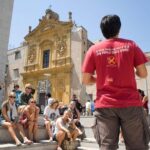
Meet in front of the library Feltrinelli. The guide will wear a red tag that says tour guide.
Are entry tickets included?
No. Entry tickets are not included.
Do I need to wear modest clothing for the cathedral?
Yes. Modest clothing is required to enter the cathedral.
What should I bring?
Wear comfortable shoes.
Is there free cancellation?
Yes. You can cancel up to 24 hours in advance for a full refund.
Is a live guide included?
Yes. You’ll have a professional live tour guide.