REVIEW · VENICE
Pasta and Tiramisu Cooking Class with Wine in Venice
Book on Viator →Operated by The Roman Food Tour - Food Tour Rome · Bookable on Viator
Fresh pasta and tiramisu in Venice, in just 3 hours. This is one of those food-first experiences where you learn the hands-on basics, then sit down and eat what you made. With a small capped group and an English-speaking format, it feels welcoming even if you are not a confident cook.
I love two things most: the hands-on training for fresh pasta (including ravioli and fettuccine styles), and the fact that the class ends with your meal served with wine, limoncello, and coffee. Instructors like Thomas and Barbara (plus Serena and Marco, depending on the day) keep the room friendly, with clear steps and lots of chances to ask questions.
One consideration: this class is not built for strict dietary needs. The traditional recipe includes gluten, dairy, and eggs, and while substitutions exist, you cannot count on zero cross contamination—so it is not recommended for egg allergy, and it’s not a good fit if you are vegan, lactose intolerant, or gluten intolerant.
In This Review
- Key things to know before you roll out pasta
- A Venice cooking class that feels personal (even solo)
- Where the experience starts: clean restaurant, clear steps, no intimidation
- Fresh pasta workshop: from dough to ravioli and fettuccine
- Tiramisu class: learning the classic finale, then eating it immediately
- The drink flow: wine, limoncello, coffee, and what to do with that
- Lunch: you feast on what you made, served in a real dining rhythm
- Group size, pace, and why the 3 hours matter
- Dorsoduro after class: stay for the vibe or wander the nearby streets
- Value in Venice: why $76.19 feels fair for this kind of meal + training
- Who should book this cooking class (and who should skip it)
- Booking checklist: the practical stuff you’ll want to know
- Should you book Pasta and Tiramisu with Wine in Venice?
- FAQ
- How long is the Venice pasta and tiramisu cooking class?
- What is included in the price?
- Is the class taught in English?
- How big is the group?
- Is wine included, and is there an age limit?
- Is this class suitable for vegans or gluten-free diets?
- Can I cancel for a full refund?
Key things to know before you roll out pasta
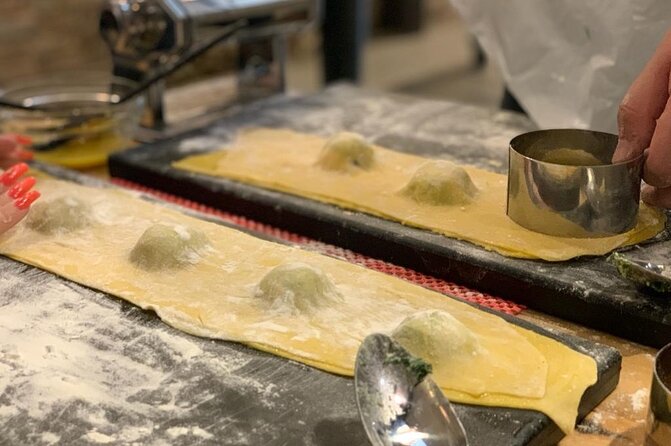
- Small group, maximum 12: better attention while you learn dough and filling steps.
- Fresh pasta skills, not just watching: you will make pasta and shape components for your meal.
- Tiramisu as the dessert “win”: you learn a classic approach, then eat it while it’s fresh.
- Beverages are part of the plan: fine wine plus limoncello and coffee; wine is only for 18+.
- English instruction: the class runs in English, so you will not feel stuck.
A Venice cooking class that feels personal (even solo)
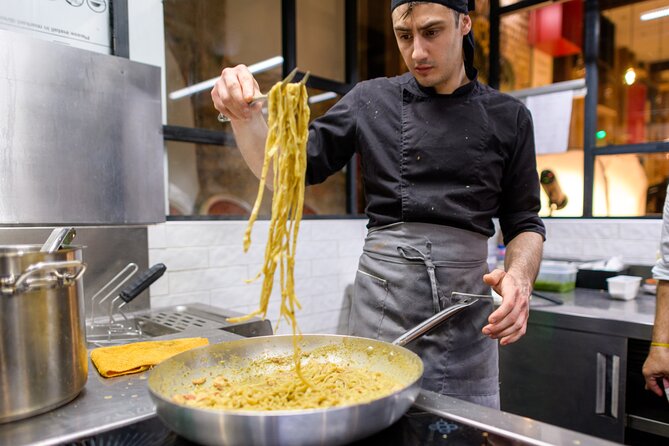
Venice can be big, loud, and crowded. This class is the opposite: you get a small group and a focused setting inside a local restaurant. That matters because pasta dough is fussy. If you miss one step, everything feels harder.
I also like that the experience is paced to help you learn, not to test you. Multiple instructors across different days are described as friendly and approachable, and you get real back-and-forth while you cook. It helps your brain go from I hope this turns out… to I can actually do this.
Timing is part of the charm. It’s listed at around 3 hours, and you should plan your day around that. One helpful note from real experience: if you are on a strict schedule, give the full 3 hours rather than trying to cram it.
You can also read our reviews of more tours and experiences in Venice.



Where the experience starts: clean restaurant, clear steps, no intimidation
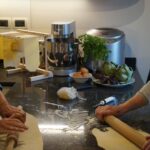
You step into the restaurant and jump right into action. You’ll roll up your sleeves, get guidance, and receive the ingredients you need—so you are not hunting for supplies or guessing measurements. This is practical learning: you do the work, you get corrected when needed, and you learn what to watch for while you cook.
A big theme here is how non-intimidating it feels. People mention that the class is interactive and organized, with demonstrations that make the process feel doable. If your cooking skills are basic, that still works. You are not expected to know how pasta dough behaves; you are taught.
Also, it’s run in English. That sounds simple, but it changes everything when you are learning hands-on technique. If you’re the type who likes to understand what your hands are doing, you will appreciate having instructions in a language you can think in.
Fresh pasta workshop: from dough to ravioli and fettuccine
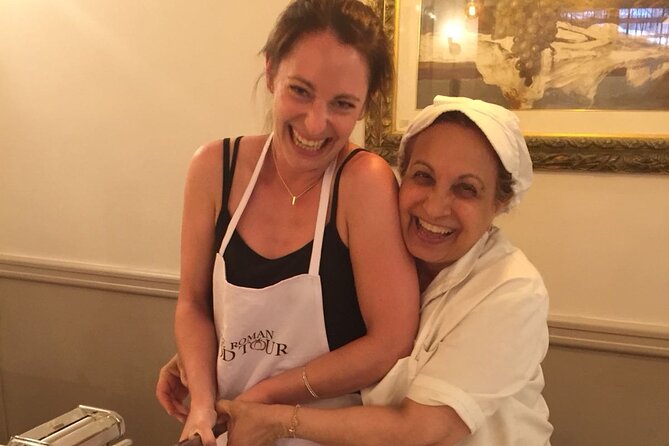
The pasta portion is the main event. You will learn how to make fresh pasta like an Italian, then apply it in dishes you can actually eat at the end of class. The sample menu gives you a clear idea of the flavors: fettuccine with tomato sauce, plus ravioli made with ricotta and spinach, finished with butter and sage.
Here’s why this matters for you: learning the pasta basics gives you a tool. Once you understand dough texture, rolling, and shaping steps, you can remix it later with different fillings and sauces. That is the difference between a fun meal and a skill you can repeat back home.
You also get wine alongside the pasta portion. The sample includes prosecco plus red and white wine, and non-alcoholic beverages. If you enjoy wine, it adds a celebratory feel. If you do not, you still get water and non-alcoholic options, and the cooking does not stop for the drink crowd.
One practical tip: pay close attention to pacing. There’s a lot happening in 3 hours—mixing, rolling, shaping, and cooking. If you wander or zone out, you can miss a step. Keep your water nearby too; a couple of people explicitly recommend staying hydrated while the wine is flowing.
Tiramisu class: learning the classic finale, then eating it immediately
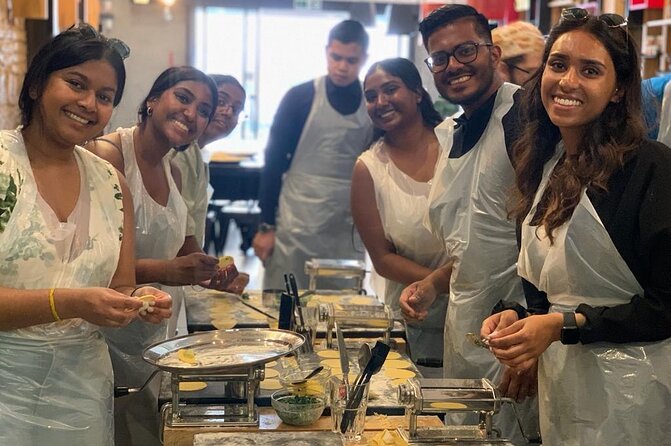
Tiramisu is the dessert centerpiece here, and the class aims to teach you the techniques for a perfect one. The point is not just sweet satisfaction—it’s learning how to assemble and get the right feel for that signature creamy texture.
I like this format: you make the dessert while you’re still in learning mode, then you eat it with everything else you cooked. That is how it sticks. Instead of reading a recipe later and guessing what it should look like, you remember what the finished version tastes like and what the process felt like.
The dessert is also a good “win” for most cooks. Pasta dough can be intimidating because it has to reach the right consistency. Tiramisu is more forgiving in a different way—you can focus on technique and assembly, and you get immediate feedback because you eat your result at the end.
The drink flow: wine, limoncello, coffee, and what to do with that
This is a meal that comes with beverages built in. You get complimentary fine wine, limoncello, and coffee. Wine is available only for 18 and above, so plan accordingly if you’re traveling with mixed ages.
The sample menu lists prosecco and both red and white wine, so you may see a few different pours. People also note plenty of wine and a lively atmosphere, which makes sense: the class turns into a shared lunch, not a strict cooking seminar.
Two ways to plan smart:
- If you want to enjoy the wine without slowing down your cooking, take sips but keep focused. The class pace is fast enough already.
- If you are sensitive to alcohol, treat this as a long lunch and keep hydrated. People specifically recommend keeping water close by.
And if you love wine after class, you can keep going. One practical suggestion from experience: look for a local winery visit afterward for wines you cannot easily find back home.




Lunch: you feast on what you made, served in a real dining rhythm
This is not just a tasting. Your meal is the food you produce during class—pasta and tiramisu—served as lunch. That turns learning into a full-circle experience: cook, sit, eat, then compare your finished plate to what you learned.
The dishes are structured around classic Italian combinations. From the menu examples, expect a mix of tomato-based sauce on pasta, ravioli with ricotta and spinach flavors, and butter-and-sage finishing touches. The variety helps you understand how one pasta base can work in multiple forms.
If you’re going as a couple or as a group, this also works as a date-night plan. It hits the sweet spot of activity (you do something together), shared conversation (you eat together), and no pressure to “perform” cooking.
Group size, pace, and why the 3 hours matter
Maximum group size is 12. That small number changes the experience. You are more likely to get quick corrections and explanations when you need them, and you spend less time waiting around.
The class runs about 3 hours. People note it takes that full time—so treat it as the anchor activity of your half-day. If you schedule a gallery visit immediately afterward, leave buffer. You’ll want time to digest and, if you choose, head out afterward.
Pace is a real factor. A less-than-perfect experience here would come from missing steps due to distraction. The best approach is simple: watch the instructor, then do the work. No multitasking.
Dorsoduro after class: stay for the vibe or wander the nearby streets
When the cooking ends, you get a choice. You can stay in the restaurant with your new friends, or you can venture out to explore the nearby streets that make up the Dorsoduro neighborhood.
Dorsoduro is a good match for this kind of activity. You’ve just spent time making food in a local setting; stepping outside afterward lets you keep that grounded, “real Venice” feeling instead of turning the rest of your day into another crowded checkpoint.
If your energy is high, wander. If you ate a lot of pasta and dessert plus wine, you might prefer a slower stroll and an espresso afterward. Either way, you’ll have options.
Value in Venice: why $76.19 feels fair for this kind of meal + training
At $76.19 per person for a 3-hour cooking class, the value comes from what you’re actually getting: hands-on instruction plus lunch, plus multiple beverage types. You are not just paying for ingredients. You’re paying for guided technique and for having someone handle the flow of a full meal-making experience.
Even if you put a rough value on lunch and drinks in Venice, the class still makes sense because it packages it with learning. It’s also a small group, so you’re not sharing instructor time with a huge crowd.
If you compare it to doing pasta and dessert on your own, you’ll probably spend time sourcing ingredients and figuring out technique. Here, you get the structure: ingredients ready, steps explained in English, and the reassurance that your dish will land on the table.
Who should book this cooking class (and who should skip it)
This is a great fit if you want:
- A hands-on Venice experience that is not just sightseeing
- A small-group food moment, not a large tour
- A realistic way to recreate pasta and tiramisu skills at home
- English instruction with lots of chance to ask questions
It’s also a solid choice if you’re traveling solo. People mention meeting friendly, like-minded food lovers and feeling comfortable in the group.
You should skip or think hard if:
- You have an egg allergy (it is not recommended)
- You are vegan (not recommended)
- You are lactose intolerant (not recommended)
- You are gluten intolerant/allergic (not recommended)
- You need strict allergen safety guarantees (substitutions exist, but instructions focus on the traditional recipe, and cross contamination can’t be ruled out)
In other words: this is best for flexible diets and curiosity-driven cooking, not for strict medically defined restrictions.
Booking checklist: the practical stuff you’ll want to know
You get a mobile ticket. The class is near public transportation, which helps in Venice where timing matters. Confirmation comes at booking time.
Wine is offered for 18 and above, and non-alcoholic beverages are available too. If you’re traveling with someone under 18, you can still join, but plan around the wine portion.
Should you book Pasta and Tiramisu with Wine in Venice?
Yes, if you want a Venice activity that’s hands-on, social, and genuinely edible at the end. The small group size, English instruction, and the fact that you make both pasta and tiramisu make it feel like more than a quick class—it’s a full meal experience with real technique practice.
Skip it if you have strict dietary constraints (especially egg, gluten, or lactose). If that applies, the lack of cross contamination guarantees with the traditional recipe means you might not get the safety you need.
If you’re even a little curious about making fresh pasta and assembling classic tiramisu, this is an excellent use of part of your day in Venice. You’ll leave with a memorable lunch, a clearer sense of Italian cooking basics, and recipes you can try again later.
FAQ
How long is the Venice pasta and tiramisu cooking class?
The class runs for about 3 hours.
What is included in the price?
You get the cooking class and lunch, including pasta, tiramisu, and fine wine.
Is the class taught in English?
Yes, it is offered in English.
How big is the group?
The class has a maximum of 12 travelers.
Is wine included, and is there an age limit?
Wine is complimentary, and it is available for guests who are 18 and above.
Is this class suitable for vegans or gluten-free diets?
No. It is not recommended for vegans, lactose intolerants, or gluten intolerants/allergic guests. Substitutes may be offered for allergies or preferences, but the instructions focus on the traditional recipe that contains gluten, dairy, and eggs, and cross contamination can’t be guaranteed.
Can I cancel for a full refund?
Yes. You can cancel up to 24 hours in advance for a full refund. If you cancel less than 24 hours before the start time, the amount paid is not refunded.