REVIEW · NAPLES
Pompeii & Herculaneum Day Trip from Naples with Lunch
Book on Viator →Operated by Napoli City Vision · Bookable on Viator
A day trip that feels like stepping into 79 AD. Pompeii and Herculaneum together make this outing special, and I especially like that you get lunch handled for you instead of hunting for food between ruins. The one thing to weigh: time is tight, so Pompeii won’t show you everything.
You start with hotel pickup in Naples and a comfortable coach ride to Pompeii, where you’ll follow your guide through key areas like the Forum and the Teatro Grande. In Herculaneum, the visit shifts gears into a more independent pace, using audioguides inside the site. It’s a smart setup if you want meaning, not just photos.
One more consideration: this is real walking on uneven ground. It’s not ideal if you have walking difficulties, and in hot months you’ll want to plan for heat and limited shade.
In This Review
- Key Points to Know Before You Go
- Two Cities, One Coach: How the Day Shapes Up
- First Stop: Pompeii for the Forum, Teatro Grande, and the 79 AD Story
- Entrance Tickets and the Real Meaning of the Price
- Optional Coral and Cameo Factory: A Naples Craft Break (If Time Allows)
- Lunch Included: Where a Simple Meal Actually Matters
- Herculaneum in the Afternoon: Better Preserved, More Manageable
- Guides and How the Day Feels in Real Life
- Heat, Walking, and What to Bring So You Don’t Hate Your Day
- The Bottom Line: Should You Book This Pompeii and Herculaneum Day Trip?
- FAQ
- How long is the Pompeii and Herculaneum day trip?
- Is lunch included?
- Are the entrance tickets to Pompeii and Herculaneum included?
- Will I have a guide at both sites?
- What’s included for Herculaneum besides transportation?
- Is the tour suitable for people with walking difficulties?
- Can I cancel for a full refund?
Key Points to Know Before You Go
- Two Roman towns in one day means you get the contrast between a sprawling city and a better-preserved smaller one.
- Pompeii is guided for about 2 hours, focusing on the sights most people come for.
- Herculaneum uses audioguides, so you can control your pace once you’re inside.
- Lunch is included, which saves time and reduces stress during a busy day.
- You may get an optional coral and cameo workshop stop if time allows.
- Small-group feel, large-site reality: the sites are huge, so you’ll be moving.
Two Cities, One Coach: How the Day Shapes Up
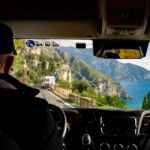
This is a classic Naples day trip: you trade city streets for a coach ride, then trade the ride for ancient streets. Pickup is from select Naples hotels, and the day runs about 6 to 7 hours total. The itinerary is built around efficient timing—drive first, then ruin-time, then lunch, then ruin-time again, with the coach bringing you back to the same pickup area.
The best part of this plan is the pacing. Pompeii is the headline act, but Herculaneum is the “wait, this is even more interesting” act. Pompeii is bigger and more famous, while Herculaneum is smaller and often feels more intimate because of how much is still preserved.
Here’s what that means for your expectations: you’ll leave with a strong sense of Roman daily life and the eruption story, but you won’t “finish” Pompeii or Herculaneum. Think highlights plus context, not a full excavation tour.
You can also read our reviews of more tours and experiences in Naples.



First Stop: Pompeii for the Forum, Teatro Grande, and the 79 AD Story
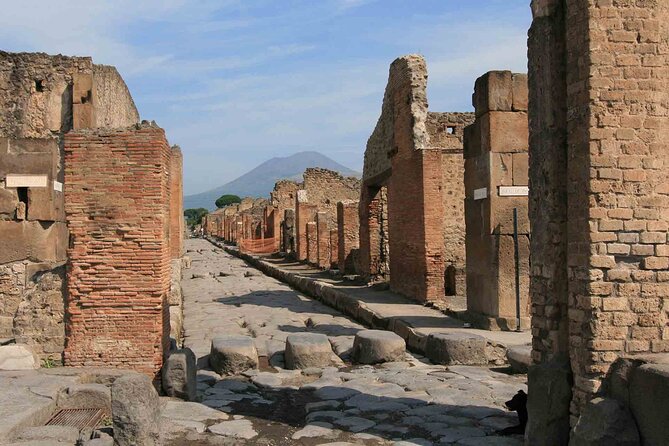
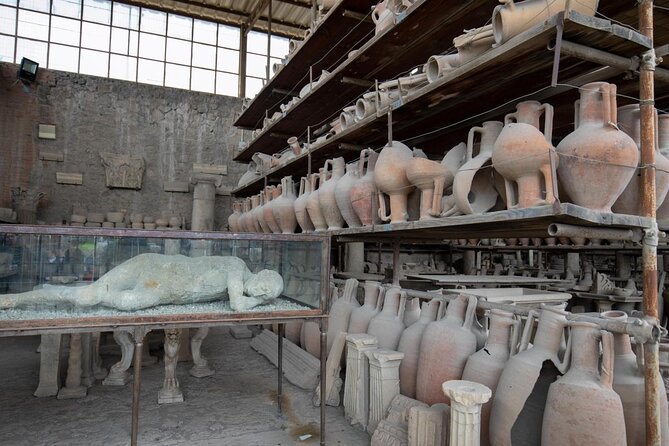
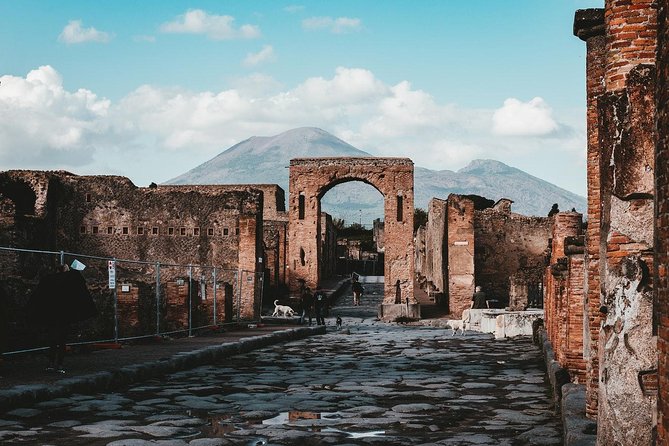
Pompeii is where your guide really turns the volume up. The city was home to around 11,000 people before Mount Vesuvius changed everything in 79 AD, burying the area under ash within hours. You’ll also get the bigger timeline: excavations began much later, in 1748 under the Bourbons, and the discoveries fueled enthusiasm and even supported the neoclassicism trend.
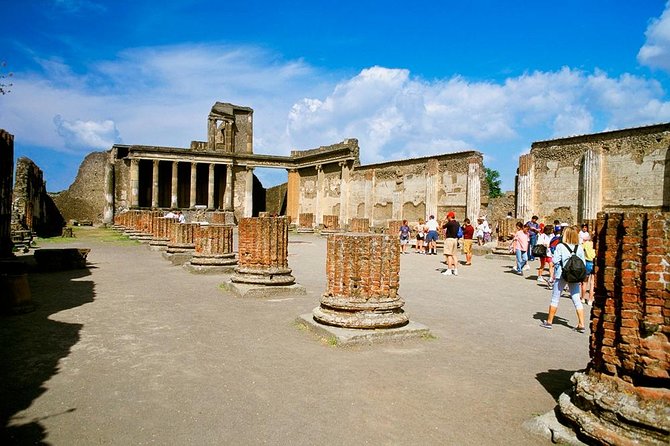
In the ruins, expect a guided walk that hits major anchors. The itinerary specifically mentions the Forum (the public heart of city life) and the Teatro Grande (a theater that once held up to 5,000 spectators). That’s a good mix: civic power on one side, entertainment on the other.
A lot of people dream of Pompeii as a single sweeping experience. Here’s the reality: Pompeii is enormous. Even with a guided route, you’ll cover only a slice of the park. That’s not a dealbreaker—if anything, it’s the reason a guided plan works. Your guide helps you understand what you’re seeing so those streets don’t feel like random stones.
If you’re hoping to wander freely for hours, you may feel rushed. Several people note the Pompeii portion can feel like a taste rather than a deep exploration. If that matters to you, consider pairing this trip with a separate, longer Pompeii visit later.
Entrance Tickets and the Real Meaning of the Price
The listed price is $120.68 per person, and what you’re really paying for is the structure: round-trip modern coach transportation, onboard commentary, a guide (if the group meets the minimum), lunch, and in Herculaneum, audioguides.
But the entrance fees are extra. Pompeii’s admission is listed at €19 per person, and Herculaneum includes multiple fees listed (including €16 and an additional €14.00). In practice, you should budget for tickets on top of the tour price. If you’re comparing options, that’s where the value picture shifts.
So is it worth it? For most first-timers, yes—because squeezing both sites into a single day is hard to do without a plan. The coach saves time and stress, and the guide at Pompeii gives you the historical glue that makes the ruins click.
If your main goal is maximum time inside Pompeii, then the cost may feel high relative to the amount of walking you’re able to do. If your goal is a Roman crash course with logistics handled, the price starts to look more reasonable.
Optional Coral and Cameo Factory: A Naples Craft Break (If Time Allows)
One detail that adds flavor to the day is the potential stop at a coral and cameo factory. The idea isn’t just shopping. You’re there to watch how the jewelry-making process works—something you don’t get if you only do archaeology all day.
Timing is the catch. The stop is described as optional, and it depends on how the day runs. If you end up short on time, don’t feel like you missed out on a “must.” The core value stays with Pompeii, lunch, and Herculaneum.
Also, treat it like a craft demonstration: ask questions, watch the workflow, and only buy if it truly catches your eye. That keeps the stop enjoyable instead of salesy.
Lunch Included: Where a Simple Meal Actually Matters
Lunch is included, and I like that this isn’t a vague plan. You’re taken to a local restaurant for an Italian-style lunch between the two ruins.
This matters because Pompeii and Herculaneum both require energy. When you’re doing two big archaeological sites in one day, running late or getting hangry is a real risk. Including lunch smooths the schedule and reduces decision fatigue.
Food quality in the included lunch seems to land well overall, based on the range of feedback. A few people still felt the lunch choice wasn’t satisfying, and some mention the chicken was not great for them. Still, most reactions are positive enough that I’d call lunch a genuine help, not just filler.
My practical tip: eat like you’re about to walk 90 minutes in heat. Keep it lighter than you would on vacation day-off, and save your appetite for evening in Naples.




Herculaneum in the Afternoon: Better Preserved, More Manageable
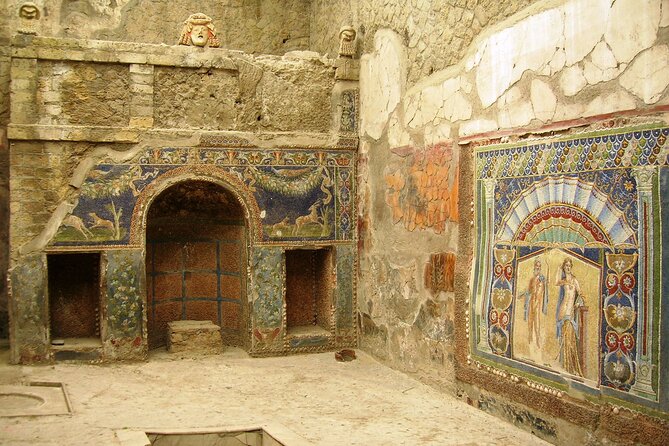
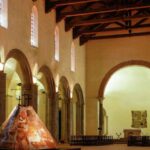
After lunch, you head to Herculaneum. It was also struck during Vesuvius’s 79 AD eruption, but the tone of the experience changes fast once you arrive.
Herculaneum is smaller than Pompeii, and it often feels more readable. A key highlight mentioned in the info is Villa dei Papiri, known for a library with over 1,800 papyruses. That’s a striking reminder that this wasn’t only a place of grand monuments—it was a place where people stored knowledge.
This part of the tour is more independent. The tour uses audioguides in the ruins of Herculaneum, including mention of phone-style guidance. That’s a practical choice because Herculaneum is compact enough for you to loop through at your own speed.
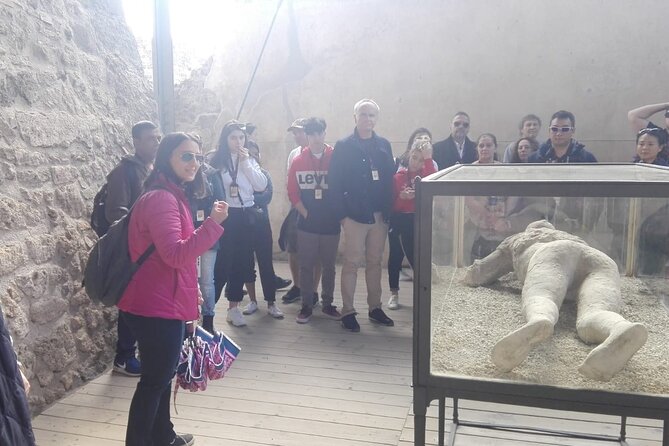
The big advantage: you can stop when something catches your eye—mosaics, preserved structures, and even the fossils people associate with this site. The big drawback: audio comfort matters. Some people wished for hands-free earbuds, or found the device awkward. If you’re picky about audio, bring earbuds you’re comfortable with.
Also, manage the expectation that you’ll be “done” with Herculaneum relatively quickly compared with Pompeii. That’s not a negative—it just means your time is more concentrated.
Guides and How the Day Feels in Real Life
This tour can run with different guiding styles depending on the group size. If there are at least six people per language, you’ll have a real local guide. If there are fewer, you’ll use an audio guide instead.
In feedback, several guide names come up: Erica and Monica were praised in Pompeii, and names like Martina and Maria also appear for the Pompeii portion. On the Herculaneum side, Connie is mentioned, as well as other energetic guides. People also report that drivers like Chris and Franco helped keep things running on time and added commentary during the drive.
That mix—guide for interpretation at Pompeii, audio support at Herculaneum—works best when you want context fast. It’s less ideal if you’re hoping for a long, uninterrupted guided explanation inside every room and street. You’ll get the story, but the day is designed for efficiency.
If you’re someone who really needs a live back-and-forth, consider asking in advance how many people are expected in your language group.
Heat, Walking, and What to Bring So You Don’t Hate Your Day
This is one of those tours where the wrong clothing turns the experience annoying instead of amazing. The ruins are exposed, with limited shade, and July-style heat can be brutal.
Plan for:
- Water (and refill whenever you can)
- A hat or headgear
- A small fan or handheld spray (yes, people specifically recommend this)
- Comfortable walking shoes
- A compact umbrella if you use one for sun
Also, remember the ground is uneven. Even if you’re fit, your feet will notice Pompeii and Herculaneum aren’t built for casual strolling.
If walking difficulties are a concern, this likely won’t be the best day trip match. The tour info flags it as not suitable for passengers with walking difficulties.
The Bottom Line: Should You Book This Pompeii and Herculaneum Day Trip?
I think you should book this if you want the highest-impact Roman sites with the least stress. It’s especially good for first-timers who want the eruption story explained and who like having a route that keeps the day from falling apart.
Skip it (or at least adjust expectations) if you know you need lots of free time in Pompeii, or if you’re very sensitive to audio quality during guided ruins. Also, if you travel in cooler months, the tour may feel less worth it only if you end up with more audio and less live guide time—this depends on group size.
If you want my simple rule: book it for structure + context, not for total freedom inside the parks. Do that, and you’ll come away with a clear mental map of two cities trapped in time.
FAQ
How long is the Pompeii and Herculaneum day trip?
It runs about 6 to 7 hours overall.
Is lunch included?
Yes. Lunch is included in the tour price.
Are the entrance tickets to Pompeii and Herculaneum included?
No. Pompeii entrance tickets (€19 per person) and Herculaneum entrance fees (listed as €16 and €14.00 per person) are not included.
Will I have a guide at both sites?
You’ll have a guide at Pompeii when the group meets the minimum (otherwise it may switch to audio). For Herculaneum, you’ll use audioguides in the ruins.
What’s included for Herculaneum besides transportation?
Herculaneum includes audioguides in the ruins, plus the afternoon visit time after lunch.
Is the tour suitable for people with walking difficulties?
No. It’s not suitable for passengers with walking difficulties and requires moderate physical fitness.
Can I cancel for a full refund?
Yes. You can cancel up to 24 hours in advance for a full refund. If you cancel less than 24 hours before the start time, the amount paid is not refunded.