REVIEW · NAPLES
Naples: Pasta Cooking Class with Tiramisù and a Drink
Book on GetYourGuide →Operated by Luigi Marra · Bookable on GetYourGuide
Fresh pasta, then tiramisù, in central Naples. This cooking class turns a restaurant table into a working kitchen, where a chef guides you through making pasta dough and assembling tiramisù with fresh ingredients.
Two things I really like about it. First, you do the work: kneading, cutting, and shaping pasta with a real instructor, not just watching from the sidelines. Second, you get a full meal payoff right after—your pasta comes out in three classic Naples-style sauces, plus bruschetta, tiramisù, and an espresso to wrap it up.
One possible drawback to plan for: it’s a compact experience (about 2 hours), so you’ll want to show up ready to cook and eat without taking your time. Also, it’s not a fit if you need gluten-free or have certain mobility needs.
In This Review
- Key things that make this class worth your time
- Where the class happens in Naples: Restaurant San Carlo 17
- What you’ll make: Tagliatelle Nerano, Ravioli alla Sorrentina, Maltagliati
- The pasta-making part you can reuse at home
- How tiramisù fits into the schedule (and why that matters)
- The meal you eat: bruschetta, your pasta, and a drink
- Price and value: what $71 really covers
- Who should book this class (and who should skip it)
- Practical tips so your 2-hour session feels smooth
- Should you book Naples pasta and tiramisù?
- FAQ
- How long is the Naples pasta cooking class?
- Where do I meet for the class?
- Is the class taught in English?
- What dishes will I make during the class?
- What drink is included with the meal?
- Are extra drinks included?
- Does the experience include coffee?
- Is the class suitable for gluten intolerance or wheelchair users?
- What is the cancellation policy?
Key things that make this class worth your time
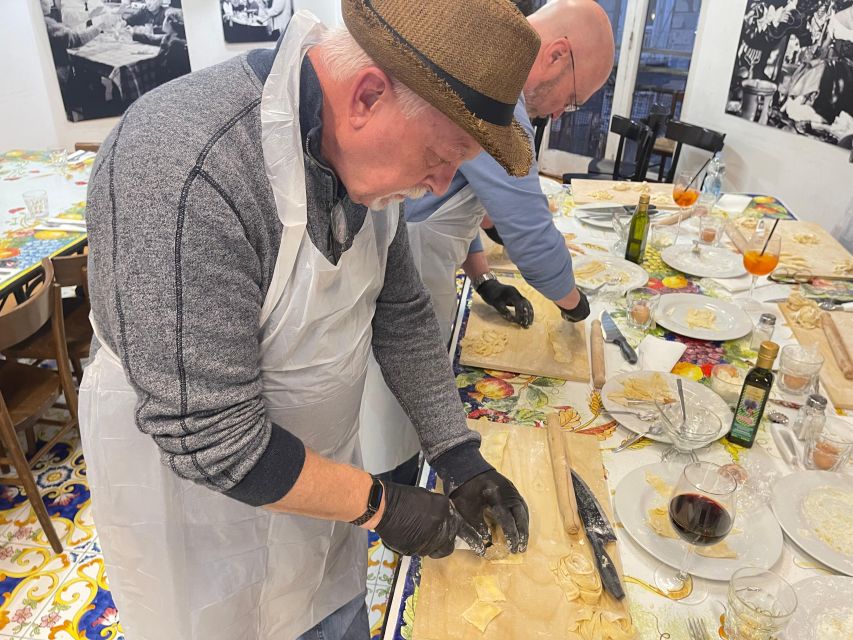
- Three pasta types, one class: tagliatelle nerano, ravioli alla sorrentina, and maltagliati (with potato and provola).
- Chef-cooked sauces: your pasta is finished in the kitchen with sauces like nerano and sorrentina.
- Tiramisù with structure: you prepare it during class so it can set while you work on pasta.
- Small-group feel: many sessions are intimate, with instructors like Alessia, Manuela, Emanuela, and Matilde.
- Restaurant location and atmosphere: class happens inside Restaurant San Carlo 17 near Piazza Plebiscito and Galleria Umberto I.
- Finish like a local: bruschetta starter, wine or soft drink, then espresso.
Where the class happens in Naples: Restaurant San Carlo 17
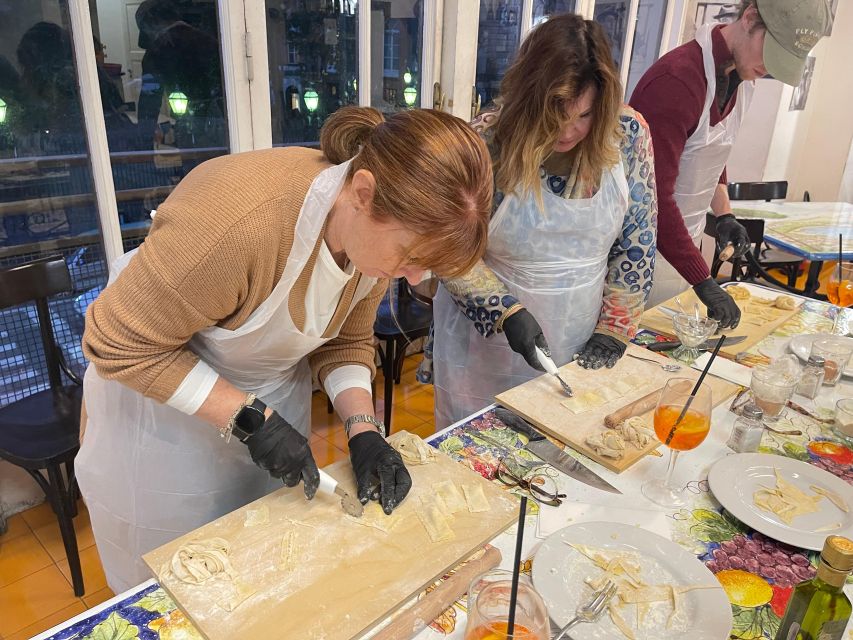
This experience is set in the center of Naples at Restaurant San Carlo 17, right across from the Teatro di San Carlo area. If you’re already walking around Piazza Plebiscito and the Galleria Umberto I zone, you’re in the right neighborhood—easy to reach on foot from major sights.
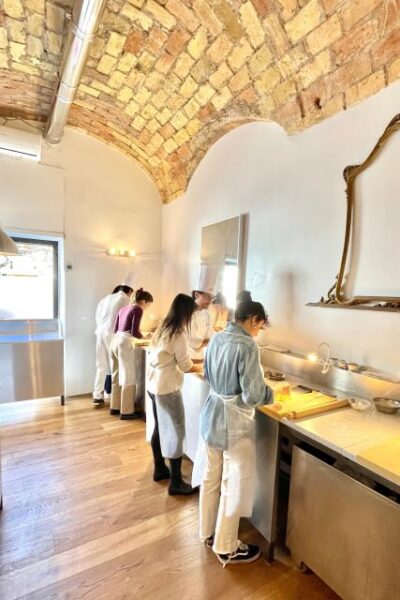
Inside, the vibe is important. It’s not a sterile classroom. It’s a real dining space, and in some sessions the cooking runs in a quieter window before the restaurant opens to the public. A few past classes were even described as taking place upstairs, with a view out toward the coast and a nearby castle. Even if your session isn’t the same view, you’ll still feel like you’re doing this in Naples, not importing it from somewhere else.
One practical note: there’s a dress expectation. Bare feet are not allowed, and bikes are not allowed either. Wear shoes you can stand in, since you’ll be on your feet for part of the cooking.
You can also read our reviews of more tours and experiences in Naples.

What you’ll make: Tagliatelle Nerano, Ravioli alla Sorrentina, Maltagliati
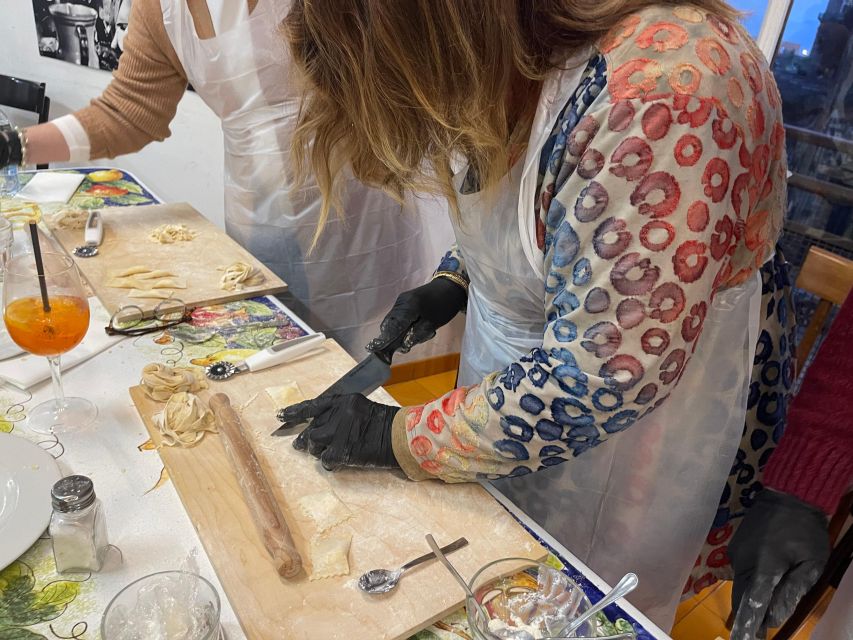
The heart of the class is that you make more than one pasta. You’re working on three different styles, each tied to a recognizable Naples flavor.
You’ll learn one pasta shaped as tagliatelle nerano. This is a name you’ll hear tied to Naples cooking traditions, and it’s a great choice for people who want something elegant but not fussy. Next, you’ll make ravioli alla sorrentina with a filling made from fresh ricotta. Finally, you’ll tackle maltagliati, the rustic, irregular-cut pasta that matches well with creamy, savory sauces—here, a potato and provola style.
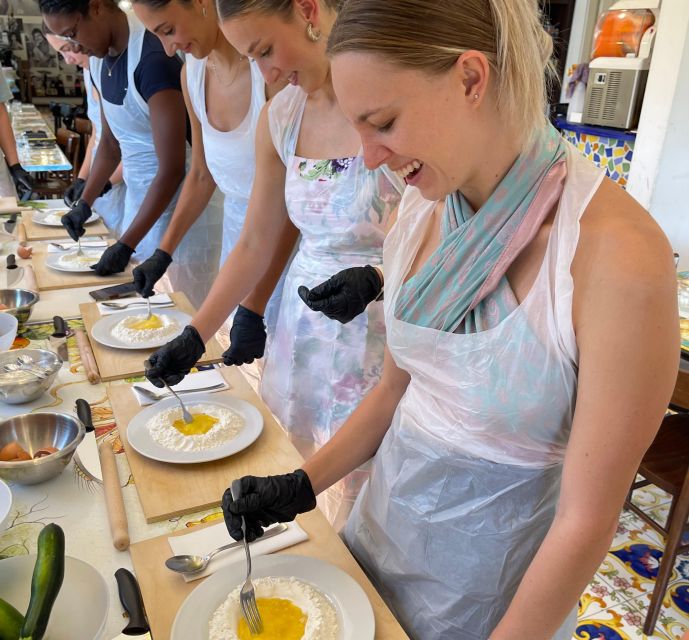
Here’s the key value: while you do the hands-on work (kneading, shaping, cutting), the chef finishes everything in the kitchen. That matters for two reasons. You get the satisfaction of making the pasta, and you still get the comfort of expert cooking and seasoning for the final dishes.
Also, you’re not only relying on someone’s memory of recipes. The class uses fresh ingredients and the right tools, so you’re not guessing what the dough should feel like or what consistency to aim for.
The pasta-making part you can reuse at home
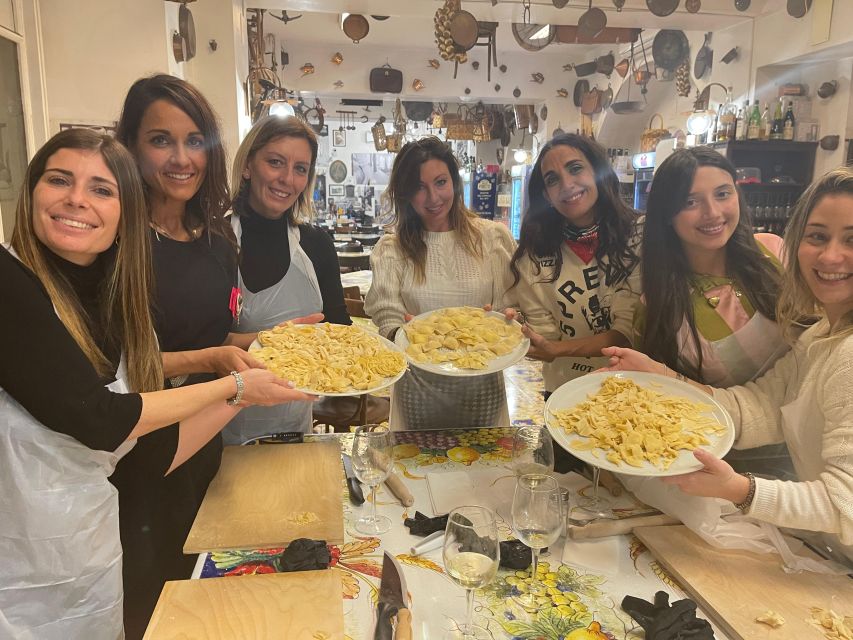
I like that this class teaches technique, not just outcomes. Pasta dough can be intimidating, but the instructors keep it practical: you’ll be kneading and handling dough yourself, then cutting and shaping.
A small detail that came up in feedback: some sessions use a roller rather than a pasta machine. That’s good news if you don’t own one at home. You’ll learn how to work the dough into a workable sheet by hand and then shape it with purpose—useful skills even if your kitchen tools are basic.
And one more real-world point: the difference between pasta styles across Italy is more than marketing. In one class experience, the instructor explained that in Naples, eggs are part of the dough approach. That’s the kind of ingredient story that helps you understand why texture changes from place to place—and why your homemade results might differ unless you adjust.
Expect the instructor to walk around and correct your technique. Past sessions were praised for being patient and for keeping instructions clear, especially when the group was small. People even noted one-on-one moments where they could ask ingredient questions and compare local options back home.
If you’re a beginner, great. If you’re already cooking, also great. The class format gives you a way to test your instincts, then compare them to what Naples cooks actually do.
How tiramisù fits into the schedule (and why that matters)
Tiramisù in this class isn’t an afterthought. You’re actively preparing it during the pasta session. Timing is built in: instructors often have you start tiramisù early so it can set while you work on pasta.
That setting window changes everything. Tiramisu that needs time tastes different when served immediately. With this format, you’re making tiramisù in the right order so the final dessert feels like dessert, not a coffee-cream remix that hasn’t had time to settle.
What you assemble is the classic idea of espresso and cream together, with the right balance of sweetness and structure. Several people highlighted that the tiramisù here feels fresh and straightforward compared with some North American takes—less about heavy shortcuts, more about getting the core flavors right.
And the coffee finish is part of the deal. Even after you finish dessert, the experience ends with espresso. So if you’re a coffee person, you’ll leave with two hits: your own tiramisù and a final espresso to ground the whole meal.
The meal you eat: bruschetta, your pasta, and a drink
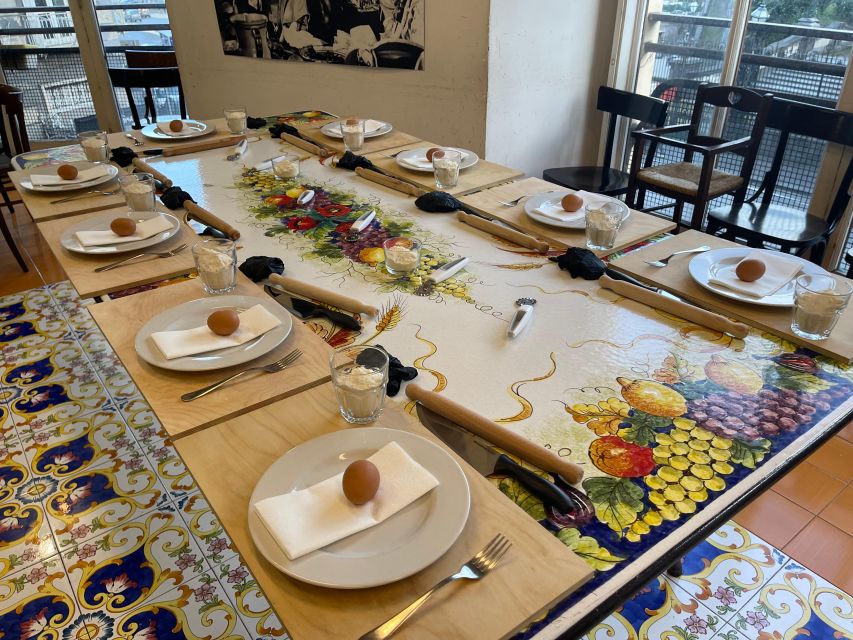
The final stage is a sit-down meal that flows logically from what you made.
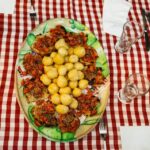
You start with bruschetta, which works as a palate reset before the pasta. Then you eat the pastas you prepared—served with the sauces the chef cooks in the kitchen. That includes sauces described as nerano, sorrentina, and a potato and provola style sauce for the maltagliati.
One of the best parts of these classes is that you get to compare your work to the finished dish without guessing what you got wrong. The chef takes over the finishing steps, so you can focus on learning without the stress of timing sauces at home.
Then comes the drink. You get one bottle of water plus one drink choice: alcoholic or non-alcoholic. Wine was specifically mentioned in feedback, and soft drinks were also offered. Extra drinks aren’t included, so if you want more, you’ll pay for it separately.
You’ll finish with tiramisù, then espresso. In other words, you’re not just paying for instruction—you’re paying for a full Naples-style meal built from what you learn to make.

Price and value: what $71 really covers
At $71 per person, the price looks like more than a cooking class once you count what’s included.
You’re covered for:
- A theoretical and practical lesson with a chef/instructor
- Fresh ingredients and equipment
- Three pasta types you prepare (tagliatelle nerano, ravioli alla sorrentina, maltagliati)
- The tiramisù you make
- Bruschetta plus your finished pasta dishes
- Water and one drink (alcoholic or non-alcoholic)
- Coffee/espresso at the end
That’s why people keep describing it as good value. You’re not only learning two recipes. You’re learning pasta technique and dessert technique, eating a multi-course meal, and getting a final coffee service—all in about two hours.
Another value point: many sessions seem to run in a small-group format. Some people reported very small groups, even just them plus one other participant. When that happens, the instructor attention is more personal, and the tips you get (like dough consistency or shaping technique) are more likely to stick.
Who should book this class (and who should skip it)
This is a strong match if you:
- Want a hands-on pasta-making experience rather than a tasting-only tour
- Love Naples flavors and want classic dishes you can reproduce later
- Prefer short classes with a clear end result: you cook, then you eat
- Travel with a friend, partner, or small group and want an activity that’s fun and practical
It’s also a great choice for teens and families in many cases, since past classes were described as enjoyable for a range of ages, including teens. Just note the minimum age limits are strict: it’s not suitable for children under 2 years, and not suitable for children under 3 years.
If you have gluten intolerance, this class is not listed as suitable. People with motion sickness may also want to skip, since food prep involves time in a kitchen environment. And if you use a wheelchair or need mobility accommodations, this isn’t designed for wheelchair users or people with mobility impairments.
Finally, if you’re expecting a lot of freedom to wander the city during the session, this one won’t feel like that. It’s focused. You cook, eat, then move on.
Practical tips so your 2-hour session feels smooth
To get the most out of it, think about your arrival and your expectations.
First: show up at least 5 minutes early. The meeting point is Via San Carlo 17, opposite the Teatro di San Carlo area, and the class runs inside Restaurant San Carlo 17. Getting there early helps you start with zero stress.
Second: come hungry. The meal at the end includes bruschetta, multiple pasta dishes, tiramisù, and espresso. Even if you’re not a huge eater, expect to be satisfied.
Third: wear comfortable shoes and plan for standing. Even though it’s a short class, your time is spent actively working with dough.
Fourth: pay attention to how the dough feels and how the instructor corrects your shaping. The most useful takeaway from a class like this is usually not the exact recipe. It’s the technique: how you know the dough is ready, how you avoid stretching mistakes, and how you handle filling for ravioli.
Finally: if you’re the type who likes to ask questions, bring them. A few past sessions noted ingredient discussions comparing Italy and North America. That kind of conversation can help you replicate results at home.
Should you book Naples pasta and tiramisù?
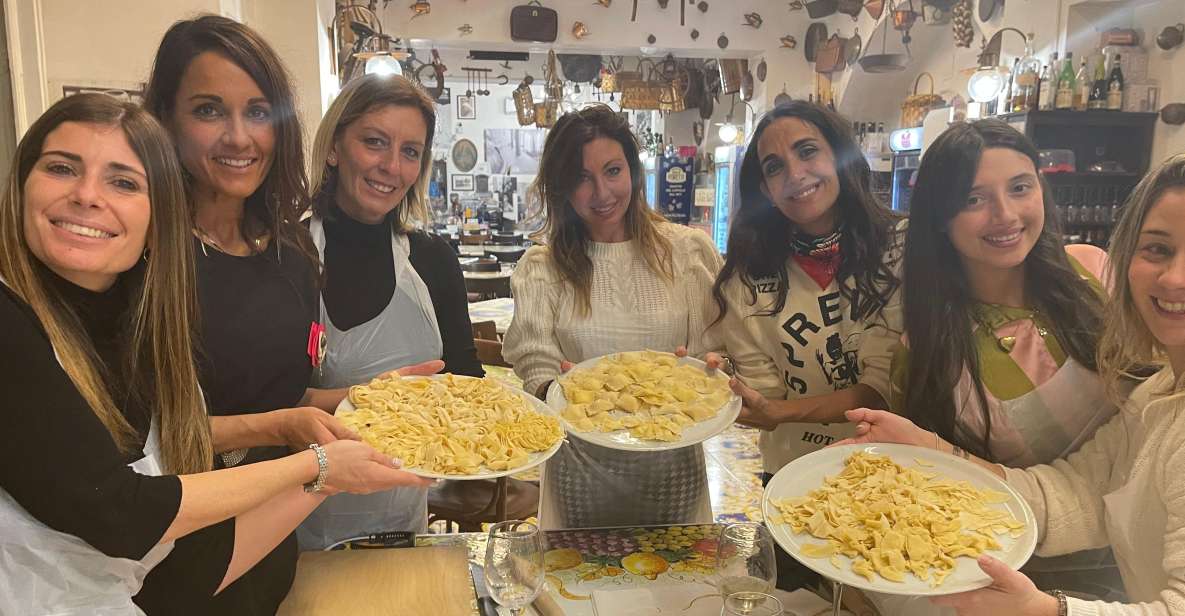
I’d book it if you want a real Naples cooking moment: hands-on pasta, classic Naples sauces, and a dessert that actually gets the time it needs to set. The strongest reasons to choose it are simple: you do the work yourself, the chef handles the finishing, and you end with a full meal plus espresso.
Skip it if gluten-free needs are a must, if you have mobility or motion sickness considerations that make a kitchen environment difficult, or if you’re hoping for a longer, sightseeing-focused experience.
If you’re scheduling only one food activity in Naples, this is a smart pick. It’s compact, it’s practical, and it leaves you with skills you can use again—tagliatelle, ravioli, maltagliati, and tiramisù—plus the confidence to cook them without second-guessing.
FAQ
How long is the Naples pasta cooking class?
The experience lasts 2 hours.
Where do I meet for the class?
You meet in Via San Carlo 17, Naples, opposite the San Carlo Theatre, inside Restaurant San Carlo 17.
Is the class taught in English?
Yes. The instructor teaches in English.
What dishes will I make during the class?
You will prepare tagliatelle nerano, ravioli alla sorrentina, and maltagliati (with potato and provola), plus tiramisù.
What drink is included with the meal?
You get one drink (alcoholic or non-alcoholic) with your meal, plus 1 bottle of water.
Are extra drinks included?
No. Extra drinks are not included.
Does the experience include coffee?
Yes. The class ends with an espresso coffee.
Is the class suitable for gluten intolerance or wheelchair users?
No. It is not suitable for people with gluten intolerance, wheelchair users, or people with mobility impairments.
What is the cancellation policy?
Free cancellation is available up to 24 hours in advance for a full refund.