REVIEW · POSITANO
Ravioli & Tagliatelle Cooking Class at a Local’s Home in Positano
Book on Viator →Operated by Barba Angela · Bookable on Viator
A family kitchen in Positano beats any restaurant class. You start up toward Montepertuso for big views over Li Galli, then settle into a home where the family teaches you fresh pasta and an old-school tiramisu finish with local wine.
I especially love the hands-on pasta work: you make both ravioli and tagliatelle, with filling choices for the ravioli. I also like the family feel, led by Emily and Gennaro (Genny) alongside their mum, where stories and practical tips move the whole night along.
One thing to consider: this experience runs on good weather. If conditions are rough, your schedule can shift, so keep this on a day when you have some flexibility.
In This Review
- Key things that make this class worth your time
- A family kitchen in Positano that feels like you belong
- Montepertuso and Li Galli: the view set-up before the apron
- Aperitivo first: prosecco, salami, tarallucci, and good mozzarella
- Ravioli in Positano: dough work, filling choices, and sealing the edges
- Tagliatelle: the fresh pasta feel and the garden ingredient logic
- Tiramisu plus wine and limoncello: the finishing act
- The “why” behind the teaching: stories, technique, and family rhythm
- Price and value in Positano: what you’re really paying for
- Who should book this class (and who might skip it)
- Should you book this Positano ravioli and tagliatelle class?
- FAQ
- How long is the cooking class?
- What do you cook during the class?
- Where do you meet in Positano?
- Is the class taught in English?
- How many people are in the group?
- Does the class include food and drinks?
- What happens if the weather is bad?
Key things that make this class worth your time
- Garden-to-plate ingredients: you pick fresh produce together
- Two pasta formats: ravioli (with filling choices) and fresh tagliatelle
- Family-led teaching: Emily, Gennaro (Genny), and their mum share the how and the why
- Food plus drink is part of the deal: aperitif, wine, and limoncello tasting
- Small group size: capped at 14 for a calmer, more personal pace
A family kitchen in Positano that feels like you belong

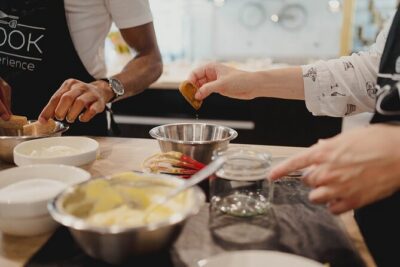
Positano cooking classes can fall into two camps: tidy, staged, and fast. This one leans the other way. You’re welcomed into a local home setting, not a restaurant counter. The pace feels sociable, with plenty of time to actually get your hands in the dough, ask questions, and settle into the rhythm of a family meal.
What makes it work is the mixture of skill and warmth. Emily and Gennaro (Genny) guide the cooking, and their mum is part of the kitchen flow too. You also get a sense of the household approach to food: recipes passed down from their grandmother, plus the simple, practical habit of using what grows nearby. If you care about “why” as much as “how,” this style fits.
You can also read our reviews of more tours and experiences in Positano.


Montepertuso and Li Galli: the view set-up before the apron
Your day starts in Positano at Piazza Cappella. From there, you head up toward Montepertuso, with a stop connected to Li Galli. Even if your main mission is pasta, this matters. Positano’s best advantage is atmosphere, and getting up high early helps you feel it.
Practical reality check: Positano is steep, and the home is a ways from the main beach area. The experience is set up for small-group movement, and you may end up using a taxi to get to the villa area. In past groups, shared cab help has been arranged when needed, which is smart because it keeps you from hauling luggage or waiting on your own.
If you get motion-slightly-squirmy on curvy roads, you’ll still be fine. It’s not a long haul; it’s more like a quick scenic repositioning so you can enjoy the kitchen view without turning it into a workout.
Aperitivo first: prosecco, salami, tarallucci, and good mozzarella
The meal begins before any flour hits the counter. You start with an aperitif built around local products, paired with a good glass of prosecco. Then you move into a starter spread that sets the tone: salty, fresh, and very Italian in the way it doesn’t overcomplicate.
A typical opening includes:
- Salami, tarallucci, local cheese, olives, and prosecco
- A caprese-style plate with local mozzarella and fresh tomatoes from their garden
- Rocket and grilled vegetables that come from the property’s growing plan
This is more than “snacks while you wait.” It’s a lesson in how the meal is organized in the region: start with bright flavors, then move into the heavier comfort of homemade pasta.
If you’re picky about food timing, you’ll like this structure. It gives you enough to settle in, but it doesn’t spoil your appetite. You’re still ready for the pasta teamwork.
Ravioli in Positano: dough work, filling choices, and sealing the edges
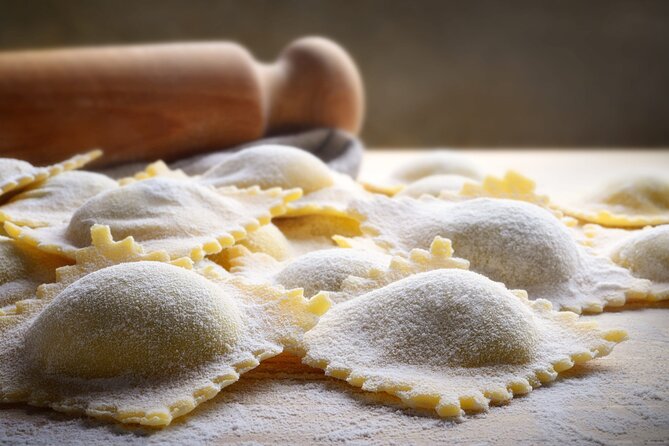
The main event for many people is the ravioli. You’ll make fresh ravioli pasta together, and you can choose the stuffing direction. The options can include:
- Ricotta
- Vegetables
- Meat
That filling choice is a big value point. It means the class isn’t one-size-fits-all, and you can tailor your pasta to your comfort level. If you want something creamy and mild, ricotta is an easy win. If you’d rather keep it lighter, vegetables work well. And if you’re craving classic, meat-forward flavor, you’ll have that option too.
Ravioli also teaches a key skill without needing fancy equipment. When you roll and cut the dough, you’re learning how to manage thickness and handle. Then the sealing step becomes the practical “don’t rush it” moment. Too thick and it fights you; too thin and it tears. Too loose and it bursts during cooking. This is one of those tasks that feels awkward for the first few minutes and suddenly clicks after the first successful batch.
Groups often work together here. You’re not doing surgery alone. It’s more like a kitchen assembly line with guidance, which makes it feel fun instead of stressful.
Tagliatelle: the fresh pasta feel and the garden ingredient logic
After ravioli, you shift to handmade fresh tagliatelle. This part is less about choosing fillings and more about technique: making the pasta from scratch with fresh ingredients drawn from the property’s garden.
Tagliatelle is a great second lesson because it complements ravioli. Ravioli is dough plus shape plus seal. Tagliatelle is about the feel of the dough and how it handles when you form and prepare it. You’ll get a sense of why Italians treat fresh pasta as more than a novelty. It’s part of the meal’s structure.
A useful way to think about this: the class builds your pasta “toolbox.” After both formats, you’re not just copying one recipe. You’re learning how to approach dough, how to handle fresh work, and how ingredients fit into the final flavor.
And since the cooking emphasizes garden-provided produce, you’ll probably find it easier to recreate at home. Fresh ingredients you can actually access beat complicated specialty items.






Tiramisu plus wine and limoncello: the finishing act
No matter how good the pasta is, the dessert decides whether the experience feels complete. Here, you make tiramisu, described as an old recipe from their grandmother.
Tiramisu is also a good end-of-class activity because it’s hands-on but forgiving. You’re tasting along the way, and you can usually see the difference between a version that’s rushed and one that’s balanced.
Drink-wise, the class keeps things flowing with local wine. There’s also a family limoncello tasting, which is a classic match for a sweet dessert. In the mood notes from past groups, unlimited wine has been part of the evening, along with prosecco and a lively vibe.
One extra detail that stood out: the hosts often share photos and videos from your time together via WhatsApp before you even head back. It’s a small thing, but it’s a nice way to keep the evening’s memory intact without you worrying about your phone at the exact moment you finally perfect a pasta fold.
The “why” behind the teaching: stories, technique, and family rhythm
The best classes don’t just show steps. They explain what matters.
In this one, the teaching blends technique with family storytelling. Emily’s role feels like that rare combo of clear instructor plus warm host. Gennaro (Genny) and their mum help drive the kitchen energy, including humor and generational knowledge.
From what’s shared, the thread is consistent: recipes come from their grandmother, and the kitchen approach ties back to how they grow and use ingredients. That’s the practical part. You’re not only learning a recipe. You’re learning how a family thinks about food: use what’s seasonal, build flavor in layers, and take your time with the parts that need it.
Also, there’s more than one way to learn pasta. Some people focus on the dough; others focus on the filling balance. The group structure (max 14) keeps the room from turning chaotic, so you can find your lane while still learning from others.
Price and value in Positano: what you’re really paying for
At $181.41 per person for about 3 hours, this isn’t the cheapest option in town. But it’s also not trying to be. The value comes from three things that add up quickly in high-demand resort areas:
- You’re eating what you cook, plus multiple courses
- Wine, prosecco, and limoncello are part of the experience
- It’s small-group, home-based instruction rather than a mass-market restaurant class
If you’ve ever done a cooking class that feels like a sales demo with a plate at the end, you’ll feel the difference here. The included meal is bigger than a token tasting. And because it’s in a home kitchen, the staff-to-group vibe stays human.
There’s also the “take it home” element. You receive recipes in a PDF, and people have noted they received more than what they made during the class. That matters because pasta isn’t just a one-time stunt. With a real recipe sheet, you can keep the skill alive after your trip.
Who should book this class (and who might skip it)
This works best if you want:
- Hands-on cooking with guidance
- A more personal family-home atmosphere
- An eating-and-drinking experience that feels like part of Positano, not an add-on
It also fits well for a range of ages because it’s described as suitable for children. That said, it’s still a kitchen environment with real food prep, so I’d only choose it for kids who can handle a couple hours of cooking sounds and tastes.
You might skip it if you want purely “technical” culinary instruction with no social component. This experience leans warm and story-driven. It’s not trying to be a silent masterclass.
Should you book this Positano ravioli and tagliatelle class?
If you want the kind of meal you’ll remember later, book it. The strongest reason is the combination of fresh garden ingredients, two homemade pasta types, and a dessert that finishes the whole night properly, all taught in a family home by hosts like Emily and Gennaro (Genny) with their mum.
My main recommendation: treat it like a highlight meal, not just an activity. Give it a day where you’re not rushing to a packed schedule. And since it depends on good weather, aim for a travel plan that includes a little slack.
If you’re paying in a place like Positano, you should expect more than a cooking demo. This one delivers because you eat, drink, learn technique, and take the family recipes home with you.
FAQ
How long is the cooking class?
The class lasts about 3 hours.
What do you cook during the class?
You make ravioli, tagliatelle, and a tiramisu dessert.
Where do you meet in Positano?
The meeting point is Piazza Cappella, 84017 Positano SA, Italy. The experience ends back at the meeting point.
Is the class taught in English?
Yes. It’s offered in English.
How many people are in the group?
The group size has a maximum of 14 travelers.
Does the class include food and drinks?
Yes. You’re welcomed with an aperitif with local products, and the class includes multiple courses. Wine is part of the experience, and limoncello is also served.
What happens if the weather is bad?
The experience requires good weather. If it’s canceled due to poor weather, you’ll be offered a different date or a full refund.