REVIEW · ROME
Pasta and Tiramisù Cooking Workshop in the Heart of Rome
Book on Viator →Operated by iQook Experience · Bookable on Viator
Fresh pasta beats restaurant pasta, every time.
This Rome class turns an evening near the Opera House into a hands-on cooking lesson where you learn two pastas and tiramisù, then sit down to eat what you make. The small-group setup keeps it personal, not chaotic.
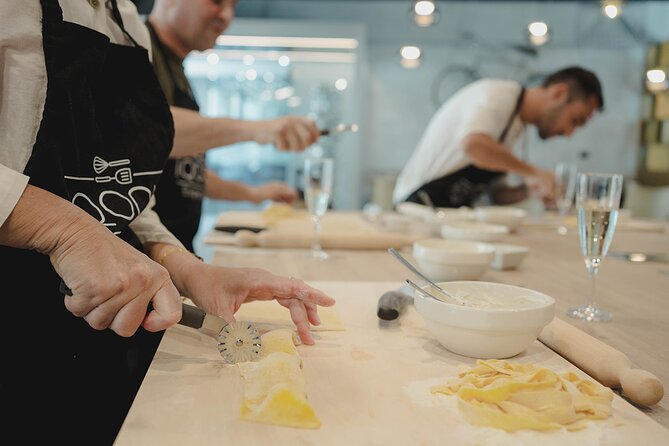
I really like the six-person max. You don’t just watch—you make both fettuccine and ravioli from start to finish, then enjoy your home-cooked lunch with a range of beverages. I also love that the teaching style is practical, with instructors like Agnese and Chef Danilo (shown in feedback) guiding the process step by step.
One thing to consider: this is a 6:00 pm kitchen-focused experience. If you’re looking for a sightseeing tour with long walks and stops, you’ll want to pair this with a separate day or earlier evening plan.
In This Review
- Key Points That Matter Before You Go
- Why This Rome Cooking Class Feels More Like a Lesson Than a Performance
- What You’ll Make: Fettuccine, Ravioli, and Tiramisù
- Fettuccine: the dough-to-noodles lesson
- Ravioli: shaping that teaches you control
- Tiramisù: dessert that’s hard to mess up
- The Real Itinerary: How Your 2.5 Hours Usually Unfold
- 1) Arrive, settle in, and start hands-on prep
- 2) Learn dough fundamentals while you’re making dough
- 3) Produce fettuccine and ravioli (two different skills)
- 4) Eat a full lunch (your pasta, plus dessert)
- 5) Drinks during the meal
- 6) Leave with recipes
- Where You’ll Be: Meeting Point and the Ease of Getting There
- The Value Question: $66.52 and Why It Can Make Sense
- Instructor Style: Patient Coaching and Helpful Assistants
- Who Should Book This Pasta and Tiramisù Workshop
- Should You Book It? My Honest Recommendation
- FAQ
- What dishes are included in the workshop?
- How many people are in each class?
- Where does the class meet?
- What time does it start and how long does it last?
- What language is the workshop taught in?
- Is free cancellation available?
Key Points That Matter Before You Go
- Six-person maximum: you get help when you get stuck, not after class ends
- Two pasta varieties + tiramisù: you’ll leave with real technique, not just a full stomach
- Instructors you can learn from: feedback calls out Agnese and Chef Danilo by name for clear, patient teaching
- Beverages with lunch: prosecco, wine, and limoncello show up, with non-drink options too
- Clean, modern workspace: reviews describe an immaculate room, plus air conditioning in the venue
- Recipes after the class: many participants report getting the exact recipes by email the next day
Why This Rome Cooking Class Feels More Like a Lesson Than a Performance
If you’ve ever tried to follow pasta videos at home, you know the hard part isn’t the recipe—it’s the feel. This workshop is set up to teach the feel. You start with dough work, move into shaping, then finish with a dessert that actually looks as good as it tastes.
The setting is near Rome’s Opera House, in a modern space that’s described as clean and well run. You’re not sent off to wander. You’re gathered, taught, and fed, which matters in a city where a lot of experiences try to do too much in too little time.
The small group size changes the whole vibe. In a big class, you’re one of many. Here, you get attention while you’re mixing, rolling, and forming—exactly when you need it. That’s why people rate it so consistently high: the outcome isn’t left to luck.
There’s also a practical comfort factor. The session starts at 6:00 pm and runs about 2 hours 30 minutes, which is a great slot for an evening that’s already been sightseeing-heavy. You can plan a relaxed dinner schedule afterward because you’ll have a proper lunch as part of the class.
You can also read our reviews of more tours and experiences in Rome.


What You’ll Make: Fettuccine, Ravioli, and Tiramisù
This isn’t a one-recipe class. You learn two pasta varieties and then a classic Italian dessert.
Fettuccine: the dough-to-noodles lesson
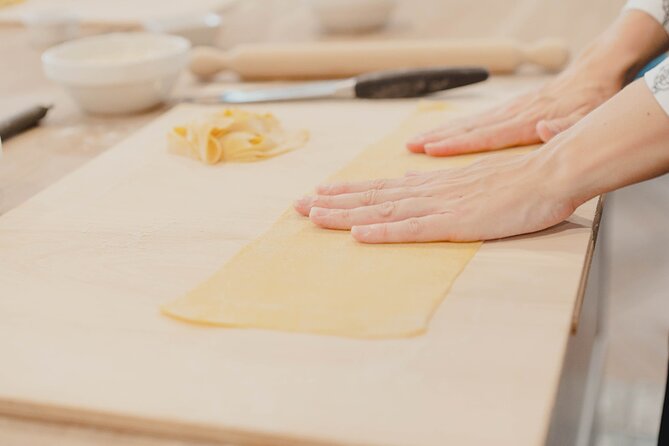
Fettuccine is the workhorse pasta here. You’ll learn how the dough comes together, how to handle it, and how to shape it into long ribbons. One small detail that shows up in feedback: people really enjoy the tactile part of the process—working the flour and dough until it feels right. That kind of muscle memory is what you’ll still be able to use at home.
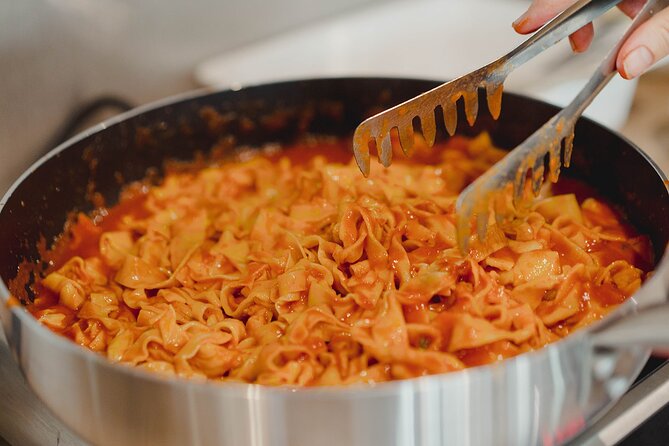
You’ll also get to eat your fettuccine afterward, paired with a red sauce.
Ravioli: shaping that teaches you control
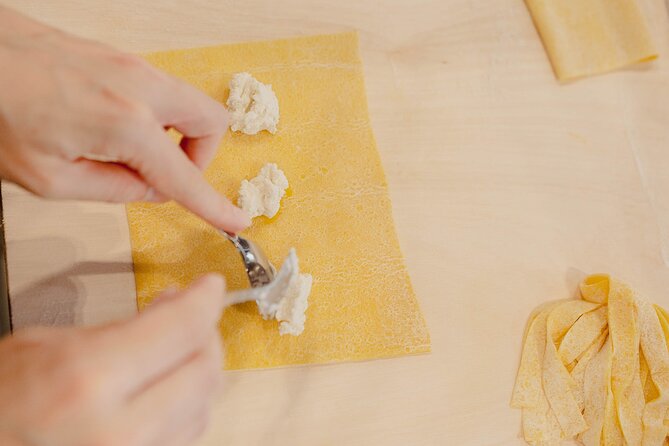
Ravioli can look intimidating, but the whole point of a small class is that someone can correct you while your hands are still learning. The class teaches you from start to finish, and then you eat what you make with a simple butter sauce.
A few people call ravioli their favorite pasta from the trip, which makes sense. When you control the filling and sealing process, the results feel more like a win than a gamble.
Tiramisù: dessert that’s hard to mess up
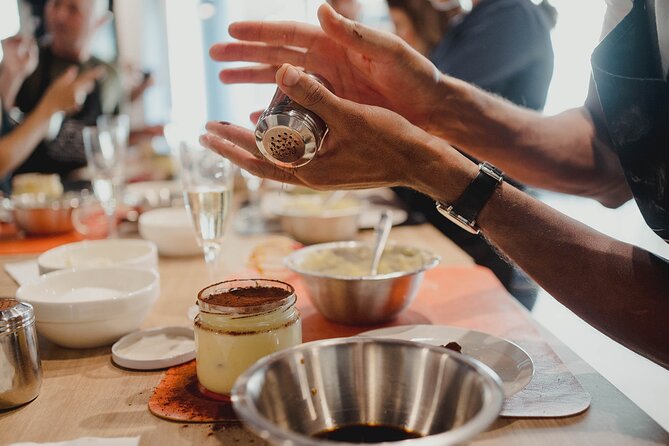
Tiramisù is the finale. You’ll make it during class and eat it at the end. Since it’s widely loved and straightforward in structure, it’s also the part where people feel proud fast—especially if they were nervous about the pasta.


The Real Itinerary: How Your 2.5 Hours Usually Unfold
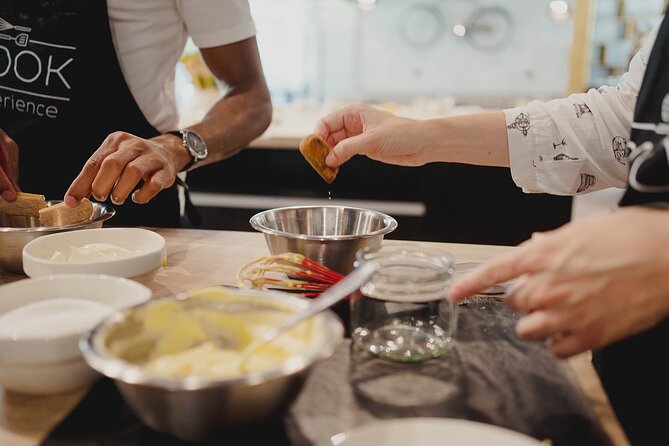
You meet at Via Firenze, 10, 00184 Roma RM, and the activity ends back at the same meeting point. Start time is 6:00 pm, so you can treat it like a planned evening anchor.
Here’s what you can expect in the flow, based on how the experience is described and how it’s taught:
1) Arrive, settle in, and start hands-on prep
Right away, you’re in “make mode.” The space is set up for cooking, not just staging. You’ll get guidance on ingredients and technique before things move too fast.
If you’re traveling with kids, this part tends to go smoothly because the class is built for active participation—not passive watching. Feedback specifically mentions kids having a blast and enjoying the hands-on pace.
2) Learn dough fundamentals while you’re making dough
This is where the class earns its value. You’re not learning a list of steps—you’re learning what the dough feels like as you mix and work it.
In several accounts, instructors are patient and keep explanations simple. That’s a big deal when you’re dealing with something that reacts to touch, humidity, and timing.
3) Produce fettuccine and ravioli (two different skills)
You’ll move through both pasta preparations. The process teaches different techniques:
- Fettuccine asks for confident rolling and cutting into ribbons
- Ravioli asks for shaping, filling, and sealing
Because the group is capped at six, you’re more likely to get correction right when it matters.
4) Eat a full lunch (your pasta, plus dessert)
After cooking, you sit down to the meal. This is not a “taste and go” situation. You get a home-cooked Italian lunch that includes your pasta creations and tiramisù.
5) Drinks during the meal
The experience includes beverages. Feedback points to prosecco, wine, and limoncello showing up with the meal. If you’re not drinking, you should still have options. In one account, non-drinkers (including kids) weren’t left out of the experience.
A bonus: one participant even noted free-flow prosecco. That may not be every session, but it’s a good sign that the beverage part is handled generously.
6) Leave with recipes
One of the most repeated “nice touch” details is that you receive recipes after the class—often by email the next day. That makes the workshop more useful than a single-night treat. When you’re back home, you have the guide to recreate the results.
Where You’ll Be: Meeting Point and the Ease of Getting There
You start at Via Firenze, 10, 00184 Roma RM, Italy, and you’re taken back there at the end. The venue is near Rome’s Opera House and is close to public transportation.
Practically, this is a good choice if:
- you’re staying in central areas
- you want an easy meetup point without complicated transfers
- you want to avoid burning your whole evening on buses and lines
Some people also mention being able to walk from Roma Termini, which can be a lifesaver if your schedule is tight or you have travel days squeezed in.
Timing-wise, a 6:00 pm start is friendly. You can do a museum or neighborhood stroll earlier, then come in hungry and leave full with a dessert in hand.
The Value Question: $66.52 and Why It Can Make Sense
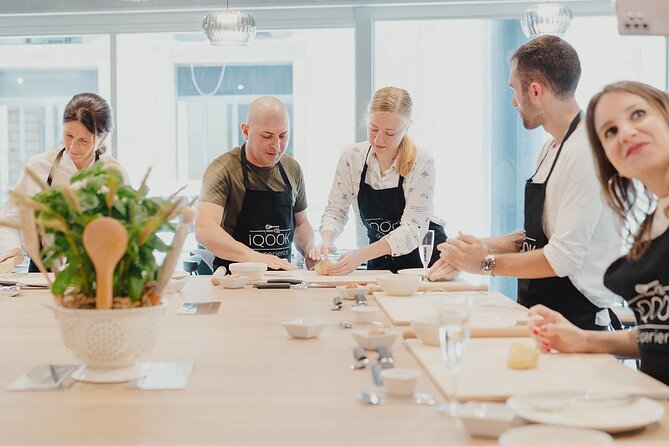
At $66.52 per person, you’re paying for more than ingredients. You’re paying for:
- hands-on instruction for pasta-making technique
- a small group that keeps the class from feeling rushed
- two pasta varieties plus tiramisù
- a real meal with drinks
- recipes afterward so you can repeat the results at home
In Rome, it’s easy to spend money on experiences that are half shopping, half lecture, and mostly photo time. This isn’t that. The workshop is structured around making food you can understand and remake.
Also, the “small class” element matters more than it sounds. When only a few people are cooking, you get help before mistakes harden into bad habits. That’s how you go from I think I’m doing this wrong to I actually nailed it.
Instructor Style: Patient Coaching and Helpful Assistants
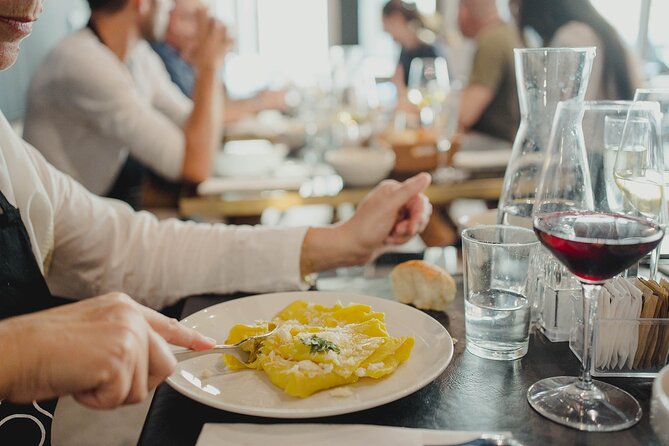
Teaching quality is the hidden ingredient in a cooking class. Here, multiple instructors show up in feedback—Agnes/Agnese and Chef Danilo—and the consistent theme is patience and clear guidance.
You’ll also see mention of assistants helping with serving, cleaning up, and keeping things moving. That frees the main instructor to focus on your dough and technique instead of managing everything at once.
One practical perk: some accounts note that the chef works in a way that helps you eat what you made, rather than everything being blended together. In other words, you get clearer ownership of your own fettuccine and ravioli outcome.
Who Should Book This Pasta and Tiramisù Workshop
This class is a great fit if you want an evening in Rome that’s active, social in a manageable way, and genuinely useful at home.
It’s especially good for:
- couples who want a shared “we did this” memory
- solo travelers who like small-group interaction
- families with kids who do better with hands-on activities (feedback includes children, like ages 8 and 11, enjoying it)
- food lovers who want technique, not just tasting
If you’re the type who hates cooking messes, you’ll still probably enjoy it, but come with the right mindset. This is a cooking workshop. Your hands will get involved. Think of it as learning your way through flour and sauce.
Should You Book It? My Honest Recommendation
Book it if you want a small-group, recipe-in-hand experience that teaches you real pasta skills. The class structure—two pasta types plus tiramisù, a proper meal, and follow-up recipes—adds up to value.
Skip it only if your goal is mainly sightseeing or you’re short on time before dinner. Since the session starts at 6:00 pm and runs about 2 hours 30 minutes, it’s best when you treat it as your evening plan, not an extra stop.
If you want a hands-on, well-taught Roman food experience that doesn’t feel like a rushed show, this one is worth your time.
FAQ
What dishes are included in the workshop?
You’ll learn to prepare two pasta varieties—fettuccine and ravioli—and you’ll also make tiramisù for dessert. You eat what you cook as part of the meal.
How many people are in each class?
This activity has a maximum of 6 travelers, which keeps the instruction more personalized.
Where does the class meet?
The meeting point is Via Firenze, 10, 00184 Roma RM, Italy. The experience ends back at the same meeting point.
What time does it start and how long does it last?
Start time is 6:00 pm, and the duration is about 2 hours 30 minutes.
What language is the workshop taught in?
The workshop is offered in English.
Is free cancellation available?
Yes. Free cancellation is available up to 24 hours in advance of the experience start time for a full refund.