REVIEW · ROME
Rome: Crypts and Catacombs Underground Tour with Transfers
Book on GetYourGuide →Operated by City Wonders Ltd. · Bookable on GetYourGuide
Bones become art under Rome’s streets. On this underworld tour, you’ll go from the chill of the Capuchin Crypt to the hush of the Roman Catacombs, then finish with the tucked-away Basilica of San Martino ai Monti—three very different layers of Rome’s religious past. I love how the Capuchin Crypt turns the bones of almost 4,000 Capuchin monks into floor-to-ceiling decoration, and I love the way San Martino ai Monti stacks centuries on top of older Roman foundations.
In my view, this is one of those trips where you’re not just seeing sights—you’re getting the feeling of how Rome lived underground.
One thing to plan for: the Capuchin Crypt portion can feel a bit time-tight, since the visit starts as self-guided with an audio guide and you move on from there.
In This Review
- Key Things You’ll Notice on This Underground Rome Tour
- Starting at Piazza Barberini: Getting In Sync in Rome
- Capuchin Crypt Bone Chapel: Eerie Art Made From Remains
- Roman Catacombs: Early Christian Life Under the City
- San Martino ai Monti: Rome’s Layered Church, Above and Below
- Transfers by Air-Conditioned Coach: Comfort That Actually Matters
- What Makes This Tour Good Value at $74.02
- Who This Underground Rome Tour Fits Best
- After Hours Option: When Darkness Adds a Different Flavor
- Should You Book This Underground Rome Tour?
- FAQ
- What does this tour include?
- How long is the tour?
- Where do I meet the guide?
- What’s the order of stops?
- Is entry skip-the-line included?
- Are there separate After Hours tours?
- What languages are available?
- Can I wear shorts or sleeveless shirts?
- Is the church visit guaranteed on Sundays?
- Is this tour suitable for wheelchair users or people with mobility impairments?
- What is the cancellation policy?
Key Things You’ll Notice on This Underground Rome Tour
- Skip-the-line entry at three sites, so you spend time underground, not in queues
- Capuchin Crypt Bone Chapel, with bone décor built from nearly 4,000 monks
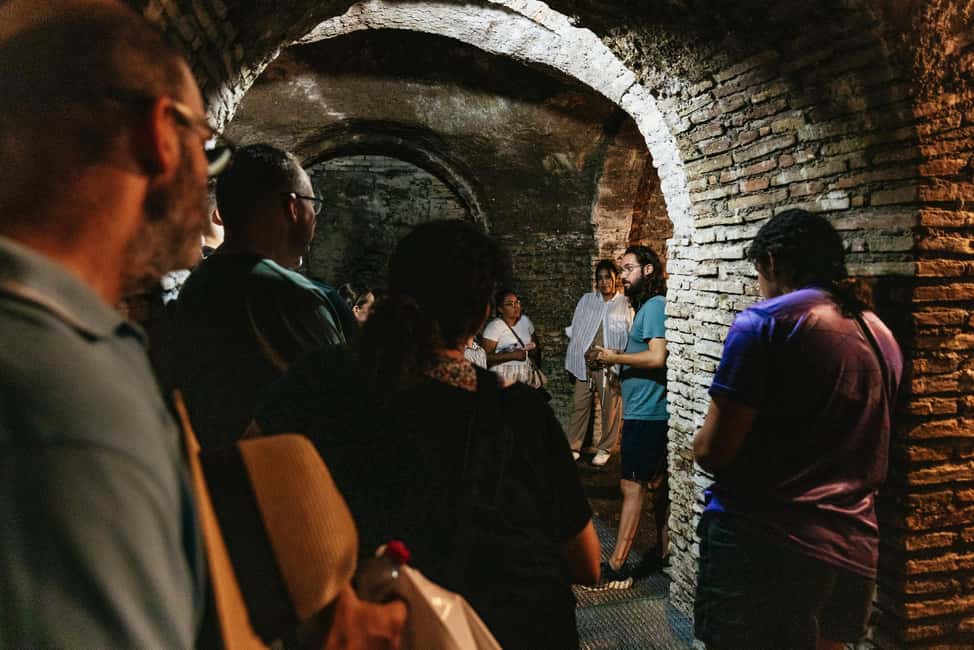
- Roman Catacombs guided walk, where early Christians practiced and buried under persecution
- San Martino ai Monti, a church dating to the 4th century with layered relics and underground chambers
- Air-conditioned coach transfers, a real comfort break between stops
- Guides who keep you moving and answering questions, with names like Sabina, Andrea, Chris, and Inti showing up in guide feedback
Starting at Piazza Barberini: Getting In Sync in Rome
Meet your guide in the middle of Piazza Barberini, by the big Triton Fountain. This is a smart start point because you’re in the city’s core and it’s easy to reach via Metro Line A (Barberini). You’ll likely see two nearby meeting addresses listed (Piazza Barberini 13 and 12), but the practical move is to show up at the Triton Fountain area so you can spot your group fast.
From there, the tour is built around short, clear segments. You’re on an air-conditioned coach for transfers, then off the bus to spend focused time in each underground or historic space. That structure matters more than it sounds. In Rome, a lot of tours turn into a long day of wandering and waiting. Here, the rhythm is: enter quickly, absorb what’s in front of you, then move on.
You should also know the tour moves at an active pace. The underground spaces involve stairs and uneven ground, and the overall visit is only 2.5 to 3.5 hours depending on the departure time. So if you like slow museum browsing, treat this as an efficient “see the essentials deeply” kind of tour, not a linger-all-afternoon pass.
You can also read our reviews of more tours and experiences in Rome.


Capuchin Crypt Bone Chapel: Eerie Art Made From Remains
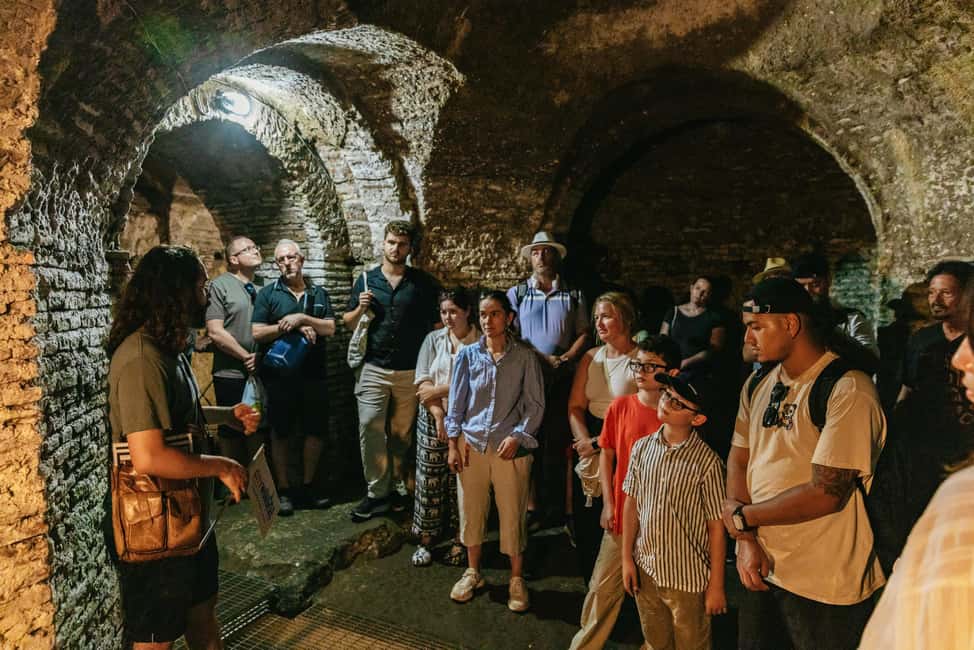
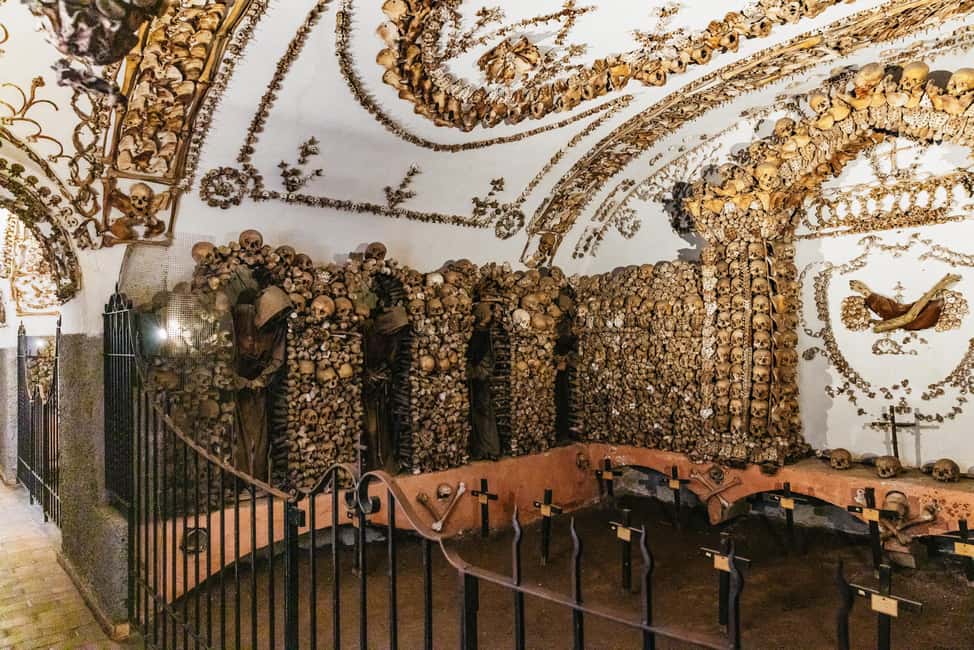
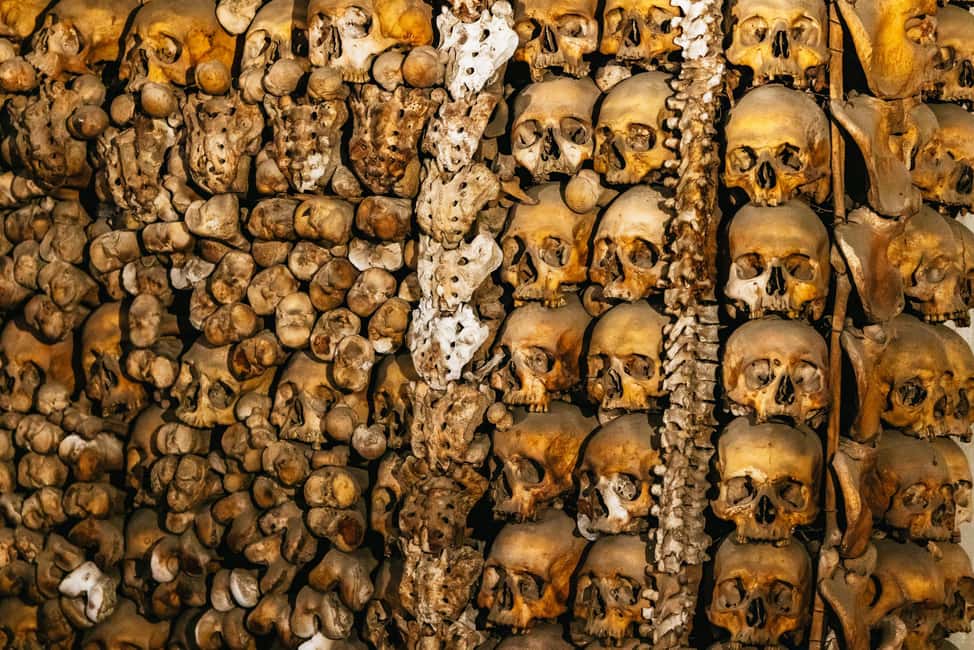
The Capuchin Crypt is the kind of place that shocks your brain into paying attention. You step into a room where human bones are arranged into decorative scenes that stretch floor to ceiling, turning mortality into design. The tour includes skip-the-line entry and you’ll get an audio guide for the visit.
The headline detail is the bone décor itself: Capuchin monks used the bones of nearly 4,000 brothers to create these intricate displays. That number helps you understand the scale of what you’re seeing. It’s not a small curio; it’s a whole visual system built over generations.
You can also expect other points of interest inside, including relics linked to St. Francis and a painting by Caravaggio. Even if you’re not a die-hard art person, these details matter because they connect the bone chapel to the wider story of faith, devotion, and how Rome interpreted death.
Practical advice for enjoying this stop:
- Bring a layer. Underground spaces can run cool and damp, and you’ll feel it.
- Use the audio guide intentionally. Don’t just walk forward and hope you catch everything. Pause when the guide is describing the symbolism.
- Plan for limited lingering. The visit is set as a self-guided block, and the group has to keep moving to the next sites.
One more note: photo rules aren’t highlighted in the core info you get up front, but it’s wise to assume photography may be restricted in parts of the underground experience. Better to enjoy the view as-is.
Roman Catacombs: Early Christian Life Under the City

After Capuchin Crypt, you take a short coach ride and head to the Roman Catacombs. This is where the tone shifts from macabre décor to something closer to history with real stakes.
You’ll have guided time here (not just audio), and the guide explains what this network of underground tunnels meant to early Christians. The story is that nearly 2,000 years ago, people used these hidden spaces for worship and burial—out of sight, often under pressure. The catacombs weren’t just a graveyard. They were part of daily survival, faith, and community.
As you walk through tombs carved from solid rock, your guide focuses on how the underground world functioned. The experience can feel emotional, mainly because it’s grounded in everyday human presence: burial practices, sacred spaces, and the idea that a belief system can create geography under your feet.
What to watch for:
- Listen for the “why.” A good guide will connect each section to how communities adapted when faith was dangerous.
- Move carefully. Catacomb floors and stairs aren’t like polished museum paths.
- Give your brain a moment. The underground setting changes your sense of time. If you expect it to feel like a typical attraction, it won’t.
If your goal is to understand how Rome became the Rome of churches and saints, this stop is the turning point. The Capuchin Crypt is the shock of symbolism; the Catacombs are where you feel the real physical reality of early Christianity.
San Martino ai Monti: Rome’s Layered Church, Above and Below
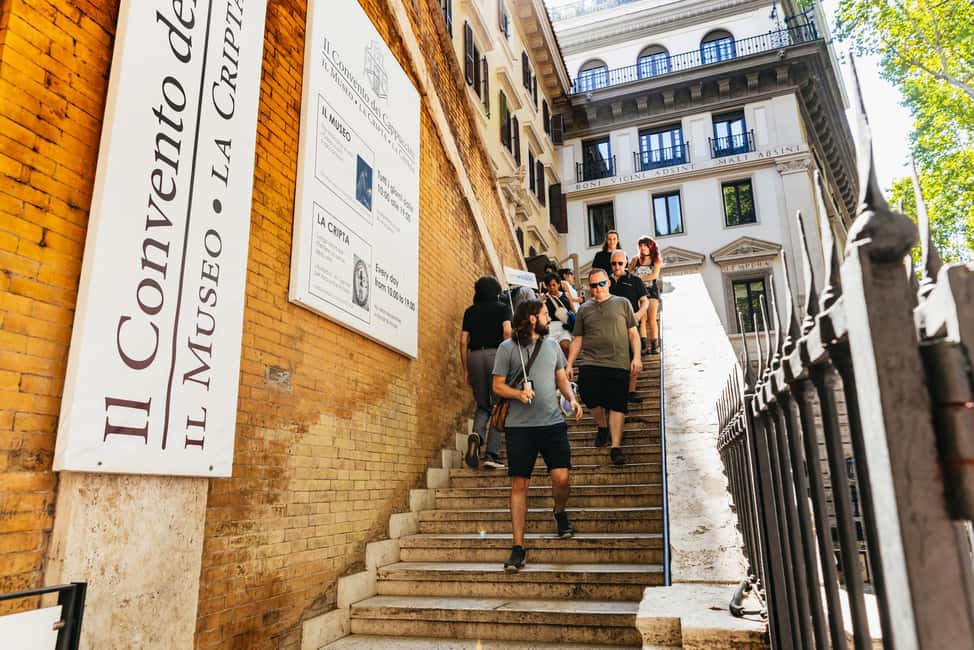
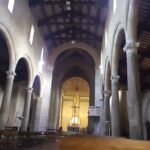
The final site is Basilica of San Martino ai Monti, one of Rome’s quieter surprises. Dating to the 4th century, the church sits on top of ancient Roman foundations, which is Rome-speak for: you’re looking at multiple cities stacked in one footprint.
This stop is packed with details, and it’s not only about what you see above ground. You also get time to explore underground chambers, where centuries of worship and history become tangible.
Inside the church, you’ll find Baroque frescoes and ancient mosaics, plus remnants of a titulus—an early Christian worship site. That’s a key “aha” moment for many people: Rome’s religious story didn’t start in grand basilicas. It grew through smaller spaces of assembly and devotion that later became part of larger institutions.
Two practical points help you enjoy it:
- Respect dress rules. This is a church setting, and you should expect restrictions on bare shoulders and short bottoms.
- Go in with curiosity, not just sightseeing mode. The underground chambers reward attention. Ask yourself what changes when sacred space moves below streets.
On Sundays, keep your expectations flexible. The church visit is not guaranteed due to liturgical activities. If you’re traveling on a Sunday, I’d treat the San Martino portion as a best-case scenario.
Transfers by Air-Conditioned Coach: Comfort That Actually Matters
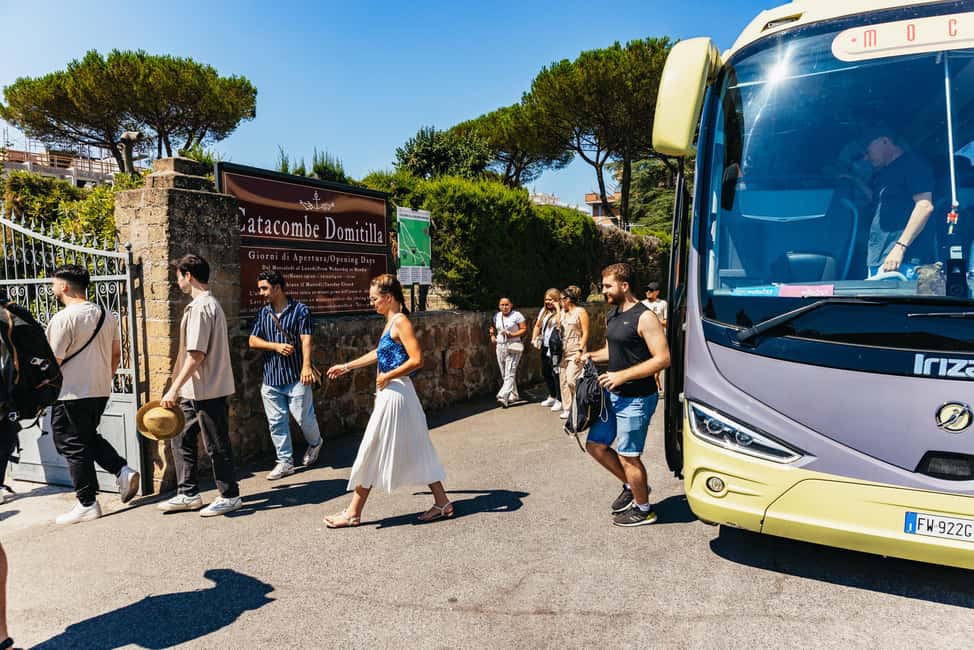
Between underground stops, you’ll be on an air-conditioned coach. That sounds like a small perk, but in Rome it’s big. You’re moving from site to site quickly, and the summer heat (or shoulder-season chills) can wear you down before the real experience starts.
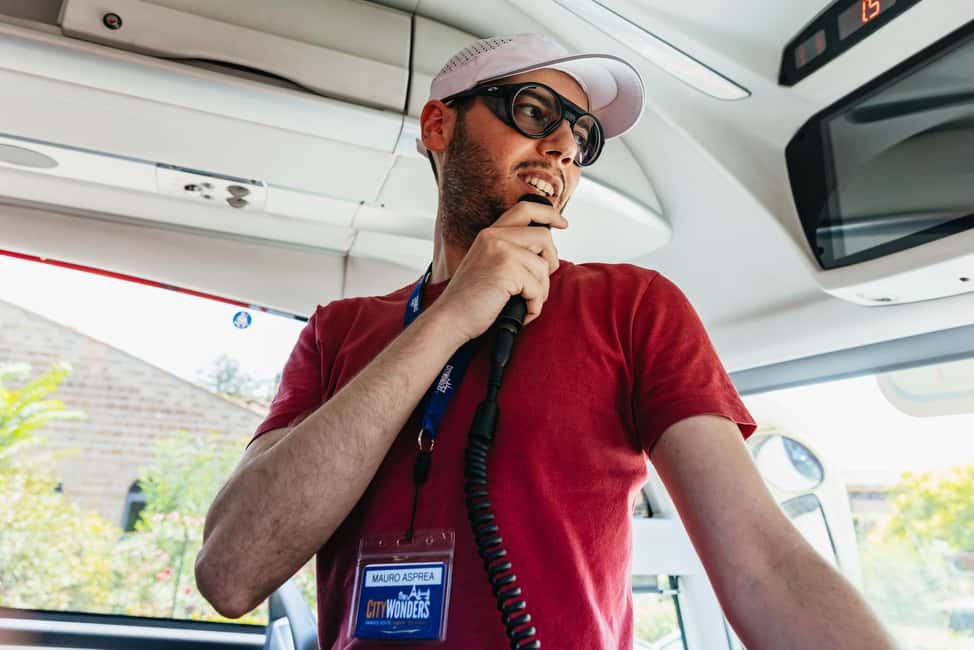
The coach time also gives your guide space to set context. Many guides add a quick orientation during the ride, and some are known for keeping things lively. Names that pop up in guide feedback include Sabina, Alain, Francesca, Martina, and Chris, and several people noted how guides kept the group engaged without rushing the questions.
Transfers help you stay focused on the stops instead of logistics. It’s also one reason the experience feels “stress-free” compared with the DIY option where you’re juggling tickets, transport, and timing across three locations.



What Makes This Tour Good Value at $74.02
At $74.02 per person, this tour isn’t the cheapest thing on Rome’s menu. But it’s also not overpriced for what you get. Here’s where the value comes from.
You get:
- Skip-the-line access at all three main sites
- Transportation by air-conditioned bus
- A live English or Spanish-speaking guide (depending on the option you select)
- Capuchin Crypts and Museum entry plus an audio guide
- Roman Catacombs entry
- Basilica of San Martino ai Monti entry (for the standard daytime tour)
If you tried to piece this together on your own, the hidden costs are time and friction. Even when tickets are affordable individually, you still pay with your schedule: where to go next, whether you’re arriving when entry is smooth, and how much energy you burn figuring it out. This tour compresses that chaos into a timed route with direct transfers and pre-arranged access.
Also, the tour is only 2.5 to 3.5 hours. That’s important if you’re balancing big Rome hits like the Colosseum and Vatican area. This gives you a completely different side of Rome in half a morning or a short afternoon block.
Who This Underground Rome Tour Fits Best
This is a strong match if you like:
- history that’s physical, not just dates on plaques
- religious sites with stories tied to real human behavior and survival
- atmosphere. The underground parts are cool, dim, and a little unsettling in the best way
It’s also a good fit for people who want guidance. The catacombs are guided, and the guide interpretation can make the difference between seeing tunnels and understanding what they meant.
It may be a bad match if:
- you need lots of quiet time in each space (the stops are built to keep moving)
- you’re not comfortable with stairs and uneven ground in underground settings
- you’re traveling with shorts/short skirts/sleeveless shirts or you need stroller access (these are not allowed)
- you require special assistance. Wheelchairs and strollers are listed as not accommodated
One more “just be real” note: this tour is about dark, layered themes. Some people find it emotional, some people find it fascinating, and some people find it both. If you’re squeamish, go in gently, and let curiosity do the steering.
After Hours Option: When Darkness Adds a Different Flavor
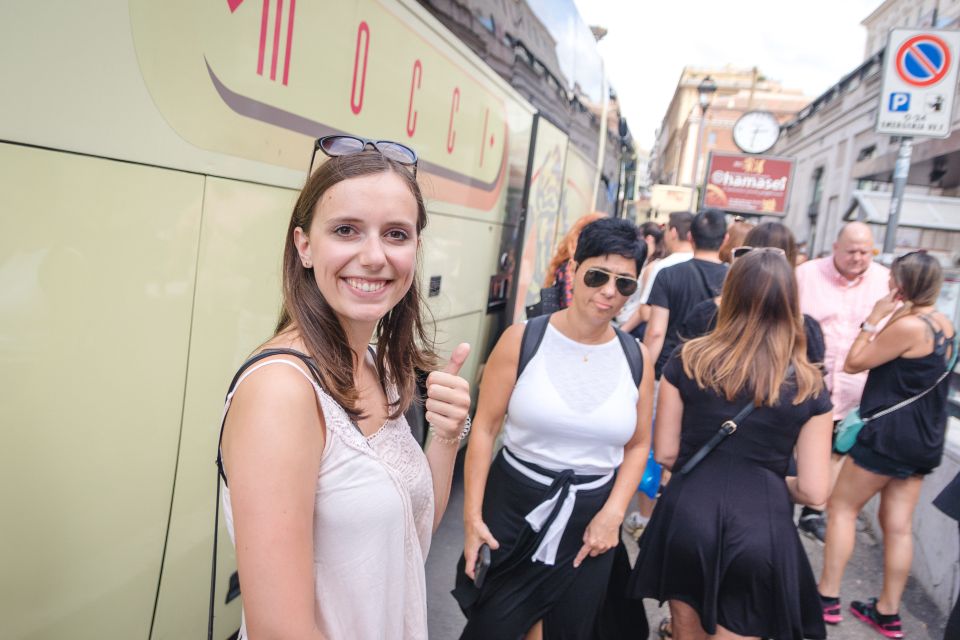
There’s also an After Hours version. It’s listed as 2.5 hours (shorter than the standard) and it does not include the Basilica of San Martino ai Monti. The appeal here is straightforward: fewer crowds and a darker mood in the underground.
If you’re already comfortable with the idea of bones and catacombs, after hours can make the experience feel even more like a secret city under the city. But if you specifically want the layered payoff of San Martino ai Monti’s mosaics and underground chambers, stick with the daytime tour.
Should You Book This Underground Rome Tour?
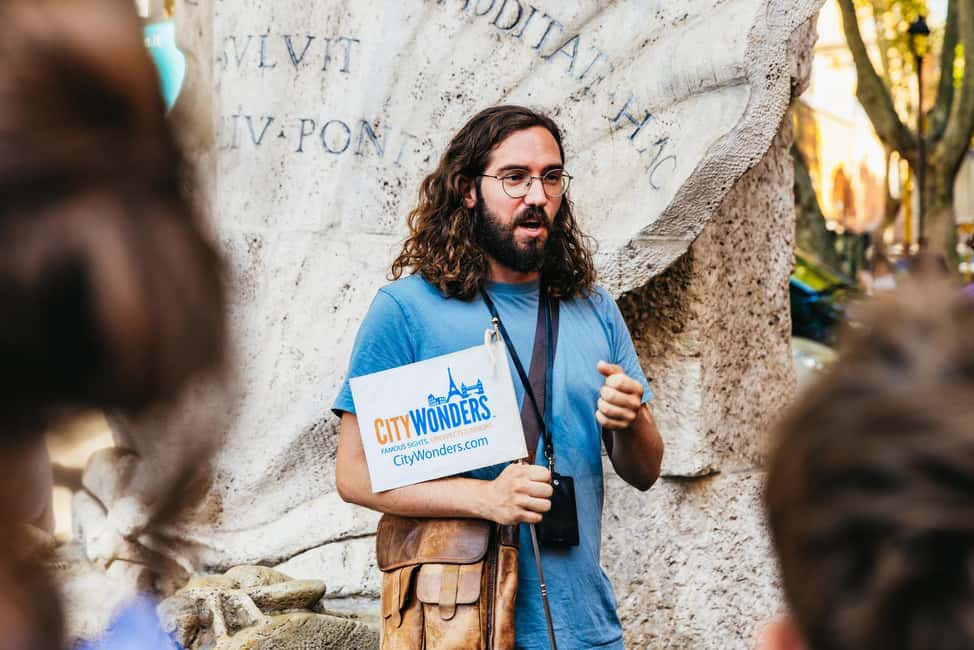
Yes, you should book it if you want a fast, well-run way to experience Rome’s underground side with skip-the-line entry and real guidance where it counts. The Capuchin Crypt gives you unforgettable visual symbolism. The Roman Catacombs connect that feeling to early Christian life under pressure. Then San Martino ai Monti brings you back to ground level with art, mosaics, and the story of worship evolving over centuries.
I’d skip it only if you can’t handle underground walking and dim spaces, or if you need long, unstructured time in one location. Otherwise, this is one of those tours that makes Rome feel bigger than the postcard version.
FAQ
What does this tour include?
It includes transportation by air-conditioned bus, a live English or Spanish-speaking guide (depending on option), skip-the-line entry and an audio guide for the Capuchin Crypts and Museum, entry to the Roman Catacombs, and entry to the Basilica of San Martino ai Monti for the standard option.
How long is the tour?
The duration is listed as 2.5 to 3.5 hours. Check availability to see specific starting times.
Where do I meet the guide?
Meet in the center of Piazza Barberini by the large Triton fountain. Piazza Barberini is at the metro stop Barberini on Metro Line A (red line). There are two nearby meeting address options listed: Piazza Barberini 13 or Piazza Barberini 12.
What’s the order of stops?
You start at Piazza Barberini, then visit the Capuchin Crypt (self-guided with audio), travel by coach to the Roman Catacombs (guided), travel by coach again, and then visit the Basilica of San Martino ai Monti. You end back at the meeting area (with listed drop-off locations that can include Piazza Barberini 13 or the basilica area).
Is entry skip-the-line included?
Yes. Skip-the-line entry is included for all three sites.
Are there separate After Hours tours?
Yes. The After Hours tour lasts 2.5 hours and does not include the visit to the Basilica of San Martino ai Monti.
What languages are available?
The guide is available in English or Spanish, depending on the selected option.
Can I wear shorts or sleeveless shirts?
No. Shorts, short skirts, sleeveless shirts, and other restricted clothing are not allowed.
Is the church visit guaranteed on Sundays?
No. On Sundays the church visit is not guaranteed due to liturgical activities.
Is this tour suitable for wheelchair users or people with mobility impairments?
No. It is listed as not suitable for people with mobility impairments and wheelchair users.
What is the cancellation policy?
Free cancellation is available up to 24 hours in advance for a full refund.