REVIEW · SORRENTO
Sorrento: Pizza Making Class
Book on GetYourGuide →Operated by Sorrento Coast-Cooking School · Bookable on GetYourGuide
Neapolitan pizza lessons, served with views. This small-group class in Sorrento mixes hands-on teaching from Luigi with real tastings of mozzarella and olive oil before you even touch the dough. I love that you’re guided step-by-step on classic technique, and I love that the meal feels like part of the lesson, not an afterthought. One thing to weigh: the dough-making flow can include advance prep, since the traditional dough needs time to rise, so what you shape that day may not be the exact dough that originally started days earlier.
What you end up with is a laid-back afternoon on the hills above Sorrento, with pickup and drop-off and a traditional oven built for fast baking. You’ll learn why Neapolitan pizza relies on heat, timing, and stretching more than fancy toppings, then you’ll get to eat what you make with local wine and finish with tiramisu.
In This Review
- Key Moments That Make This Class Worth It
- Sorrento’s Hillside Pizza Lesson at Tirabuscio
- Meet Luigi and the Team Behind the Neapolitan Technique
- Mozzarella and Olive Oil Tastings That Set the Standard
- The Neapolitan Dough Lesson (and the Rise Reality)
- Stretch, Top, and Bake in a Brick Oven
- Wine, Lunch-Style Eating, and Dessert Tiramisu
- Value for $71: What You’re Really Buying
- Best-Fit Travelers (and When Another Class Might Be Smarter)
- Practical Tips to Get the Most From Your Session
- Should You Book Sorrento Pizza Making With Luigi?
- FAQ
- How long is the pizza making class in Sorrento?
- Where does the class take place?
- What language is the instruction in?
- What is included in the price?
- Are there extra costs to expect?
- Is the experience wheelchair accessible?
- Can the class handle gluten-free needs?
Key Moments That Make This Class Worth It
- Luigi teaches the why, not just the how: expect practical tips you can repeat at home.
- You taste mozzarella and organic olive oil first: it trains your palate before you bake.
- A real brick-oven bake: once the oven is hot, your pizza cooks fast.
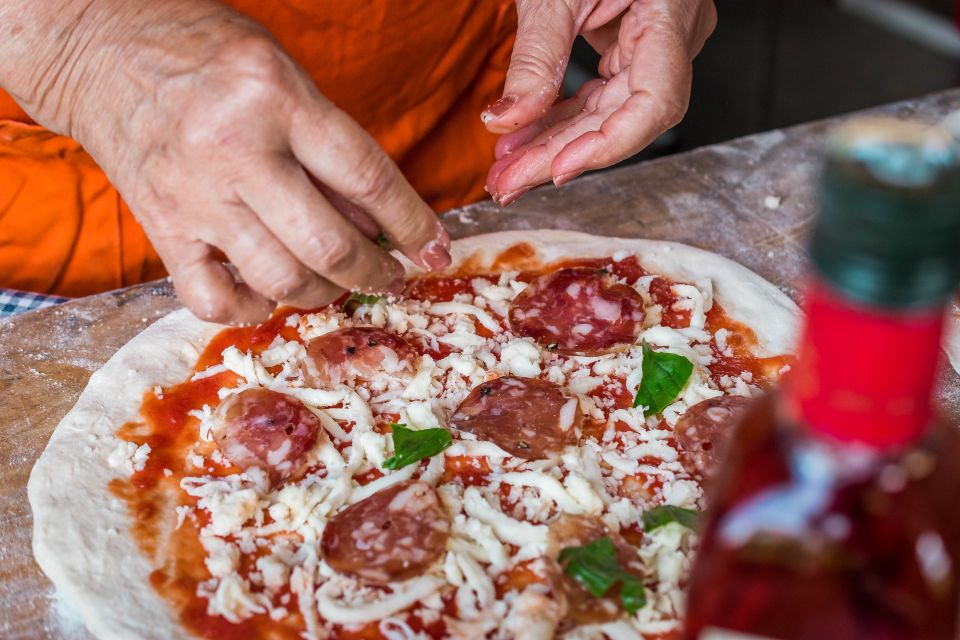
- You shape and top your own pizza: not just watching, not just assembling.
- Wine + tiramisu turns it into a proper Sorrento food experience: the class ends like a meal.
- Dietary needs are taken seriously: one gluten-allergy account mentions gluten-free ingredients and separate cooking.
Sorrento’s Hillside Pizza Lesson at Tirabuscio
Sorrento is famous for views, and this class leans into that. You start in Sorrento, then you’re whisked to a cooking setup up on the hills (about a 15-minute drive from the city center). The setting matters. It slows you down. You’re not squeezing pizza-making into a crowded schedule. You arrive, get settled, and the focus is food and technique.
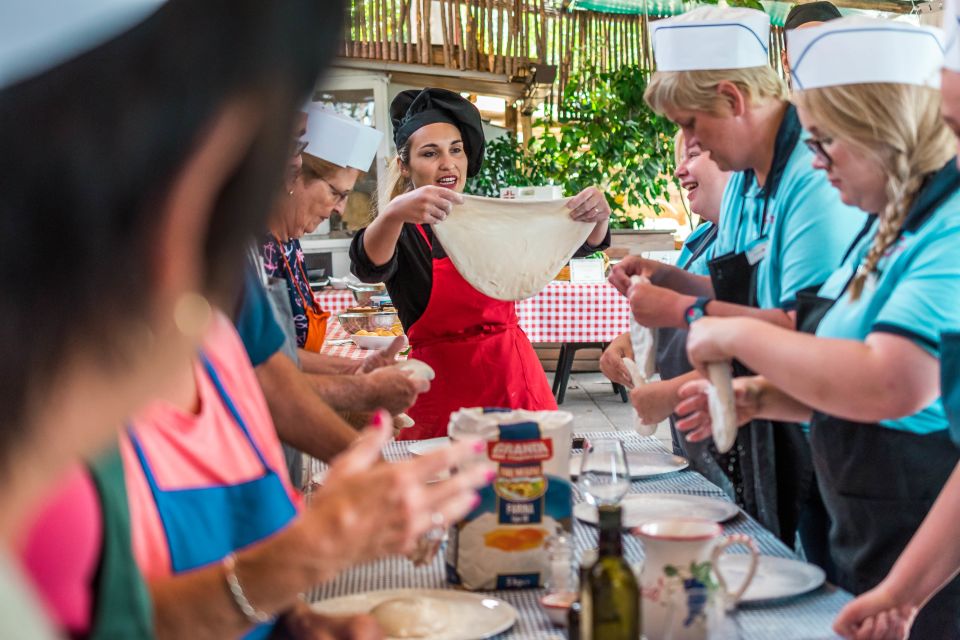
The experience also feels deliberately “hands-on.” Everyone in the class gets a chance to work the dough and assemble their own pizza, and the staff keep things moving so you don’t spend your time standing around. For most people, that’s the difference between a fun tour and something you’ll actually use later.
You can also read our reviews of more tours and experiences in Sorrento.
- Sorrento Farm and Food Experience including Olive Oil, Limoncello, Wine tasting
★ 5.0 · 2,524 reviews


Meet Luigi and the Team Behind the Neapolitan Technique
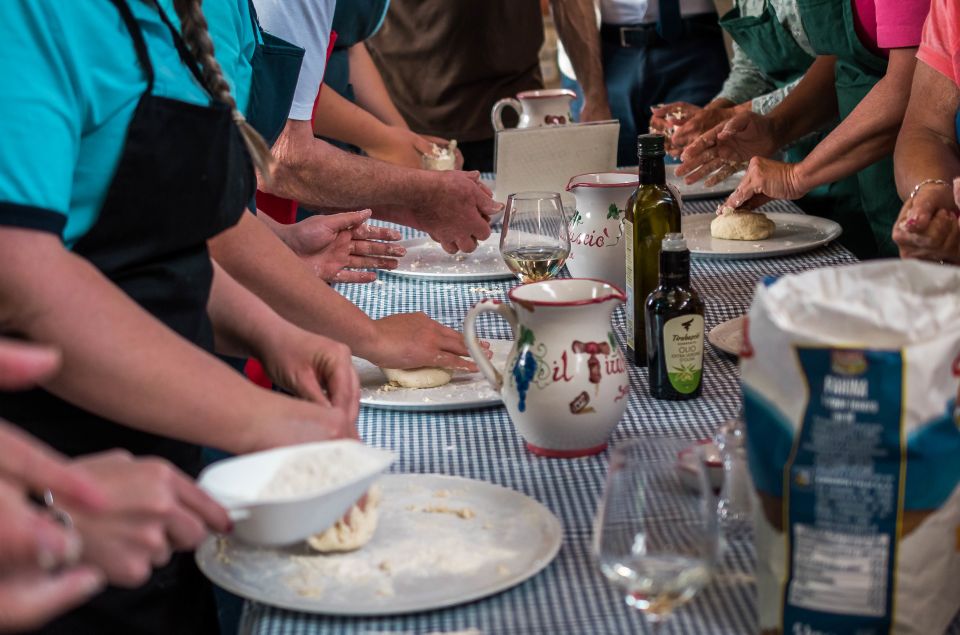
Luigi is the name that comes up again and again, and for good reason. He’s described as upbeat, funny, and very clear when explaining how Neapolitan pizza should be made. That matters because pizza dough can feel mysterious if you’ve never handled it.
You’ll also meet other team members during the session. Laura appears as an instructor in at least one account, and Maria shows up in another description as the person greeting guests and supporting the flow of the class. In other words, it’s not just one person lecturing. It feels like a small crew making sure everyone stays included, from dough to tasting to baking.
A big plus: the tone is friendly. Even if you’re a total novice, you’re not treated like a nuisance. You’re treated like a student, and the teaching style is practical enough that you’ll know what to do next when your turn comes.
Mozzarella and Olive Oil Tastings That Set the Standard
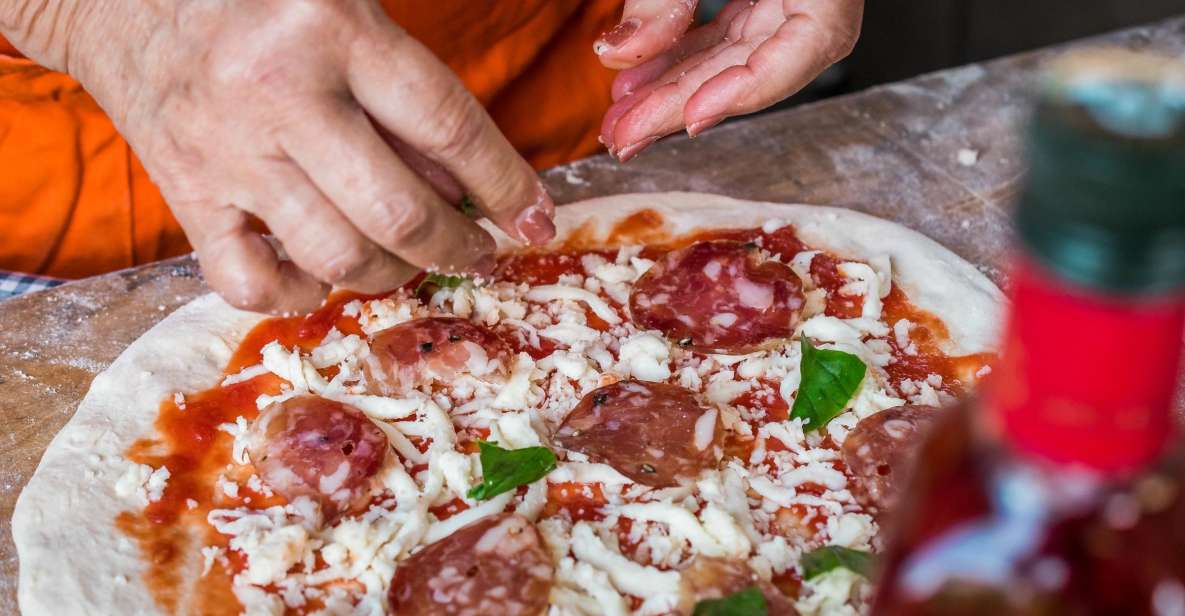
Before you make pizza, you get a taste education. You learn about mozzarella and taste it on-site, and you also sample olive oils as part of the lesson. This is more useful than it sounds.
Here’s why: Neapolitan pizza isn’t just about dough. It’s about balance. If you taste the mozzarella and the oils first, you start to understand what good ingredients taste like when they’re used simply. That helps you avoid a common at-home mistake: drowning a pizza in toppings or using mediocre cheese and oil and then wondering why it doesn’t taste right.
In several accounts, the mozzarella moment includes watching it being made right there. That sight-and-taste combo sticks with you. You come away with a sensory memory of texture and flavor, not just a vague idea of what mozzarella is supposed to be.
The Neapolitan Dough Lesson (and the Rise Reality)
The core of the class is the dough work: you’ll learn how to prepare fresh pizza dough like a pro and, just as importantly, how to handle it once it’s ready.
One detail you should know up front: in at least one review, the instructor team prepares part of the dough in advance because the dough needs to rise for a minimum of 24 hours. That doesn’t make the lesson less valuable. It just means you’re not running a multi-day dough marathon inside 90 minutes. You’re still learning technique—how the dough should feel, how to shape it, and how to stretch it properly—so you can reproduce the process with your own dough schedule at home.
What you’re likely to practice that day includes:
- learning how to stretch the dough without tearing it
- building your pizza with the right approach to topping (not overloading)
- baking it using the school’s setup and oven style
If you’re the type who wants a complete do-everything-from-scratch experience, this rise prep detail is worth keeping in mind. But if you want real technique you can use without the guesswork, this format is a sensible compromise.
Stretch, Top, and Bake in a Brick Oven
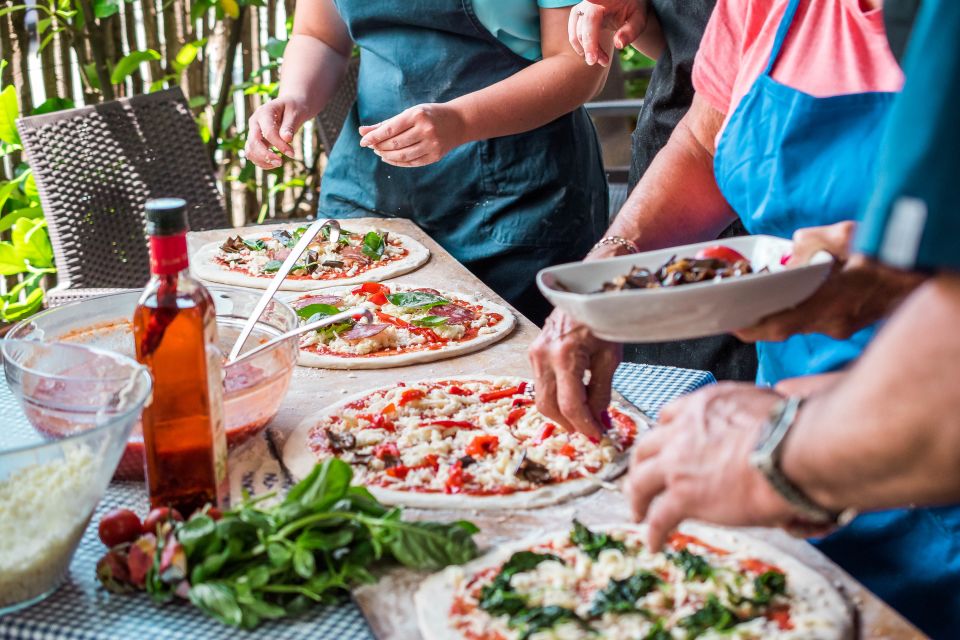
The baking stage is where the class turns into a mini show. The pizza goes into a traditional oven, described as a special oven (and in multiple accounts, it’s a brick-style oven). The cook time can be very short once the oven is hot—one account mentions around two minutes.
That quick bake is the point. Neapolitan pizza is built for high heat. You’re trying to get the crust right while keeping the center tender and the topping fresh. Watching it cook that fast teaches you what “hot enough” actually means, instead of just hearing it as advice.
You’ll also get to top your own pizza. That’s a quiet but important advantage. It’s easy to forget pizza-making is also a decision-making process: how much sauce, what goes first, how to place ingredients so they cook evenly. By the time you sit down to eat, you’re tasting your choices.



Wine, Lunch-Style Eating, and Dessert Tiramisu
This class doesn’t end when the oven door closes. After baking, you eat the pizzas you made and you’re served local wine along with water and soft drinks. That combo makes sense for two reasons.
First, it turns the meal into part of the learning loop. You can taste the difference between good ingredients and good technique right away. Second, it helps the pacing. Pizza class can be stressful if you’re trying to cook fast and remember steps. Here, the meal structure makes it feel like an event, not a test.
Dessert is tiramisu, which shows up as a consistent highlight. It’s the kind of ending that feels classic for Campania and Southern Italian cuisine without turning the whole experience into a sugar rush. For many people, the tiramisu is the final proof that you’re getting a full cultural meal, not just a cooking demo.
Value for $71: What You’re Really Buying
$71 for 1.5 hours in a Sorrento hillside cooking school doesn’t look cheap if you’re comparing it to a basic food tour. But compare it to what you actually get:
- Pickup and drop-off
- Ingredient tastings (olive oil and mozzarella)
- A structured pizza lesson with hands-on shaping
- Your own pizzas baked in a traditional oven
- Local wine, water, soft drinks
- Dessert (tiramisu)
For me, the strongest value argument is the combination of technique + ingredients + cooking method. Lots of activities give you food. Fewer give you repeatable skill. And fewer still pair it with ingredient tasting so you learn what quality tastes like.
Also, the class rate feels fair when you factor in that small-group teaching takes time. You’re not just lining up for samples; you’re getting feedback and instruction on what to do with your dough.
Best-Fit Travelers (and When Another Class Might Be Smarter)
This pizza class is a great fit if you want an interactive Sorrento activity that feels authentic and not staged. It’s especially good for:
- couples who want a shared experience with a clear payoff (your pizza)
- families looking for an edible activity that kids can participate in
- food lovers who want more than tasting and want to learn technique
It’s also a nice option for rainy or cold weather. One review describes it as perfect for a rainy, cold evening because the setting is comfortable and the focus is warm food and wine.
If you’re a die-hard gluten-free planner, I’d treat this as promising but confirm details with the provider before you go. One participant with a gluten allergy reported gluten-free ingredients and separate cooking to avoid cross-contact, which is a strong sign of care. Still, you’ll want to make sure your needs are covered the way you require.
Practical Tips to Get the Most From Your Session
A few real-world tips will help you enjoy the class instead of worrying about timing and timing mistakes.
- Wear clothes you can get a little flour on. Dough is friendly, but it doesn’t always stay polite.
- Go hungry. You’re not just tasting; you’re making pizzas and then eating them.
- Ask questions about dough texture and stretching. The stretch technique is one of the parts you’ll most likely try again at home.
- If you care about dietary needs, speak up early. The team seems used to adjustments, but clarity helps everyone.
If you want to recreate this at home, focus on the technique you learn: dough feel, stretching, topping balance, and baking heat. That’s where the class gives you long-term value.
Should You Book Sorrento Pizza Making With Luigi?
Yes, I think you should book it if your goal is a hands-on Neapolitan pizza skill session with a real meal at the end. The teaching style from Luigi and the way the team supports each person stands out in multiple accounts. You’re also not stuck with only pizza. You’ll taste mozzarella, olive oils, drink local wine, and finish with tiramisu, so the experience feels complete.
One reason to pause: if your main goal is to do every part of pizza dough from start to finish in one day, the rise prep detail may not match your expectations. But if you want to learn how Neapolitan pizza should be handled and cooked, this is an efficient way to get real results without waiting days before you can bake.
If you’re in Sorrento and you want a class that mixes local ingredients with technique you can repeat, this one is a strong choice.
FAQ
How long is the pizza making class in Sorrento?
The class lasts 1.5 hours.
Where does the class take place?
It takes place in Sorrento at Tirabuscio cooking school, with pickup and drop-off from the city area.
What language is the instruction in?
The instructor teaches in English.
What is included in the price?
The price includes pickup and drop-off, water, soft drinks, and wine, tastings of olive oil and mozzarella, the pizza lesson and lunch with pizzas made by you, and dessert.
Are there extra costs to expect?
Aprons and a bottle of olive oil are available to purchase, but they are not included in the price.
Is the experience wheelchair accessible?
Yes, it is listed as wheelchair accessible.
Can the class handle gluten-free needs?
One review notes the instructor provided gluten-free ingredients and cooked the gluten-free pizza separately to help keep it safe for a guest with a gluten allergy.
You Might Also Enjoy



More Tour Reviews in Sorrento
- Sorrento Farm and Food Experience including Olive Oil, Limoncello, Wine tasting
★ 5.0 · 2,524 reviews