REVIEW · TURIN
Turin: Egyptian Museum Small Group Skip-the-Line Guided Tour
Book on GetYourGuide →Operated by Keys of Italy/Piemonte · Bookable on GetYourGuide
Egyptology in Turin sounds niche. Then you step inside and it turns into a real story of an entire empire, told in objects you can almost touch. This small-group, skip-the-line tour focuses your time on the Egyptian Museum’s most important rooms, including the Tomb of Kha and the remarkable Ellesija temple.
I especially like two things. First, the tour is kept to a maximum of 9 people, so the guide can actually talk and answer questions. Second, the highlights are not random stops; you get a guided walk through the museum’s chronological displays, plus standout pieces like sarcophagi and very well-preserved daily-life finds.
One thing to keep in mind: the museum visit is condensed into a 2-hour format. If you want to linger at every case or move at a slow, do-your-own-thing pace, you might feel slightly rushed.
In This Review
- Key points to know before you go
- Turin’s Egyptian Museum in Two Hours: what you’ll actually see
- Skip-the-Line entry and the small-group advantage (max 9)
- The Chronological Galleries: from 4th century BC to 3rd century AD
- The Tomb of Kha: burial life you can make sense of
- Sarcophagi, statues, furniture, and the “small stuff” that matters
- Drovetti papyri: where the empire becomes readable
- Ellesija temple: a rock-hewn stop with a migration story
- Meeting point and rules that affect your visit
- Price and value: is $93 worth it?
- Who should book this tour (and who might want a different plan)
- Should you book this Egyptian Museum small-group tour?
- FAQ
- How long is the Turin Egyptian Museum small-group skip-the-line tour?
- What’s the group size for this tour?
- Does the tour include skip-the-line tickets?
- What languages are available for the guided tour?
- Where is the meeting point?
- Is the tour wheelchair accessible?
- Are cameras allowed inside the museum?
- Is there a headset included for bigger groups?
Key points to know before you go
- Max 9 guests for a more conversational, semi-private experience
- Skip-the-line entry so you start seeing artifacts faster
- A guided path through Egyptian culture from the 4th century BC to the 3rd century AD
- Expect major stops: Tomb of Kha, Drovetti papyri, and the Ellesija temple
- The tour is set up as a fixed 2-hour overview, not an open-ended museum wander
- Headset included when the group is larger than 6, which matters in museum acoustics
Turin’s Egyptian Museum in Two Hours: what you’ll actually see
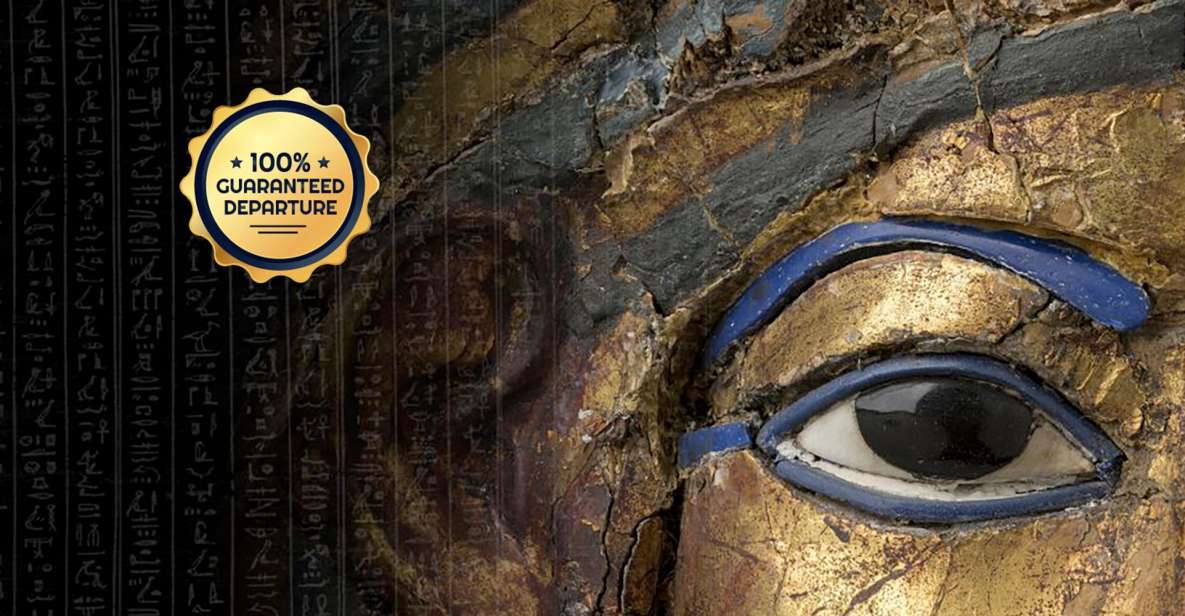
Turin’s Egyptian Museum is famous for a reason. It holds a huge collection, but a huge collection can also be overwhelming. This tour solves that problem by giving you a guided route with clear goals, so you’re not just staring at labels while your brain tries to translate 3,000 years.
In about two hours, you’ll move through exhibitions dedicated exclusively to ancient Egyptian culture and art. The big idea is chronology: the displays are arranged from roughly the 4th century BC to the 3rd century AD. That structure matters more than it sounds. Instead of feeling like random treasure boxes, you get a sense of how things changed over time—objects, styles, and themes.
The emphasis stays on the museum’s best-known, most educational pieces. You’re not going to leave with a vague impression of Egypt. You’ll leave with a map in your head: burial practices, written culture, and monumental architecture—all tied together by the guide’s explanations.
You can also read our reviews of more tours and experiences in Turin.


Skip-the-Line entry and the small-group advantage (max 9)
The “skip-the-line” part is more than a convenience perk here. Egyptian museums can have long waits, and once you’re inside, you still have to decide where to spend your limited time. By getting you through the entrance quickly, the tour protects your schedule for the actual viewing.
The group size is also a big deal. With a maximum of 9 participants and a monolingual format (English, French, Spanish, or Italian), you get a more focused tour rather than a crowded lecture. You’ll usually hear the guide well, especially because headsets are provided for groups larger than 6 guests. That detail sounds minor until you’re standing inside a large room with echoes and other tour groups talking at the same time.
And the guides—names you may hear on these tours include Nadia, Louisa, Francisco, Francesco, Marco, Giada, Gabriel, Luisa, and Laura—consistently get praised for being engaging and patient. That matters because Egyptology rewards curiosity. When a guide can answer questions clearly, you get more out of each stop, not just the soundbites.
The Chronological Galleries: from 4th century BC to 3rd century AD
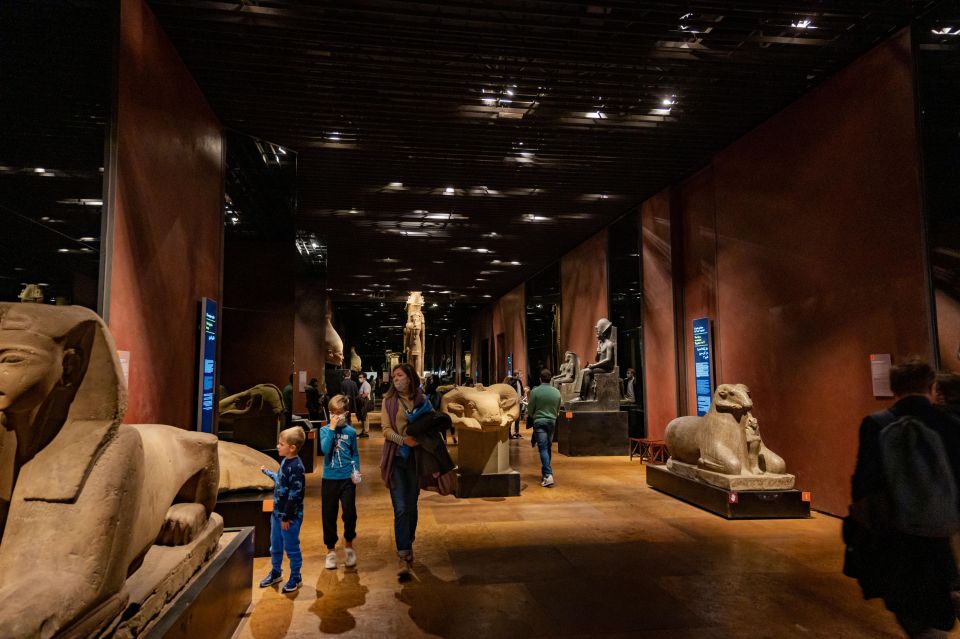
This is where your brain gets organized. The museum’s displays are set up in chronological order, so as you move room to room you’re following a timeline. That’s a smart way to see a collection like this because ancient Egypt was not frozen in time.
Practically, it means the guide can explain what you’re looking at while tying it to what came before and what followed after. Instead of memorizing dates, you start recognizing themes—how burial items reflect beliefs, how art style shifts, and how daily life leaves traces in material culture.
One of the best “value” aspects of this tour is that the guide steers you toward the points that connect the timeline together. Without a guide, you might bounce between rooms and miss how the collection is telling its story.
The Tomb of Kha: burial life you can make sense of
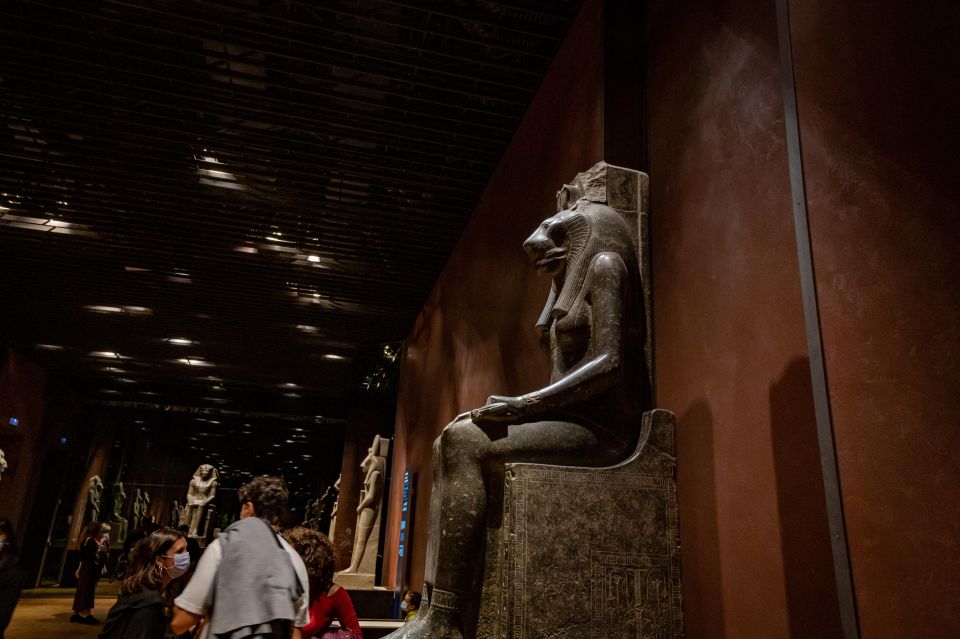
The tour’s flagship stop is the Tomb of Kha, described as dating to around 3,500 BC. Even if you don’t know Egyptian burial terminology, this is the kind of object that instantly gives you a hook: tomb builders worked within systems that supported pharaohs, and the burial world was filled with purpose-built goods.
What I like about this stop is that it’s not just about seeing something “old.” The guide’s approach is built to help you interpret what you’re looking at. You’ll see tomb-related materials and the idea of what people prepared for the afterlife—plus the human side of everyday objects that ended up protected for millennia.
The tour also points out astonishingly well-preserved details. You may encounter items described as salted meat and a pottery bowl with remains of tamarind and grapes. Those specific examples are the kind of things that make the museum feel real. They also help you understand that burial practices were deeply tied to food, routine, and sensory life—not just symbolism.
A note of caution: a tomb and a museum can create long viewing stands. If you’re sensitive to standing still for long stretches, plan to take short breaks when the group moves on.
Sarcophagi, statues, furniture, and the “small stuff” that matters
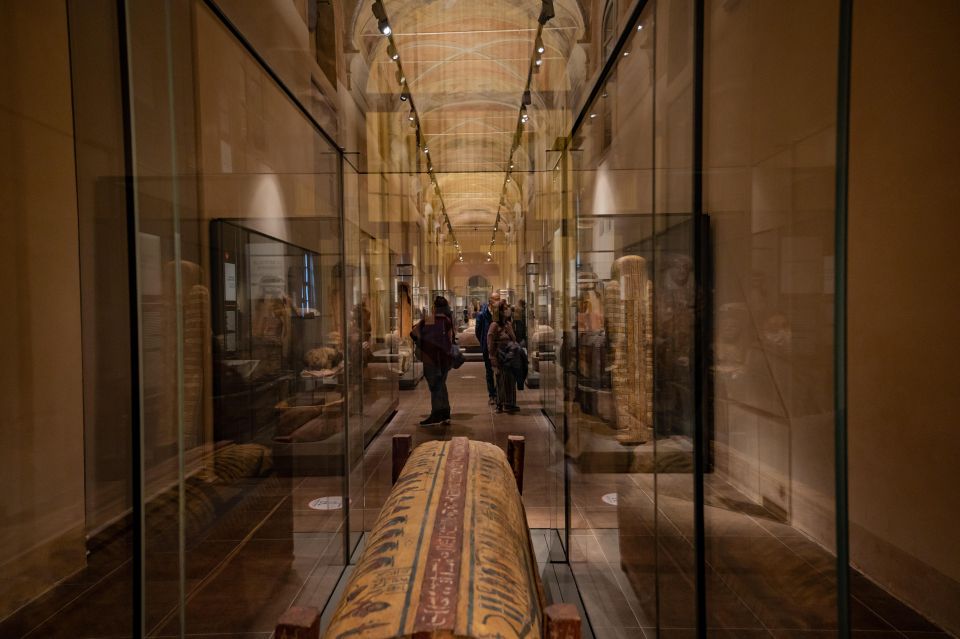
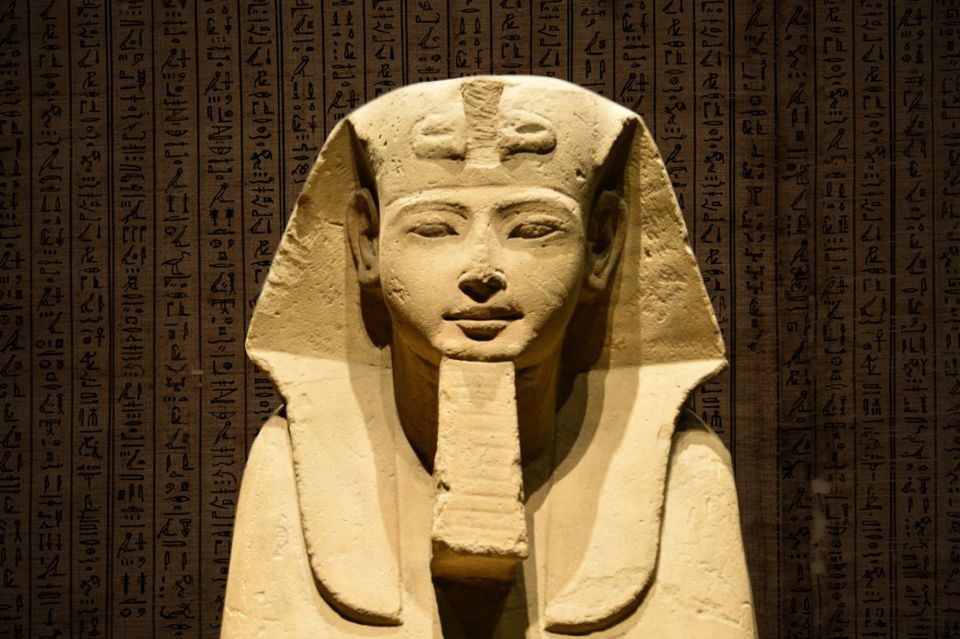
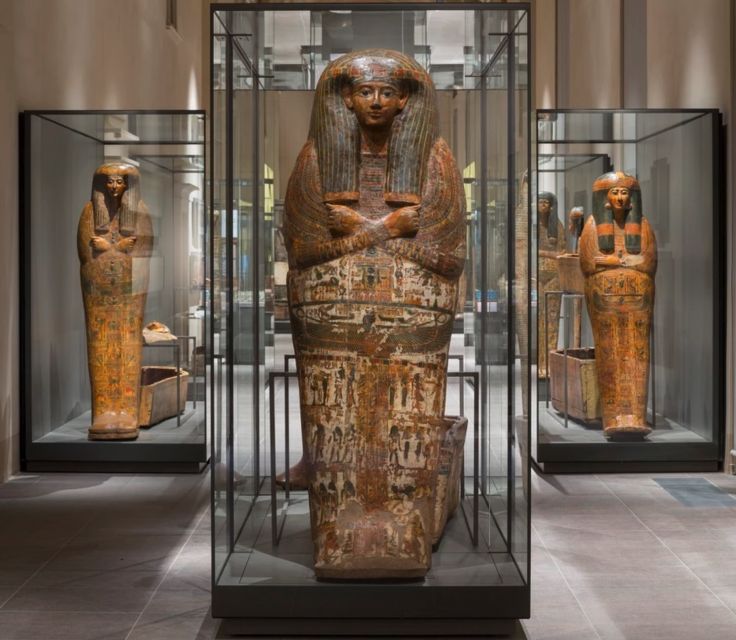
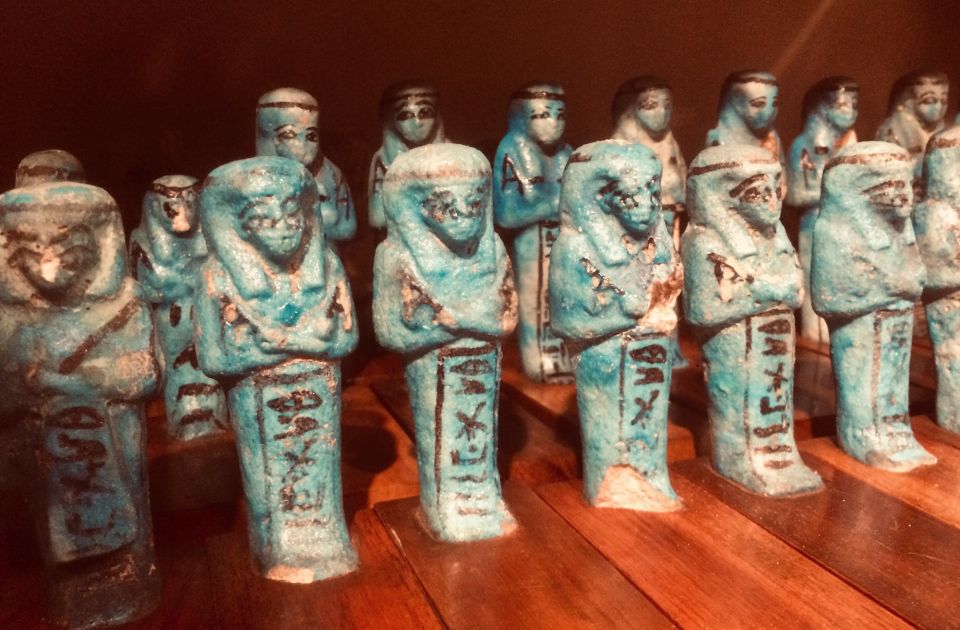
Between the big name highlights, you’ll see the supporting cast: sarcophagi, statues, sundries, and furniture. The tour treats these as more than decor. The guide helps you read the objects as evidence of how people thought and lived.
This part of the experience is especially good if you like the “why” behind artifacts. You’re not just learning that objects exist. You’re learning what they suggest about belief systems, craftsmanship, and the practical realities of preparing for burial.
There’s a reason so many guide reviews praise clarity and patience. A museum full of artifacts can feel like a wall of information. A good guide turns the wall into a path. You start to notice patterns: materials, form, and what an object’s presence implies.
If you’re traveling with kids or someone who gets restless, this section can be a mixed bag. One review notes a 9-year-old who struggled to stay engaged due to the tour’s fixed format and limited flexibility. If that’s your situation, you’ll likely do better if everyone in your group is comfortable with a structured, explained route rather than spontaneous questions everywhere.





Drovetti papyri: where the empire becomes readable

Next comes the Drovetti collection of papyrus sheets. This collection is considered by some to be among the most important in the world. Even if you can’t read the language, papyri bring a new dimension to Egypt beyond tomb objects.
The main value here is perspective. Statues and sarcophagi can feel like they belong to religion and ritual. Papyrus brings you closer to administration, text, and the idea that written records were part of the culture’s daily machinery.
The guide’s job is crucial in a stop like this, because papyri can be easy to underestimate if you only look for decoration. In a guided visit, you’re more likely to understand what papyrus represents and why it’s such a prized category of artifact.
Ellesija temple: a rock-hewn stop with a migration story
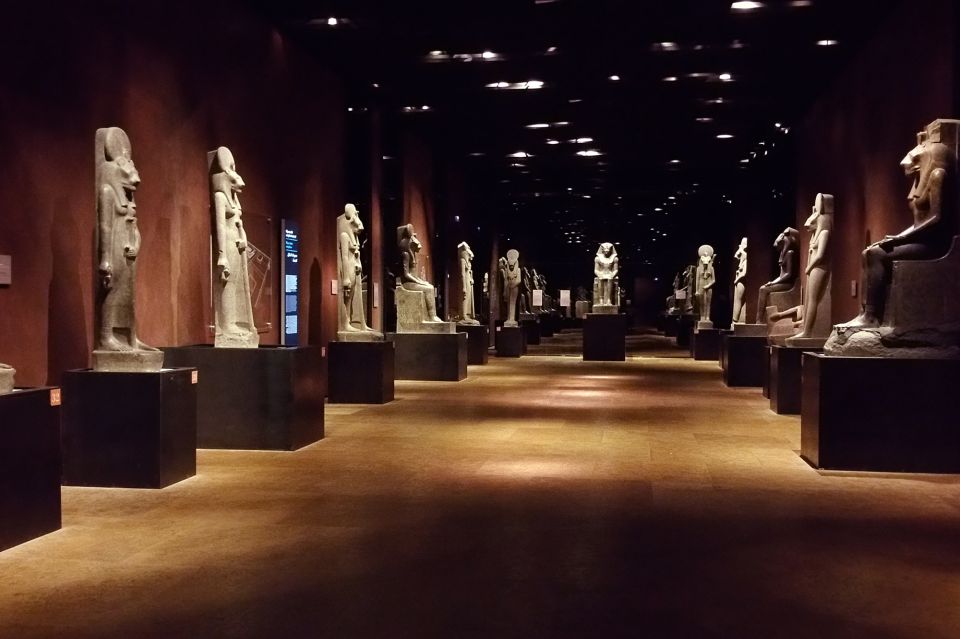
The tour ends with the Ellesija temple, described as a rock-hewn temple more than 3,500 years old. You’ll learn it was built for Pharaoh Tuthmosis III, and the tour explains that it was saved from Nile flooding before being moved to Italy in 1966.
This is a fascinating part of the museum experience because it turns archaeology into a living narrative. The temple isn’t just an old structure behind glass. It carries a story of preservation and relocation—how modern decisions affected whether we could still study it.
It’s also a strong ending choice. After seeing artifacts, you step into something monumental. Your brain gets to zoom out from personal objects to architecture and sacred space. The guide helps you connect the temple’s existence to the larger Egyptian world you’ve been walking through in chronological order.
Meeting point and rules that affect your visit
Plan to arrive early. You’ll meet at Carignano Square, near the statue at the center of the square. The guide will carry a Keys of Italy tour operator sign. Arrive about 15 minutes before departure so you can check in and settle before entry.
You should also know what you can’t bring. The museum tour rules list no cameras, no flash photography, and no luggage or large bags or backpacks. That means you’ll want to pack light—think small day bag, no bulky storage needs, and charge your phone before you go because you may not be able to use it for photos.
Wheelchair accessibility is supported, so if mobility is a concern, this is one of the more straightforward museum formats to consider.
Price and value: is $93 worth it?
At $93 per person for a 2-hour guided experience, the price is not bargain-basement. But it can be good value if you compare what you’re buying: expert guidance, skip-the-line entry, and a focused route through a very large collection.
Here’s the honest way to think about it. If you love museum self-guided wandering and you’re happy to spend extra time sorting what matters, you might question paying for a guide. But if you want to understand Egyptian history and objects without getting lost in a sea of rooms, a guide is often the difference between seeing artifacts and actually connecting with what you’re seeing.
This tour leans into that value logic. It’s built to maximize your limited time while still hitting major anchors like Tomb of Kha, papyri, and the Ellesija temple. Also, the max 9 group size is part of what you’re paying for. Bigger groups make it harder to ask questions and hear explanations.
Who should book this tour (and who might want a different plan)
This tour fits best if you:
- want the museum’s key highlights in a structured route
- like learning how artifacts connect to belief systems and time periods
- prefer small-group attention over a large bus-style tour
- appreciate a guide who stays patient while answering questions
You might reconsider if you:
- need lots of open time to wander at your own pace
- expect the tour to be highly flexible for nonstop questions and repeated stops
- are bringing children who may not handle a fixed 2-hour format (especially if they prefer quiet, slow looking or very interactive pacing)
For most adults, though, this is the kind of museum experience that feels tailor-made: focused, guided, and built to stop you from feeling lost.
Should you book this Egyptian Museum small-group tour?
If you’re going to Turin specifically and you want your visit to Egyptian history to feel organized, I’d book it. The combination of skip-the-line access, a guide-led path, and the museum’s standout stops makes the time feel well spent.
Make the call based on your style. If you want a quick hit of the museum’s most important material with clear explanations, this tour is a strong match. If you want hours of self-paced discovery and you don’t mind reading everything yourself, you may not need the guided format.
Either way, do one thing before you arrive: decide what you’re most curious about—tombs, papyri, or monumental architecture. Then you’ll get even more out of each stop as the guide stitches it into one coherent story.
FAQ
How long is the Turin Egyptian Museum small-group skip-the-line tour?
It lasts 2 hours.
What’s the group size for this tour?
It’s a small group experience with a maximum of 9 participants.
Does the tour include skip-the-line tickets?
Yes. You get an Egyptian Museum skip-the-line ticket with special access.
What languages are available for the guided tour?
The live guide is available in English, French, Spanish, and Italian.
Where is the meeting point?
You meet at Carignano Square, near the statue in the center of the square. The guide will have a Keys of Italy sign.
Is the tour wheelchair accessible?
Yes, the tour is wheelchair accessible.
Are cameras allowed inside the museum?
No. Cameras are not allowed, and flash photography is also not allowed.
Is there a headset included for bigger groups?
Yes. A head set is included for groups larger than 6 guests.