REVIEW · STROMBOLI
Stromboli: Sunset Trekking Tour
Book on GetYourGuide →Operated by Travelovers · Bookable on GetYourGuide
Stromboli doesn’t do quiet. This is a guided trek where you walk toward a living volcano, then watch its dramatic eruptions as the sun drops. You get a real dose of Stromboli’s mood—sound and all—without needing technical gear or big hiking experience.
What I like most is the way the hike gradually sets the scene: lush trail early on, then Belvedere Point views that make the volcano feel close enough to touch. I also love that the tour aims for the key moment—sunset—when you can witness volcanic activity from around 400 meters up.
One thing to think about first: if volcanic activity is too high or weather is poor, the tour may be canceled, and the pace can feel brisk in larger groups. If you’re sensitive to heights or have health concerns, this one needs extra caution.
In This Review
- Key highlights you’ll actually feel on the hike
- Starting on Stromboli: the safety briefing that sets the tone
- The climb begins: Sentiero Paesistico and early crater views
- Belvedere Point: where Sciara del Fuoco becomes real
- Sunset viewing: volcanic eruptions every 10–15 minutes
- What the guide teaches: geology, plants, animals, and human life
- The $35 value: what’s included (and why that changes the math)
- Timing and group size: how to avoid stress on a sunset trek
- Trek back down: where the headlamp and helmet earn their keep
- Who should book—and who should skip Stromboli at sunset
- Quick practical tips before you go
- Should you book the Stromboli Sunset Trek?
- FAQ
- How long is the Stromboli sunset trekking tour?
- How much does it cost?
- Where do I meet the tour?
- What’s included in the price?
- What should I bring?
- Are sports shoes allowed?
- What languages are the guides available in?
- Is the tour suitable for young children?
- What happens if weather is bad or volcanic activity is high?
- Can I cancel for a full refund?
Key highlights you’ll actually feel on the hike
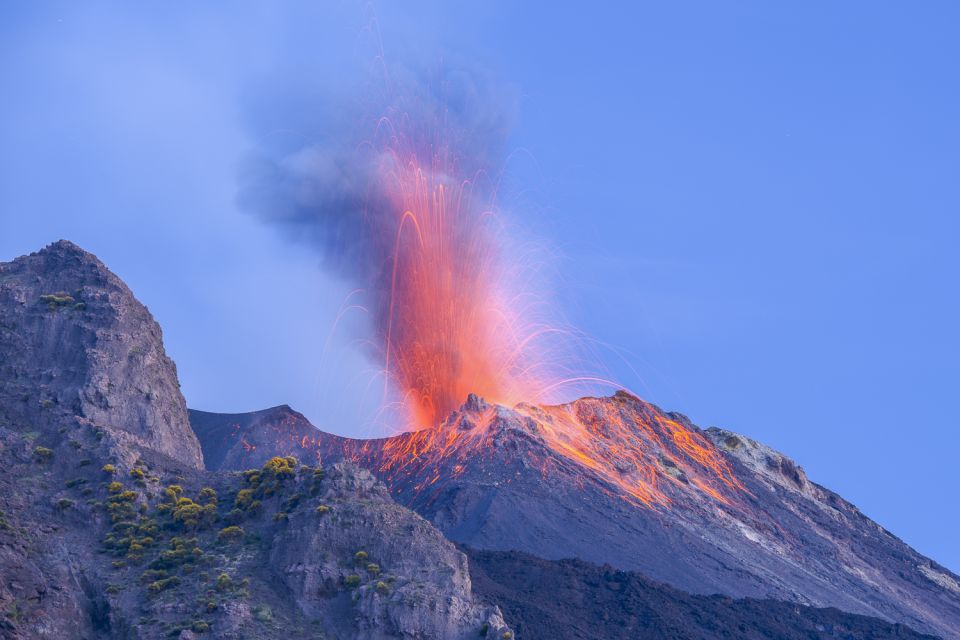
- Frequent eruptions: expect volcanic explosions about every 10–15 minutes from the viewing altitude
- Sciara del Fuoco viewpoint: you’ll look at the famous talus scree/depression from Belvedere Point
- Helmet + headlamp provided: you’re set up for safety and darker conditions near sunset
- A planned sunset pause: about an hour to watch the volcano as light changes
- Local guide storytelling: geology of the Aeolian Islands plus flora, fauna, and settlement life
- Free Visitor Center tour: a built-in 30-minute add-on for context after your hike
Starting on Stromboli: the safety briefing that sets the tone
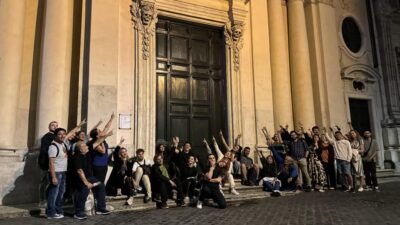
You meet at the Stromboli Adventures Agenzia Escursioni&Tour Operator, then exchange your voucher at the ticket counter. Arrive about 30 minutes early; it helps you get settled before the group gets into motion.
Before any serious hiking, there’s a safety briefing that takes roughly 15 minutes. This isn’t just paperwork. It signals that you’re heading into an active volcanic zone where things can change fast, which matters because the tour also can be canceled in cases of high activity or poor weather.
You’ll also want to have the right footwear. The tour explicitly asks for hiking shoes and says sports shoes aren’t allowed. It’s a small rule that pays off later when the ground gets uneven and you’re concentrating on where to step, not what your shoes can handle.
You can also read our reviews of more tours and experiences in Stromboli.
The climb begins: Sentiero Paesistico and early crater views
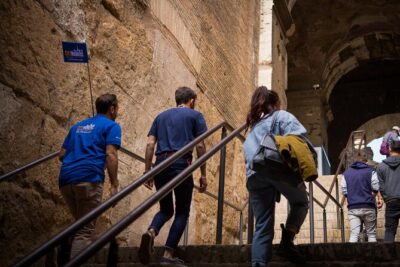
The trek starts through vegetation on the Sentiero Paesistico, a short early stretch that’s part of how the experience builds. You’re not just heading uphill—you’re being led through a pathway where the volcano’s features start appearing along the way.
This portion is where the “wow” sneaks up on you. You’ll already begin to see craters as you move along the trail. Even if you’ve studied volcanic maps before, it hits differently when your feet are on the island’s real terrain and the summit feels like a destination rather than a theory.
The guided portion on the way up lasts about 1.5 hours. That’s long enough for a steady climb, but it’s also structured, so you’re not left guessing when the best viewpoints will happen. Expect your guide to talk as you go, linking what you’re walking through with what you’ll see later.
Belvedere Point: where Sciara del Fuoco becomes real
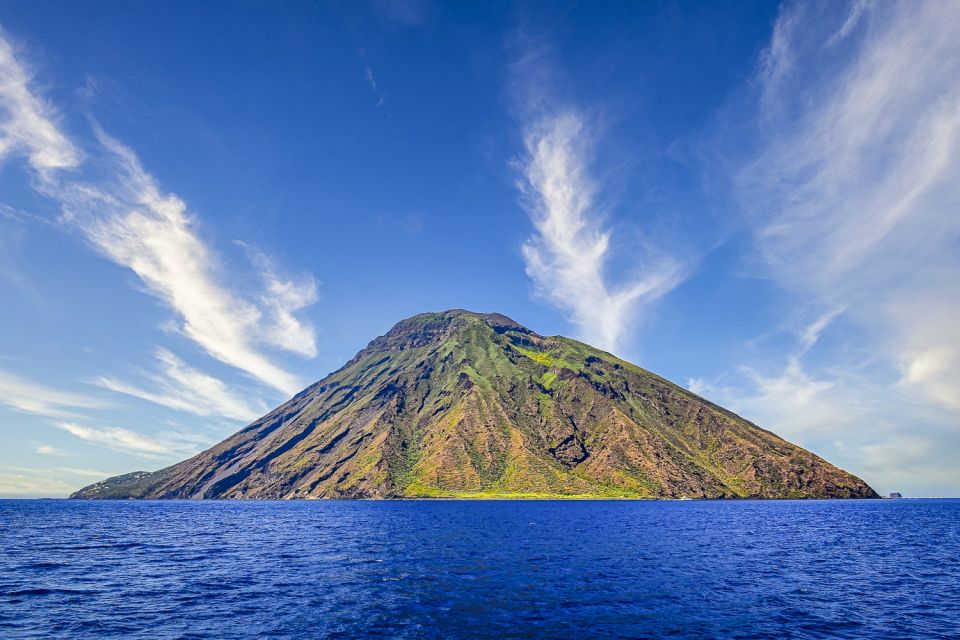
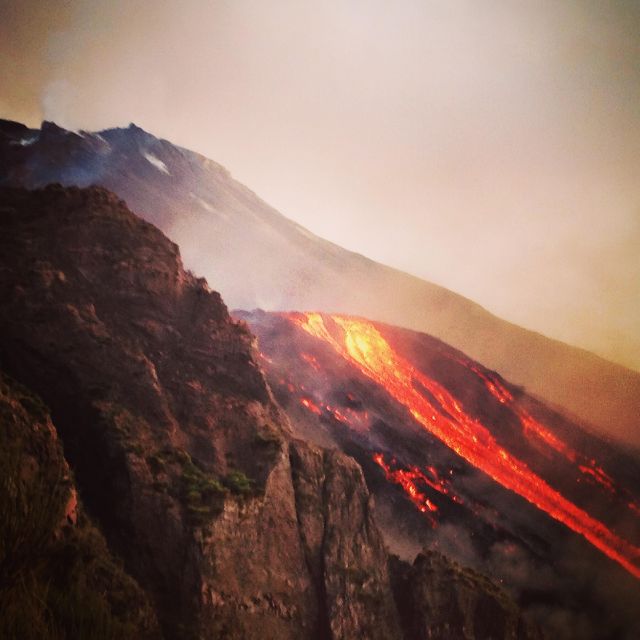
After the initial ascent, you reach Belvedere Point, one of the big payoff moments. This is where you can see Sciara del Fuoco—the famous talus scree or depression associated with Stromboli’s activity.
Seeing Sciara del Fuoco from Belvedere Point makes the volcano feel less like a single peak and more like a whole system. It’s a reminder that volcanic landscapes are shaped, not just erupted. You’re getting a view that explains the movement of material and the shape of the slopes—without needing a technical background.
From Belvedere Point, there’s about a 20-minute walk to the main observation area for sunset. Plan for steady walking. It’s not described as extremely hard, but it does assume you’re in decent hiking shape and determined to reach the top.
Sunset viewing: volcanic eruptions every 10–15 minutes
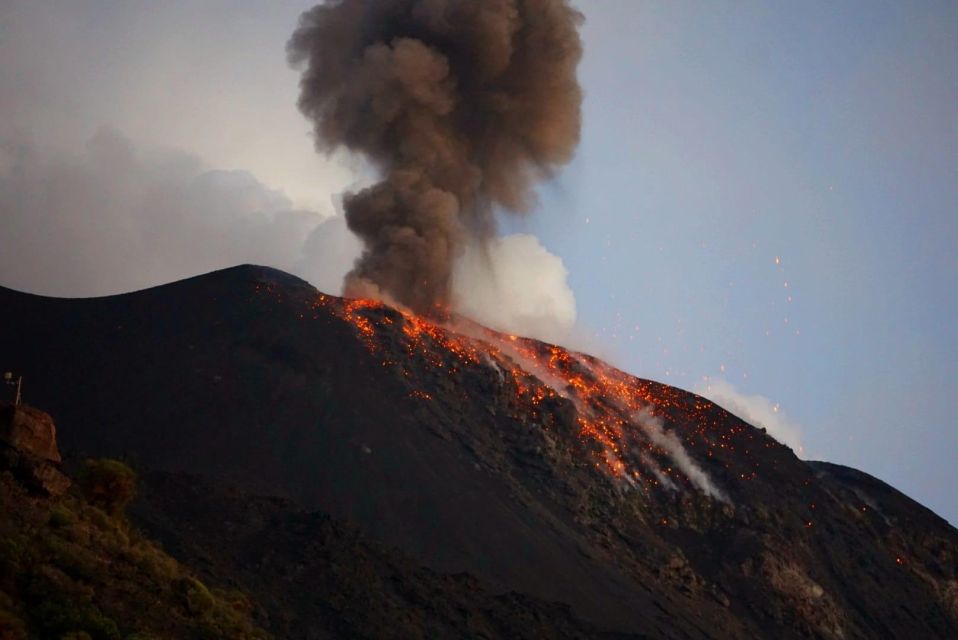
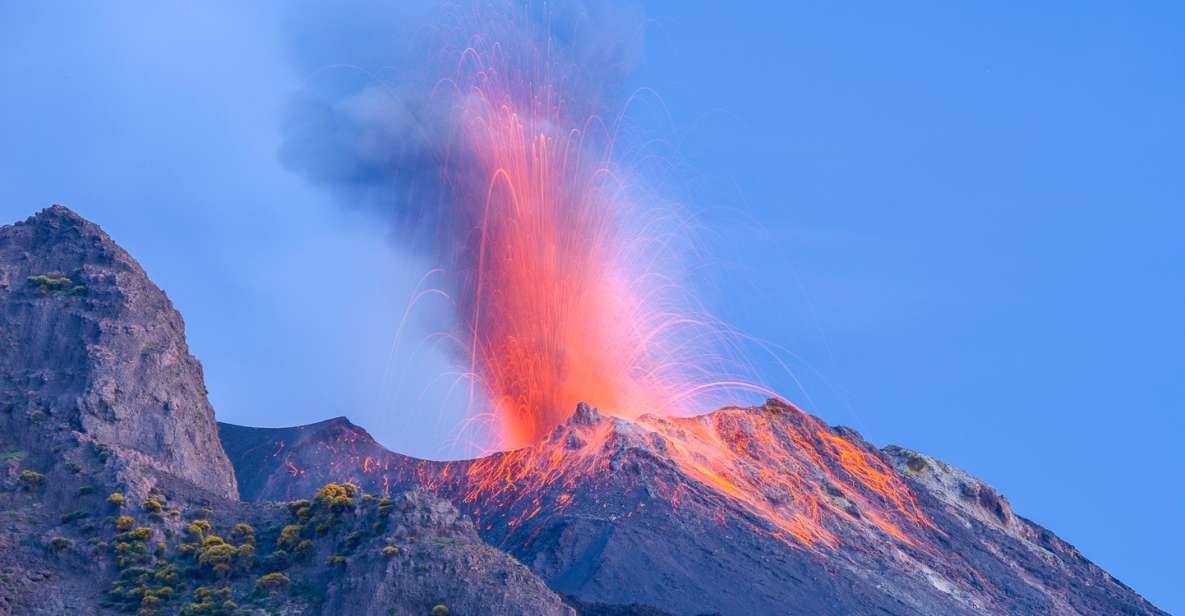
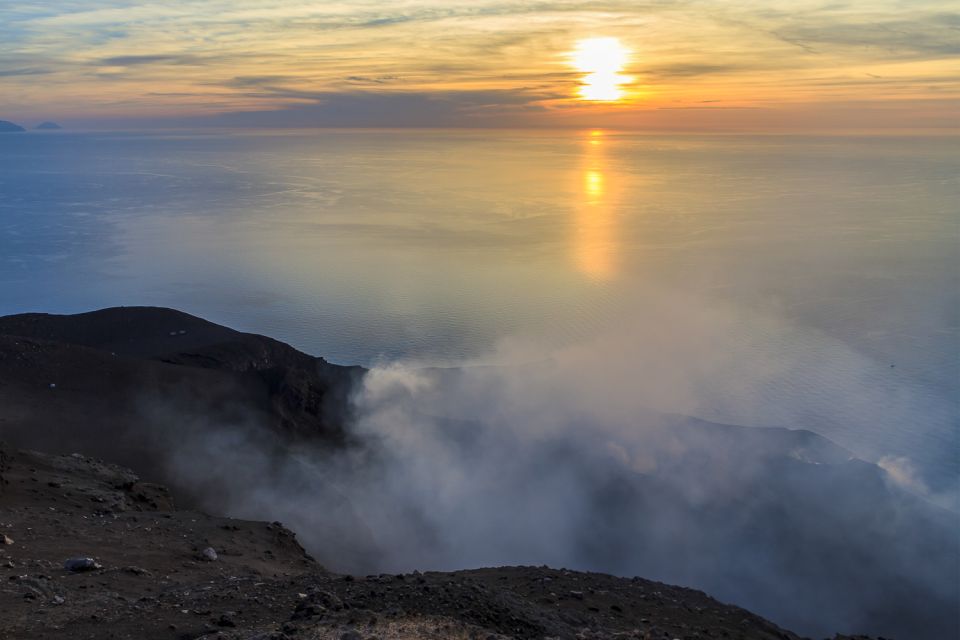
The main moment is the planned sunset segment, with about an hour set aside for break time and viewing. This is when the volcano puts on its show: volcanic explosions that can happen roughly every 10–15 minutes, as you watch from around 400 meters altitude.
If you’re wondering what that actually feels like, think less in terms of fireworks and more in terms of a living process you can hear and feel. The tour highlights the chance to listen to the sound and even the breath of a live volcano. That’s one of those lines that sounds poetic until you’re standing there and realizing you’re hearing activity happening close enough to register physically.
Bring your jacket. Even in good weather, it’s still an outdoor hike at sunset, and you’re spending time stopped to watch. Also, keep your headlamp handy. You’ll have one provided, and as light fades you’ll depend on it to stay safe on the return and on the trail around observation time.
What the guide teaches: geology, plants, animals, and human life
A big reason this tour feels worth the time is how it stays anchored in real place. During the hike and viewing, your guide covers the geological history of the Aeolian Islands and connects that story to what you’re seeing on Stromboli.
You’ll also hear about local flora and fauna—what grows there and what you can realistically spot. It’s not about pretending you’re on a nature documentary. It’s more like learning what the environment supports and how people live around it.
Human settlement history also comes up. That matters because the Aeolian Islands aren’t empty wilderness. They’re lived-in islands where volcanoes have shaped daily life, risk, and culture. Understanding that gives you more than photos. It gives you context, and context is what turns a view into a memory you can explain.
The $35 value: what’s included (and why that changes the math)
At about $35 per person for a 5-hour experience, the price looks simple—until you check what’s included. You’re getting a guide, hiking map, headlamp, and protective helmet. Those items aren’t just extras; they’re part of how you’re allowed to do the activity safely and comfortably.
You also get a free 30-minute tour at the Stromboli Visitor Center. That’s a smart add-on. After standing above an active crater zone, you’ll likely want a bit of structure—what you saw, how it fits, and what to look for when you’re back on your own.
What’s not included is also useful to know. You supply hiking boots (the tour doesn’t include them) and snacks. I’d treat snacks as practical fuel, not a luxury. Even if the climb is labeled low difficulty, a steady sunset trek can drain energy because you’re moving, then stopping, then moving again.
Timing and group size: how to avoid stress on a sunset trek
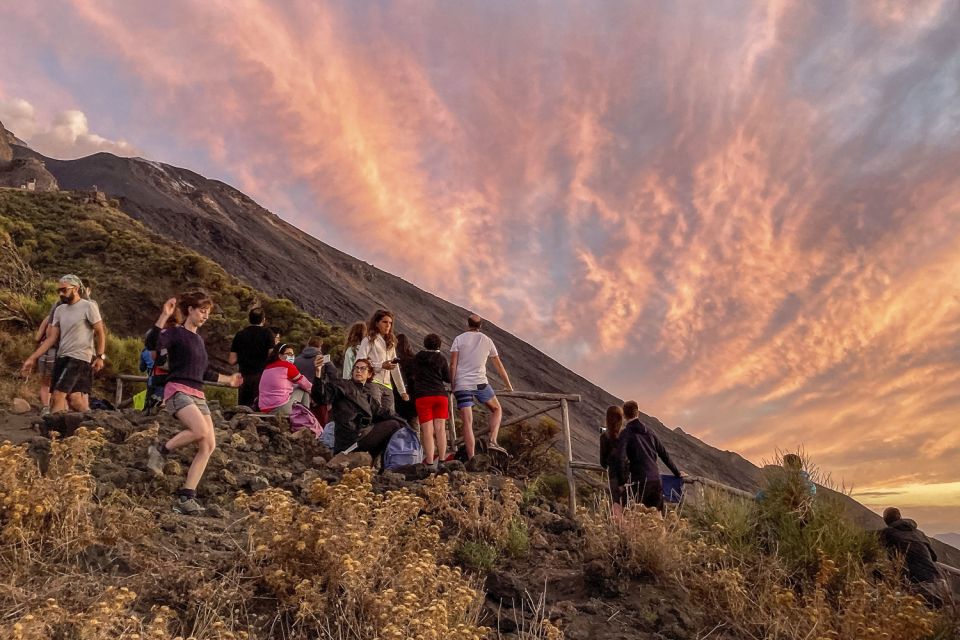
The tour runs for about 5 hours total, with a safety briefing, guided hiking, a sunset viewing break, then a return hike. That’s a tight enough schedule that you should protect it.
A key planning tip: exchange your voucher and be ready before the group departs. The tour experience depends on momentum, especially because daylight is a real factor on volcano hikes.
One practical consideration from real-world experiences: start times don’t always stay perfectly on the minute, and if the group leaves late, the window for sunset viewing and the full route can shrink. I’d assume you might lose some time if departures run behind, so avoid booking other plans immediately after.
Group size can also vary. In some departures, the group can feel large, and that can affect pace. If you’re easily thrown off by a faster rhythm, slow down your breathing early. Stay with your guide’s general pace, but don’t be afraid to keep your own short breaks when you need to.
Trek back down: where the headlamp and helmet earn their keep
After sunset, you head back with guided support. The return hiking portion is about 1.5 hours. By now, conditions can be darker even if the sunset itself was smooth, and the tour provides a headlamp for exactly that reason.
This is also where the protective helmet feels worth it. You’re not doing rock climbing, but volcano terrain can include uneven surfaces and areas where you need to be mindful of where you step and where you’re walking as a group.
Keep water going on the descent. You might think you’ll only need it early, but the viewing hour encourages you to stand still for long stretches. When you go back to walking, dehydration can sneak up, especially if you’re excited and breathing fast from the climb.
Who should book—and who should skip Stromboli at sunset
This experience is described as low difficulty, but the tour still expects you to be in good health and used to hiking. It also asks for determination to reach the summit, which is a gentle way of saying you’ll be working your way uphill.
This is not suitable for children under 5. Even if you’re traveling as a family, the combination of hiking, height exposure, and volcanic conditions can be too much for little kids.
It’s also not a fit if you have heart problems, pre-existing medical conditions, respiratory issues, or you’re afraid of heights. If any of those apply, don’t treat this as a maybe. Respect the constraints and choose something else on the island.
On the other hand, if you’re healthy, comfortable with stairs and uneven ground, and want a view with a sense of real-time drama, this is one of the more direct ways to experience Stromboli.
Quick practical tips before you go
- Wear hiking shoes; sports shoes aren’t allowed
- Bring water and a jacket; you’ll be outside through sunset
- Expect a steady climb and a long stop watching activity
- Use the helmet and headlamp exactly as provided
- Keep your afternoon flexible; late starts can cut into the sunset window
Should you book the Stromboli Sunset Trek?
Book it if you want a guided, structured way to watch an active volcano up close—especially if sunset is your thing. For the price, the included helmet, headlamp, and Visitor Center tour make it feel like solid value, not just a walk with a view.
Skip it if you don’t do well with heights, have respiratory or heart concerns, or you’re looking for something purely relaxed and easygoing. Also, don’t plan the rest of your evening too tightly. Stromboli can be dramatic, and the tour’s own rules already account for changes in activity and weather.
If your goal is a memorable moment—walking into the volcano story and then watching the eruptions light up the sky—this trek is the kind of experience you’ll talk about long after you leave the Aeolian Islands.
FAQ
How long is the Stromboli sunset trekking tour?
The tour lasts about 5 hours.
How much does it cost?
It’s priced at $35 per person.
Where do I meet the tour?
You meet at the Stromboli Adventures Agenzia Escursioni&Tour Operator, and you must exchange your voucher at the ticket counter before the tour begins.
What’s included in the price?
The tour includes a guide, a hiking map, a headlamp, a protective helmet, and a free 30-minute tour at the Stromboli Visitor Center.
What should I bring?
Bring hiking shoes, water, and a jacket.
Are sports shoes allowed?
No. Sports shoes are not allowed.
What languages are the guides available in?
The live guide is available in English, French, Italian, and Spanish.
Is the tour suitable for young children?
Children under 5 may struggle, and the tour is not suitable for children under 5.
What happens if weather is bad or volcanic activity is high?
If volcanic activity is too high or the weather is poor, the tour will not take place.
Can I cancel for a full refund?
Yes. You can cancel up to 24 hours in advance for a full refund.