REVIEW · ROME
Ghosts, Legends & Mysteries of Rome Tip-Based Walking Tour
Book on GetYourGuide →Operated by What About Tours · Bookable on GetYourGuide
Rome gets darker at night. This 1.5-hour, tip-based walking tour takes you through Rome’s haunted districts, starting at Castel Sant’Angelo and ending near Campo de’ Fiori.
What I like most is the mix of dark humor and very real-sounding crime storytelling, delivered on the actual streets you’re standing on. I also really enjoyed how guides bring in names and legends you won’t usually hear on standard sightseeing loops, like Rome’s infamous poisoner Giulia Tofana, plus witches and inquisition-era characters.
The main thing to consider is tone: the tour leans into violence, brutality, and politically incorrect jokes, so it’s best if you’re comfortable with unsettling subject matter.
In This Review
- Key things to know before you walk Rome’s dark side
- Enter Castel Sant’Angelo: where the tour sets its tone
- Why tip-based pricing is such a big part of the value
- The storytelling style: dark humor, true crime, and no soft landing
- The walk itself: how the stops land in real time
- Fountain of the Mask: a quick stop with spooky street energy
- Farnese Palace: history in a hurry, told like a scene
- Campo de’ Fiori: the finale where the night story closes
- The Giulia Tofana thread: the kind of detail that makes the tour click
- Food and drink recommendations: how to use the tour after dark
- Group vibe and languages: English and Spanish, with face-to-face energy
- Who should book Ghosts, Legends & Mysteries of Rome
- Price and logistics: what to budget beyond the booking cost
- Should you book it?
- FAQ
- Where is the meeting point?
- How long is the tour?
- Is it really a tip-based tour?
- What languages are offered?
- What stops are included?
- Can I reserve now and pay later?
- Is free cancellation available?
Key things to know before you walk Rome’s dark side
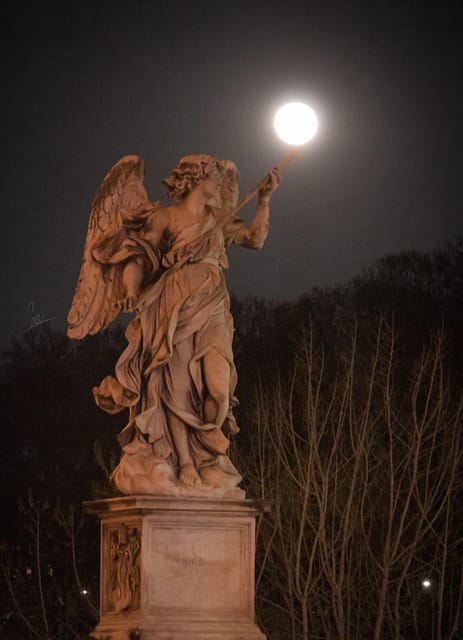
- Castel Sant’Angelo starts the mood fast with a photo stop and guided stories right at the beginning of the night.
- You’ll hit secret stops (two of them) where the itinerary keeps you guessing until you’re there.
- True-crime names come up, not just ghosts including Giulia Tofana and other notorious figures.
- Witches, heretics, and inquisition-era tales are part of the core storyline, not a side mention.
- Fountain of the Mask and Farnese Palace get folded into the walk with quick, guided context.
- Pay-what-you-want means plan for a tip; a usual range mentioned is 10€ to 50$.
Enter Castel Sant’Angelo: where the tour sets its tone
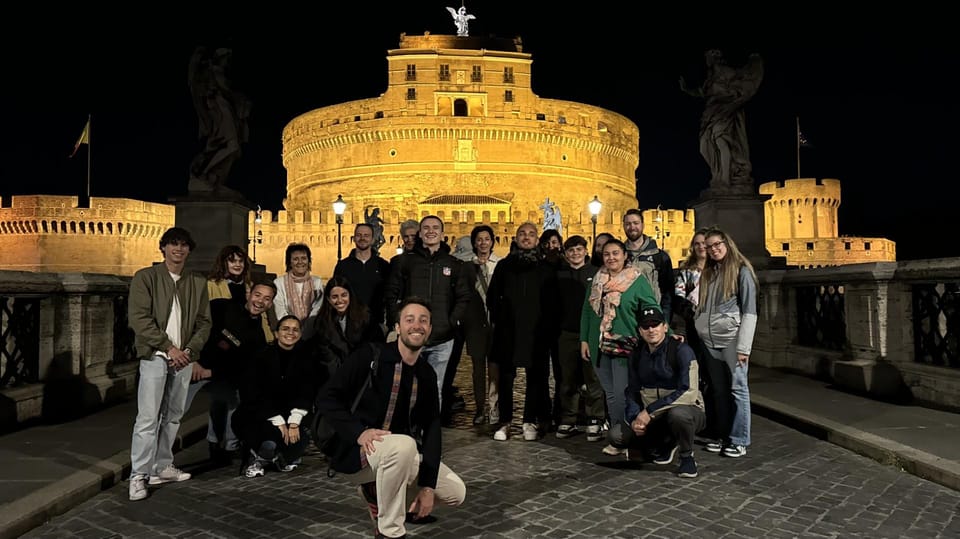
You meet at Castel Sant’Angelo, right in front of the entrance by the bridge Sant’Angelo. From there, the whole experience is built like a slow horror film: you walk, you stop, and the guide keeps tightening the story as the night gets darker.
Expect a photo stop early on, then short guided segments that keep moving. It’s not a sit-and-listen lecture. The guide talks, you look around, you walk again, and the sights become props for the legends.
This first stretch matters because it establishes the tour’s promise: ghosts and hauntings, yes, but also the ugly parts of Rome’s past—executions, brutality, terrible crimes—told with a wink and a shiver.
You can also read our reviews of more tours and experiences in Rome.


Why tip-based pricing is such a big part of the value
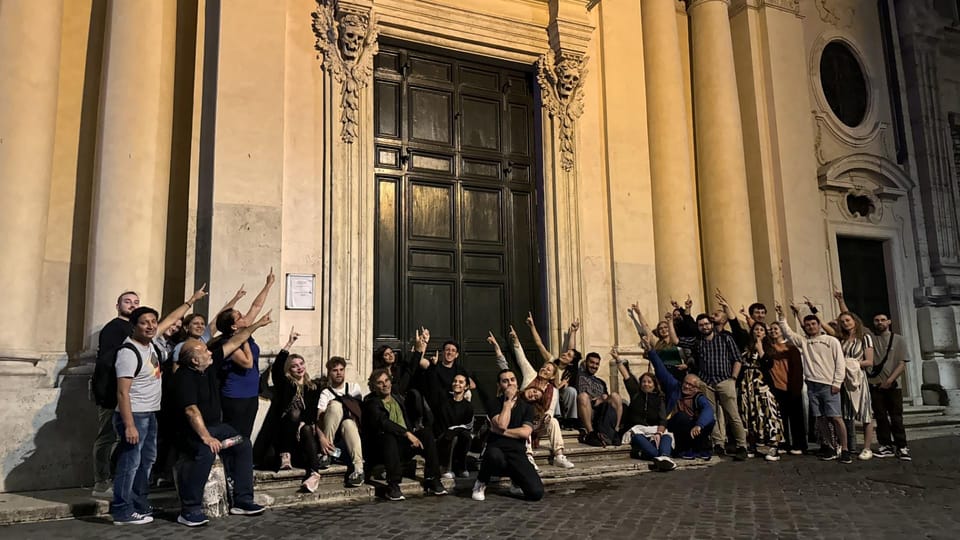
The listed price is low (3.77$), but this tour is built on the pay-what-you-want model. That means the guide is essentially working for your tips alone, and at the end you decide what it was worth to you.
Based on the guidance given, you should assume a realistic tip is often between 10€ and 50$. If you budget for that in advance, the pricing becomes fair instead of confusing. You’re paying a small booking amount so you can show up, then you’re rewarding the storyteller if the night hits the right notes.
In my view, the value here comes from three things you actually feel in the moment: a real local guide, an on-foot route through atmospheric districts at night, and storytelling that tries to stay entertaining while still pointing you at specific historical characters and events.
The storytelling style: dark humor, true crime, and no soft landing
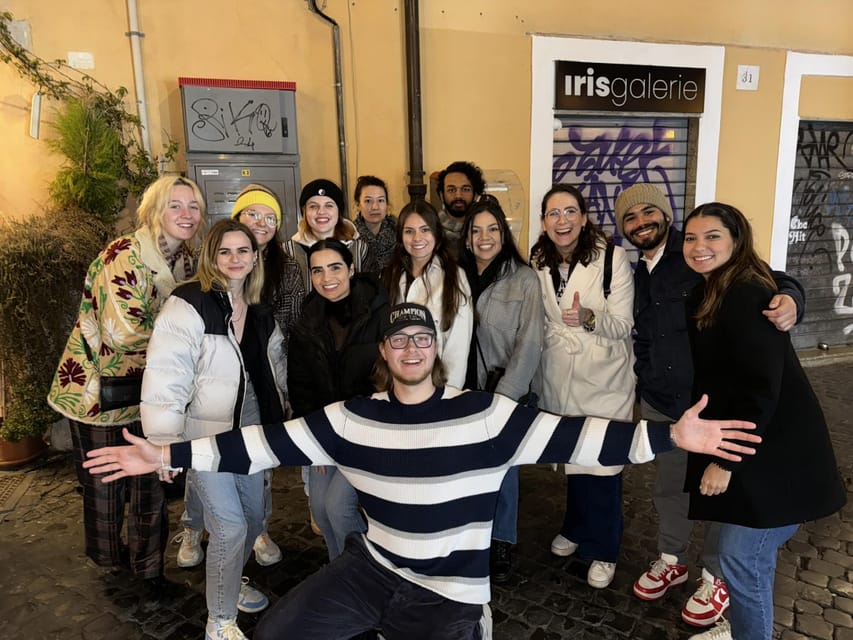
This isn’t a polite ghost walk. The format is built around history with no filters, including witches, heretics, and inquisition-era references, plus corrupt popes, assassins, and brutal crime. The guide doesn’t just say a legend exists; they frame it as a story you can almost hear in the alleyway.
A big part of what makes it work is the delivery. In the notes from real outings, guides like Ivan, Leonardo, Simone, and Max get praised for mixing humor with strong pacing and keeping everyone engaged. Multiple people specifically called out the “funny but sincere” vibe, and that the guides were comfortable answering questions.
One more practical thing: this is a night walk where you’re close enough for conversation. In at least one group, people noted they didn’t use headphones, which can make the whole experience feel more human and interactive. If you like asking follow-ups while you’re standing in front of the scene, this tour style suits that.
The walk itself: how the stops land in real time
The route moves in short bursts: a lot of guided talk tied to short walking stretches. That pacing is important. You’re not stuck listening for long stretches while the night cools down and your attention wanders. You get momentum.
The tour also includes unnamed elements. You’ll hit two secret stops, one around 10 minutes and another around 5 minutes, plus additional guided segments along the way. Those “secret” moments are valuable because they prevent the walk from feeling like a checklist. Instead, the guide is using surprise to keep the atmosphere alive.
Here’s how the specific named stops fit the mood.
Fountain of the Mask: a quick stop with spooky street energy
At the Fountain of the Mask, the tour slows just enough for the guide to connect the location to the night’s bigger themes. The stop is short (about 5 minutes), but the point isn’t to linger. It’s to let the story “stick” to a visible landmark you can later remember.
Short stops like this work well on a 1.5-hour tour. You don’t get overwhelmed with details. You get a few tight moments, each one reinforcing the overall theme: Rome’s legends feel personal when you’re seeing the places under night lighting.
If you prefer tours where everything feels slow and museum-like, this won’t match that style. If you like moving quickly, listening closely, and letting the guide tie it all together, you’ll probably enjoy this part.



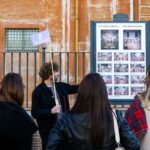
Farnese Palace: history in a hurry, told like a scene
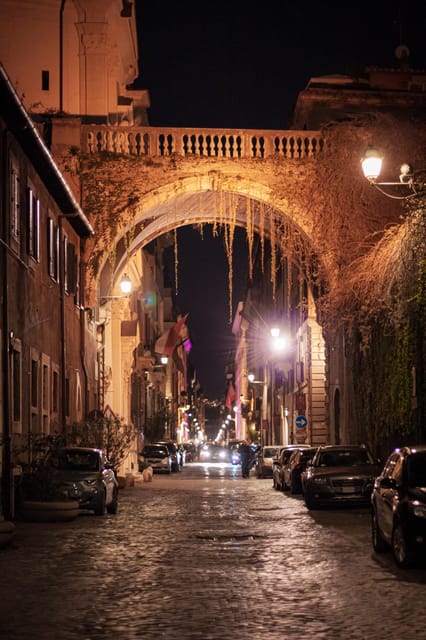
Next up is Farnese Palace for another brief guided segment (around 5 minutes). In a tour like this, the palace doesn’t need to be a deep architectural lesson. It’s used as a stage for the story thread about violence, power, and the darker side of Rome’s legends.
In recent groups, the biggest praise consistently points to the guide performance: people mention laughs, pacing that keeps attention up, and a sense that the tour feels like you’re getting the real story behind the storefront version of Rome. Farnese Palace fits that style because it gives the guide a serious backdrop without turning the evening into a long history class.
Campo de’ Fiori: the finale where the night story closes
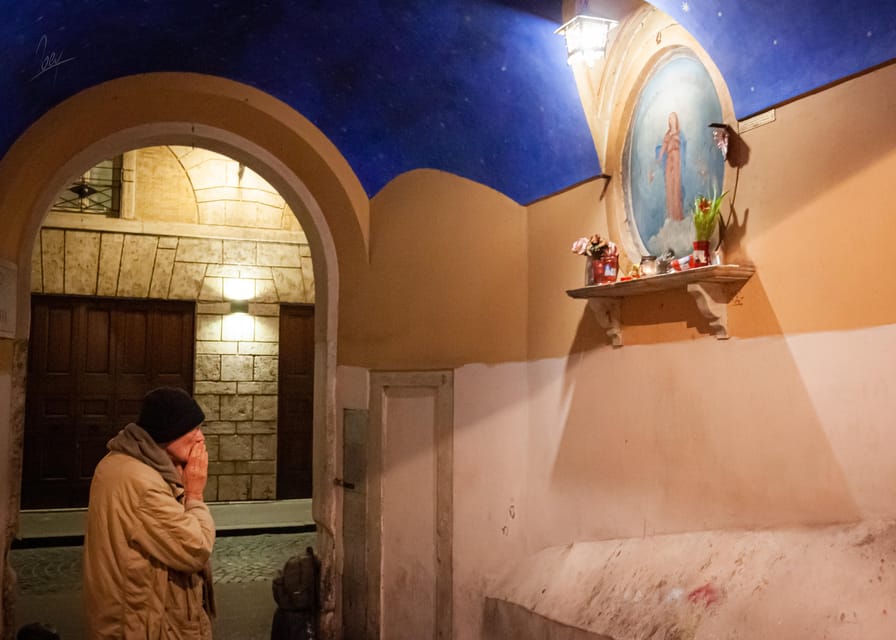
The tour ends at Campo de’ Fiori. It includes a longer guided segment (around 10 minutes), which is a good sign that the guide saves a heavier or more satisfying wrap-up moment for the finale.
Campo de’ Fiori also acts like a mental landing zone. You start at a famous fortress-like landmark, you walk through darker districts with secret pauses, and then you finish in a lively central square area. By the time you’re there, your brain has already switched modes from daytime sightseeing to story-listening.
This ending matters because it changes what you’ll do later. When you go back to daytime Rome after this kind of night walk, you tend to notice different things—street corners, the feeling of old walls, and how stories attach to real spaces.
The Giulia Tofana thread: the kind of detail that makes the tour click
One of the standout elements is the emphasis on notorious figures, especially Giulia Tofana, Rome’s infamous poisoner. The tour frames the night as a sequence of legends and crimes, and that particular name gives the storytelling a sharp edge. Instead of generic “haunted Rome” vibes, you get a character you can anchor the stories to.
This is also where the tour’s “history with no filters” approach feels most effective. When the guide brings in witches, heretics, inquisition-era references, and then pivots to assassins and corrupt popes, it’s not randomness. It’s a single worldview: Rome’s past was brutal, political, and full of people who could ruin others quietly.
If that’s your kind of history, you’ll probably feel like the time flies. Several people said they wished the tour lasted longer, which is often the best sign that the guide found a rhythm and kept it.
Food and drink recommendations: how to use the tour after dark
The tour includes food and drinks recommendations. That might sound like a small add-on, but it’s actually practical. You finish a night walking experience in a central area, and you’re usually hungry or ready for one final drink.
In recent groups, one common theme in feedback is that guides don’t just tell stories; they also share advice on local spots to eat and treat yourself. The best part is that those recommendations tend to match the route you just walked, so you’re not jumping across town blindly.
Think of it as a bonus map made of conversation, not a printed brochure.
Group vibe and languages: English and Spanish, with face-to-face energy
Tours run in English and Spanish, and a local guide leads the walk. In the most praised experiences, people mention the guide involving the group and keeping things entertaining without letting it turn chaotic.
A few reviewers also called out that the group wasn’t huge. That can matter on a story-heavy tour, because if too many people talk at once, the storyteller can’t respond. When the group stays manageable, the experience becomes more conversational, and you can get answers to your questions.
One more point: since it’s a walking tour at night, you should expect some uneven flow. Short stops mean you may change pace frequently. It’s part of the design.
Who should book Ghosts, Legends & Mysteries of Rome
This tour is a strong fit if you want:
- A night walk with a story-driven guide
- Rome’s legends told as crime and conflict, not just “spooky vibes”
- Dark humor that goes a bit off-script
- A tour length that’s short enough to pair with other plans
It’s less ideal if you want a family-friendly, gentle atmosphere. With its emphasis on violence, brutality, terrible crimes, and politically incorrect jokes, you should only book if that tone sounds fun to you.
It also suits you if you like “local guide” energy. People specifically praised guides such as Ivan and Leonardo for enthusiasm, humor, and answering questions, so you’re not getting stuck with a monotone script.
Price and logistics: what to budget beyond the booking cost
Even though the tour lists a very low price, you should treat it like a tip-supported experience. Plan to bring cash for the final tip, since the recommended range mentioned is 10€ to 50$.
This is also one of those tours where the guide quality is the product. If the storytelling clicks for you, you’ll feel great about tipping well. If it doesn’t, at least you’ll know what you paid is only the entry ticket to the performance.
Duration is about 1.5 hours, so it’s a good slot for your first few evenings in Rome when you want to learn the city’s “other” side and then put that new lens into practice the next day.
Should you book it?
Book it if you want a spooky Rome tour that treats history like a real-world drama. The strong feedback around guides like Ivan and Leonardo, the focus on true-crime characters like Giulia Tofana, and the mix of haunted places plus violence and inquisition-era stories all point to a specific style: dark, funny, and street-level.
Skip it if the idea of politically incorrect jokes or violent crime topics makes you uneasy. And if you hate walking at night, this may test your patience, since the tour is built around short stops that keep you moving.
FAQ
Where is the meeting point?
You meet right in front of the Castel Sant’Angelo entrance, by the bridge Sant’Angelo.
How long is the tour?
The duration is about 1.5 hours.
Is it really a tip-based tour?
Yes. It’s a pay-what-you-want style tour, and at the end you give the guide what you think the experience was worth. A typical tip range mentioned is between 10€ and 50$.
What languages are offered?
The tour is available in English and Spanish.
What stops are included?
The tour includes Castel Sant’Angelo at the start, plus stops at the Fountain of the Mask, Farnese Palace, and Campo de’ Fiori. There are also secret stops during the walk.
Can I reserve now and pay later?
Yes. You can reserve your spot and pay nothing today.
Is free cancellation available?
Yes. Free cancellation is offered up to 24 hours in advance for a full refund.