Venice’s back streets tell better stories. This small-group 2-hour walk swaps the main-ticket sights for quiet districts where locals still move through daily life, while your guide connects places you see to how the city actually works. You’ll start in Campo San Geremia, cross into the Jewish Quarter, spot art and architecture tucked into side streets, then finish near Rialto Bridge so you can keep exploring with less guesswork.
Two things I really like: first, the route keeps you off the busiest corridors without cutting out the “I came to Venice for Rialto” payoff. Second, the pace is built around questions, so you’re not just collecting facts—you’re learning how Venetians think about water, neighborhoods, and history. One drawback to consider: it’s a moderate walking tour with lots of standing at viewpoints and bridges, so plan for time on your feet.
In This Review
- At a glance
- Why this Venice walking tour feels local fast
- Campo San Geremia to Rialto Bridge: the route logic
- Quiet Cannaregio canals and the “unusual campo” start
- Jewish Quarter walk: ghetto origins and Madonna dell’Orto context
- Camel House facade, legends, and a gondola workshop stop
- Rialto Bridge without the stress: viewpoints to trade history
- Price and value: what $47.16 buys you in real life
- Pacing, what to wear, and how to make the most of 2 hours
- Guides and the personal touch that makes this work
- Should you book The Real Hidden Venice?
- FAQ
- How long is the walking tour?
- What group size is this tour?
- Where does the tour start and where does it end?
- Is there a pickup, or do I meet the group on my own?
- Is the tour offered in English?
- Do I need to buy tickets for the stops?
- Is there an access fee for Venice?
- What if the weather is bad?
At a glance
- Up to 15 people: easier conversation and better answers to your questions
- Quiet Venice first: Cannaregio and side canals away from the biggest flows
- Jewish Quarter context: you’ll hear how the ghetto name and area fit together
- Spot art and legends outside the big museums: Tintoretto-adjacent stops and local lore
- Rialto finish line: you end close to the city’s most famous bridge
Why this Venice walking tour feels local fast
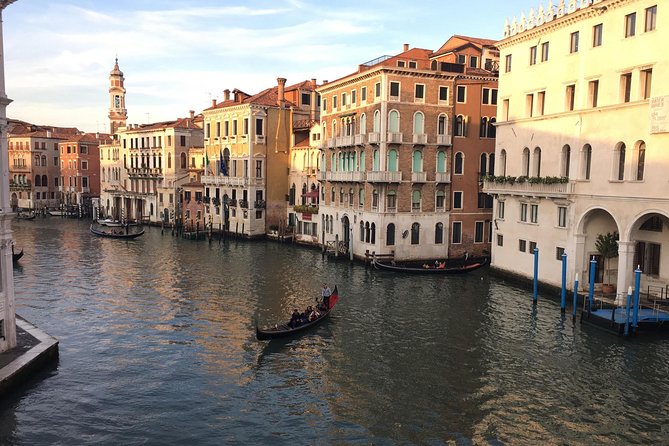
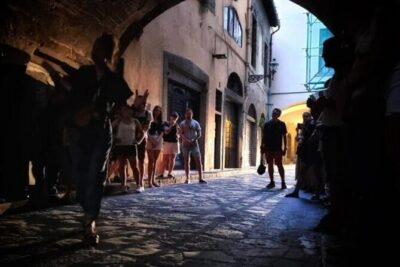
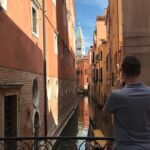
If you’ve only seen Venice from postcards, this tour changes the angle. Instead of starting where the crowds are thickest, you begin in a calmer corner of Cannaregio and work your way toward Rialto with the feeling that Venice is a real city, not a theme park. Along the way, your guide ties the street scenes to everyday details—water access, neighborhood routines, and how communities survived and adapted over centuries.
The small-group setup matters more than it sounds. When you’re with a maximum of 15 people, the guide can actually pause for your questions instead of rushing to keep the group from stretching out. That creates a tour that’s more “walk and talk” than “lecture,” and it’s why so many people end up feeling they got something beyond the usual highlights.
You also get a practical on-your-own benefit: the walk ends near Rialto Bridge. That means you can transition quickly into independent sightseeing, food, and photo stops without having to backtrack or figure out where to go next.
You can also read our reviews of more tours and experiences in Venice.
Campo San Geremia to Rialto Bridge: the route logic
This is a 2-hour walking tour that’s planned like a story map. You start with Campo San Geremia in Cannaregio—an area that feels tucked-away, with a lived-in rhythm. From there, you cross into the Jewish Quarter area, then continue through quieter canals and classic Venice “edges,” where small buildings and odd details often have long backstories.
You’ll hit a mix of short stops (often 5–15 minutes) and a couple longer ones (like the Rialto Bridge stretch and the Rialto market area). The payoff is that you’re not stuck on a single landmark for a full hour. Instead, you see how the city’s neighborhoods connect—bridges to campos, work areas to religious sites, and trade zones to viewpoints.
By the end, you’re positioned in the heart of Venice. You don’t just leave with memories; you leave with a better sense of the city’s layout. That helps a lot on your next day when you’re trying to decide what’s worth your time and what’s just popular for convenience.
Quiet Cannaregio canals and the “unusual campo” start
Campo San Geremia sets the tone immediately. It’s a picturesque square in a quiet corner of Cannaregio, and it’s the sort of place where you’ll notice everyday Venice details—people stepping around each other, small street rhythm, and the canal-side views that often get ignored by first-time visitors. Your guide shares the funny story of this particular campo, so you learn to look at the square like a Venice insider, not just a pretty spot.
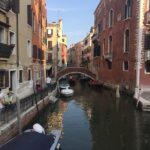
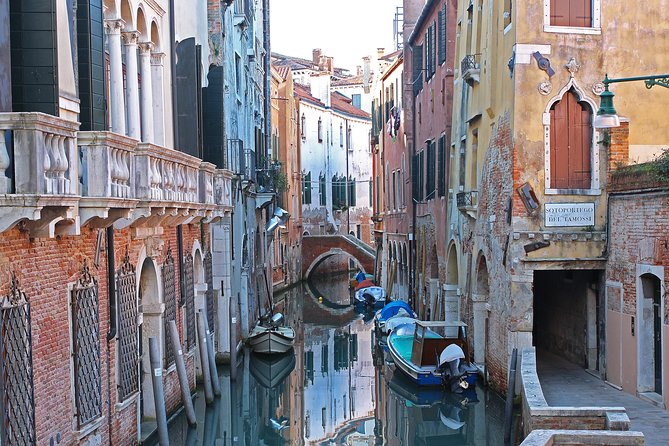
Then you start moving from one kind of Venice to another: from open space in a campo to the tight canal geography that makes walking a craft. This is where you’ll cross tranquil foot bridges into nearby areas, and you’ll start to feel why Venice’s walking experience can be both charming and practical. You get canal sightlines without needing a big tour bus or a long ferry ride.
One advantage of starting here: your photos turn out better. You’re not fighting crowds at the beginning, and you get chances to pause and take in canal angles before Rialto gets busy. If you’re sensitive to noise and crowds, this order of operations genuinely helps.
Jewish Quarter walk: ghetto origins and Madonna dell’Orto context
A key part of the experience is crossing into the Jewish Quarter—the place tied to the origin of the word ghetto. You’ll explore the Ghetto Ebraico for about 15 minutes, with your guide explaining the area and its historical context in a way that helps you understand why these buildings and streets feel the way they do today.
This isn’t just “here’s a neighborhood” sightseeing. The tour uses the geography to tell the story—how a community’s location inside the city shaped daily life, movement, and identity over time. Even if your historical background is light, the guide’s framing helps you connect what you see to what you’re hearing.
After that, you’ll reach Chiesa della Madonna dell’Orto. The church is known for Tintoretto paintings, and you’ll also see the original floor of Venice in front of the church (the stop is brief, and this is one place where the admission ticket is not included). Practically, it’s a smart stop because you get art history without dedicating hours to a museum visit.
If you’re the type of traveler who wants your Venice to have more than just architecture and views—this section is the one that tends to land hardest.
Camel House facade, legends, and a gondola workshop stop
Venice is full of nicknames, and you’ll run into one of the best during the stop at Palazzo Mastelli del Cammello, known for its Camel House facade nickname. It only takes about 5 minutes, but that’s exactly the point: tiny stops like this are what make a smaller walking tour feel special. You learn why the building looks the way it does, and you get a legend that turns a facade into a conversation piece.
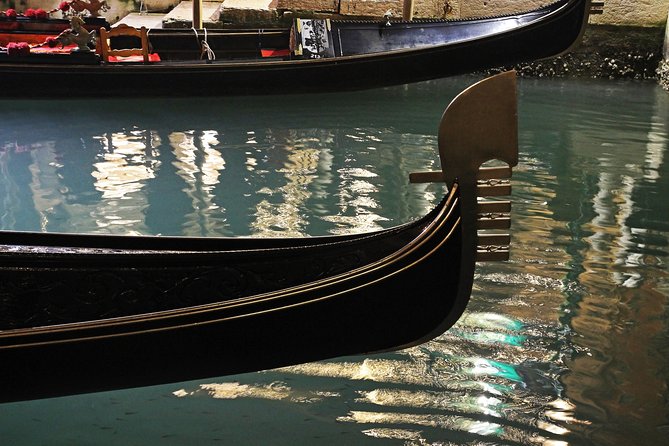
From there, the tour shifts to working Venice with Squero dei Muti, an old gondola factory area. You’ll admire an historic gondolas workshop space for a short stop. Even if you already know gondolas are traditional, seeing the workshop connection helps you understand that Venice’s crafts are tied to real production, not just souvenirs.
Then comes Ponte Chiodo, described as the original bridge of the Venetian Republic. Again, it’s a short viewpoint moment, but that’s what makes it useful: you can stand, look around, and absorb the idea that bridges here are not just crossings. They’re political and economic choices, shaped by the city’s evolution.




Rialto Bridge without the stress: viewpoints to trade history
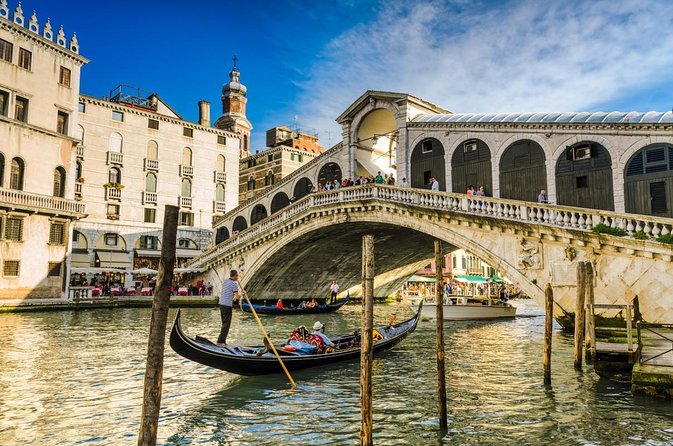
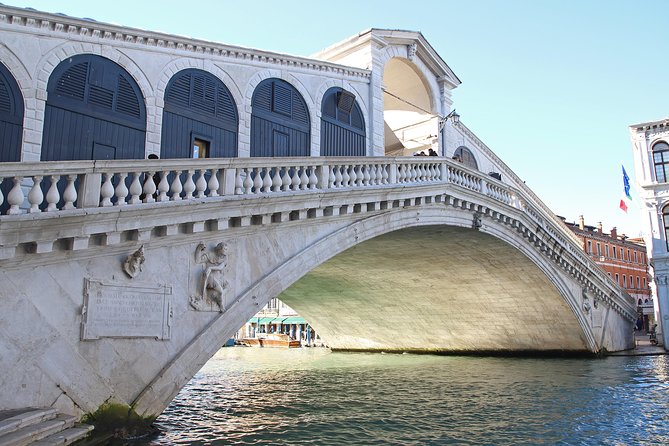
You’ll reach Ponte di Rialto next, and this part is designed to balance classic Venice with storytelling. The focus is on Rialto Bridge as a landmark rich with stories, legends, and traditions, including its 16th-century identity. Your guide helps you understand what made it important, and why it still holds that symbolic weight even after centuries of change.
This is also one of the longer segments, about 15 minutes. That’s enough time to pause for a few photos, listen to the bridge context, and still keep moving so you don’t feel stuck in one place. If you’ve ever done a “big bridge photo sprint,” this feels calmer.
After Rialto Bridge, you continue to Campo San Giacomo di Rialto, described as the first lived island of Venice. That’s a fascinating idea to carry while you stand there—suddenly the terrain feels less like a tourist backdrop and more like a place with a starting point.
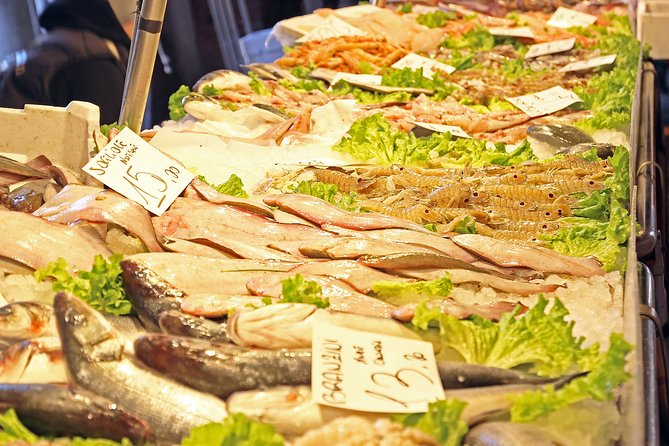
Then you wrap with Mercato di Rialto, the old trade center of the Venetian Republic, where the focus is the commercial spine of the city. You’ll get about 15 minutes here. It’s a strong ending because it ties the whole route together: Venice isn’t only about beauty. It’s about networks—trade, neighborhood life, and water-based movement.
When you finish near Rialto Bridge, you’re already in the zone where you can grab lunch, keep photographing, and choose your next neighborhood loop.
Price and value: what $47.16 buys you in real life
At $47.16 per person for around 2 hours, this tour is in the “small price, big usefulness” category—especially if you’re traveling with at least one person who wants more than scenery. You get a local guide, local taxes, and a city map per person. You also get a mobile ticket, which reduces hassle during check-in.
The real value is not just that you learn facts. It’s that you learn Venice as a system: the quiet squares, the canal foot bridges, the way neighborhoods sit beside each other, and why sites like the Jewish Quarter and Rialto matter in the same walking day. That kind of context tends to make the rest of your trip easier, because you stop treating each sight as an isolated stop.
A small note to keep your planning smooth: you’ll have a ticketed church moment at Chiesa della Madonna dell’Orto where admission is not included. Also, Venice can have a day-visitors access fee of €5 on certain dates for people staying outside Venice who are visiting for the day. If that applies to your travel date, it can affect the economics of any walking plan—so check before you commit.
Also, pickup is included at the start point, but hotel pickup and drop-off aren’t included. So think of this as “meet here, then walk with us, end near Rialto.” After that, you’re on your own in the best possible way.
Pacing, what to wear, and how to make the most of 2 hours
This is a moderate walking tour, and you should expect a lot of time on foot over uneven Venice surfaces. The stops are short, but the transitions between them are real. If you’re coming in with fresh energy, it feels easy to stay focused. If you’re tired from an early start, you’ll want to keep your expectations realistic: there will be pauses, bridge views, and time spent listening at corners and church-adjacent spots.
For clothing, I’d dress like you’re walking in wet stone. Even in good weather, Venice is humid, and conditions can shift quickly. Good shoes matter more than fashion. Bring a light layer for shade and breeze—especially if the route feels more canal-facing than street-facing.
One smart planning trick: treat the first hour as your “settling in.” You’ll get orientation and neighborhood feel in Cannaregio and around the Jewish Quarter. Then the last stretch toward Rialto becomes your “big sights” reward. If you go in with that mindset, the time feels well spent.
Guides and the personal touch that makes this work
A major reason this tour scores so high is the vibe of the guidance. Different guides come through (names you may see include Mateo, Giovanni, Nico, Sebastian, Thomas, Georgia, Michelle, and Sebastiano), but the consistent theme is a guide who speaks in stories, answers questions directly, and gives practical suggestions after the walk.
That matters in Venice. If someone only points and moves on, you leave with photos but not a plan. Here, the approach tends to be more about helping you understand what you’re seeing and how to enjoy the rest of the city. Many people mention that restaurant and neighborhood tips show up at the end, which is exactly when you need them.
If you like tours that feel personal—where you’re not trapped listening to one-way commentary—this small-group format tends to fit well.
Should you book The Real Hidden Venice?
Book it if you want Venice with fewer crowds, clearer context, and a route that connects neighborhoods instead of isolating landmarks. It’s especially worth it as a first-or-second day activity because you end near Rialto Bridge and you’ll feel oriented afterward.
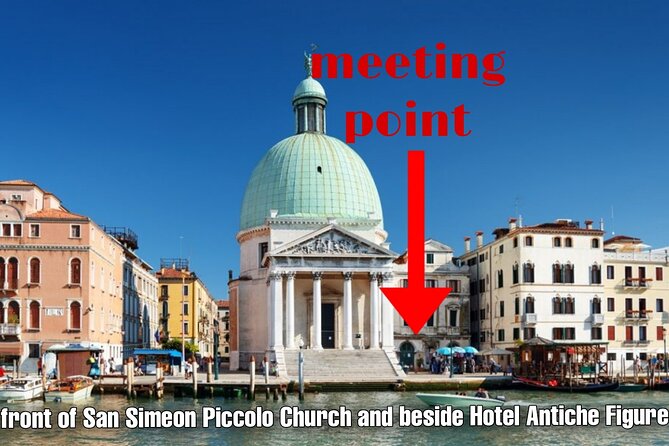
Skip it or think twice if you hate walking or need an ultra-light schedule. This is moderate fitness, and you should plan for stone, standing, and bridge viewpoints. Also, if you’re arriving from a place that drops you far from the start point, build in time. The meeting location is in front of Hotel Antiche Figure near Santa Lucia station, and long transfers can throw off your day.
If your goal is mostly Doge-style grand rooms and you’re not interested in neighborhood life and canal geography, you might prefer a different kind of tour. But if you want Venice as locals experience it—Campo to bridge to workshop to market—this is a strong pick.
FAQ
How long is the walking tour?
The tour runs for about 2 hours walking time.
What group size is this tour?
It’s a maximum of 15 travelers for the group option.
Where does the tour start and where does it end?
The tour starts in front of Hotel Antiche Figure (Santa Croce area). It ends near Rialto Bridge.
Is there a pickup, or do I meet the group on my own?
Pickup is included in front of Hotel Antiche Figure, but hotel pickup and drop-off are not included.
Is the tour offered in English?
Yes, it’s offered in English.
Do I need to buy tickets for the stops?
Most stops are free, but admission for Chiesa della Madonna dell’Orto is not included.
Is there an access fee for Venice?
On certain dates, day visitors staying outside Venice may need to pay a €5 access fee. Check the official link provided for which days it applies and any exemptions.
What if the weather is bad?
This experience requires good weather. If it’s canceled due to poor weather, you’ll be offered a different date or a full refund.