REVIEW · TURIN
Turin: Torino+Piemonte 2-Day City Card
Book on GetYourGuide →Operated by Turismo Torino e Provincia · Bookable on GetYourGuide
A two-day card can save you real time. This Torino+Piemonte 2-Day City Card is built for exactly that: quick access to a stack of top museums, royal residences, and landmarks across Turin and Piedmont.
I especially like the value math: free entry to major sites plus discounts to big attractions like the Mole Antonelliana lift area, Rack Sassi, and Superga. Second, I like how easy it feels to use once you plan your time slots—after booking, you just show your voucher at the entrance. A key consideration: many top museums can require booking, and missing the slot can mean you lose out on the included/free entry.
If you want to pack culture into a short visit, this card is a practical tool. Just be honest with yourself about your pace: the pass is strongest if you’ll hit at least several included stops during the 2 days.
In This Review
- Key things to know before you buy
- Torino+Piemonte Card: what you’re really paying for
- Value check: when the pass beats buying individual tickets
- How to use it smoothly: vouchers, slots, and avoiding sold-out days
- Turin highlights covered: the museums and palaces that fit together
- Museo Egizio and the grand museum day
- National Cinema Museum for a different kind of Turin
- Royal identity: Palazzo Madama and royal sites
- Where the Mole Antonelliana fits
- Piedmont power moves: Superga, Stupinigi, and royal residences outside the center
- Superga: the viewpoint plan
- La Venaria Reale and Stupinigi for palace lovers
- Rivoli for contemporary art
- Beyond the big names: the rest of the included list and how to choose
- MAO and MAUTO for art + design energy
- GAM and Accademia Albertina for art depth
- Museo Lavazza for a food-and-culture stop
- Borgo e Rocca Medievale for a different setting
- Contemporary art and November events: when timing turns into money saved
- Transport and the city: what’s included and what’s not
- Practical logistics that can make or break your day
- Who should get the card, and who might feel it’s overkill
- Should you book the Torino+Piemonte 2-Day City Card?
Key things to know before you buy
- Free access to major sites across Turin and Piedmont (with a clear list of included museums and palaces)
- Discounts on popular add-ons like the Mole Antonelliana panoramic lift and several sightseeing options
- Good for families, since each card covers 1 adult and 1 child under 12
- Slot booking matters for smooth entry, so check opening days and reserve your entrances
- It does not include transit rides, but it does offer discounts on multi-day public transport tickets
Torino+Piemonte Card: what you’re really paying for
Think of this card as a ticket wallet for Turin and Piedmont. For one set price (listed at $45.44 per person), you get free or reduced entry to a wide list of cultural sites—plus discounts that can knock down the cost of a few headline attractions. It’s valid for 2 days from first activation, which makes it ideal if you want to land, go hard for a couple days, and not spend time pricing individual tickets each time.
The biggest practical win is not the number of venues. It’s the mix: you’re not forced into one single theme. You can jump from an art museum to royal apartments to a transport/technology museum, and the card is meant to support that kind of planning.
Also, this pass isn’t just for indoors. It includes major monuments and royal residences, which is where Turin starts to feel like more than a quick city stop.
You can also read our reviews of more tours and experiences in Turin.

Value check: when the pass beats buying individual tickets
This card is worth your time if you’re the type who plans at least a few major stops. One thing that keeps coming up in how the card works in real life: it’s most cost-effective when you use it for 3 to 4+ attractions in the same two-day window. If you only visit one or two included sites, it can feel like you paid for potential that you didn’t fully use.
Here’s a simple way to decide:
- Make a short list of what you genuinely want (2–3 must-sees in Turin plus 1–2 in Piedmont).
- Check whether those specific places are in the included/free list.
- Then add one or two “nice if time allows” items that often cost more, like a major museum you’d otherwise pay full price for, or a discounted sightseeing option.
You’ll see the card tends to pay off fastest when you combine at least one “big ticket” museum with at least one royal residence or a major cultural institution. The pass is also good at reducing decision fatigue—your entry costs are less scary once you know the sites are covered.
How to use it smoothly: vouchers, slots, and avoiding sold-out days
The card usage is built around a simple rhythm:
- You book your place on the listed museum websites.
- You go to the entrance.
- You show your voucher to staff.
That’s it. No complicated tour pickup required. But here’s the catch: booking is strongly recommended, and many museums operate on time slots. If you show up expecting flexibility, you might lose access to the free/included entry.
So do this before you travel:
- Check opening days and times for each included museum you plan to use.
- Book your time slot entrance as soon as you can.
- If your schedule is tight, prioritize the places with the most predictable demand.
One small practical tip: if an attraction offers an option that still has a separate fee (like an elevator component), plan a little budget cushion. For instance, you may still need to pay a separate cost for the elevator at Mole Antonelliana even if you’re getting a reduction elsewhere. Arrive early when possible, because it can help keep lines shorter.
Turin highlights covered: the museums and palaces that fit together
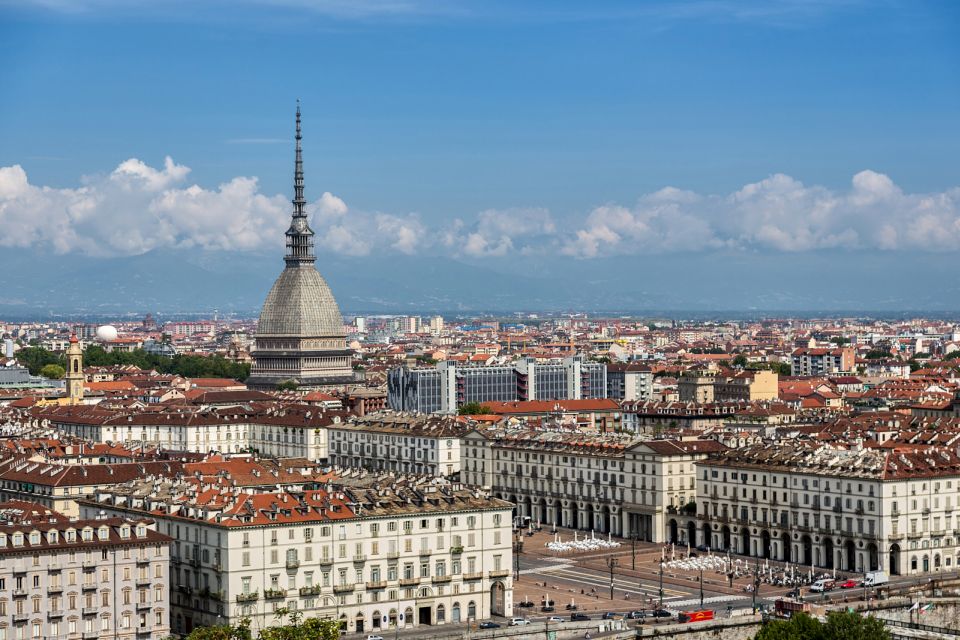
Turin works well in blocks, and the card supports that. Within the city center, you can build an efficient day that mixes museum time with classic sights.
Museo Egizio and the grand museum day
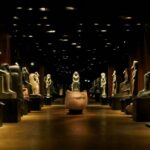
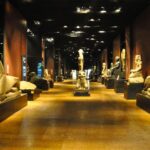
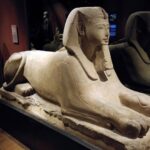
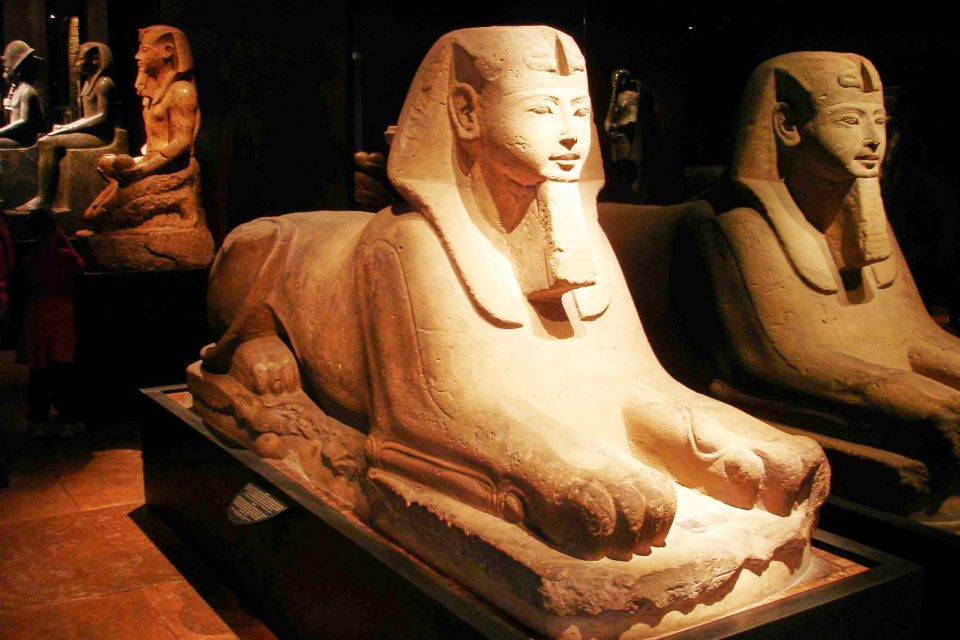
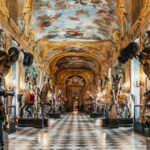
If you want one “anchor” museum day, Museo Egizio is a strong candidate because it’s an iconic attraction and it’s listed among the included free-entry sites. Pair it with another included museum nearby, and you get a classic rhythm: long indoor visits without constantly checking ticket prices.

National Cinema Museum for a different kind of Turin
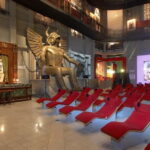
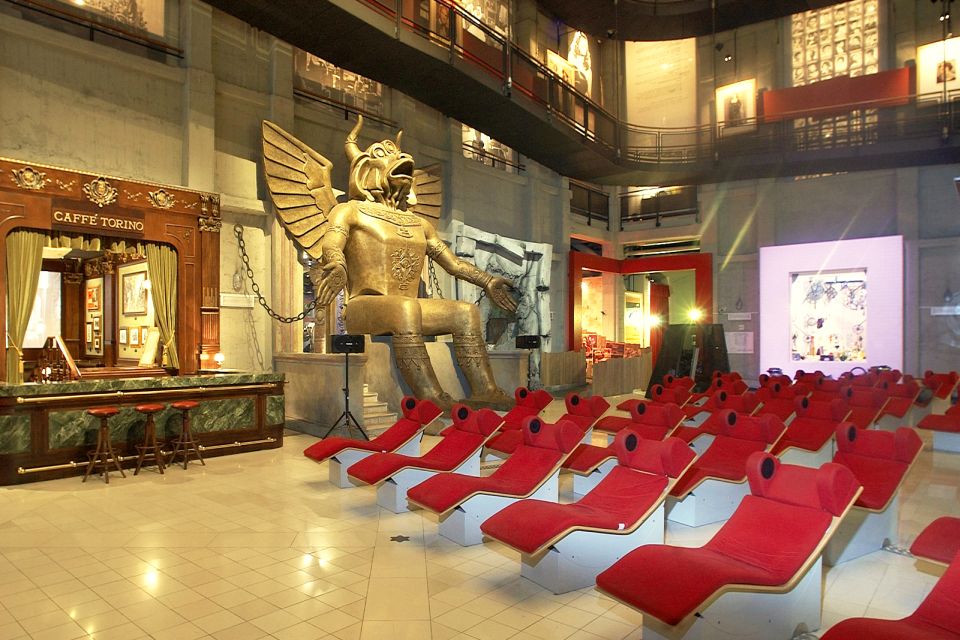
Turin isn’t only about royalty and art. The card includes Museo Nazionale del Cinema, a great counterpoint when you want something less formal than galleries and palaces. It’s also a smart choice if you’re traveling with mixed interests, since it shifts the mood while staying very “Turin.”
Royal identity: Palazzo Madama and royal sites
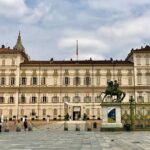
For royal architecture and “who ruled this place” context, the card includes Palazzo Madama and Musei Reali di Torino, plus the Museo della Sindone is also on the included list. These are the kinds of stops that make Turin feel distinct from other Italian cities.
When you do royal sites, go in order and pace yourself. It’s easy to rush because the details are dense, and you’ll get more satisfaction if you let one palace carry the day instead of trying to cram five palaces back-to-back.
Where the Mole Antonelliana fits
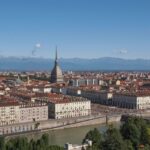
You can’t ignore the Mole Antonelliana in Turin. The card includes reductions related to the Mole’s panoramic lift. The Mole experience can be a bit of a hybrid: you may get the reduction, but you should expect that you might still pay a small additional cost for specific access components like the elevator option.
If you’re building a day around Mole, aim for an early start to keep your visit calmer.
Piedmont power moves: Superga, Stupinigi, and royal residences outside the center
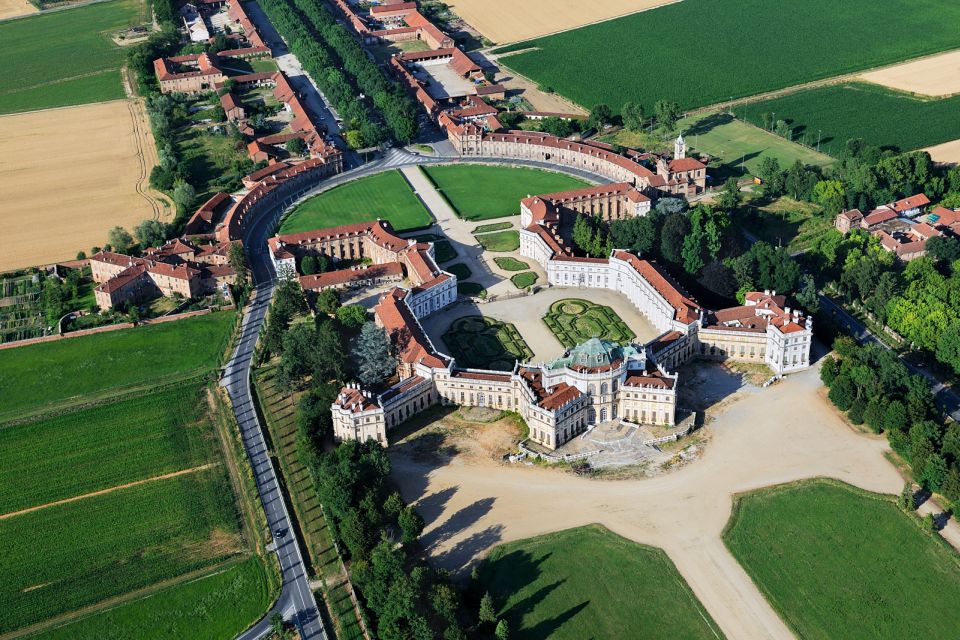
One reason the card feels better than a simple city pass is the reach into Piedmont. Turin’s best views and most dramatic royal settings are often just outside the core.
Superga: the viewpoint plan
Basilica di Superga is included, and it comes with the kind of panoramic reward that makes people plan their day around it. The card also includes reductions connected to sights like Superga, which reinforces why it’s worth putting on your itinerary even if you’re not a religious-history deep diver.
Practical angle: Superga is best when you’re not rushing. Treat it like a half-day or at least a late-morning anchor, then return to town for museum time.
La Venaria Reale and Stupinigi for palace lovers
Two major royal residences included on the list are:
- La Venaria Reale
- Palazzina di Caccia di Stupinigi
These are the stops that can justify the card even if you love architecture more than “museum hopping.” They also work well for a split schedule: palace in the morning, museum in the afternoon.
Also, if you’re tempted to skip one because it’s far or seems like a big production, don’t. Turin’s royal residences are exactly the kind of place where the included entry value adds up quickly.
Rivoli for contemporary art
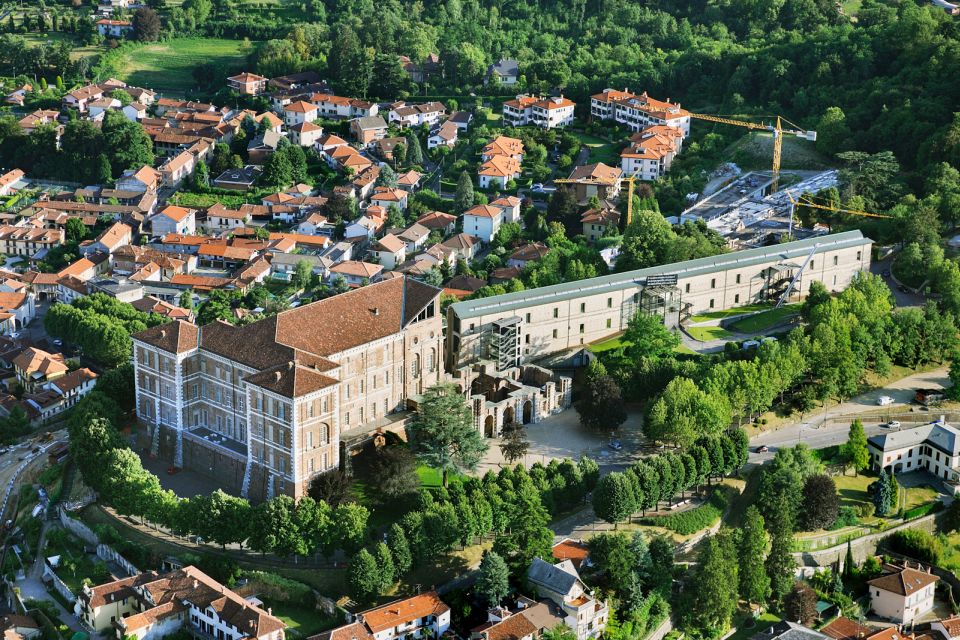
If your taste runs modern, check Castello di Rivoli Museo d’Arte Contemporanea. It’s on the included list, so you’re not forced to pay full price for modern art while you’re already spending days in old-world palaces.
A nice bonus with the wider card logic: you can pivot styles without feeling like you’re spending extra money for variety.
Beyond the big names: the rest of the included list and how to choose
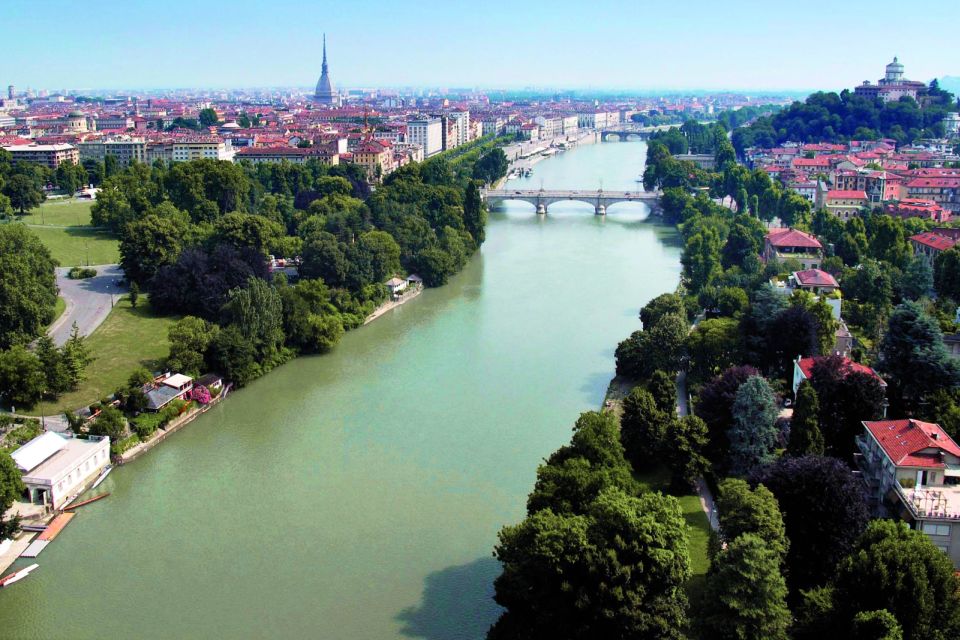
The included/free list is long, so you need a selection strategy. Here are a few key entries and when they make sense.
MAO and MAUTO for art + design energy
- MAO – Museo d’Arte Orientale: great if you want contrast to Italian art and want something more globally themed.
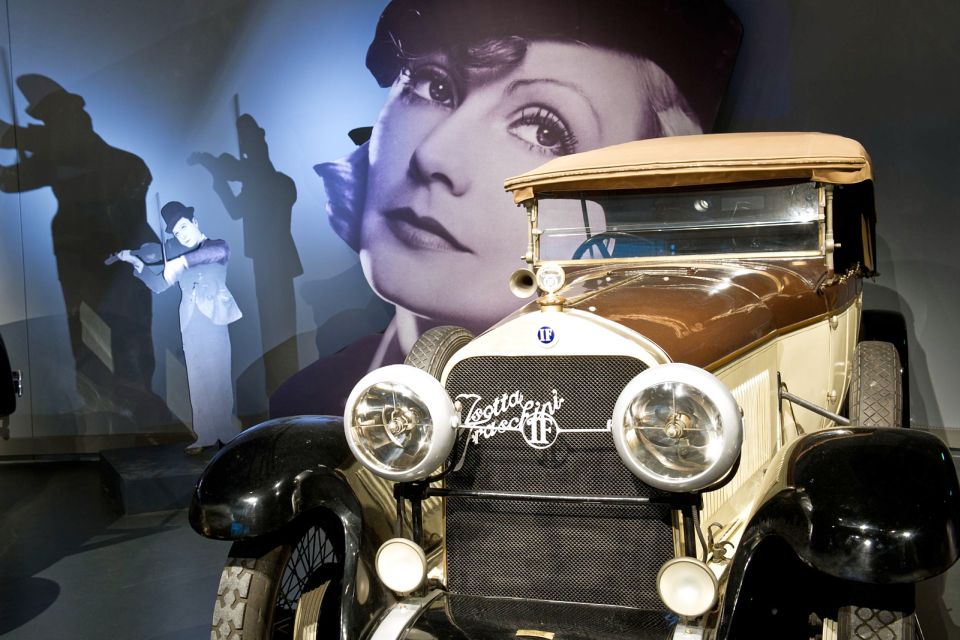
- MAUTO – Museo dell’Automobile di Torino: ideal for a change of pace if you don’t want every stop to be solemn and ceremonial.
This is where the card shines if you’re traveling with someone who gets restless in traditional galleries. Different subjects keep the days from blurring together.
GAM and Accademia Albertina for art depth
- GAM – Galleria Civica d’Arte Moderna e Contemporanea
- Pinacoteca dell’Accademia Albertina
- Pinacoteca Giovanni e Marella Agnelli
If art is your thing, you can build one focused art day. If not, just pick one and stop. It’s easy to turn two days into a museum marathon when the pass makes entry feel free.
Museo Lavazza for a food-and-culture stop
Museo Lavazza gives you a way to connect Turin with everyday culture, not just high art and royal titles. It’s a smart choice if you want at least one “light” museum that still feels meaningful.
Borgo e Rocca Medievale for a different setting
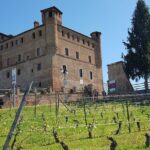
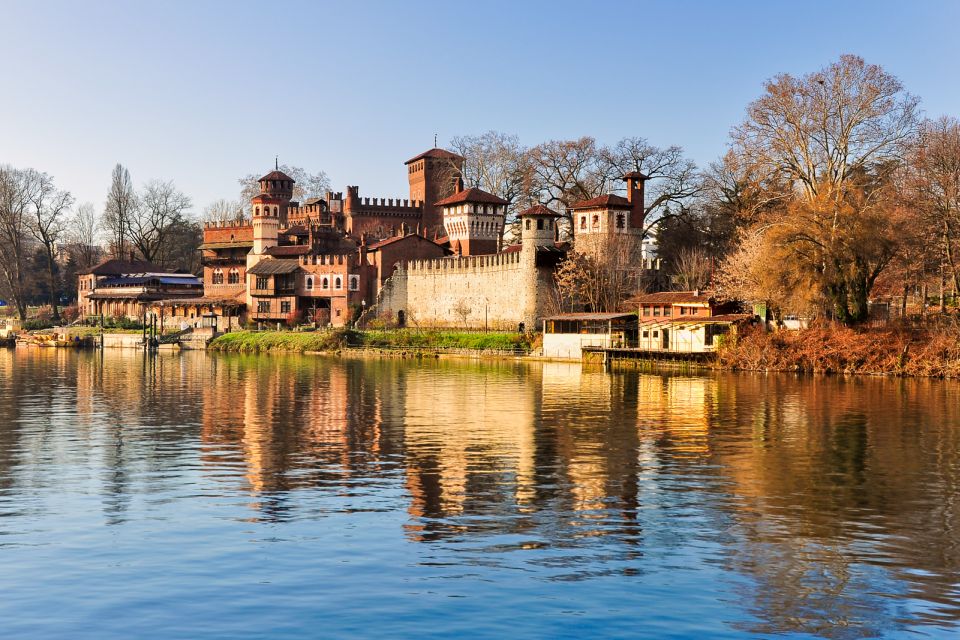
The included list includes Borgo e Rocca Medievale, which can be a good break from indoor museum time. If you want to feel like you’re walking through history, this is a solid add-on.
Contemporary art and November events: when timing turns into money saved
If your trip overlaps November, the card has an extra advantage: it offers reduced ticket options for contemporary art events held annually, including:
- Artissima International Fair
- Flashback Habitat
- Paratissima Circus
- The Others Art Fair
Even if you only catch one event, it can turn the card from a museum pass into something seasonal and energetic. Contemporary art is also a way to experience Turin as it changes, not just as it was.
Transport and the city: what’s included and what’s not
The card does not include public transportation rides in Turin. But it does offer discounts on public transport 2-day and 3-day tickets.
So your move is this: if your plan requires frequent transit (and in Turin that can happen), compare the standard transit cost with the discounted multi-day tickets tied to the card. If you’re mostly walking between the included stops, you might not need to use the transit discount at all.
In general, treat transport as your second layer: museums first, then decide how you’ll connect them.
Practical logistics that can make or break your day
Here are a few real-world points that matter because they affect stress, not just sightseeing.
- Bring your ID: you’ll want your passport or ID card.
- Book entrance slots ahead of time: the pass depends on entry rules at each museum.
- Mind child coverage rules: each card covers 1 adult and 1 child under 12, but booking is also required for the child when accompanying the card owner.
- Juventus Museum is discounted, not included: if you were planning to rely on it being free, adjust expectations and use the discount instead.
And one small rhythm tip: if you can, start early. The Mole Antonelliana and major museums feel calmer with an early arrival, and you’re more likely to keep your timeline intact.
Who should get the card, and who might feel it’s overkill
This card is a great fit if you:
- Want a 2-day plan without constant ticket math
- Like a mix of royal sites, big museums, and at least one modern stop
- Are comfortable booking time slots and sticking to a schedule
It might feel less satisfying if you:
- Only want one or two sights in Turin
- Prefer total spontaneity and hate booking ahead
- Don’t want to coordinate days around opening times
A nice side benefit: it’s easy to organize days around areas because Turin’s “big institutions” are consistent with a museum-and-monuments style route.
Should you book the Torino+Piemonte 2-Day City Card?
If your Turin plan includes several major stops—and at least one of the big museum/palace categories—this card is often a smart buy. The strength is the combination of free entry to key sites plus reductions that help with the headline attractions, all within a tight 2-day window.
Book it when:
- You can realistically hit 3–4+ included attractions.
- You’re willing to check opening times and reserve slots.
- You want family coverage for a child under 12 under the same card.
Skip it or reconsider if:
- Your schedule is too loose for booking time slots.
- You’re only visiting one or two places.
- You’re counting on the Juventus Museum being included for free.
In short: plan like a strategist for two days, then let the card handle the costs and access. That’s when it feels like a proper value tool rather than just another pass in your wallet.