Verona rolls by fast on two wheels. I like the small-group feel, and I love hitting the must-see Ponte Pietra viewpoints plus the Capuleti courtyard. The only real catch: the route uses roads open to traffic, so you’ll want solid bike control even if the ride is mostly flat.
This is a practical way to see more of UNESCO-listed Verona without stacking up hours of walking. Guides like Priscilla and Isabella are often singled out for keeping things fun while also managing safety and group pace, with clear English explanations.
If you’re very nervous around cars, or you need step-free options, this probably won’t be your best fit. The tour is easy to moderate, but it’s still active riding on real streets.
In This Review
- Key points worth knowing before you pedal
- Why Verona by bike works better than walking
- Meeting at Ristori Theater: the simplest start in town
- The first leg: old town squares, walls, and the feel of 2,000 years
- Roman Verona: Ponte Pietra and ruins that make the city feel older
- A quick cappuccino break: why the pause is part of the plan
- Romeo and Juliet, the practical way: the Capuleti courtyard stop
- The final push to Ponte Pietra and San Pietro hill photos
- Bikes, traffic, and what easy-intermediate really means
- Who should book this Verona bike tour (and who should skip it)
- Price and value: what you’re really paying for
- Small details that make the difference
- Should you book Verona: Classic and Hidden Gems Bike Tour?
- FAQ
- Where is the meeting point for the Verona bike tour?
- How long is the tour?
- What’s included in the price?
- What sights will we see during the ride?
- Is the tour easy, intermediate, or difficult?
- Does the tour run in bad weather?
- Can children participate?
- Are pets or luggage allowed?
Key points worth knowing before you pedal
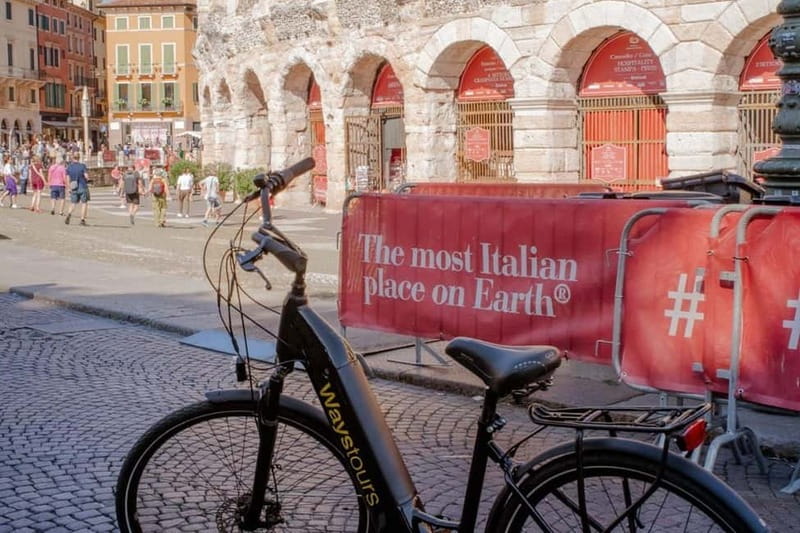
- Small group (up to 12): you get attention, and it’s easier to stay together.
- Roman Verona + a photo payoff: Ponte Pietra and nearby Roman ruins set the tone early and late.
- Capuleti courtyard stop: a quick look at Juliet’s balcony area keeps the Romeo and Juliet theme short and sweet.
- Flat terrain, single-speed bikes: the effort is manageable, but you still need to ride well enough for city traffic.
- Cappuccino break included: a small pause that helps you reset without blowing the schedule.
- City-center meeting point: start right by Ristori Theater, no long hotel pickup needed.
Why Verona by bike works better than walking
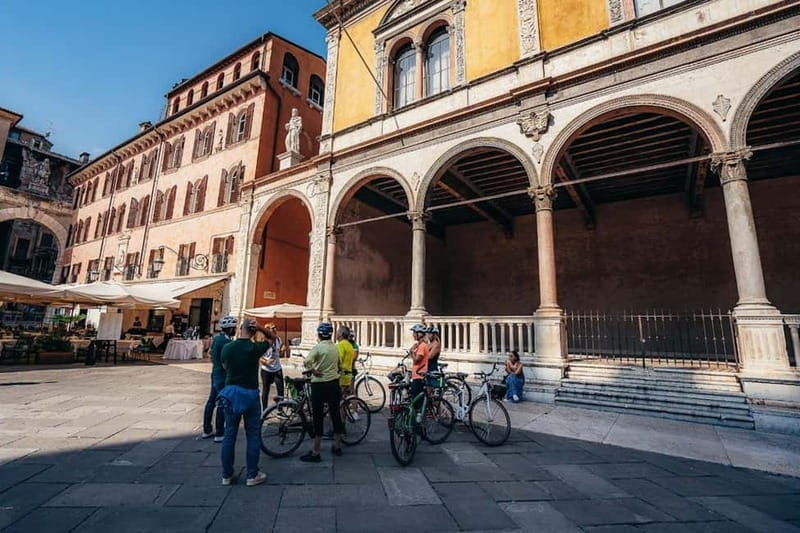
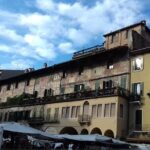
Verona looks compact, but once you start moving, it adds up fast—squares, church fronts, layered neighborhoods, and viewpoints that aren’t right next to each other. A bike tour is the “use your legs smart” option: you cover ground quickly, yet you still get the street-level feel of the city.
I especially like that this ride isn’t only about the obvious postcards. You’ll work through the old town’s layout, including the parts that show how the city’s street plan grew over centuries. And because the route includes time along ancient city walls and through surrounding areas, you get that sense of Verona as an actual lived-in place—not a checklist.
It also helps that the ride is built for comfort. The route is described as easy to intermediate with flat terrain, and many guests note the bikes handle well for city center riding. That means you’re mostly pedaling through gentle conditions, not mountains.
You can also read our reviews of more tours and experiences in Verona.
Meeting at Ristori Theater: the simplest start in town
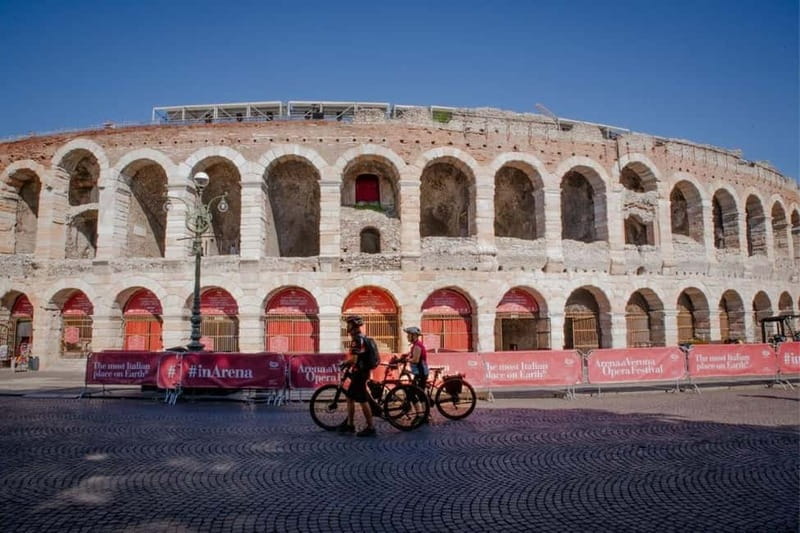
You’ll meet your guide in the city center in front of the Ristori Theater entrance. Look for the guide standing with a yellow sign that says TOUR. That’s your handoff point for the bike and helmet.
Two practical benefits here:
- No hotel pickup: you don’t waste time coordinating a van or waiting around.
- Clear meeting landmark: theater entrances are easy to spot when you’re arriving in Verona on foot or by transit.
The tour ends back at the same meeting point, so you don’t have to plan a separate return.
The first leg: old town squares, walls, and the feel of 2,000 years
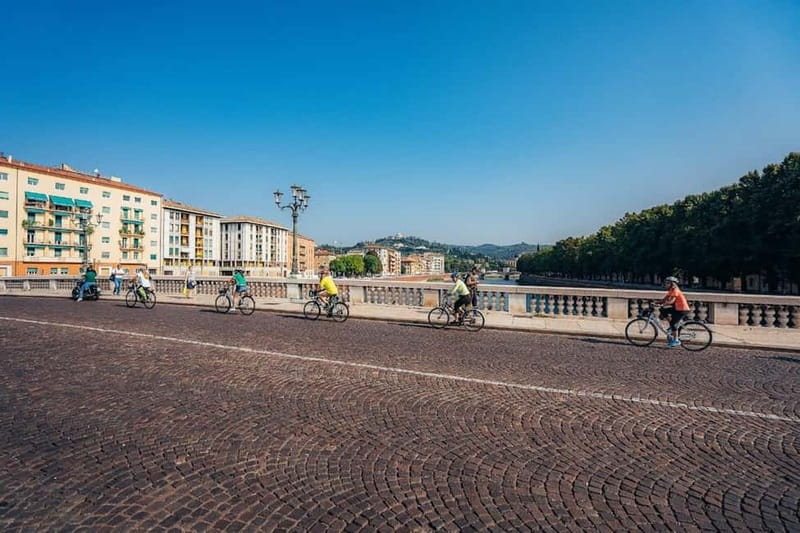
Once you collect your bike and helmet, the ride starts through Verona’s main sights and ancient monuments, then expands into nearby neighborhoods. This is where the tour earns its value: you’re seeing how the city connects—big squares, historic streets, and the urban structure that reflects centuries of change.
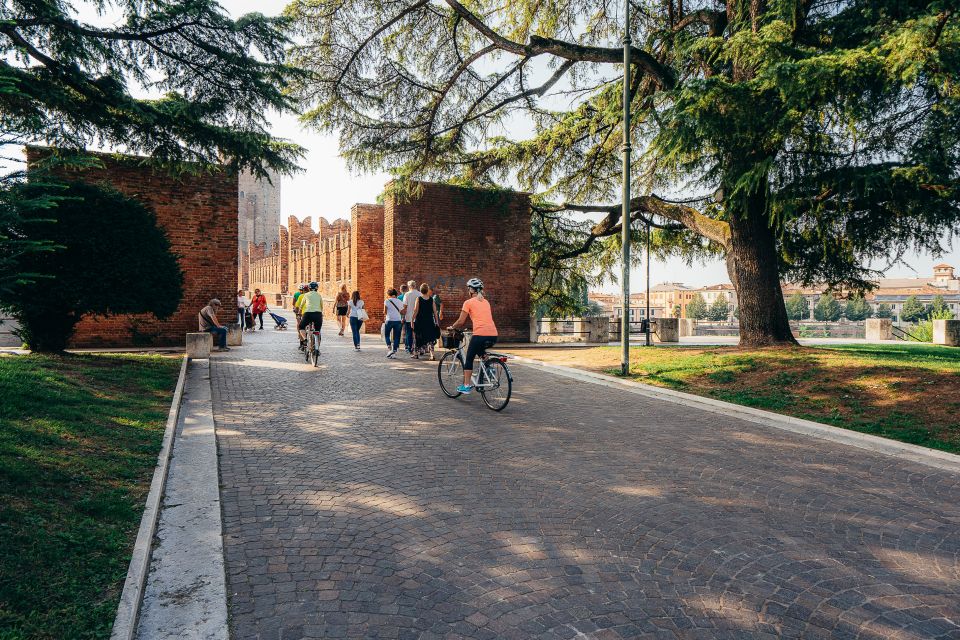
You’ll cycle along ancient city walls and move through the old town at a guided pace. This matters because Verona’s center can feel like a puzzle. On a bike, you can follow the city’s shape instead of getting lost between the main landmarks.
What to watch for: even with an easy-intermediate level, you’re still riding on roads open to traffic. Stay alert at intersections and when pedestrians cross. Your guide will manage the group, but you’ll still want to keep your focus where drivers might appear.
Roman Verona: Ponte Pietra and ruins that make the city feel older
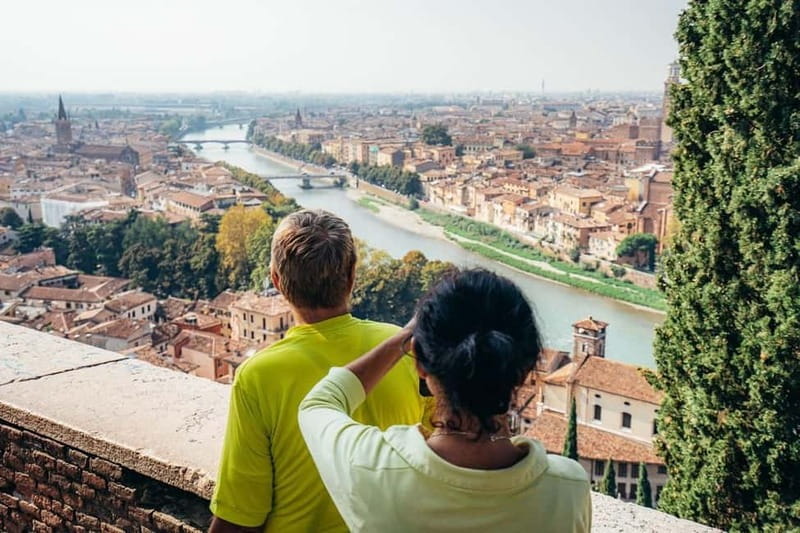
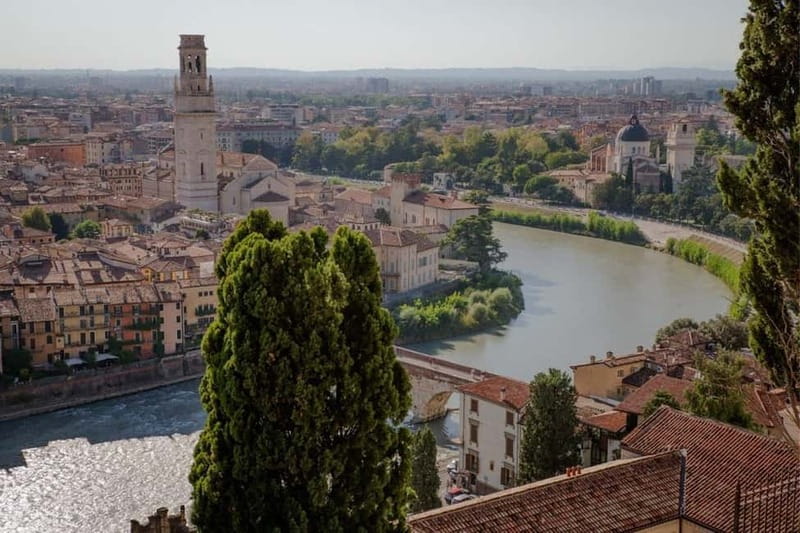
A key stop is the Roman bridge of Ponte Pietra and other Roman ruins in the area. This is the moment Verona goes from pretty to deep—because the city isn’t just medieval romance. It has layers, and the Roman imprint is visible in the structures and the river setting.
Ponte Pietra is a standout for photos, too. The stonework and the curve of the river create a classic viewpoint, and your guide’s stories help connect what you’re seeing to how Verona has shifted over time.
Practical tip: bring your camera, but also take a few seconds to simply stand and look. The bridge area gives you a clean “big picture” view of how the city sits around the river.
A quick cappuccino break: why the pause is part of the plan
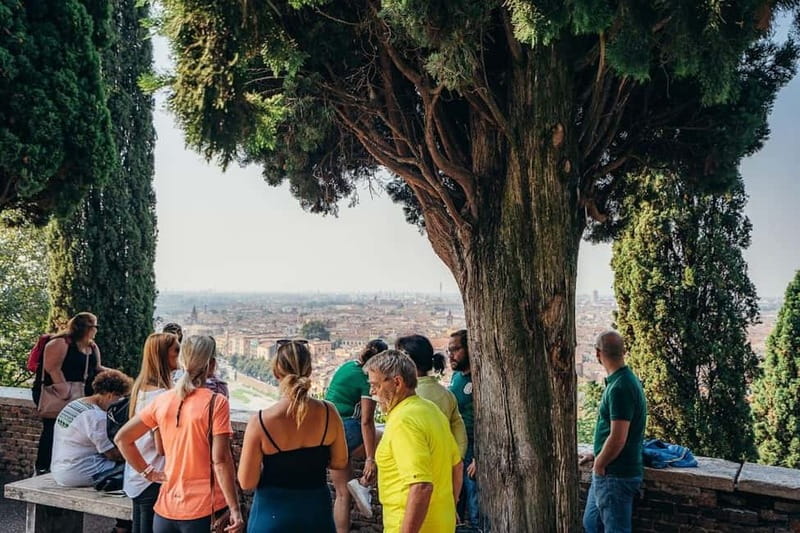
Mid-tour, you get a quick break for a cappuccino. It’s not a long sit-down meal, but it’s a meaningful reset: legs relax, you hydrate, and you get your bearings before the next set of stops.
This break also keeps the pacing realistic for a mixed group. Even when the ride is mostly flat, stopping briefly helps people who aren’t used to city cycling feel comfortable again.
Keep in mind: the tour is on a schedule. If you want to linger over coffee, do it in quick sips between bike regroup times.

Romeo and Juliet, the practical way: the Capuleti courtyard stop
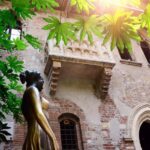
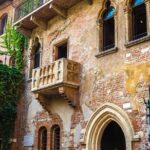
You’ll get a stop at the Capuleti house’s yard to see Juliet’s famous balcony area. The key detail here is how the tour handles it: it’s short, focused, and built into a route that’s already moving through historic Verona.
That’s a smart approach if you’re curious about the story but you don’t want to spend half your afternoon stuck waiting or wandering. You get the icon, you get the context, and you keep moving.
How to make the most of it: take a moment for a couple photos, then listen to your guide’s explanation before you drift to the edges of the group. This is one stop where the meaning matters more than the time spent.
The final push to Ponte Pietra and San Pietro hill photos
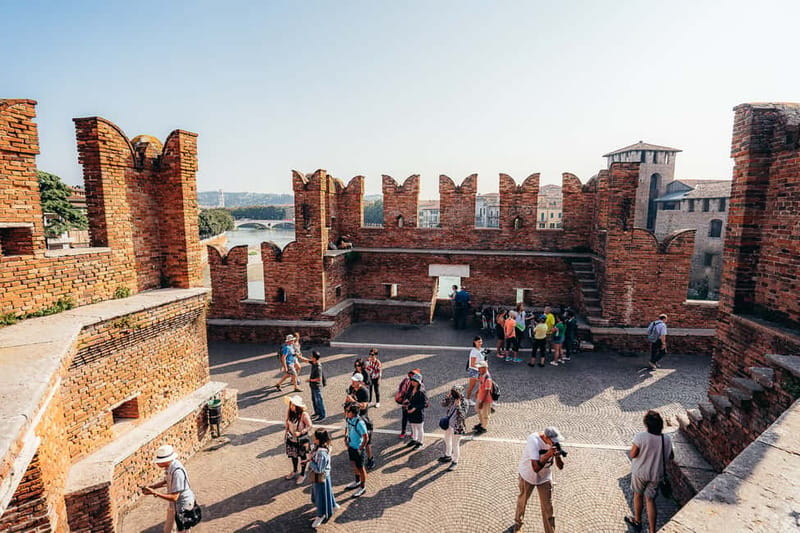
At the end, you reach Ponte Pietra again for photos, with a viewpoint toward San Pietro hill. This is the tour’s closing payoff: you get a last chance to capture the river scene and the city skyline from a place that feels slightly elevated, without needing a long walk.
Why this timing works: you’re finishing after you’ve already seen the city’s core layout. So when you look back from Ponte Pietra, Verona makes more sense. The earlier parts of the route help you connect the dots.
Photo tip: if the light is harsh, angle your shots to reduce glare on the stone. Stand with your back to the brightest source, then frame the bridge and hill together.
Bikes, traffic, and what easy-intermediate really means
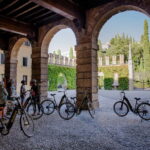
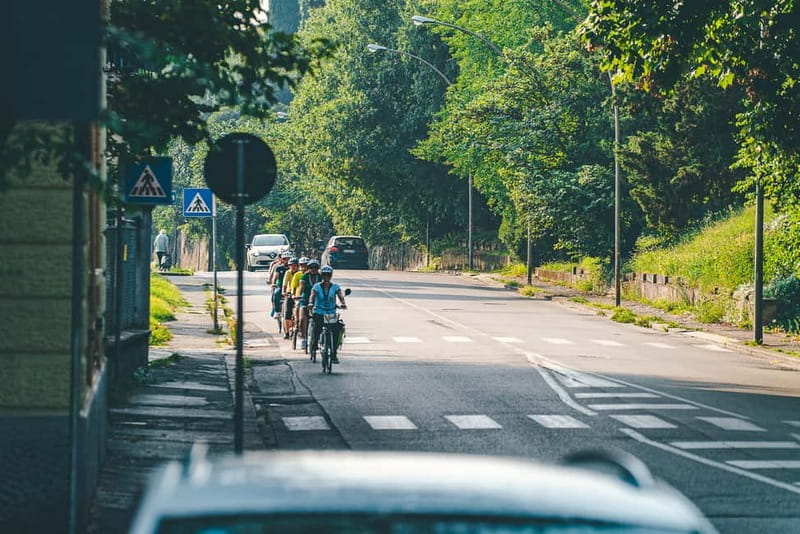
The tour is rated easy/intermediate, and the ride is described as flat. Many guests also mention single-speed bikes, which are simple and reliable for city use.
But here’s the important reality check: this tour rides on roads open to traffic. So difficulty isn’t about hills—it’s about bike handling. You should be comfortable:
- riding in traffic-adjacent streets
- stopping and starting smoothly
- staying in a tight group line
It’s not designed for people who need low-traffic cycling only. Your guide will keep order, but the setting is still the city.
Also, the tour isn’t suitable for wheelchair users or guests with mobility issues. There are also height limits noted in the details (and the tour also states requirements for under-5 ft 1 in / under 150–155 cm categories), so double-check sizing before you go.
Who should book this Verona bike tour (and who should skip it)
This tour is a strong match if you want:
- a first-day overview of Verona by a licensed guide
- classic highlights plus a few less touristy corners
- photo time at Ponte Pietra and views toward San Pietro hill
- a small group pace (up to 12 people), not a giant bus tour
It’s also a good fit for couples and friends who like history but want it explained in an energetic, street-smart way.
Skip it if:
- you’re not comfortable riding on roads with cars around
- you need accessible routes for mobility impairments
- you’re traveling with pets or luggage/large bags (those aren’t allowed)
- you’re expecting a slow, leisurely “just sightseeing” walk-like experience—this is active cycling for about 3 hours
Price and value: what you’re really paying for
At about $33 per person for a 3-hour small-group tour, you’re not just buying bike rental. You’re paying for three things that add up quickly:
- a local licensed guide who handles route storytelling and group management
- the bike and helmet (so you don’t hunt down rentals)
- a structured route that combines Roman sights, the Juliet stop, and photo viewpoints
For a short Verona stay, that’s meaningful value. You cover main sights plus extra context in one go, without needing separate transport plans.
Small details that make the difference
A few practical notes from the way the tour is described and how guides run it:
- Helmet is included: good for peace of mind.
- English-speaking guide: live tour with explanations throughout.
- Traffic and road conditions are part of the deal: you’ll want a calm, attentive mindset.
- Rain or shine: the tour runs in weather, and a guide may adapt the format if conditions get rough (for example, switching to walking if needed).
Should you book Verona: Classic and Hidden Gems Bike Tour?
If you want an efficient, friendly way to get oriented in Verona—and you’re comfortable riding a bike through city streets—yes, I’d book it. The mix of Roman Ponte Pietra, the Capuleti courtyard stop, and the final photo viewpoint toward San Pietro hill is a great structure for a 3-hour visit.
But don’t book it on autopilot if you have mobility needs or you’re anxious about traffic. This is best for people who can ride confidently at an easy-intermediate pace, stay alert at crossings, and enjoy learning as you move.
If that sounds like you, this is one of the most practical ways to see Verona’s layers without turning your day into a marathon.
FAQ
Where is the meeting point for the Verona bike tour?
Meet your guide in front of the Ristori Theater entrance. The guide will be holding a yellow sign with TOUR written on it.
How long is the tour?
The tour lasts about 3 hours.
What’s included in the price?
The tour includes a local licensed tour guide, use of a bike, and a helmet.
What sights will we see during the ride?
You’ll cycle through main squares and ancient monuments, visit the Roman bridge of Ponte Pietra and other Roman ruins, stop at the Capuleti house yard to admire Juliet’s balcony area, and end at Ponte Pietra for photos near San Pietro hill.
Is the tour easy, intermediate, or difficult?
It’s rated easy/intermediate. The ride is mostly flat, but it requires good riding skills because you’ll be on roads open to traffic.
Does the tour run in bad weather?
Yes, it runs rain or shine.
Can children participate?
Children under 14 cannot participate, and minors must be accompanied by an adult.
Are pets or luggage allowed?
No pets are allowed, and luggage or large bags are not allowed. Unaccompanied minors are also not permitted.