REVIEW · ROME
Rome E-Bike Small Group Tour of the Appian Way with Private Option
Book on Viator →Operated by LivTours · Bookable on Viator
The Appian Way feels like time travel. This small-group e-bike ride takes you off the main drag and onto ancient lanes, where you’ll roll past major landmarks like Circus Maximus and the Colosseum area before reaching the quieter Roman countryside side of the city.
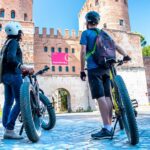
I love how the e-bike support makes real progress possible, even when you hit the original stones on the Appian Way. I also like that the guides bring it to life with clear stop-and-start explanations, and names like Enrico, Massimo, Alice, Brando, and Andy keep popping up for a reason: they’re friendly, patient, and they know how to pace the ride so it doesn’t feel rushed.
One consideration: you still need moderate fitness, since electric bikes help but they don’t turn biking into a free ride. Expect occasional traffic moments and some tougher cobblestones, plus the tour does not include guided entry through the catacombs.
In This Review
- Key highlights worth planning for
- Why the Appian Way by E-Bike Beats a Bus Ride
- Price and what $192.29 really buys you
- Via dei Cerchi meeting point: where the ride starts and ends
- First thrill: Circus Maximus views toward Palatine and Imperial villas
- Caracalla Thermal Baths: Roman scale in a place you can feel
- Cycling the Appian Way corridor: from 312 BC to Porta San Sebastiano
- Catacomb education at San Callisto and San Sebastiano areas
- Villa di Massenzio, Temple of Romulus, and Villa dei Quintilii
- E-bikes on real cobblestones: how hard is it, really?
- Private option and pacing: making it feel less like a group tour
- Best for who: history fans, active walkers, and Rome escape artists
- Should you book this Appian Way E-Bike Tour?
- FAQ
- How long is the Rome Appian Way e-bike tour?
- How many people are in the group?
- Is there a private option?
- Where do we meet for the tour?
- What languages is the tour offered in?
- Does the tour include a guided visit inside the catacombs?
- Is this tour suitable for children or different fitness levels?
- Is tipping included in the tour price?
Key highlights worth planning for
- A six-person max route that stays manageable and lets your guide slow down when you want details.
- Caracalla thermal baths plus the scale of Roman engineering at street level.
- A big slice of the Appian Way, including parts tied to the ancient highway built as far back as 312 BC.
- Porta San Sebastiano and nearby ancient monuments, which give the road a true “Roman border” feel.
- Church areas of San Callisto and San Sebastiano, where you learn about the catacombs underground (without doing a cave tour).
- Villa stops like Villa di Massenzio and Villa dei Quintilii, so you’re not just pedaling past ruins—you’re seeing the big players.
Why the Appian Way by E-Bike Beats a Bus Ride
Rome is packed with famous sights, but the Appian Way experience is different because it’s about the route itself. You’re moving along an ancient corridor that once mattered to how the empire worked, not just a backdrop for photos.
The e-bike piece matters here. Pedaling with electric assistance lets you cover more ground in the time window (about 3 hours) without turning the day into a suffer-fest. And since the group is capped at six, the vibe stays calm and you can actually hear the guide.
You can also read our reviews of more tours and experiences in Rome.


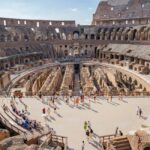
Price and what $192.29 really buys you
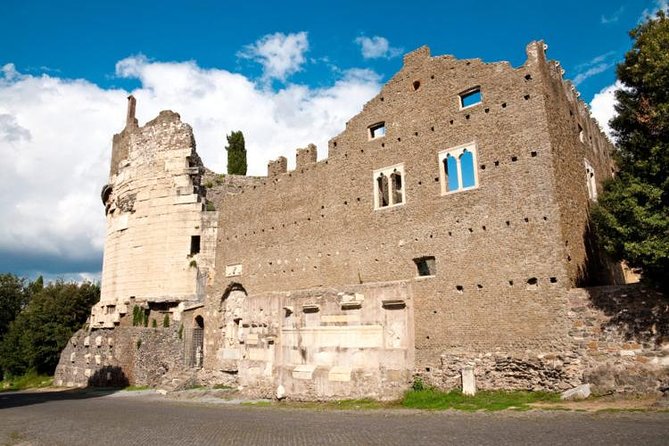
At about $192.29 per person for roughly 3 hours, you’re paying for a guided, curated “big sights plus real road” mix—bike included, not just commentary. You get a professional local expert guide, a small group limit, and multiple included stops tied to the Appian Way corridor.
This is usually better value than paying for separate walking tours if your goal is to see a lot in one go and still have time to explore on your own afterward. If you’re the type who likes structure but hates long museum lines, this style often hits the sweet spot.
Via dei Cerchi meeting point: where the ride starts and ends
You’ll meet at Via dei Cerchi, 59, 00186 Roma RM, Italy, and the tour ends back at the same meeting point. That matters more than you’d think in Rome, because it reduces the “how do we get back?” stress once you’re done.
The meeting spot is near public transportation, which is handy if you want an easy start. You’ll also receive a mobile ticket, so you’re not hunting for paper tickets while traffic and parking become your daily enemies.
First thrill: Circus Maximus views toward Palatine and Imperial villas
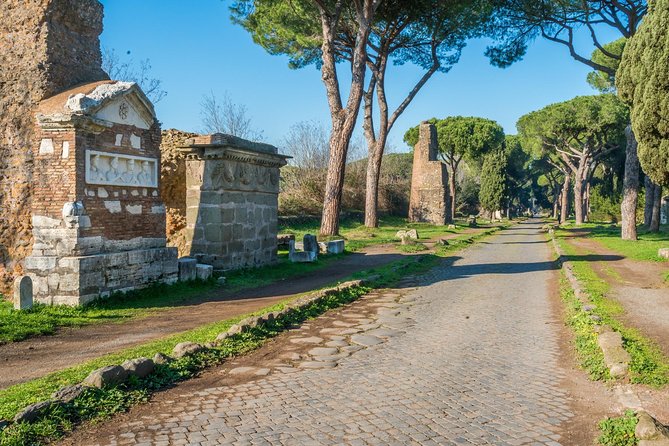
The ride kicks off with a big ancient-stadium moment—Rome’s largest ancient stadium—set up so you can see toward the Palatine Hill and the area linked to Imperial villas. Even if you’ve seen photos of these hills before, seeing them from the right angle while you’re on a bike lane makes the city feel less like a grid and more like a place with layers.
This first segment also helps you get your bearings. Your guide sets the tone early with how the ride will work, where you’ll slow down, and what to notice as the route moves away from the busiest parts.
Caracalla Thermal Baths: Roman scale in a place you can feel
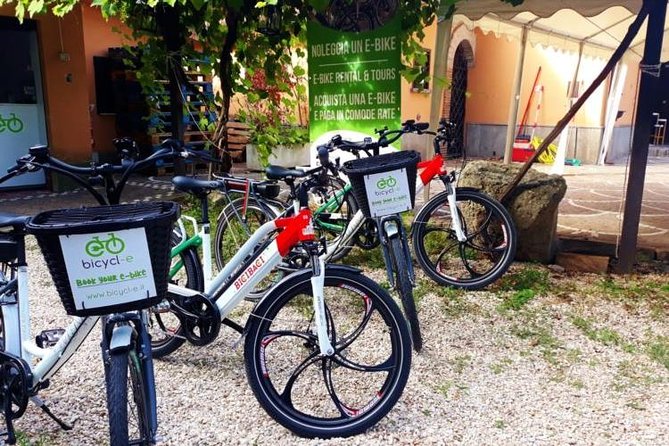
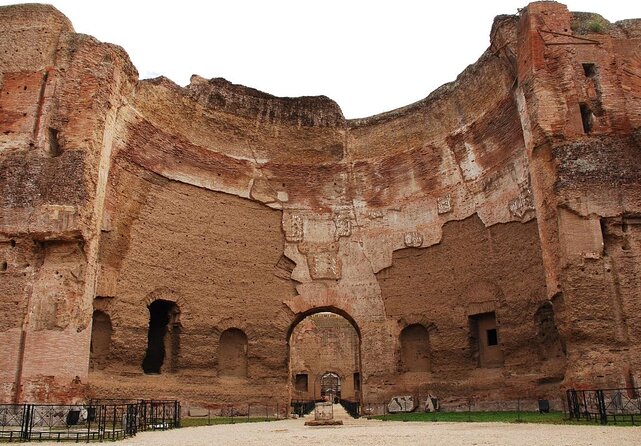
One of the clearest “wow” stops is the Thermal Baths of Caracalla, described as the second largest thermal baths in Rome. Even when you only get a passing look from the ride route, the sheer size tells you these weren’t casual leisure spaces.
Caracalla also works well as a mid-tour anchor. You’ve already started rolling through Rome’s ancient story, and then you’re faced with how advanced Roman life could be—baths as social hub, engineering project, and civic statement all at once.

Cycling the Appian Way corridor: from 312 BC to Porta San Sebastiano
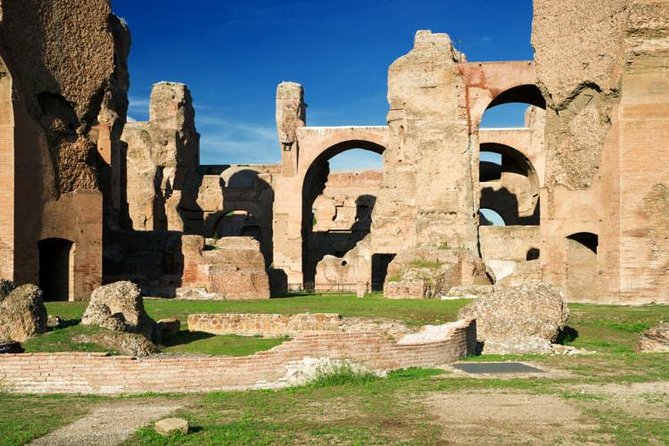
The heart of the tour is covering a large portion of the ancient highway built as far back as 312 BC. This is the part that feels like you’re traveling through time, but in a practical way: you’re actually moving along the route the Romans used to connect and govern.
You’ll also reach Porta San Sebastiano. A city gate near an ancient road changes your frame of mind. Suddenly the Appian Way isn’t just “an old street”—it becomes a lifeline between Rome and the wider empire.
Along the way, there’s time to stop for an ancient mausoleum visit. That pause is important. It keeps the ride from turning into nonstop biking and gives you a chance to connect the road to the people who lived, worked, ruled, and were remembered along it.
Catacomb education at San Callisto and San Sebastiano areas
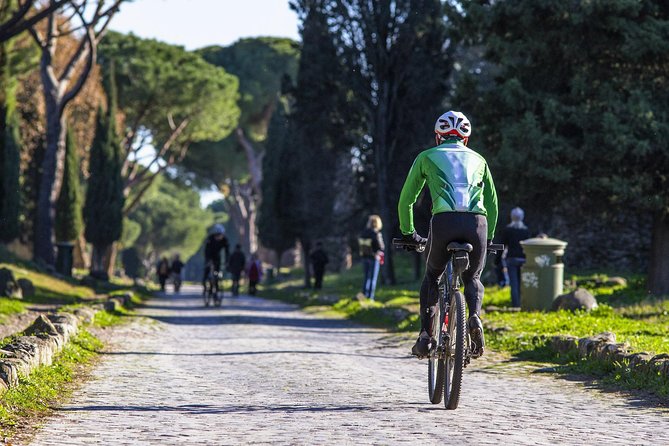
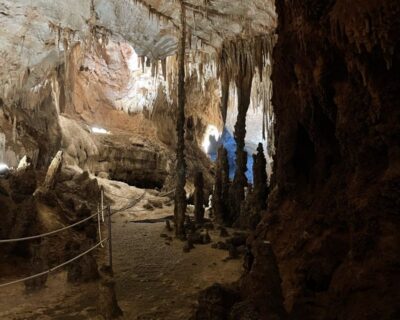
Here’s a smart detail: the tour includes time to ride by the private park linked with the Church of San Callisto and Church of San Sebastiano, where you learn about the kilometers of catacombs that extend underground.
But this is also where you need to plan expectations. This tour does not include guided tours through the catacombs, so you’ll be learning from outside viewpoints and the surrounding context. If catacombs are a top priority for you, I’d book those separately after this ride, while the Appian Way story is fresh in your head.
This setup is actually useful even if you’re not catacomb-obsessed. It gives you the backstory and geography without forcing you into an underground tour schedule during your short 3-hour window.
Villa di Massenzio, Temple of Romulus, and Villa dei Quintilii
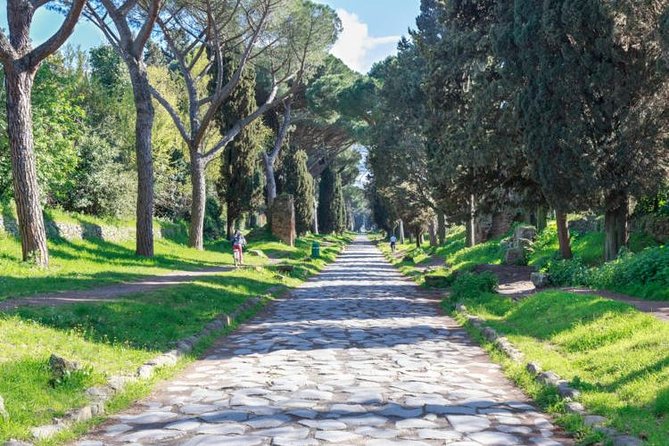
The Appian Way isn’t only tombs and gates. You’ll also see the kind of real estate power Romans built for themselves—villas and monument zones that show how elite life sat right beside the road’s broader history.
Included stops can include Villa di Massenzio, the Temple of Romulus, Villa dei Quintilii, and the related Appian Way park areas. The benefit of hitting these locations on a bike is speed with context: you’re not just walking through isolated ruins. You’re seeing how these places connect to the wider route and how the terrain and spacing shaped Roman life.
A good guide makes this part click. When the stops are short and the explanations are clear, you come away with a sense of layout: what was private space, what was symbolic, and what existed to last.
E-bikes on real cobblestones: how hard is it, really?
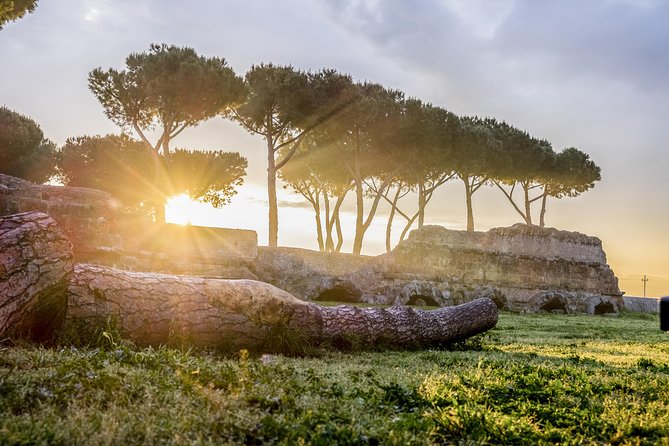
Electric assistance is built into the experience, and it’s the reason so many people can do the ride comfortably. Still, the tour notes say you should have moderate physical fitness for biking the Appian Way. That’s mostly because you’re moving over uneven surfaces and because you’re spending time riding, not just strolling.
Also, expect some road-sharing moments. One rider’s experience summed it up well: there are times with traffic, and the key is that the guide stays in charge of the plan and helps you understand how drivers may react. In practice, that means you don’t guess—you follow instructions, keep your line, and focus on the road ahead.
If you prefer a bigger workout, there’s at least one case where someone chose a regular mountain bike instead of the e-bike to increase the activity level. So if you know you want more effort, ask what bike options are available for your exact departure.
Private option and pacing: making it feel less like a group tour
There’s a private tour option, and the stated goal is to ride at your own pace. In a place like the Appian Way, this matters because “your pace” might mean extra time on a monument view, a slower photo stop, or taking a breather before a stretch with tougher stones.
Even in the standard small group format, the six-person cap keeps things more personal than a big bus tour. Your guide can pause often, and you’re less likely to feel like you’re sprinting to catch up.
Best for who: history fans, active walkers, and Rome escape artists
This is a great fit if you want to see major ancient landmarks but still crave peace once you’re outside the core tourist crush. The ride gives you that switch from city noise to calmer ancient-road energy.
It’s also a solid match if you enjoy learning through movement. You get mini explanations at the right times—when you can still picture where you are—so Roman history feels tied to the physical geography.
Families can do it too. The tour is described as family-friendly, and children are welcome. If you’re traveling with kids, you’ll need to share their ages so the team can accommodate them with proper bikes.
Should you book this Appian Way E-Bike Tour?
Book it if you want a short, focused Rome outing that mixes famous city edges with an authentic ancient-road experience. You’ll get a guided loop that covers major sites along the Appian Way corridor, including Caracalla, Porta San Sebastiano, mausoleum territory, and multiple villa/monument stops.
Skip it or pair it with something else if biking over uneven ground sounds like a deal-breaker for you. Also, if catacombs are your #1 goal, plan a separate catacomb tour with guided entry, since this one keeps things above ground.
If you’re on the fence, here’s my practical rule: if you can handle 3 hours of real riding with a few stops, this is one of the better ways to get away from the usual Rome paths without giving up on history.
FAQ
How long is the Rome Appian Way e-bike tour?
It runs for about 3 hours (approximately).
How many people are in the group?
The group is limited to a maximum of six people.
Is there a private option?
Yes, a private tour option is available.
Where do we meet for the tour?
The meeting point is Via dei Cerchi, 59, 00186 Roma RM, Italy, and the tour ends back at the same location.
What languages is the tour offered in?
The tour is offered in English, French, Spanish, Portuguese, and Italian. If you want a language other than English, you need to specify it under additional notes.
Does the tour include a guided visit inside the catacombs?
No. It does not include guided tours through the catacombs, though you do learn about the catacombs underground from the surface areas.
Is this tour suitable for children or different fitness levels?
Children are welcome, and you should provide the ages of your group members so bikes can be arranged. The tour notes say most people can participate, and while e-bikes assist, moderate physical fitness is recommended for biking the Appian Way.
Is tipping included in the tour price?
No, gratuities are optional and not included.