REVIEW · ALBEROBELLO
Alberobello: Walking Tour among Trulli Houses with a Local
Book on GetYourGuide →Operated by Explorea di Guido Convertino · Bookable on GetYourGuide
Trulli houses in Alberobello have a way of looking staged. This walking tour puts you inside the town’s UNESCO story with a local guide who makes the stones and cone roofs feel personal. You’ll see classic white-topped shapes up close and learn why Alberobello’s dry-stone construction matters beyond the postcard.
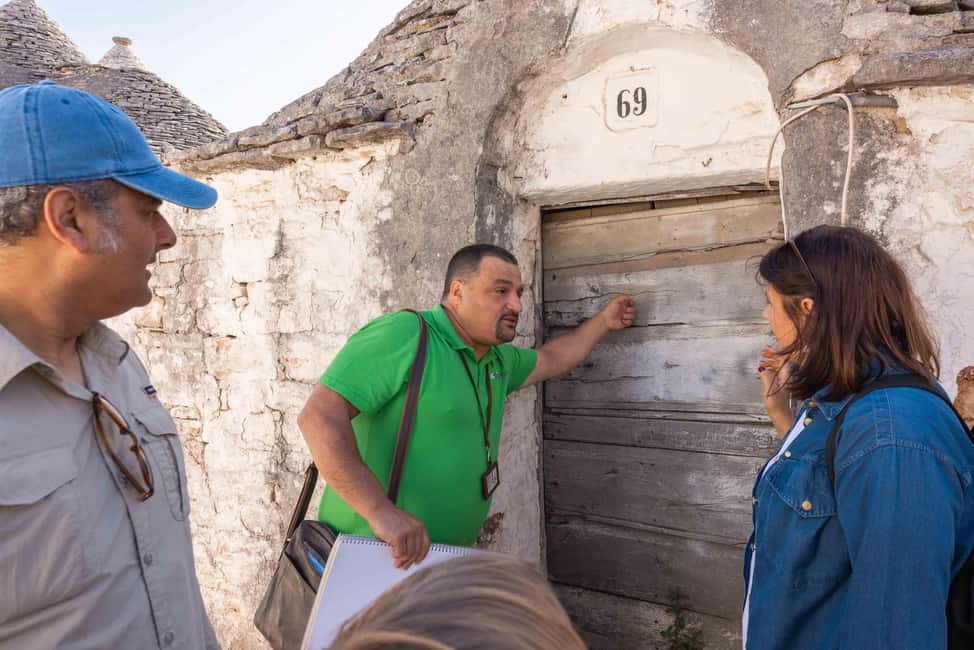
I especially like two parts. First, the guide-led storytelling: you’re not just looking at trulli, you’re hearing their construction methods, local legends, and small details that turn architecture into conversation. Second, the route feels intentionally paced, including spots with both scenery and calmer neighborhoods like Aia Piccola—not only the busiest photo corners.
One thing to consider: Alberobello can get crowded, and when several big groups overlap, it can get harder to hear your guide at times. It’s still a strong tour, but plan to be flexible if the town feels busy that day.
In This Review
- Key highlights to look forward to
- Why Alberobello’s Trulli Still Feel Like Make-Believe
- Meeting at Piazza Sacramento: The Start That Helps You Get Oriented
- Trulli Panoramic View: Short Stop, Big Payoff for Photos
- Aia Piccola: Seeing Trulli Where People Live
- How Local Legends and Building Secrets Change What You Notice
- The Walk’s Real Value: No Museum Ticket Needed
- Timing, Heat, and Hearing Your Guide
- Price and What You’re Really Paying For
- Who Should Book This Tour (and Who Might Skip It)
- After the Walk: What to Do at the Finish Point
- Should You Book Alberobello With a Local Trulli Walk?
- FAQ
- How long is the Alberobello trulli walking tour?
- Where does the tour start and end?
- What does the tour include?
- Are museum entry tickets included?
- What languages are offered?
- Is the tour wheelchair accessible?
- How much does the tour cost?
- Do I have to pay immediately to reserve?
- What’s the cancellation policy?
Key highlights to look forward to
- Local storytelling with names like Guido and Xenia: explanation style and humor can make a real difference.
- Stops designed for photos and context: panoramic viewpoints plus residential trulli areas.
- UNESCO-linked dry-stone building technique: you’ll learn how the walls and cone roofs work.
- Guides actively manage comfort: shade breaks come up during the walk.
- Worth it even without museum tickets: you get the bigger picture through guided stops.
- Ends in a useful central spot: you can keep exploring right after.
Why Alberobello’s Trulli Still Feel Like Make-Believe
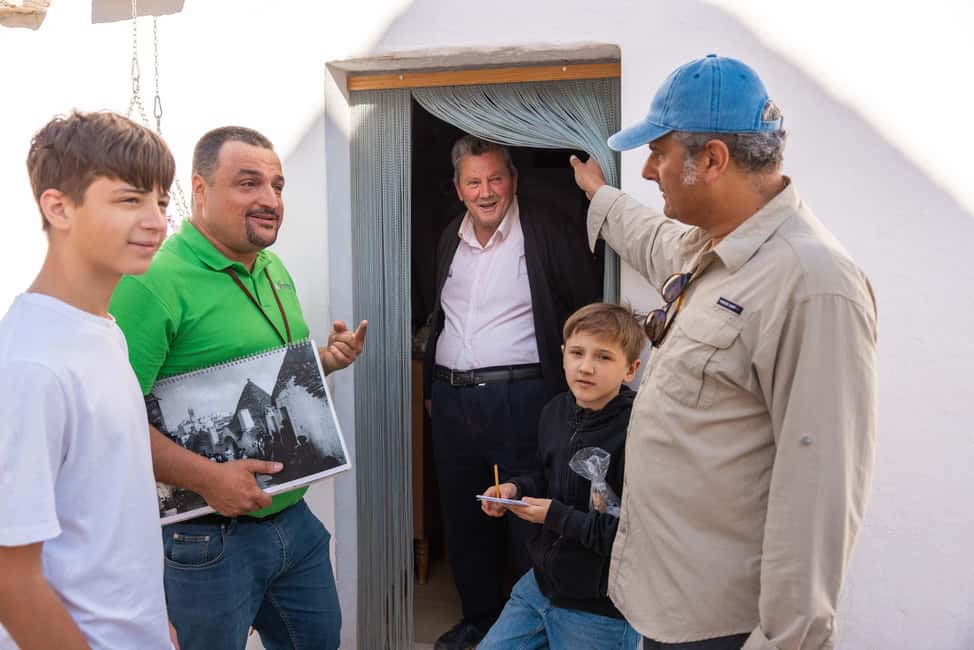
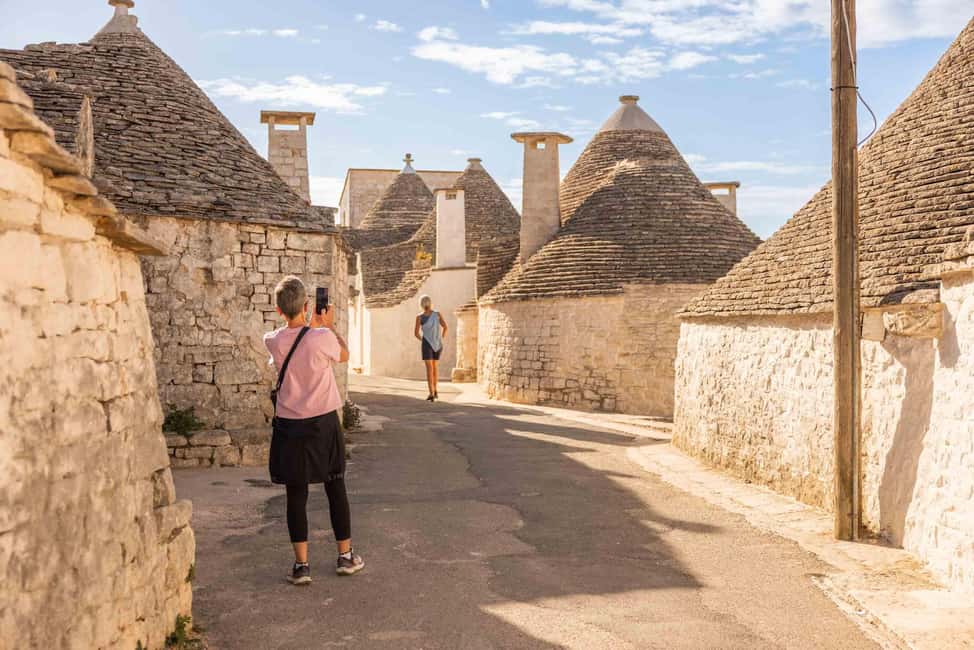
Alberobello’s trulli look like they’re built for a children’s storybook. White walls, rounded bases, and those pointed roofs give the whole town a whimsical look—yet the shapes aren’t fantasy. They come from a real building tradition tied to dry-stone technique and long-standing local know-how.
What makes this tour more than a quick sightseeing loop is that you get the “why” while you walk. You’ll hear how the cone roofs and stone walls connect to local building practice recognized by UNESCO. In other words, you’re seeing the result, but you’re also learning the logic behind it. That changes how you view every doorway and rooftop you pass.
And yes, you’ll still want photos. But when you know how these structures were made and how people used them, the pictures feel like documentation instead of just decoration.
You can also read our reviews of more tours and experiences in Alberobello.



Meeting at Piazza Sacramento: The Start That Helps You Get Oriented
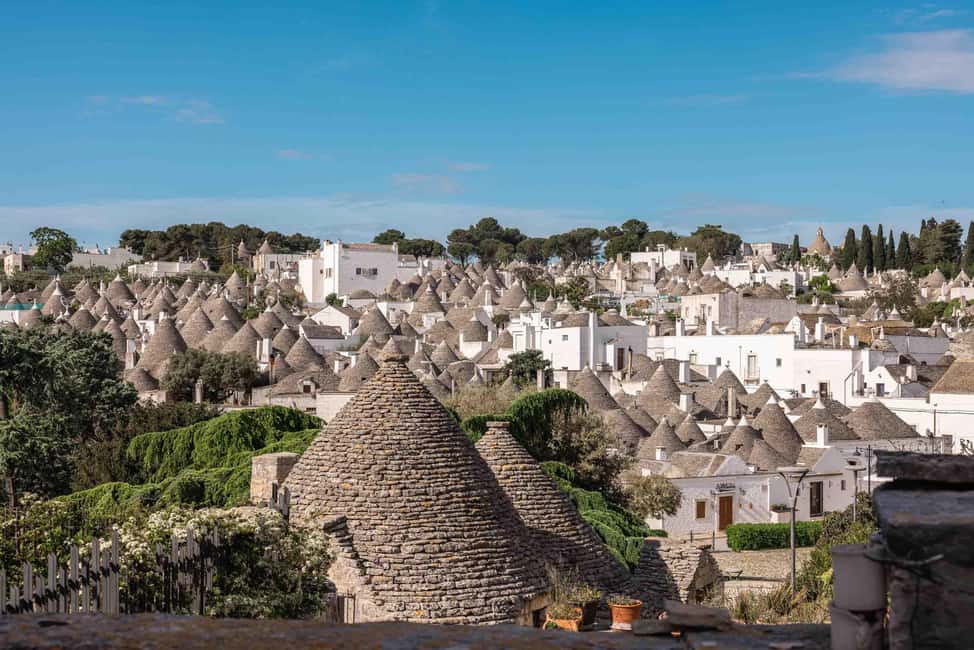
The tour begins at Piazza Sacramento, right in the heart of town. That matters because Alberobello’s streets can feel like a maze at first glance. With a guide, you’re not wandering around hoping you’re headed toward the trulli you came for—you’re moving with purpose.
The overall duration is 2 hours, so this is a “see a lot, learn a lot, don’t burn the day” kind of outing. If the start time isn’t fixed on your booking screen, you’ll need to check availability for exact departure times. Either way, you’re in and out before the afternoon can swallow your energy.
This walk is also described as wheelchair accessible, which is helpful if mobility is a factor. Since it’s a walking tour, you’ll still want comfortable shoes and a plan for uneven old-stone streets.
Trulli Panoramic View: Short Stop, Big Payoff for Photos
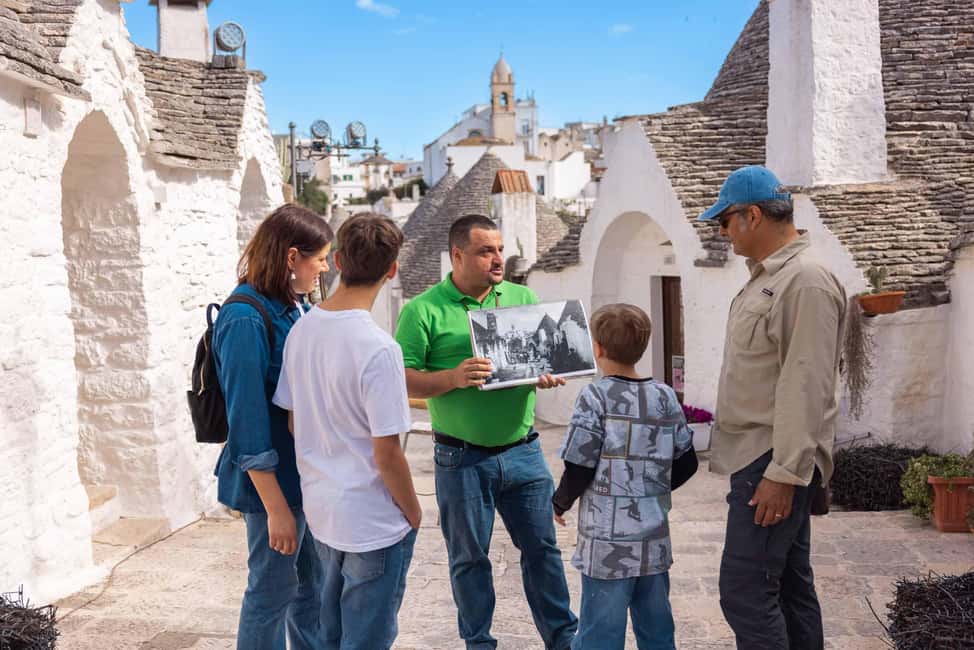
One of the first scheduled moments is the Trulli Panoramic View stop, guided for about 10 minutes. This is where you get the town in perspective. Up close, a trullo is a single cone and set of walls. From a viewpoint, it becomes part of a whole pattern—how the roofs line up, how the neighborhood folds into itself, and how the architecture reads as a group.
Guides on this route tend to emphasize what you’re actually looking at. You’ll get context for the structures around the viewpoint, which makes your photos smarter. Instead of shooting random roofs, you’ll capture angles that help you remember the town’s layout.
Also, this is a good moment to take a breath. Even if the walk is short, you’ll feel the benefit of those quick pauses—especially if you’re visiting in warmer weather.
Aia Piccola: Seeing Trulli Where People Live
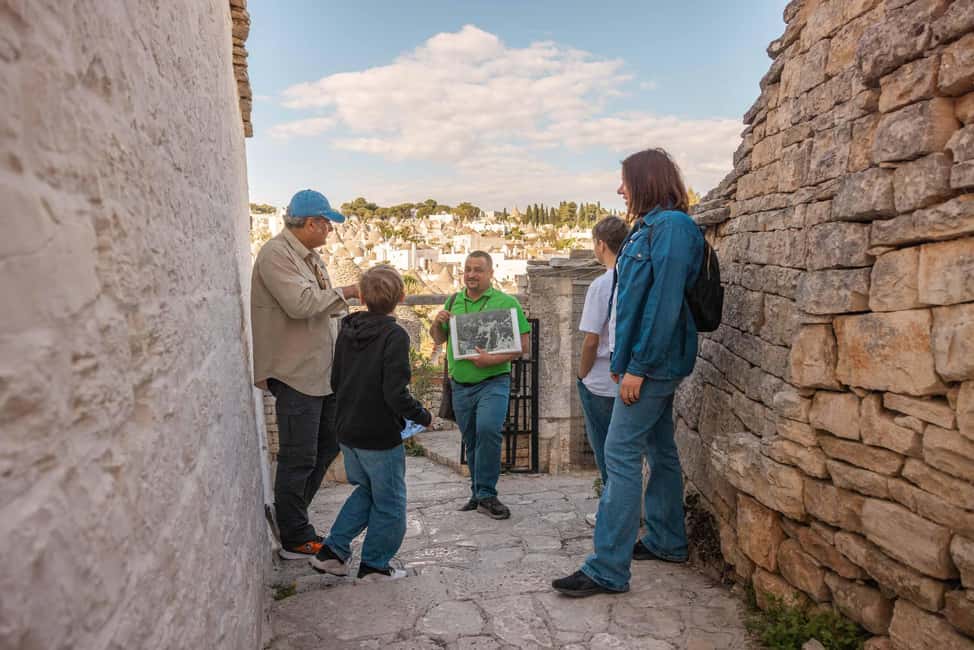
Next comes Aia Piccola, Alberobello, with about 20 minutes of guided time. This part of the tour is a major reason to book: it’s not only about the most famous fronts that people expect to see. You’ll spend time in an area that feels more like daily life, where trulli aren’t just scenery.
What I like about this stop is the balance. You get trulli visuals, but you also get a sense of how the town’s form shapes ordinary routines—streets, corners, and the way homes sit within the stone-and-shadow rhythm of Alberobello.
Some guides also steer the group toward quieter angles rather than forcing everyone down the same loud corridor. That’s a practical win. When you can hear your guide and you’re not constantly competing for camera position, the experience feels easier and more personal.
How Local Legends and Building Secrets Change What You Notice
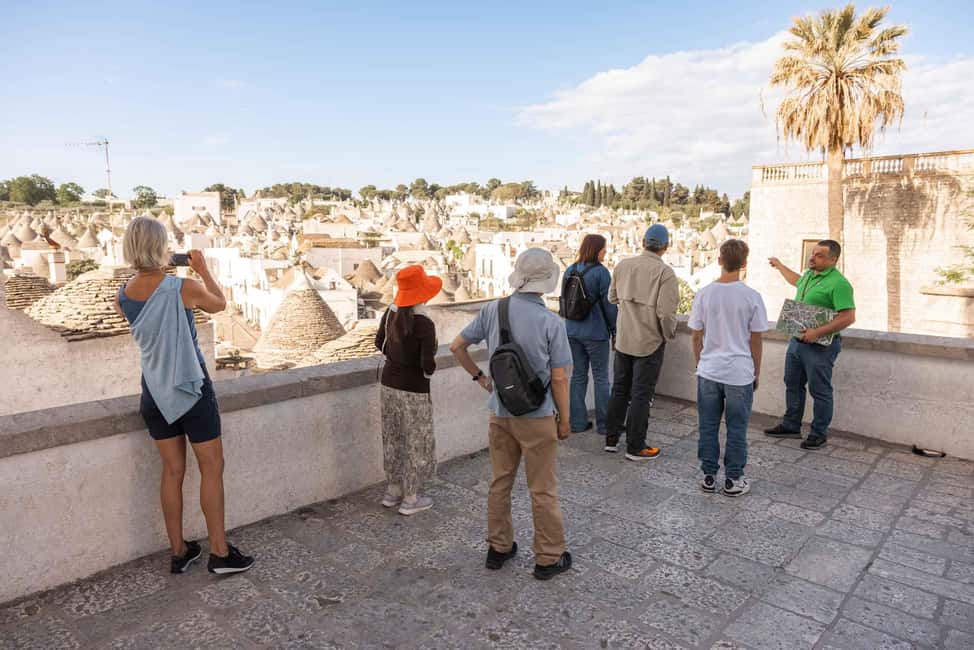
A big theme of this walk is that you’ll learn through facts, legends, and anecdotes. That blend matters because Alberobello is both an architectural site and a living place with stories attached to it. If you only get dates and technical definitions, it can turn into a lecture. If you only get myths without context, it can feel like sightseeing-lite.
Here, the guide’s job is to connect the two. You’ll hear about the prehistoric building technique recognized by UNESCO, plus the practical idea behind the dry-stone approach—stone walls that don’t rely on mortar. The guide should explain how the cone roofs relate to the overall structure and why this form became so characteristic of Alberobello.
In the reviews, a standout point is how prepared some guides are. For example, Guido is mentioned for using self-made photo books with old photos and maps, plus visuals that help you see earlier versions of the town. Xenia is also praised for being communicative before the tour and for sharing knowledge about the history of the trulli and current life in the area. Even if you don’t see the exact same materials, the teaching style is clearly a core part of the value.
Small bonus: guides also help debunk fake or overly simplified claims. That’s rare on walking tours, and it makes the information you get feel trustworthy.


The Walk’s Real Value: No Museum Ticket Needed
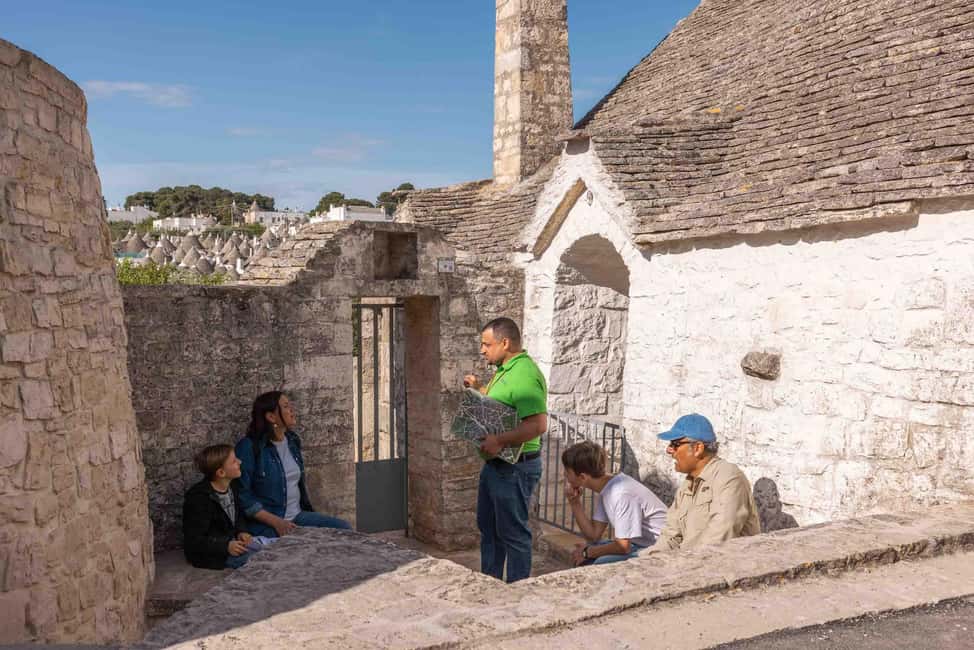
This experience doesn’t include museum entry tickets, and you don’t really need them. The tour is designed to act like your interpretive guide: you get the historical and architectural framing during the stops you make.
That’s a key value point for me. If you’re spending a day in Puglia and you want to keep costs and time under control, this is a way to learn without stacking paid admissions on top of everything else. You’re paying for a local guide and a structured route, not for a building ticket.
Also, the stops are built around the most memorable parts of Alberobello—trulli fronts, viewpoints, and the Aia Piccola area. Instead of trading time for long museum lines, you trade time for street-level understanding. For many people, that’s the better trade.
Timing, Heat, and Hearing Your Guide
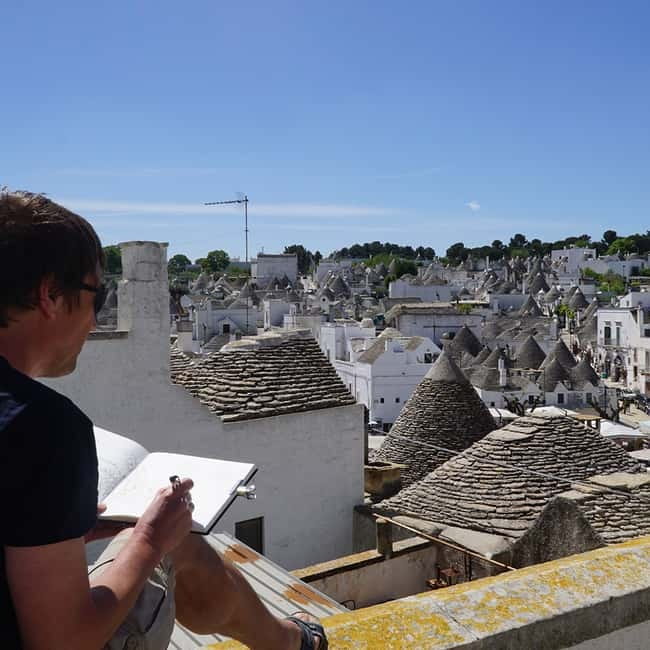
This is a short tour on paper—2 hours—but Alberobello can feel like it’s running on bright sun and narrow streets. A recurring review theme is that guides try to keep the group comfortable by finding shade when possible and pacing the walk thoughtfully. That’s not just nice. When you can listen clearly and take photos without rushing, you actually get more from the stories.
There’s one practical caution: the town can be crowded, especially when multiple groups are moving at the same time. One review notes the tour was very crowded due to several big groups, making it harder to hear. If you’re sensitive to noise or you need quiet to focus, try to choose the least-crowded start time available on your booking calendar.
And remember: the tour’s success depends on you being ready to walk. Bring water, wear sunscreen, and don’t plan a second appointment immediately at the finish.
Price and What You’re Really Paying For
At $43 per person for roughly 2 hours, you’re paying for three things: a local guide, a guided route through key neighborhoods, and structured stops that turn trulli photos into understanding. That’s a different kind of value than a generic “free wandering” situation.
If you’ve ever toured alone and still felt like you didn’t know what you were seeing, you’ll feel the difference here. The guide doesn’t just point at a trullo and move on. You’ll get explanations about construction technique, legends, and what to look for on roofs and walls.
The tour also includes children’s activities. That can be a practical factor if you’re traveling as a family; it suggests the guide has ways to keep younger attention while still delivering adult-level context.
On the flip side, this is not a museum tour and it won’t replace everything a full independent exploration could do. If you already know a lot about Apulian architecture and you just want maximum time inside neighborhoods, you might consider a slower self-guided plan too. But for most people, this guided structure is the sweet spot.
Who Should Book This Tour (and Who Might Skip It)
Book this if you want:
- A guided introduction to Alberobello’s trulli with clear explanations and story-driven context.
- A plan that hits multiple types of moments: viewpoint, street trulli, and time in areas like Aia Piccola.
- A walking tour that’s short enough to fit into a day without turning the whole day into “tour mode.”
You might skip or pair something else with it if:
- You have zero interest in stories, construction techniques, or local legends.
- You hate crowds and need quiet viewing time only. (You can still have a great time, but overlap can happen.)
This tour also seems like a good match for people who like practical guidance. Several reviews mention guides helping with recommendations at the end, plus being attentive to basic comfort like shade and picture timing. That’s exactly what you want from a local-led experience.
After the Walk: What to Do at the Finish Point
The tour ends at Largo Martellotta in Alberobello. That’s a handy finish because it gives you freedom immediately afterward. You can keep wandering through the charming streets, browse local boutiques, or stop for a café.
This is also a good time to think about your next move. Since you’ve just walked a structured route with context, you’ll spot what matters as you continue on your own. You’ll understand why certain trulli shapes and roof details look the way they do, and you’ll be better at choosing which side streets are worth your time.
If you’re hungry, ask your guide if they’re comfortable sharing food suggestions. Reviews mention that guides often give local recommendations, which can save you from picking a restaurant based only on a menu outside the door.
Should You Book Alberobello With a Local Trulli Walk?
I’d book it if you want your trulli visit to feel guided, grounded, and memorable. The best part is the combination: you get the UNESCO-recognized building context plus local storytelling, and you do it in a time-efficient 2-hour format. Ending centrally at Largo Martellotta is also a practical touch.
Skip it only if you already know this subject inside out or you dislike walking through busy areas. If crowds will stress you out, choose your start time carefully and plan on bringing water and sun protection.
Overall, this is the kind of tour that helps you see Alberobello with new eyes—so your photos mean something later.
FAQ
How long is the Alberobello trulli walking tour?
The tour duration is 2 hours.
Where does the tour start and end?
It starts at Piazza Sacramento and finishes at Largo Martellotta, 70011 Alberobello BA, Italy.
What does the tour include?
The included items are a local guide, a walking tour, and children’s activities.
Are museum entry tickets included?
No. Museum entry tickets are not included.
What languages are offered?
The live tour guide speaks English and Italian.
Is the tour wheelchair accessible?
Yes, it’s listed as wheelchair accessible.
How much does the tour cost?
The price is listed as $43 per person.
Do I have to pay immediately to reserve?
You can reserve now and pay later.
What’s the cancellation policy?
Free cancellation is available up to 24 hours in advance for a full refund.