REVIEW · ALBEROBELLO
Alberobello: Tour guidato della città dei Trulli
Book on GetYourGuide →Operated by Altieri Viaggi · Bookable on GetYourGuide
Trulli make the town feel unreal. This 2-hour guided walk in Alberobello turns UNESCO architecture into a story you can follow, with a local blue-badge guide leading you through the trulli neighborhoods. I especially love the way the route spotlights the Rione Aia Piccola and Rione Monti—the streets feel like a set built for walking.
The other big win is what you get inside: the Cathedral’s interior paintings and the Trullo Sovrano museum, where you learn how people actually lived in these homes. One consideration: this is not a sit-and-stare experience, and it isn’t set up for wheelchair users or people with mobility impairments.
In This Review
- Key things you’ll notice on this Alberobello trulli walk
- Why Alberobello’s trulli feel like a fairytale
- What the 2-hour walking tour covers (and what you’ll skip)
- Rione Aia Piccola: where the trulli vibe starts
- Rione Monti and the Siamese trulli roof style
- Trullo Sovrano: the interior stop that makes the day worth it
- Alberobello’s Cathedral: saint paintings and local meaning
- Guides can make or break the tour: Milena, Fabio, Guido
- Price and value: is $74 per person a fair deal?
- What to bring for trulli streets (and what to avoid)
- Who should book this Alberobello trulli walking tour
- Should you book this Alberobello trulli walking tour?
- FAQ
- How long is the Alberobello trulli walking tour?
- What does the tour include?
- What languages are available for the live guide?
- What should I bring?
- Are high-heeled shoes allowed?
- Is the tour suitable for wheelchair users or mobility impairments?
- Is there free cancellation?
Key things you’ll notice on this Alberobello trulli walk
- Blue-badge guidance that helps the town make sense fast
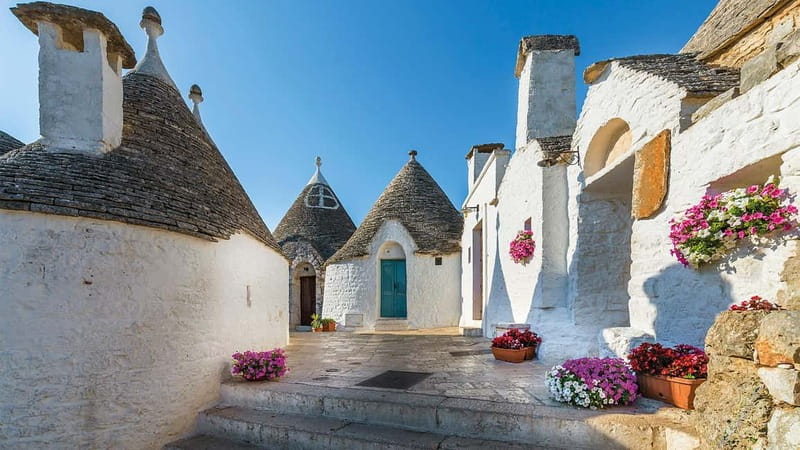
- Two-roof trulli details in the Siamese style you’ll see in the neighborhoods
- Rione Aia Piccola + Rione Monti as the core “trulli quarters” for your walk
- Trullo Sovrano Museum entry included, so you see interiors, not just exteriors
- Cathedral interior paintings and saint imagery, tied to local devotion
- Skilled English or Italian live guide options, with guides like Milena, Fabio, and Guido earning strong praise
Why Alberobello’s trulli feel like a fairytale
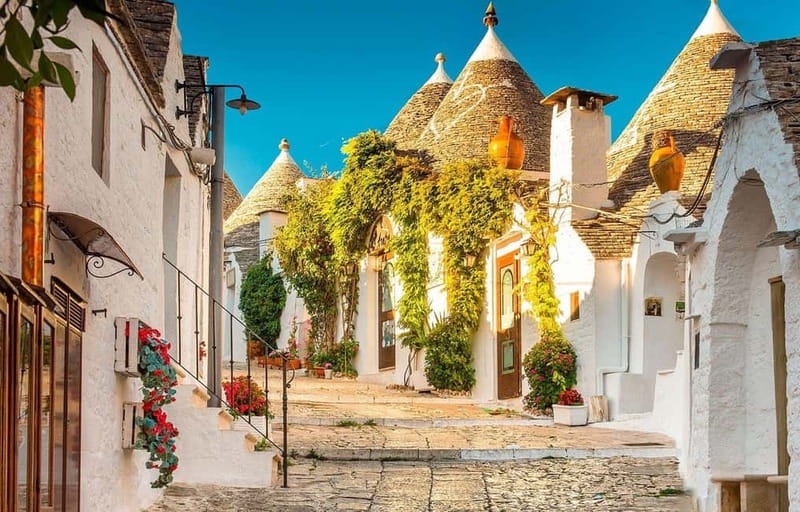
Alberobello in Apulia has a particular kind of magic. The trulli look playful from the outside—white stone walls capped with cone roofs that make the whole town read like a sketchbook illustration. But the town works better when someone explains the “why” behind the look.
That’s where this guided format earns its keep. Instead of bouncing between photo stops, you get a route that connects streets to meaning: the neighborhoods, the architecture, and the local way of life. I like that the emphasis isn’t just on seeing trulli, but on understanding what makes them special, including their UNESCO recognition in 1996 and the way the style was valued for architectural harmony.
If you like travel that teaches you something you can actually carry home—without turning your vacation into homework—this kind of tour fits well.
You can also read our reviews of more tours and experiences in Alberobello.



What the 2-hour walking tour covers (and what you’ll skip)
You’re looking at a tight 2-hour experience, so it’s not trying to cover every corner of Alberobello. You’ll focus on the most “trulli-forward” areas and the two interior stops that help the story click: the Trullo Sovrano and the Cathedral.
That focus is good news for you. In two hours, you can cover a lot of ground on foot and still have time to look closely at roofs, walls, and street layouts instead of rushing from landmark to landmark like you’re on a mission.
The only catch is physical. The tour isn’t described as wheelchair-friendly, and it also isn’t suitable for people over 80 or for those with visual impairments. If you know your limits on uneven pedestrian streets and standing time, plan accordingly.
Rione Aia Piccola: where the trulli vibe starts
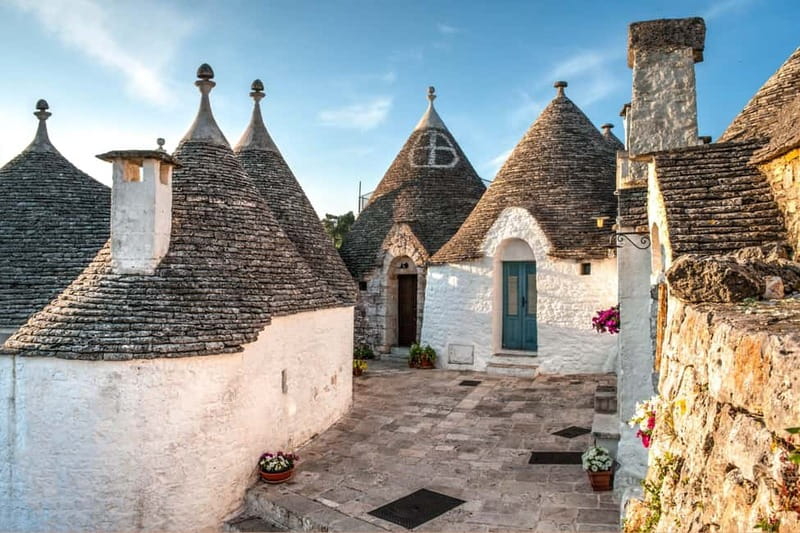
Rione Aia Piccola is one of the key neighborhoods you’ll walk through, and it sets the tone immediately. This is where the trulli feel most like a “city made of these houses,” with winding alleys and characteristic squares that keep pulling your attention back to the cone roofs overhead.
One of the practical things I enjoy about this part of the walk is how the guide helps you spot design cues. You’re not just watching for pretty shapes—you’re learning what to look for in trulli architecture and why the layout matters. The neighborhood becomes a living lesson in how the town was built around these homes.
Also, this is a great area for photos, but not in the stressful way. You’ll get enough time to pause, look up, and frame shots that include the streets and rooflines, not just a single building.
Rione Monti and the Siamese trulli roof style
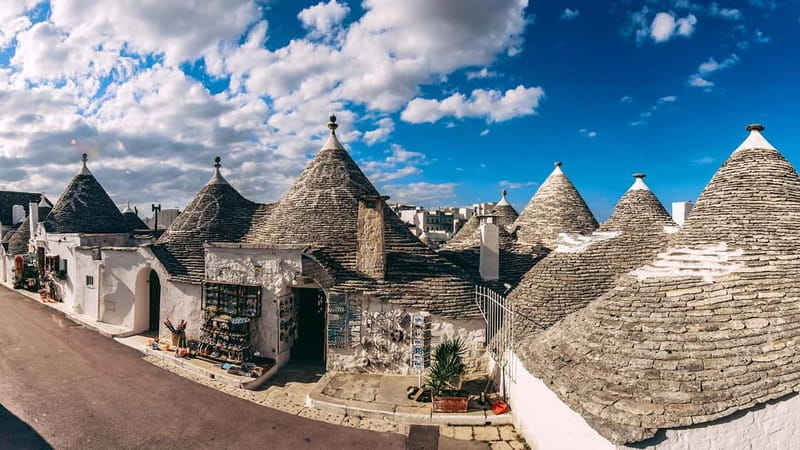
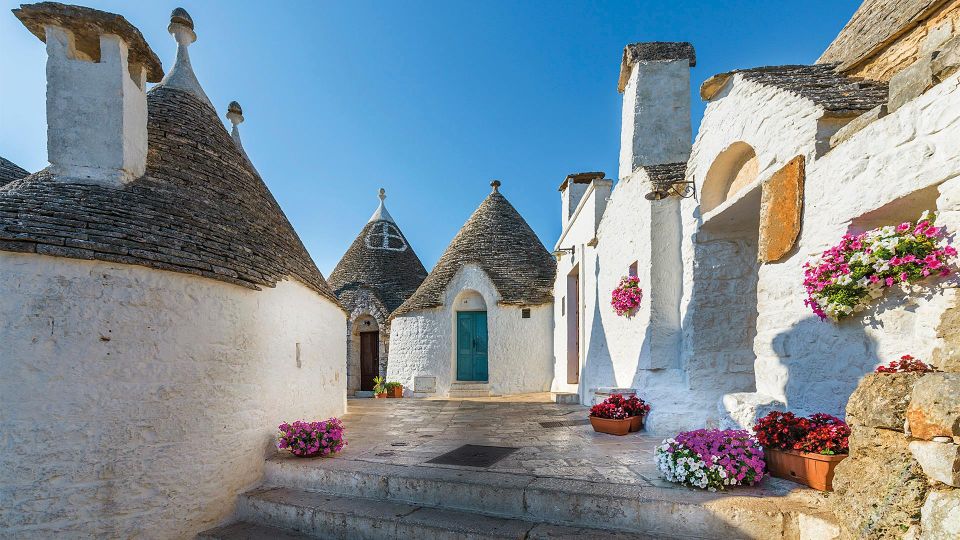
After Aia Piccola, the walk continues into Rione Monti, another core trulli area. Here you’ll see the trulli style described as Siamese—homes that share a roof structure and show the two-cone look that makes Alberobello so recognizable.
This is the kind of detail you might miss on your own. Up close, those rooflines and the way the structures relate to one another stop being just “cool shapes” and start becoming evidence of local building logic. A good guide helps you read those clues as you walk.
You’ll also get the sense that you’re not just strolling through houses, but through a neighborhood pattern—alleys, small openings to squares, and the way sightlines change as you move. That’s why a guided walk often beats a solo wander here: your eyes know where to focus.
Trullo Sovrano: the interior stop that makes the day worth it
The highlight for many people is Trullo Sovrano—and for good reason. It’s not only a standout building; it’s also the place where the tour connects architecture to daily life. You’ll visit with entry tickets to the Trullo Sovrano Museum included, which means you’re not left hoping to figure out the details once you get there.
Inside, the main value is context. You learn how people used to live in these particular houses, which changes your perspective. A cone roof suddenly stops being just an aesthetic choice and starts looking like part of a whole housing system.
If you’re the type who likes to understand how locals lived—what rooms might have felt like, how space was used, and how the home functioned—this museum time is the part that tends to linger after your photos fade.


Alberobello’s Cathedral: saint paintings and local meaning
Next comes the Cathedral interior, named after the guardian saints, protectors of the city. This isn’t just a quick “look at the ceiling” moment. The tour highlights the church’s importance in Alberobello and points you toward the paintings and saint imagery inside.
The practical takeaway: you’ll learn how local devotion shows up in art, and how that connects to civic identity. Even if you aren’t a big museum person, it’s an easy stop because it’s directly tied to the places you’ve been walking through.
Also, it’s a nice pacing change. After spending time outside with bright stone and strong shadows, a church interior gives your eyes a break while still feeling relevant to the trulli story.
Guides can make or break the tour: Milena, Fabio, Guido
This experience leans heavily on the guide. The company uses local blue-badge guides, and the difference shows in how the town’s details are explained while you’re still standing in the streets.
If you happen to get Milena, expect a guide who brings passion and clear storytelling to the walk. Fabio is another name you may see—his energy and strong English are specifically called out, and that matters when you’re trying to understand architecture details without guesswork. Guido is also praised for knowing the history well and for keeping the tour pleasant company-wise.
Bottom line: for a short tour, guide quality isn’t a bonus. It’s the main product.
Price and value: is $74 per person a fair deal?
$74 per person for a 2-hour guided walk sounds straightforward, but what you get pushes it into “solid value” territory if you care about context, not just snapshots.
You’re paying for:
- a local blue-badge guide (the explanation layer)
- and Trullo Sovrano Museum entry included (so you’re not adding tickets on your own)
If you planned to do this independently, you’d spend time figuring out what to prioritize—especially inside the Sovrano and the Cathedral. Here, that decision is handled for you, and the guide helps connect the dots as you move.
So I think it’s a good buy if you want the most meaningful highlights packed into a short window. If you prefer roaming freely at your own pace, the cost won’t feel “worth it” unless you’re also committed to learning while you walk.
What to bring for trulli streets (and what to avoid)
Wear shoes you trust. You’ll want comfortable shoes because you’re walking through historic neighborhood streets, and the tour isn’t designed for people using wheelchairs or with mobility impairments.
Bring:
- sun hat
- sunscreen
- water
- comfortable clothes that match the weather
And skip high-heeled shoes—those aren’t allowed. This is one of those practical tours where clothing choices directly affect your comfort, not just your photos.
Who should book this Alberobello trulli walking tour
This tour is a strong fit if you:
- like architecture and want help interpreting it
- enjoy guided history without long lectures
- want both outdoor trulli sights and an interior museum/cathedral stop
- can manage a walking-focused experience
It’s not a fit for wheelchair users, people with mobility impairments, people who are visually impaired, or people over 80, based on suitability information provided. If any of those apply, you’ll be happier choosing a different format that matches your needs.
Should you book this Alberobello trulli walking tour?
Yes, if you want a guided, high-impact introduction to Alberobello in just two hours. I’d book it when you care about the story behind the cone roofs—especially the interior education at Trullo Sovrano and the Cathedral’s saint paintings. The price makes more sense because museum entry is included and you’re not left to figure it out solo.
I wouldn’t book it if you need wheelchair access or if you know you won’t enjoy walking on historic streets. In that case, you’ll likely spend more energy managing comfort than enjoying the town.
FAQ
How long is the Alberobello trulli walking tour?
The tour lasts 2 hours.
What does the tour include?
It includes a local blue-badge guide and entry tickets to the Trullo Sovrano Museum.
What languages are available for the live guide?
The tour is offered with a live guide in Italian and English.
What should I bring?
Bring comfortable shoes, a sun hat, sunscreen, water, and comfortable clothes suited to the weather.
Are high-heeled shoes allowed?
No. High-heeled shoes are not allowed.
Is the tour suitable for wheelchair users or mobility impairments?
No. The tour is not suitable for wheelchair users or people with mobility impairments.
Is there free cancellation?
Yes. You can cancel up to 24 hours in advance for a full refund.