REVIEW · BOLOGNA
Bologna: Pasta Cooking Class, Ragu & Wine with Local Host
Book on GetYourGuide →Operated by alessia fiocchi · Bookable on GetYourGuide
Fresh pasta plus wine in a real home.
That is what makes this Bologna class so fun: you get hands-on pasta skills and sommelier-style wine pairing that actually explains why each sip works with the food. The menu leans classic Emilian comfort food, so one consideration is that several courses naturally revolve around meat or broth, and vegetarian guests will want to confirm their adaptations ahead of time.
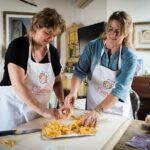
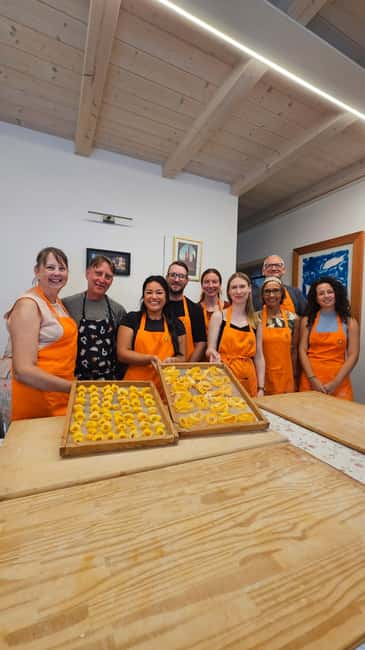
I also like the warm, low-pressure vibe. This isn’t a theater lesson; you’re cooking with Alessia in her home, and you even have her cat POL as the amusing little judge of the day. You’ll finish by eating what you made, not just tasting a bite and running back out.
In This Review
- Key Points Before You Go
- Meeting at the Gray Gate: Finding Alessia Fiocchi in Bologna
- Your Welcome Bites: Parmesan, Balsamic, and a Quick Taste of Emilia
- Hands-On Pasta Making: Tagliatelle, Tortellini, Lasagne, and Shaping Your Own
- Emilian Ragu & Broth Logic: Understanding the Sauce, Not Just Following It
- The Wine Part: Pairings You Can Actually Use Later
- Dessert Choice: Tiramisu or Trifle, Made With Care
- Eating the Results: Bread, Rice Cake, and the Meal After the Work
- Price and Value: Is $79 Worth It?
- Who This Class Fits Best (and Who Might Want to Skip It)
- Should You Book This Bologna Pasta and Wine Class?
- FAQ
- What is the price of the Bologna pasta cooking class?
- How long is the experience?
- What dishes will I learn and eat?
- Can I choose between tiramisu and trifle?
- Is there a vegetarian option?
- What wine and food are included with the meal?
- Where is the meeting point?
- What languages are used during the class?
- Is it wheelchair accessible?
- Are there rules for cancellation or the ability to pay later?
Key Points Before You Go
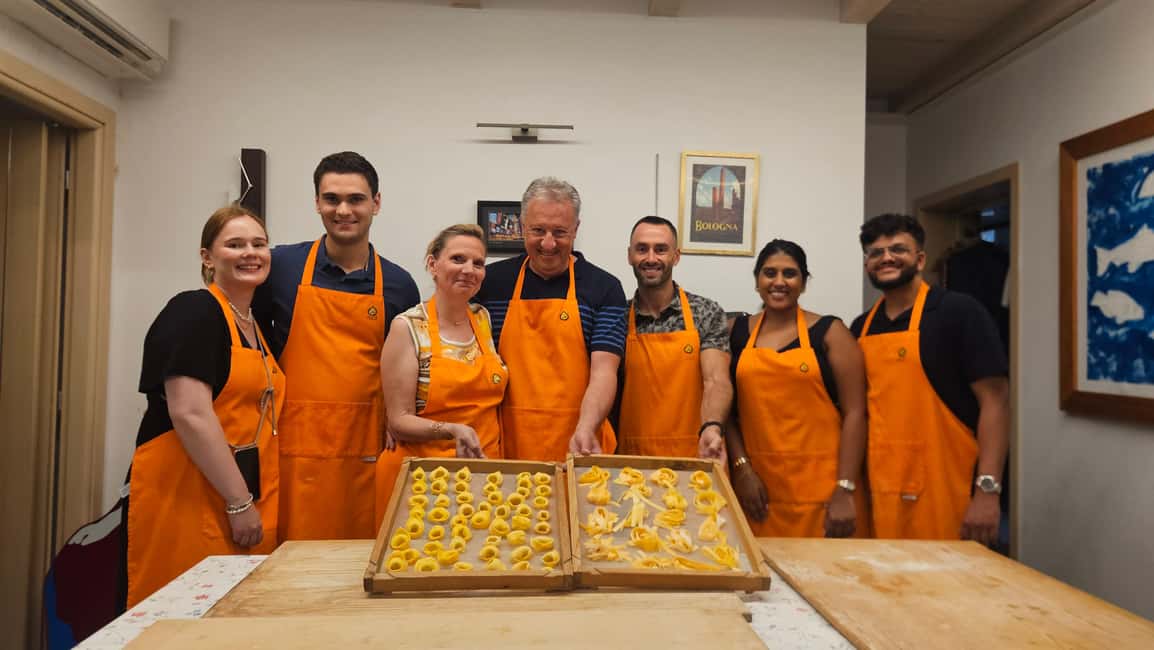
- Alessia Fiocchi teaches in English or Italian and combines cooking technique with wine logic
- Choose your first courses, including tagliatelle, tortellini in broth, lasagne alla bolognese, and more
- Dessert is your call between tiramisu and trifle
- A sommelier pairs wine with your dishes, plus you get homemade bread and a rice cake after the meal
- Vegetarian adaptations are possible for both pasta and sauce
Meeting at the Gray Gate: Finding Alessia Fiocchi in Bologna
The whole experience starts with something charmingly simple: you stand in front of a gray gate and ring the bell labeled Fiocchi. That’s it. No big group shuffle, no maze of meet-up points. It sets the tone right away—small, personal, and home-based.
This matters because Bologna can feel compact but confusing when you’re navigating neighborhoods. Having a clear landmark and a direct bell name helps you arrive relaxed. When you show up calmly, you cook better. And when you cook better, you actually taste what you’re doing.
Once you’re inside, you’ll settle into a kitchen setup designed for getting your hands involved. Several course options also mean you’re not locked into one single pasta style from start to finish. If you like choices, this class fits that mood.
You can also read our reviews of more tours and experiences in Bologna.
Your Welcome Bites: Parmesan, Balsamic, and a Quick Taste of Emilia
Before the main cooking work, you start with an appetizer built around local flavors. Expect a starter featuring parmesan with balsamic vinegar, or mortadella. It’s a smart warm-up because it gives you two quick reference points: sharp, salty cheese and rich, cured meat.
This first bite also helps you shift into the Emilian way of tasting. Bologna cuisine often balances depth (fat, slow simmering, aged cheese) with acidity and structure (balsamic-style tang, broth clarity, wine brightness). You’ll taste those themes repeatedly during the meal.
If you’re the type who likes to understand food instead of just eating it, pay attention to how Alessia frames these early flavors. The class isn’t only about steps; it’s about context—how and why these ingredients belong together.
Hands-On Pasta Making: Tagliatelle, Tortellini, Lasagne, and Shaping Your Own
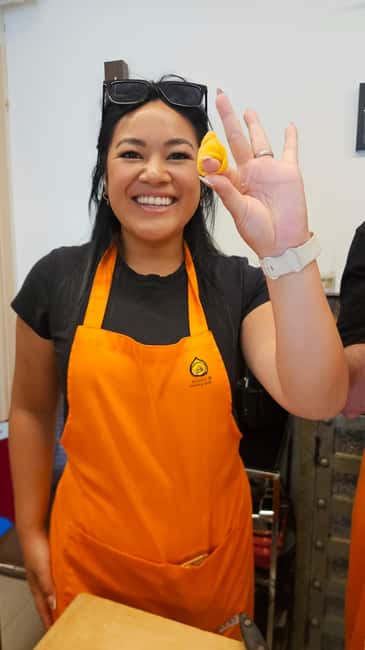
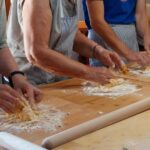
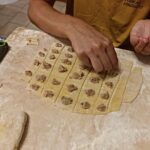
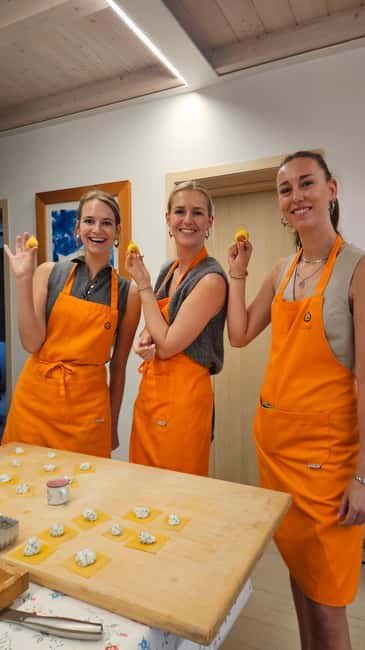
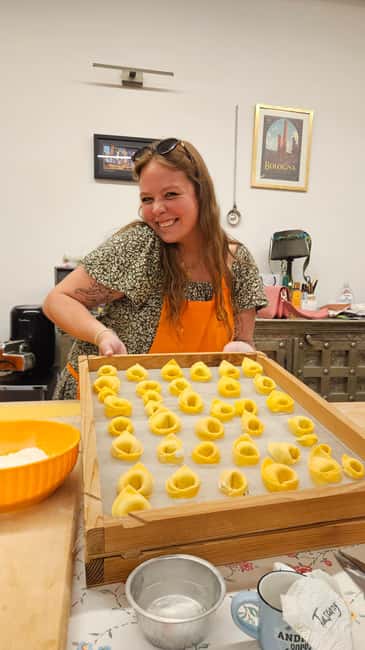
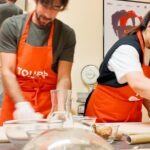
The main event is learning to make Emilian pasta, guided by Alessia with a clear, technical approach. You’ll get the satisfaction of doing real prep work, not just watching dough get rolled.
Here’s the big advantage: the first course lineup is flexible. You can choose what you want to focus on from a menu that includes:
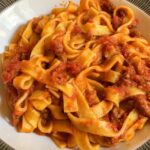
- tagliatelle with meat sauce
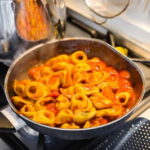
- tortellini in broth
- lasagne alla bolognese
- passatelli in broth
- tortelloni with butter and sage
- balanzoni
- farfalle with sauce
That choice is more than just variety. It changes the cooking mindset. Tagliatelle and farfalle point you toward how pasta holds sauce. Tortellini and passatelli in broth teach how liquid carries flavor. Butter-and-sage styles highlight aroma and simplicity. And lasagne alla bolognese brings you into the layered, baked side of Bolognese tradition.
You’ll also pick up practical technique you can bring home: dough handling, shaping logic, and the way sauce consistency should feel when it’s ready to pair with pasta. Many people leave classes saying they want to recreate it, but here the instruction aims at repeatability—how the dish should look and taste, not just what to do.
One heads-up: if you expect a strictly hands-off experience, this won’t be your style. This is hands-on cooking, so come ready to get involved and to taste as you go.
Emilian Ragu & Broth Logic: Understanding the Sauce, Not Just Following It
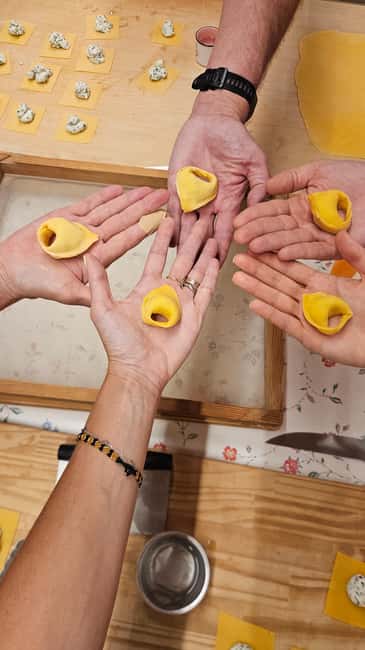
Bologna’s magic is the sauce. And this class leans into that reality with an Emilian menu built around ragu, broths, and classic seasonings. You’re not only learning pasta forms—you’re also learning how the flavors behave once they meet heat and time.
When you cook things like meat sauces, broth-based dishes, or sage-butter fillings, you learn something useful fast: the dish isn’t fixed only by ingredients. It’s fixed by timing, texture, and balance. A sauce that’s too thin won’t cling. A broth that’s too heavy will blur the pasta flavor. The class structure pushes you to notice those differences.
Alessia’s background matters here. She explains the process in a technical way, and she’s also a certified sommelier and cook. That pairing of skills shows up in the way the meal is taught: pasta and sauce aren’t treated as separate topics. They’re taught as a system—food that needs matching flavors.
Vegetarian guests have an important option too: there’s the possibility to make pasta and sauce suitable for vegetarian needs. That means you’re not automatically stuck with a single default swap. If you eat vegetarian, it’s worth mentioning your preferences clearly so the kitchen can adapt the sauces accordingly.
The Wine Part: Pairings You Can Actually Use Later
This class isn’t just serving wine with dinner. It’s pairing with purpose, and that changes how you remember the experience.
You’ll taste the dishes you create alongside local wine, and Alessia explains the pairings in a technical way. That’s the difference between feeling like you were given a nice drink and feeling like you learned a rule you can reuse later. You learn what the wine is doing—how it supports rich meat sauce, how it interacts with parmesan intensity, and how it keeps broth-forward or butter-sage dishes from feeling heavy.
This is especially valuable in a place like Bologna, where wine culture sits right next to food culture. Once you connect the two, you start ordering smarter in restaurants back home. You’ll likely remember the logic even when the labels are different.
Also, the amount of wine during the evening is part of the meal rhythm. It’s not rushed, and it’s built around tasting the dishes as they’re ready.

Dessert Choice: Tiramisu or Trifle, Made With Care
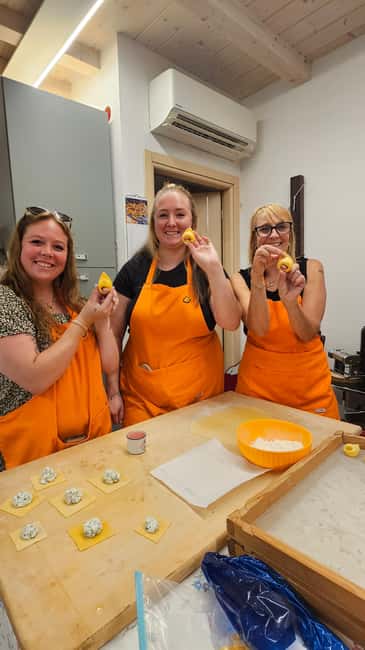
Dessert is where many cooking classes fall back on store-bought shortcuts. Not here.
You get a choice between tiramisu and trifle. That matters because these aren’t interchangeable desserts in flavor or texture. Tiramisu brings coffee and cream balance, plus the structure that comes from how it’s layered and set. Trifle shifts the focus toward fruit and layered softness. Either way, you’ll end up with something you can explain to friends: what makes it right, what to watch for, and how to avoid the common mistakes.
And yes, you’ll taste it as part of the meal. This is one of those experiences where the dessert doesn’t feel like an afterthought. It’s the finish line to the cooking skills you just practiced.
Eating the Results: Bread, Rice Cake, and the Meal After the Work
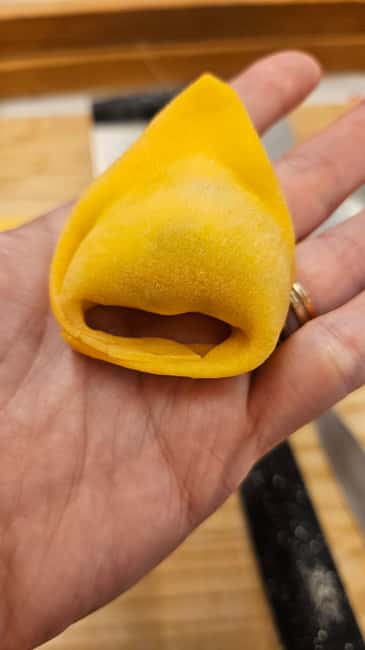
After you cook, you eat. That’s not a throwaway detail—it’s the payoff.
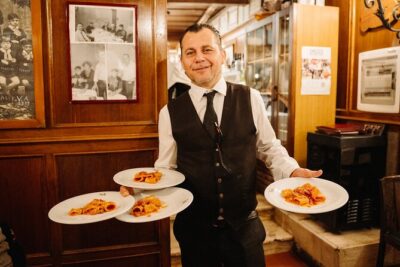
You’ll have wine with the meal, plus homemade bread and a rice cake always offered after the meal. It’s a full table moment, not a tiny tasting plate situation. Expect to feel properly fed at the end of the 3 hours.
This also helps the class stick in your memory. When you taste a dish that you made from scratch, you remember the texture of dough, the look of a sauce, and the aroma of the finished course. You don’t just leave with recipes—you leave with a clear internal reference for what the finished version should feel like.
And then there’s the extra Bologna-style touch: you’ll likely encounter the playful household vibe, including POL watching the kitchen like it’s a sporting event. It’s silly on the surface, but it also makes the evening more human and relaxed.
Price and Value: Is $79 Worth It?
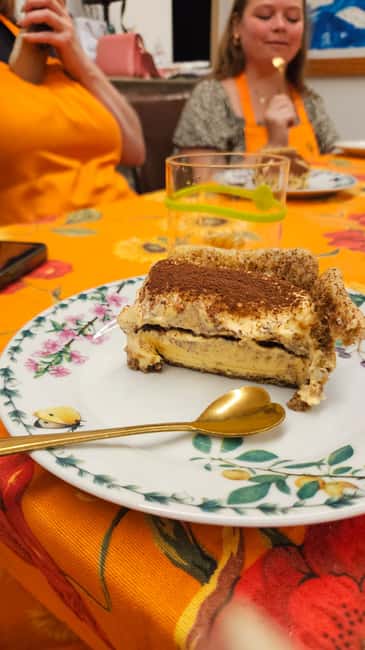
At $79 per person for a 3-hour class, you’re paying for a few things at once:
- instruction that covers both pasta and sauce technique
- wine tastings and pairing explanations
- a full meal built from what you learn
- materials provided, plus a chef certificate for one day
The value is strongest if you want more than a meal. If you love the idea of taking home recipes you can repeat, this class is built for that. The hands-on part is the big ticket value driver: you’re not just consuming you’re creating.
If you’re only looking for an easy dinner with wine, you could probably find cheaper. But if your travel style includes learning real skills and eating what you cooked, the price feels reasonable for the time, the variety of courses, and the host’s dual expertise.
Who This Class Fits Best (and Who Might Want to Skip It)
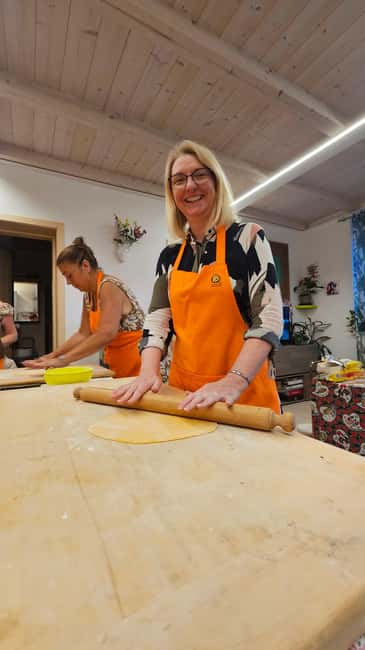
This Bologna pasta and wine experience is a great match if you:
- want a hands-on cooking class instead of a demonstration
- care about wine pairing and want the reasoning, not just the recommendation
- enjoy Bolognese classics like tagliatelle, tortellini, lasagne, and tiramisu
- like small, home-style settings that feel welcoming and personal
You might hesitate if you:
- prefer watching only and don’t want to cook
- have strict dietary needs and want zero flexibility (vegetarian adaptations are possible, but the menu choices still revolve around traditional dishes)
- are short on time and can’t spare a full 3 hours
Should You Book This Bologna Pasta and Wine Class?
Book it if your goal is a memorable Bologna food moment that blends skill, tasting, and context. This is the kind of experience that can upgrade your future meals because it teaches you how the dishes work together—pasta shape, sauce texture, and wine pairing logic.
I’d especially recommend it if you’re excited about Bolognese comfort food and want to do more than eat it. Ring the Fiocchi bell, show up hungry, and be ready to cook. You’ll leave with a fuller understanding of why Bologna tastes the way it does.
FAQ
What is the price of the Bologna pasta cooking class?
The price is $79 per person.
How long is the experience?
The duration is 3 hours.
What dishes will I learn and eat?
The menu includes options such as tagliatelle with meat sauce, tortellini in broth, lasagne alla bolognese, passatelli in broth, tortelloni with butter and sage, balanzoni, and farfalle with sauce. You’ll also taste a starter (parmesan with balsamic vinegar or mortadella).
Can I choose between tiramisu and trifle?
Yes. Dessert can be either trifle or tiramisu.
Is there a vegetarian option?
Yes. There is the possibility to make pasta and sauce suitable for vegetarian guests.
What wine and food are included with the meal?
Included food and wine are tasted during the experience, and homemade bread and rice cake are always offered after the meal.
Where is the meeting point?
Meet at a gray gate and ring the bell named Fiocchi.
What languages are used during the class?
The instructor teaches in English and Italian.
Is it wheelchair accessible?
Yes, the experience is wheelchair accessible.
Are there rules for cancellation or the ability to pay later?
Free cancellation is available up to 24 hours in advance for a full refund, and you can reserve now and pay later.