REVIEW · CAGLIARI
Cagliari: Private Food and Wine Tasting Experience
Book on GetYourGuide →Operated by BinuShop · Bookable on GetYourGuide
Blue-zone eating starts here. Cagliari’s private tasting at Enoteca & Bottega BinuShop connects Sardinia’s food of longevity thinking with the island’s blue zone reputation, then turns it into a guided, hands-on tasting.
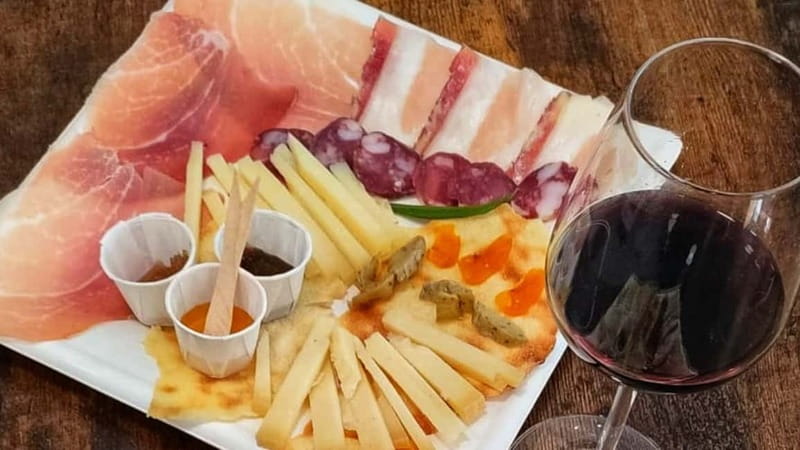
I love how this experience is built around real eating, not just sips. You’ll work through two local wines alongside baked goods, extra virgin olive oil, and land-and-sea bites, plus cheese and local snacks. I also like the personal teaching style you’ll likely get from guides such as Francesca or Alessandro, who link what’s on the table to production techniques and the people who make it.
One consideration: food needs must be handled carefully. If you have intolerances, you need to email the request after booking, and unaccompanied minors aren’t allowed—so go in with a clear plan for what you can eat.
In This Review
- Key things I’d circle before you book
- Why BinuShop Is a Smart Starting Point in Cagliari
- The Food of Longevity Story Behind the Menu
- Inside the Tasting Route: Seasonal Baked Goods, EVO Oil, Cheese, and Snacks
- Wine Pairing: Two Local Glasses and the How-Not-Just-What
- Production Techniques and Producer Stories That Make Taste Stick
- What the Blue Zone Angle Changes About How You Eat in Sardinia
- Price and Value: Is $54.66 Worth It?
- Who This Private Tasting Fits Best (and Who Might Want Another Option)
- Before You Go: Small Planning Tips That Save Time
- Should You Book This Cagliari Food and Wine Tasting?
- FAQ
- How long is the Cagliari private food and wine tasting?
- Where do I meet for the tasting?
- What’s included in the price?
- Are unaccompanied minors allowed?
- What if I have food intolerances?
- What languages are available, and is it wheelchair accessible?
Key things I’d circle before you book
- BinuShop check-in near I Mulini makes the start easy to find in Cagliari
- Food of longevity theme ties the tasting to Sardinia’s centenarian reputation
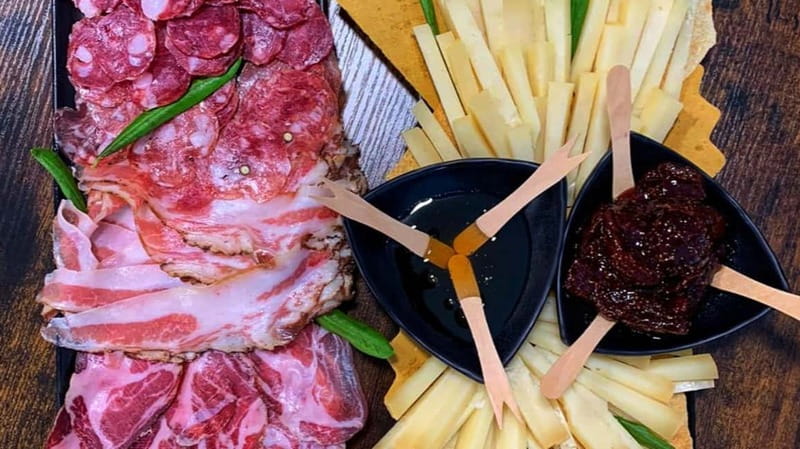
- Seasonal Sardinian plates range from baked goods to extra virgin olive oil
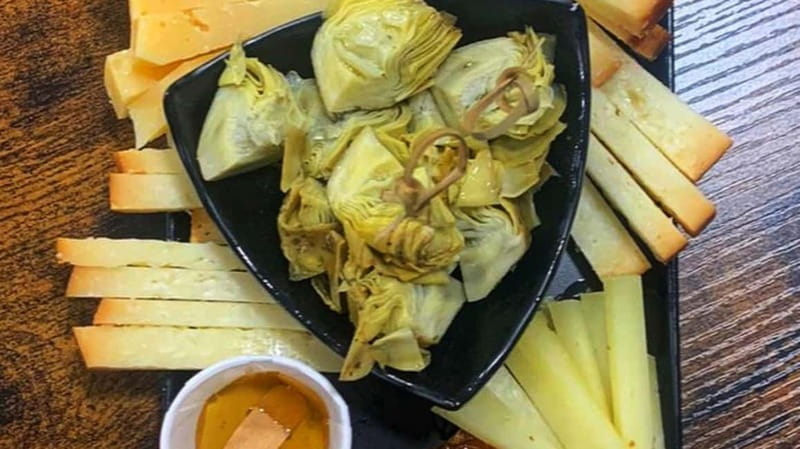
- Cheese and local snacks are part of the route (not an afterthought)
- Two glasses of local wine get paired with the bites, with guidance on what you’re tasting
- English, Italian, Spanish plus wheelchair accessibility keep the experience practical
Why BinuShop Is a Smart Starting Point in Cagliari
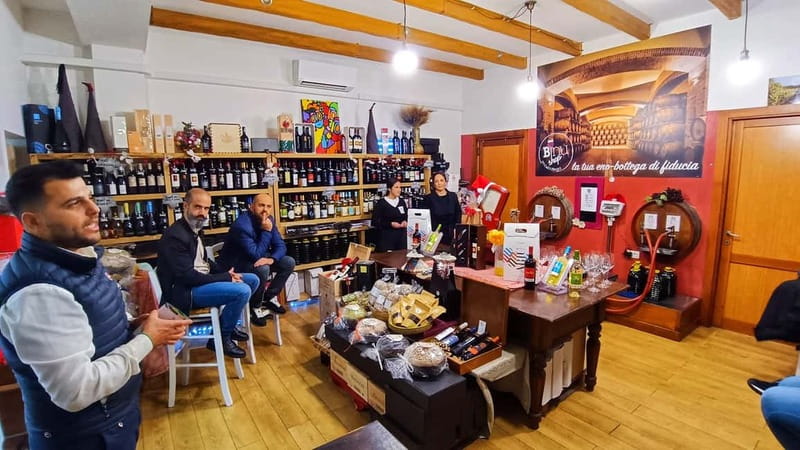
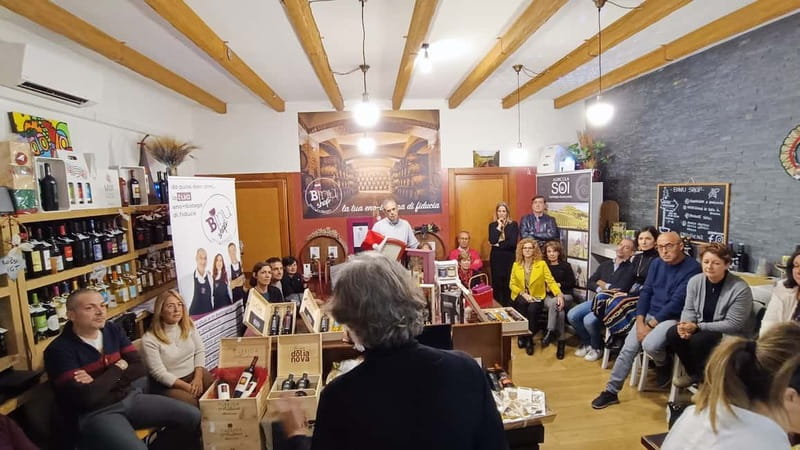
This tasting is anchored in Enoteca & Bottega BinuShop, a shop setting that makes the whole experience feel grounded. You’re not hopping between far-flung spots with a schedule that barely lets you look around. Instead, you get a guided flow where the tasting and the story share the same room.
The meeting instructions are also refreshingly clear: park in the I Mulini shopping mall parking lot, then head to the store to check in. That matters on a trip like Cagliari, where you want your evening to start smoothly and not turn into a scavenger hunt.
Also, the setup is wheelchair accessible, so it’s designed to be usable for more than just able-bodied visitors. If you’re traveling with mobility needs, this matters more than the tasting menu itself.
You can also read our reviews of more tours and experiences in Cagliari.
The Food of Longevity Story Behind the Menu
The big theme here is Sardinia’s connection to “longevity” and the island’s blue zone identity—where a higher share of people reach 100. The guide doesn’t treat it like a lecture. They use it as a lens for why the food is shaped the way it is and why certain products keep showing up in Sardinian life.
You’ll be guided through the idea that longevity isn’t just one magic ingredient. It’s patterns: how food is produced, how it’s paired, and how it’s eaten as part of everyday culture. That’s why this tour includes not only wine, but also olive oil, baked goods, cheese, and both land-and-sea specialties tied to the season.
In plain terms, you’ll learn how the island’s food traditions are explained as practical, cultural choices. Then you’ll taste them. That cause-and-effect approach is exactly what makes this kind of food tour worth your two hours.
Inside the Tasting Route: Seasonal Baked Goods, EVO Oil, Cheese, and Snacks
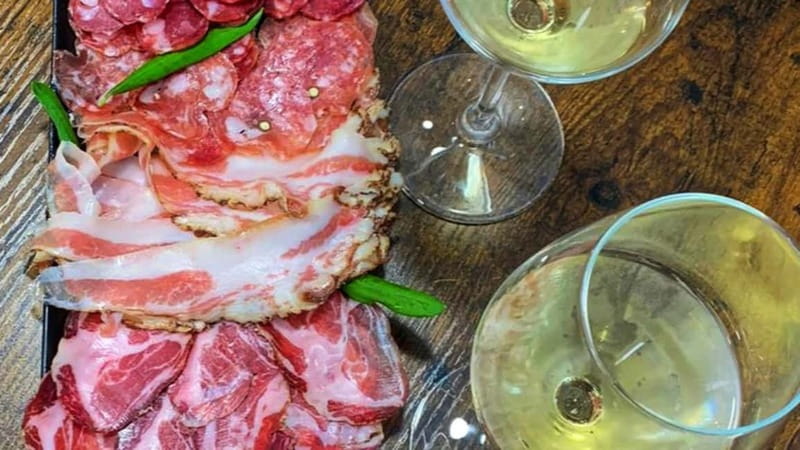
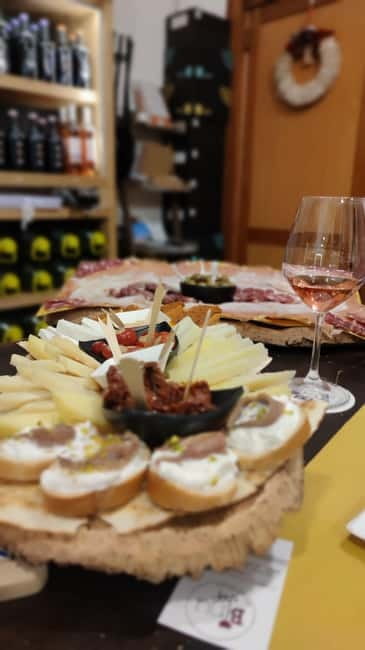
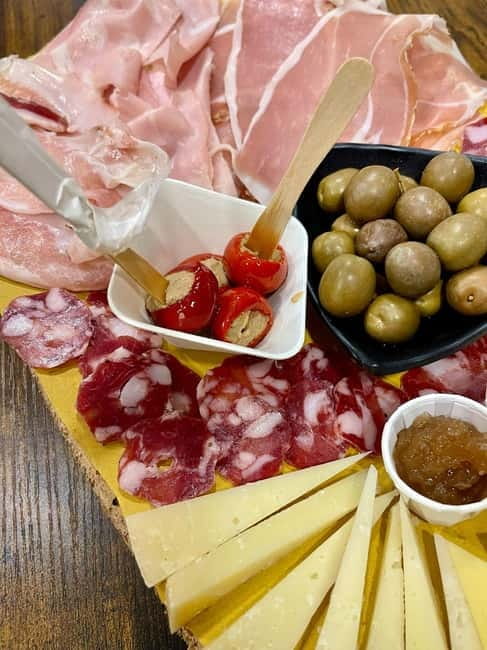
Your tasting sequence is built to cover the kinds of flavors Sardinia is known for, without pretending every bite is identical across the island. The experience includes food tasting plus local snacks and a cheese tasting, which gives you more variety than the usual bread-and-wine combo.
Expect stages that can start with baked goods and move into products like extra virgin olive oil. From there, the meal typically shifts into specialties of the land and the sea, with ingredients that are linked to the season. Seasonal matters because it changes what the guide can explain about local production and what you can realistically recreate later.
Here’s why I like this structure for real travelers: it mirrors how you’d shop and snack in Sardinia. You can leave knowing what you actually enjoyed, not just what sounded good on paper.
Also, the shop atmosphere helps. Several comments highlight that the hosts are friendly and down-to-earth, with an owner or family member often involved in the tasting experience. That kind of setting usually means fewer scripts and more practical answers when you ask, for example, what to buy back home.
Wine Pairing: Two Local Glasses and the How-Not-Just-What
Wine is not treated as a separate activity here. You’ll have two glasses of different types of local wines, paired with what you’re eating. That pairing structure is one of the best parts because it teaches you how flavors work together.
You might hear guides talk about practical Mediterranean ideas like having wine in moderation with meals. One guest even mentioned hearing about the notion of a daily half-glass of red wine with lunch and dinner as part of the longevity conversation. Whether you share that exact view or not, the key is that the guide frames wine as a food partner, not a stand-alone drink.
In terms of what you may taste, one name that came up in comments was Nor Sulcito. I can’t promise that exact label appears every time, since wines can vary, but it’s a good sign that the selection can include distinctive local styles rather than generic pours.
If you’re the type who thinks you hate wine, this kind of tour can still work. You’re guided through pairings and context, so you taste with a purpose instead of guessing. And if you don’t want to drink much, one comment notes a non-drinking guest was offered a local juice and treats, which suggests the experience can be flexible when it comes to enjoyment.
Production Techniques and Producer Stories That Make Taste Stick
One of the most praised aspects is how the guide connects what you’re tasting to production techniques and the history of producers. That’s where the tasting stops being just consumption and starts becoming memory.
You’ll learn about how artisanal goods are made and why certain products are tied to regional habits. In practical terms, this helps you answer the questions that usually haunt people after a wine trip: What did I like? What made it different? Where could I find it again?
The hosts also tend to recommend where to go next in Cagliari. That’s valuable because it turns a short tasting into a jump-start for the rest of your itinerary.
And the family-shop vibe shows up in the details. Comments mention that guests chatted with the owner and that locals come in for the wine. That’s a small signal, but it usually means the shop sells what it believes in—not just what tourists expect.



What the Blue Zone Angle Changes About How You Eat in Sardinia
The blue zone concept can sound like marketing until you see how it shapes the menu and the explanations. Here, it’s tied to the island’s reputation for high numbers of centenarians, and the guide uses that reputation to point you toward the logic of Sardinian food choices.
You won’t just hear the story and move on. The tour includes the products that commonly show up in longevity-focused diets: extra virgin olive oil, cheese, and seasonal foods that reflect local farming and preserving traditions. Even baked goods are part of the pattern, not just an appetizer.
Then there’s the pacing. Two hours is long enough to taste multiple components and short enough that you’re not rushing through everything. If you’re touring Cagliari, that balance matters.
Also, if you’re the type who likes your food with context, this tour offers that. It’s not a generic wine chat. It’s a cultural thread that explains why these foods are associated with quality of life, at least in the way Sardinia tells that story.
Price and Value: Is $54.66 Worth It?
At $54.66 per person for about two hours, the value depends on what you want from a food tour.
You’re paying for four things:
- Guided tasting (food + wine pairings)
- A guide who provides historical and cultural insights
- Multiple components, including cheese tasting and local snacks
- Two glasses of local wine matched to what you eat
If you only want a quick sip and a bite, you can probably find cheaper options. But if you want the story behind Sardinia’s food culture—especially the longevity theme—this price starts to make more sense.
There’s another value layer too: the location. Starting and ending back at BinuShop keeps time efficient. And the meeting point uses a known landmark (I Mulini mall parking), which lowers the stress factor. In a city where logistics can eat into your day, saving that hassle is real value.
One caution: one comment called it expensive. That’s fair if you drink little, don’t like wine, or prefer to wander and taste on your own. For most people who enjoy food pairings and don’t mind learning as they eat, it looks like a solid buy.
Who This Private Tasting Fits Best (and Who Might Want Another Option)
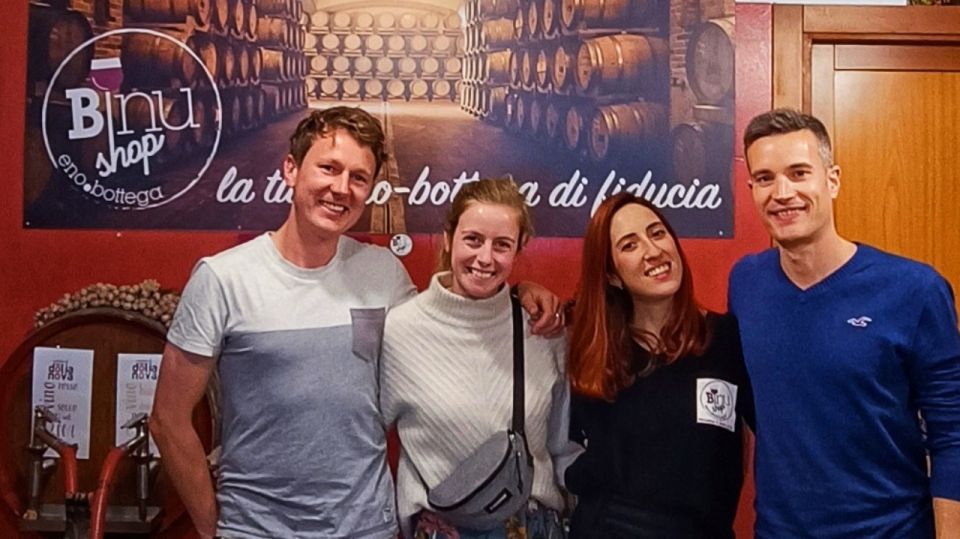
This is a strong fit if you:
- Want a guided Sardinian food and wine intro in a short time
- Prefer artisanal, local flavors over international staples
- Like learning how products are made and how they connect to culture
- Appreciate a structured tasting with pairings rather than random sampling
It may be a weaker fit if you:
- Need very specific dietary accommodations that require extra planning (intolerance requests must be sent by email after you confirm)
- Are traveling with children who won’t be accompanied (unaccompanied minors aren’t allowed)
- Are hoping for a big multi-stop crawl around town, since the experience centers on the BinuShop meeting point and ends there
If you’re a wine lover, you’ll likely enjoy the pairing guidance and local selection. If you’re not, the presence of food, cheese, snacks, and even juice options mentioned in comments can still make the experience worthwhile.
Before You Go: Small Planning Tips That Save Time
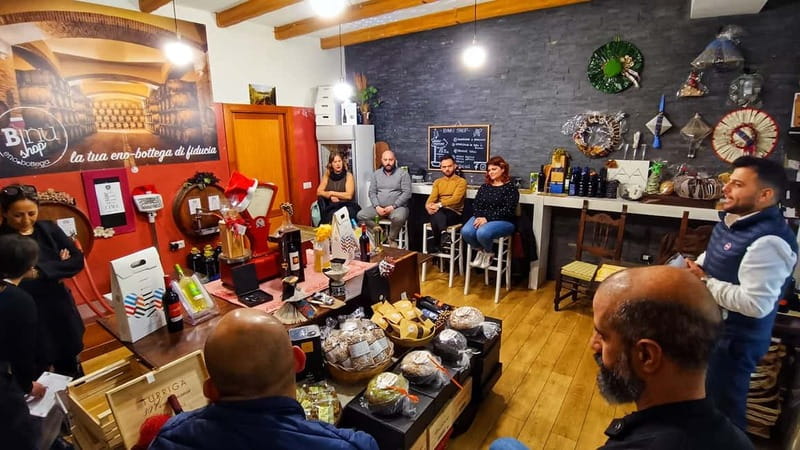
A few practical notes will make your tasting go smoother.
First, if you have intolerances, don’t wait. The instructions are clear that requests must be sent by email after confirming your reservation. If you show up hoping it can be handled on the spot, you may not be able to solve it at the last minute.
Second, plan to stay for the full two hours and treat it like a meal. This is not just a quick photo stop. The pacing is part of the experience, and you’ll want time to taste, listen, and ask questions.
Finally, think about transport. The meeting point is tied to I Mulini mall parking, and one comment mentions getting a lift home when there were no taxis. That hints you should still plan your ride ahead, especially if you’re staying farther out from the center.
Should You Book This Cagliari Food and Wine Tasting?
I’d book this tasting if you want a focused, local intro to Sardinia in two hours, with both food and wine pairings and a guide who connects the flavors to production and culture. The repeated praise for the hosts and the learning aspect suggests it’s a conversation-forward experience, not a scripted walk-through.
I’d think twice if you’re on a tight budget, drink very little, or need last-minute dietary changes. In that case, you might prefer a lighter snack stop or a self-guided approach where you control every choice.
Given the 4.7 average rating and the emphasis on family-run, local sourcing, this is one of those Cagliari experiences that feels like it belongs to the island—not just to the tourist calendar.
FAQ
How long is the Cagliari private food and wine tasting?
The experience lasts 2 hours.
Where do I meet for the tasting?
Park in the I Mulini shopping mall parking lot, then head to the Enoteca & Bottega BinuShop store to check in.
What’s included in the price?
It includes the food and wine tasting, a guide, and historical and cultural insights.
Are unaccompanied minors allowed?
No. Unaccompanied minors are not allowed.
What if I have food intolerances?
You need to notify the operator immediately after confirming your reservation by email. The request is only accepted when received via email.
What languages are available, and is it wheelchair accessible?
The live guide is available in English, Italian, and Spanish. The experience is wheelchair accessible.