REVIEW · CAGLIARI
Cagliari: Su Nuraxi di Barumini UNESCO Site Guided Tour
Book on GetYourGuide →Operated by Sardinia Magic Experience · Bookable on GetYourGuide
Nuraghe ruins turn into a story fast. This Cagliari-to-Barumini tour is all about Su Nuraxi and the Casa Zapata museum, guided end-to-end. One catch: you’ll pay extra for site entry tickets, and the tomb stop is not a good match for claustrophobia or mobility needs.
In the best moments, guides like Fabio, Francesca, and Micki are praised for being friendly and for making the outdoor ruins feel clear instead of confusing. Group size is usually small or private, which helps if you want time for questions.
In This Review
- Key highlights you’ll feel on the day
- Getting to Barumini from Cagliari without losing your whole day
- Su Nuraxi di Barumini: the UNESCO site that makes Sardinia click
- Casa Zapata Museum: when the stones get a second life
- Domus de Janas at S’ Acqua Salida – Pranu Efis: the Neolithic tombs and the legends
- Optional extra: Giara walk with wild horses or a Bonaria stop
- What the schedule feels like on the ground (and why it works)
- Price and tickets: what the 79.30 per person really buys
- Who should book this tour (and who should skip it)
- Should you book the Cagliari to Barumini Su Nuraxi guided tour?
- FAQ
- How long is the tour from Cagliari?
- What’s included in the price?
- Are tickets included for Su Nuraxi and Casa Zapata?
- Where do I meet the guide in Cagliari?
- What languages does the guide speak?
- Is the tour suitable for people with mobility impairments or wheelchair users?
Key highlights you’ll feel on the day
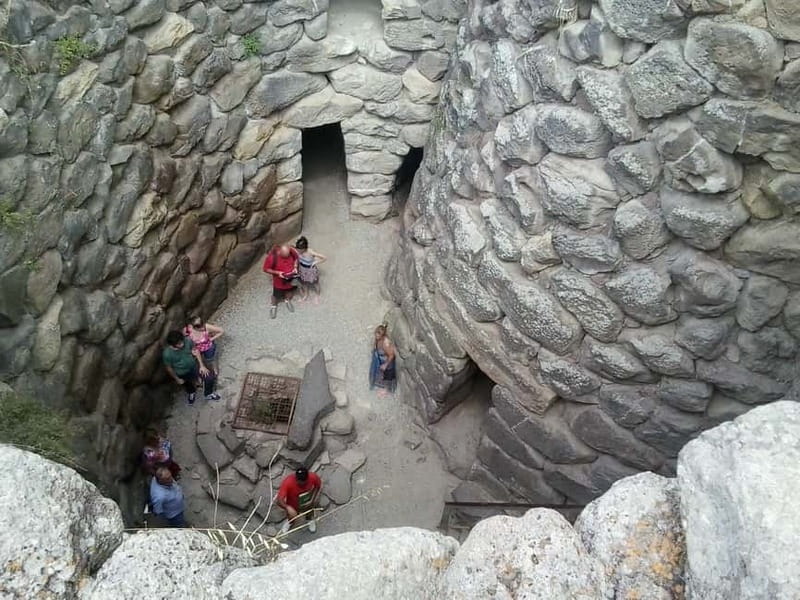
- UNESCO Su Nuraxi explained by structure, not just dates: you’ll see the five towers layout and the surrounding walls in context.
- Casa Zapata adds meaning to what you just saw outdoors: ruins linked to Su Nuraxi ’e Cresia are presented in the museum.
- Domus de Janas lets you connect myths to Neolithic life: those chamber tombs come with old legends and real archaeology.
- A choose-your-side stop for extra variety: swap in a guided Giara walk (with small wild horses) or a stop by the Basilica of Bonaria.
- Local guidance with dual-language support: English and Italian, plus time to ask questions.
Getting to Barumini from Cagliari without losing your whole day
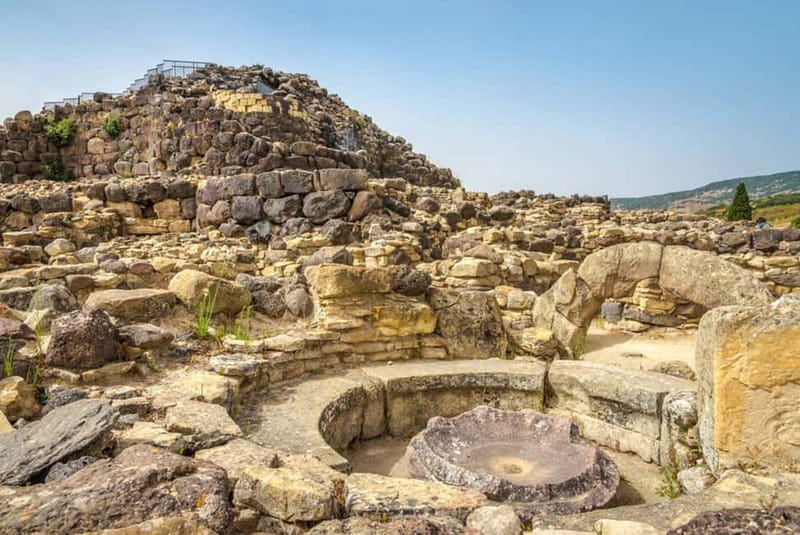
The day starts in Cagliari, meeting your guide at the Cagliari 1920 café on Largo Carlo Felice, 76. From there, you’re picked up and driven by car to Barumini in the Marmilla countryside. It’s a practical setup. You’re not stuck figuring out regional buses, and you get to spend more of the day at the sites rather than on the road.
You’ll likely feel the tour as three different modes of travel. First is the transfer time, then the slower, site-focused walking and guided explanations, and finally the return to the same meeting point in Cagliari.
A couple of helpful notes to keep expectations right:
- Time matters: the full outing runs 5–6 hours, so there’s no slack for wandering on your own for long stretches.
- Your guide’s driving style can vary: a few comments mention faster driving or less narration during travel. If you’re the type who likes lots of commentary on the way, you might prefer a smaller group option.
You can also read our reviews of more tours and experiences in Cagliari.

Su Nuraxi di Barumini: the UNESCO site that makes Sardinia click
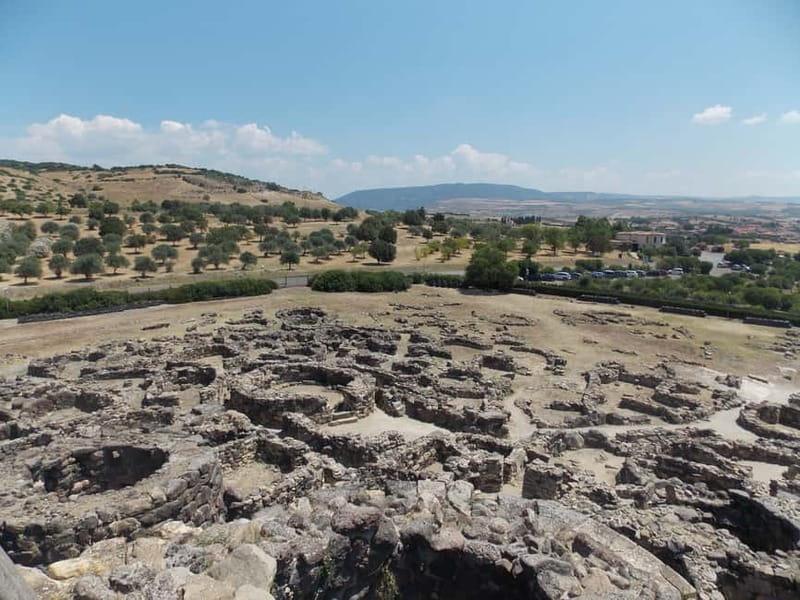
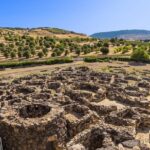
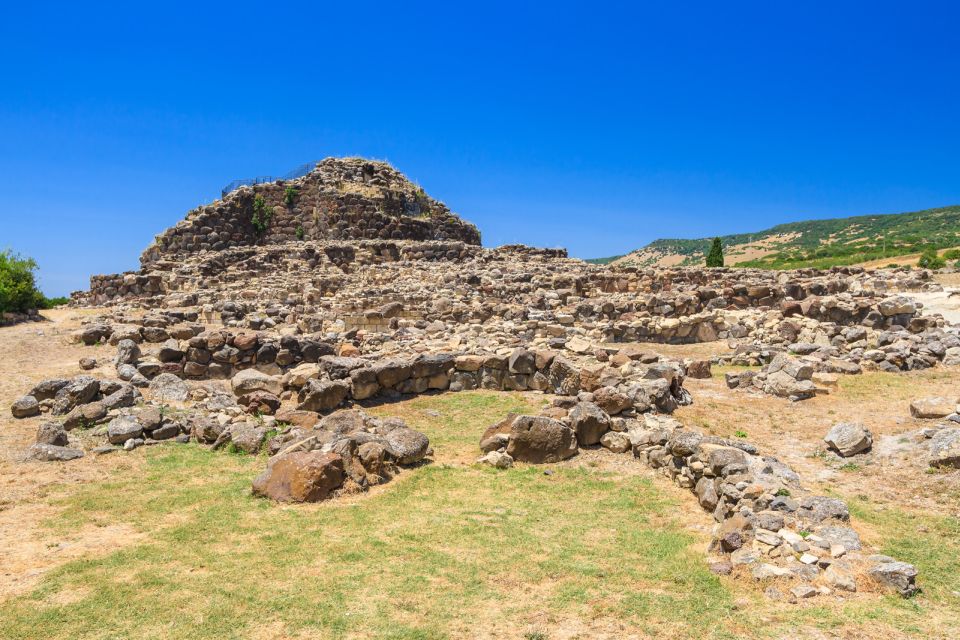
Su Nuraxi di Barumini is the star, and it deserves the attention. It sits on top of a hill, and it’s famous for two reasons: its excellent state of conservation and the complexity of its construction. In other words, this is not a few scattered stones. It’s an entire structure you can understand as a system.
On your guided visit, you’ll focus on how the site is arranged. The highlight is the layout of the five towers: one central tower with the others positioned around it. You’ll also see the city walls and the ruins of an ancient village area.
Here’s what makes the guided approach valuable. Nuraghi can sound like a random Sardinian word until somebody puts the pieces together. When your guide points out how the towers relate to the walls and village remains, you start reading the site like architecture—defense, community, and status—rather than just scenery.
Even the surrounding legend-world feels easier to grasp once you see the structure. You’re not only hearing about the past. You’re standing where the layout shaped daily life. And that sense of being in the right place is exactly what makes this UNESCO stop feel more than a checklist item.
Practical reality check: because the nuraghe is on a hill and it’s an archaeological site, comfortable shoes matter. This is not a stroll across perfectly flat ground.
Casa Zapata Museum: when the stones get a second life
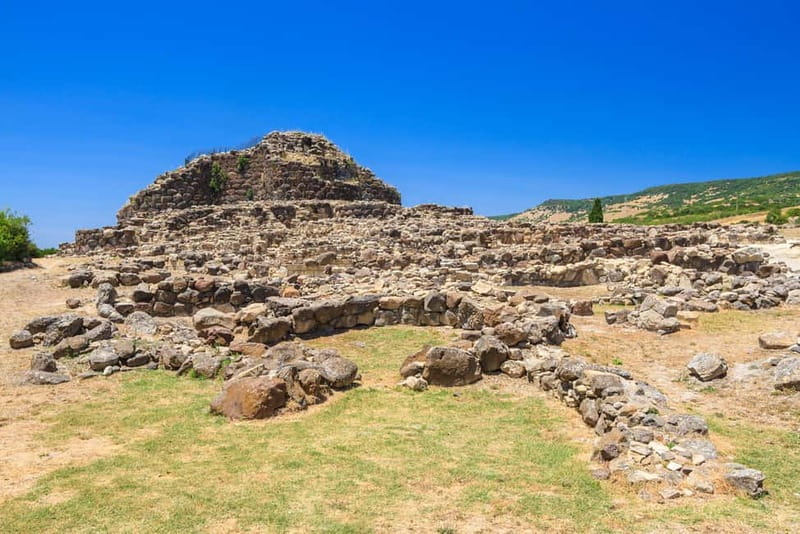
After Su Nuraxi, you head to Casa Zapata, where your time becomes more museum-like—still tied to what you just walked through. The stop runs about 30 minutes, and it’s centered on ruins connected to Su Nuraxi ’e Cresia, enclosed within the museum setting.
I like this sequencing. Outdoors, you’re learning the shape and scale of Su Nuraxi di Barumini. Indoors, Casa Zapata helps you connect that shape to a wider network of nuraghe culture. It turns the visit from a single hilltop moment into a broader idea of how these communities built and reused space.
If you’re the kind of person who dislikes standing in the open all day (weather can swing in Sardinia), Casa Zapata offers a break while still staying focused on the topic.
Domus de Janas at S’ Acqua Salida – Pranu Efis: the Neolithic tombs and the legends
The last major stop is Domus de Janas, specifically De S’ Acqua Salida – Pranu Efis. This is a Neolithic-period necropolis, and the guided visit is about 30 minutes.
Domus de Janas means House of the Fairies, and that nickname isn’t just folklore decoration. It mirrors how people have long tried to explain chamber tombs before archaeology gave the story sharper edges. With your guide, you get both strands: the legends attached to these spaces and the archaeological framing that makes the chambers comprehensible.
This is also where you’ll feel the tour’s limits. The site involves tomb chambers, and the tour is not suitable for people with claustrophobia. It’s also not designed for wheelchair users or people with mobility impairments. Even if you’re fine with “tombs,” you still need to think about narrow interior spaces and uneven site conditions.
If you’re comfortable with enclosed areas, Domus de Janas is the emotional finish. The last portion doesn’t just add facts; it changes the tone. You go from hilltop architecture to human-scale spaces cut into rock.
Optional extra: Giara walk with wild horses or a Bonaria stop
This tour gives you a choice for a supplemental moment.
One option includes a guided walking tour of Giara, a volcanic plateau surrounded by nature where small wild horses live. This is a great pick if you want more movement and a different kind of Sardinia than stone sites alone.
Another option is a stop in front of the Basilica of Bonaria in Cagliari. If you’d rather keep your day focused on religious architecture and city context, this one adds a recognizable landmark without pushing the day into longer hikes.
How do you decide?
- Choose Giara if you want nature plus a little drama from that volcanic plateau setting.
- Choose Bonaria if you prefer a calmer add-on that stays close to the city vibe.
Either way, you keep the same core experience: Su Nuraxi first, then Casa Zapata, then Domus de Janas.




What the schedule feels like on the ground (and why it works)
Your day is built around three core guided segments plus the driving connections:
- Su Nuraxi: about 2 hours
- Casa Zapata: about 30 minutes
- Domus de Janas: about 30 minutes
That adds up to a tour that’s long enough to matter but not so long that you lose the threads. Two hours at Su Nuraxi is key. It’s enough time for your guide to explain the tower layout, the walls, and the village ruins without turning the visit into a quick photo stop.
Then the two shorter stops do their job: one for museum reinforcement (Casa Zapata) and one for the final chamber-tomb experience (Domus de Janas).
If you get impatient on guided tours, this format still helps you. You’re not trapped in a lecture-only pace. You’re moving through spaces where the guide can point and clarify as you go.
Price and tickets: what the 79.30 per person really buys
The price is listed at $79.30 per person, and that includes transportation by car and a local guide. The site entry tickets are extra: Su Nuraxi di Barumini and Casa Zapata cost 8.50€ per person (not included in the main price).
So is it good value? I think it is, mainly because the guide time isn’t just generic talking. People consistently highlight that guides—like Fabio and Francesca—are friendly, engaging, and able to connect the structure you see with the culture and legends behind it.
Also, you’re paying for convenience. Getting from Cagliari to multiple countryside sites on your own can cost you time and effort, especially if you don’t speak Italian well or don’t want to rent a car.
The only real value-drag I’d watch for is variation in guide presentation. One comment notes English could be better and narration during the drive could be lighter. That doesn’t happen every time, but it’s worth keeping in mind if you’re sensitive to language clarity.
Add the extra ticket fee, wear decent shoes, and you’ll likely feel like the day earned its cost.
Who should book this tour (and who should skip it)
This is a strong fit if you want:
- A structured guided UNESCO experience instead of a self-guided guessing game
- Time with a guide who makes nuraghe design and legends feel connected
- A day trip that stays in one region: Cagliari → Barumini → nearby ancient sites
It may be the wrong fit if you:
- Need wheelchair access or have mobility limitations (this tour is not suitable)
- Get uncomfortable in enclosed spaces (claustrophobia warning for the tomb stop)
- Want lots of free time for independent wandering (the schedule is set)
For families: it could work for older kids who enjoy history and walking, but the tomb/chamber aspect is the part that may not fit everyone.
Should you book the Cagliari to Barumini Su Nuraxi guided tour?
If you’re choosing between doing Su Nuraxi alone and taking a guided day, I’d lean guided. The UNESCO site can feel abstract until somebody shows you how the towers, walls, and surrounding village remains connect. And then Casa Zapata and Domus de Janas give you the payoff: you move from structure to interpretation to a human-scale Neolithic world.
Book it if you’re comfortable with guided walking and you can handle a tomb experience. Skip it if claustrophobia or mobility access is a concern.
If you do book, I’d go one step further: choose a small-group or private option when available. The extra control tends to help with questions, pace, and language comfort—exactly what makes these kinds of archaeological days feel like a story instead of a list.
FAQ
How long is the tour from Cagliari?
The tour lasts about 5–6 hours, depending on the starting time.
What’s included in the price?
Transportation by car and a local guide are included.
Are tickets included for Su Nuraxi and Casa Zapata?
No. Entry tickets for Su Nuraxi di Barumini and Casa Zapata are not included, at 8.50€ per person.
Where do I meet the guide in Cagliari?
You meet your guide at Largo Carlo Felice, 76, in front of the Cagliari 1920 cafe.
What languages does the guide speak?
The tour is offered in English and Italian.
Is the tour suitable for people with mobility impairments or wheelchair users?
No. The tour is not suitable for people with mobility impairments or wheelchair users. It’s also not suitable for claustrophobia.