REVIEW · MOUNT ETNA
Catania: Mount Etna Trekking Trip off the Tourist Path
Book on GetYourGuide →Operated by EtnAround · Bookable on GetYourGuide
Etna feels quieter off the tourist trail. This Mount Etna trekking trip from Catania takes you over old lava flows and into the Valle del Bove caldera. You also get a naturalist guide who ties what you see to how this volcano really works.
What I like most is the setup: included trekking poles, shoes, and warm layers mean you can travel light. I also love how the guides (think Antonio and Renato) connect the walk to local plants, animal life, and Etna’s history as you move through the terrain. The main drawback is simple: the hike runs at altitude and can be tough in wind or cold, and the lava cave may be skipped if conditions are unsafe.
In This Review
- Key highlights at a glance
- Etna trekking off the tourist path: what makes it worth your time
- Getting to Etna: Catania pickup and the “warm-up” rhythm
- Valle del Bove caldera: the star of the day
- Silvestri craters stop: active Etna energy with a breather
- Lava cave visit: a cool bonus that depends on conditions
- Off-road lava flows: the texture lesson you can’t get from viewpoints
- Included gear and clothing: how the tour helps you travel light
- How hard is it, really, at 1,850 to 2,400 meters?
- Price and value: what $78.17 buys you on Etna
- Who should book this Mount Etna trek (and who should skip it)
- Should you book this off-tourist-path Etna day?
- FAQ
- Where does the tour start and end?
- How long is the Mount Etna trekking experience?
- What’s included in the price?
- Do you visit a lava cave?
- What altitude should I expect during the hike?
- What should I bring, and what can’t I bring?
Key highlights at a glance
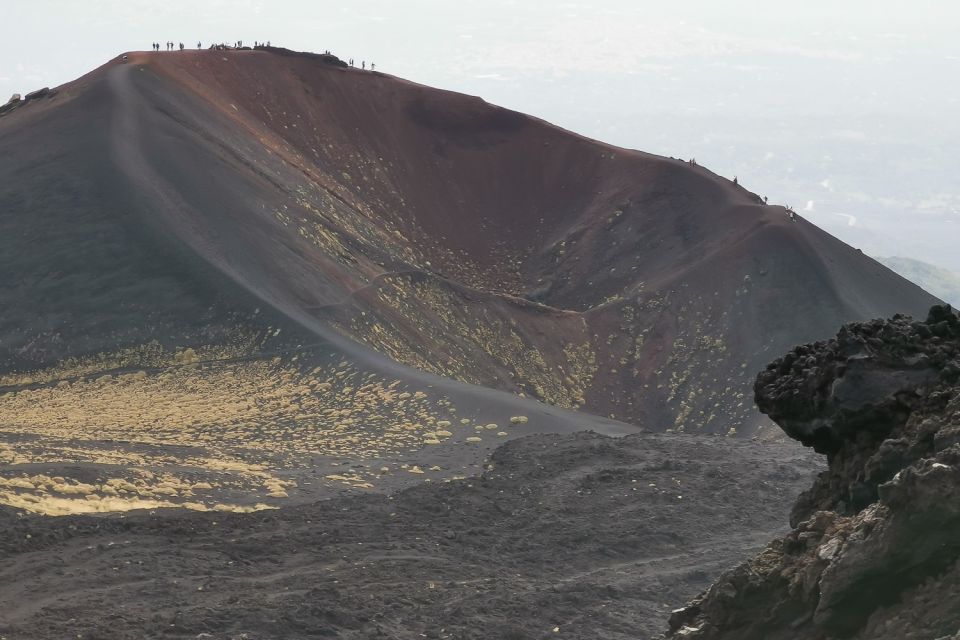
- Off-road lava passage through older flows where you can actually feel the volcanic terrain change underfoot
- Valle del Bove caldera walk with a guided route through Etna’s massive crater system
- Recent lava viewing points and photo stops that show you what’s new on a living volcano
- Silvestri craters break for a short rest with free time and drinks like coffee/tea/beer
- A cave visit may happen but it’s conditional on tremors and eruption safety rules
Etna trekking off the tourist path: what makes it worth your time
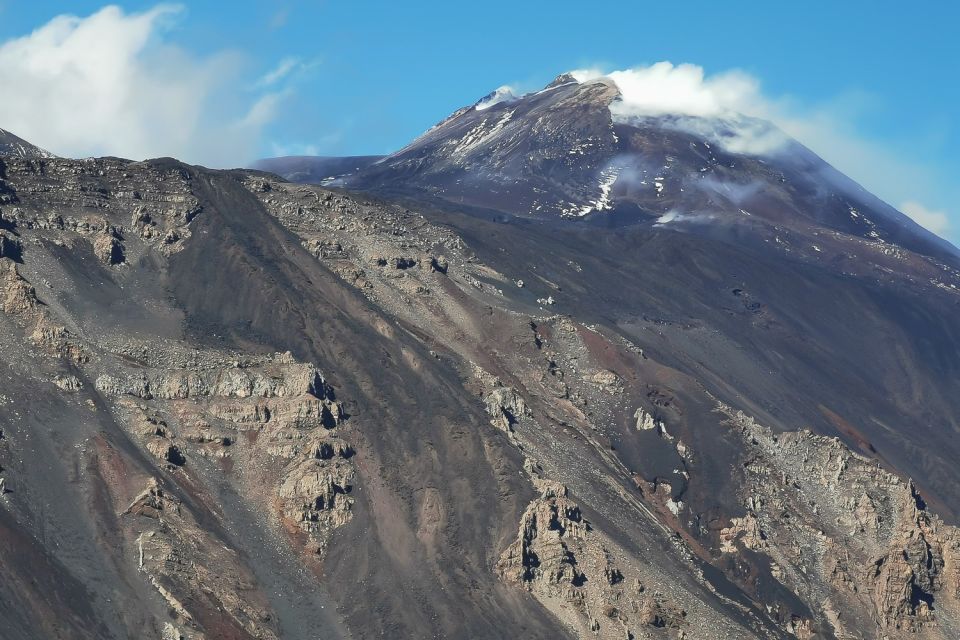
Most Etna “day trips” boil down to a quick stop, a photo, and a bus ride. This one is built around walking, at altitude, on quieter routes. You’ll spend your day moving through volcanic ground and caldera terrain, not just watching it.
The value here is that the route aims to get you away from the most packed paths. You follow quiet trails and you also get time in two big zones: the Valle del Bove and the Silvestri craters area. That combo keeps the day from feeling like one long slog with no variety.
You’ll also benefit from a naturalist guide, not just a driver with a mic. The day is structured so you can learn while you walk—fauna and flora on and around Etna, plus practical context for what you’re seeing as the landscape changes from flow to flow. It’s the difference between seeing rocks and understanding them.
You can also read our reviews of more tours and experiences in Mount Etna.
Getting to Etna: Catania pickup and the “warm-up” rhythm
The day starts outside McDonald’s in Catania city center. From there, you’re picked up and transferred by van toward Etna, with a couple of stops that break the day into manageable chunks.
Early on, you get a van ride (about 30 minutes) and then reach a traditional village stop. This part is built for food and timing: there’s time for coffee/breakfast/lunch (about 20 minutes), depending on how your group works it.
After that, you transfer again and then do a safety briefing at a viewpoint (about 20 minutes). This is where you get your expectations set: what to watch for, how the guide wants you to move, and what kind of hike you’re about to do. It matters because you’re going to be at roughly 1,850 to 2,400 meters.
Then the real work starts: the hike begins around the 2,000 meter mark, where the air can feel sharper even on a clear day. If you’re the type who likes to get walking right away, this pacing still feels reasonable. It prevents the common mistake of arriving hungry, cold, and underdressed.
Valle del Bove caldera: the star of the day
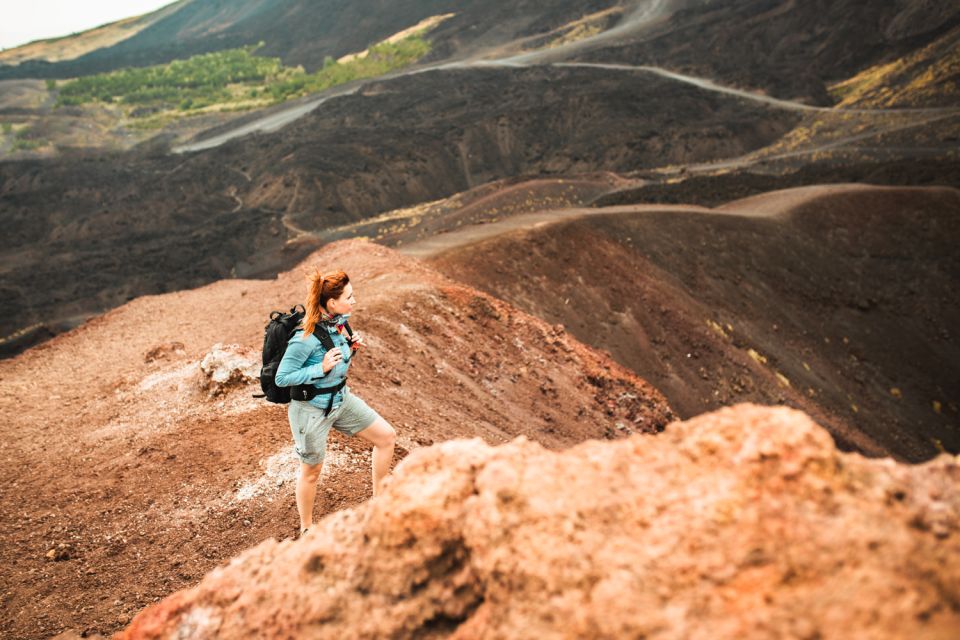
Your longest stretch is the Valle del Bove segment, at about 3.5 hours. This is one of Etna’s biggest caldera areas, formed roughly 64,000 years ago after the collapse of two major eruptive centers. Even if you’re not a geology person, that detail helps you understand the scale when you’re standing inside it.
This part of the trek is deliberately set on quieter trails. You’re not just crossing a route; you’re following a guided path through a volcanic bowl, with photo stops and guided explanation along the way. The guide’s job here is to help you read the ground—where lava flowed, where it cooled, and what the current environment looks like compared with what it used to be.
You’ll also pass by and admire recent lava flows and then see coastal views when the weather allows. That mix is important: it prevents the hike from turning into only “step, step, step.” Instead, you get stretches where the view opens up, letting you breathe and reset.
One practical note: wind and cold can make altitude feel harsher. You’ll be glad the tour includes an extra warm jacket and a rain jacket, because temperatures can shift fast once you’re higher and exposed.
Silvestri craters stop: active Etna energy with a breather
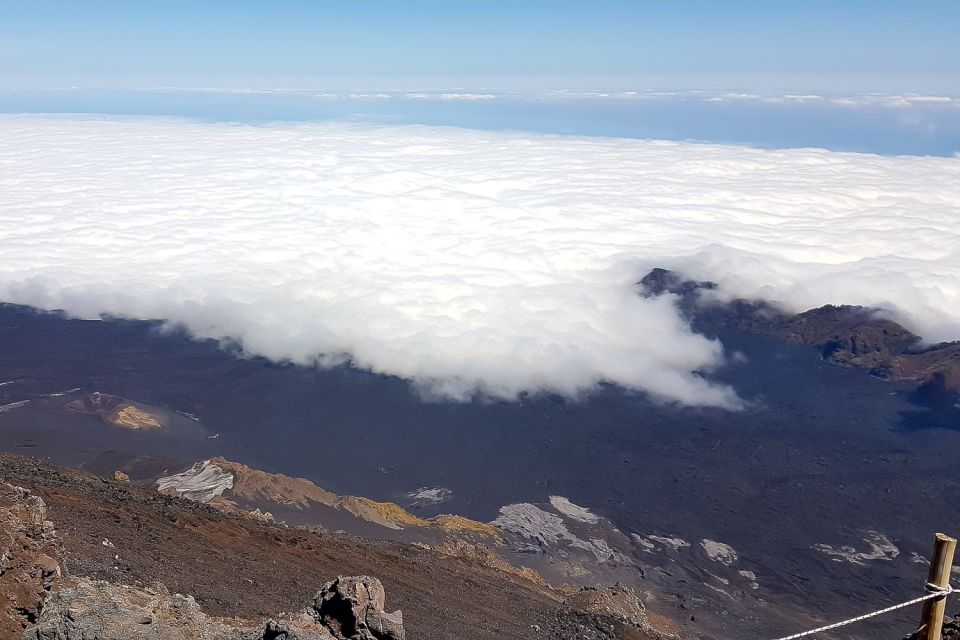
After the caldera walk, you reach a break time at the Silvestri Craters area (about 20 minutes). This is where you regroup. You get free time, plus drinks such as beer, coffee, and tea.
This stop is also a mental reset. The day’s first big chunk is about long walking and reading the caldera terrain. The Silvestri crater area brings you closer to the vibe of active Etna, including being near the southeastern crater zone, which is Etna’s most active area.
Because this is shorter, you can keep expectations realistic. You’re not being asked to “power up” again right away—this is a pause before the van ride back.
Lava cave visit: a cool bonus that depends on conditions
A lava cave visit is part of the experience, but it’s not guaranteed. If there are high tremors and eruptions, the cave visit isn’t possible, even if the eruption seems over.
That rule is worth respecting. Caves can be unpredictable when the volcano is active, and the guide will follow safety restrictions. If you’re hoping for a cave picture as a must-do, plan for an alternate reality: sometimes you’ll still have an excellent day without it.
So think of the cave as a bonus. The day is already strong because you’re hiking through lava flows and the caldera. The cave just adds a different kind of “Etna” feeling—still volcanic, but in a totally different way.
Off-road lava flows: the texture lesson you can’t get from viewpoints
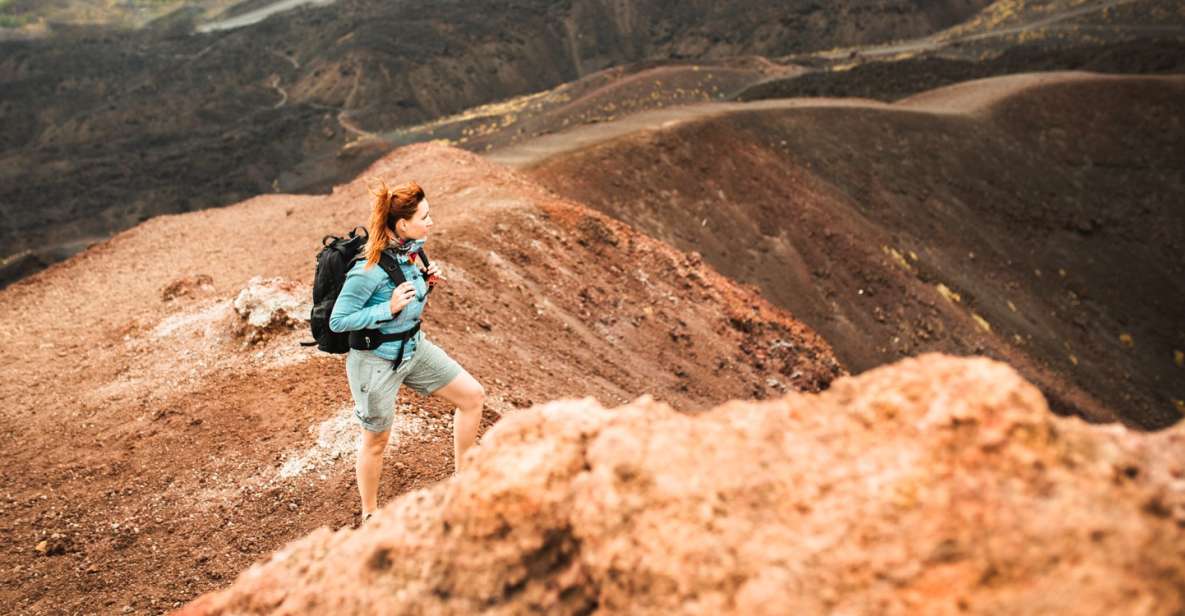
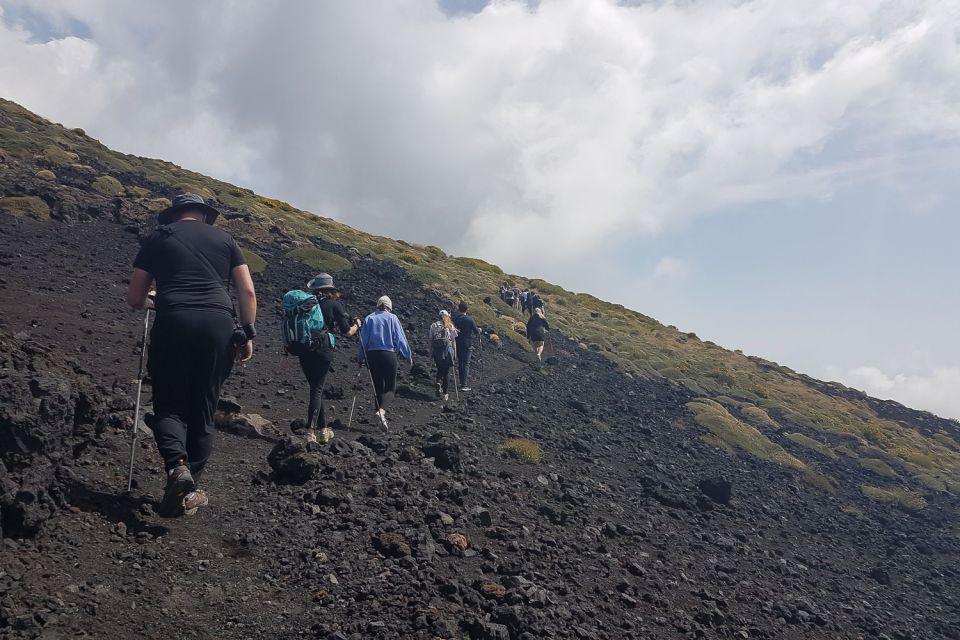
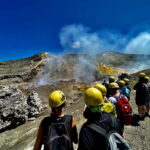
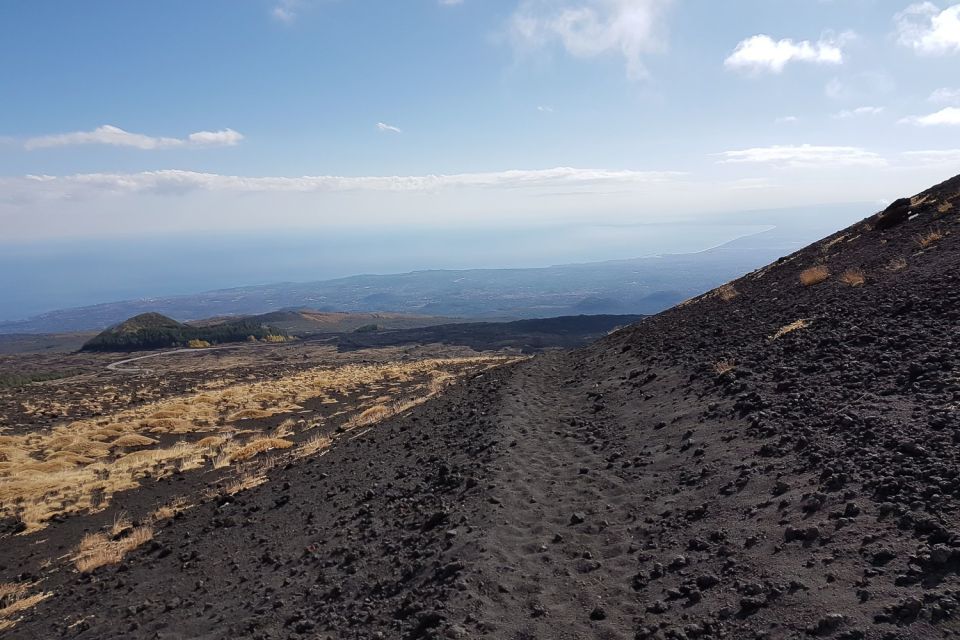
One of the most praised parts of the day is the off-road element. You travel through paths that go beyond the easiest tourist routes and pass across areas shaped by old lava flows. That means you’re not just seeing volcanic material from a distance—you’re walking across it.
On the ground, you’ll notice how volcanic terrain can change quickly. Some stretches feel more stable; others can be loose or uneven. That’s where trekking poles help a lot, and where the provided shoes matter.
The payoff is that you get more variety than you’d expect from a standard Etna “stop.” You’ll pass spots where you can admire what looks like the more recent flows, and your guide will help you connect those visual clues with the volcanic story.
If you care about walking on the real thing—rather than standing near it—this is the right kind of tour.
Included gear and clothing: how the tour helps you travel light
This experience includes trekking poles, shoes, and layered clothing: an extra warm jacket plus a rain jacket. That’s a big deal because Etna hikes can feel colder and windier than people expect, especially at higher altitude.
It also reduces the luggage pressure. If you’re already carrying camera gear and city clothes, not having to pack specialist hiking items makes the trip easier.
That said, you still need to bring the basics. Bring comfortable shoes if you prefer your own, plus a hat, sunscreen, socks, and comfortable clothes. And follow the rule about luggage: large bags aren’t allowed.
A small practical tip: wear your socks so you don’t end up with friction once the shoes and terrain get demanding. You won’t be jogging; you’ll be working your way uphill and across uneven volcanic ground.
How hard is it, really, at 1,850 to 2,400 meters?
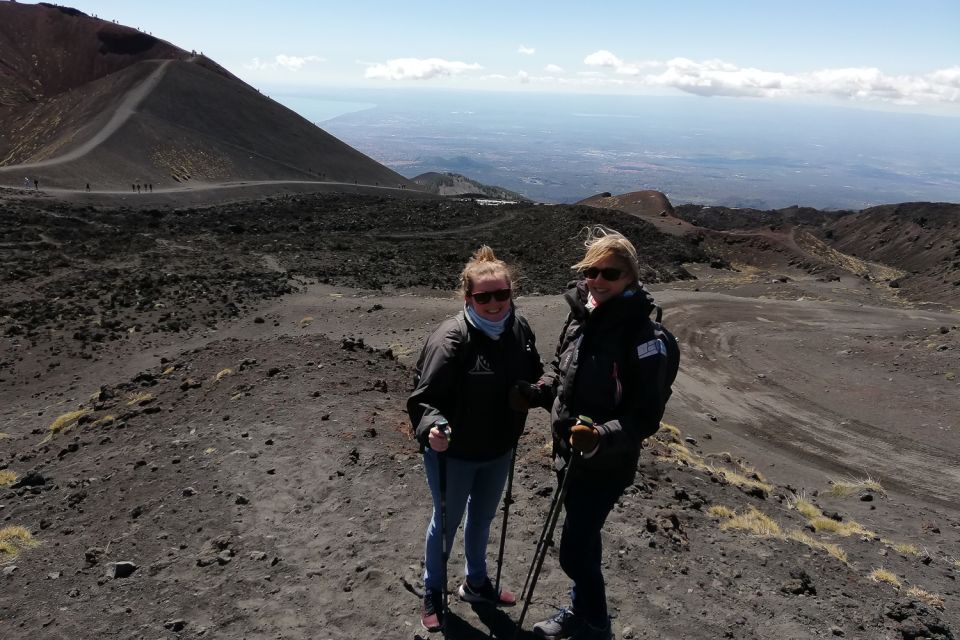
The trek runs roughly between 1,850 and 2,400 meters, and the route changes depending on weather—especially in winter, when snow can force changes.
The tour isn’t marketed as a beginner stroll. It’s not for people with low fitness, and it’s also not suitable for certain health situations like heart or respiratory issues or anyone who deals with altitude sickness.
If you’re reasonably active, this is typically the kind of hike where you might feel challenged in wind or on steeper sections, then feel great after. The included gear makes it easier, but altitude is still altitude.
The sensible strategy is pacing. The tour structure includes breaks and a guided pace, so you’re not stuck sprinting with the group. Still, bring realistic expectations: you should plan to earn your views.
Price and value: what $78.17 buys you on Etna
At about $78.17 per person, the deal only makes sense if you take what’s included seriously. Here’s what you’re paying for beyond the hike itself:
- pickup and drop-off (including Catania city center and Trecastagni)
- a naturalist guide who explains what you’re seeing
- equipment support (trekking poles, shoes, warm and rain layers)
- transport up to the active zones, plus the full-day pacing
Where the value shines is in the “full experience” feel. You get a longer trekking portion (the 3.5-hour Valle del Bove walk), plus other Etna areas and an optional cave. In other words, you’re not buying only a short photo stop.
If you’re comparing this to Etna days that are mostly vehicle time with short walking, this one tends to feel more like a real hike with real learning built in. That’s the sweet spot for good value: movement, context, and time on the ground.
Who should book this Mount Etna trek (and who should skip it)
This is ideal if you want more than a viewpoint. You care about walking on volcanic terrain, seeing different areas of Etna in one day, and having a guide explain the plants, animals, and volcano mechanics as you go.
It’s also a good fit if you prefer smaller-group energy. Some departures feel very small in practice, which helps with navigation and making sure you have what you need.
Skip it if you fall into any of the tour’s “not suitable” categories. That includes children under 10, pregnant women, people with heart problems, respiratory issues, altitude sickness, or mobility impairments. And if you’re not comfortable with a hike at higher altitude, this is not the day to test yourself.
Also note the minimum group requirement: the experience starts with 2 participants minimum. If you’re traveling solo, contact the provider before booking to confirm it will run.
Should you book this off-tourist-path Etna day?
I think you should book it if your dream Etna day is walking through lava country with a guide, not just peeking from the most convenient spot. The combination of Valle del Bove, off-road lava routes, and the Etna crater zone time gives you a fuller story than most one-stop options.
You should reconsider if you’re likely to struggle with altitude, cold, or uneven terrain. Cave plans also depend on safety conditions, so go into it expecting the cave might not happen.
If you’re ready for a real hike with real context, this is one of the more satisfying ways to experience Etna from Catania.
FAQ
Where does the tour start and end?
The tour meets for pickup outside McDonald’s and ends back at the same meeting point.
How long is the Mount Etna trekking experience?
The total duration is 7 hours.
What’s included in the price?
Included items are pickup and drop-off in Catania city center and Trecastagni, the Mount Etna hike, a naturalist guide, an extra warm jacket, a rain jacket, and trekking sticks and shoes.
Do you visit a lava cave?
A lava cave visit is part of the experience, but it can be canceled if there are high tremors and eruptions. If conditions aren’t safe, the cave visit isn’t possible even if an eruption has finished.
What altitude should I expect during the hike?
The trek takes place around 1,850 to 2,400 meters.
What should I bring, and what can’t I bring?
Bring comfortable shoes, a hat, sunscreen, a jacket, comfortable clothes, and socks. Avoid bringing luggage or large bags.