REVIEW · ROME
Rome: Under the Moonlight Evening Walking Tour
Book on GetYourGuide →Operated by Global Experiences · Bookable on GetYourGuide
Rome changes its mood after dark.
This walking tour lines up major sights in the late-evening light: the Pantheon, the Trevi Fountain, and the Colosseum when it starts glowing instead of shouting for attention. I like that the itinerary mixes famous landmarks with proper time in key squares, so you get atmosphere, not just snapshots.
My other favorite part is the guide-led flow through Rome’s most photogenic areas, from Piazza Navona to Piazza Venezia, ending with the Roman Forum area. The pace is short-stop enough to stay fun and focused, but still guided long enough to make the places click. One possible drawback: it’s still a lot of pavement in a couple of hours, and there’s no food or drink included.
In This Review
- Key points at a glance
- A late-evening route that helps you orient fast
- Piazza d’Aracoeli or Piazza di Pasquino: choosing your start
- Piazza Navona at night: where the tour finds its pace
- Pantheon and the Baroque detour: Sant’Ignazio di Loyola
- Galleria Sciarra: the quick stylish surprise
- Trevi Fountain: coin toss plus controlled photo time
- Piazza Venezia, Trajan’s Column, and the Roman Forum after dark
- Pace, comfort, and the practical walking reality
- Price and what $28 really buys you
- Who this tour is best for
- Should you book Rome: Under the Moonlight Evening Walking Tour?
- FAQ
- How long is the Rome Under the Moonlight Evening Walking Tour?
- What are the main landmarks you’ll see?
- Where do you meet, and where does the tour end?
- Is food or drink included?
- What languages is the guide available in?
- Can I cancel for a refund, and is pay-later available?
Key points at a glance
- Colosseum after sunset glow with a calmer feel than daytime
- Pantheon + piazza stops that help you understand Rome’s layout fast
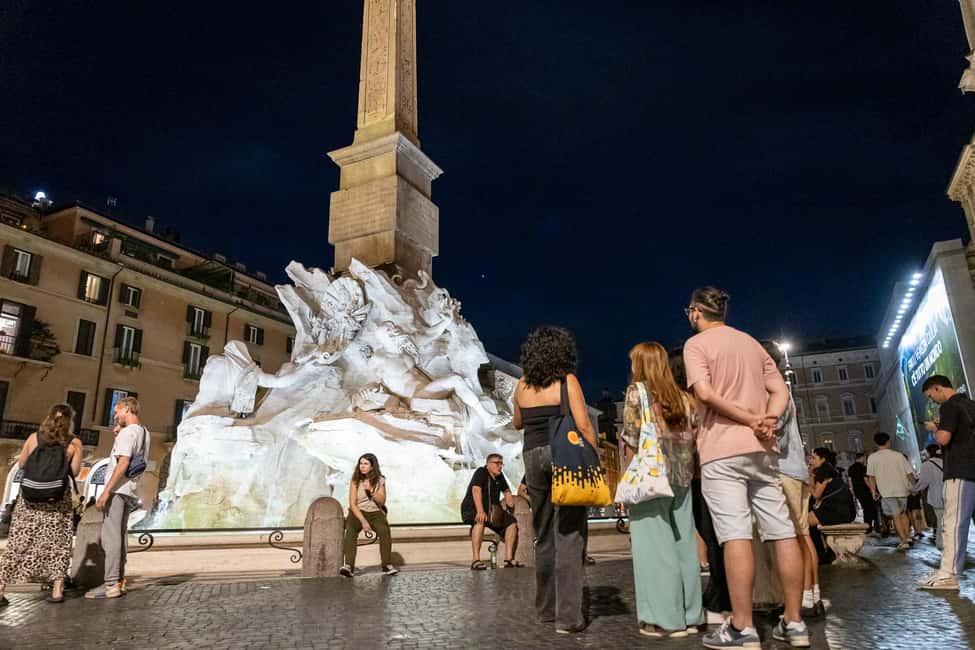
- Fontana dei Quattro Fiumi moment to slow down right at Piazza Navona
- Sant’Ignazio di Loyola and Galleria Sciarra for variety beyond the biggest names
- Trevi Fountain coin toss and evening photo light
- Guide quality shows up in the best versions led by people like Csenge, Dan, Sila, Sharon, and Vlad
A late-evening route that helps you orient fast
This is the kind of Rome tour that’s smart on Day 1. In just 2 to 2.5 hours, you’re covering a big chunk of the city’s “classic” center, plus the squares that connect them. If you’ve got limited time—or you want a first taste before you pick your next daytime attractions—this format does the job.
What makes the timing matter is simple: Rome looks different at twilight. The streets feel calmer, faces and facades pop under warm lighting, and you can actually hear the guide instead of competing with a crowd. The tour is also designed for walking through “between” moments, like the shift from open piazzas into narrower lanes, instead of only standing at the loudest photo points.
The tour also includes a mix of famous and slightly less expected stops. You don’t just hit the poster sights; you also get time in areas that help you picture where ancient Rome meets modern Rome—visually and story-wise.
You can also read our reviews of more tours and experiences in Rome.
Piazza d’Aracoeli or Piazza di Pasquino: choosing your start
The tour starts from one of two options: Piazza d’Aracoeli or Piazza di Pasquino (exact meeting point depends on the option you book). That matters because it changes how the opening minutes feel. If you’re coming from central sights, one start point may be easier to reach on foot or by taxi drop-off than the other.
Either way, you’ll meet your guide and group in the evening to begin the walk toward Piazza Navona. Expect a short guided opener there—then the tour jumps into landmark mode with the Pantheon and Trevi Fountain on the route.
Also note the finish details. The activity info says it ends back at the meeting point, but the itinerary lists drop-off areas around Piazza Navona and near Piazza del Colosseo as possible endpoints. Practically, you should be ready for the tour to end somewhere in that general center-of-Rome orbit, not necessarily at the exact same corner you started from.
Piazza Navona at night: where the tour finds its pace
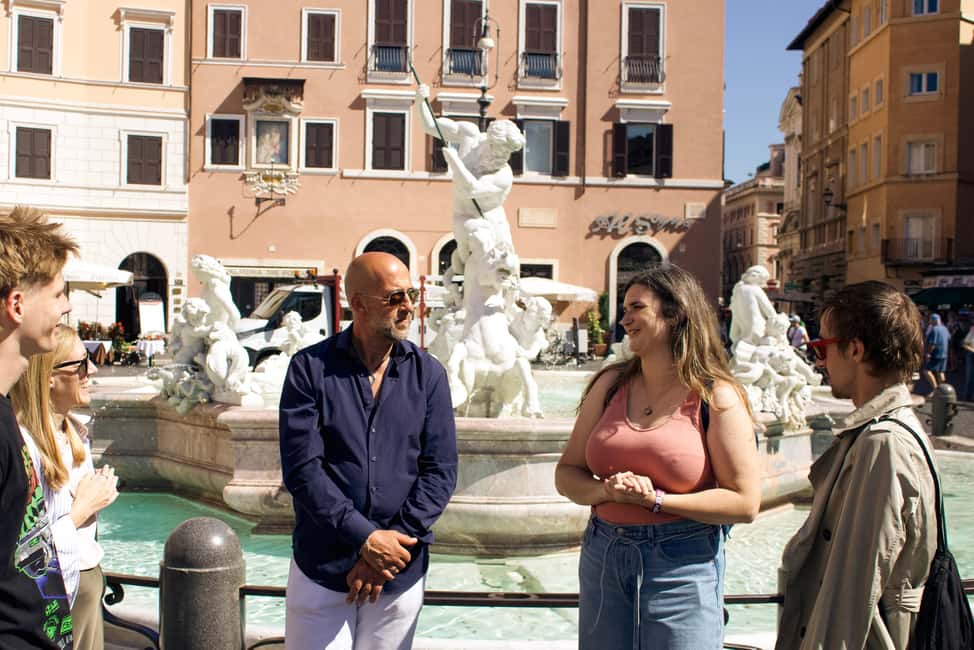
Piazza Navona is the opening mood-setter, and the tour builds that in. You’ll spend time in the square with a guided moment (about 20 minutes) focused on the space itself, including Fontana dei Quattro Fiumi in the middle. The water sound is a nice trick here: it turns a busy public square into something calmer, and it gives you an easy “anchor” spot to meet back up as the tour flows.
This is also where you feel why an evening walk works. Piazza Navona has energy in any light, but at night it’s more about rhythm than crowds. You get the sense of the square as a stage—where people stroll, look up, and linger—rather than a place you sprint through.
A drawback to keep in mind: it’s still a famous piazza. Even at night, you may share space with other groups. The guide’s job here is to keep the experience moving with purpose, so you’re not stuck waiting for the right view for minutes at a time.
Pantheon and the Baroque detour: Sant’Ignazio di Loyola
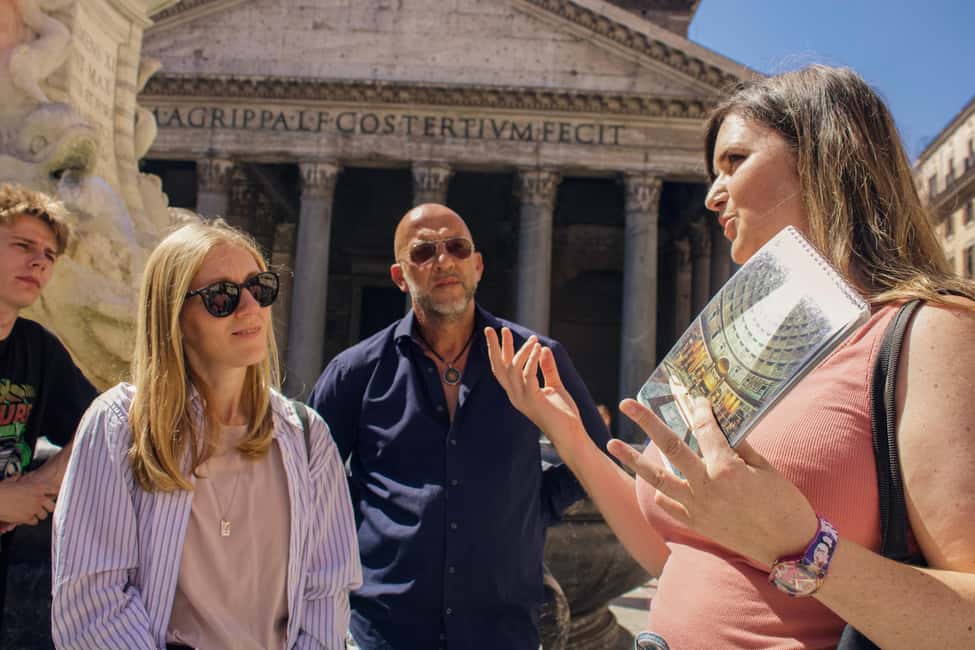
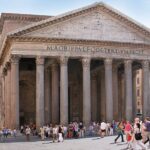
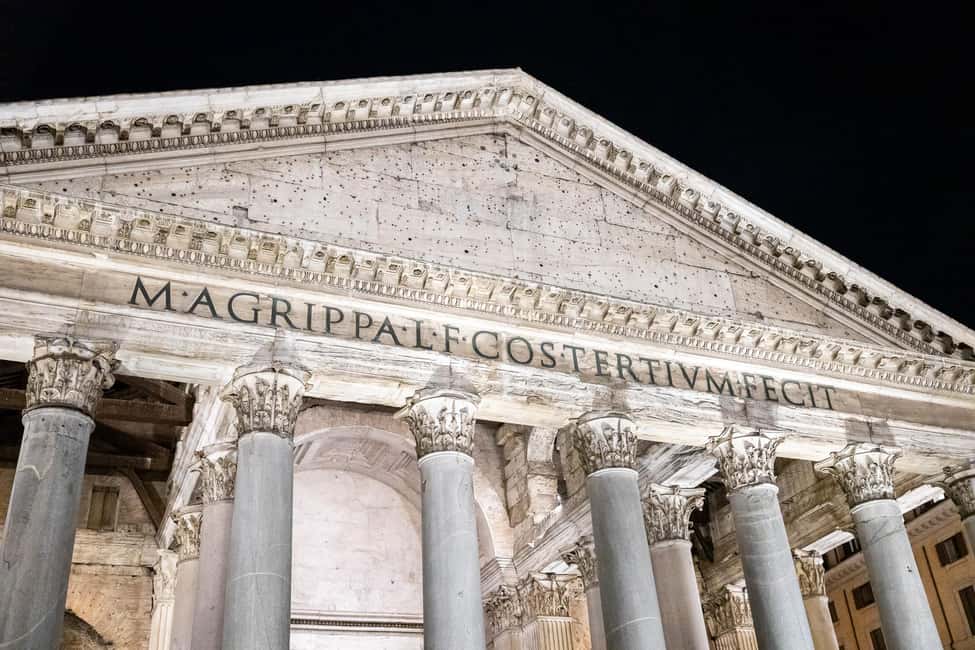
After Piazza Navona, the tour shifts to the Pantheon area. You’ll pass by the Pantheon with guided context (about 20 minutes). Even without being inside, the outside experience at night is striking because the building reads so clearly in low light—its scale and symmetry stand out without the daytime crush.
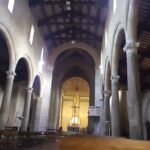
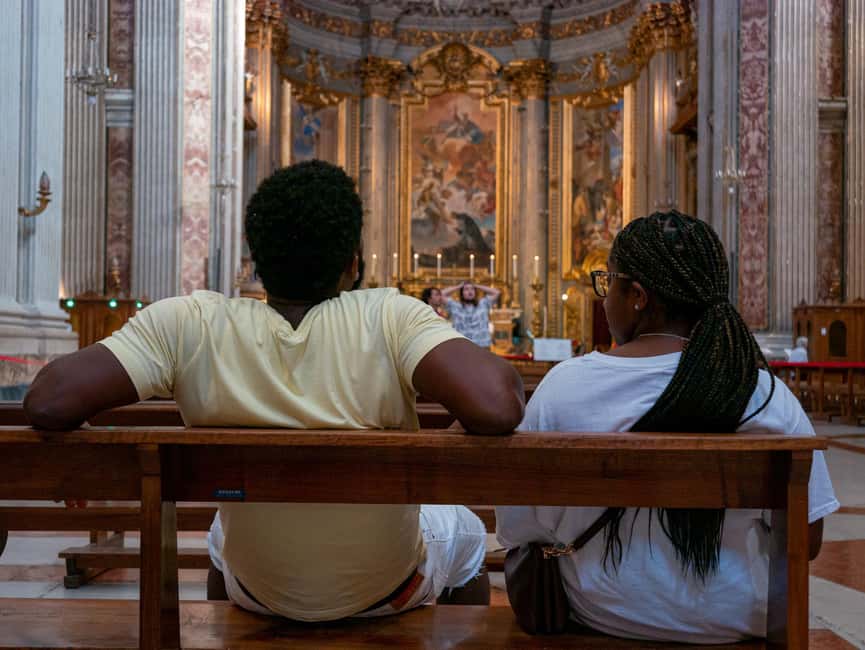
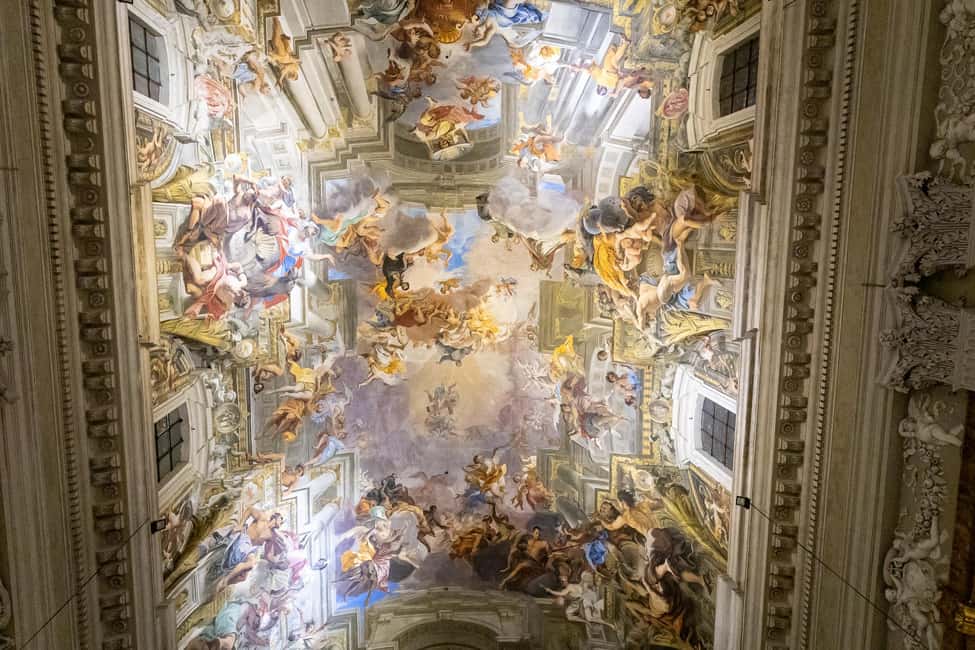
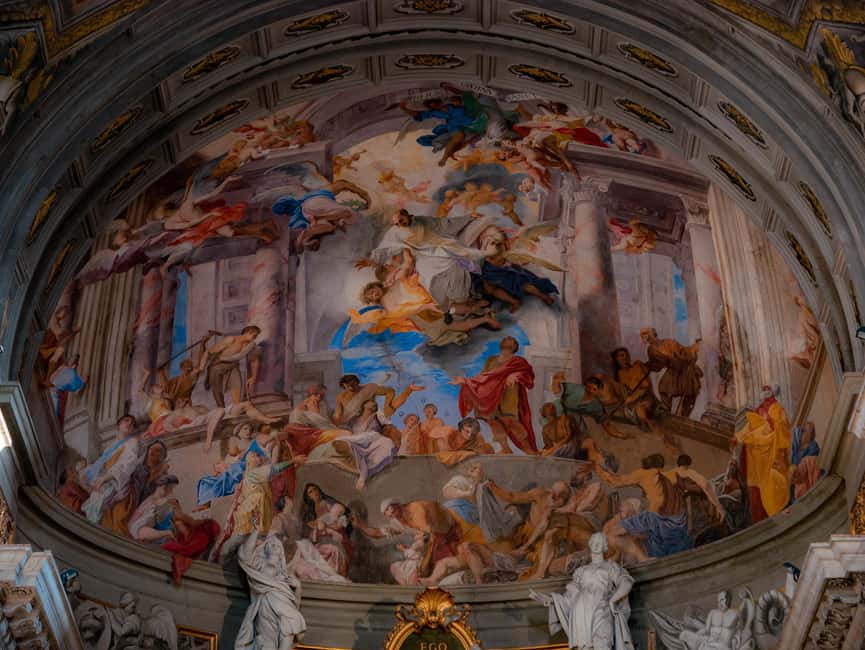
From there, you go to the Church of Sant’Ignazio di Loyola for a guided stop (about 30 minutes). This is a good kind of break in a landmarks-heavy walk. A church visit gives you a moment of pause—time to hear stories, look at details, and step away from the constant “big sight” comparison game.
The overall value of this segment is contrast. You get one of the most preserved ancient monuments nearby, then you shift to the later, theatrical Rome that grew around it. That back-and-forth is exactly what makes walking tours feel more educational than a checklist.
Galleria Sciarra: the quick stylish surprise
Next up is Galleria Sciarra for about 20 minutes. This is the kind of stop you’ll appreciate if you like small details and less-obvious architecture. One of the best comments you’ll hear about this part is that it feels like an Art Deco interlude inside central Rome.
Practically, it’s also a sanity break. You’re not only walking between squares; you’re stepping into a covered passage where the mood changes. Even if you don’t know what to look for at first, a good guide helps you notice the design cues that make the space memorable.
The trade-off is time. A tour like this doesn’t stop long enough for a deep museum-style visit. Think of Galleria Sciarra as a short “wow” moment that keeps the night from turning into only major monuments.

Trevi Fountain: coin toss plus controlled photo time
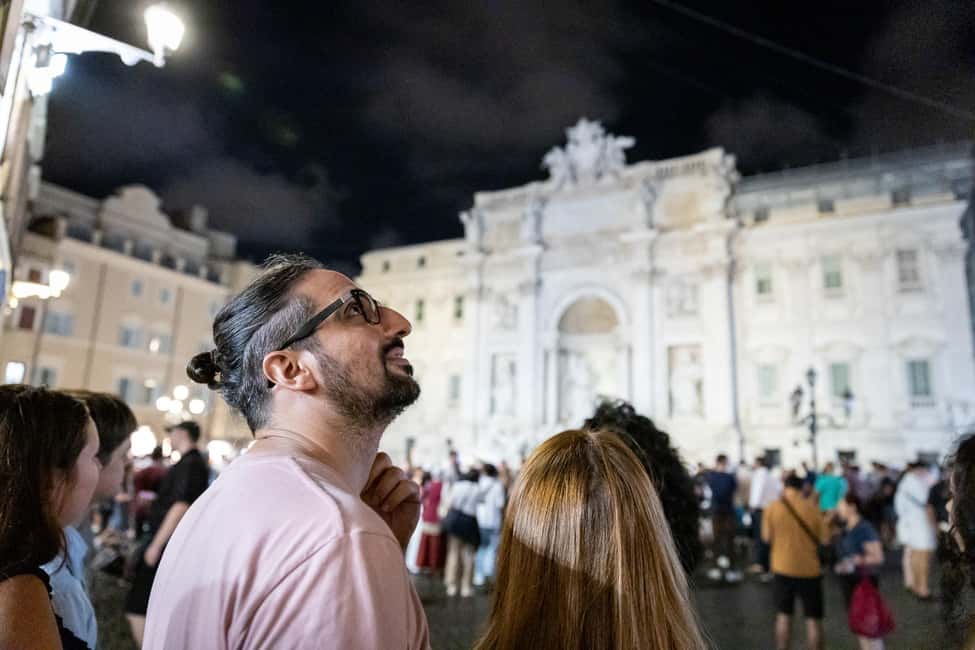
Trevi Fountain is the crowd magnet, but this tour handles it with a guided block of about 30 minutes. That’s enough time to see the fountain properly, listen to what makes it iconic, and still have breathing room for photos without rushing immediately.
You’ll get the classic coin-toss moment at the fountain—throw a coin and make a wish—and you’ll also have time for atmospheric shots when the lighting softens the edges of the stone. At night, the surrounding buildings reflect a warmer tone, and the whole place feels more cinematic than it does under a midday sun.
One consideration: Trevi can get packed at any hour. Even if the evening helps, go in expecting some shoulder-to-shoulder moments around the water. The best way to enjoy this stop is to treat it like a set visit: watch first, then photograph, then let the guide move you on before you burn up your precious time.
Piazza Venezia, Trajan’s Column, and the Roman Forum after dark
As the tour heads toward Piazza Venezia, you’re moving into the “you’re near ancient Rome” zone. Piazza Venezia gets about 20 minutes guided, which is a sensible allotment because it’s not just a square—it’s a launchpad for understanding the surrounding monument cluster.
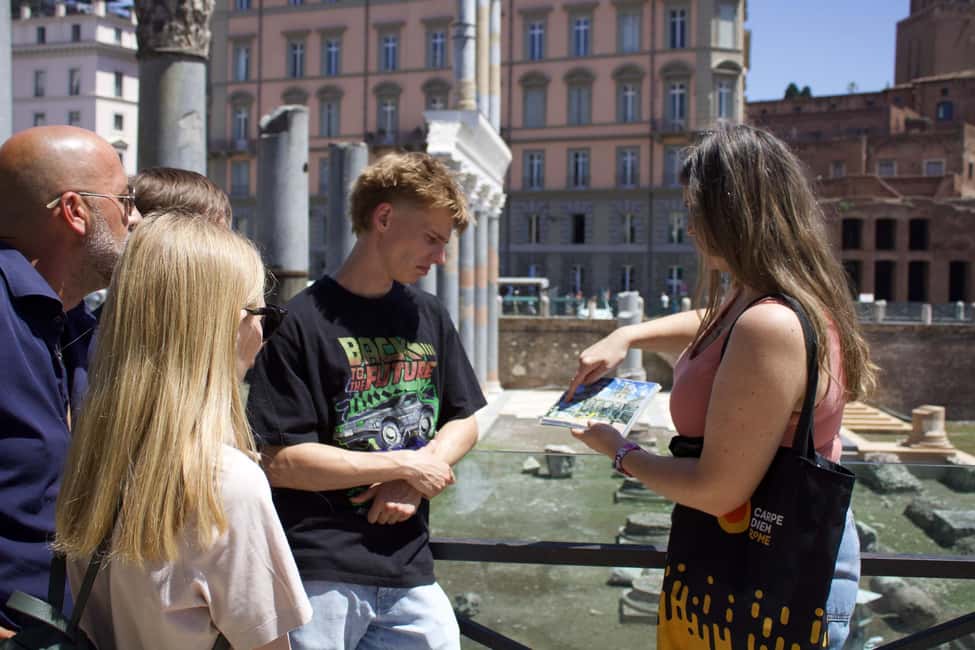
From there, Trajan’s Column gets about 20 minutes. This is a great stop for a walking-tour format because it’s visual. You can look, process what you’re seeing, and then connect it to the stories the guide shares.
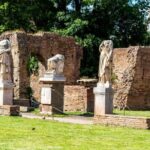
Then comes the Roman Forum area with about 20 minutes guided. This is where the night-time experience becomes more than pretty pictures. The guide-led explanation helps you read the space like a timeline—what stood where, what power looked like, and why so much of Rome’s center is built for long sight lines.
The Colosseum moment is built into the route too. You’ll walk toward it after passing the Imperial fora area, then admire the Colosseum glowing at night. If you’ve only ever seen it during the day, this is the real difference: less glare, more romance, and a stronger sense of scale when it’s lit instead of sun-bathed.
Pace, comfort, and the practical walking reality
Even though the tour is short, it’s still a walking evening. Reviews and the itinerary point to a route that keeps moving and ends with you still on your feet, including a finale that can feel more athletic than you expect.
Here’s what you should plan for:
- Comfortable shoes are non-negotiable.
- Wear comfortable clothes and expect evening streets and small uneven surfaces.
- Bring your best stamina for the last stretch, especially if you’re not used to uneven old-city sidewalks.
One advantage is that the pace is built around frequent guided stops (so you’re not stuck walking for long stretches with nothing to do). Another advantage is that the evening timing often means fewer crowds than daytime, so you can move with less stop-and-go friction.
If you’re traveling with kids, mobility limitations, or anyone who tires quickly, consider whether a walking-forward route will suit your group. The sights are worth it, but comfort still matters more than the postcard.
Price and what $28 really buys you
At $28 per person for about 2 to 2.5 hours, this tour is value-focused. You’re paying for a trained local guide, a route that links major landmarks efficiently, and guidance that helps you understand what you’re seeing. You’re also paying for time saved. Rome is amazing, but without context, it’s easy to look at stone and feel like you missed the story.
What’s included is straightforward:
- Local guide and city walking tour
- Time at multiple landmark and atmosphere stops
- Tips and recommendations (practical ideas for what to do next)
- Hidden gems in the sense of lesser-noticed stops along the way
What’s not included:
- Food and drink
That last point is important. If you do this early evening, you might need a snack or plan a meal after. Rome evenings are about pacing your energy, not just pacing your feet.
The best “value” signal for a tour like this is guide quality and pace. When the guide keeps the group engaged, the stops feel purposeful instead of rushed. Names like Mary, Vladimir, Csenge, Dan, Domenica, Alina, and Sila show up in praise for leading styles that mix clear storytelling with humor and good group management.
Who this tour is best for
This is a strong fit if you:
- Want a first-night orientation to Rome’s historic center
- Prefer walking with short, guided stops instead of long museum time
- Like your history explained while you’re looking at it, not after the fact
- Want iconic sights like the Pantheon, Trevi Fountain, and Colosseum with better lighting and less chaotic daytime energy
If you’re the type who hates crowds no matter what hour it is, keep expectations realistic. Trevi and Piazza Navona can be busy anytime. The evening helps, but it doesn’t erase Rome’s popularity.
If you’re a solo traveler, this kind of group structure can also be comforting. You get an easy route, a plan for the evening, and someone to answer questions while you stroll.
Should you book Rome: Under the Moonlight Evening Walking Tour?
I’d book this if you want a guided evening that gives you both wow-factor landmarks and a sensible sense of how central Rome connects. The mix of major sights (Pantheon, Trevi, Colosseum, Roman Forum) with stops like Sant’Ignazio di Loyola and Galleria Sciarra makes the night feel varied, not repetitive.
I’d think twice if:
- You have limited walking tolerance
- You need food included in the experience
- You want a mostly quiet, low-people itinerary (Trevi and Navona can still bring crowds)
If you’re flexible and wear good shoes, this tour is an efficient way to see Rome under moonlit lighting and leave with a clearer map of what you want to explore next.
FAQ
How long is the Rome Under the Moonlight Evening Walking Tour?
It lasts about 2 to 2.5 hours, depending on the starting time you book.
What are the main landmarks you’ll see?
You’ll pass by or visit stops that include Piazza Navona, the Pantheon, Sant’Ignazio di Loyola, Galleria Sciarra, Trevi Fountain, Piazza Venezia, Trajan’s Column, and the Roman Forum, with the Colosseum illuminated on the route.
Where do you meet, and where does the tour end?
You’ll meet at a starting point that varies by option, either Piazza d’Aracoeli or Piazza di Pasquino. The activity notes it ends back at the meeting point, and the itinerary also lists drop-off areas around Piazza Navona and Piazza del Colosseo.
Is food or drink included?
No. Food and drink are not included.
What languages is the guide available in?
The tour guide is available in English and Spanish.
Can I cancel for a refund, and is pay-later available?
Yes. Free cancellation is available up to 24 hours in advance for a full refund. You can also reserve now and pay later.