REVIEW · MOUNT ETNA
Etna Volcano: South Side Guided Summit Hike
Book on GetYourGuide →Operated by Ashàra Etna & Stromboli Guides · Bookable on GetYourGuide
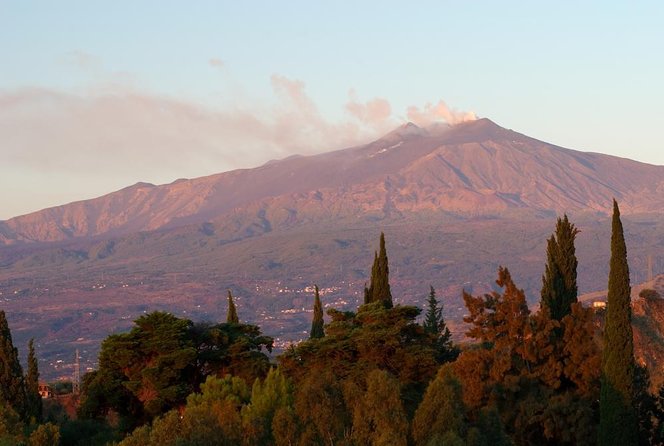
Etna’s summit feels strangely close. On this guided Etna South summit hike, I love the big-sky views from the crater rim and the fact that the cable car lifts you to 2,500 meters fast, so your energy goes into the walking. One catch to plan for: the cable car ticket costs extra (and you may lose access to the highest crater areas if Etna is active that day).
What makes it worth your time is the guide focus on real volcano stuff, not just sightseeing. You’ll get boots, a rock helmet, and walking sticks, and the hike stays paced for uneven, sandy ground at altitude. The possible drawback is physical: it’s a medium-high difficulty trek, and it can feel cold and windy up high even outside winter.
In This Review
- Quick hits to plan your day
- Where you start: Rifugio Sapienza and Ashàra’s meeting point
- Cable car up to 2,500m: fast altitude, better views
- Hike to the crater rim: sandy ground and controlled pacing
- Central Crater rim: where the geology turns into a story
- Valle del Bove and lava terrain: the lunar walk part of Etna
- The descent rhythm: one more cable car to close the loop
- What to wear and bring: cold altitude plus strict rules
- Difficulty and fit: who should take this, and who should skip it
- Price and value: what €67.97 really buys you
- Safety on an active volcano: what changes day to day
- Should you book the Etna South guided summit hike?
- FAQ
- How long is the Etna Volcano South Side Guided Summit Hike?
- Is the cable car included in the price?
- Where do I meet the guide?
- What languages are the guides available in?
- What hiking gear is included?
- What should I bring with me?
- What kind of hikers is this for?
- What if the summit craters are closed due to volcanic activity?
- Who should not take this tour?
- Are shorts allowed?
Quick hits to plan your day
- Cable car to 2,500m saves your legs for the crater hike (but tickets are extra)
- Central Crater rim photo stops with views toward the Northeast and Southeast craters
- Lava channels and Valle del Bove bring you to the lunar-like, otherworldly part of Etna
- Provided safety gear includes rock helmet, hiking boots, and walking sticks
- Expect itinerary changes if volcanic conditions close crater access that day
- Bring layers and a face cover: altitude wind and cold are real, even in shoulder seasons
Where you start: Rifugio Sapienza and Ashàra’s meeting point
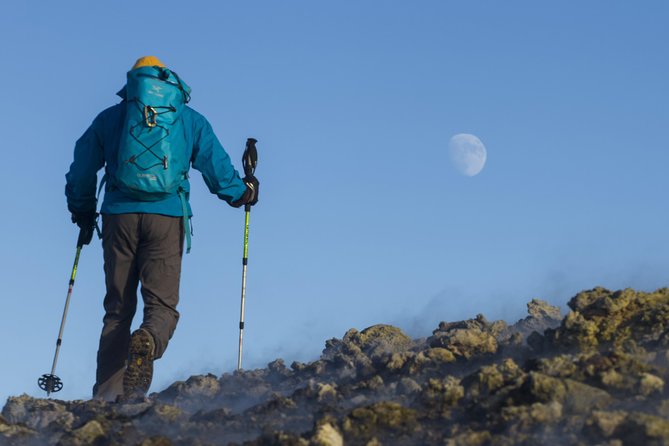
This hike begins at the Ashàra info point located at Rifugio Sapienza (Etna South), close to the Terrazza dell’Etna restaurant. That matters because you’re not just catching a bus and walking into the mountains—you’re joining a very structured day on active terrain.
At the start, you’ll be fitted with what you need, including hiking boots and a rock helmet, and you’ll get your walking sticks if you want them. If your group is a bit larger, you might spend time getting outfitted before you head for the gondola—one group reported about 25 people and a slow start while everyone was geared up. I suggest you arrive on time and don’t wait until the last second to find the meeting spot.
You can also read our reviews of more tours and experiences in Mount Etna.
Cable car up to 2,500m: fast altitude, better views
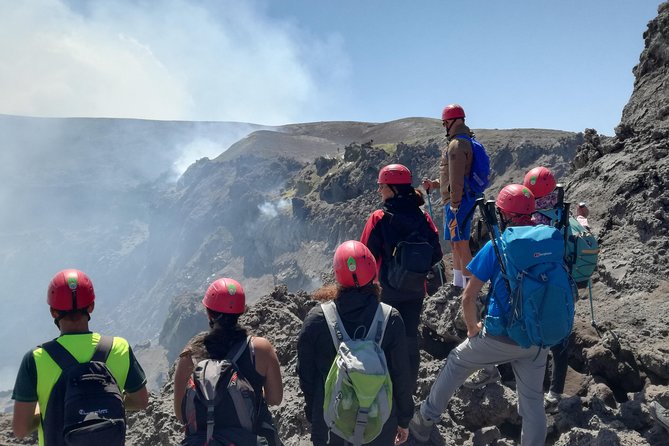
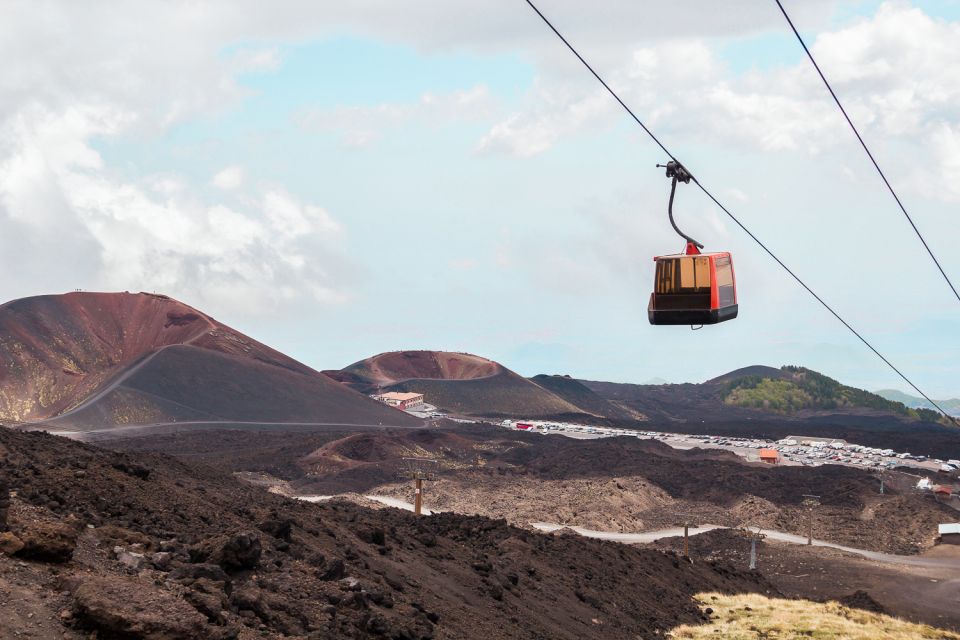
A big part of why this tour feels like a summit day (without being a full-on all-day climb) is the cable car ride to about 2,500 meters. The ride is short—about 25 minutes—and it’s the altitude jump that sets the tone: suddenly you’re above the clouds of ordinary life and into Etna’s high, raw world.
Here’s the practical bit: the cable car ticket is not included. It’s listed as €52 per person, paid on the spot, cash only. If that’s not your usual style of travel, plan for it. I’d bring cash specifically for this. Food choices can also matter because you’re told to bring your own food and water, and there are practical points to eat and refill before you start climbing.
Hike to the crater rim: sandy ground and controlled pacing
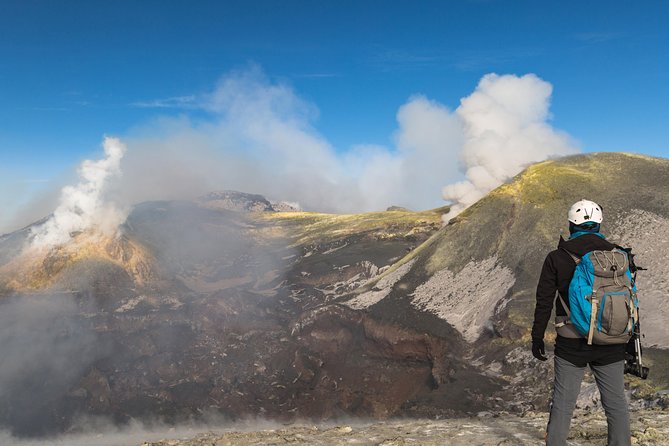
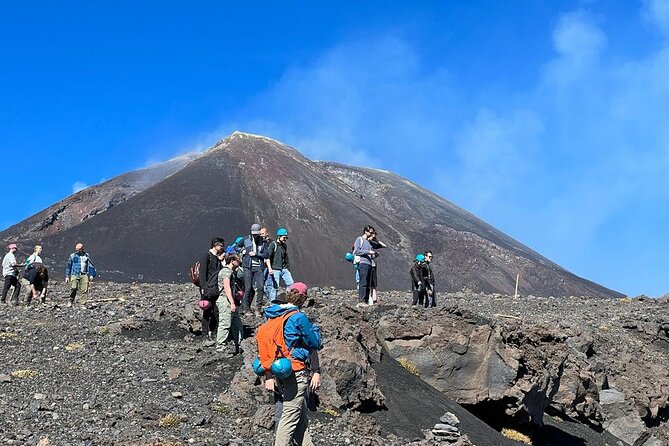
Once you leave the gondola area, you’ll begin walking on uneven, sandy terrain. The hike out to the first viewpoint segment is timed at about 40 minutes. This is where the guide’s job really shows: you’re walking on ground that can feel slippery or loose, and your pace needs to be steady so altitude doesn’t knock you sideways.
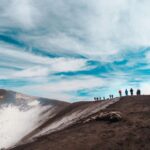
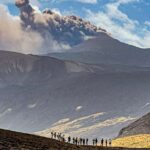
After that, the route moves into the Cratere Centrale dell’Etna area for about 1.5 hours of scenic walking and viewpoints on the way. This is not a single dramatic stair climb. It’s more of a steady trek across volcanic surfaces where you’ll stop, look, and listen. The guide explains what you’re seeing—gas emissions, ground changes, and why the summit can look so strange and bright.
Central Crater rim: where the geology turns into a story
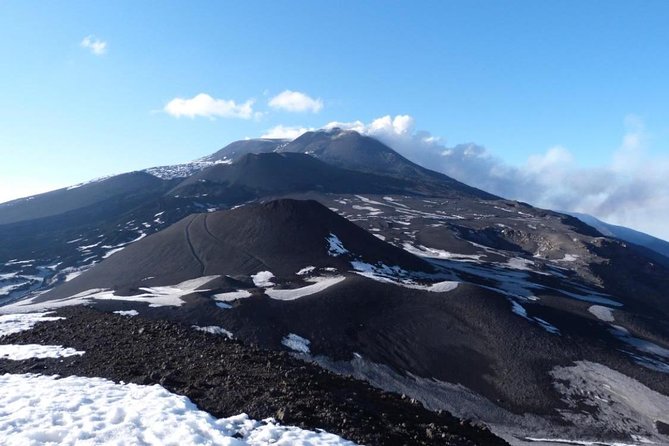
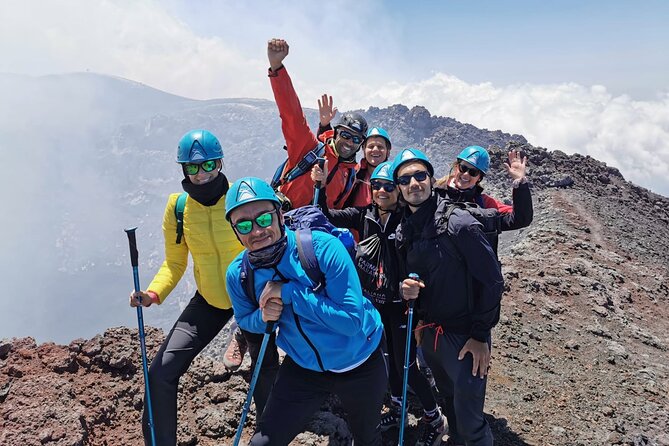
The heart of the day is the rim walk near the Cratere Centrale dell’Etna, with a guided tour and a photo-heavy break. Plan for roughly 1 hour at the summit area (time includes a break, guided explanation, and photos).
From the rim, you’re meant to take in the scale of Etna from above, and also to connect different parts of the volcano system. The tour is designed to let you look toward the Northeast Crater and the Southeast Crater, including the Southeast crater’s link to more recent impressive eruptions.
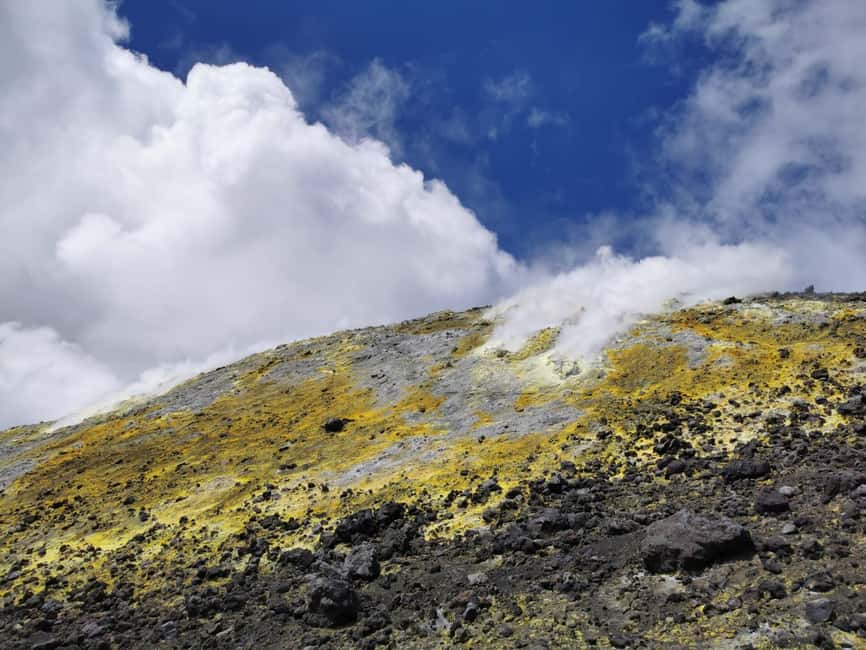
What I liked most here is how the guide turns the view into something you can understand. You’re looking at an active system, so you’re not just reading about volcanoes later—you’re seeing volcanic features like gas emissions and volcanic bombs. You may also notice the “sparkling” quality of the ground caused by sublimation of elements, with sulfur called out as a major reason the surfaces can look oddly bright and textured.
Valle del Bove and lava terrain: the lunar walk part of Etna
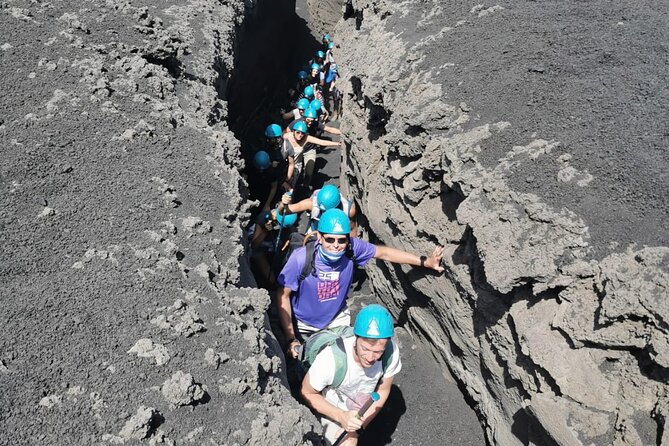
After the summit rim experience, you’ll head toward Valle del Bove (about 1 hour hiking). This is the part where Etna starts to look like an alien film set. The ground can feel less like a normal mountain trail and more like you’re moving across old volcanic leftovers—lava fields, channels, and open views with a big horizon.
The description also includes passing through a lava channel and crossing lava flow channels during the later portion of the walk, along with a visit to the Barbagallo craters on the way down. That combination—crater viewpoints up high, then channel crossings and broader volcanic terrain—gives the day variety, not just one stop and done.
If you’re lucky with weather and access, this segment is the one you’ll remember most later when you try to describe it. It’s the feeling of walking on ground that used to be liquid rock.
The descent rhythm: one more cable car to close the loop
The descent isn’t a race. The route brings you back toward the cable car again, with stops timed so you can keep taking in Etna’s changing surfaces as you go down. Then you board the cable car for the return trip (about 25 minutes) to finish back at the starting meeting area.
This “up, walk, look, then come back down by cable car” format is a smart compromise. Etna’s high-altitude walking is the real work here, and the gondola keeps the day from becoming an exhausting marathon.
What to wear and bring: cold altitude plus strict rules
This hike has a clear set of what to bring and what not to wear. Even if you think you’re prepared for summer in Sicily, bring more than you think you need for altitude.
What you should bring
- Sunglasses and sunscreen
- Sun hat
- Water and snacks (food and drinks are expected from you)
- A jacket and a T-shirt you can layer
- Long pants and socks
- A daypack (10–20L is suggested)
What you should not wear
- Shorts
- Sleeveless shirts
- Big luggage or large bags
- Pets (not allowed)
Even with the provided gear, you’re not just walking on a hot beach hill. One reviewer tip stuck with me: bring layers and expect cold, plus a face cover if you want extra protection from sun, wind, and grit. Another practical suggestion that can make a difference is using trekking poles—especially if you get wind pushing into you on sand-like surfaces.
And yes, you’ll get boots, a rock helmet, and walking sticks. Some groups also reported jacket rentals being available through the operator when the wind cut harder than expected, but you shouldn’t count on that as your only plan.
Difficulty and fit: who should take this, and who should skip it
This is aimed at moderately trained hikers who are comfortable walking on sandy or uneven terrain. The difficulty level is listed as medium-high. Altitude adds to the effort, and the walking surfaces can be demanding even when you’re moving at a steady pace.
This tour is not suitable for:
- Children under 9
- Pregnant women
- People with back problems
- People with heart problems
- Wheelchair users
- People with vertigo
- People with respiratory issues
- People with high blood pressure
If any of those apply to you, it’s best to choose another Etna experience that matches your comfort level. Active volcano walking isn’t the moment to test your limits.
Price and value: what €67.97 really buys you
The listed price is $67.97 per person, and the value is in the package around the hike. That price includes:
- The hiking tour
- A volcano or alpine multilingual guide
- Hiking boots
- Rock helmet
- Walking sticks
- Accident insurance
Then there’s the separate cost: cable car tickets (€52 per person, cash only).
So you’re really paying for two things: guided access to active volcanic terrain plus the safety and comfort setup that lets you walk that terrain without hunting for gear in a hurry. When I look at value for a tour like this, I want to know whether the guide time is doing more than pointing. In this case, guide-led geology is a core part of the experience, with real explanations tied to what you see at the crater rim and on the volcanic surfaces.
Also, there’s an upside to paying for a guide on Etna: when summit access changes, you’re not stuck wondering what to do. The guide can adjust the plan and still keep the day meaningful within safety rules.
Safety on an active volcano: what changes day to day
Etna is active, and that means you should expect some flexibility. The tour notes that itinerary changes can happen based on weather, environmental factors, and possible volcanic risks. If summit craters are forbidden due to strong volcanic activity, the plan may be altered and you’ll continue up to the maximum altitude allowed that day.
From the experience reports, the guides take this seriously and keep the group safe while still offering strong views and interesting stops. Guides like Nello, Antonio, Massimo, Marco, Giovanni, and Max were repeatedly praised for professionalism and for keeping pacing smart for different fitness levels. The most important takeaway for you: safety comes first, and that can mean you don’t always get the same exact access to crater areas.
One more practical note: while the main cable car ticket is a known add-on, some groups reported additional safety-related costs in certain situations. That isn’t the baseline in the provided details, but it’s a good mindset to carry. Bring some buffer cash if your budget can handle it.
Should you book the Etna South guided summit hike?
Book it if you want a guided, safety-focused way to get high on Etna and walk on real volcanic terrain, not just watch from a distance. I’d especially recommend it if you like your travel with explanations—this is set up to turn views into an active lesson on craters, eruptions, gases, and why the ground looks the way it does.
Skip it (or look for another format) if your health limits you on uneven terrain or altitude, or if you hate uncertainty. Because Etna can restrict access, you might not reach the exact highest crater points every day. But even with those limits, the plan is built to show you the working face of an active volcano—rim views, lava channels, and Valle del Bove terrain—so the day still delivers.
FAQ
How long is the Etna Volcano South Side Guided Summit Hike?
The total duration is listed as 6 hours.
Is the cable car included in the price?
No. The cable car tickets are listed as €52 per person, paid on the spot in cash only.
Where do I meet the guide?
Meet at Ashàra’s info point at Rifugio Sapienza (Etna South) near the Terrazza dell’Etna restaurant.
What languages are the guides available in?
The live guide is listed as available in French, English, and Italian.
What hiking gear is included?
Included gear is hiking boots, a rock helmet, and walking sticks.
What should I bring with me?
Bring sunglasses, sun hat, sunscreen, water, snacks, and food/drinks, plus a jacket, T-shirt, long pants, socks, and a daypack (10–20L is suggested).
What kind of hikers is this for?
It’s aimed at hikers who are comfortable on sandy or uneven terrain with a medium-high difficulty level.
What if the summit craters are closed due to volcanic activity?
If summit craters are forbidden because of activity, the tour will change and continue up to the maximum altitude allowed that day.
Who should not take this tour?
It’s listed as not suitable for children under 9, pregnant women, people with back problems, heart problems, vertigo, respiratory issues, high blood pressure, wheelchair users, and people who need an accessibility-friendly route. Pets are also not allowed.
Are shorts allowed?
No. Shorts are not allowed, and sleeveless shirts are also not allowed.