REVIEW · CATANIA
Catania: Noto, Modica and Ragusa Ibla Baroque Tour
Book on GetYourGuide →Operated by Lemontour Catania · Bookable on GetYourGuide
Sicily’s Baroque shows up in full 3-city force. This late-Baroque UNESCO area was rebuilt after the 1693 earthquake, and you get to see the drama up close—especially in Noto’s stonework and Ragusa Ibla’s alley life. I really like how the tour breaks the day into focused guided blocks, and I also love the Modica chocolate tasting angle. One thing to consider: it’s a packed 8 hours, and the van ride plus short stop times means you’ll be moving all day.
My favorite moments tend to be the architectural details: ghostly masks, carved stone flourishes, and facades that look sculpted rather than simply built. In past days, guides such as Dan, Andrea, Lorenzo, Giuseppe, and Silvia have been singled out for clear explanations and attentive pacing, so you’re not just dropped in front of buildings. The main trade-off is comfort—one write-up called out a vehicle that lacked air-conditioning and felt bumpy, so plan for a warmer, louder ride if you’re sensitive to that.
If you want your Sicily day to feel like a walk-through of the Val di Noto style—big, theatrical, and oddly captivating—this tour fits well. Just go in with good walking shoes and realistic expectations for how much you can absorb in 8 hours.
In This Review
- Key Highlights You’ll Notice Fast
- Late Baroque Sicily and the 1693 Earthquake: Why These Towns Look Like This
- Catania Pickup to the Van Ride: Timing, Comfort, and How to Prepare
- Province of Ragusa First Stop: Where the Day Gets Context
- Noto: The Capital of Sicilian Baroque and the Garden of Stone
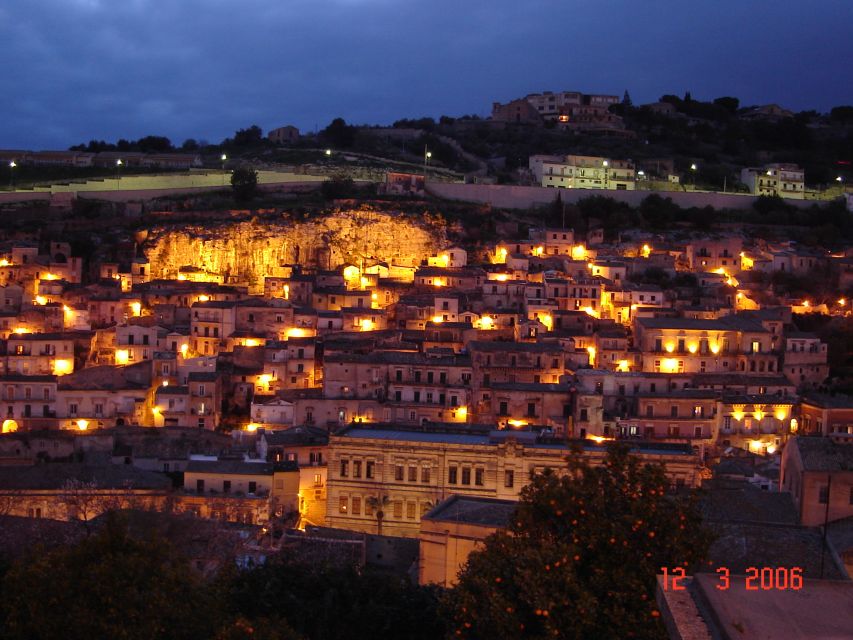
- Modica: Chocolate Tasting Meets Ancient-City Streets
- Ragusa Ibla: Alleys, Opulent Buildings, and Iblei Gardens
- The Guides Matter: Why Andrea, Dan, Lorenzo, Giuseppe, and Silvia Get Mentioned
- Value for $101.50: What You Get in One Long Sicilian Day
- Practical Tips That Make This Tour Easier
- Should You Book This Baroque Day Trip?
- FAQ
- What towns does this tour visit?
- How long is the tour from start to finish?
- What’s included in the price?
- Where does pickup happen?
- What languages are available for the guide?
- Is Modica chocolate part of the experience?
- Can I cancel for free?
Key Highlights You’ll Notice Fast
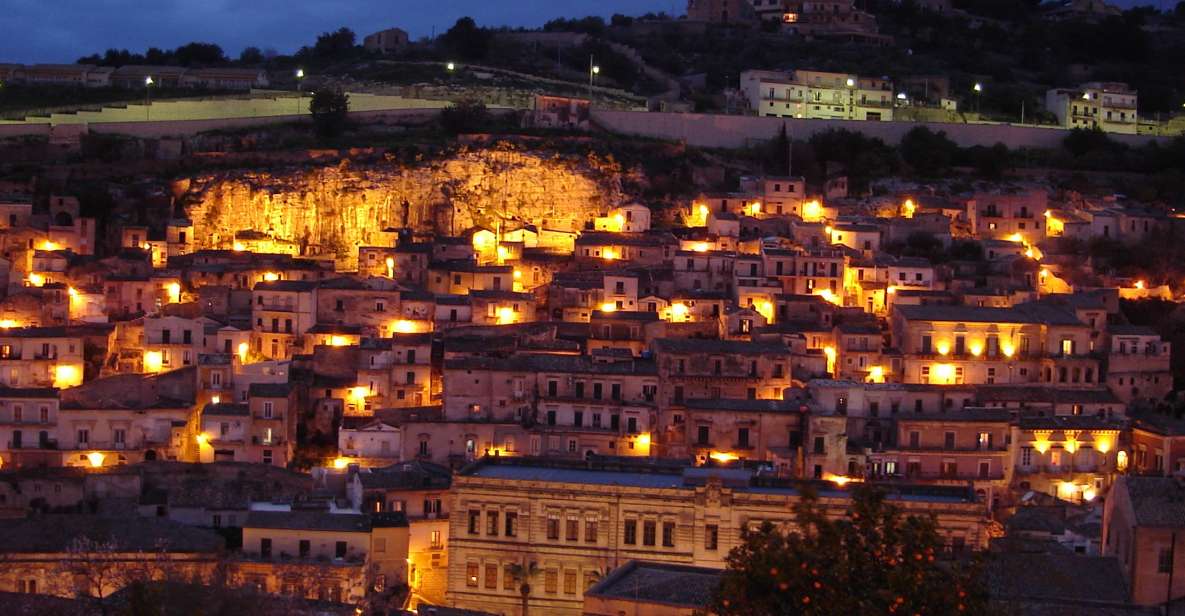
- Noto’s Garden of Stone makes the whole Baroque idea feel tangible, not textbook.
- Modica chocolate tasting is baked into the day, so it’s not all stone and statues.
- Ragusa Ibla’s alleys and Iblei gardens slow you down the right amount for photos.
- You’ll get guided time in each town, with multilingual support (English, French, Italian, Spanish).
- The day is built around late Baroque rebuilding after the 1693 earthquake, which explains the style.
Late Baroque Sicily and the 1693 Earthquake: Why These Towns Look Like This
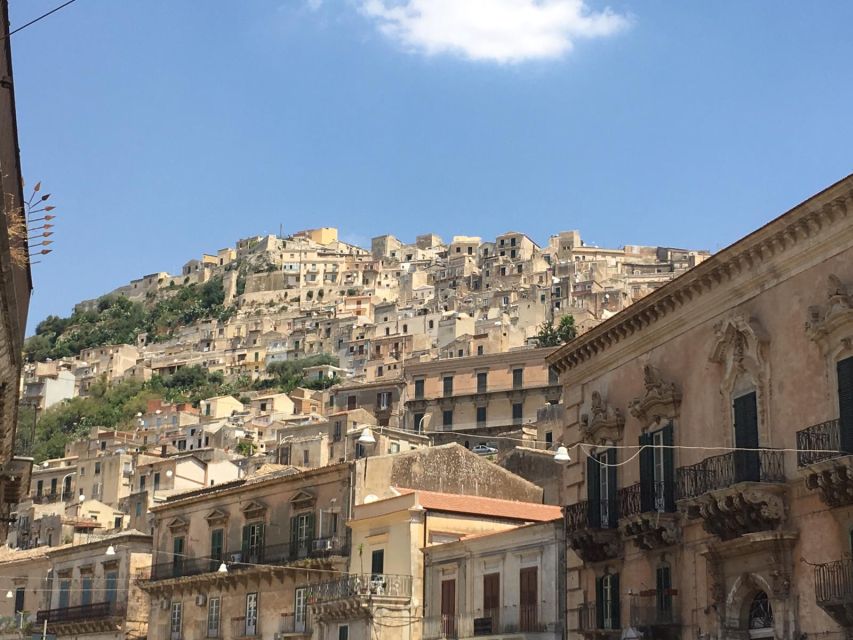
The late Baroque of southeastern Sicily isn’t just pretty decoration. It’s a response to disaster—after the devastating 1693 earthquake, towns in the Val di Noto region were rebuilt using this style of dramatic stonework, curves, and theatrical details.
That matters because you’ll look at the buildings differently when you understand the why. The carvings, the sculpted doorways, the expressive columns and balconies, even the eerie-looking masks—everything reads like a city insisting on life after collapse. One guide-style approach that tends to land well is connecting each facade to its historical reason for existing.
This is also where UNESCO World Heritage comes in. The Baroque towns here weren’t random construction waves; they’re part of a recognizable rebuilding story across multiple cities, close enough to visit in one day.
You can also read our reviews of more tours and experiences in Catania.

Catania Pickup to the Van Ride: Timing, Comfort, and How to Prepare
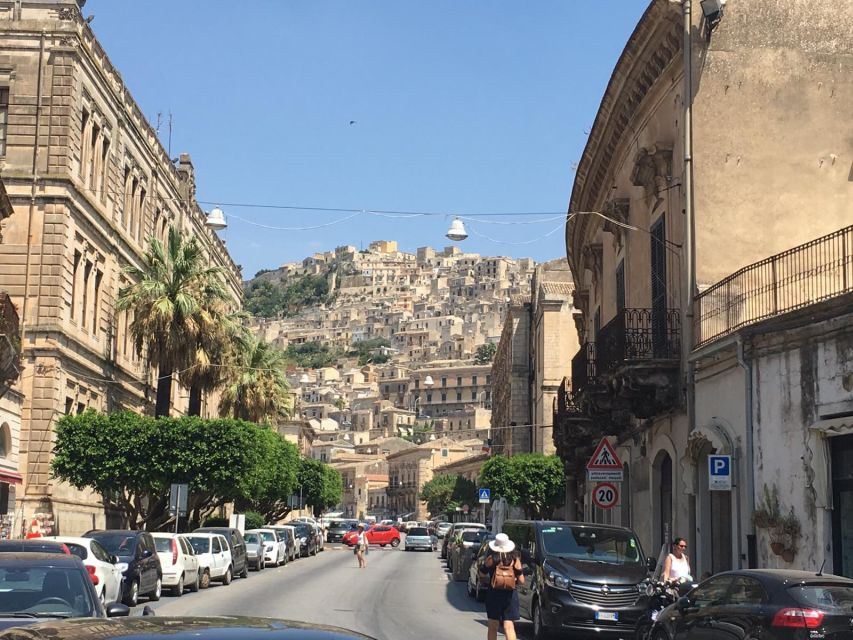
Your day starts with pickup in Catania—usually around 9:00 to 9:15 AM—from your accommodation in Catania city and the nearby area. If you’re not in Catania, you can ask for a transfer service, but that isn’t included in the tour price.
Then comes the long part of the day: driving. You’ll spend about 105 minutes heading toward the Ragusa area, then more driving between towns (about 30, 45, and 75 minutes). This is exactly why the pacing works—there are guided blocks when you arrive, and you’re not stuck in the car without context.
Comfort is the only potential snag. One note called out a van that wasn’t air-conditioned and had a rougher ride. If you hate heat, plan for it. If you hate road noise, keep your expectations realistic and be ready to hear the guide mostly during stops rather than while cruising with windows open.
Practical move: wear shoes you’d happily walk in for 45–90 minutes at a time. Baroque towns are beautiful, but they’re also made for feet, not wheels.
Province of Ragusa First Stop: Where the Day Gets Context
After the drive, you’ll have a guided introduction in the Ragusa province area (about 1.5 hours). This first guided block helps you get your bearings before the day turns into a visual overload of facades and stone details.
Think of this stop as your warm-up. It sets the stage for what you’re about to see in Noto, Modica, and Ragusa Ibla—especially the way Baroque here mixes religious symbolism, local craft traditions, and the rebuilding-era desire to make a bold statement.
From a value standpoint, this is smart use of time. By the time you reach the headline towns, you’re not just sightseeing; you’re learning what to look for.
Noto: The Capital of Sicilian Baroque and the Garden of Stone
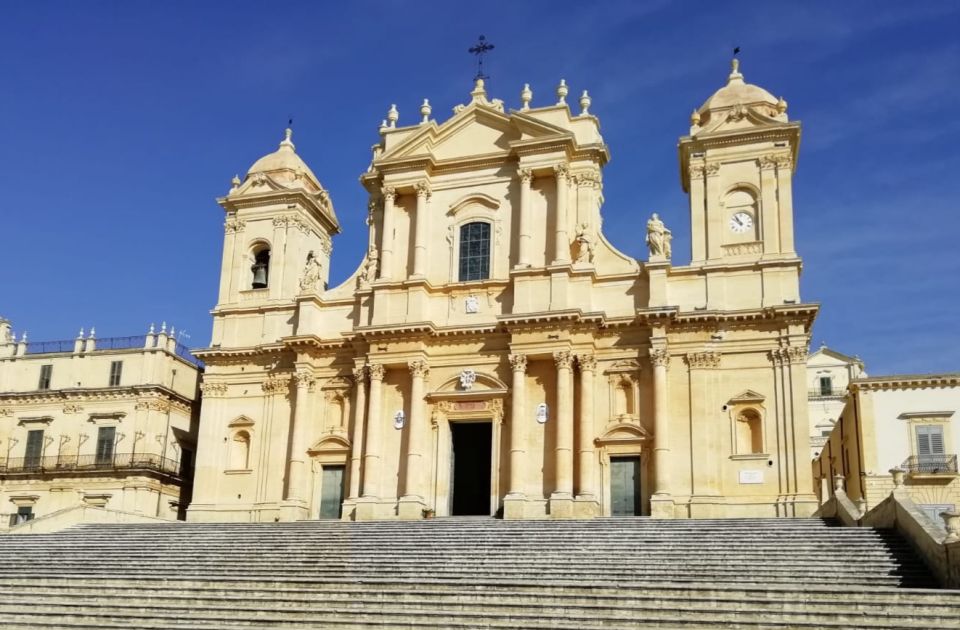
Noto is often treated like the star of the show, and for a reason. It’s considered the capital of Sicilian Baroque, and you can see why the moment you start walking.
You’ll get about 1.5 hours with a guided tour, and the focus is on the kinds of design choices that make Baroque feel almost alive. Noto has that “stone garden” feeling people talk about—often summarized through the Garden of Stone idea—where the entire streetscape seems made from carved detail rather than flat walls.
Look for the elegance and sinuosity of architectural elements: curves that guide your eye upward, layered ornamentation, and repeating motifs that make the city feel designed at human scale. The details are why this town works as a guided experience. A good guide helps you spot what you might otherwise miss—like the expressive stonework around entrances and windows.
The “ghostly masks” line isn’t just spooky marketing. You’ll actually see figures and faces integrated into the decor, and that visual language can make Noto feel more theatrical than religious-cartoon sacred. If you like architecture you can read, this is where the day starts clicking.
Timing tip: Noto is the kind of place where you can keep looking long after the tour ends. If you have a chance for a quick extra loop after the guide finishes, do it—just don’t let it steal time from Modica or Ragusa Ibla, which also have strong moments.
Modica: Chocolate Tasting Meets Ancient-City Streets
Modica gives you a break from pure architectural sightseeing, but it still belongs in the Baroque story. It’s an older city with an excellent culinary tradition, and your stop includes about 1.5 hours of guided time.
The headline here is the Modica chocolate experience. You’ll taste the famous chocolate in different varieties, and this is a real payoff because it gives your senses something to do besides look at buildings.
Modica’s chocolate reputation goes beyond souvenir status. It’s one of those foods that acts like a cultural fingerprint: the city is known for it, and it’s worth paying attention to how it’s presented during your stop.
How to enjoy the chocolate part more: treat it like a guided tasting, not a quick bite. You’ll get the best value if you listen for what makes the varieties different, then pace yourself. Chocolate tasting can be deceptively filling—especially on a day with lots of walking.
If your group is big on photos, Modica can give you street-level shots that feel more lived-in than purely monumental. It’s also a nice transition between the big architectural emphasis of Noto and the alley-and-garden magic of Ragusa Ibla.






Ragusa Ibla: Alleys, Opulent Buildings, and Iblei Gardens
Ragusa Ibla is where the Baroque vibe feels most like a lived neighborhood. You’ll spend about 1.5 hours in the guided part of the town, and then you’ll have time to enjoy the atmosphere around the corners.
The key idea is the city’s characteristic alleys. Instead of one grand square that holds all the drama, you move through narrow lanes where buildings frame the street and keep changing the view as you turn.
The tour description also points to opulent buildings and Iblei gardens. That combination matters. The opulence gives you the theatrical stone style, while the gardens add softness and breathing room. You get variety without leaving the theme.
Ragusa Ibla is also a great place to take photos that show scale—how the buildings rise above you, how the balconies and facades relate to the alley width, how gardens interrupt the strict geometry. If you’re the kind of traveler who likes to compare how one town’s Baroque differs from another, this stop is your chance.
One more timing thought: Ragusa Ibla can be easier to enjoy if you pace yourself with short rests. You’ll have driven in, walked around, and then you’ll likely be tempted to keep exploring. Keep your energy for what’s next, because the drive back to Catania is still on the clock.
The Guides Matter: Why Andrea, Dan, Lorenzo, Giuseppe, and Silvia Get Mentioned
A Baroque day trip can become a blur if the guide can’t connect the dots. When the explanations land well, you stop seeing buildings as random pretty shells and start reading them like a story.
In the experience you’re buying, the guide is multilingual (English, French, Italian, Spanish). That sounds basic, but it’s the difference between guessing at meaning and actually understanding why certain details show up.
Names that have been connected to standout days include Dan, Andrea, Lorenzo, Giuseppe, and Silvia. The pattern behind those compliments is consistent: informative storytelling and a sense of pacing. One person noted that a guide didn’t hurry them to the point where the day ran beyond the recommended time—so it’s not about speed, it’s about quality.
What you should do as a passenger: ask one or two questions about what to notice first. If you show curiosity, many guides respond by pointing out the exact carvings or facade features you’ll appreciate most.
Value for $101.50: What You Get in One Long Sicilian Day
At about $101.50 per person, the best value part isn’t the towns alone—it’s the structure. You’re paying for guided time in three major Baroque locations plus pickup and drop-off in Catania, with a shared van handling the driving between stops.
Let’s break down the value logic:
- You get a UNESCO-relevant Baroque theme across multiple towns in a single day.
- You don’t have to worry about intercity transportation planning.
- The chocolate tasting in Modica gives your day a food highlight, not only sightseeing.
What you’re not getting is the luxury of wandering slowly for hours with no schedule pressure. With a total 8-hour duration and set guided blocks, it’s built for “see a lot, understand enough,” not for deep study.
So the “is it worth it?” answer depends on your style. If you like curated focus and you want a high-impact overview of Val di Noto, you’ll likely feel the price makes sense. If you want slow travel and long museum-style stops, you might feel rushed—especially with the driving time included.
Practical Tips That Make This Tour Easier
A few things I’d do before you go:
- Wear grippy shoes. Alley streets and historic paving don’t forgive slippery soles.
- Plan for heat. The van may not be air-conditioned depending on the vehicle used, and you’ll be walking between stops.
- Bring a small water bottle. You’ll be moving constantly; you’ll feel better if you can sip during breaks.
- Charge your phone/camera early. These towns reward photos, especially Noto and Ragusa Ibla.
- Listen for the guide’s “what to look at first” tip. It turns architecture from decoration into a readable language.
Also, keep your expectations realistic about audio. With driving segments, the guide’s best explanations are usually most effective while you’re on foot and gathered at the right spots.
Should You Book This Baroque Day Trip?
Book this tour if you want a focused, guided introduction to late Baroque Sicily—especially if you’re excited about Noto’s stonework, want to taste Modica chocolate, and like the idea of wandering Ragusa Ibla’s alleys and gardens.
Skip it (or at least consider alternatives) if your top priority is a relaxed, unhurried day. The schedule is packed, and the van ride can be uncomfortable for some people based on past experiences. It’s still a solid value if you’re okay trading comfort for efficiency.
For most visitors, it’s a strong “first taste” option. You’ll leave with a clear picture of why this style spread here after the 1693 earthquake—and you’ll have tasted something distinctly from Modica, not just photographed it.
FAQ
What towns does this tour visit?
You’ll visit Noto, Modica, and Ragusa Ibla, all in southeastern Sicily.
How long is the tour from start to finish?
The tour duration is 8 hours.
What’s included in the price?
Pickup and drop-off in the Catania area are included, along with a multilingual live guide.
Where does pickup happen?
Pickup is at your accommodation in Catania city and the surrounding area, typically around 9:00 to 9:15 AM.
What languages are available for the guide?
The live guide is available in English, French, Italian, and Spanish.
Is Modica chocolate part of the experience?
Yes. The tour includes tasting Modica chocolate and offers different varieties.
Can I cancel for free?
Yes. Free cancellation is available up to 24 hours in advance for a full refund.