REVIEW · MILAN
Choose three recipes to cook from all the traditional cuisine
Book on Viator →Operated by Cook and Dine · Bookable on Viator
Dinner starts with your hands in Milan.
This 3-hour class happens in a local chef’s home kitchen, so you learn technique while you cook, then eat what you made.
I also like the menu flexibility: you choose three recipes from Italian traditions, with vegetarian and gluten-free options.
One thing to consider: even though it’s hands-on, you may not make every component from scratch in every case, so set expectations if dough-making details are your must-have.
In This Review
- Key things to know before you go
- Milan Home-Kitchen Cooking Class: What It Feels Like in Real Life
- Via Mantova Meeting Point and How the 3-Hour Flow Works
- Choosing Your Three Recipes: From Bolognese to Cannoli (and Beyond)
- The 2-Hour Hands-On Cooking Sprint: What You’ll Actually Do
- Your Three-Course Meal: How Bruschetta, Pasta, and Sweets Connect
- Starter: Bruschetta
- Main: One of three styles
- Dessert: Choose the sweet ending
- Wine and the Table Meal: Why the Pairing Matters
- Chefs Aurora, Lucrezia, and Elena: Teaching Style and Pace
- Vegetarian and Gluten-Free Cooking That Stays Italian
- Price and Value at $145.18: Does It Make Sense in Milan?
- Tips to Get the Most From Your Class
- Should You Book This Milan Cooking Class?
Key things to know before you go
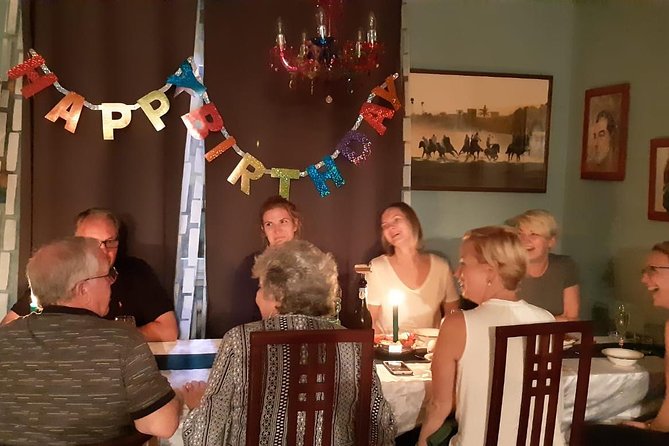
- Pick your three dishes: if you book early for that date, you get first choice of what you cook
- Hands-on teaching: you’ll practice basics like cutting, herbs and spices, timing, and frying or boiling
- Italian regions in one meal: bolognese, Roman-style lamb, Venetian cod, Milanese saffron rice, Sicilian desserts
- Two hours of cooking, then you eat: you cook your portion, then enjoy lunch or dinner with wine
- English recipes provided: you receive the recipes in English along with the meal experience
Milan Home-Kitchen Cooking Class: What It Feels Like in Real Life
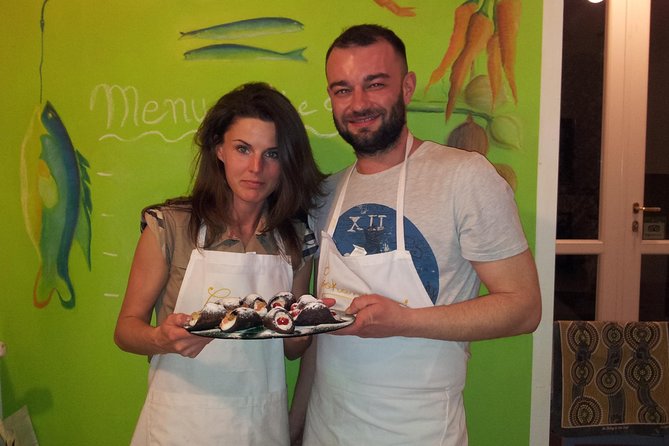
This isn’t a tourist kitchen with a line of stations and pre-planned plates. You’re in someone’s real home kitchen, cooking a 3-course meal you chose. That single detail changes the whole vibe: you slow down, you ask questions, and the food feels like it belongs to the place—not a performance.
The class runs about 3 hours. Most of that time is active cooking (about two hours), followed by sitting down to lunch or dinner with what you made. It’s small, too: the group max is 10 people, which keeps the pace calm and the teaching direct.
Also, the chefs use English. You’re not stuck translating cooking terms with your phone. And after the meal, you get the recipes in English, so you can actually repeat it at home instead of just remembering what tasted good.
You can also read our reviews of more tours and experiences in Milan.


Via Mantova Meeting Point and How the 3-Hour Flow Works
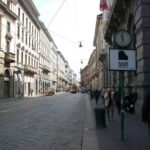
You meet at Via Mantova, 19, 20135 Milano MI. You’ll walk back to the same meeting point at the end—no hotel pickup or drop-off is included.
Plan to arrive on time. The operator doesn’t accept delays of more than 20 minutes, and this class moves fast once everyone’s in place. Comfortable walking shoes help, since you’re going in and out of a home setting and you’ll be standing while you cook.
A small practical tip: one doorbell label you might see is coockling (spelled that way), so don’t let that throw you off. Once you’re inside, the cooking schedule is structured enough that you won’t feel lost—especially because you’re always working alongside the chef and the other participants.
Choosing Your Three Recipes: From Bolognese to Cannoli (and Beyond)
When you book, Chef Aurora or Chef Lucrezia contacts you with a list of recipes drawn from Italian culinary traditions. The list isn’t limited to the usual postcard hits. Yes, you’ll see fresh pasta staples, but you’ll also find vegetable-forward dishes like eggplant preparations and zucchini flowers.
Your job is to choose three dishes you’ll cook. If you’re the first person to book for that date, you’re the one with first choice. That matters because you’re not just picking from a fixed menu—you’re shaping the entire meal.
Here’s the kind of menu range you can expect, based on the dish options offered:
- Starters: bruschetta with tomatoes, garlic, basil, and anchovies
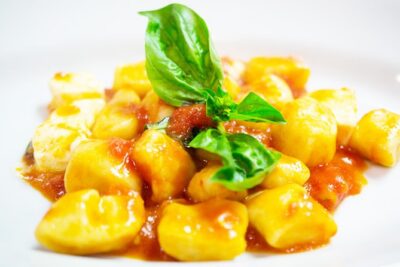
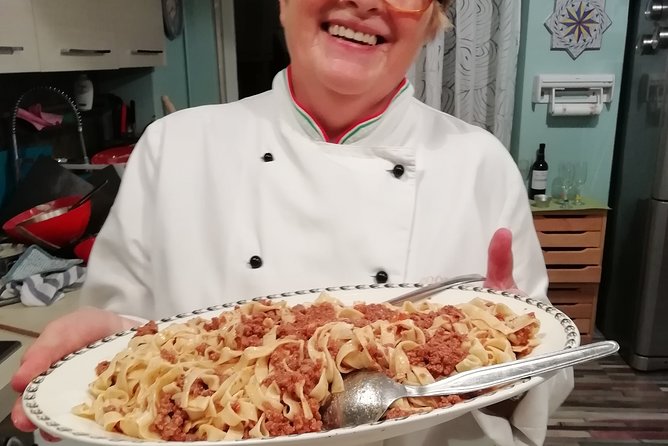
- Fresh pasta: tagliatelle with bolognese, ravioli filled with pumpkin or ricotta and spinach, potato gnocchi (hand made)
- Vegetable mains: parmigiana eggplants or zucchini flowers (fried, then finished in the oven with mozzarella, basil, and tomato sauce)
- Fish and meat: lamb in Roman style (wine, garlic, anchovy) or Venetian cod cooked with milk and onion, then creamed to spread on polenta
- Rice from Milan: risotto with saffron, cooked with broth
- Desserts: tiramisu, panna cotta with strawberry, Sicilian cannoli, and even a Caprese cake (almonds, egg, cocoa powder) that can be a great gluten-free option
That mix is the real value: you’re learning how Italian cooking changes from region to region—sometimes within one meal.
The 2-Hour Hands-On Cooking Sprint: What You’ll Actually Do
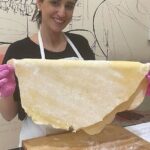
The class is designed around active cooking. After the chefs lay out the plan, you’ll cook your own portion of everything during the first two hours. Nothing is prepared beforehand, so you’re building the dishes step by step, rather than assembling an already-made component.
Expect hands-on instruction that covers everyday cooking skills, not just one-off tricks:
- how to cut and prep ingredients correctly
- how to use herbs and spices in a practical way
- how to judge cooking times so pasta, sauces, and sides land at the right moment
- how to fry or boil without panic
This is also why the class works for different skill levels. Even if you’ve never cooked much, you’ll get guided steps. If you already cook, you’ll still benefit from the method and timing tips—especially for fresh pasta and egg-based dough work.
One note from the field: if you expected to learn every micro-step of pizza dough creation, you might feel slightly shorted. The experience can focus more on toppings and the workflow. So if dough-making is your obsession, choose pasta and filled dishes when possible, because those tend to be more central to the class.
Your Three-Course Meal: How Bruschetta, Pasta, and Sweets Connect
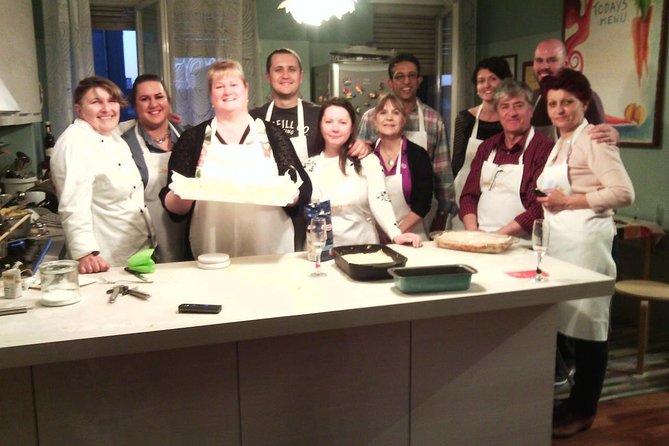
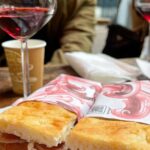
After cooking, you sit down for lunch or dinner (depending on what you booked) and enjoy your masterpieces. Alcohol is part of the experience: you get two glasses of Italian wine per person, plus a prosecco welcome drink and limoncello at the end.





Starter: Bruschetta
Bruschetta is usually straightforward, but it’s a good reminder that Italian flavor often starts with simple ingredients treated with care. Expect toasted bread topped with tomatoes, garlic, basil, and anchovies. It’s the kind of starter that teaches balance—salt, acid, and herbs—without complicated technique.
Main: One of three styles
Your three-course selection might include any of these main directions:
Fresh pasta comfort (bolognese-style)
- Tagliatelle with bolognese sauce: a classic meat sauce built to coat pasta well
- Ravioli and gnocchi: filled pasta and potato gnocchi, both taught as hand-made items
Vegetable-forward Italian mains
- Parmigiana eggplants: sliced eggplant breaded and fried, then baked again with mozzarella, basil, and tomato sauce
- Zucchini flowers: mozzarella-stuffed flowers, fried, then served as a slightly dramatic vegetable course
Meat or fish with regional logic
- Roman-style lamb: cooked with wine, garlic, and anchovy, described as a typical Easter recipe from Rome
- Venetian cod: cooked in milk and onion, creamed, then spread on polenta
If you like variety, pairing a pasta dish with a vegetable main gives you a wide range of texture: tender pasta, creamy sauce, crisp-fried elements, and melty cheese.
Dessert: Choose the sweet ending
The dessert options are the kind that make you understand why Italians take sweets seriously:
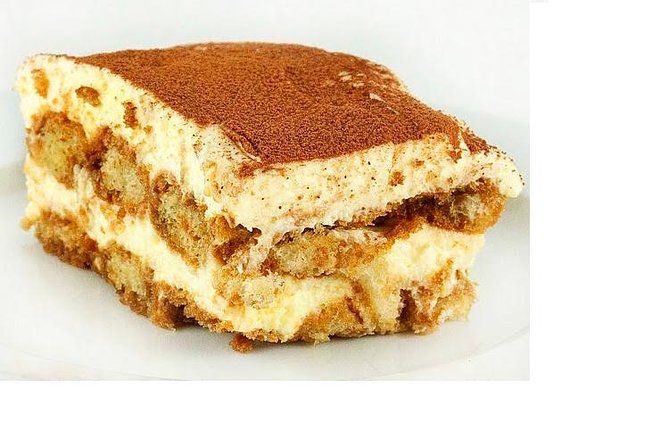
- Tiramisu: mascarpone and coffee flavors in a classic format
- Panna cotta: fresh cream and strawberry
- Sicilian cannoli: making the tube and filling it with sheep ricotta
- Caprese cake: a baked cake with almonds, egg, and cocoa powder—also flagged as a gluten-free-friendly dessert
Dessert is not an afterthought here. It’s part of what you cook, and it closes the meal with the same hands-on energy as the savory courses.
Wine and the Table Meal: Why the Pairing Matters
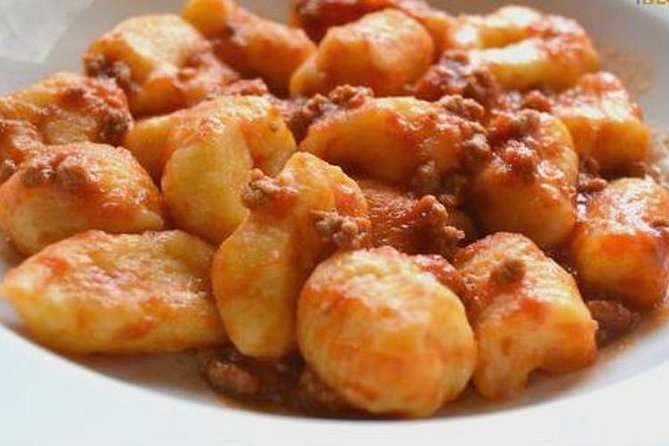
You’re not sent off to eat while the chefs pack up. After your cooking, you sit together and eat. That’s a big part of why this class works: you taste while the technique is still fresh in your mind.
Expect:
- Two glasses of Italian wine during the meal
- Prosecco as a welcome drink
- Limoncello at the end
If you’re the type who learns better by eating right after cooking, this setup is ideal. You can link flavor to technique—like why a sauce thickens a certain way or how frying changes zucchini flowers.
It’s also a relaxed social moment, especially because the group is small. Conversation naturally turns to what you just made and what you’ll try again later.
Chefs Aurora, Lucrezia, and Elena: Teaching Style and Pace
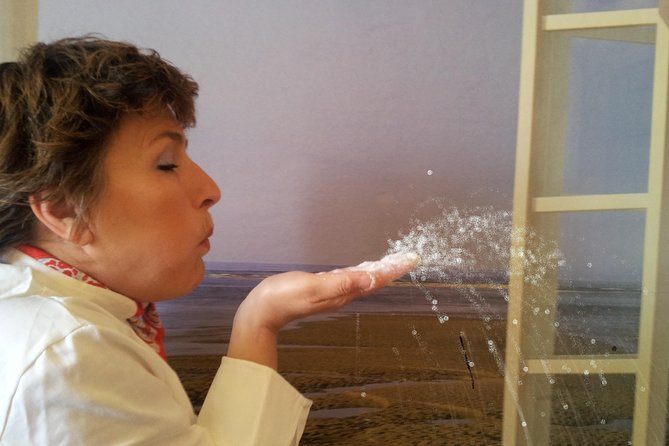
The class is led by Chef Aurora or Chef Lucrezia, and you might also cook with Chef Elena, depending on the date. What comes through consistently is a patient, step-by-step approach—especially for people who don’t cook often.
The chefs also make the class feel structured. Timing matters because fresh pasta and sauces can’t wait. The pacing keeps everyone moving without feeling rushed, which is a common reason people call it one of their best meals in Milan.
That said, real life happens. One participant experienced a rough moment with a chef’s mood and found the experience less pleasant. Another noted noise due to construction in the building. Those are situational factors you can’t fully control, but they’re worth knowing if you’re sensitive to volume or want a perfectly calm environment.
Vegetarian and Gluten-Free Cooking That Stays Italian
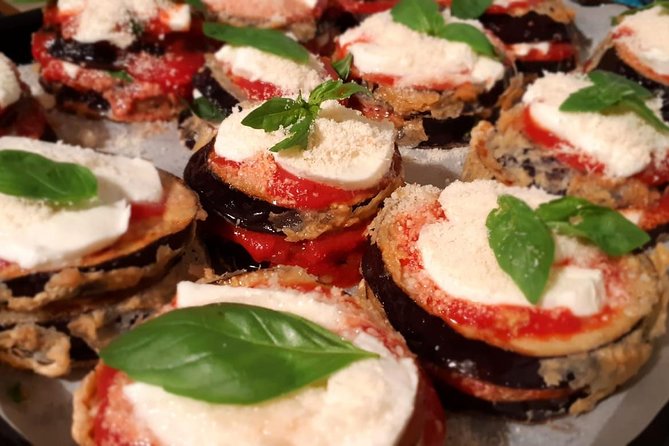
Vegetarian and gluten-free options are explicitly supported, and the menu examples show how the chefs handle it. You’re not limited to a sad “plain pasta and salad” kind of substitute.
A vegetarian menu might include vegetable mains like eggplant parmigiana or zucchini flowers, plus pasta dishes and vegetarian-friendly lasagna styles. For gluten-free dessert, Caprese cake is highlighted as an option, using almonds, egg, and cocoa powder.
If you have dietary needs, you should advise them at booking. That early heads-up helps the chef plan dishes that still feel like Italian cooking rather than a compromise.
Price and Value at $145.18: Does It Make Sense in Milan?
At $145.18 per person for about 3 hours, you’re paying for more than ingredients. You’re paying for:
- the chef-led, hands-on instruction
- a 3-course meal you help make
- wine with the meal (plus prosecco welcome and limoncello at the end)
- English recipes you can take home
A restaurant meal can cost a similar amount in Milan, but you’re usually not leaving with new technique. Here, the value is that you get both dinner and a usable skill set. If you like cooking enough to repeat it later, this price starts to look pretty fair.
Where it can feel less worth it is if you expect extensive dough-making instruction for every dish. Based on past experiences, the class focuses on selected parts of the process. Still, you’ll come away with practical methods: cutting, seasoning, timing, and core cooking logic.
Tips to Get the Most From Your Class
A few smart moves will make the difference between a good time and a standout one:
- Choose recipes that match your skill goal. If you want the most hands-on cooking, leaning toward fresh pasta or filled items can give you more technique time.
- Arrive early and plan for walking. No hotel pickup means you’re responsible for getting to Via Mantova on time.
- Send dietary needs at booking. Vegetarian and gluten-free are available, but you’ll get the best results when the chefs know ahead of time.
- Watch for the email with your recipes. Recipes are supposed to be provided in English, and some people have had emails land in spam folders.
- Expect a home-kitchen pace. This is not a factory. If you want lots of silence, you might prefer a different style of class than a social cooking night.
If you go in with a flexible mindset and a curiosity about technique, you’ll get a lot more out of it.
Should You Book This Milan Cooking Class?
Book it if you want an authentic Milan experience that mixes hands-on Italian cooking with a proper sit-down meal. I’d especially recommend it if:
- you like fresh pasta, filled dishes, and classic Italian sweets like tiramisu or cannoli
- you want a small-group setting with lots of attention
- you have dietary needs and want options that don’t feel like an afterthought
- you prefer learning through doing, then eating immediately afterward
Skip it if you need a super detailed, make-everything-from-scratch workshop, especially for pizza dough. Also consider that a home setting can involve noise from the building or small setup differences.
If you’re trying to make your Milan trip taste like more than a single restaurant dinner, this class gives you both the meal and the method. That’s the winning combination.