REVIEW · NAPLES
Day Trip of Pompeii, Herculaneum and Vesuvius from Naples
Book on Viator →Operated by Di Sarno Car Service - Tours & Excursions · Bookable on Viator
Three Roman worlds, one volcanic day. What makes this day trip click is the round-trip transport plus a live English explanation on board while you’re heading between three major sites. You also get a built-in reason to go up the mountain: Vesuvius admission is included, and that changes the day from a “ruins only” outing into a full-on Naples experience.
Here’s the trade-off: at Pompeii and Herculaneum you explore on your own, and you’ll pay the site entrance fees separately. There isn’t a licensed guide walking you through the ruins as part of the base price.
In This Review
- Key things to know before you go
- Price and logistics: what $145 really covers
- Pickup, timing, and how the day feels
- Stop 1: Herculaneum’s preserved streets and why it hits different
- Stop 2: Climbing Vesuvius National Park and the crater-rim payoff
- Stop 3: Pompeii’s highlights in a short window
- The real deal: “tour” vs “transport with commentary”
- Tickets, site entry, and avoiding day-of stress
- Walking, timing, and the lunch question you should ask yourself
- Who this fits best, and who should look elsewhere
- Should you book this Pompeii, Herculaneum, and Vesuvius day trip?
- FAQ
- Are the entrance tickets for Pompeii and Herculaneum included?
- Is the Vesuvius admission included in the tour price?
- Will there be a licensed guide inside Pompeii and Herculaneum?
- How much time do you get at each stop?
- Is lunch included?
- What happens if weather is poor?
Key things to know before you go
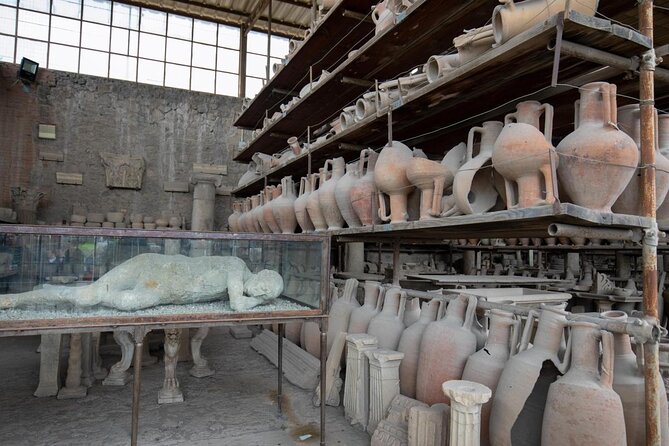
- Driver-led, self-paced ruins time at both Pompeii and Herculaneum, not a full guided walkthrough at the sites
- On-board live commentary in English during the drive, which helps you understand what you’re looking at
- Vesuvius entry included, with about 1.5 hours for the climb and crater-rim views
- Two hours at each UNESCO site, enough to see highlights but not to do everything slowly
- You’ll need Pompeii + Herculaneum tickets on your own, plus lunch is not included
Price and logistics: what $145 really covers
This tour is priced at $145.12 per person for an 8-hour day trip from Naples, using a premium air-conditioned minibus and round-trip pickup options. Mobile tickets are part of the setup, and fresh water is provided onboard so you’re not scrambling immediately after you arrive.
But the value story depends on what you expect from the day. The base price includes transportation, an English-speaking driver/host, live commentary on the ride, and entrance to Mt. Vesuvius. What’s not included is the two other big ticket items: admission to Pompeii and Herculaneum, and any optional licensed guidance inside the sites.
To budget realistically, plan for the site fees separately: Herculaneum is €13 and Pompeii is €18. If you add a licensed guide at the ruins, or if you decide to pay for lunch the day-of, your total day cost climbs quickly. That’s why I think this works best when you’re comfortable being a self-starter at archaeological parks.
You can also read our reviews of more tours and experiences in Naples.

Pickup, timing, and how the day feels
You’ll be picked up at either the Cruise Terminal (StazioneMarittima) or the Ramada by Wyndham Naples. From there, the day is built around a simple rhythm: drive, learn a bit in the van, arrive, and then use your scheduled free time to wander.
The time blocks are clear: about 2 hours at Herculaneum, about 1.5 hours at Vesuvius, and about 2 hours at Pompeii. Add the drive time between locations and you’re left with a packed but workable day. Some people love this format because you’re not stuck in a rigid procession. Others feel rushed at Pompeii because it’s huge and easy to underestimate how long your favorite corners can take.
If you want a calmer pace, you’ll probably enjoy Herculaneum more than Pompeii. And if you want a “don’t miss” approach, I’d treat Vesuvius and Pompeii as your anchor priorities and keep your expectations realistic for the clock.
Stop 1: Herculaneum’s preserved streets and why it hits different
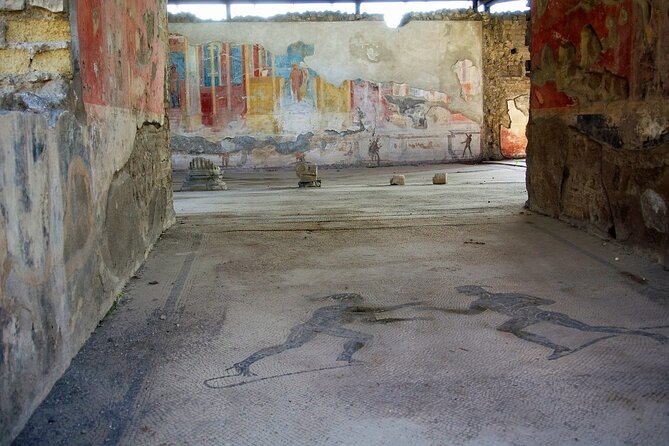
Your first major stop is Parco Acheologico di Ercolano (Herculaneum). This site feels different from Pompeii because the city was sealed by volcanic material in a way that preserved details extremely well. The story here is not just that Romans lived and died; it’s that the remains kept their shapes—buildings, decorations, and everyday spaces—so you can picture daily life with startling clarity.
This is where your time becomes a trade: you can’t read everything, but you can still see impressive highlights if you move with purpose. With the scheduled 2 hours, I’d focus on a few “anchor stops” and let the rest be bonus discoveries.
What makes Herculaneum special in plain terms:
- It’s smaller than Pompeii, which helps you see more without sprinting.
- You can walk through Roman spaces that often feel more intact and less “ruin-y” than you expect.
- The preservation includes mosaics, frescoes, and remarkably intact buildings.
Key sights you’ll likely want to aim for:
- The Villa of the Papyri, linked to the ancient scrolls and the sense of a wealthy, intellectual world.
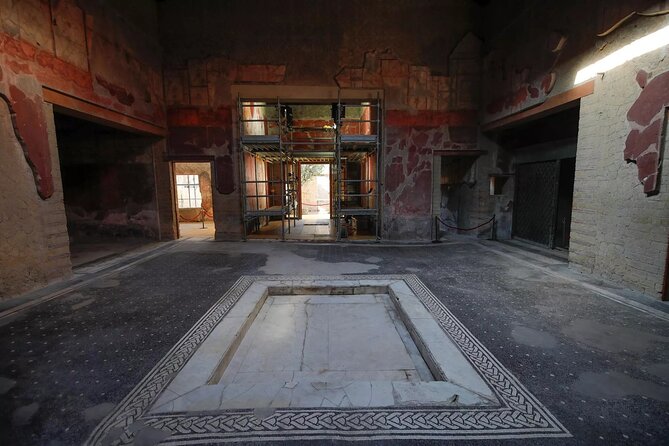
- The House of the Deer, decorated with sculptures and a home-like scale that’s easy to imagine.
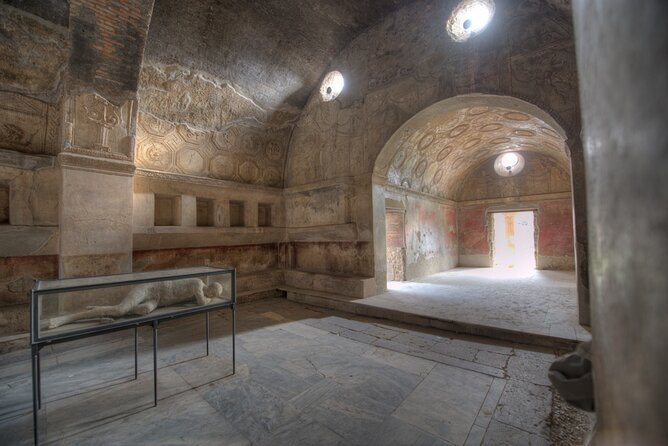
- Bath complexes and market spaces that help you connect the archaeology to real routines.
One practical note: Herculaneum is a place where good footwear matters. The experience is more than “look at walls”—you’ll be walking paths and negotiating your way through site surfaces.
Stop 2: Climbing Vesuvius National Park and the crater-rim payoff
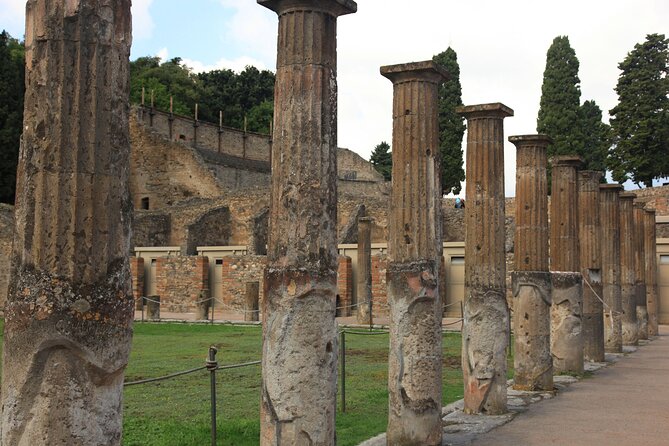
Next comes Vesuvius National Park. The mountain is the only active volcano on mainland Europe, and the whole experience is soaked in the 79 AD eruption story that defines this corner of Italy. Locals call it the Good Giant, and even if you’re not into nickname lore, the climb makes the nickname make sense.
You’ll have about 1 hour 30 minutes, which is enough to do the hike up at a steady pace and still enjoy the views if you don’t push too hard. The trail experience includes volcanic features and artwork along the route, and at the top you get crater-rim drama plus Gulf of Naples views, the city below, and distant islands on clear days.
Before you go, here’s the honest consideration: Vesuvius can be demanding. Multiple visitors emphasize that you should be in shape for the hike, and windy weather or other issues can affect what you can do. The tour also requires good weather, with rerouting or alternatives possible if conditions don’t allow the full climb.
If you enjoy hikes that come with a built-in story, Vesuvius is the emotional centerpiece of the day. It connects the ruins you’re seeing to a living, active natural force.
Stop 3: Pompeii’s highlights in a short window
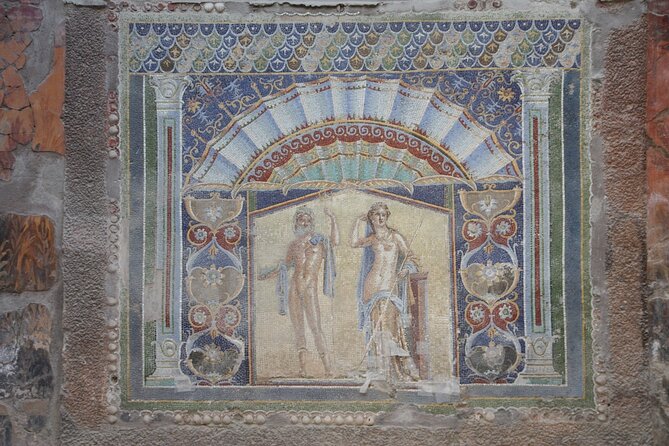
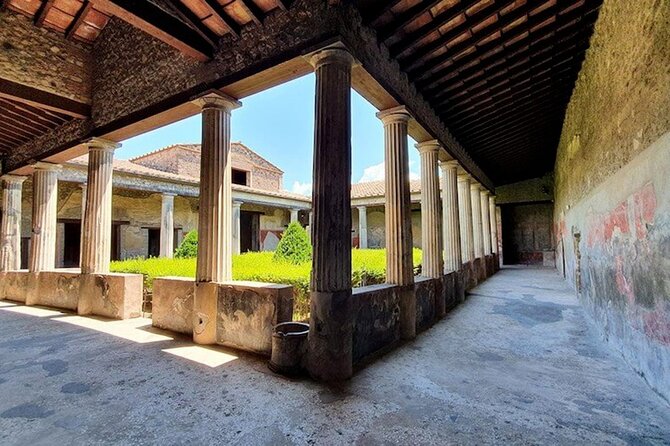
Pompeii is the big name, and it deserves it. In a few hours you’re not going to see everything, but you can absolutely hit major landmarks that explain Roman life in a way a museum never can.
With about 2 hours scheduled, your success depends on how you plan. Pompeii is vast and easy to wander off course. If you want value, arrive ready with a short list of priorities and then let the rest be discoveries.
Pompeii highlights specifically mentioned in the tour description include:
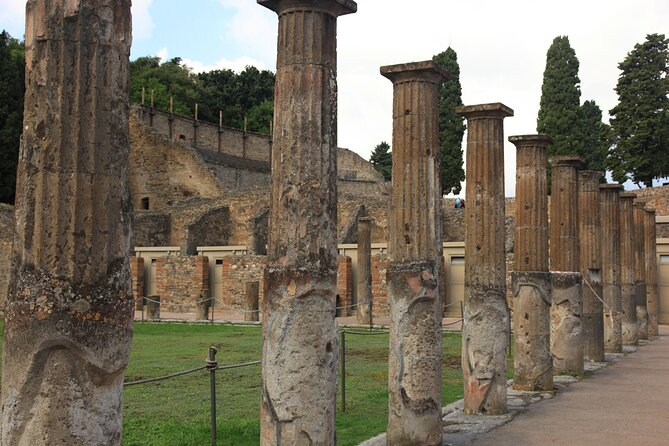
- The Temple of Apollo
- The Casa del Fauno
- The Amphitheater, one of the best-preserved in its category
- The artwork details: mosaics, frescoes, and sculptures
A smart approach here is to treat Pompeii like a greatest-hits album. Pick a few tracks (temple, a famous house, the amphitheater) and give yourself permission not to finish the entire playlist today.
One more twist: after the ruins, the day may include time connected to modern craftsmanship near the site area, including an older coral workshop where artisans create pieces inspired by classical designs. If you like seeing how the present borrows from the past, that kind of stop can add a nice human layer to the archaeology.




The real deal: “tour” vs “transport with commentary”
This is the part you should match to your travel style. The best way to describe the experience is: driver-led orientation plus free time at the sites, not a licensed-guide walking tour inside Pompeii and Herculaneum.
The English-speaking driver/host gives live commentary on board during transfers. Many people love this because it frames what they’re seeing without holding them back from exploring independently. You also get the convenience of not dealing with buses, timing, and driving between sites while you’re juggling an active volcano climb.
The most common complaint is also clear: people expecting full site guidance often feel disappointed when they’re left to navigate the ruins on their own. Some reviews mention getting general maps and instructions, and then spending most of the time self-directed.
So here’s my practical advice:
- If you’re okay with self-guided ruins and you want transport + context, you’ll likely feel satisfied.
- If you want someone to explain architecture, rooms, and artifacts while you walk, budget for a licensed guide at Pompeii and/or Herculaneum.
In real-world examples, some hosts and drivers make a big difference. Visitors describe friendly hosts such as Polly, Luca, Giovanni, Caesar, Luigi, Rosita, and Enzo adding lively explanations during the ride and helping with practical directions. The better the onboard narration, the more rewarding the self-guided time becomes.
Tickets, site entry, and avoiding day-of stress
Tickets are the most important planning item for this day trip. Vesuvius admission is included, but Pompeii and Herculaneum tickets are not included in the base price. You’ll need to purchase those separately.
A big tip from experience: get Pompeii tickets as early as you can. One visitor notes that daily spaces can be limited and they only learned that detail the night before the trip. Planning ahead keeps your morning from turning into a scramble.
Also, pay attention to names. One unhappy moment in the reviews involved a ticket name mismatch with identification at Pompeii entry. That’s the kind of problem you prevent with basic caution: double-check ticket details and bring the ID that matches.
If you’re trying to travel efficiently, don’t rely on the assumption that the driver will handle all ticketing for you. Instead, come with your tickets ready, then use the driver’s onboard guidance and any instructions you receive at arrival to find the right entry flow fast.
Walking, timing, and the lunch question you should ask yourself
Expect a lot of walking. Even if your pace is slow, both Pompeii and Herculaneum require steady footwork and time on your feet. Vesuvius adds a climb, and that compounds the day’s physical load.
Lunch is not included, and there’s no guarantee you’ll get a dedicated sit-down meal window. Some people report that lunch timing felt squeezed and that they had to use part of Pompeii’s time for food. If you want a proper meal break, plan for snacks and keep your priorities tight.
My rule for days like this: bring a small plan.
- If you like structure, pick a lunch style before you leave and then work around it.
- If you prefer flexibility, carry water and snack options so you don’t lose time searching.
Who this fits best, and who should look elsewhere
This day trip is at its best for people who:
- Want to see Pompeii + Herculaneum + Vesuvius without the hassle of getting between them on your own
- Are comfortable with self-guided walking at large archaeological parks
- Prefer driver commentary during transit rather than a licensed guide inside each site
- Have limited time in Naples and want maximum output per day
It’s less ideal if:
- You want a fully guided experience at Pompeii and Herculaneum with detailed room-by-room explanations included
- You hate ticket planning and would rather have one package that handles everything end-to-end
- You struggle with uphill walking and volcanic terrain
Should you book this Pompeii, Herculaneum, and Vesuvius day trip?
Book it if you want a practical one-day sweep of three heavyweight sights and you’re happy to explore ruins on your own time once you arrive. With Vesuvius entry included, onboard commentary, and an air-conditioned minibus, you’re buying convenience plus context.
Skip or upgrade your expectations if you need a licensed guide walking you through the ruins as part of the price. In that case, this can feel like transportation plus homework. If you do book, do the smart prep: secure Pompeii and Herculaneum tickets in advance, wear comfortable shoes, and decide whether you’re the kind of person who enjoys a map and a wandering pace—or whether you want someone to narrate every step.
FAQ
Are the entrance tickets for Pompeii and Herculaneum included?
No. The tour includes Vesuvius admission, but tickets for Herculaneum and Pompeii are not included. The listed entrance fees are €13 for Herculaneum and €18 for Pompeii.
Is the Vesuvius admission included in the tour price?
Yes. Entrance to Vesuvius National Park is included in the price, and the tour includes about 1 hour 30 minutes at the site.
Will there be a licensed guide inside Pompeii and Herculaneum?
The base experience provides live commentary on board from an English-speaking driver/host, but it does not include a licensed guide inside Pompeii and Herculaneum. A licensed guide may be available for an additional cost if requested in advance.
How much time do you get at each stop?
The scheduled time is about 2 hours at Herculaneum, about 1 hour 30 minutes at Vesuvius, and about 2 hours at Pompeii, plus travel time between sites.
Is lunch included?
No. Lunch is not included in the tour price.
What happens if weather is poor?
The experience requires good weather. If it’s canceled due to poor weather, you’ll be offered a different date or a full refund.