REVIEW · SICILY
Excursion to the top of Etna |For good walkers (transport services not included)
Book on Viator →Operated by Guide Vulcanologiche Etna Nord · Bookable on Viator
Etna doesn’t feel like a distant volcano. It feels close, because you ride up near the active zone and then hike across rough, changing lava terrain with a licensed volcanology guide (Etna Nord style).
I love the direct crater access—walking along crater edges and fumarole areas, often with views that reach out to the sea. I also love the practical kit: poles, helmets, and even warm layers plus extra socks help you focus on the hike instead of the packing math.
One big consideration: this is not a casual stroll. You’re walking 12–13 km at high altitude (with steep, unstable ground), and Etna’s conditions can force route changes or turn back earlier than the maximum crater points.
In This Review
- Key things I’d pin on your radar
- Why Etna’s crater rim walk beats the usual viewpoint
- From Nicolosi to high altitude: the 8:30 start that matters
- The trek itself: 12–13 km across lava, ash, and volcanic rock
- Crater edges and summit zones: what you might actually reach
- Gear and guide support: safer steps, better explanations
- Altitude, fatigue, and why you should pace early
- Sea views and crater air: the payoff you’re working toward
- Price and value: what your $129.40 really buys
- Who this Etna Nord hike fits best
- Should you book this Etna crater hike?
- FAQ
- What time does the Etna excursion start, and where?
- How long does the hike take?
- What kind of distance and elevation should I expect?
- Is transportation from my accommodation included?
- What gear is included for the hike?
- Is the cablecar included?
- Are there health or restriction rules I should know?
Key things I’d pin on your radar
- 4×4 lift toward 2,750 m so you’re not doing the whole climb just to reach the hike
- Crater-edge walking near one or more of Etna’s summit craters, depending on the day’s safety windows
- 12–13 km trek with ~600 m ascent and a steep, technical descent that rewards solid footing
- Helmets + trekking poles provided for lava, ash, and volcanic bombs
- Small group size (max 10) with constant guide monitoring of wind, gas, and ground heat
- Sea views from high points when weather and visibility cooperate
Why Etna’s crater rim walk beats the usual viewpoint
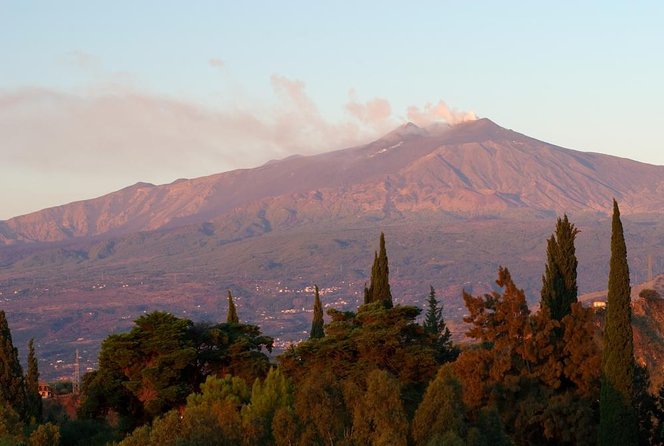
If you’ve seen photos of Etna, you already know it’s dramatic. What’s different here is the route you’re actually on: you’re not just looking at a volcano—you’re walking where the ground is still shaped by eruptions.
The hike is designed for active travelers who want real texture underfoot: desert-like stretches of lava, ash, and older volcanic rock. And because the guide stays focused on what’s happening right then (gas, wind, heat), you get context as you move—why certain areas are reachable on a given day and what you’re seeing around fumaroles and mineral colors.
There’s also a psychological payoff. Standing near crater rims isn’t about ticking a box. It’s about feeling the altitude, the air, and the heat that rises from a living system that changes fast.
You can also read our reviews of more tours and experiences in Sicily.
From Nicolosi to high altitude: the 8:30 start that matters
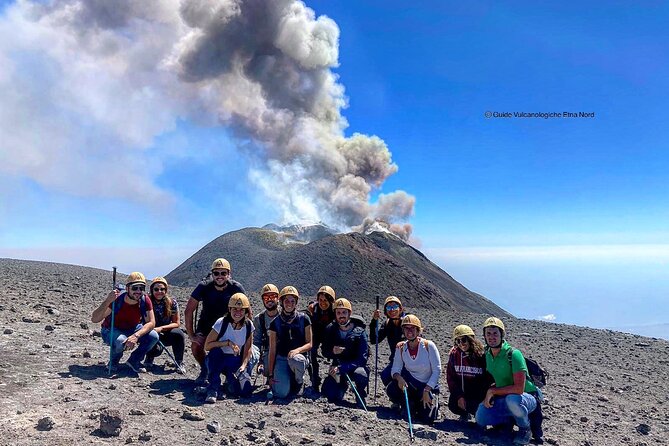
The day begins at 8:30 am at EsagonalPiazzale Funivia Etna, Sud, in Nicolosi (95030). The meeting spot is described as being near public transportation, which helps if you’re not driving.
You’ll start above 1,900 m, then take authorized 4×4 vehicles up to about 2,750 m. That shift is big for your overall experience. You arrive already oxygen-dealing and ready to walk, but you also avoid losing half the day to an access road hike.
Because the tour includes a half-day hiking block (and the trek itself runs about 5–6 hours), the early start helps you spend daylight in the summit zone. On Etna, timing is everything: wind direction, ground conditions, and visibility can all change.
The trek itself: 12–13 km across lava, ash, and volcanic rock
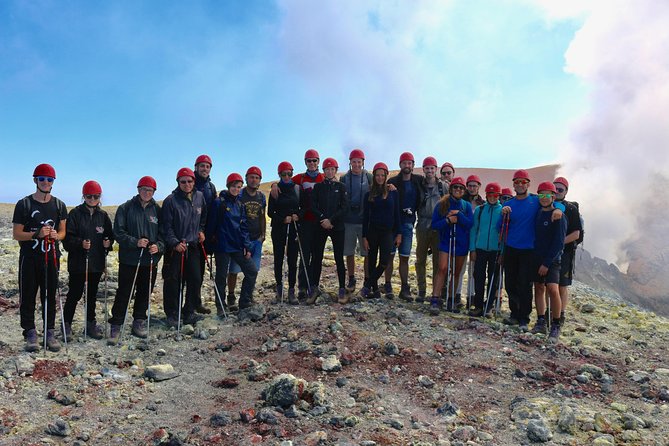
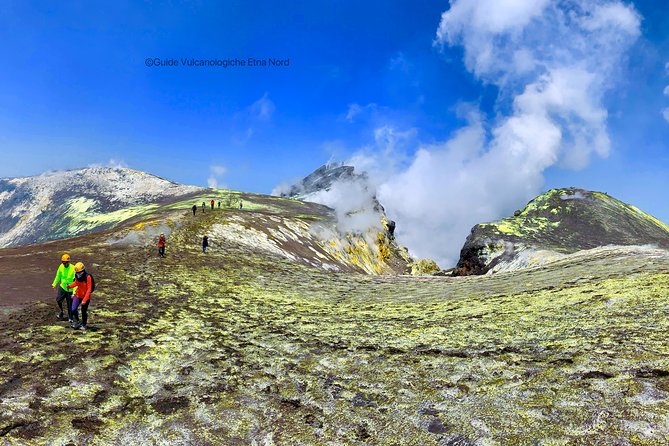
This is the heart of the experience. The route typically covers 12–13 km, with about ~600 m of ascent and a ~6 km descent. The trails climb to roughly 3,300 m, and in favorable conditions can reach 3,380 m—right near the rim of one or more of the summit craters.
You should expect walking that alternates between:
- Lava and ash fields that feel like volcanic desert underfoot
- Areas with loose volcanic material
- Uneven terrain where you need to place each step carefully
The terrain isn’t just rugged—it’s inconsistent. The ground is described as made of unstable rocks, which is why the gear list matters and why good shoes and poles are not optional in practice.
Also, routes vary daily. Wind, gas movement, and ground heat can change what’s safe to approach. That’s why you’ll hear frequent adjustments during the hike and why you might not follow the exact same crater sequence as another day’s group.
Crater edges and summit zones: what you might actually reach
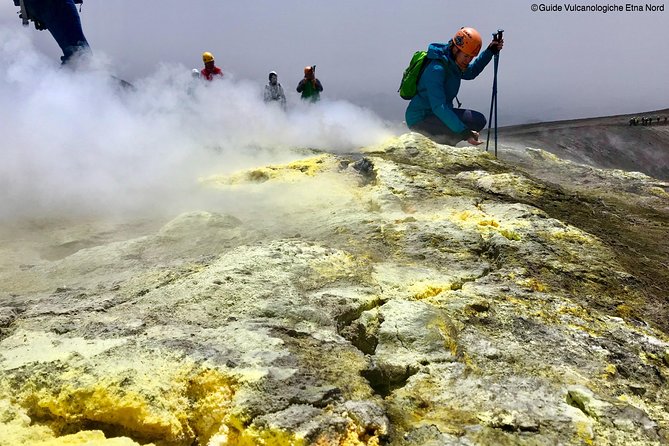
Etna has four summit craters that can be part of the route: North-East, Voragine, Bocca Nuova, and South-East. Which one(s) you reach depends on the day’s volcanic and weather conditions.
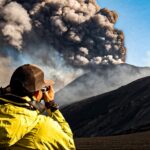
The goal is direct contact with the summit zone: you walk across areas affected by repeated eruptions and spend time near crater edges where you can observe active features like fumaroles and the mineral colors around the volcanic surface.
You should also accept that the “topmost” point can be conditional. The itinerary is designed to go higher when the environment allows, but guides reserve the right to adjust plans if conditions make it unsafe. In other words, this isn’t a guarantee of the absolute highest crater rim on every calendar day.
That said, even when you don’t reach the very maximum point, the experience stays meaningful because the walking route still brings you into the real, active zone—not just the scenic outskirts.
Gear and guide support: safer steps, better explanations
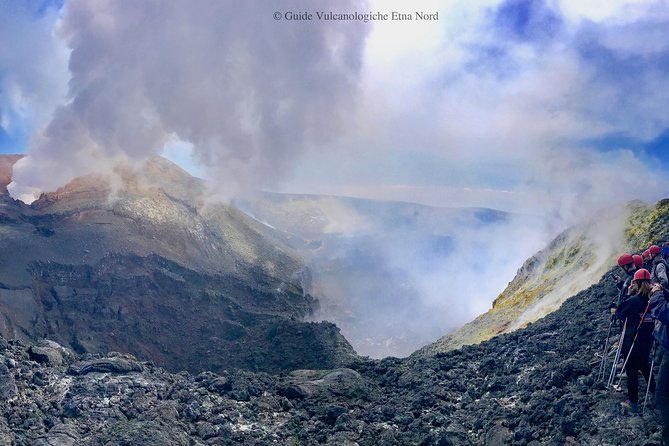
What makes this hike feel doable (even when it’s hard) is that it’s built around support. You get:
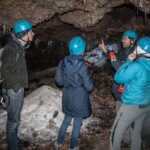
- Helmets (important for volcanic terrain)
- Trekking poles
- Trekking shoes
- Warm jacket
- Extra socks
- Extra backpack
Those items change the whole vibe. Instead of spending time worrying about what to carry and what to wear, you can concentrate on traction, pace, and breathing.
The guide component is also central. This is led by a licensed volcano guide focused on Etna’s geothermal activity. Guides actively monitor conditions during the excursion, including volcanic signals and weather factors, to manage safety and to decide where the group can view active craters and fumaroles.
You may meet guides such as Domenico or Vincenzo, who are described as engaging and focused on clear explanations for the whole group. Some guiding teams are also comfortable working across multiple languages, which matters when you’re trying to understand what you’re seeing while you’re out of breath at altitude.



Altitude, fatigue, and why you should pace early
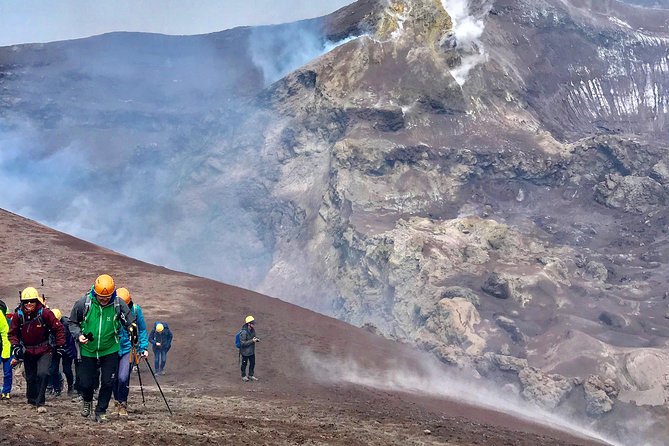
High altitude is part of the deal here. You’ll start around 1,900 m, ride upward to near 2,750 m, and then walk up to around 3,300–3,380 m when conditions allow.
That means fatigue can hit faster than you expect, even if you’re in good shape. The terrain is also volcanic and unstable, which increases energy use because you’re constantly managing footing.
The tour notes that individuals susceptible to dizziness should be cautious, since the route includes walking along crater edges. It’s not trying to scare you—it’s being honest about the sensation you might feel when you’re near steep drop-offs.
If you wear contact lenses, there’s a specific warning: it’s recommended not to use contact lenses due to volcanic gases and ash. If ash gets into your eyes, it can cause problems quickly.
And if you have breathing issues or hypertension, this type of itinerary is stated as not suited to you. Take that seriously. Etna is not the place to “test it and see.”
Sea views and crater air: the payoff you’re working toward
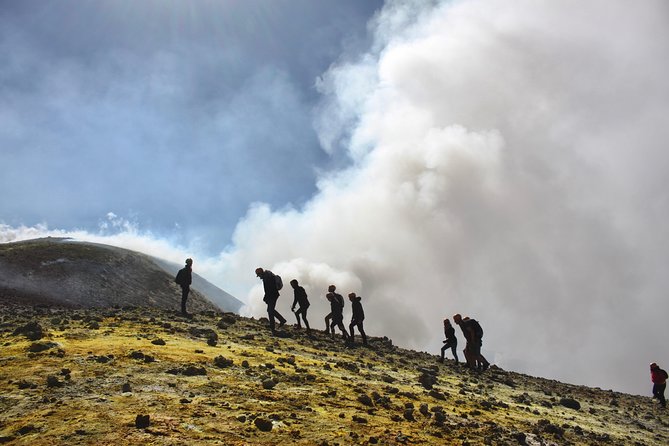
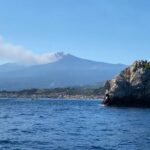
One highlight is visibility when the air clears. From the highest points on the summit cone, you can get views of the sea in suitable weather. That’s a memorable contrast: you’re on a volatile volcano, yet you’re looking outward toward the coast.
In good conditions, you’ll also understand why Etna is considered geologically special. The view isn’t just pretty—it gives you spatial context for crater zones and eruption paths.
When the hike is steep, you’ll feel every meter. That’s why the descent is not for the faint of heart. One useful note: there can be an option for a vehicle to assist with descent from an observatory area if conditions make the steep down trek rough. Don’t assume it will always be available, but it’s good to know that the operator plans for safer outcomes when terrain is intense.
Price and value: what your $129.40 really buys
At $129.40 per person, this is not a bargain hike. It is priced like an active-volcano experience with real overhead: licensed volcanology guidance, insurance coverage for accidents, summit-area entry, and specialized equipment.
You’re also paying for time at altitude. The 4×4 access means you’re spending your energy on crater-zone walking instead of grinding through all the approach climb yourself.
Value-wise, the equipment bundle matters. Helmets, poles, warm layers, extra socks, and shoes are all included. That’s the difference between showing up lightly and showing up prepared.
A common extra is the cablecar. The cablecar service from 1900 m to 2500 m is listed at €52 per person round trip, but it’s not included. Because the tour’s main route includes an authorized 4×4 ride after starting above 1900 m, you should simply treat the cablecar as something to clarify for your exact day plan—either as an optional link in the overall logistics or as a separate convenience segment.
If you’re driving, parking is an extra: €5 for weekdays and €8 on Sundays and public holidays for the full day.
Who this Etna Nord hike fits best
This is best for people who are genuinely comfortable walking for hours over rough ground. The tour specifically calls for strong physical fitness and good health. It’s aimed at people not suffering from particular conditions like breathing problems or hypertension.
It also fits well if you enjoy geology and want explanations that match what you’re seeing in real time. Etna is a moving classroom; without a guide, you might see craters. With a guide, you start to understand what caused the shapes, what signs to look for, and why certain areas become accessible on certain days.
It’s also a good pick if you like smaller groups. With a maximum of 10 travelers, you tend to get more attentive monitoring and a more controlled pace.
It’s probably not the right match if you:
- Have breathing issues or hypertension
- Are pregnant after the third month (not allowed)
- Are sensitive to dizziness near crater edges
- Rely on contact lenses in dusty/gassy environments
Should you book this Etna crater hike?
Book it if you want an active-volcano experience with guidance, and you’re ready for a real workout at altitude. The mix of 4×4 access, a long crater-zone trek, and hands-on safety gear makes it one of the more “worth the day” ways to understand Etna beyond the parking-lot photos.
Skip it (or choose a gentler Etna option) if the altitude, steep uneven terrain, or volcanic air could be an issue for your body. In volcanology country, rules aren’t theoretical—and neither is the risk.
If you’re a strong walker who can follow directions quickly and stay flexible with route changes, you’ll likely come away feeling like you stood close to the engine of Sicily, not just watched it from far away.
FAQ
What time does the Etna excursion start, and where?
The tour starts at 8:30 am at EsagonalPiazzale Funivia Etna, Sud, 95030 Nicolosi CT, Italy. It ends back at the meeting point.
How long does the hike take?
The full experience is listed at about 5 hours 30 minutes. The trek portion is typically 5–6 hours.
What kind of distance and elevation should I expect?
You can expect a 12–13 km trek with about ~600 m ascent and a ~6 km descent. Trails climb to around 3,300 m, and can reach 3,380 m if conditions allow.
Is transportation from my accommodation included?
No. Transport service from your accommodation is not included. You’ll meet at the listed meeting point.
What gear is included for the hike?
You’ll be provided with trekking poles, trekking shoes, helmets, a warm jacket, extra socks, and an extra backpack.
Is the cablecar included?
No. The cablecar service from 1900 m to 2500 m is listed as €52 per person round trip, and it’s not included.
Are there health or restriction rules I should know?
Yes. The excursion is not suitable for people with breathing problems or hypertension. Pregnant women who have passed the third month are not allowed. The route may cause dizziness for susceptible individuals, and it’s recommended not to use contact lenses due to volcanic gases and ash.