REVIEW · FLORENCE
Florence: Accademia Gallery Timed Entry Ticket
Book on GetYourGuide →Operated by See Florence Italy · Bookable on GetYourGuide
David deserves a straight path. With a timed entry ticket, you bypass the long ticket-office line and walk straight into Florence’s most famous gallery in about one hour. I like that it’s built for speed without feeling rushed, so you can focus on the big hits: Michelangelo’s David and the gallery’s behind-the-scenes sculptures.
Two things I’d plan around: the chance to see unfinished works that still show chisel marks, and the unusual stop inside the museum for original musical instruments tied to the Medici (including Stradivarius pieces). One drawback to consider is that the experience is only as smooth as your meeting point timing—if the assistant isn’t easy to spot, you may lose time before you even enter.
In This Review
- Key highlights you’ll feel in real time
- Timed Entry at Accademia: How to Use Your 1-Hour Window
- Meeting Point at Ricasoli 45: The Small Details That Prevent Big Delays
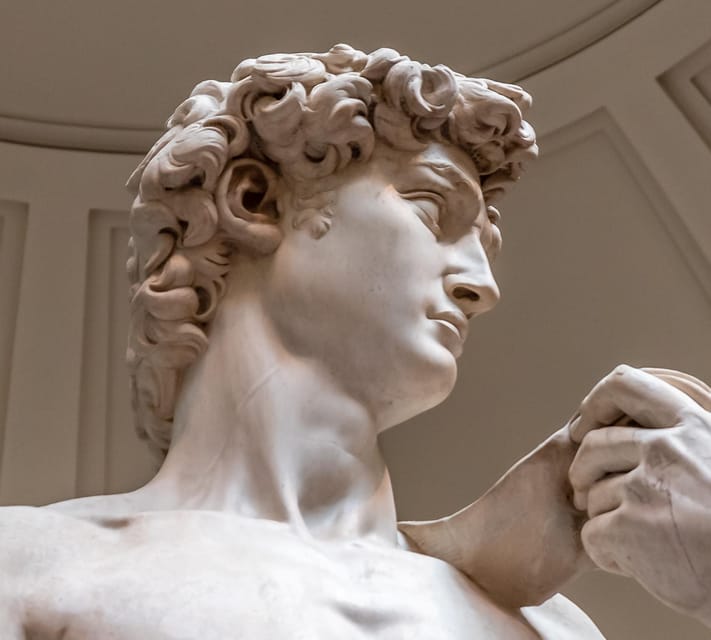
- Michelangelo’s David in the Main Hall: What to Look For
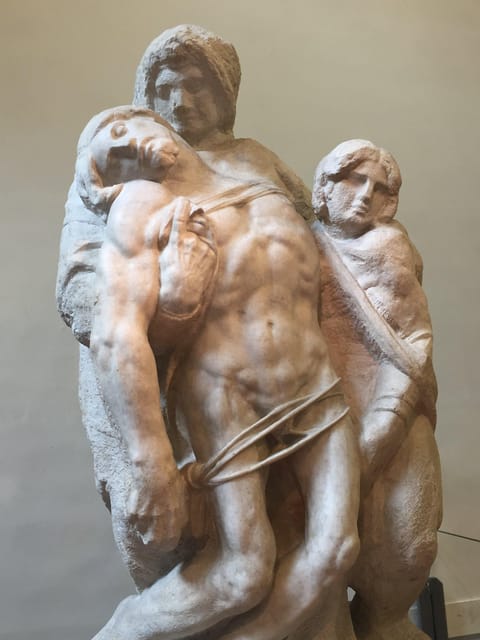
- Unfinished Sculptures With Chisel Marks: Why This Part Hits
- Gipsoteca and Plaster Models: The Art of Seeing the Process
- Medici Stradivarius Instruments: A Surprise Stop You’ll Appreciate More Than You Think
- Painting Galleries and the Top-Floor Medieval Altarpieces
- Price and Value: Is $50 Worth It for a One-Hour Ticket?
- What’s Included vs Not: Plan Around the Real Offer
- Who This Ticket Fits Best (and Who Might Want Another Option)
- Should You Book This Accademia Gallery Timed Entry Ticket?
- FAQ
- How long is the Accademia Gallery timed entry visit?
- What’s included with the ticket?
- Is there a guided tour with a person?
- Where do I exchange my voucher for a physical ticket?
- What ID do I need for children or reduced tickets?
- What is not allowed inside the museum?
Key highlights you’ll feel in real time
- Skip-the-line, timed entry: go in through a separate entrance so you’re not stuck at the ticket office
- David up close: see Michelangelo’s famous statue in the main hall
- Chisel-mark realism: spot unfinished sculptures where you can still see the work process
- Gipsoteca plaster models: view original plaster works by 19th-century Florentine sculptors
- Medici musical instruments: see Stradivarius instruments connected to the Medici
- Painting galleries + top-floor altarpieces: medieval and Renaissance masterpieces in a tight route
Timed Entry at Accademia: How to Use Your 1-Hour Window
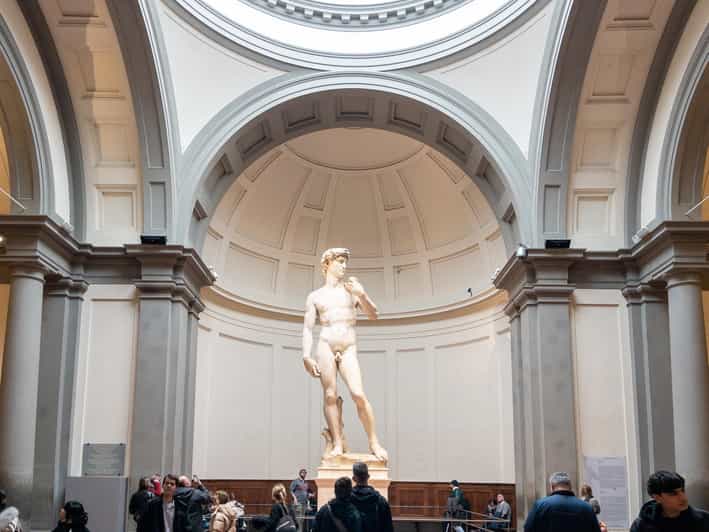
This is a one-hour museum visit, so you’ll want to treat it like a sprint with purpose. The timed ticket matters because it replaces the usual uncertainty with a set arrival time. In practice, that means you can spend your energy looking—not waiting.
Inside, your route is built around the Accademia Gallery’s main attractions. You’ll start with the big sculpture focus (hello, David), then move through the sculpture-related sections (including unfinished pieces and the Gipsoteca), and finally wrap up with the painting galleries, ending on the top floor with large medieval altarpieces.
If you’re the kind of visitor who likes to read every label, you can still do that—but you’ll probably need to pick what matters most. For me, the smart strategy is to “scan first, linger second.” Get your bearings quickly in each room, then slow down only where you’re most curious (David, the chisel marks, and the musical instruments are prime targets).
You can also read our reviews of more tours and experiences in Florence.
- Tuscany Day Trip from Florence: Siena, San Gimignano, Pisa and Lunch at a Winery
★ 5.0 · 21,634 reviews

Meeting Point at Ricasoli 45: The Small Details That Prevent Big Delays
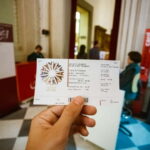
Before you can enjoy the art, you need to exchange your voucher for a physical ticket. Here’s where I’d be extra careful: the meeting point is not at the ticket office, it’s at the location specified as via Ricasoli 45, described as a blue front close to the entrance door with a red point.
Plan to meet the See Florence Italy assistant right in front of that door. The instructions are clear: don’t ring any bell, and don’t wander into side streets “hoping it’s the right place.” Just stay put and wait facing the door area while the assistant comes to you.
Two things to watch for:
- Your entry time is timed, so a slow exchange can eat into your museum hour.
- There have been reports of confusion when people ended up at the wrong time or couldn’t find the contact quickly. You don’t have control over that, but you can control your approach: arrive early, stay visible, and follow the “do not ring” guidance.
A practical trick: take 30 seconds before you leave the hotel to confirm you can find via Ricasoli 45 quickly on your phone. Then give yourself a buffer. This isn’t about being dramatic—it’s about protecting your art time.
Michelangelo’s David in the Main Hall: What to Look For
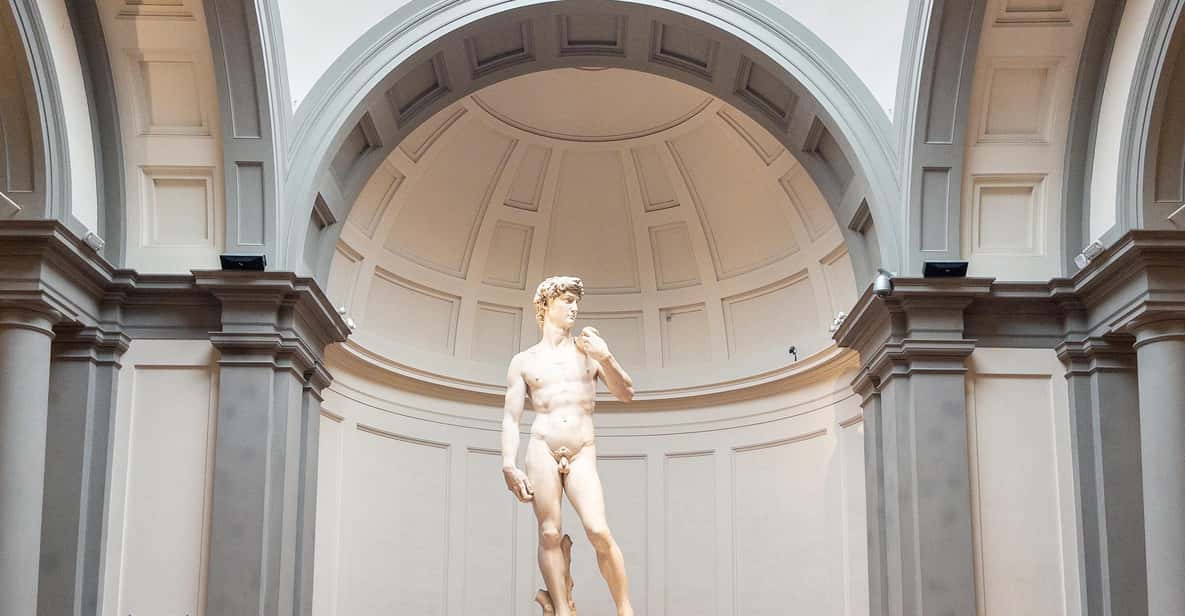
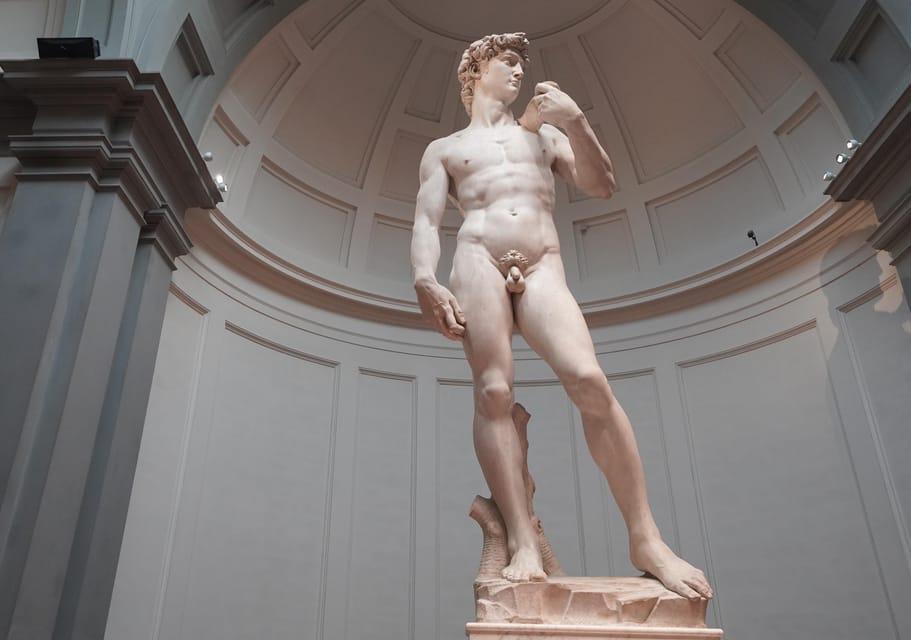
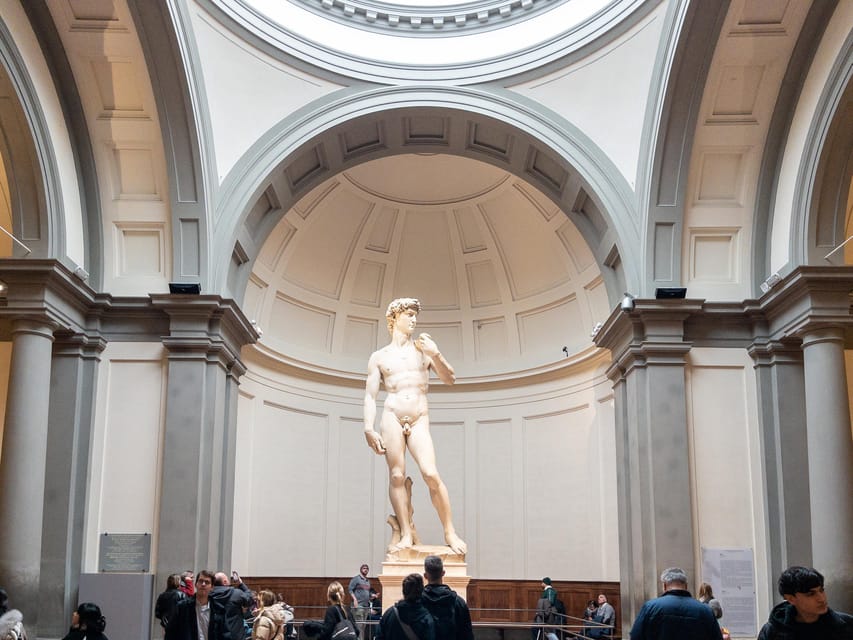
This is the moment most people came for. Michelangelo’s David is the headline sculpture, and the timing of your visit helps because you’re not stuck in a slow-moving line while your interest cools off.
When you’re in the main hall, don’t just walk past. Take a minute to look at how the statue feels visually from different angles. David isn’t only impressive because it’s famous—it’s impressive because the figure’s anatomy and surface details are so specific that your brain keeps “re-reading” what it sees.
Now comes the detail that makes this ticket more than a quick selfie stop: the display also includes unfinished works in the same general focus area. That matters, because it changes your relationship to David. You’re not only seeing the final masterpiece; you’re also seeing the working process.
If you like art history, you’ll probably appreciate that you can compare the finished look to what comes before. If you don’t, the visual difference still lands. You’ll feel it.
Unfinished Sculptures With Chisel Marks: Why This Part Hits
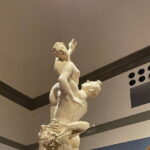
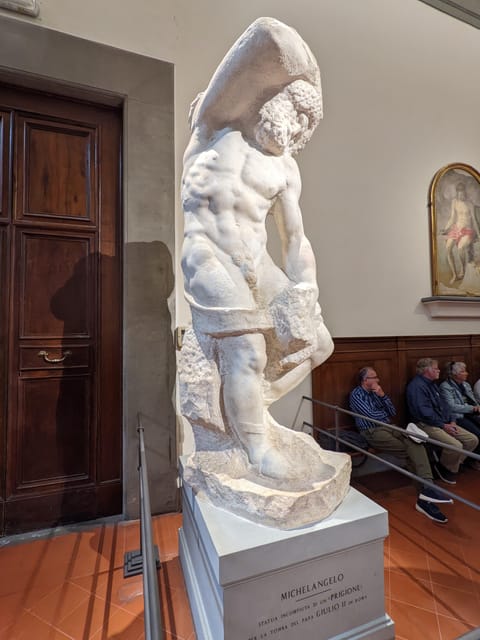
The description of the visit includes Michelangelo’s unfinished works still bearing chisel marks. This is one of those “don’t skip it” details. Finished artworks get all the attention, but unfinished pieces teach you how artists actually build form—by planning, cutting, stepping back, and revising.
In practical terms, I recommend you slow down here more than you expect. Unfinished sculptures can look “incomplete” in a quick glance, but once you focus on tool marks, the whole thing becomes clearer. You’ll start to see decisions: where the sculptor committed, where the work paused, and where shaping is still in progress.
For first-time visitors, this is the best way to make the gallery feel more personal. Instead of being overwhelmed by fame, you get to watch craft.
Gipsoteca and Plaster Models: The Art of Seeing the Process
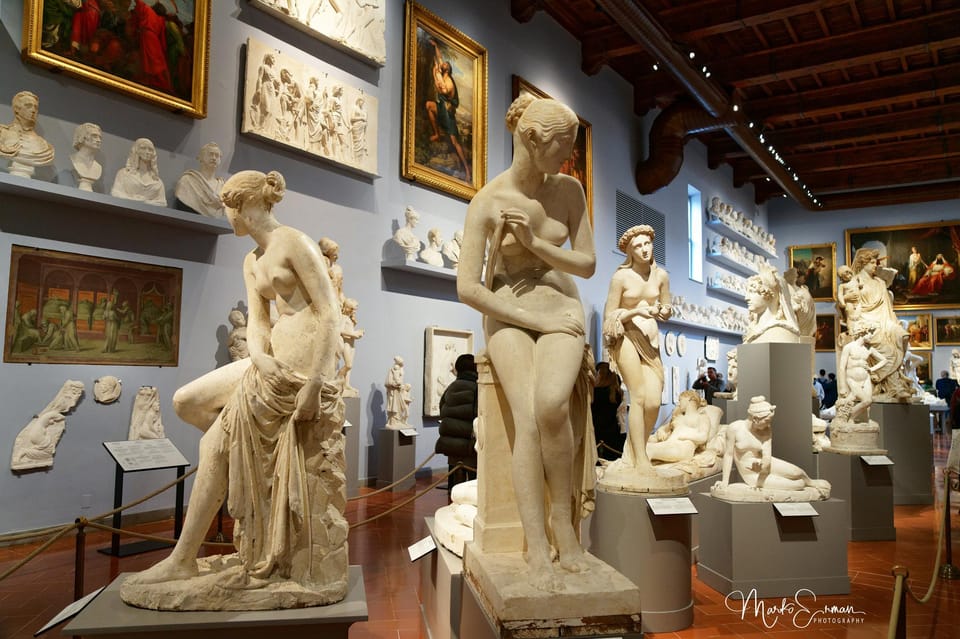
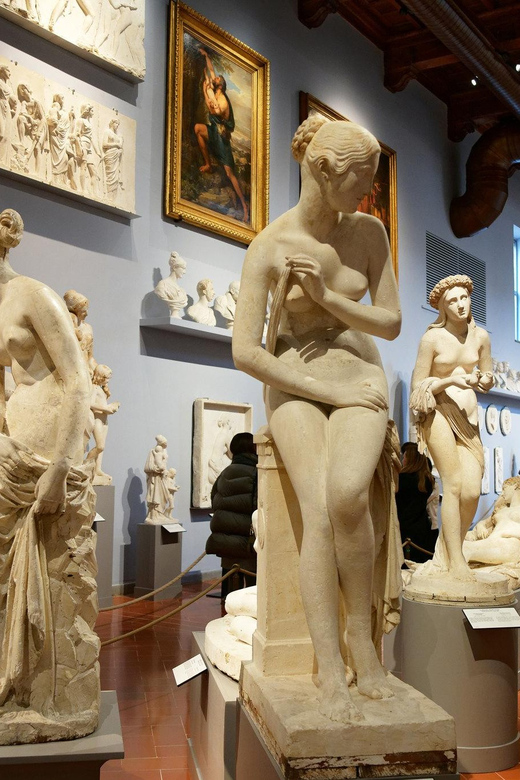
After the sculpture highlights, you’ll encounter the Gipsoteca, which houses plaster models made by 19th-century Florentine sculptors. Even if plaster doesn’t sound exciting on paper, it’s actually a smart stop in this kind of visit.
Why? Because plaster is a material for studying. It’s how you test forms, check proportions, and preserve designs. In a one-hour visit, that’s valuable context: it adds layers to what you’re seeing without turning the trip into a full-day museum marathon.
Here’s how to make this section work for you: don’t treat it like background. Spend enough time to notice what’s being preserved and how the models communicate shape. It’s the kind of section that rewards a curious look.
- The Best tour in Florence: Renaissance & Medici Tales – guided by a STORYTELLER
★ 5.0 · 12,316 reviews




Medici Stradivarius Instruments: A Surprise Stop You’ll Appreciate More Than You Think
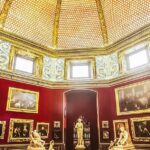
One of the most distinctive elements in this Accademia experience is the chance to see original musical instruments belonging to the Medici, including three made by Stradivarius.
This is the kind of exhibit that many visitors don’t expect in a sculpture-and-painting museum. If you’re a music fan, you’ll likely love it immediately. If you’re not, you may still enjoy it because it’s a reminder that Renaissance power and patronage weren’t just about art on walls—they were also about sound, status, and craft.
How to approach it:
- Treat the instruments like another form of sculpture. Look for precision in construction and the way materials are handled.
- If you’re short on time, don’t rush past—this is a high-value element that makes the Accademia feel broader than the David-only story.
In a one-hour visit, this stop is a great “mental reset.” You go from stone and tools to music-making craftsmanship, and suddenly the whole Medici connection feels more complete.
Painting Galleries and the Top-Floor Medieval Altarpieces
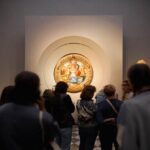
Once the sculpture route ends, you’ll transition into the painting galleries. This part includes works by medieval and Renaissance painters. The paintings in the Accademia aren’t just decorative. They’re part of Florence’s long visual language—religious themes, dramatic composition, and the slow shift in style and technique.
Then you’ll go to the top floor to see huge medieval altarpieces. These scale and format changes matter. Even if you’re not a “big painting person,” altarpieces can feel powerful because they’re designed for presence, not quiet browsing.
What I’d do during this section is choose your pace based on what you like:
- If you love narrative painting, spend more time in the galleries and pick a few pieces to compare.
- If you prefer visual impact, prioritize the top floor altarpieces first, then loop back if time remains.
Because your ticket is timed and the visit is about an hour, don’t let yourself get trapped in one room. You’ll enjoy the arc more when you move with intention.
Price and Value: Is $50 Worth It for a One-Hour Ticket?
$50 for a one-hour ticket can feel steep until you break down what you’re paying for. You’re not just buying entry. You’re buying time savings through a separate entrance and skip-the-line access. In a city like Florence, that time can be the difference between a smooth museum visit and a stressful one.
You’re also getting:
- A reserved timed entry ticket
- Assistance on meeting point and from the office area
- An audio guide mobile application
- A reservation fee
And you’re not paying for extras that you might have to arrange elsewhere, like searching for a group meeting or figuring out where to exchange vouchers. This is especially valuable if you want to keep your day moving without giving up the top Accademia sights.
Could you do it cheaper by buying a standard ticket on the spot? Maybe. But you’ll trade certainty for potential waiting. If your schedule is tight (and most Florence schedules are), timed entry is often the better deal even when it costs more on paper.
What’s Included vs Not: Plan Around the Real Offer
This experience includes the timed entry ticket and the skip-line component. It also includes assistance at the meeting point and an audio guide mobile application.
What’s not included is also important: there’s no hotel pickup, no guided tour, and no headset. That means you’ll be self-guided once inside. If you’re the type who likes a live guide to explain context, you’ll want to use the audio guide actively, not just treat it as something that plays while you walk.
Also note: the experience is listed as wheelchair accessible. If you need accessibility support, it’s smart to arrive early so you have time to handle any on-site questions calmly.
Who This Ticket Fits Best (and Who Might Want Another Option)
This ticket is a strong fit if you:
- Want to see David, unfinished sculpting, and the Gipsoteca without turning it into an all-day plan
- Prefer self-paced touring with audio support rather than a live guide
- Care about minimizing waiting time in Florence
It may be less ideal if you:
- Expect a full guided explanation from a person (this includes an audio guide, not a guided tour)
- Need extra time in galleries due to pacing or reading style (you can still do it, but your hour is fixed)
For most people, the one-hour format is the selling point. It keeps the day efficient and helps you focus on what you came to see.
Should You Book This Accademia Gallery Timed Entry Ticket?
I’d book it if you’re aiming for the classic Accademia experience—David, the unfinished works with chisel marks, the Gipsoteca plaster models, and a rare extra: the Medici-linked Stradivarius instruments. The timed entry and skip-line access make it practical, and the audio guide plus focused route helps you get through a lot without wandering.
I’d be cautious if you don’t like meeting-point handoffs or you’re the type to run late. The smooth part depends on finding the assistant at via Ricasoli 45 (blue front, red point) and exchanging your voucher promptly. If you handle that well, you’ll likely get exactly what you paid for: a fast, high-impact visit.
If you want to see the Accademia highlights without turning your morning into a waiting game, this ticket is a smart choice.
FAQ
How long is the Accademia Gallery timed entry visit?
The scheduled duration is 1 hour.
What’s included with the ticket?
You get a timed entry ticket that skips the line, a reservation fee, assistance meeting point and from office, and an audio guide mobile application.
Is there a guided tour with a person?
No. This experience includes no guided tour. You’ll use the audio guide application instead.
Where do I exchange my voucher for a physical ticket?
Exchange your voucher for a physical ticket at the meeting point at via Ricasoli 45, at the location described as a blue front near the entrance door and a red point. Meet the See Florence Italy assistant there. Do not ring any bell and stay in front of the door.
What ID do I need for children or reduced tickets?
Visitors aged 6–17 must show a valid photo ID with date of birth to receive the reduced ticket. Without it, they must pay the full adult ticket price. Children under 6 do not require a ticket.
What is not allowed inside the museum?
You should not bring pets or weapons/sharp objects. Flash photography is not allowed, and alcohol and drugs are not allowed (including alcoholic drinks in the vehicle).
You Might Also Enjoy



More Tour Reviews in Florence
- Tuscany Day Trip from Florence: Siena, San Gimignano, Pisa and Lunch at a Winery
★ 5.0 · 21,634 reviews - The Best tour in Florence: Renaissance & Medici Tales – guided by a STORYTELLER
★ 5.0 · 12,316 reviews