REVIEW · FLORENCE
Handmade Pasta and Tiramisu class in Florence
Book on Viator →Operated by Cesarine: Cooking Class · Bookable on Viator
A Florentine kitchen beats a cooking studio. You come for fresh pasta by hand and tiramisu from scratch, and you leave with recipes you can actually repeat at home. The one real watch-out: in-home classes depend heavily on clear directions, and a bad address handoff can turn a smooth afternoon into a stress test.
This is a shared class capped at 12 people, in an English-friendly format, hosted by a Cesarina in her own home. You’ll also follow the sanitary expectations in place for home hospitality—paper towels, sanitizer, and guidance on keeping distance when needed—so it feels welcoming without being chaotic.
In This Review
- Key things to know before you go
- A Florentine Kitchen Party: What You’re Really Signing Up For
- Pasta by Hand in a Real Home: Rolling, Shaping, and Making It Yours
- Tiramisu 101: Turning Coffee Flavor Into a Dessert You’ll Repeat
- The Meal After Class: Food, Conversation, and the Home-Table Finish
- English-Friendly Hosting: Getting the Most Out of Your Cesarina
- Getting There in Florence: Why Directions Matter in an In-Home Class
- Group Size and Timing: Why 3 Hours Can Feel Perfect (or Tight)
- Price and Value in Florence: Is $163.27 Worth It?
- Who Should Book This Class (and Who Might Not Love It)
- Should You Book This Handmade Pasta and Tiramisu Class?
- FAQ
- What dishes will I make?
- How long is the class?
- How big is the group?
- Is the class taught in English?
- Where does the class happen?
- Are there sanitation measures in place?
Key things to know before you go
- You’ll learn two iconic dishes: fresh pasta (choice from options like gnudi or pici) plus tiramisu.
- It’s a small group experience (max 12), so you’re not stuck watching from the back row.
- You cook in a real home, hosted by a Cesarina with family-style warmth.
- Sanitation is built into the experience, with supplies provided in the home.
- Address clarity is crucial in a city of apartments and door codes—double-check your meeting details.
A Florentine Kitchen Party: What You’re Really Signing Up For
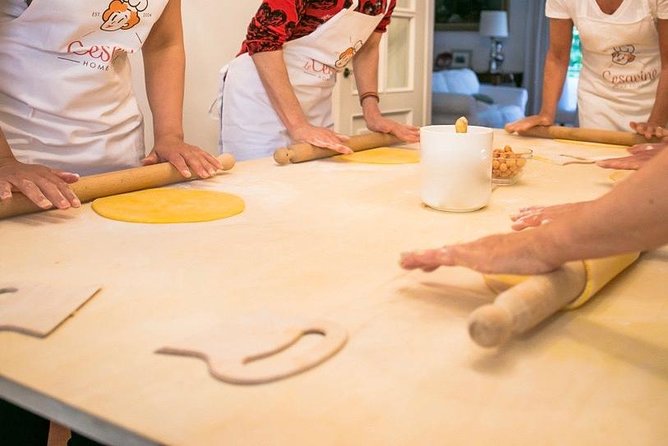
This is the kind of cooking class where the room feels lived in, not staged. You’re invited into a local home to cook, eat, and talk with other food lovers in a small group. That small scale is a big part of the value, because it usually means more time with the person teaching you.
The hosts are Cesarine, which is basically the Florence-to-Tuscany version of warm home hospitality. Expect that family feel: friendly conversation, practical tips, and a focus on helping you get the result in your own kitchen later. Several instructors highlighted patience and warmth—especially with kids—which is a good sign if you’re traveling as a family.
The realistic side of the deal: you’re in someone’s daily space. If you’re expecting a big classroom with perfect signage and a strict restaurant-style schedule, an in-home format can feel less controlled. Your best move is to communicate early if anything feels unclear about the address or timing.
You can also read our reviews of more tours and experiences in Florence.
- Tuscany Day Trip from Florence: Siena, San Gimignano, Pisa and Lunch at a Winery
★ 5.0 · 21,634 reviews


Pasta by Hand in a Real Home: Rolling, Shaping, and Making It Yours
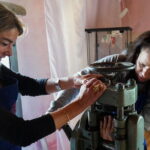
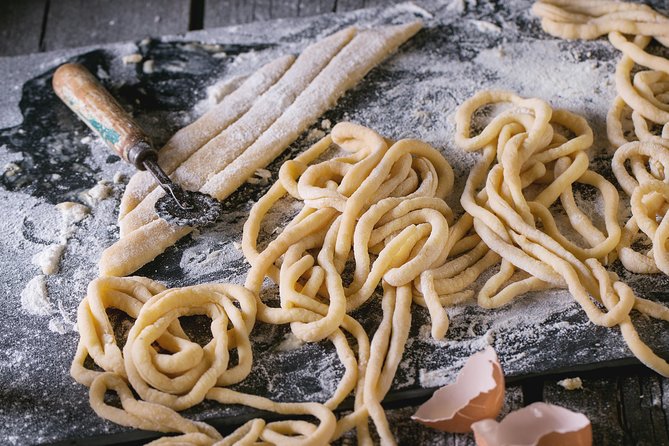
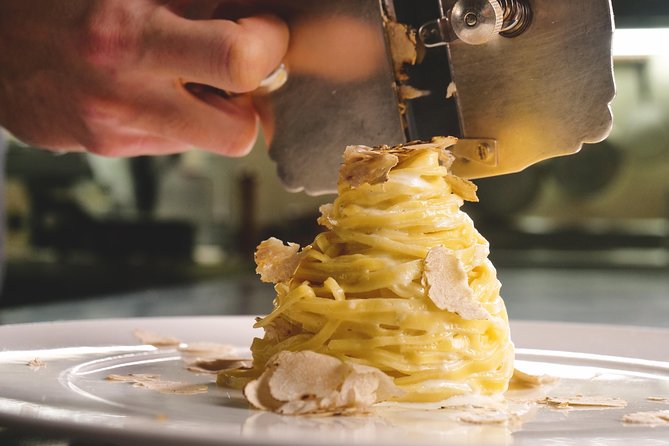
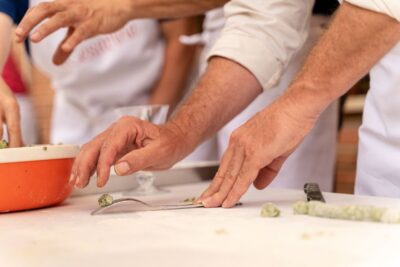
The core of the class is learning to roll and shape fresh pasta by hand. You’ll prepare two iconic dishes, and the pasta course usually includes one of these options: gnudi, pici, pappardelle, or potato tortelli. Which one you get may depend on what the host is planning for your group.
What I like about this format is that it teaches the mechanics, not just the final plate. Even if some parts (like sauces or components) are handled in advance, you’re still doing hands-on work: dough handling, shaping, and the “this is how it should feel” technique. That tactile instruction is the piece that helps you recreate the pasta later, not just memorize a recipe.
You also get practice with the idea that Italian pasta is more than spaghetti with red sauce. Gnudi can be delicate and comforting. Pici brings a rustic, hand-rolled character. Pappardelle leans wide and hearty. And potato tortelli gives you a playful texture shift from wheat dough alone.
One practical consideration: because it’s in-home and limited to about three hours, the class has to manage timing. That means you may not see every single step start-to-finish from raw ingredients. In the best cases, you’ll still do the key shaping work and learn the method that matters.
Tiramisu 101: Turning Coffee Flavor Into a Dessert You’ll Repeat
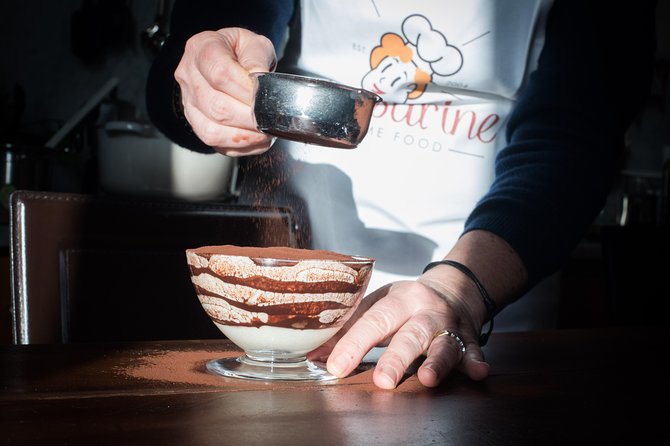
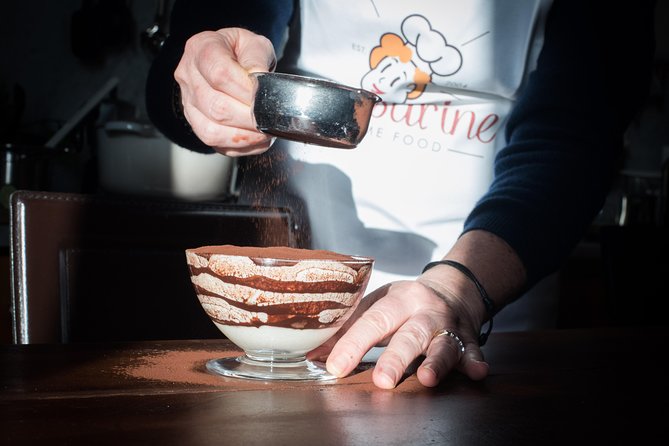
Then comes tiramisu, the coffee-flavored Italian dessert that most people think they know—until they watch someone build it well. In this class, you’ll learn the process during the session so you can understand how to assemble it cleanly at home.
Tiramisu is one of those desserts where small choices matter: texture, balance, and how the coffee component interacts with the creamy layers. The instructors are teaching the practical habits behind the dessert, like what to look for as it comes together and how to keep the layers neat.
The value here is that you’re not just tasting something Italian—you’re learning how the components work together. If you’re the type who likes desserts but hates confusing steps, tiramisu is a great target because the result is familiar, and the technique is learnable in one sitting.
Also, because hosts are working in their own kitchens, you may pick up small “house methods” that make life easier—like timing, prep flow, or how they keep the dessert from becoming sloppy. Those are the tips you want to steal.
The Meal After Class: Food, Conversation, and the Home-Table Finish
A big reason this class works is what happens after the cooking: you sit down and eat what you made. In real terms, you’re getting a full experience, not a short demo followed by a goodbye. That shared meal is where the small group format really pays off—you can compare what you did, ask questions, and hear how other people will recreate it at home.
From the reviews and the way the experience is structured, conversation tends to be part of the deal, especially in homes that lean into stories and local culture. Some hosts even make it a family-friendly dinner flow, which is reassuring if you’re traveling with children.
One detail to keep in mind: aperitifs or extra touches can vary by host. A few classes have included a start like prosecco, but it’s not something you should assume for every session. What is consistent is that you’re eating the results of your pasta and tiramisu work.
The class is also capped at 12 people, and that matters for atmosphere. You’re not fighting for attention, and you’re less likely to feel like a spectator.
English-Friendly Hosting: Getting the Most Out of Your Cesarina
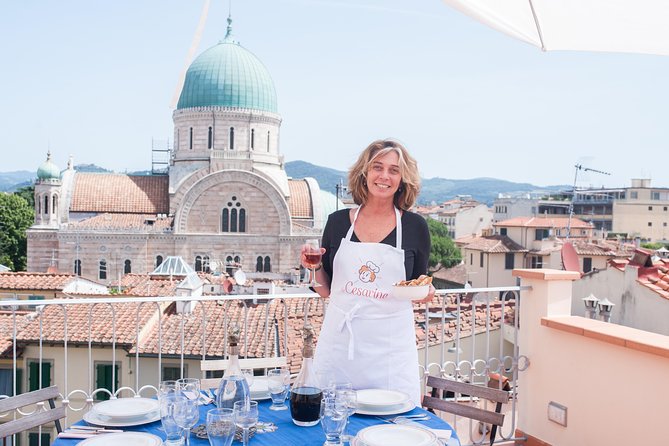
This experience is offered in English, which is a big plus in a city where cooking terms can quickly become a blur. In the best situations, you’ll get clear explanations and hands-on guidance while still getting time to chat with your host.
That said, a possible drawback is communication friction. In one unhappy scenario, communication relied on a translating device and the class became more watch-and-wait than hands-on learning. The takeaway for you is simple: come with a few prepared questions you care about—how to judge dough texture, what makes a sauce work, and how to assemble tiramisu without messing up layers.
It’s also smart to share needs early. One host in the broader Cesarine-style program described preparing recipes to cater to allergies and using fresh, top-quality ingredients. Since the specific approach isn’t spelled out here, treat that as a hopeful sign, then confirm your needs in advance so your host can plan.
Finally, remember what kind of learning this is. You’re not taking a written exam. You’re learning by doing, and you’ll pick things up fastest if you follow along with the practical steps and ask for quick corrections.
- The Best tour in Florence: Renaissance & Medici Tales – guided by a STORYTELLER
★ 5.0 · 12,316 reviews





Getting There in Florence: Why Directions Matter in an In-Home Class
Florence is gorgeous, and it’s also full of apartments, narrow streets, and doorbells that don’t always match your expectations. With in-home cooking, your arrival experience depends on accurate address info and clear instructions on how to enter the building.
A couple of issues show up in the negative experiences: missing directions, an unclear route to the home, and confusion about where exactly the class meeting point is. Sometimes that turns a scheduled start into a late arrival or a rushed start.
So here’s your practical move: treat the address details as your number-one task. When you have the meeting info, save it offline, check the exact building entrance instructions, and plan a buffer. If you’re using public transit, give yourself extra time to walk the final stretch. The tour is near public transportation, but “near” still means you’ll be on foot for a bit.
If you’re someone who hates uncertainty, in-home cooking can still be worth it—but only if you’re proactive about arrival details.
Group Size and Timing: Why 3 Hours Can Feel Perfect (or Tight)
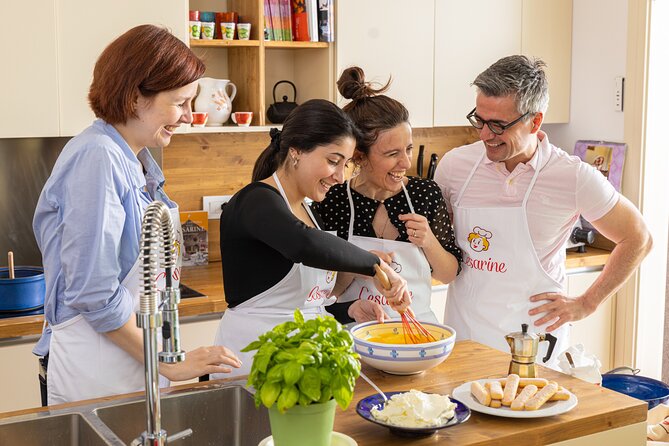
The duration is about 3 hours, and that’s a sweet spot for a pasta-and-tiramisu day. Long enough to roll dough, shape pasta, and assemble dessert without turning into a full-day grind. Short enough to keep energy high and food fresh.
Because it’s a shared class, timing can also depend on everyone in the group arriving smoothly. If one person is late and the home has limited kitchen space, the host may need to adjust the flow.
This is where the difference between “great class” and “weak class” shows up in real-world terms: some sessions run like a tight, well-prepped workshop, while others can drift if the schedule gets disrupted.
You can reduce that risk by arriving early, keeping your phone charged, and being ready to jump into the first step quickly.
Price and Value in Florence: Is $163.27 Worth It?
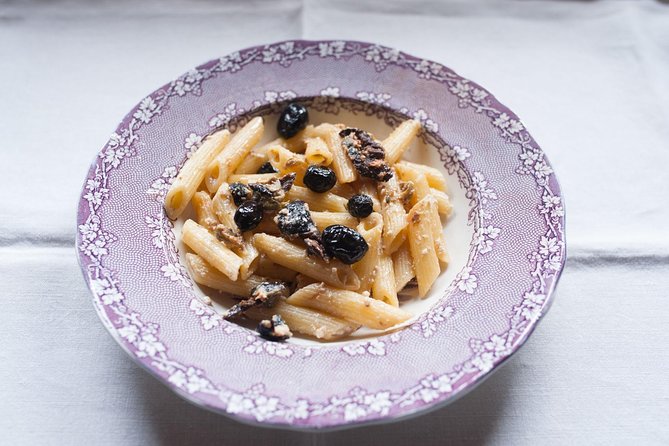
At about $163.27 per person for a roughly three-hour class, this isn’t a cheap activity. But in Florence terms, it’s also not priced like a private chef experience.
So where does the value come from?
First, you’re paying for small-group teaching in a private home with ingredients and guidance included in the experience flow. Second, you’re learning two major dishes—fresh pasta plus tiramisu—so you’re not leaving with just one skill. Third, the “eat what you made” finish makes it feel more like dinner with lessons than a snack-sized class.
The caution is that in-home cooking can vary from host to host in how much is truly hands-on during the session. If a host has parts prepped earlier, the learning may feel lighter. That doesn’t always mean it’s bad—it can be what keeps the experience on time—but it’s worth keeping expectations aligned with a shared, time-limited format.
If you want the safest value bet, look for the combination of small group, enthusiastic instruction, and a hands-on role in shaping pasta and assembling tiramisu.
Who Should Book This Class (and Who Might Not Love It)
You should book if you want a Florence food experience that feels human. This class suits couples, solo travelers who enjoy meeting people, and families—especially because hosts in this format are described as patient and good at making guests feel at home.
It’s also ideal if you’re the type who likes learning a skill you can recreate. If you’ve ever tried to make pasta at home and ended up with tough dough or uneven shapes, rolling and shaping instruction is exactly what you need.
You might think twice if you’re highly sensitive to delays or you need very precise, studio-like logistics. The in-home nature can be magical, but it depends on address clarity and timely starts. If that’s your biggest stress trigger, plan arrival carefully.
Should You Book This Handmade Pasta and Tiramisu Class?
Yes—if you’re comfortable with the idea that you’re stepping into someone’s real kitchen and that the day’s success depends on smooth arrival and good communication. The strongest reason to book is the combination of hands-on pasta plus tiramisu you can actually make again, taught in a small group by a Cesarina with real hospitality.
If you decide to go, set yourself up for success: double-check address and entry instructions ahead of time, arrive early, and come with a few focused questions about dough and dessert texture. You’ll get far more out of the class when you treat it like a conversation and a practical workshop at the same time.
And if anything feels off about directions as your date gets closer, reach out so you’re not improvising in Florence’s apartment maze.
FAQ
What dishes will I make?
You’ll make fresh pasta (from options such as gnudi, pici, pappardelle, or potato tortelli) and a tiramisu dessert.
How long is the class?
The experience lasts about 3 hours.
How big is the group?
It’s a shared class with a maximum of 12 travelers.
Is the class taught in English?
Yes, it’s offered in English.
Where does the class happen?
It takes place in a carefully selected local home in Florence with a Cesarina host.
Are there sanitation measures in place?
Yes. The home provides essential sanitary equipment like paper towels and hand sanitizer, and the experience includes guidance about keeping distance and using masks and gloves if you can’t.
You Might Also Enjoy



More Tour Reviews in Florence
- Tuscany Day Trip from Florence: Siena, San Gimignano, Pisa and Lunch at a Winery
★ 5.0 · 21,634 reviews - The Best tour in Florence: Renaissance & Medici Tales – guided by a STORYTELLER
★ 5.0 · 12,316 reviews