REVIEW · FLORENCE
Florence Central Market Food Tour with Eating Europe
Book on Viator →Operated by Florence Food Tours by Eating Europe · Bookable on Viator
Follow the scent of Florentine food. This Florence Central Market Food Tour with Eating Europe strings together San Lorenzo Market and key food stops in about 3 hours, with real tastings and a guide who explains the why behind the flavors.
I love the small-group feel (maximum 10), because you don’t get lost in the crowd. I also love the way the tour mixes food with Florence’s power players, starting near the Medici Chapels and then moving into wine, cheese, and street snacks.
One consideration: if you have a severe or life-threatening allergy, this tour isn’t suitable, and tastings can’t be guaranteed to be safe for every ingredient.
In This Review
- Key highlights at a glance
- Start at San Lorenzo: the Medici context you’ll feel in your food
- Il Cantuccio and Vin Santo: a sweet start that teaches you the basics
- Leather market wandering: souvenirs with taste, not just stuff
- Central Market Florence: the iron-and-glass foodie landmark
- Marco salumi e formaggi: the pecorino window and why it’s a win
- Le Lame stand at Mercato Centrale: oils, vinegars, and organic pours
- Coffee culture at Caffè Del Mercato di Ermal Molla: quick, local, human
- Bambi Trippa e Lampredotto: street food that’s more than a snack
- Enoteca Fratelli Zanobini: the wine shop stop that gives you real ordering power
- Antica Gelateria Fiorentina: learn the cues, then eat the evidence
- What the price gets you (and where you’ll spend extra)
- Timing and logistics that matter on a 3-hour market crawl
- Who this tour fits best (and who should skip it)
- Should you book the Florence Central Market Food Tour with Eating Europe?
- FAQ
- What’s the duration and group size for this Florence food tour?
- Where do I meet, and do we return to the same place?
- Is the tour offered in English, and do I get a guide?
- Are the tastings always the same?
- Can children join, and is food included?
- What about dietary needs and food allergies?
Key highlights at a glance
- San Lorenzo Church + Medici Chapels: Michelangelo-linked sights paired with your first food ritual
- Il Cantuccio + Vin Santo: cantucci biscotti and a classic sweet-wine match
- Market legends like Marco: pecorino window with 46 varieties plus cured-meat tastings
- Florentine street food: lampredotto (century-old recipe) and meatballs with Sangiovese
- Historic wine shop stop: Enoteca Fratelli Zanobini with 2,500 labels and family-farm pours
- Artisan gelato coaching: how to spot real gelato by color, texture, and temperature
Start at San Lorenzo: the Medici context you’ll feel in your food
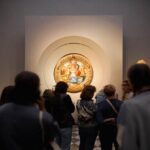
This tour is a smart way to begin a Florence trip because it doesn’t treat food like a side quest. You start near San Lorenzo Church, one of the city’s oldest and most important churches, closely tied to the Medici family. The moment you step inside, the Medici Chapels link art and power to everyday life—and you get that sense that Florence always had a taste culture, not just a restaurant culture.
I like the pacing here: you get a quick hit of Florence’s big story, then you shift toward eating. This matters because many food tours rush straight to snacks. Here, the food starts to make sense as part of how the city grew, traded, and built reputations.
You’re also in a good position to move afterward. The tour keeps you within the thick of the market area, so you’re not burning time crossing town between stops.
You can also read our reviews of more tours and experiences in Florence.
- Tuscany Day Trip from Florence: Siena, San Gimignano, Pisa and Lunch at a Winery
★ 5.0 · 21,634 reviews

Il Cantuccio and Vin Santo: a sweet start that teaches you the basics
At Il Cantuccio di San Lorenzo, you’re served freshly made cantucci—those classic Italian biscotti. The key is what they pair it with: Vin Santo, a naturally sweet white wine that’s basically a Tuscan ritual.
This stop works for you even if wine isn’t your thing. Cantucci are dry, crunchy, and meant for dunking or pairing. Vin Santo brings the sweetness that balances the biscotti’s firmness. It’s a small lesson in how Tuscan flavors are built: salt and fat, sweetness and bite, texture and time.
A practical note: this is one of the shorter stops, so keep your photo-taking quick and listen to what your guide points out. The value here is in learning what makes the pairing “correct,” not just eating something tasty.
Leather market wandering: souvenirs with taste, not just stuff
Between food halls, you also get time in the San Lorenzo outdoor leather market. It’s one of the lively open-air areas in the historic district, with stalls selling Italian leather goods, scarves, and souvenirs.
Here’s why I think this stop is worth including. You’ll see how Florence sells everyday luxury—things made to last, often tied to regional skill. Even if you don’t buy leather, you’ll understand what locals mean when they talk about quality and craftsmanship.
One small caution: markets can be a lot for shoppers who hate crowds. If you’re sensitive to noise and sales pressure, keep your expectations simple—this is more about atmosphere and nearby food logistics than deep shopping therapy.
Central Market Florence: the iron-and-glass foodie landmark
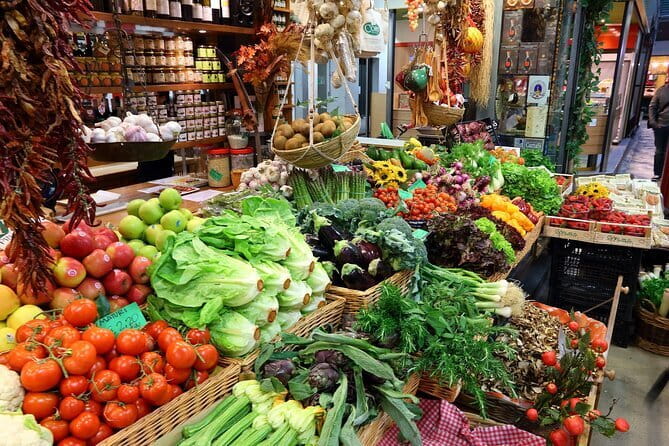
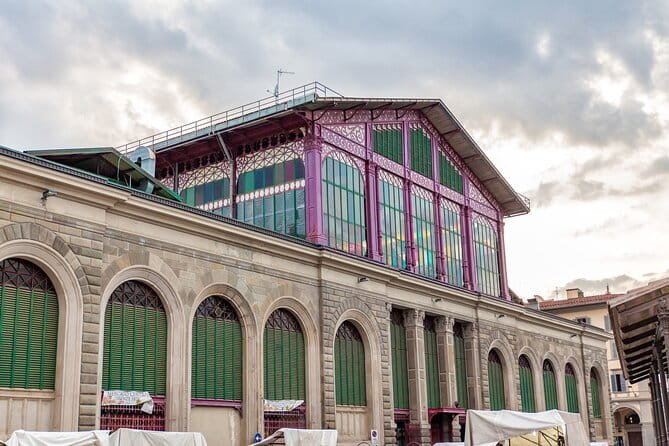
Next comes the Central Market Firenze, the 19th-century iron-and-glass landmark built for Florence’s food culture. You move through the classic split: traditional stalls downstairs and a food hall upstairs.
This is where your guide helps you “read” the market. Don’t treat it like a single supermarket aisle. Each stall has its own specialty, rhythm, and sales pitch—so your tour turns into a guided shortcut to the best items rather than a random wandering experiment.
You’ll likely notice how the market is set up for tasting and conversation. That’s the part you want to experience: food isn’t just displayed; it’s explained.
Marco salumi e formaggi: the pecorino window and why it’s a win

At Marco salumi e formaggi, you meet a long-time vendor who’s been selling Tuscan cheeses and cured meats for decades. This is one of the most fun stops because it’s both food and story.
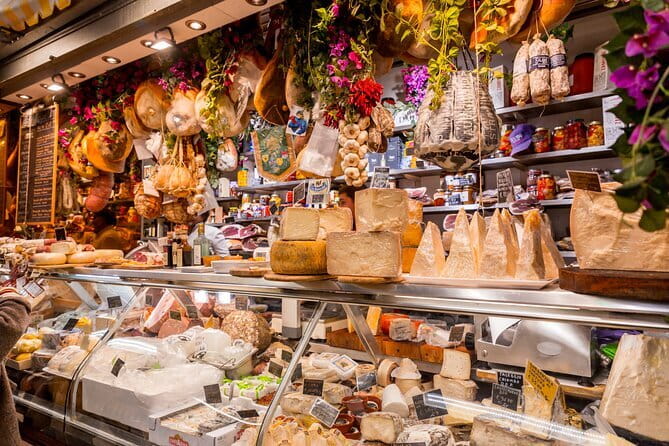
The headline is the famous pecorino display: a window with 46 varieties. That’s not just impressive—it’s educational. Pecorino isn’t one flavor. It ranges by aging, preparation, and what goes into the final bite, and you get to taste local favorites so you can start identifying what you actually enjoy.
You might end up thinking about truffle cheese the same way locals do: as a proper upgrade, not a novelty. The tour keeps this grounded in what’s common in the region, not just what’s trendy.
- The Best tour in Florence: Renaissance & Medici Tales – guided by a STORYTELLER
★ 5.0 · 12,316 reviews
Le Lame stand at Mercato Centrale: oils, vinegars, and organic pours
At il Mercato Centrale Firenze, you stop at the Le Lame stand run by the same family for generations. You’ll be tasting Tuscan hill treasures—olive oils, vinegars, wines, liqueurs, and traditional flavors—with an emphasis on organic products.
This is a great stop for you if you like cooking or you want to bring Florence home without guessing. Oils and vinegars are among the easiest “shipping decisions” because they’re stable and travel well compared with fresh items.
What I like about this part is variety. You don’t just taste one product—you learn the range of how these ingredients show up in everyday Tuscan food. Even if you don’t buy much, you’ll leave with real ideas for what pairs well with what.
Coffee culture at Caffè Del Mercato di Ermal Molla: quick, local, human
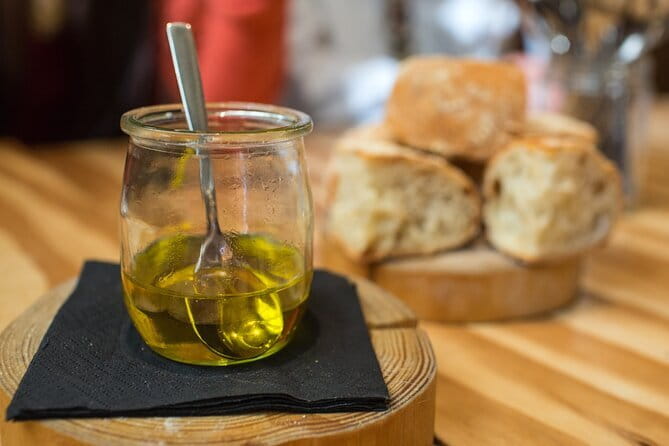
Then the tour shifts to Caffè Del Mercato di Ermal Molla, where the atmosphere is pure Florentine market life. This is a stop designed to show you how people actually fuel their day—coffee, quick chats, and that market gossip energy that makes Italy feel like a living place, not a staged museum.
I’d treat this stop as a reset. The tour already covered cheese and meats; coffee here helps you digest and refocus. It also gives you a break from heavier tastings before you hit the street-food finish line.
If caffeine isn’t your thing, you’ll still learn something valuable: in this part of Florence, food culture is social. You’re not just consuming; you’re watching how people talk about what they’re buying.
Bambi Trippa e Lampredotto: street food that’s more than a snack
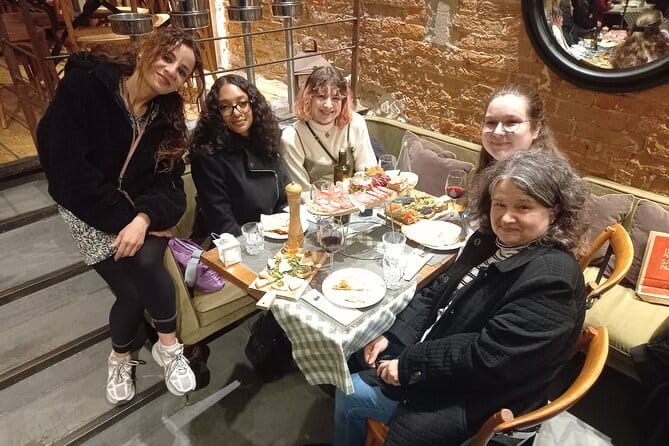
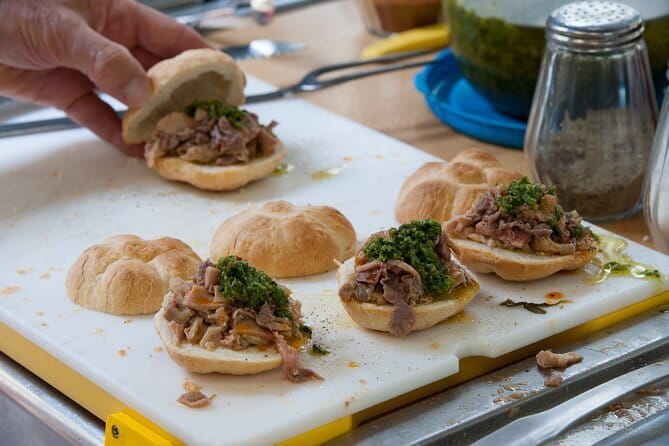
This stop is the heart of the street-food side: Bambi Trippa e Lampredotto. You’ll taste lampredotto made with a century-old recipe, plus Tuscan meatballs. Both are paired with a glass of Sangiovese.
Lampredotto is one of those foods people either chase or skip. The tour helps by putting it in context: it’s not random offal, it’s part of a tradition with specific textures and flavors. If you’re curious, this is a solid place to try because you get guided tasting, not a cold “good luck” decision.
The pair with Sangiovese is practical too. Red wine tends to stand up to savory meat flavors, and it keeps the meal coherent instead of turning into a series of separate bites.
Enoteca Fratelli Zanobini: the wine shop stop that gives you real ordering power
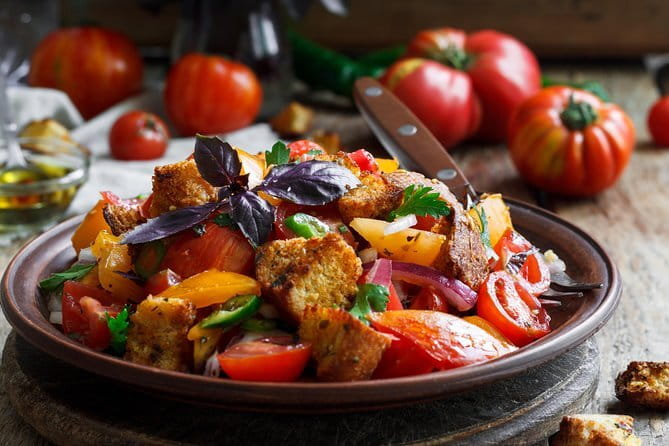
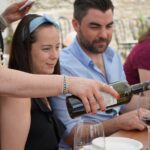
Next you step into Enoteca Fratelli Zanobini, a historic wine shop run by three generations of sommeliers since 1944. You can browse a long list of labels—2,500—but you won’t feel overwhelmed, because you’ll also enjoy two wines from the family’s own farm.
Those wines come paired with a main course brought from the market. That detail matters. It keeps tasting connected to food you just ate, so you start to understand how wine choices are made in real life, not just in theory.
If you’re the type who usually buys wine based on labels, this stop can change your approach. By tasting two wines tied to an actual meal, you learn what you like in the context you care about back home.
Antica Gelateria Fiorentina: learn the cues, then eat the evidence
The tour ends with Antica Gelateria Fiorentina, where you learn how to spot real artisanal gelato. You’ll focus on cues like color, texture, and temperature, then taste two flavors, including their signature creations.
This is one of the most useful endings because it turns into an immediate guide for the next gelato shop you walk into. When you know what “good” should feel like, you can shop smarter without needing a menu lecture.
It’s also a fun closer because it doesn’t feel like homework. Gelato is a reward, and the earlier stops have built enough appetite that you can actually enjoy it.
What the price gets you (and where you’ll spend extra)
The price is $113.72 per person for roughly 3 hours in a small group (max 10). That sounds like a lot until you break down what’s happening: you’re paying for a guide, multiple tastings, and access to specialty vendors who are part of the market’s daily rhythm.
You should also know what’s not included: tips for the guide, hotel pickup/drop-off, and extra drinks. In other words, the tastings include food and paired drinks at the stops, but if you order beyond that, you’re on your own.
For value, the biggest win is that you’re not stuck doing market shopping alone. Markets are big and overwhelming, especially Central Market. A good guide turns “I hope I pick the right stall” into “I taste a smart set and leave with buying confidence.”
Timing and logistics that matter on a 3-hour market crawl
This experience is about 3 hours, and it runs as a walking tour that ends back at the meeting point. You start at Piazza di Madonna degli Aldobrandini, 50123 Firenze FI, Italy.
That duration is ideal if you want to taste a lot without losing a full afternoon. It’s also a good first-day move, because you’ll learn what you want to return to on your own. Plus, being near public transportation helps if your schedule is tight.
Who this tour fits best (and who should skip it)
This tour is a great match if you:
- want a guided introduction to San Lorenzo Market and Mercato Centrale
- like cheese, cured meats, olive oils, and wine pairings
- enjoy learning through tasting rather than through museum-style narration
- want a small-group experience where the guide can keep the pace personal
It may be a poor match if you have severe food allergies. The tour notes it’s not suitable for those with severe or life-threatening allergies, and it can’t take responsibility for allergies or intolerances.
Also, if you hate walking or you need a very slow pace, the structured stops may feel like too much. This is a “check points, taste, move” kind of tour.
Should you book the Florence Central Market Food Tour with Eating Europe?
If you’re choosing between a generic food walk and a market-focused tour, I’d lean toward this one. You get multiple tastings across the places that define Florence’s everyday food culture, plus a wine shop stop that helps you order smarter later.
Book it when you want value per hour: 3 hours, small group, and enough different flavors to stop you from eating only one type of meal all week. Also book it if you want to shop with confidence after the tour—tasting oils, vinegars, cheeses, and cured meats gives you a baseline so you don’t buy blindly.
Don’t book it if allergies are your main concern, or if you want a slow, sit-down meal experience. This is a market tour. The payoff is in the variety and the local connections you experience along the way.
FAQ
What’s the duration and group size for this Florence food tour?
It runs for about 3 hours and has a maximum group size of 10 travelers, with an English-speaking guide.
Where do I meet, and do we return to the same place?
You start at Piazza di Madonna degli Aldobrandini in Florence and the tour ends back at the meeting point.
Is the tour offered in English, and do I get a guide?
Yes. The tour is offered in English and includes a local English-speaking guide.
Are the tastings always the same?
Not always. The tour notes that tastings are a selection you’ll often see, and offerings and tour stops may vary by day or season.
Can children join, and is food included?
Children under 4 don’t need a ticket and can join for free, but food is not included for under-4s. Paid tickets with food included are available for ages 4 and up.
What about dietary needs and food allergies?
The tour says it can accommodate vegetarians, gluten-free guests, or other dietary needs where possible if you email or add a note at booking. However, it isn’t suitable for severe or life-threatening food allergies, and the provider can’t be responsible for allergies or intolerances.
You Might Also Enjoy

More Tour Reviews in Florence
- Tuscany Day Trip from Florence: Siena, San Gimignano, Pisa and Lunch at a Winery
★ 5.0 · 21,634 reviews - The Best tour in Florence: Renaissance & Medici Tales – guided by a STORYTELLER
★ 5.0 · 12,316 reviews