REVIEW · FLORENCE
Florence in a Day: David, Cathedral & City Highlights Guided Tour
Book on Viator →Operated by Walks In Europe · Bookable on Viator
Florence in a day can work—if you pick the right route. This guided loop hits David at the Accademia first (with pre-reserved entry) and then strings together Duomo-area art with an easy stroll to Ponte Vecchio. I especially like the small group size and the headset system, which keeps the talk clear even while you’re moving.
My other big plus: the tour is built around “timed access” where it counts. You get guided visits with pre-reserved tickets at the Accademia, and you’re also set up for the Duomo Museum and the Baptistery, which saves your time for actual sightseeing. One drawback to plan around: there’s walking in the sun and stairs for the optional bell-tower climb, with no lift.
In This Review
- Key things to know before you go
- Florence in 3 hours: why this route feels efficient
- Meeting at Piazza San Marco: the smart start point
- Accademia Gallery first: seeing David without the wait
- Duomo Square: quick orientation with Duomo context
- Museo dell’Opera del Duomo: where the details come from
- Baptistery of St. John: golden mosaics, with restoration in mind
- Piazza della Signoria and the way to Ponte Vecchio
- Giotto Bell Tower upgrade: the view is worth the stairs
- Price and value: what $131.81 is really buying
- Who should book this tour (and who might want a different plan)
- Should you book Florence in a Day: David, Cathedral & City Highlights?
- FAQ
- How long is the Florence in a Day tour?
- Where does the tour start?
- Where does the tour end?
- Is this a small group tour?
- Does the tour include tickets to see Michelangelo’s David?
- Do I see the inside of the Cathedral?
- Can I enter the Cathedral on Sundays?
- What about the Baptistery—can I still visit?
- Is the bell tower climb included?
- What should I avoid bringing if I want to enter the Cathedral and museums?
Key things to know before you go
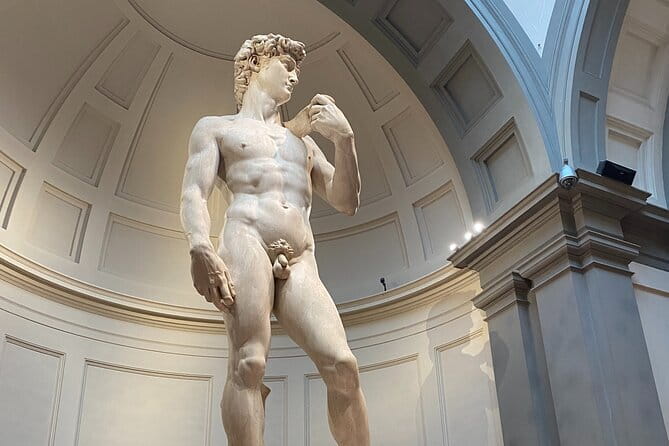
- Skip-the-line Accademia access means you spend less time waiting for David and more time looking closely.
- Duomo experience depends on your tour time: afternoons include Cathedral interior; mornings are exterior views only.
- You’ll see original Cathedral artworks in the Museo dell’Opera del Duomo, not just the big monuments outside.
- Baptistery mosaics are under restoration, so parts may be wrapped or less “fully visible” than usual.
- Giotto Bell Tower is a real climb with no lift, so pacing matters.
- Small group max 15 people plus headsets helps you keep up with the guide without crowd pressure.
Florence in 3 hours: why this route feels efficient
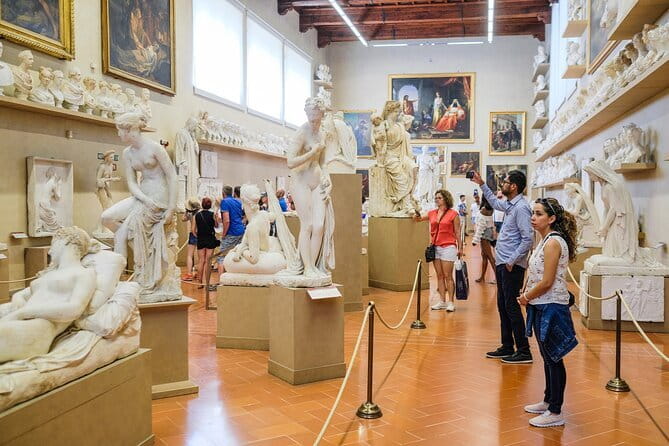
This is a “hit the icons without feeling rushed” kind of tour. In about 3 hours, you cover a tight slice of Florence’s center: Piazza San Marco → Accademia → Duomo Square area → Piazza della Signoria → Ponte Vecchio. The key is that you’re not just walking from one landmark to another. You’re guided through the why behind what you see, and you get ticketed access at the places that normally eat up your morning.
Also, the headset system is a practical detail that makes a difference in real life. You’re rarely standing shoulder-to-shoulder with your guide, especially when you’re threading through museum flows and city crowds. Clear audio helps you stay oriented and actually follow the story.
The group size is small (up to 15). That tends to make a short tour feel personal rather than like a human conveyor belt. In Florence, that matters. If you’re trying to understand Michelangelo’s David and the Duomo’s art program in one day, you’ll want someone to slow you down at the moments that count.
You can also read our reviews of more tours and experiences in Florence.
- Tuscany Day Trip from Florence: Siena, San Gimignano, Pisa and Lunch at a Winery
★ 5.0 · 21,634 reviews

Meeting at Piazza San Marco: the smart start point
You meet at the Statua di Manfredo Fanti in Piazza San Marco. It’s an easy, central place to find, and it sets you up to start with the Accademia without burning time crossing the city.
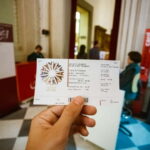
Do yourself a favor and arrive early—this tour uses timed entry. The guide has to get everyone in and moving on schedule. You can’t join after it begins, so treat the meeting time like a train departure, not a suggested hangout time.
One more practical note: the tour does not include transport to the meeting spot. That’s normal for walking tours, but it means you should plan how you’ll get there (and how you’ll get back after you end at Ponte Vecchio).
Accademia Gallery first: seeing David without the wait
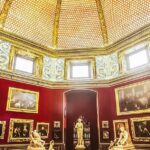
Your first real “wow” moment is the Galleria dell’Accademia with pre-reserved tickets and a guided talk focused on Michelangelo’s David. The payoff here is timing. Without advance entry, you can lose a big chunk of your day to lines and slow-moving queues. With reserved entry, you’re more likely to see David while your brain is still fresh—and while the museum is still in full “first impressions” mode.
What I like about this approach is that the guide doesn’t just point and say famous statue. You get the history and artistic reasoning behind David’s fame—why it was made, why it mattered, and what Michelangelo was communicating with form and detail. Even if you’ve seen photos before, standing in front of the real statue hits differently: the scale, the proportions, and the fine carving details become part of the story rather than just decoration.
This stop is also the best place to ask questions. It’s a relatively focused visit at the start, and it’s easier for a small group to keep momentum when everyone is still excited and listening closely.
Tip for your bag and items: one practical warning you might not expect—some museum rules can be strict about what you carry inside. In one case shared from a similar visit, bottled liquid (from a souvenir purchase) caused stress and required a quick workaround outside the museum. If you’ve been shopping the day before you go in, consider keeping liquids sealed in your accommodation until after your museum visit.
Duomo Square: quick orientation with Duomo context
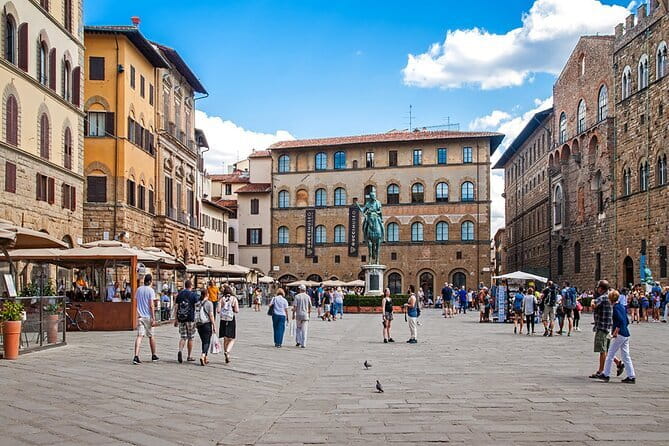
After the Accademia, you move to Piazza del Duomo, where the tour becomes a city-walk lesson in how Florence thinks about art and power. This is where you get the “heart of Florence” feeling: the square scale, the dome presence, and the way the monuments relate to each other.
Here’s the crucial scheduling detail:
- Afternoon tours can include entry to the Cathedral of Santa Maria del Fiore, so you can see frescoes and details under/near Brunelleschi’s dome.
- Morning tours are exterior only, with views from Piazza del Duomo.
If you care about interior artwork and frescoes, book an afternoon slot. If you’d rather save energy for walking and viewpoints outdoors, a morning tour still gives you a strong sense of place.
There’s also a day-of-week limitation: Cathedral entry is not available on Sundays. So if your travel dates land on Sunday and you wanted the interior, plan your expectations (or pick another day).
Dress code matters too. Sleeveless shirts and shorts above the knees aren’t allowed inside the Cathedral. I’d rather you be mildly over-prepared than turned away at the door.
Museo dell’Opera del Duomo: where the details come from
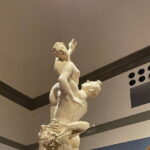
Next is the Museo dell’Opera del Duomo, a short but meaningful stop. This is one of those places that makes the Duomo feel more “real.” Instead of only seeing the monument from the outside, you get original statues, reliefs, and artworks connected to the Cathedral complex.
The tour specifically calls out looking for major artists in the collection, including Michelangelo and Donatello. That’s a helpful frame: it lets you notice connections between names you’ve heard before and specific objects you can actually see up close.
Value-wise, this stop is smart because it fills the gap between:
- the exterior grandeur, and
- the story that sculpture and craftsmanship carry inside a religious-art complex.
It also tends to feel different from the Accademia visit. David is dramatic and human-scaled in your mind; Opera del Duomo makes you see Florence’s big monument as the product of long-term artistic work.
- The Best tour in Florence: Renaissance & Medici Tales – guided by a STORYTELLER
★ 5.0 · 12,316 reviews

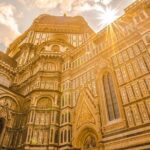

Baptistery of St. John: golden mosaics, with restoration in mind
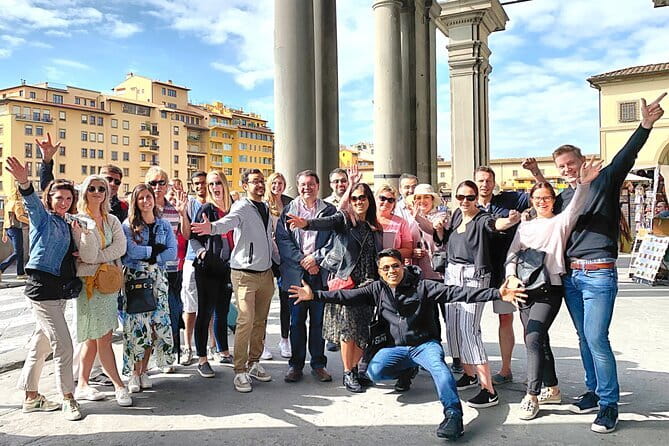
The tour continues into the Baptistery of St. John. You’re looking at one of Florence’s iconic visual languages: golden mosaics and the famous Gates of Paradise. Even if your main focus is David and the Duomo dome, this stop adds a completely different artistic flavor.
One thing to know ahead of time: the Baptistery has restoration work happening on the vault mosaics. That means you might see areas that are covered or temporarily less visually complete than usual. It doesn’t ruin the stop, but it’s worth mentally adjusting your expectations so you can still enjoy what’s visible.
Historically, the guide also explains why this building is so old and why it matters to Florence’s long timeline. That “older-than-the-main-thing” perspective is often what makes these short, ticketed museum stops feel worth it.
Piazza della Signoria and the way to Ponte Vecchio
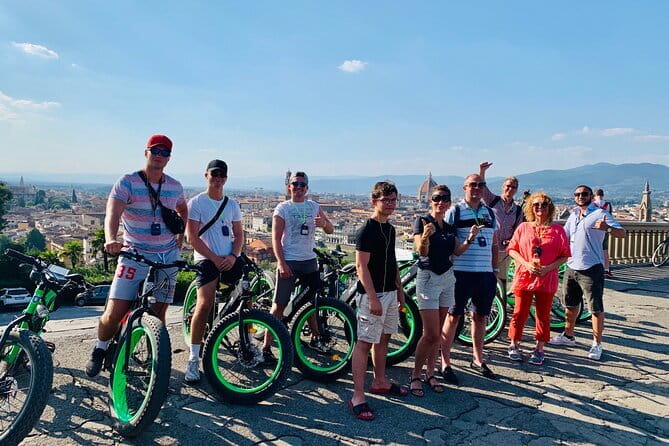
After the Duomo-area art stops, the tour shifts into city storytelling. You walk to Piazza della Signoria, which feels like an open-air museum. The space is dominated by Palazzo Vecchio, and this is where Renaissance power becomes visible in stone.
You pass by the Uffizi Gallery from the outside and get a Medici-centered story about what they funded and why it shaped what you see around Florence. You’re not going inside the Uffizi here, but the outside perspective helps you understand why the Uffizi is where it is, and why Florence’s art scene became so concentrated.
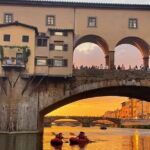
Finally, the tour ends at Ponte Vecchio, Florence’s oldest bridge, lined with classic goldsmith shops. This end point is a good match for the time you spend: by now you’ve “earned” a slower moment. Ponte Vecchio is where you can pause, look up and down the river, and take photos without feeling like you’re still racing the schedule.
Giotto Bell Tower upgrade: the view is worth the stairs
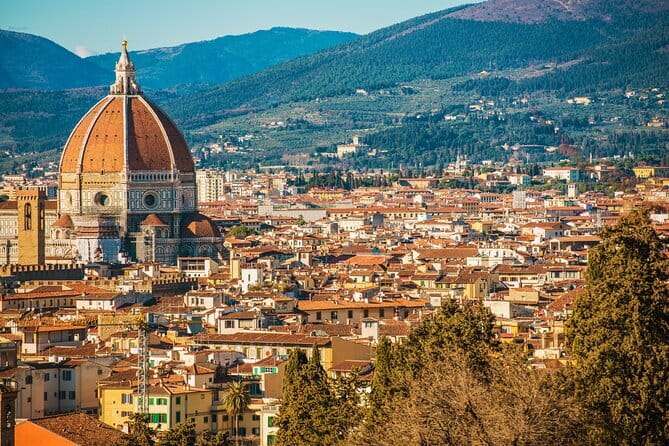
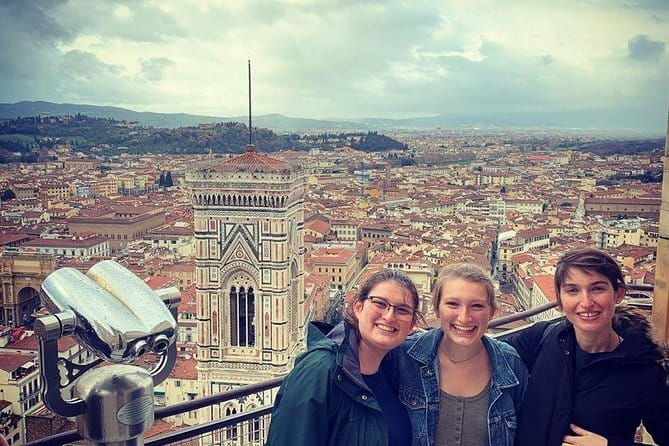
If you choose the optional climb, you’ll add Giotto’s Bell Tower. The idea is simple: you ascend at your own pace and trade time-on-the-ground for panoramic skyline views across Florence.
Two practical realities to plan for:
- No lift is available, so you’re climbing by stairs the whole way.
- The tower is an older structure, meaning it can feel tight and steep. Even if you’re fit, pace yourself and don’t sprint.
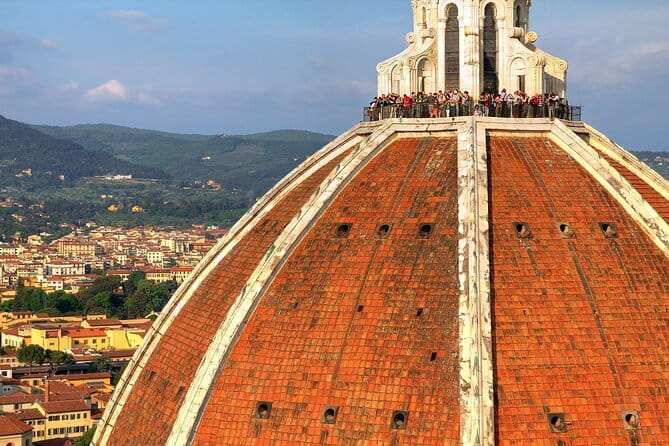
What makes the climb feel like a good “upgrade” is the payoff. Florence is layered. From up high, you can see how the Duomo dome sits in relation to everything else, and you’ll likely spot the pattern of neighborhoods that you miss from street level.
If you have any concerns about stairs, do not treat this as a casual add-on. It’s a real physical part of the day.
Price and value: what $131.81 is really buying
At $131.81 per person for about 3 hours, this is not a bargain-basement walking tour. But it isn’t overpriced in a Florence-context way either, because the cost is tied to specific, high-demand admissions.
Here’s what you’re getting for the money:
- Skip-the-line entry to the Accademia Gallery for David
- Pre-reserved, guided visits connected to the Duomo complex:
- Duomo Museum (Museo dell’Opera del Duomo)
- Baptistery of St. John
- Cathedral entry only on afternoon tours
- Headsets so you can hear the guide clearly
- A licensed expert guide and a small-group walking route across central sights
- Optional Giotto Bell Tower tickets pre-reserved if you upgrade
Then there are the “not included” costs that matter: transport to the meeting spot isn’t included. That’s standard, but it can affect your total day cost if you’re coming in from farther out.
So is it a deal? For most people doing Florence as a one-day push, yes—because the Accademia and Duomo area can swallow time if you’re managing tickets and lines yourself. Paying for reserved access buys you time, and in Florence, time is the most valuable currency.
Who should book this tour (and who might want a different plan)
This tour fits best if:
- you want a one-day orientation to Florence’s center
- you care about Michelangelo’s David and want it explained in context
- you’d rather walk with a guide than piece together art history and museum order on your own
- you’re comfortable with moderate walking and standing for museum time
It may feel less ideal if:
- you have trouble with stairs (especially if you choose Giotto’s Bell Tower)
- you’re sensitive to sun exposure, because portions are outdoors and can be hot and bright
- you might be stopped for dress code or bag rules—the Cathedral has strict clothing requirements, and backpacks/bags designed to be worn on the back aren’t allowed
A smart move is to pack light. If you arrive with a bulky bag, you’ll lose time dealing with restrictions rather than seeing Florence.
Also consider choosing an afternoon slot if you want the Cathedral interior. Morning can still be worthwhile, but it’s more about exterior views of the Duomo rather than inside frescoes and details.
Should you book Florence in a Day: David, Cathedral & City Highlights?
I’d book this tour if you’re aiming for one efficient day that balances the biggest Florence “musts” with guided context. The Accademia skip-the-line access is the anchor. Everything after that flows naturally: Duomo-area art at Museo dell’Opera del Duomo and the Baptistery, then a classic walk through Renaissance Florence toward Ponte Vecchio.
Pick it especially if you like clear explanations while you’re actually looking at the objects, not just reading wall labels. Guides can be a big part of whether Florence clicks. In particular, names that often get praised for turning art into clear, memorable stories include Alisa, Eleanora, Ricardo, Golya, Valentina, Sara, Leonardo, Marco, and Francesca—so if your guide is one of them, you’re likely in good hands.
Skip it only if you want a slow, open-ended day with lots of free roaming, or if stairs and museum rules are a concern you can’t work around. For a first-time Florence sprint, though, this is a strong match.
FAQ
How long is the Florence in a Day tour?
It runs for about 3 hours.
Where does the tour start?
You meet at the Statua di Manfredo Fanti in Piazza San Marco, Florence.
Where does the tour end?
The tour ends at Ponte Vecchio.
Is this a small group tour?
Yes. It has a maximum of 15 travelers.
Does the tour include tickets to see Michelangelo’s David?
Yes. You get skip-the-line entry to the Accademia Gallery with pre-reserved tickets, and David is the main early highlight.
Do I see the inside of the Cathedral?
Only on afternoon tours. Morning tours include exterior views from Piazza del Duomo.
Can I enter the Cathedral on Sundays?
No. Cathedral entry is not available on Sundays.
What about the Baptistery—can I still visit?
Yes. You’ll visit the Baptistery, but it’s undergoing restoration of the vault’s mosaics, so parts may be affected.
Is the bell tower climb included?
It’s included if you upgrade/select it. Giotto’s Bell Tower climb has no lift, and you climb at your own pace.
What should I avoid bringing if I want to enter the Cathedral and museums?
The Cathedral does not allow sleeveless shirts or shorts above the knees. Also, backpacks and bags designed to be worn on the back aren’t allowed.
You Might Also Enjoy

More Tour Reviews in Florence
- Tuscany Day Trip from Florence: Siena, San Gimignano, Pisa and Lunch at a Winery
★ 5.0 · 21,634 reviews - The Best tour in Florence: Renaissance & Medici Tales – guided by a STORYTELLER
★ 5.0 · 12,316 reviews