REVIEW · FLORENCE
Florence: Lasagna and Spaghetti-Making Class
Book on GetYourGuide →Operated by Experience in Florence · Bookable on GetYourGuide
Fresh pasta starts with your hands. In this Florence class, you learn the techniques behind lasagna and spaghetti while working inside the historic center. You make the dough, build the sauces, then sit down to eat what you made with organic Tuscan wine.
Two things I love about this experience: it’s seriously practical (you’re forming pasta and learning the sauce rhythm), and the meal feels like part of the lesson instead of an afterthought. One consideration: the class involves standing and kitchen work, so it’s not a great fit if you have mobility limits.
Hands-on instruction keeps you moving the whole time, not just watching
Two classic sauces (béchamel and slow-simmered pummarola) teach you the flavors behind Tuscan comfort food
Small group size (max 10) means more help while you roll, shape, and assemble
Organic local wine and a final limoncello shot turn the meal into a proper Tuscan evening
English recipe booklet gives you a plan for cooking this again at home
In This Review
- What You’re Really Making in This Florence Pasta Class
- Finding the Meeting Spot at Lungarno Guicciardini (Look for the Red Number)
- The Palazzos Atmosphere: Cooking as a Social Ritual
- Béchamel Sauce: The Creamy Skill That Makes Lasagna Feel Italian
- Pummarola Tomato Sauce: Slow-Simmered Flavor, Not Fast Guesswork
- Hand-Rolled Spaghetti: Turning Dough Into the Real Thing
- Lasagna Assembly: Where the Kitchen Becomes a Workshop
- The Meal: Organic Wine, Chocolate Dessert, and Limoncello
- Value Check: Is $48 Worth It for 3 Hours?
- Who This Class Is Best For (And Who Should Skip It)
- Cooking Tips You’ll Actually Use After You Leave Florence
- The Bottom Line: Should You Book This Florence Lasagna and Spaghetti Class?
- FAQ
- How long is the Florence lasagna and spaghetti-making class?
- Is the instruction offered in English?
- Is wine and limoncello included?
- What food restrictions does this class support?
- Where exactly is the meeting point?
- Can I cancel for a full refund?
What You’re Really Making in This Florence Pasta Class
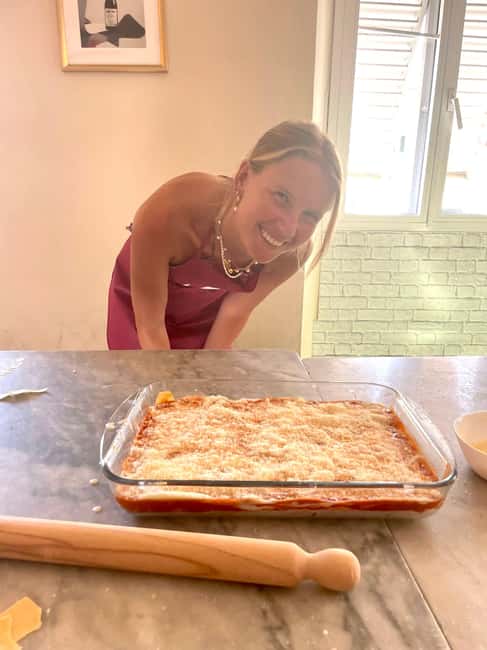
This isn’t a “show up and eat pasta” situation. You’re doing the work that makes Italian food taste like Italian food: dough texture, sauce balance, and the order things come together.
In the Lasagna and Spaghetti session, you’ll make:
- Fresh pasta (including lasagna sheets and spaghetti)
- Béchamel sauce (milk, butter, flour, salt, and nutmeg)
- Pummarola sauce (a slow-simmered tomato sauce)
- A lasagna assembled with your pasta sheets and a ragù base
- A sit-down tasting meal that follows your work
That combination matters. Many classes focus only on shaping pasta. Here, you also learn the sauces that give lasagna its signature comfort and spaghetti its bright, tomato-forward bite.
The pacing is designed for a 3-hour experience, with enough time to learn, cook, eat, and reset—without feeling rushed.
Finding the Meeting Spot at Lungarno Guicciardini (Look for the Red Number)
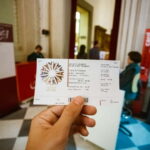
You’ll meet in Florence at Lungarno Guicciardini, near 17 R—the key detail is that the building number is RED on the door (not blue). When you arrive, ring the doorbell labeled PASTAMANIA EXPERIENCE.
This is the kind of meeting point detail that saves time and stress. Florence streets can look similar fast, especially near river-side areas. If you’re arriving by foot, give yourself a few extra minutes so you’re not hunting while your stomach is already craving pasta.
You can also read our reviews of more tours and experiences in Florence.
- Tuscany Day Trip from Florence: Siena, San Gimignano, Pisa and Lunch at a Winery
★ 5.0 · 21,634 reviews


The Palazzos Atmosphere: Cooking as a Social Ritual
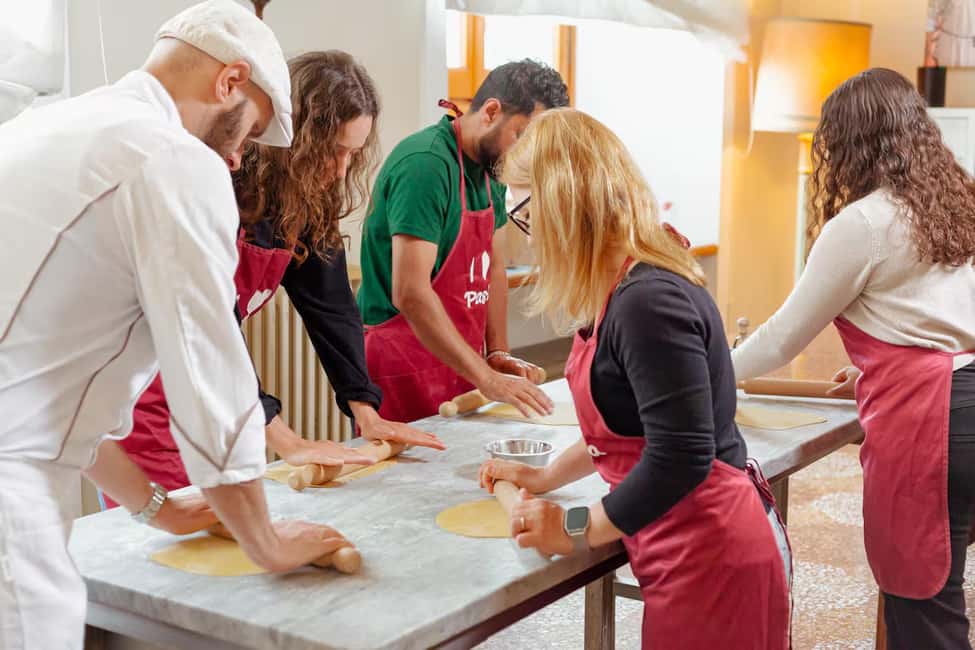
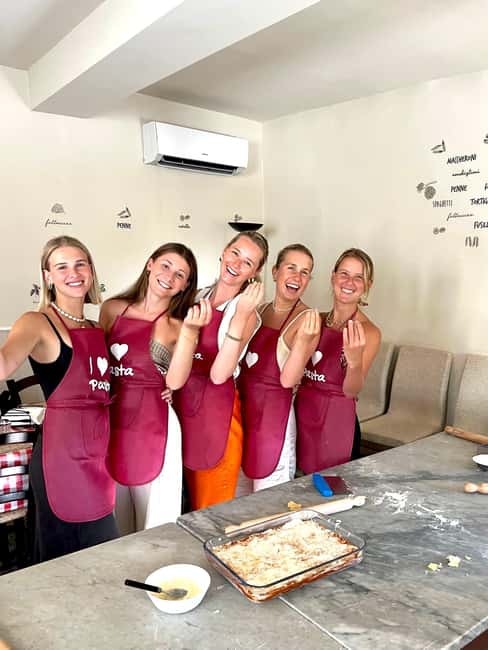
The class happens in a beautiful palazzo setting, and that changes the vibe. You’re not lined up in a classroom. You’re in a real room built for gathering—where food becomes the event.
You’ll also set the table together before you eat. That sounds small, but it’s actually part of the learning. It gets you in the mindset of an Italian meal: shared, paced, and focused on the food you just made.
This is also where the small-group setup pays off. With a limit of 10 participants, instruction stays hands-on, and you’re less likely to feel like a spectator.
Béchamel Sauce: The Creamy Skill That Makes Lasagna Feel Italian
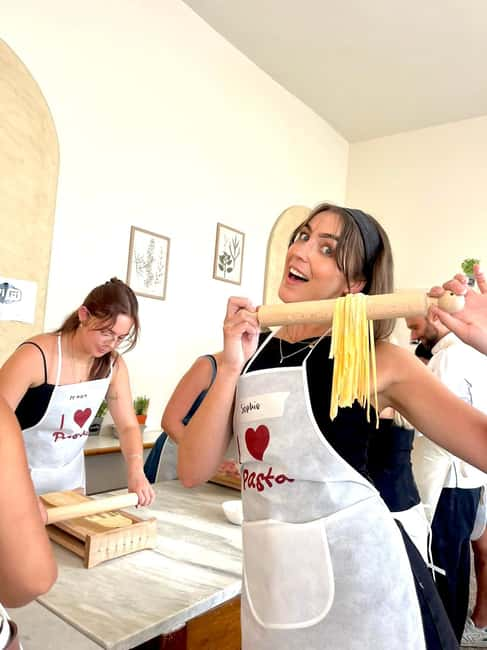
Béchamel is one of those sauces that looks simple until you try to make it. In this class, you start by combining ingredients—milk, butter, flour, salt, and nutmeg—until you get that smooth, silky texture.
What’s valuable here is the method behind the look:
- You learn how the flour and butter create the base (the thickening power)
- You watch how the milk comes together into a smooth sauce
- You get the seasoning right, including the nutmeg note
Then comes the payoff: béchamel gets layered into your lasagna build, working with the ragù and your own rolled sheets. It’s not just taste—it’s structure. A good béchamel is what keeps lasagna from turning into dry layers.
Pummarola Tomato Sauce: Slow-Simmered Flavor, Not Fast Guesswork
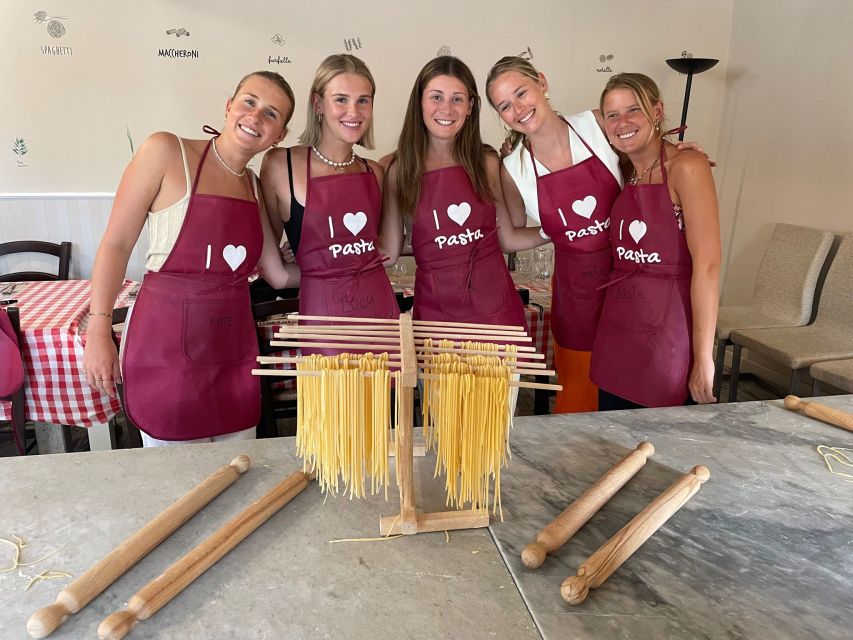
Next you make pummarola, a tomato sauce meant to develop flavor over time. Even if you’ve made quick pasta sauce at home, this is different. The lesson is in the technique of slow simmering, so the sauce tastes rounded rather than just acidic.
You’ll pair it with your fresh spaghetti later, which makes it more than a sauce lesson. It becomes the contrast that shows you why fresh pasta matters. When the sauce clings correctly, and the pasta has the right chew, the whole plate tastes intentional.
If you usually rely on store-bought sauce, you’ll likely notice two things right away:
- The tomato flavor feels more complete
- The sauce feels less watery, more “sticky” in a good way
Hand-Rolled Spaghetti: Turning Dough Into the Real Thing
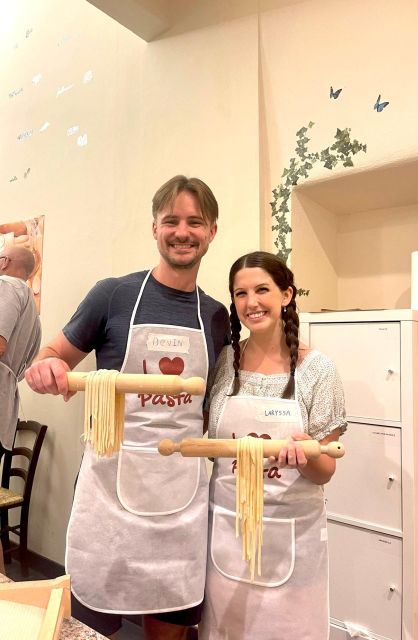
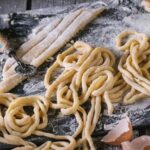
Spaghetti from scratch sounds fancy, but what you’re really learning is how dough behaves—how it stretches, how it holds shape, and how to manage thickness so it cooks right.
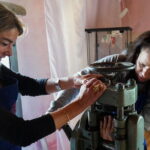
You form fresh spaghetti, then get to taste it paired with your pummarola. This part is where I think many people get their biggest real-world takeaway: fresh pasta doesn’t just taste better; it changes how sauce interacts with food.
Also, you’ll get instructor guidance while you’re working. The class is taught in English, and different chefs have led sessions—names you may see include Alessandra, Lena, Robin, Lucrezia, Erika, Aly, Milena, Milena’s equivalent spelled in different ways across schedules, Margret, Marta, Jasmin, Yasmin, and Sarno. The common thread is that the teaching style is energetic, patient, and focused on getting you through each step without getting lost.
- The Best tour in Florence: Renaissance & Medici Tales – guided by a STORYTELLER
★ 5.0 · 12,316 reviews




Lasagna Assembly: Where the Kitchen Becomes a Workshop
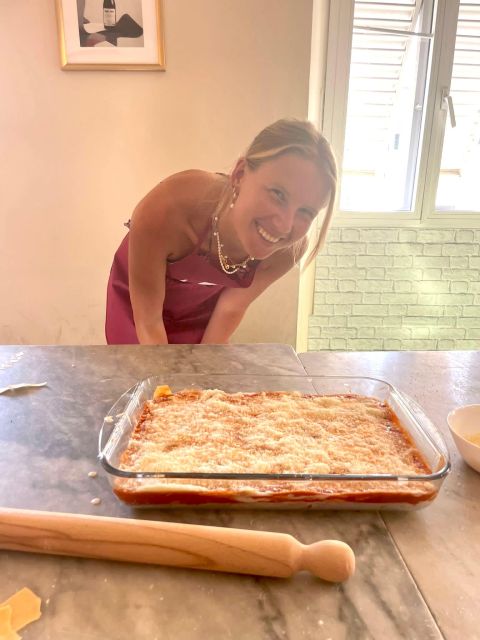
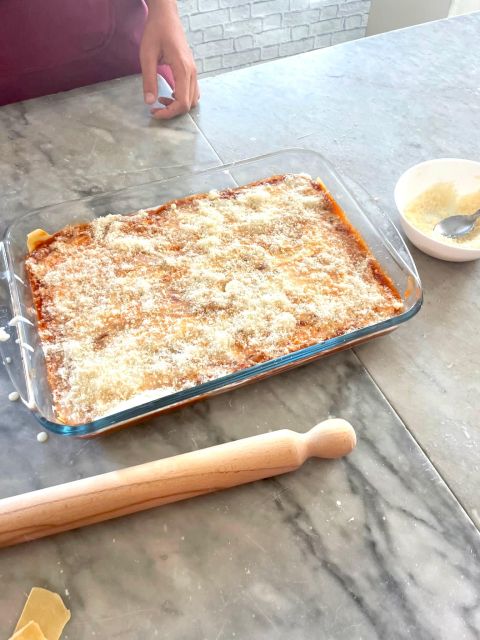
The lasagna component is part craft and part timing. After making your sauce components and rolling your pasta sheets, you assemble the lasagna with a ragù base and béchamel—classic flavors that get balanced through layering.
This is also where the “learn by doing” approach shines. You’re not just mixing ingredients. You’re building a finished dish with structure: pasta sheets, sauce, and the way everything stacks together.
If you care about cooking at home, this is the most useful part of the class. It teaches you what matters visually and practically:
- how thick or thin sheets should be
- how saucing affects the final texture
- how to keep layers neat instead of sloppy
The Meal: Organic Wine, Chocolate Dessert, and Limoncello
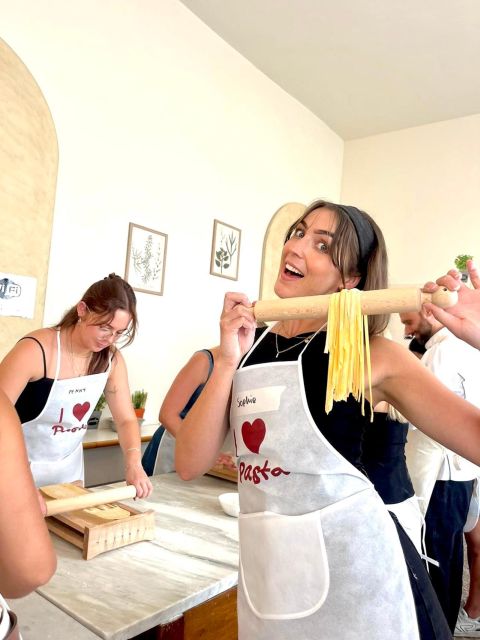
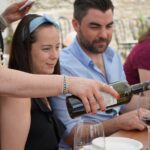
Then you sit down and eat what you made. That meal is included and comes with organic local red wine, plus dessert and a shot of limoncello.
The ending is very Italian in the best way: a chocolate dessert to close things out, then limoncello for that bright, citrus snap. It’s the kind of finish that makes the whole 3-hour session feel like a complete experience, not just a cooking workshop.
A practical note: alcohol is served only to participants of legal drinking age, and limoncello is part of the included finale.
Value Check: Is $48 Worth It for 3 Hours?
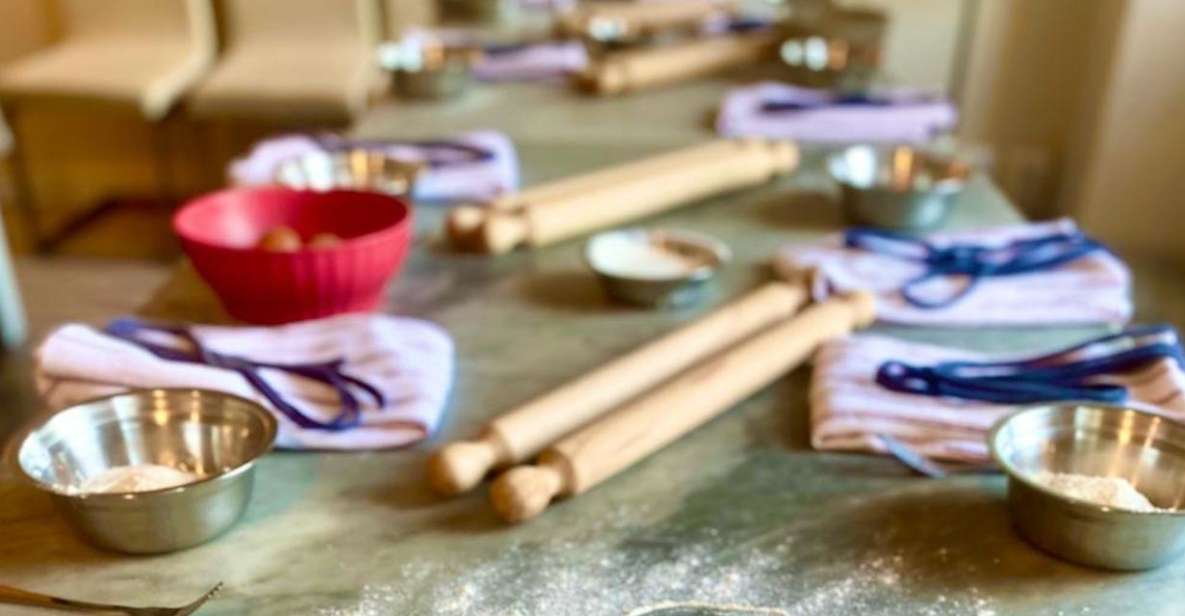
At $48 per person for a 3-hour, small-group class, this lands in the “good value” category for Florence—especially because you’re not paying mainly for entertainment. You’re paying for:
- fresh pasta-making instruction
- sauce-making skills (béchamel and pummarola)
- ingredients and equipment
- wine and dessert included
- an English recipe booklet to take home
Most classes like this cost more once you factor in ingredients, a sit-down meal component, and the fact that you’re learning two major dish formats (lasagna + spaghetti), not just one.
One reason it feels like value is the limit of 10 participants. With smaller groups, you get more real feedback while your dough is still in your hands.
Who This Class Is Best For (And Who Should Skip It)
This works especially well if you:
- want a hands-on Florence activity instead of another museum hour
- enjoy Italian food and want to understand why it tastes the way it does
- like learning skills you can repeat at home (dough + sauces + assembly)
It also tends to be a hit for couples and small families because the group stays intimate.
You should consider skipping it if:
- you have mobility impairments (the class is not suitable for mobility limits)
- you need gluten-free, vegan, or lactose-intolerant options (the class cannot accommodate vegan, gluten-sensitivity, or lactose intolerance)
There’s no sugarcoating here: this is a classic format class. If you’re flexible with ingredients, you’ll get the full experience. If you’re not, it’s worth looking for a different class designed for dietary needs.
Cooking Tips You’ll Actually Use After You Leave Florence
Even if you forget every single step by memory (it happens), you’ll likely keep these lessons:
- How to build béchamel using flour-butter technique and season it properly with nutmeg
- Why slow simmering changes tomato sauce taste and texture
- How to control pasta shape so it cooks and holds sauce well
- How to assemble lasagna without turning it into a sauce-only bake
You’ll also receive a detailed recipe booklet in English. For me, that’s what turns the class into a skill you can revisit, not just a great evening you once had.
The Bottom Line: Should You Book This Florence Lasagna and Spaghetti Class?
If you want one “do something” food experience in Florence that’s hands-on, social, and tied to real Italian technique, I’d say yes. The combo of fresh pasta-making, béchamel + pummarola sauce skills, and the included sit-down meal with organic wine and limoncello makes it feel complete.
Book it if you’re cooking-minded and you can eat the classic ingredients. Skip it if you need gluten-free, vegan, lactose-free, or if mobility is a concern.
It’s also ideal for travelers who want a small-group night that doesn’t require any food background—just comfortable clothing and a willingness to get a little flour on your hands.
FAQ
How long is the Florence lasagna and spaghetti-making class?
It runs for about 3 hours.
Is the instruction offered in English?
Yes. The instructor teaches in English.
Is wine and limoncello included?
Yes. Organic local wine is included, and limoncello is served. Alcohol is only provided to participants of legal drinking age.
What food restrictions does this class support?
The class cannot accommodate vegan, gluten-sensitivity, or lactose intolerance. If you have allergies or dietary restrictions, you should inform the provider in advance.
Where exactly is the meeting point?
You’ll meet by ringing the doorbell labeled PASTAMANIA EXPERIENCE at Lungarno Guicciardini 17 R, where the building number is red.
Can I cancel for a full refund?
Yes. You can cancel up to 24 hours in advance for a full refund.
You Might Also Enjoy


More Tour Reviews in Florence
- Tuscany Day Trip from Florence: Siena, San Gimignano, Pisa and Lunch at a Winery
★ 5.0 · 21,634 reviews - The Best tour in Florence: Renaissance & Medici Tales – guided by a STORYTELLER
★ 5.0 · 12,316 reviews