REVIEW · FLORENCE
Florence: Pitti Palace and Palatina Gallery Ticket and Tour
Book on GetYourGuide →Operated by FLORENCEPASS · Bookable on GetYourGuide
Florence’s art hits different inside a royal home. This Palatine Gallery tour in Palazzo Pitti pairs Renaissance rooms with major European painters, including Caravaggio. You also get a guided walkthrough that helps you connect the palace to the art you’re seeing.
I love the way this visit turns a museum into a story: you move room to room, spotting details in frescoes and stucco while learning why the Medici grand-dukes collected what they collected. I also like the practical flow—a 2-hour guided tour plus time to stay afterward and explore more floors with your ticket.
One consideration: the tour format is mostly walking and standing in an active museum, so if you want frequent breaks, plan ahead.
In This Review
- Key things to know before you go
- Why Palazzo Pitti still feels like a power move
- The 110-minute plan: what you’ll actually do
- The Palatine Gallery rooms: where the palace and painting work together
- Caravaggio and the dramatic end of the spectrum
- Medici-era power: understanding the art without getting lost
- After the tour: your ticket isn’t just for the highlight route
- Price and value: when $80 makes sense
- Who this tour is best for (and who should think twice)
- Practical tips for a smoother visit
- The guide factor: why names keep showing up in great reviews
- Should you book the Palatine Gallery tour at Palazzo Pitti?
- FAQ
- Where is the meeting point for the tour?
- How long is the Palatina Gallery guided tour?
- Is the tour in English?
- Do I need to buy museum tickets separately?
- Is there a ticket line to wait in?
- Is flash photography allowed?
- Can I bring luggage or large bags?
- Can I visit other parts of Palazzo Pitti after the guided tour?
- What else can I see with the ticket besides the Palatine Gallery?
- Is free cancellation available?
- Is the tour wheelchair accessible?
Key things to know before you go
- Skip the ticket line: You start smoothly, so you spend more time looking and less time waiting.
- Guided highlights, then free time: The tour covers major works, then you can browse at your pace.
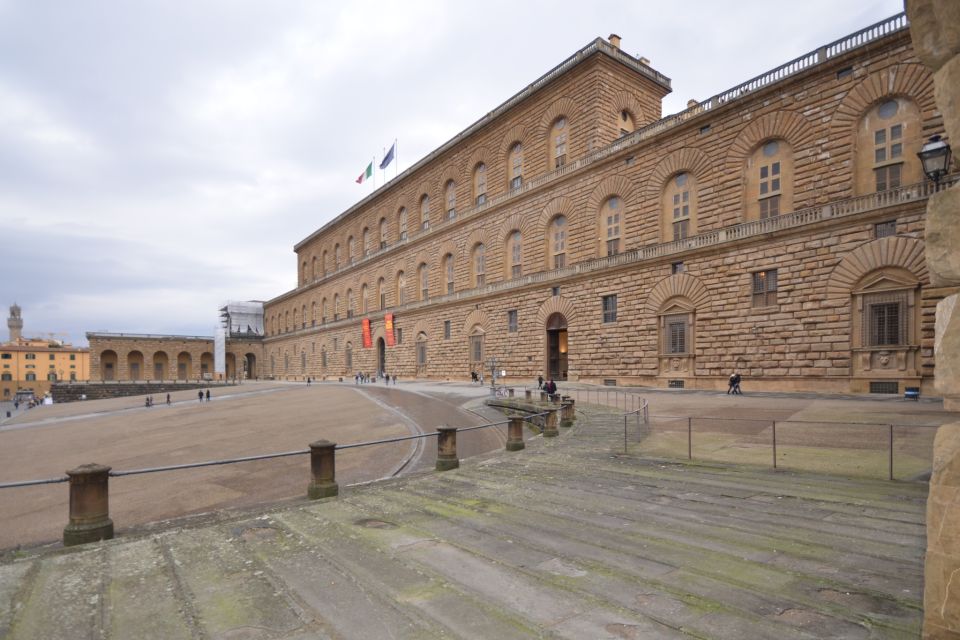
- Palazzo Pitti’s Medici world: The palace itself is part of the lesson, not just a backdrop.
- Caravaggio and other big names: You’ll see major European painting alongside Renaissance decoration.
- Masterworks framed by Renaissance rooms: Dividers between rooms help you follow the palace layout.
- No large bags, and no flash: You’ll likely use the cloakroom and keep your phone/camera settings quiet.
Why Palazzo Pitti still feels like a power move
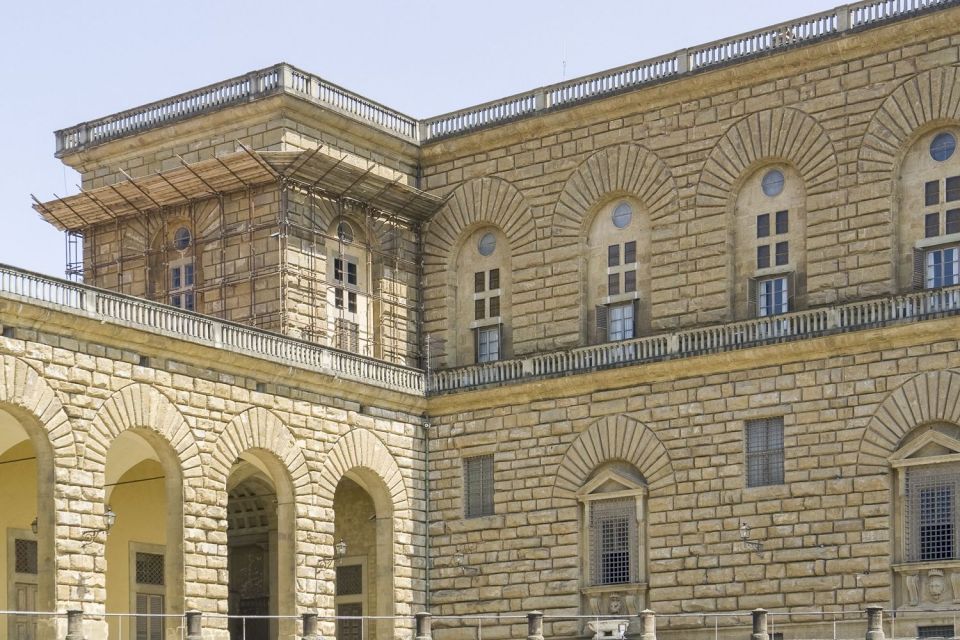
Palazzo Pitti doesn’t have the same tourist energy as Florence’s most famous galleries. That can be a good thing. Here, you’re stepping into a former residence tied to Tuscany’s rulers, so the art feels chosen for a purpose—status, taste, politics, and identity.
The Palatine Gallery sits inside this grand building, and it’s often described as Florence’s most important painting collection after the Uffizi. That matters because it gives you a sense of where Pitti fits in the city’s art hierarchy. You’re not just ticking off a museum; you’re visiting a hub where patronage shaped what survived and what was displayed.
This tour also helps you avoid one common Florence mistake: getting lost in beautiful rooms without knowing what to look for. A solid guide gives you an anchor point for each stop—subject, style, and context—so the experience sticks.
You can also read our reviews of more tours and experiences in Florence.
- Tuscany Day Trip from Florence: Siena, San Gimignano, Pisa and Lunch at a Winery
★ 5.0 · 21,634 reviews

The 110-minute plan: what you’ll actually do
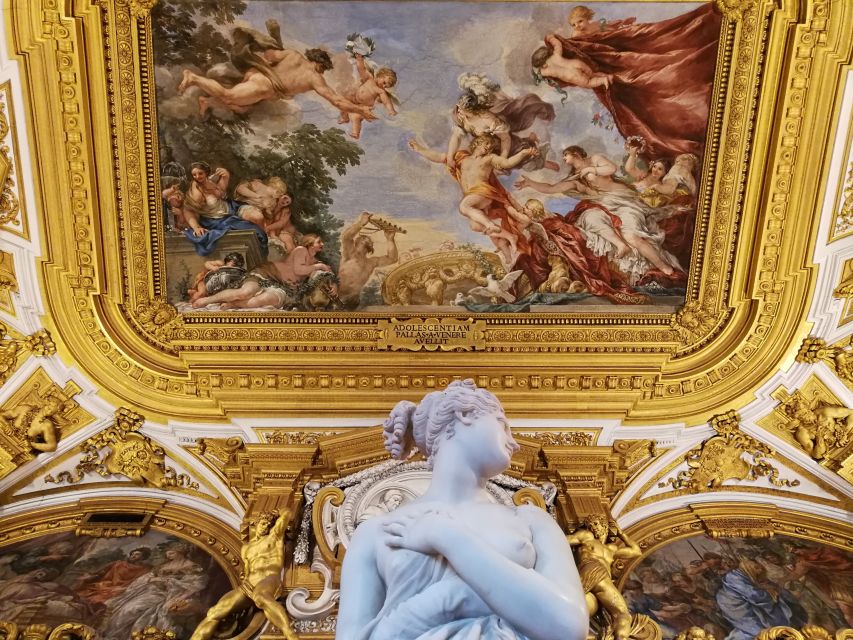
The tour is listed at 110 minutes, which is a sweet spot in a place this big. It’s long enough to cover meaningful works and themes, but short enough that you’re not cooked by the end of it.
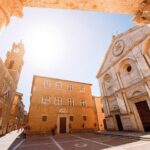
You meet at Piazza Pitti, outside Palazzo Pitti at the central, main entrance. From there, you follow your guide through the palace rooms that hold the Palatine Gallery collection. Expect a structured route: you’ll see selected highlights rather than every single painting on every wall.
Here’s what that means in practice: instead of sprinting around to “beat the clock,” you get guided stops that help you understand technique and symbolism. Guides often point out small things you’d miss, like how lighting, gesture, or composition pushes emotion—especially in dramatic works associated with painters such as Caravaggio.
Once the guided portion ends, the real advantage kicks in. Your entry ticket lets you stay and browse on your own, so you can linger where you felt the strongest reaction, and skip what didn’t connect.
The Palatine Gallery rooms: where the palace and painting work together
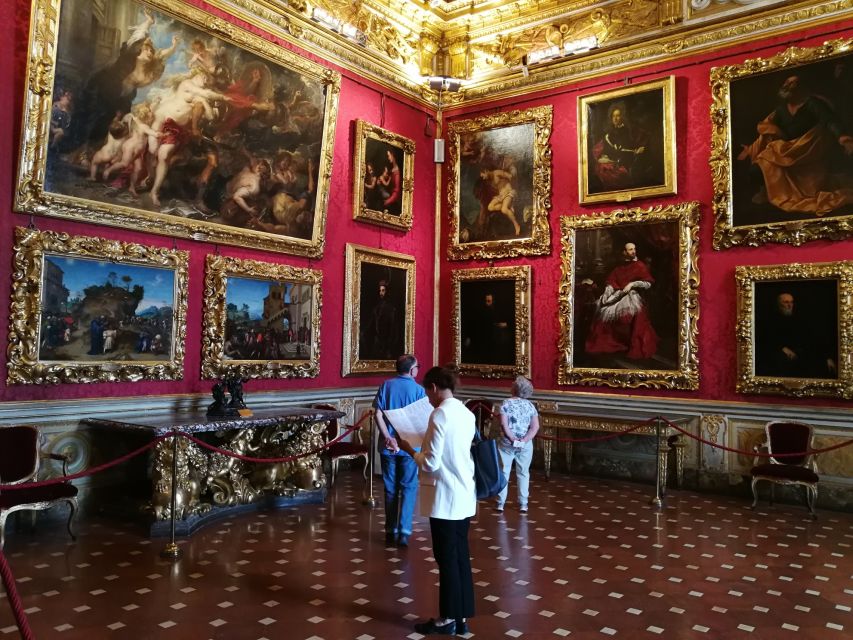
The Palatine Gallery isn’t presented like a neutral warehouse of art. You’re walking through rooms with the kind of decoration that tells you this building was made to impress.
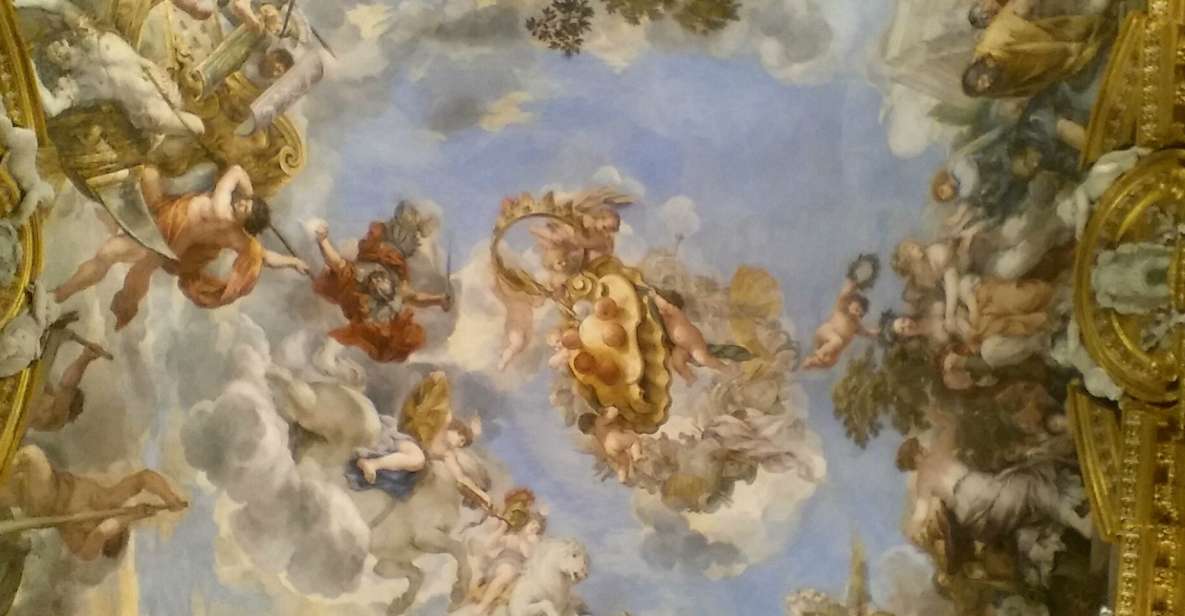
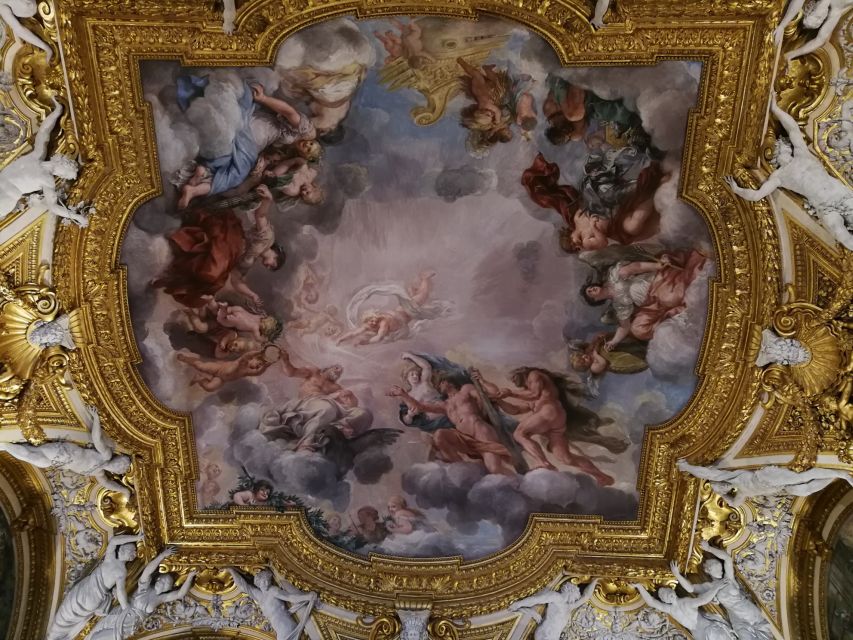
The tour focuses on Renaissance frescoes and stucco work, which change how you read the paintings. When you understand that the room is part of the experience, you start noticing how artists and patrons aimed for dramatic impact. Paintings don’t just hang there—they interact with the mood of the space around them.
You’ll also move past major works by celebrated European painters. The tour description highlights artists such as Rubens and Caravaggio, and the guidance you get is meant to help you interpret what you’re seeing without needing an art-history degree. In other words, your guide gives you a framework: what to look for, why it was made, and what it communicates.
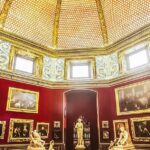
And there’s another smart detail: the galleries use dividers between the fantastic rooms of the Renaissance palace. That might sound minor, but it helps you track the flow of spaces. You’re less likely to wander off-track, and you can keep your bearings while the guide explains each room’s highlights.
Caravaggio and the dramatic end of the spectrum
One reason people want this specific tour is the chance to see works by artists tied to strong contrasts and bold drama. If you’re expecting the dramatic side of painting—tight compositions, intense emotional cues, lighting that feels almost physical—you’ll be in the right place.
The tour description specifically calls out Caravaggio, and the guided approach is key. Without context, Caravaggio can feel like a wall of intensity. With context, you start seeing the craft: how the painting directs your eye, how the figures are staged, and how shadow and highlight shape the story.
This is also where a good guide makes a difference in real terms. In reviews, several people singled out guides like Maurizio and Camila for explaining both the art and the larger setting around it. That combination matters. You don’t just learn what the painter did—you learn why this type of painting fit the tastes and ambitions of powerful patrons.
Medici-era power: understanding the art without getting lost
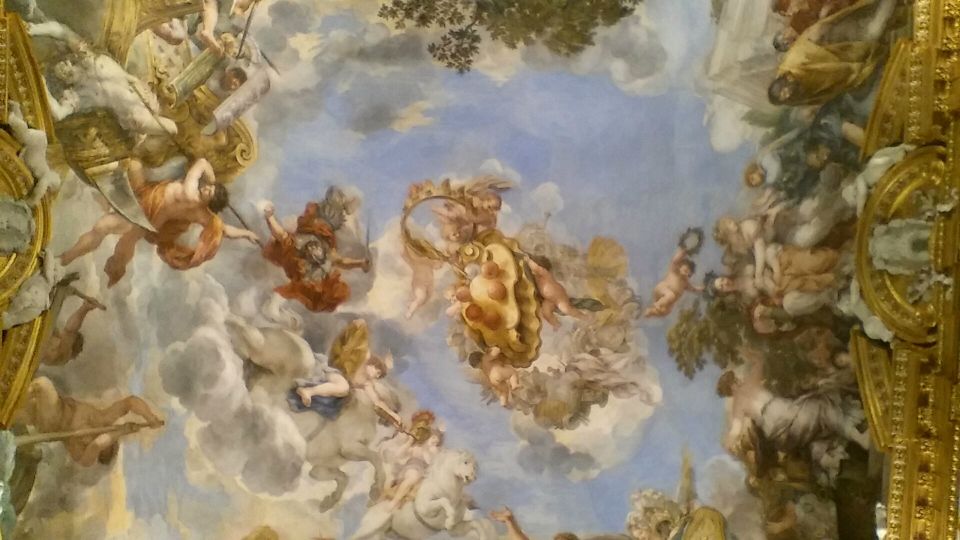
What I like most about Palazzo Pitti is that it forces a connection. Florence’s big names aren’t isolated. The Medici grand-dukes built collections and displays that communicated power, legitimacy, and cultural control.
This is where the tour’s guided element pays off. You’re shown artworks while the guide ties them back to the palace and the rulers who lived there. You’ll hear about the shift from grand-dukes of Tuscany to later rulers connected with the building. That kind of framing helps you understand why certain artists and styles show up.
You don’t need to memorize dates. What you need is a sense of what the collection was doing in the world. A guide helps translate that into something you can feel while you look: the art becomes a communication tool, not just a pretty object.
If you’re the kind of person who likes puzzles, you’ll probably enjoy the way your guide answers questions during the tour. Reviews commonly mention guides encouraging questions and responding with full explanations, which is exactly how you want museum time to work.
- The Best tour in Florence: Renaissance & Medici Tales – guided by a STORYTELLER
★ 5.0 · 12,316 reviews



After the tour: your ticket isn’t just for the highlight route
The guided portion gets you the best “first contact.” But your ticket includes more than the two-hour plan.
After your guide finishes, you can stay and browse. The tour info points you toward two extra areas that are worth your attention if you’re still fresh:
- On the ground floor, there’s the Treasure of the Granddukes at Palazzo Pitti.
- On the top floor, you can visit Galleria d’Arte Moderna for Italian art from the 18th and 20th centuries.
This matters for value. The Palatine Gallery alone can take you in circles if you don’t know what you love. With the guided intro done, you can choose where to go next based on your reaction rather than fatigue.
Also, your ticket is described as valid across the Pitti Palace museums. So if you decide you want a different focus after the tour—say, more modern art versus treasure-like display—you have flexibility.
Price and value: when $80 makes sense
At $80 per person for about 110 minutes, this isn’t a budget add-on. But it can be good value if you care about more than just looking.
Here’s why the price can work:
- You get a live English guide to connect the palace to the art.
- You skip the ticket line, which saves time in a busy museum area.
- You leave with a stronger sense of what you saw, so the second half of your visit (browsing on your own) feels more meaningful.
Two hours of guided interpretation often costs less than the frustration of touring a major museum without context. And the reviews support that this tour tends to deliver more than basic commentary—people describe guides like Maurizio and Camila as turning the visit into something closer to a structured learning experience, with plenty of room for questions.
Is it worth it if you hate guided tours? Probably not. But if you want your museum time to feel organized, this price is in line with what a high-demand Florence museum visit typically asks—especially when you plan to use the rest of the ticket afterward.
Who this tour is best for (and who should think twice)
This tour is a great fit if:
- You want big-name European painting in a setting that’s tied to power and patronage.
- You enjoy museum visits where the guide points out details you’d otherwise miss.
- You’re planning to continue on to other parts of Palazzo Pitti after the Palatine Gallery.
It may be less ideal if:
- You want minimal walking or very frequent breaks. One review noted that the tour can feel continuous for groups with older participants.
- You’re traveling with large bags. The tour info says luggage or large bags aren’t allowed in the museum areas and must go into the cloakroom.
A simple strategy helps either way: wear comfortable shoes, and keep your day bag small enough that cloakroom time doesn’t eat your energy.
Practical tips for a smoother visit
A few small details can make the difference between a smooth museum morning and a grumpy one.
- Keep your camera use in mind: flash photography isn’t allowed, and non-flash is permitted.
- Plan around the cloakroom rule: all large bags, rucksacks, and big umbrellas must be left in the cloakroom.
- Arrive a touch early so you can find Piazza Pitti and the main entrance without stress.
- If you’re the type who loves to ask questions, do it. Reviews often describe guides answering thoroughly and engaging the group rather than rushing.
Also, this is a museum where you might want your phone charged. Even if you’re not there for photos, you’ll probably end up taking a few reference shots for later.
The guide factor: why names keep showing up in great reviews
This tour’s reputation is strongly tied to its guides. Multiple reviews mention guides by name, including Maurizio, Camila/Camellia, Marta, Kamila, Roberta, and Francesca, and they’re praised for clear explanations, strong pacing, and answering questions.
In plain terms, this is the kind of tour where the guide can turn a demanding palace into something you actually understand. The best guides connect technique to story: how a painter builds emotion, how the room frames the work, and how the palace helped shape the collection.
If you’re choosing between “go alone” and “go with a guide,” this is exactly the situation where a guide tends to pay off fast.
Should you book the Palatine Gallery tour at Palazzo Pitti?
Book it if you want a Florence museum visit that feels guided, structured, and tied to real context—Medici power, Renaissance design, and standout European painting. With Caravaggio and other major names on the route, plus time to explore more afterward, it’s a smart use of a limited sightseeing window.
Skip or rethink it if you dislike guided tours, have mobility limits that make standing harder, or you’re traveling with lots of baggage and don’t want cloakroom hassle. In those cases, you might prefer a more self-paced museum plan.
If you’re on the fence, I’d recommend leaning toward booking—because once you’ve got the palace story in place, the art starts to click in a way that’s hard to replicate on your own.
FAQ
Where is the meeting point for the tour?
You meet your guide on Piazza Pitti, outside Palazzo Pitti, at the central and main entrance.
How long is the Palatina Gallery guided tour?
The guided portion is about 110 minutes.
Is the tour in English?
Yes, the live tour guide is English.
Do I need to buy museum tickets separately?
This activity includes an entry ticket, and the tour includes the guided visit with the Palatine Gallery.
Is there a ticket line to wait in?
The tour includes skip-the-ticket-line entry.
Is flash photography allowed?
Flash photography isn’t allowed in the museums. Non-flash photography is allowed.
Can I bring luggage or large bags?
No. Luggage or large bags aren’t allowed, and large items must be left in the cloakroom.
Can I visit other parts of Palazzo Pitti after the guided tour?
Yes. After the guided section, you can stay and browse. Your ticket is also valid for other Pitti Palace museums during your own time.
What else can I see with the ticket besides the Palatine Gallery?
The information provided highlights the Treasure of the Granddukes on the ground floor and Galleria d’Arte Moderna on the top floor.
Is free cancellation available?
Yes. You can cancel up to 24 hours in advance for a full refund.
Is the tour wheelchair accessible?
Yes, it’s listed as wheelchair accessible.
You Might Also Enjoy

More Tour Reviews in Florence
- Tuscany Day Trip from Florence: Siena, San Gimignano, Pisa and Lunch at a Winery
★ 5.0 · 21,634 reviews - The Best tour in Florence: Renaissance & Medici Tales – guided by a STORYTELLER
★ 5.0 · 12,316 reviews