REVIEW · FLORENCE
Florence: Pizza and Gelato Class at a Tuscan Farmhouse
Book on GetYourGuide →Operated by Walkabout Tours · Bookable on GetYourGuide
Pizza dough plus gelato? A great Florence detour. This class turns a day trip into hands-on food training in the hills, with a farmhouse setting and a wood oven doing most of the heavy lifting. I especially like the hands-on chef coaching (pizza and gelato, not just watching) and the fact that you actually eat what you make with a glass of Chianti wine or cold beer. One thing to consider: the site has uneven, steep surfaces, so it is not a good fit if you have walking difficulties or use a wheelchair.
You meet in central Florence and ride out together, then spend a full afternoon working through dough, toppings, and the gelato process before heading back to the same spot. If you time it right, the outdoors and the long late-afternoon feel make it feel more like a Tuscan evening than a quick food stop. English instruction helps a lot, and the recipes are there so you can repeat the big wins at home—just be aware it’s not designed for gluten-free cooking or food allergies.
In This Review
- Key points before you go
- Getting out of Florence: a simple meet-up and a fast countryside switch
- Tuscan farmhouse setup: where pizza and gelato training actually happens
- Making pizza the right way: dough, kneading, toppings, and the wood oven
- What to watch for while you’re kneading
- Choosing toppings from the estate garden: small choices, big flavor
- Eating the results: Chianti wine or beer with your own pizza
- Gelato class: creamy texture lessons with real flavor variety
- Expect flavor choice and lots of tasting
- Learning that sticks: English coaching and repeatable takeaways
- Price and value: what you’re really paying for
- Timing in the day: plan for the light and your dinner mood
- Who should book this pizza and gelato farmhouse class?
- Practical tips that will make the day easier
- Should you book it?
- FAQ
- Where do we meet for the class?
- How long is the experience?
- What will I make during the class?
- What drinks are included?
- Is there a vegetarian option?
- Can they accommodate gluten-free or other dietary requirements?
- Is it suitable for wheelchair users or people with walking difficulties?
Key points before you go
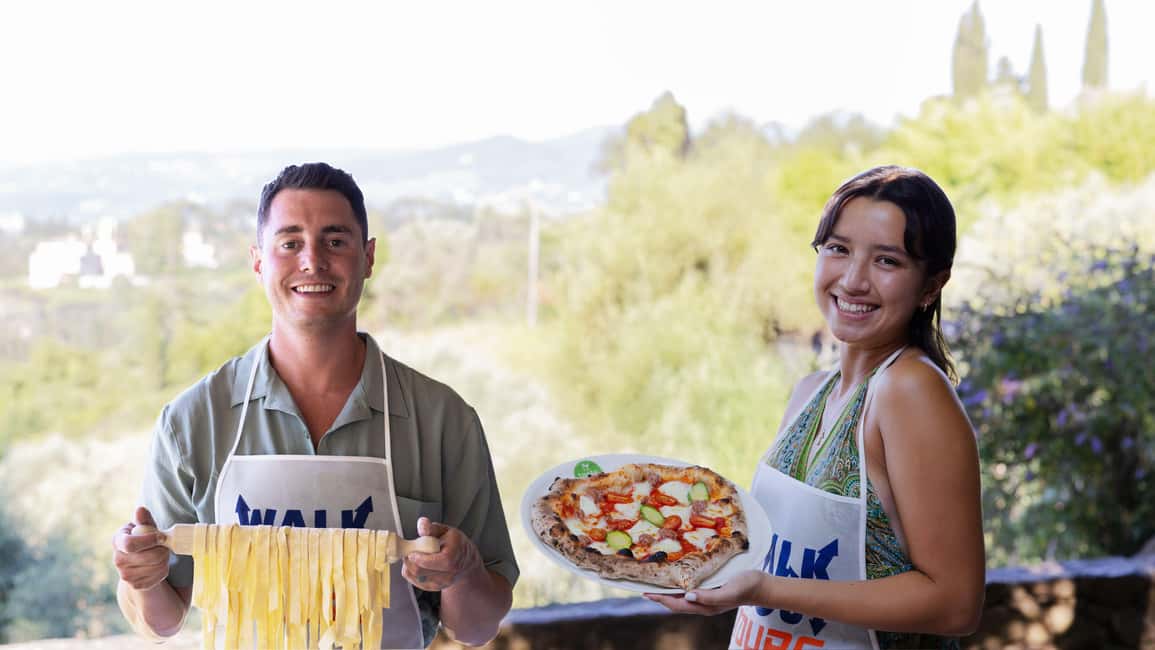
- Wood-oven pizza making with real dough-kneading and topping choices from the estate garden
- Gelato lessons focused on creamy texture and techniques, not just flavor names
- Wine or beer included to go with the meal you make
- Transportation from Florence and back so you’re not trying to figure out rural roads
- English-speaking chefs who teach step by step and keep it fun
Getting out of Florence: a simple meet-up and a fast countryside switch
The experience starts right in Florence, in front of Biblioteca Nazionale (National Library) in Piazza dei Cavalleggeri. You’ll look for your guide holding a Walkabout sign. From there, you’ll head out of the city to a Tuscan farmhouse by provided transportation, which makes the rural part painless.
Why I think this matters: Florence can be exhausting. This kind of plan gives you a clean break from crowds and lines while keeping your day organized. You don’t need to rent a car, and you’re not stuck trying to match bus schedules to a class that runs like a clock.
You can also read our reviews of more tours and experiences in Florence.
- Tuscany Day Trip from Florence: Siena, San Gimignano, Pisa and Lunch at a Winery
★ 5.0 · 21,634 reviews



Tuscan farmhouse setup: where pizza and gelato training actually happens
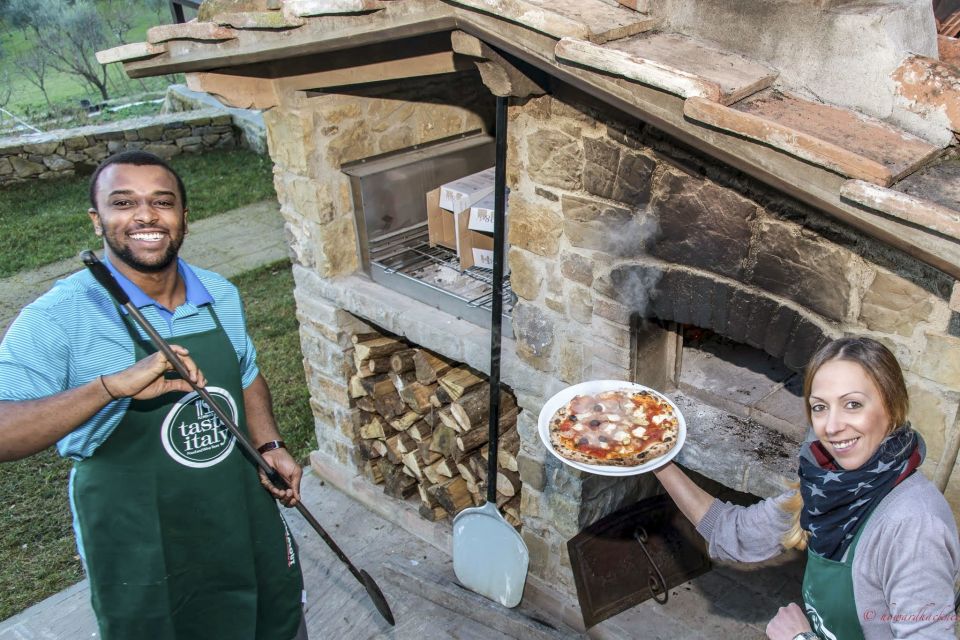
Once you arrive, you’re not wandering through some themed kitchen. You’re working at a proper estate where the pizza and gelato parts have their own flow. The day is built around an outdoor feel—hands-on cooking, then a relaxed meal break with views.
It’s also worth knowing the terrain: the farmhouse setting includes uneven and steep surfaces, so it’s unsuitable for wheelchair users or anyone who struggles with that kind of footing. If your mobility is limited, you’ll want to plan something else in the city.
Making pizza the right way: dough, kneading, toppings, and the wood oven
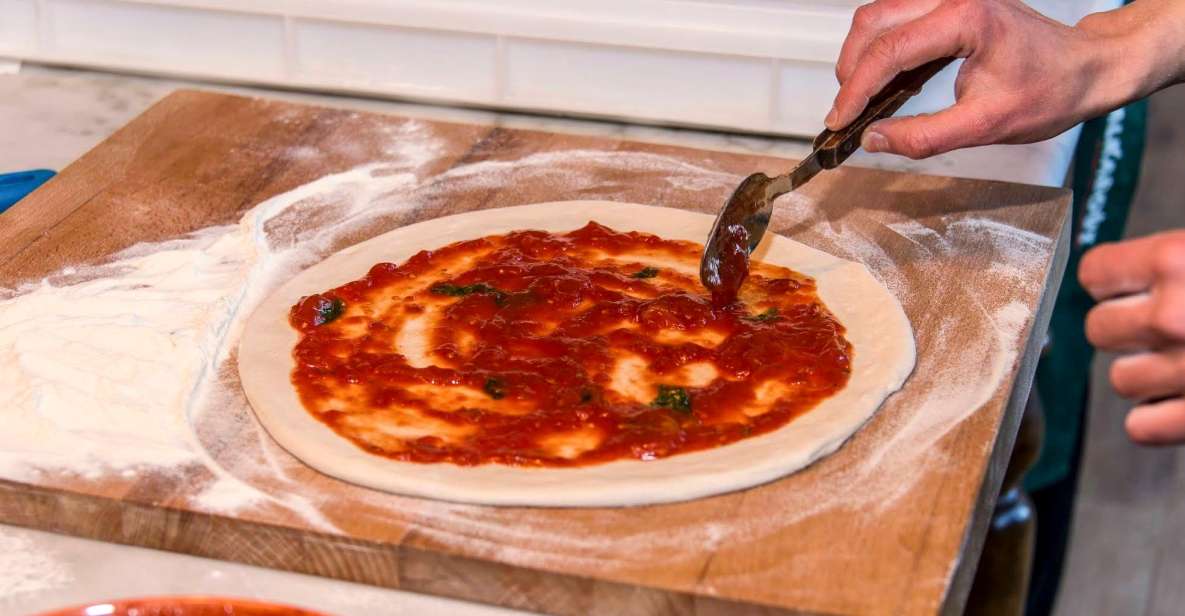
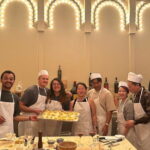
The pizza section is the heart of the session. You’ll roll up your sleeves and learn how to make dough, knead it, and shape it into pizzas with toppings you pick based on what the estate offers. That garden-to-oven idea isn’t just cute—it affects flavor. Fresh ingredients keep the whole pizza tasting alive.
In the classroom, you’re guided by professional Italian chefs. Names that come up often in the teaching team include Arla and Tiziano for pizza, and you might also cross paths with other instructors like Ludovic. The teaching style that seems to work well is practical: step-by-step instructions, plus explanation of why certain moves matter, not just what to do.
A wood oven changes the game. It bakes hot and fast, and you can taste the difference right away. The class gives you the chance to understand how timing and heat affect the crust and toppings, which is the part most home cooks can’t guess from recipes alone.
What to watch for while you’re kneading
You’ll get instructions on dough handling, not vague tips. I’d pay attention to how your dough feels during shaping—texture is the clue. And don’t be shy about asking questions mid-process. The chefs want you to succeed, and that confidence is usually what turns a first-time pizza into a real-looking one.
Choosing toppings from the estate garden: small choices, big flavor
One of the best perks is picking your toppings from the estate’s garden. This is where the experience shifts from generic cooking class to something distinctly Tuscan. Instead of thinking like a customer ordering lunch, you start thinking like a maker choosing what goes on your pie.
Even if you don’t know Italian produce names, you’ll learn what each ingredient contributes. You’ll likely get to smell and handle items as part of the prep, which makes it easier to remember what you chose and why it worked.
If you’re the type who likes customizing food, this is fun. If you prefer very predictable flavors, just lean into simple combinations and trust the chef’s guidance.
- The Best tour in Florence: Renaissance & Medici Tales – guided by a STORYTELLER
★ 5.0 · 12,316 reviews



Eating the results: Chianti wine or beer with your own pizza
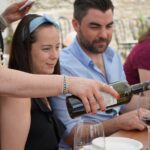
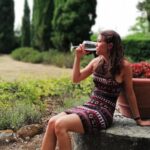
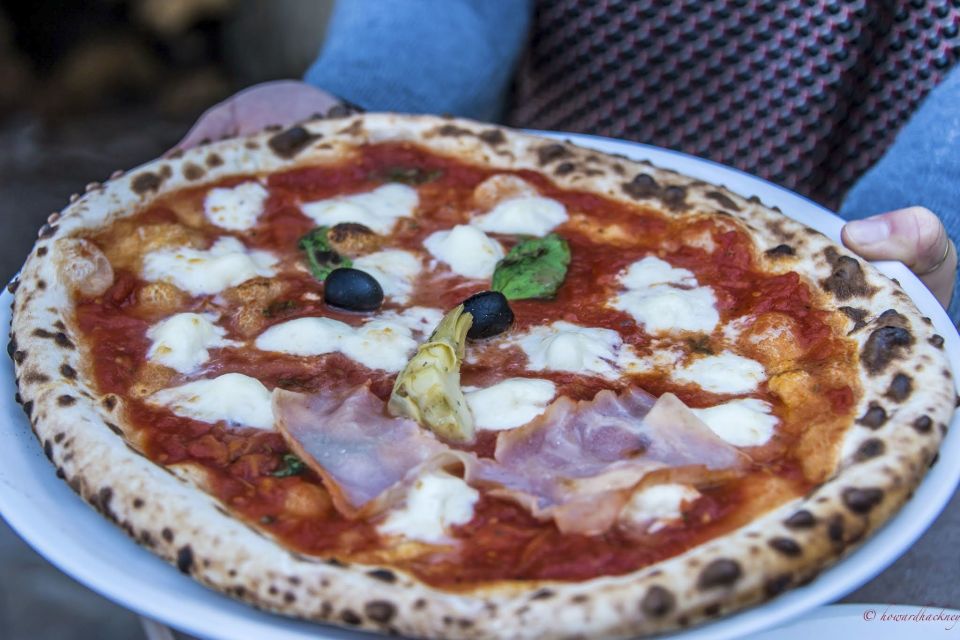
Once your pizza comes out, the class moves from work mode to reward mode. You get to relax and eat what you made. The included drink is Chianti wine or cold beer, so you can match it to your mood: wine for Tuscan vibes, beer if you want something lighter and straightforward.
This part is more than a meal. It’s a built-in quality check. You can taste what your crust, dough handling, and topping choices produced, then connect that back to the instruction you got earlier. Most cooking classes teach; fewer let you taste immediately what the technique did.
Also, if you’re prone to hunger anxiety, don’t worry. The class is designed as a full experience with food as a central focus, not a snack break.
Gelato class: creamy texture lessons with real flavor variety
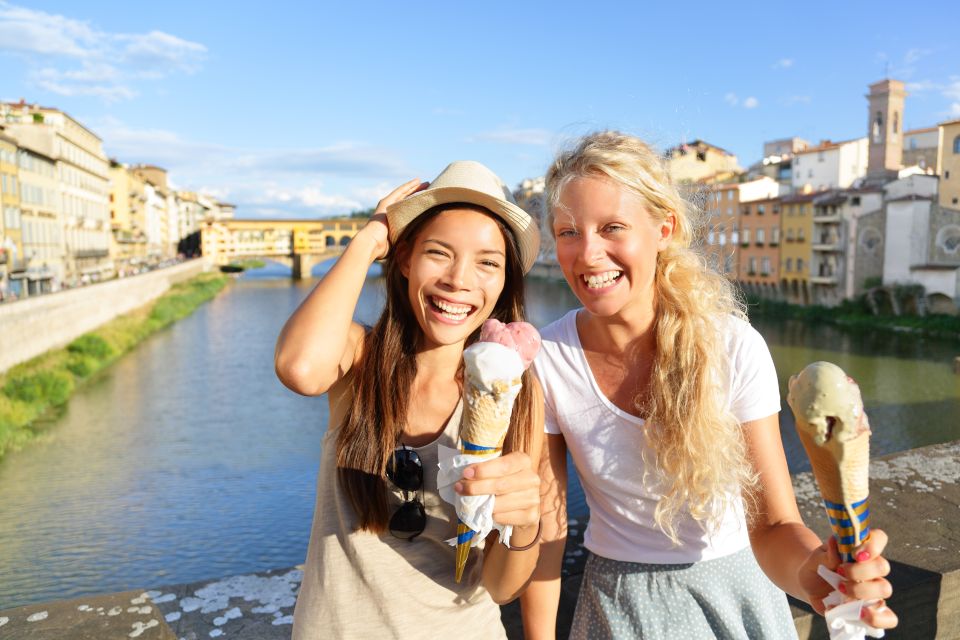
After pizza, you shift gears to gelato. You’ll learn special techniques used to make creamy gelato, then you’ll finish with gelato tasting. This part is often led by gelato specialists like Max, and you might also meet instructors such as Gloria depending on the session.
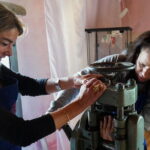
A standout element here is how interactive it feels. You’re not only hearing about gelato—you’re learning how to get that creamy texture. In at least some sessions, you may even see a science-style moment connected to freezing technique (liquid nitrogen was mentioned in one class experience). Even if that’s not part of every group’s session, the focus on technique is consistent.
Expect flavor choice and lots of tasting
You can choose gelato flavors and ingredients as part of the lesson. Then you dig in to finish the night with something sweet. There are also notes that the class can cover many flavors—so if you like variety, you may get to taste more than just your own bowl.
The practical takeaway: gelato is not just dessert; it’s texture management. The way you cool, mix, and handle the process is what creates that smooth spoonable result. The class pushes you toward understanding that, not memorizing a flavor list.
Learning that sticks: English coaching and repeatable takeaways
The instruction is in English, which matters because cooking is easier when you understand the why behind each step. The chefs teach clearly enough that you’re not just trying to copy motions—you’re learning the logic so you can repeat it later.
Based on the way the class is described, you’ll get lots of support while you work. That includes encouragement and tips during dough prep and while shaping pizzas, plus guidance during gelato preparation. Even people with zero baking confidence tend to leave feeling like they can make it again at home, especially the pizza dough handling and gelato technique.
The recipes included are a big help too. You’re not guessing what you did when you get home. You can compare your notes to the recipe and adjust.
Price and value: what you’re really paying for
At $186.92 per person for about 5 hours, this doesn’t look like a bargain. But it’s also not a lightweight activity. You’re paying for several things bundled together:
- Transportation from Florence to the farmhouse and back
- A professional chef-led pizza and gelato lesson
- Wine and beer with your meal
- Recipes so you can recreate results later
For me, the value question comes down to one point: does it feel like training, or does it feel like entertainment? This experience leans toward training—hands-on pizza and gelato, with chefs who teach techniques you can replicate. If you want a memorable Tuscany moment plus skills you’ll actually use again, the price starts to make sense.
If you’re only looking for a casual taste of Italian food, you might feel it’s more than you need. But if you want the full producer’s mindset—dough, oven, texture—this is priced like a serious class.
Timing in the day: plan for the light and your dinner mood
You’ll spend about 5 hours, and starting times vary based on availability. Some people choose earlier slots and wrap up just before sunset, which adds a little extra magic to the setting. If you book a later time, the evening feel can shift the vibe into something more like dinner plus dessert class rather than an early-food activity.
Either way, think about how you’ll pace the rest of your day in Florence. After you eat your pizza and then finish with gelato, you won’t be in a hurry to hunt for dinner. Build your Florence schedule around having your big meal during the class.
Who should book this pizza and gelato farmhouse class?
This is a strong fit for:
- Food lovers who want hands-on cooking instruction
- Travelers who want to see countryside outside Florence without planning logistics
- Couples, friends, and families (the format is interactive and social)
- First-timers who need clear guidance and encouragement
It may not be the best fit if:
- You have limited mobility, because the farmhouse has uneven and steep surfaces
- You need gluten-free cooking, because gluten-free or other alternative dietary requirements cannot be catered for
- You have food allergies, because it is not suitable for people with food allergies
If you’re on the vegetarian side, you’re in better shape. A vegetarian option is available.
Practical tips that will make the day easier
Here are the real-world details that help you enjoy the experience more:
- Wear shoes you can trust. Uneven ground is part of the farmhouse setup.
- Bring a willingness to get a little messy. Kneading dough is meant to be hands-on.
- Pace your questions. Ask before you start each section, then let the chefs guide you through the steps.
- Take a moment during gelato to note textures and timing cues. Gelato technique is mostly about control, and those notes will help you later.
Also, if you’re the type who loves doing things properly (like saving steps and comparing textures), you’ll probably get a lot from the recipes after you get home.
Should you book it?
I’d book this if you want the best kind of Florence detour: real instruction, real food, and a countryside setting that changes the tempo of your trip. The combination of wood-oven pizza and hands-on gelato teaching is the main draw, and the included wine or beer makes it feel like a proper Tuscan evening rather than a classroom checkbox.
Skip it if your day requires strict dietary accommodation beyond vegetarian, or if mobility issues make uneven terrain a problem. In those cases, you’ll end up spending energy managing logistics instead of enjoying the cooking.
If your goal is to leave Florence with skills (pizza dough you understand and gelato texture you can recreate), this class is one of the most practical ways to turn Italian food into something you can actually do again.
FAQ
Where do we meet for the class?
You meet in front of Biblioteca Nazionale (National Library) in Piazza dei Cavalleggeri. Look for your guide holding a Walkabout sign.
How long is the experience?
The class runs for about 5 hours. Starting times vary, so check availability.
What will I make during the class?
You’ll make pizza and gelato. The pizza part includes making and kneading dough, choosing toppings, and baking in a wood oven. The gelato part includes learning techniques for creamy gelato.
What drinks are included?
Wine and beer are included with your food, with the pizza meal paired with Chianti wine or cold beer.
Is there a vegetarian option?
Yes, a vegetarian option is available.
Can they accommodate gluten-free or other dietary requirements?
No. Gluten free or other alternative dietary requirements cannot be catered for.
Is it suitable for wheelchair users or people with walking difficulties?
No. The activity is unsuitable for anyone with walking difficulties or wheelchair users due to uneven and steep surfaces.
You Might Also Enjoy


More Tour Reviews in Florence
- Tuscany Day Trip from Florence: Siena, San Gimignano, Pisa and Lunch at a Winery
★ 5.0 · 21,634 reviews - The Best tour in Florence: Renaissance & Medici Tales – guided by a STORYTELLER
★ 5.0 · 12,316 reviews