REVIEW · NAPLES
From Naples: Tour of the Amalfi Coast, Sorrento, and Pompeii
Book on Viator →Operated by CiaoNaples - Tours & Excursions · Bookable on Viator
One day, three icons of Campania. You get panoramic viewpoints first, then postcard towns, and finally Pompeii’s impossible-to-forget ruins. Panoramic stops and a small-group van make the drive feel like time well spent, not just transportation.
I especially like the quick-hit viewpoint rhythm: Meta di Sorrento (at 111 meters up) for wide sea views, then the Li Galli islands stop for that protected, between-Capri-and-Positano feeling. I also love how the better drivers handle the schedule in a practical way—guidance, photo breaks, and smart timing so you still enjoy each stop.
The main drawback is pacing. Pompeii gets about 2 hours at the site, and the Amalfi Coast side can be hot and busy, so you’ll need realistic expectations for walking fast and seeing the highlights.
In This Review
- Key things I’d focus on
- A Tight Itinerary, Done Like Locals
- Meta di Sorrento: Your First Sea View at 111 Meters
- Li Galli Islands: A Tiny Archipelago Between Capri and Positano
- Positano in 60 Minutes: Steps, Color, and the Real Reason It’s Famous
- Sorrento for 1.5 Hours: Sirens, Lemons, and a Better Pace
- Pompeii in About 2 Hours: Incredible, But Don’t Pretend It’s Enough
- The People Power: Drivers Who Make the Day Feel Controlled
- Value Math: The €19 Pompeii Fee and What You Get for $157.28
- Who This Tour Fits Best (And Who Might Be Happier Elsewhere)
- Should You Book This Naples-to-Amalfi-to-Pompeii Day Trip?
- FAQ
- What is the duration of the Naples tour?
- What stops are included in the day?
- Is Pompeii entrance included in the price?
- Is lunch included?
- Is the tour offered in English?
- How large is the group?
- How long are the stops in Positano and Sorrento?
- Can I cancel for a full refund?
Key things I’d focus on
- Meta di Sorrento (111 m up): a high, clear view of Capri, Sorrento, and the Amalfi Coast for your first big wow
- Li Galli islands photo moment: Gallo Lungo, La Rotonda, and La Castelluccia seen as a marine-protected pocket between Capri and Positano
- Positano in 1 hour: steep steps mean you pick a lane and enjoy the view rather than trying to do everything
- Sorrento in 1.5 hours: more time for lemon-and-orange air, town browsing, and a calmer stroll
- Pompeii in ~2 hours: enough for major areas, but not enough for a slow, fully guided experience
A Tight Itinerary, Done Like Locals
This is an all-day route from Naples that moves fast—but not frantic. The format is small-group with a maximum of 19 people, and it runs about 8 to 9 hours. You’re on an air-conditioned vehicle with parking fees included, which matters on the Amalfi side where parking and traffic can turn a day into a headache.
You also get a mobile ticket and the tour is offered in English. Confirmation comes at booking time, and there’s a 20-minute maximum waiting window at the meeting point. For me, that’s one of those quiet details that makes the day smoother: you don’t want to spend the whole morning stuck in logistics.
The tour is built for people who want the famous hits without spending multiple days. If you only have Naples time and want both coastal towns and Pompeii, this structure can work well—especially if you’re traveling with limited daylight or you’re juggling a cruise schedule.
You can also read our reviews of more tours and experiences in Naples.



Meta di Sorrento: Your First Sea View at 111 Meters
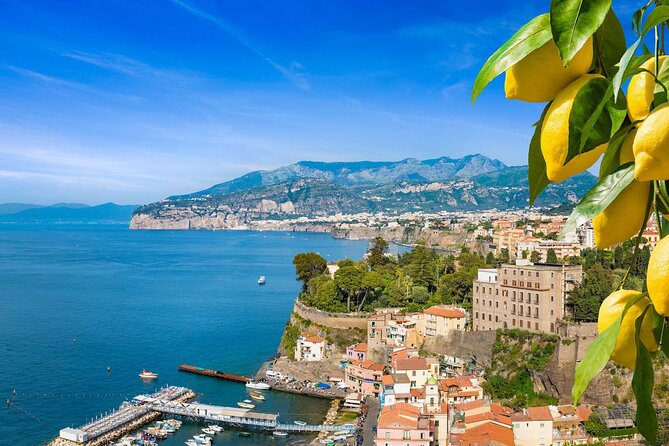
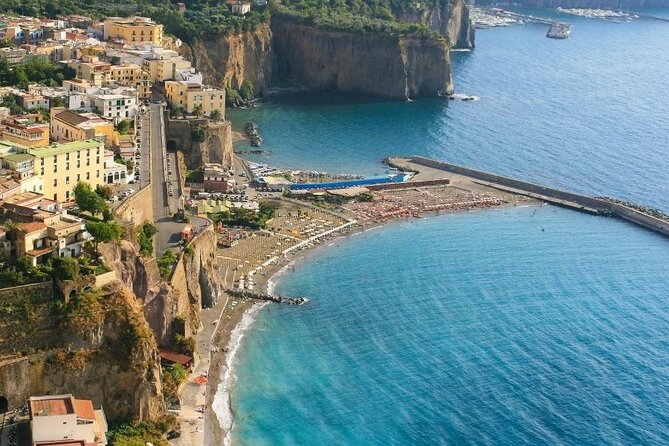
The day starts with Meta di Sorrento, which sits 111 meters above sea level. From there, you’re looking out over a real cross-section of the coastline: Capri, Sorrento, and the Amalfi Coast, plus cliffs and the way the land drops toward the water.
This is a short stop—about 5 minutes—but it’s worth treating like your warm-up. You’re getting a bigger mental picture than you would from ground level. Photo stops like this also help you understand what you’ll see later in Positano and along the coast: the coastline isn’t one flat postcard. It’s a bunch of steep, dramatic sections that look totally different from different angles.
Practical tip: keep comfortable shoes on early. Even a quick stop often means uneven ground and walking a bit while you hunt the best view.
Li Galli Islands: A Tiny Archipelago Between Capri and Positano
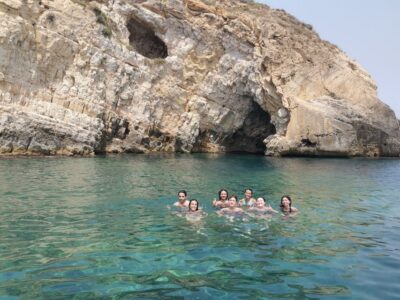
Next comes the Li Galli islands area, a very specific kind of beauty. These are three islands—Gallo Lungo, La Rotonda, and La Castelluccia—between Capri and Positano. They’re known as a marine protected area, so the area has that “untouched-feeling” quality you notice right away.
This isn’t described as a long excursion with landing time. Think of it more like a scenic pause where your guide helps you see what makes the stretch famous. The value here is the contrast: you start the day with high coastline views, then you get the sea-level story of islands tucked into the route.
If you like photography, this is where you’ll be tempted to over-shoot. Don’t. Take a few clean shots, then use the rest of the moment to actually look—because the positions of islands relative to coastline are what make it special.
Positano in 60 Minutes: Steps, Color, and the Real Reason It’s Famous

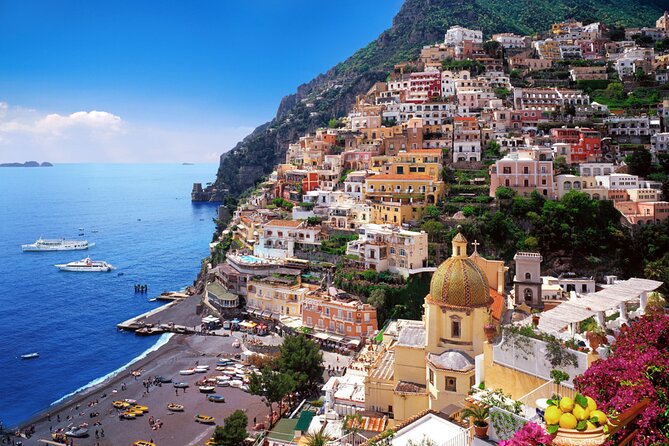
Positano is where many people’s expectations start—then get replaced by reality. The town is described as colorful houses perched on rocky slopes, connected by steps, alleys, and long stairways. It’s basically architecture built around gravity.
You get about 1 hour here. That’s not enough to wander like you have all day, and it’s not trying to be. So you should choose what you want most:
- the sea views from the higher streets
- the “steps down to the beach” feel
- a quick browse for snacks or small shopping stops
The biggest practical consideration in Positano is how much walking is implied by the design. Even if you only cover a small distance, the steps add up. If you’re heat-sensitive, it can also feel long—because you’re outside and exposed while moving between levels.
Also: expect crowds. The Amalfi Coast can get packed, and traffic can be slow. Your goal isn’t solitude. Your goal is getting the postcard feeling without losing the rest of the day.
Sorrento for 1.5 Hours: Sirens, Lemons, and a Better Pace
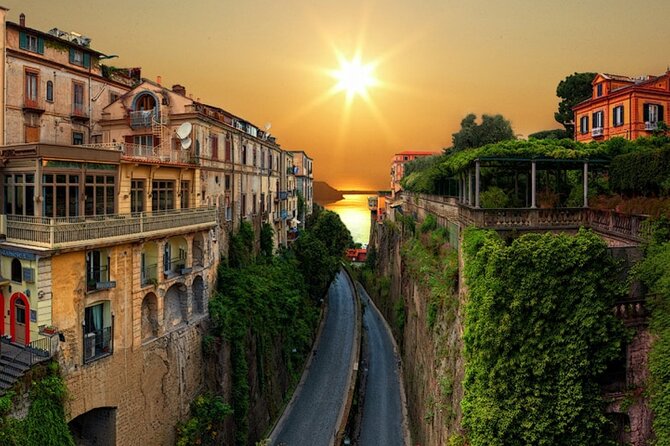
After Positano’s steep quick hit, Sorrento feels like the reset button. You’re there for about 1 hour 30 minutes, which gives you room to slow down without turning the day into a crawl.
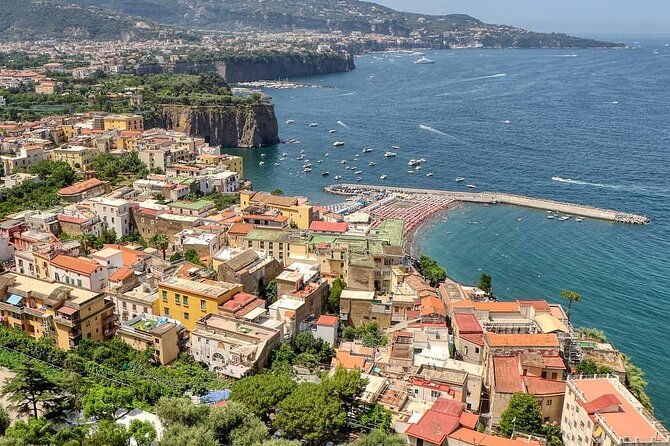
Sorrento comes with two things people remember right away: the old myth and the everyday scents. There’s the legend of the Sirens tempting Ulysses, and there’s the real-world backdrop of lemon and orange trees, plus olive trees with twisted trunks and silver leaves moving in sea-breeze wind. That mix—story + smell + sea light—is part of why Sorrento works as more than a passing stop.
This is also a good town to use for simple wins:
- a longer stroll without rushing every five minutes
- a chance to browse shops
- time to pause with a drink or gelato-like treat (whatever fits your budget)
One note: don’t assume you’ll cover every corner. With a set schedule, Sorrento is best used as a “choose your vibe” stop. If you like atmosphere and wandering, you’ll feel happy here.





Pompeii in About 2 Hours: Incredible, But Don’t Pretend It’s Enough

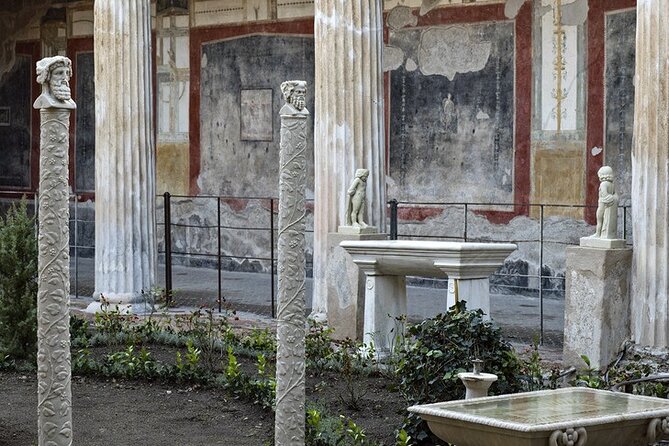
Pompeii is the headline, and it’s also the part that can make or break your expectations. You have about 2 hours at the archaeological park (plus round-trip time between attractions). The entrance fee is not included, listed at €19.00 per person.
Two things are true at once:
1) Pompeii is vast and deserves far more time than a single visit.
2) Even with limited time, you can still leave feeling moved—because major areas are unforgettable.
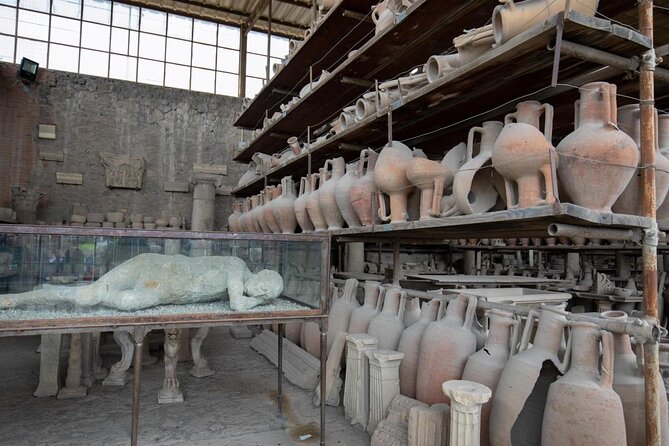
Here’s what the site is doing to your brain: this was a city with ancient layers—Oscan settlement, later Samnites, then Roman takeover starting in the first century BC. It was buried after the eruption of Vesuvius in 79 AD, with lava and ash preserving the city enough that you can visit it today.
What to do with your limited time:
- treat the first minutes as orientation, not sightseeing
- pick a few key areas rather than trying to see everything
- plan for crowd movement and walking pace
A very practical tip from the experience: grab a map at the ticket counter when you arrive. It helps you keep your bearings fast.
Also, if you’re sensitive to motion or you’ve had car-sickness issues before, plan ahead. One reviewer specifically warned about car sickness and suggested pre-medicating.
And yes, heat can be a factor. Some people felt Pompeii at the end of the day made them tired. If you’re booking with flexible options, consider how your body handles long, hot walking. In this tour’s structure, you’re most likely dealing with fatigue near the end.
The People Power: Drivers Who Make the Day Feel Controlled
A day like this lives or dies on the driver. The best ones treat the Amalfi roads and the schedule like a puzzle they’ve solved many times.
From the feedback, names keep coming up: Ciro, Raphael (and Raffaele), Sergio, Antonio, Francesca, Carmine, Giovanni, Mario, Gennaro, Vito, Giuseppe (and variants of the name). The common thread isn’t just friendliness—it’s competence with timing and practical advice.
Here are a few real examples that tell you what “good” looks like on this route:
- Ciro was praised for great photo stop choices and for being informative, with calm, helpful check-ins.
- One guest had a major meeting-time mix-up, and the driver called to locate them and they were waited for—then helped coordinate a safe way back to the ship. That kind of problem-solving matters on cruise days.
- Raphael was mentioned for making sure guests were comfortable, offering food and scenery pointers, and handling narrow roads smoothly.
- At least one cruise-stop situation included a Pompeii contact named Roberta, who met the group for Pompeii. That’s a reminder: even if you don’t get a full guided program every time, sometimes you can get extra help on-site.
- Several drivers were also praised for flexibility, including helping guests adjust within the schedule and dropping people off near hotels.
Translation for you: if you want the day to feel like a plan instead of a scramble, this tour’s best version is with a driver who knows where to park, when to stop, and how to keep you moving.
Value Math: The €19 Pompeii Fee and What You Get for $157.28
The listed price is $157.28 per person. For that, you’re getting:
- air-conditioned vehicle and private transportation
- parking fees included
- guide support for groups of 12 or more (so bigger groups may get more structured guiding)
- multiple major stops across coastline towns plus Pompeii
Then add what’s not included:
- Pompeii entrance fee: €19.00 per person
- lunch
- and a guided Pompeii tour is not included
So the real cost is base price plus Pompeii entry, plus whatever you spend on food. When it’s good value is when you treat it like a highlights day: you’re paying to avoid the headaches of coordinating transport across steep towns and getting to Pompeii with a tight schedule.
If you’re comparing to pricey cruise excursions, this can feel like a win because the day is more intimate. If you’re comparing to DIY, it can still be worth it when you factor in parking stress and traffic risk on the Amalfi route.
Who This Tour Fits Best (And Who Might Be Happier Elsewhere)
This tour fits best if you:
- want Amalfi Coast towns plus Pompeii in one day
- like a clear plan with short, meaningful stops
- don’t need 6+ hours of Pompeii to feel satisfied
- are okay with hills, steps, and some walking in hot weather
- appreciate photo stops and driver-driven tips for where to eat
It may feel less ideal if you:
- need a long, slow Pompeii visit with deep explanation
- get overheated easily and prefer fewer hours outdoors
- want a lot more time in each town than the schedule allows
- are expecting a fully guided Pompeii program in every case
One guest experience complained the Pompeii portion felt rushed and another noted language limitations. That’s a reminder to read your own needs honestly: if you want a very guided, language-rich Pompeii experience, you may want an option that guarantees more time and a dedicated Pompeii guide.
Should You Book This Naples-to-Amalfi-to-Pompeii Day Trip?
Yes—if your priority is seeing the big Campania highlights without turning it into a full vacation project. The combination of Meta di Sorrento viewpoint, Li Galli island scenery, and the Positano + Sorrento contrast is a strong way to understand the coast. Then you get Pompeii as the emotional anchor of the day.
Book it with a realistic mindset: this is a highlights schedule, and Pompeii time is limited. Wear walking shoes, accept that the Amalfi road can be slow, and plan to use the stops like a sampler—then come back later if you fall in love with one town.
If that’s you, you’ll probably finish the day with that classic Campania mix: sea views in your camera, lemon-scent memories in your head, and Pompeii sticking to your thoughts long after you’ve left.
FAQ
What is the duration of the Naples tour?
The tour runs about 8 to 9 hours total.
What stops are included in the day?
The main stops are Meta, a Li Galli islands scenic stop along the route, Positano, Sorrento, and Pompeii Archaeological Park.
Is Pompeii entrance included in the price?
No. The Pompeii Archaeological Park entrance fee (€19.00 per person) is not included.
Is lunch included?
No. Lunch is not included.
Is the tour offered in English?
Yes, the tour is offered in English.
How large is the group?
It has a minimum of 4 people and a maximum of 19 travelers.
How long are the stops in Positano and Sorrento?
Positano is about 1 hour and Sorrento is about 1 hour 30 minutes.
Can I cancel for a full refund?
Yes. Free cancellation is available if you cancel at least 24 hours before the experience start time.