REVIEW · CHIANTI
Greve in Chianti Wine Tasting and Winery Tour
Book on Viator →Operated by Azienda Agricola Brogioni Maurizio · Bookable on Viator
Four reds, real olive oil, and a storyteller. At Azienda Agricola Brogioni Maurizio in Greve in Chianti, you get Chianti Classico Sangiovese history and a behind-the-scenes tasting in a family-run winery. I love the olive oil moment, and I also love how the tasting is built around regional bites like Tuscan salami and cheese. One consideration: it’s a structured visit with a set pace, so don’t expect a slow, ultra-technical production deep-dive.
Because the group is kept small (up to about 12 people), the host can actually answer questions, and you’re not shouting over a crowd. Tours are offered in English, and you’ll need to be 18+ for the wine.
In This Review
- Key things to know before you go
- Entering Azienda Agricola Brogioni Maurizio in Greve
- What you taste: four reds plus Tuscan salami and cheese
- The vineyard story and the Chianti Classico Sangiovese thread
- Olive oil stop: the part many people remember longest
- Inside the cellar: how the tasting portion actually works
- Private access to vineyards and what you should expect
- Price and value: is $60.47 worth it?
- Food and dietary reality check
- Timing and small-group pacing: why 90 minutes can feel different
- Who should book this Greve in Chianti winery tour
- Should you book the Greve in Chianti wine tasting and winery tour?
- FAQ
- How long is the Greve in Chianti wine tasting and winery tour?
- How many wines will I taste?
- Is there food included?
- Is the tour offered in English?
- What’s the minimum age to drink wine?
- How many people are in a group?
- Where do I meet for the tour?
- Can I cancel for a full refund?
Key things to know before you go
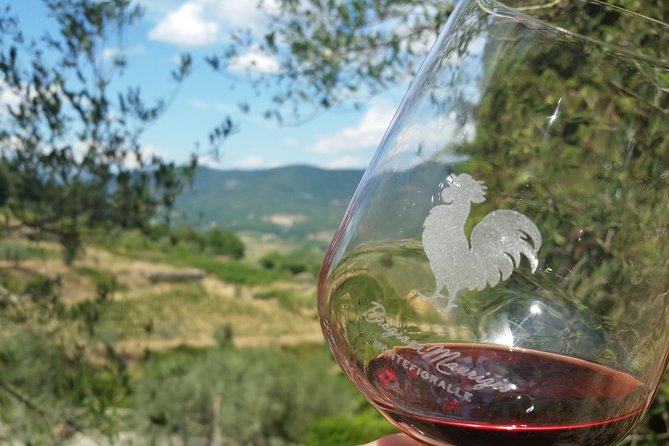
- Family-run Chianti Classico setting: This is a privately owned estate, not a factory-style stop.
- Sangiovese-focused story: You’ll connect the history of Chianti Classico with the grapes behind it.
- Olive oil comes into the experience: You’ll taste olive oil and learn how it’s handled on the property.
- Four red wines in one sitting: Expect multiple pours plus guided pairing with local foods.
- Small-group feel: The cap keeps the conversation personal instead of rushed.
- Expect a set, 90-minute format: It’s not a full half-day; it’s meant to be tight and focused.
Entering Azienda Agricola Brogioni Maurizio in Greve
If you like your wine experiences grounded in everyday life—hands-on farming, a real olive grove, and people who treat this as work and passion—this Greve in Chianti stop makes sense fast. The whole visit centers on a family-run property run with pride, where Chianti Classico isn’t just a label. It’s a place, a grape, and a way of farming that shows up in what you taste.
The experience is built for flow, not wandering. You start outdoors with vineyard context, move through the olive oil side of the estate, then head into a cellar setting for tastings and food pairings. That structure is part of the value: you leave understanding what you’re drinking, not just swallowing it.
The host—Maurizio Brogioni, the owner of Azienda Agricola Brogioni Maurizio—is a big reason people rate this so highly. The communication is in English, and the explanations are practical, meant to help you connect flavor to place.
You can also read our reviews of more tours and experiences in Chianti.

What you taste: four reds plus Tuscan salami and cheese
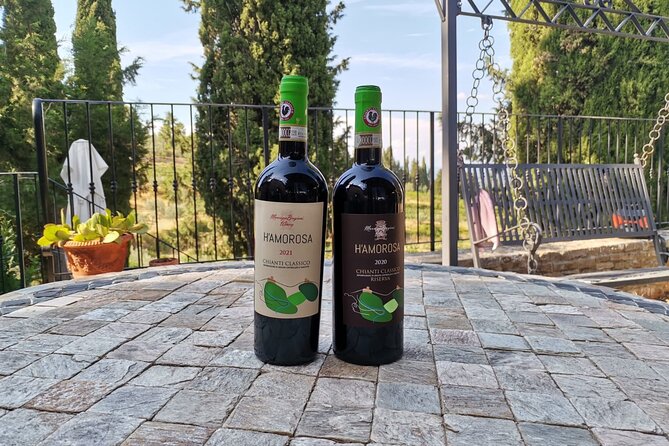
This is a tasting-forward tour. You’ll sample four different red wine selections along with local foods. In practice, that means you’re tasting more than one style, not just repeating the same pour four times with different wording.
Here’s what makes the tasting setup feel rewarding instead of repetitive:
- You start with place, not just wine. Chianti Classico history and the role of Sangiovese come first, so the later tastings feel like chapters rather than random samples.
- You eat while you sip. The pairing includes cheese and Tuscan salami, plus other local items (including regional organic products). This matters because Tuscan cured meats can change how you perceive acidity, tannins, and fruit.
- You get multiple pours in a single sitting. If your time in Chianti is limited, four red samples in about 90 minutes is efficient.
A small heads-up: some people prefer very long, step-by-step tasting notes and heavy technique talk. This visit tends to emphasize pairing and overall understanding more than minute-by-minute aroma breakdown. If you want a strict, lab-style tasting with long pauses for writing, you might feel the pace is quick.
The vineyard story and the Chianti Classico Sangiovese thread
The visit begins on the property, where you get the story behind Chianti Classico and how it connects to Sangiovese grapes. This isn’t just marketing. It’s the classic Tuscany lesson: grapes are important, but so are the people and the farming habits that shape what ends up in the bottle.
You’ll hear how Chianti Classico is approached on the estate and how the region’s identity ties into what you’re about to taste. If you’ve ever wondered why two bottles labeled Chianti can taste different, this is the kind of framing that helps you spot the differences later.
Also, pay attention during the outdoor portion. Some hosts focus on the vines; this one keeps it practical—explaining the estate and what it means—so you get context without feeling like you’re in a lecture hall.
Olive oil stop: the part many people remember longest
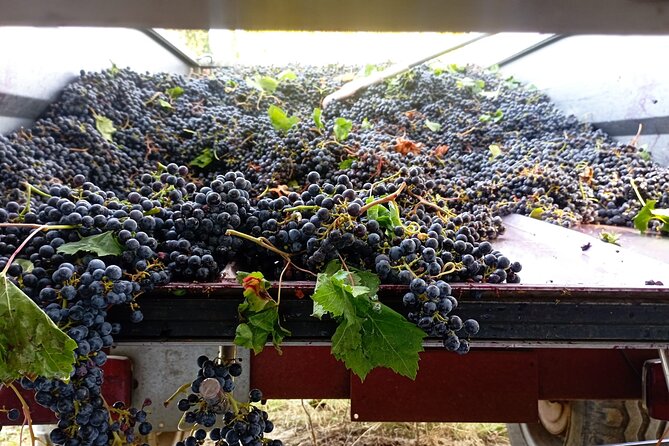
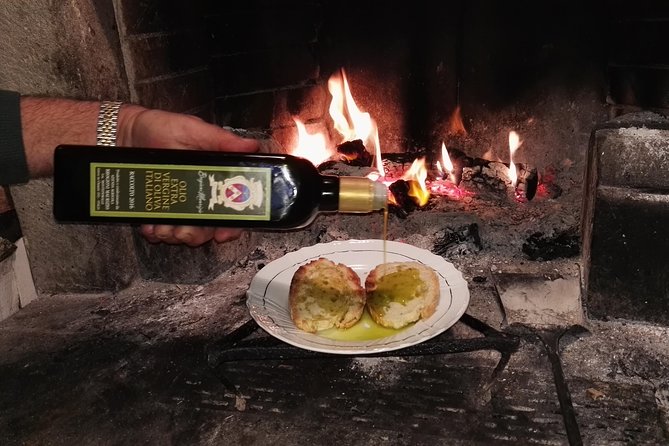
A huge plus here is that you don’t treat olive oil like an afterthought. You’ll visit the olive oil area and learn about the olive side of the farm. Then you taste it.
One of the neat details is that the experience can include smelling oil from a container, which helps you catch the difference between aroma impressions and actual taste. It’s a small moment, but it trains your palate quickly.
Why this matters for your enjoyment:
- Olive oil gives you a baseline flavor you can recognize.
- It links to the terroir theme in a way wine alone can’t.
- It makes the experience feel like an actual estate visit, not a stop-and-sip transaction.
If you’re the type who buys food souvenirs (olive oil, not just wine bottles), this is where you’ll start thinking like a local.
Inside the cellar: how the tasting portion actually works
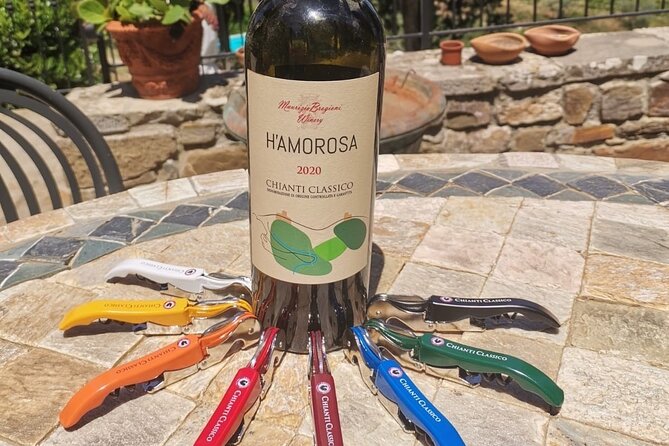
After the outdoor and olive oil parts, you head inside a cellar space. This is where the wine tasting happens, paired with local foods such as cheese and Tuscan salami.
The cellar approach is structured. You’ll be guided through what you’re drinking, then you’ll have time to taste and compare. That comparison time is important, especially with four reds in a row. You’ll get a better read on style changes when you’re not constantly interrupted.
A note on pace: some visitors feel the pours and explanations are brief, and then you’re left to taste for a while. That can be positive if you like quiet focus, and less positive if you want nonstop commentary.
If you want a more tailored walkthrough—like extra details about how the wines are made—ask directly during the visit. The host is used to questions, and you’ll get more from the time if you point your curiosity at what you care about most.
Private access to vineyards and what you should expect
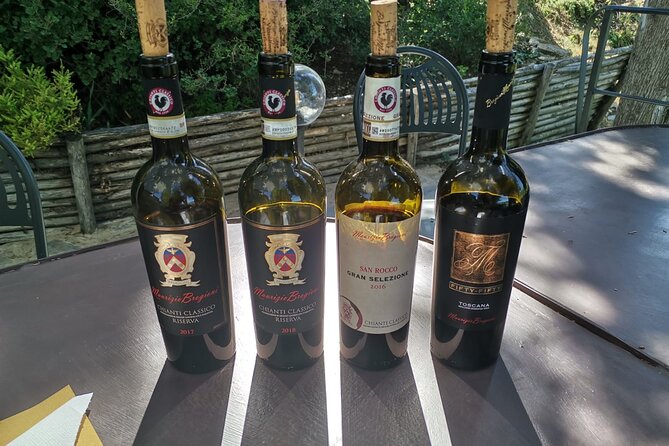
This tour includes access to the privately owned winery and vineyards on site. In other words, you’re not just looking through a window or standing in a narrow tasting room.
Still, expect it to be practical, not a long walking tour of every corner. Vineyard walking may depend on timing and conditions. If the weather is bad, outdoor parts can shrink or shift so the experience stays on schedule.
If you strongly want more time walking among the vines, the best strategy is to ask. The estate can accommodate extra walking if it’s requested and the conditions allow it.
Also keep in mind that some people enter expecting a full technical tour of every stage of production. You’ll get explanations and context, but this is a tasting-focused visit, not a full winery engineering walkthrough. Think: guided story + food pairings + multiple pours.
Price and value: is $60.47 worth it?
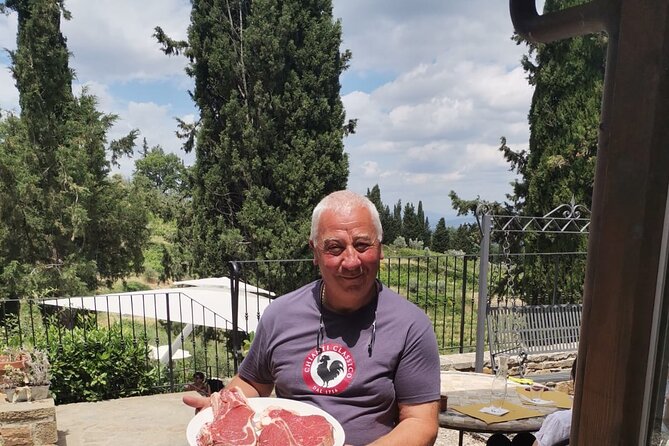
At $60.47 per person for about 1.5 hours, you’re paying for several things at once:
- A small-group, family-run setting with access beyond a typical storefront tasting.
- Four red wines plus structured pairing with local foods.
- Time and attention from the owner, not just a quick handoff to a staff pourer.
- More than wine—olive oil is included, which adds variety and value.
Is it expensive? For a quick tasting, sure. But for Chianti, what you’re really buying is the feeling of being on a working estate for a short window, plus enough wine variety to learn something.
That said, a balanced caution is fair. Some people feel the tour is a bit rushed or that the winemaking explanation could be deeper. If you’re the type who wants a long cellar tour with detailed procedures and extended time at each step, you might judge the price harshly.
My take: if you want a compact, high-quality tasting with context and local pairing, this price can feel fair. If you want a slow, ultra-technical production tour or a large meal included, you should adjust expectations.
Food and dietary reality check
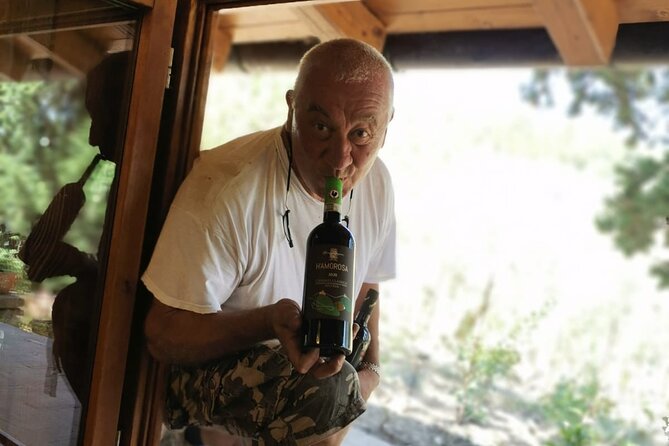
Food is part of the experience, but it’s not presented like a full lunch. You’ll have snacks, and the tasting pairs with cheese and Tuscan salami, plus other regional items (including organic products).
If you have dietary requirements, mention them when booking. This is smart for two reasons:
- It helps the team plan the pairings around your needs.
- It prevents awkward moments when your first bites are not what you can eat.
If you’re hoping for a sit-down multi-course meal, you’ll likely need to plan dinner elsewhere after the tour. Consider this a tasting with food, not a meal.
Timing and small-group pacing: why 90 minutes can feel different
The tour runs about 1 hour 30 minutes, though in real life it can stretch somewhat depending on questions and how the session flows. Since it’s capped at a small number of people, the pacing has a purpose: you get a guided start, then you get real tasting time, then you move through the remaining samples.
Here’s how to get the best experience out of that limited time:
- Go in ready to taste, not ready to research.
- Ask one or two focused questions about what you’re drinking (grape, style differences, farming approach).
- Tell the host what you like—brighter reds vs. heavier reds—and they can guide the conversation toward what matters.
If you’re someone who likes to analyze aromas for a long time, you might feel the explanations are shorter than you’d like. But the trade-off is that you’re comparing four wines within one efficient session.
Who should book this Greve in Chianti winery tour
This tour fits best if you:
- Want an authentic family-run setting rather than a mass stop.
- Like wine tastings that include food pairing and local context.
- Appreciate olive oil and want more than wine-only sampling.
- Enjoy asking questions and getting answers from the owner.
It may be less ideal if you:
- Want a long, detailed walkthrough of every winemaking step.
- Expect a full lunch or dinner included.
- Need a lot of outdoor walking as a core part of the experience.
If you’re a Sangiovese fan or you want to connect Chianti Classico labeling to real taste, this is one of the more efficient ways to do it.
Should you book the Greve in Chianti wine tasting and winery tour?
Yes—if you want a compact, small-group Chianti Classico experience with four red wines, cheese and Tuscan salami pairings, and a genuinely farm-based olive oil moment. This is the kind of tour that gives you enough context to understand what you’re drinking without eating up your whole day.
I’d be cautious about booking only if you’re chasing a long technical winery tour or a full meal. For a tasting-focused visit, the $60.47 price can feel fair because you’re not paying for empty scenery—you’re paying for wine variety, pairing, and access to a working estate run by the people behind it.
FAQ
How long is the Greve in Chianti wine tasting and winery tour?
It lasts about 1 hour 30 minutes.
How many wines will I taste?
You’ll taste four different red wine selections.
Is there food included?
Yes. Snacks are included, and the tasting includes local products such as cheese and Tuscan salami.
Is the tour offered in English?
Yes, it’s offered in English.
What’s the minimum age to drink wine?
The minimum drinking age is 18 years.
How many people are in a group?
The maximum is 12 travelers, with a maximum of 15 people per booking.
Where do I meet for the tour?
You meet at Azienda Agricola Mauricio Brogioni Winery, Via S. Cresci, 37, 50022 Greve in Chianti FI, Italy. The tour ends back at the meeting point.
Can I cancel for a full refund?
Yes. You can cancel up to 24 hours in advance for a full refund.