REVIEW · CHIANTI
Tour and Tasting at an Organic Winery in the Heart of Chianti Classico Area
Book on Viator →Operated by Fattoria di Montemaggio S.r.l · Bookable on Viator
Chianti tastes better when you see the vines. This 2-hour outing at Fattoria di Montemaggio brings you right into the vineyards and cellar, with clear organic-farming context behind the glass. You’re not just stopping for a pour; you’re learning how the winery thinks about its land.
Two things I really like: the vineyard walk feels practical and grounded, and the guide’s explanations connect the farming choices to what you’ll taste. Second, the tasting is built around food that actually belongs in Tuscany—bread, local cheeses, salami, and the winery’s own extra virgin olive oil.
One possible catch: this winery sits out in the countryside, so the drive can be slow and bumpy. Plan extra time, and don’t rely on guesswork for the meeting point—one wrong turn can cost you the start.
In This Review
- Key highlights I’d plan around
- Fattoria di Montemaggio: organic Chianti Classico with real working land
- The 2-hour rhythm: vineyards, cellar walk, then a structured tasting
- Vineyard walk and organic agriculture: you learn why the grapes feel different
- Cellar time: where the working process becomes something you can taste
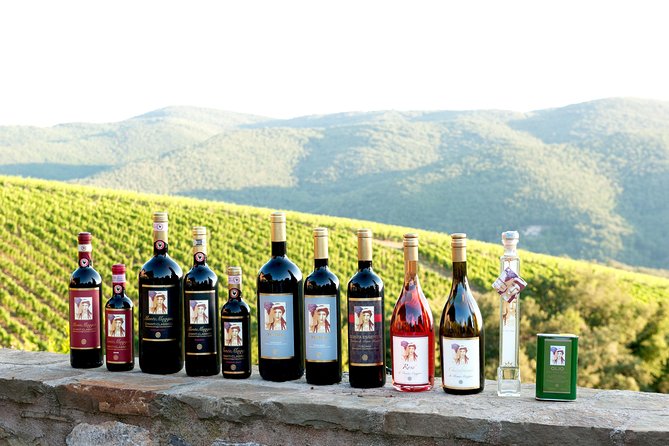
- The tasting plate: five wines plus bread, cheeses, salami, and their olive oil
- Francesco’s style: how a sommelier turns tasting into something you can use
- Views, dirt roads, and finding the meeting point on time
- Price and value: what $48.36 buys you in Chianti Classico
- Who this tour suits best (and who might want to think twice)
- Should you book this organic Chianti tasting and vineyard tour?
- FAQ
- How long is the winery tour and tasting?
- What language is the tour offered in?
- How many wines/products do you taste?
- What snacks and food are included?
- Is hotel pickup or drop-off included?
- Is there an age requirement for wine tasting?
- What is the cancellation policy?
Key highlights I’d plan around
- Vineyard-to-cellar tour in the Chianti Classico area with an organic agriculture focus
- Small group size (up to 14), so you get room to ask questions
- A guided tasting of five wines/products paired with Tuscan snacks
- Food pairing that matches the winery’s output, including extra virgin olive oil
- Francesco’s hands-on teaching style (how to smell, taste, and read Chianti)
- Rural setting and limited signage, so build in extra arrival time
Fattoria di Montemaggio: organic Chianti Classico with real working land
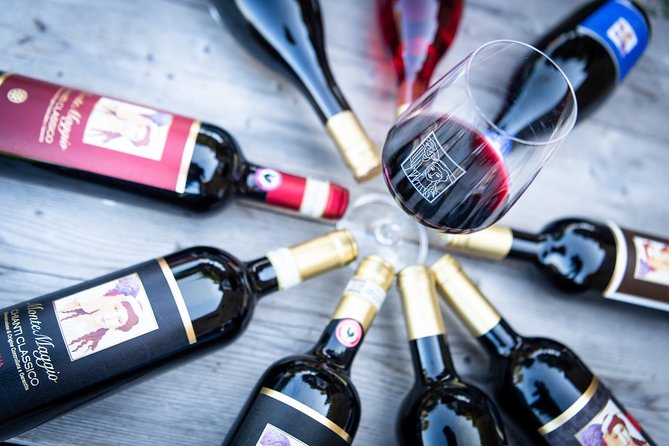
Fattoria di Montemaggio is the kind of place that doesn’t feel staged. The setting is rural and out-in-the-country, which matters because Chianti isn’t only about wine—it’s about farming hillsides and working with seasons. When an experience is tied to the vineyards themselves, you get a better sense of why Chianti Classico tastes the way it does.
You’ll also notice the scale. With a maximum of 14 people, the tour doesn’t turn into a long line of quick sips. That smaller group pace makes the explanations easier to follow—especially if you’re the sort of traveler who wants to understand what you’re tasting, not just collect a souvenir bottle.
And while the tour is focused on wine, the winery’s extra virgin olive oil shows up as part of the story, not an afterthought. That’s a strong sign you’re at a producer that treats its products as a whole lifestyle, not separate categories.
You can also read our reviews of more tours and experiences in Chianti.
The 2-hour rhythm: vineyards, cellar walk, then a structured tasting
This experience runs about two hours, and it moves with purpose. You start with the vineyards, shift into the winery’s cellar area, and then finish at the tasting portion with snacks.
That order is smart. It prevents the most common wine-tour problem: tasting first, learning later (or never). Instead, you see where the grapes come from, then you walk through how the winery works, and only then you taste. Your palate lands on something concrete.
You’ll also spend time learning how to taste, with an approach that covers more than “good” or “not good.” People get guided through things like color, smell, tannins, and what affects flavor—down to how grape size can influence character. Even if you don’t consider yourself a wine nerd, this kind of framework helps you enjoy the tasting more, and it makes the differences between wines easier to notice.
Vineyard walk and organic agriculture: you learn why the grapes feel different
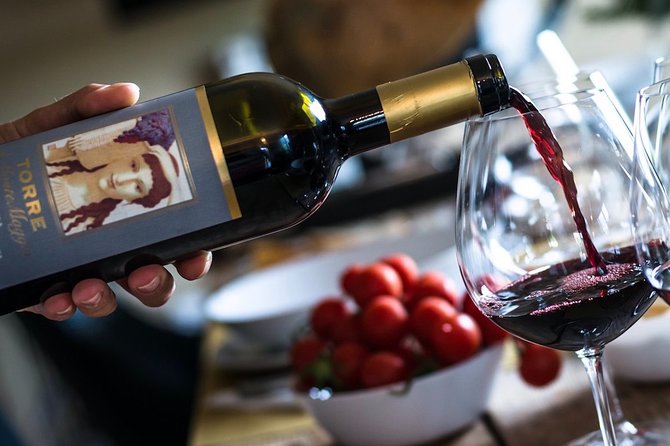
The first part is all about getting into the vineyards and understanding the working process behind their organic agriculture approach. This isn’t a sales pitch like you might hear at a big brand. It’s the opposite: the guide talks through how the vines fit into the farm’s routine and how grape selection and timing connect to what ends up in the bottle.
A detail I appreciate from the way the experience is described: it’s not only about vineyards in general. You get specific talking points about vine life cycle and grape selection, which makes the tasting feel less random. You’re not guessing why one pour is lighter or more structured than another—you’re hearing what decisions lead to that result.
If you’re visiting Tuscany and want a wine experience that feels grounded in agriculture rather than marketing, this vineyard segment is one of the strongest reasons to go.
Cellar time: where the working process becomes something you can taste
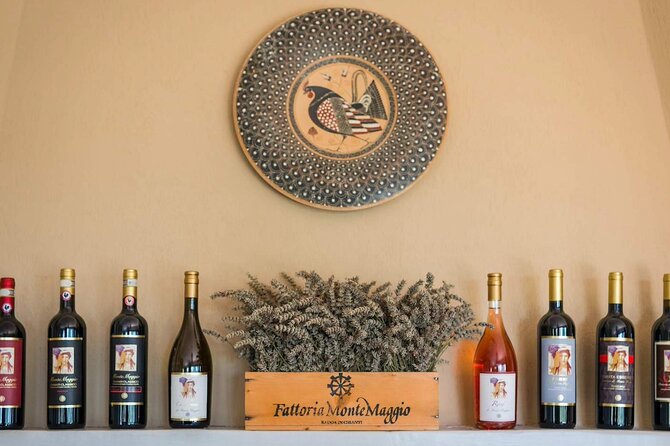
Next comes the cellar walk. The experience includes a stroll through the cellar so you can see the winemaking environment where the grape-to-wine story continues.
Even if you’ve toured other wineries, cellar time can feel surprisingly useful when you’re not rushing. Here, it functions as the bridge between the outdoor vine story and the final tasting. You go in understanding the farm side, and you leave knowing the winery side.
The tour stays practical: you’re shown the key steps as the guide explains the overall approach. This is also where the tour tends to click for people who want to build a basic “map” in their head—where things happen, what the winery is aiming for, and how the wines differ in style.
The tasting plate: five wines plus bread, cheeses, salami, and their olive oil
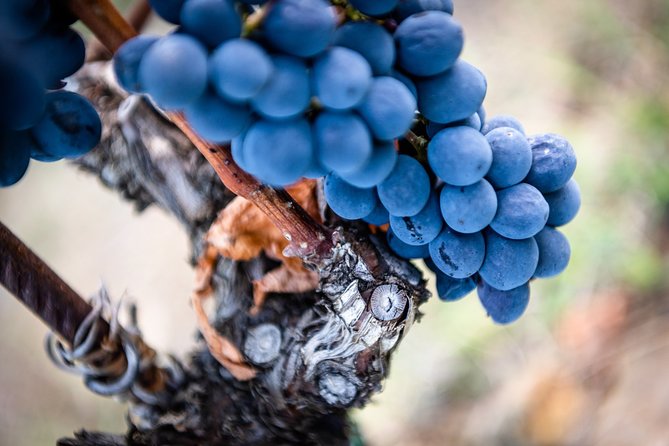
The tasting is the payoff, and it’s designed to be more than a sip session. You’ll sample five products/wines, and the tasting is accompanied by snacks such as bread and cheeses, plus salami served with the winery’s extra virgin olive oil.
This pairing matters because Chianti is often best understood with food in front of you. Bread and olive oil help reset the palate and keep the tasting from feeling too “dry” or abstract. Cheese and salami add salt and fat, which can make tannins and acidity feel more balanced. In practice, you’ll taste more clearly because you’re not trying to do everything on an empty stomach.
I also like that the included snacks aren’t generic. The olive oil is specifically the winery’s production, so it ties back to the farm side of the tour.
Francesco’s style: how a sommelier turns tasting into something you can use
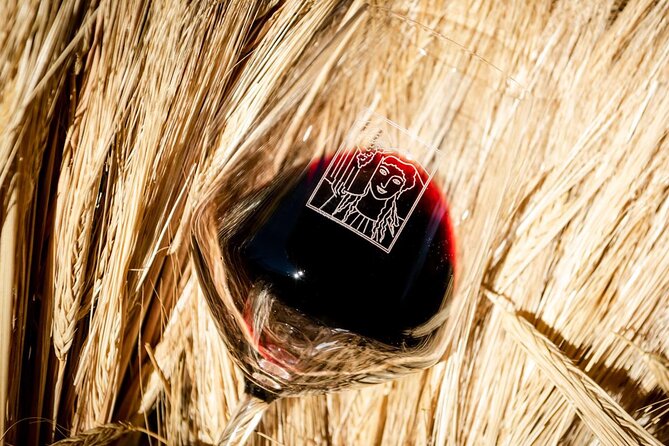
One of the most praised parts of this experience is the host, Francesco. He’s described as having deep ties to the winery, including time working there and growing up with the farm background. His angle is not “trust me.” It’s “here’s what to look for.”
In the tasting, you get guidance on how to read wine—color, smell, and tannins—and it’s presented in a way that helps you taste with intention. The guide also explains subtleties of different styles and what you might notice when tasting Chianti Classico.
There’s a big difference between someone who can name wines and someone who can teach you how to notice them. This tour clearly leans toward the second one. If you’ve ever felt like wine tasting tours are mostly drinking with a few facts tossed in, you’ll probably appreciate this more structured teaching approach.
Views, dirt roads, and finding the meeting point on time
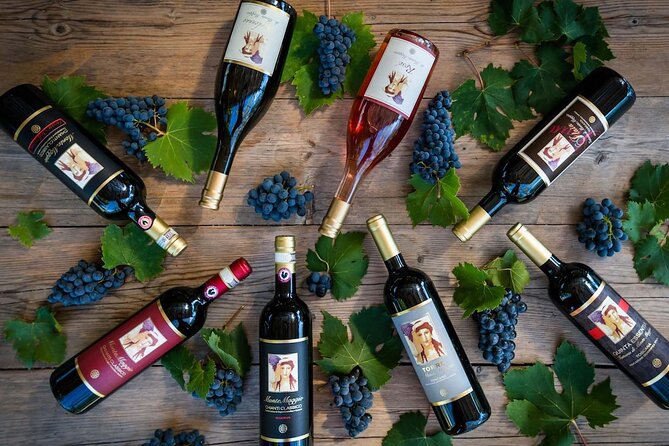
Here’s the honest part: the winery is remote, and the drive can be difficult. Multiple guests talk about rural roads and bumpy access, and the location can be hard to find without planning.
What you should do:
- Leave extra time so you’re not rushing the last stretch.
- Double-check the meeting point address in your own directions app before you go.
- If you’re car-free, arrange your timing carefully since hotel pickup isn’t included.
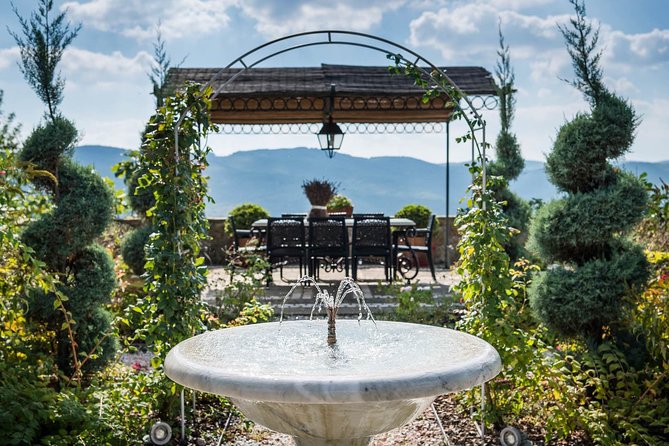
The good news is that the setting is part of the experience. When you arrive, the property and vineyard views are part of why the tour works at all. But the travel time is the price of admission—so don’t treat this like a quick stop.
Also note the tour ends back at the same meeting point. So build your schedule around being able to return there afterward.
Price and value: what $48.36 buys you in Chianti Classico
At about $48.36 per person for roughly two hours, you’re paying for a guided, producer-led experience: vineyards tour, cellar walk, and a guided tasting with snacks and drinks.
The value comes from the combination:
- You get access to the working vineyard and cellar, not only a tasting room.
- The group stays small (up to 14), which makes the teaching feel personal.
- The food isn’t just a cookie. You get bread, cheeses, salami, and the winery’s extra virgin olive oil, paired with the wines.
What’s not included is hotel pickup/drop-off. That can slightly change the “real cost” for some travelers depending on transportation. But if you already have a way to get to the meeting point, the price is straightforward for what you’re receiving.
If you want an educational tasting that ties directly to the agriculture behind Chianti Classico, this is priced like a tour meant to be worth your time—not just your credit card.
Who this tour suits best (and who might want to think twice)
This experience is a great fit if you:
- Want a wine tour that’s tied to vineyards and organic agriculture practices.
- Enjoy learning how to taste (color, smell, tannins) instead of only sampling.
- Prefer smaller groups and a guide who can explain details clearly in English.
- Like food pairing with wine, especially bread, cheese, salami, and olive oil.
It might be less ideal if you:
- Need an easy, stress-free drive. The access is rural and can involve rough roads.
- Don’t want to manage your own transportation to the meeting point, since pickup isn’t included.
Should you book this organic Chianti tasting and vineyard tour?
I’d book it if you want a wine experience that’s more than a tasting flight. The strongest reasons are the vineyard-to-cellar flow, the snack-and-olive-oil pairing, and the way Francesco teaches you how to taste Chianti Classico with real tools.
If you do book, plan for the countryside drive like it matters—because it does. Give yourself extra buffer time and confirm the meeting point carefully.
If you’re in Chianti and torn between a quick tasting-only stop and a guided producer visit, this one leans toward the option that makes the wine feel understandable.
FAQ
How long is the winery tour and tasting?
It lasts about 2 hours.
What language is the tour offered in?
The tour is offered in English.
How many wines/products do you taste?
The tasting includes five products.
What snacks and food are included?
You’ll have light refreshments and snacks, including bread and olive oil, plus cheeses and salami.
Is hotel pickup or drop-off included?
No, hotel pickup and drop-off are not included.
Is there an age requirement for wine tasting?
Yes. The minimum drinking age is 21 years.
What is the cancellation policy?
Free cancellation is available up to 24 hours in advance for a full refund.