REVIEW · MILAN
La Scala Theatre and Museum Tour in Milan With Private Guide
Book on Viator →Operated by Zani Viaggi · Bookable on Viator
La Scala is Milan’s opera house with serious pull. This 1-hour tour gives you a guided look at the Teatro alla Scala museum and the places visitors usually only imagine, with a professional guide in English and an entrance ticket included.
What I like most is the chance to view the opera-house auditorium from the boxes (often during a rehearsal window) and then shift into the museum world of instruments, costumes, portraits, and stage artifacts that explain how opera is built.
One heads-up: the experience can feel less like true inside-the-theatre access and more like a guided museum visit with a limited auditorium viewing window, especially when a rehearsal or show is taking place.
In This Review
- Key highlights at a glance
- Teatro alla Scala in an Hour: What You’re Booking
- Meeting at Largo Antonio Ghiringhelli: Easy Start, Tight Timing
- Auditorium Access and Rehearsals: When Lights Are On vs Off
- The Museum Portion: Where the Time Goes
- Costumes, Instruments, and Opera Props: Why This Works
- Sound, Crowds, and the Group Reality
- The Bookshop Stop: Small, But Surprisingly Fun
- Photos and the Box-View Reality
- Who This Tour Suits Best
- Should You Book This La Scala Tour?
- FAQ
- How long is the La Scala Theatre and Museum Tour?
- Where do I meet for the tour?
- Is the tour in English?
- What happens if the auditorium can’t be visited due to a rehearsal or show?
- What’s included in the price?
- What if I’m late to the meeting point?
Key highlights at a glance
- Auditorium views from the opera boxes when conditions allow
- Stage and pit orchestra perspectives during your guaranteed viewing window
- Museum focus: costumes, instruments, portraits (Verdi, Toscanini, and more)
- Bookshop time for opera books and composer-related picks
- Guides vary a lot, with some standouts like Claudia, Stefania, and Alejandro in past tours
- Audio and crowding can make or break the feel of the visit
Teatro alla Scala in an Hour: What You’re Booking
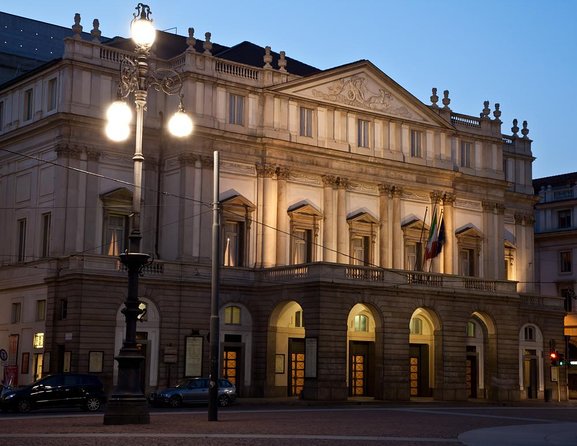
This tour is short on purpose. At about 1 hour, you’re not getting a slow wander through every corner of La Scala. You’re getting a guided route that tries to do two things fast: give you an understanding of the building and then point you toward the museum material that explains La Scala’s place in opera.
That format matters. If you want the theatre experience itself—red velvet, stage depth, the pit in full context—you may feel satisfied when lights are on and a rehearsal is accessible. If you want a backstage-style look, you should adjust your expectations now. The tour is built around the museum and controlled viewing access to the auditorium.
For the price of $47.63 per person, I see it as value when you get the best-case auditorium moment plus a good guide. If your goal is mainly to sit in a box and see the stage, you might wonder if a simpler entry ticket would do the job. More on that soon.
You can also read our reviews of more tours and experiences in Milan.


Meeting at Largo Antonio Ghiringhelli: Easy Start, Tight Timing
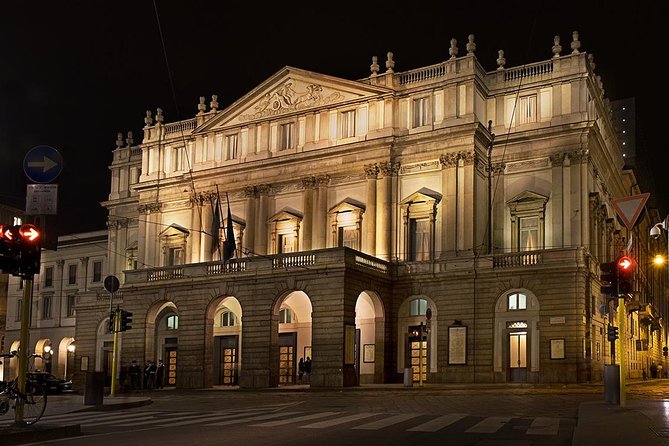
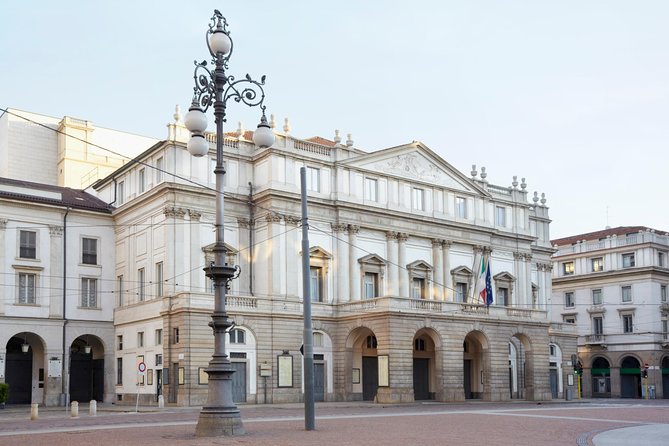
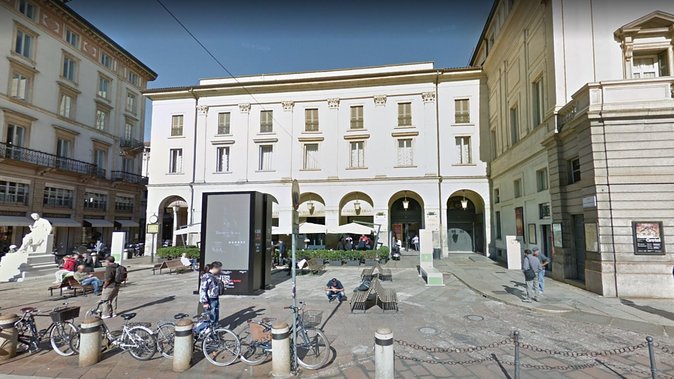
You meet at Teatro alla Scala Museum, Largo Antonio Ghiringhelli, 1, 20121 Milano. It’s near public transport, so you’re not stuck planning your entire day around a complicated walk.
The timing rule is strict. The tour notes say that if you’re late, entry will not be permitted and you won’t get a refund. That’s one of those small rules that can ruin a good trip day, so I’d treat this like an early appointment. Build buffer time.
Also, plan for the reality of a working theatre. Opening times can shift depending on rehearsals and show needs, and your tour visit can be adjusted. If you’re flexible, you’ll handle this better than if you’re trying to force La Scala into a tightly scheduled itinerary.
Auditorium Access and Rehearsals: When Lights Are On vs Off
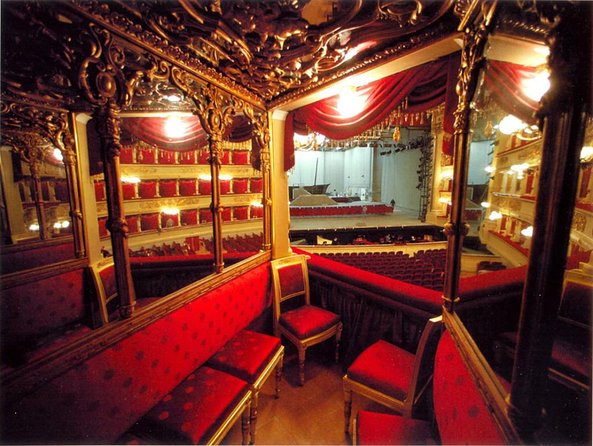
La Scala is active, so your theatre access depends on what’s happening that day. The tour says your visit to the La Scala Theatre auditorium is guaranteed unless a rehearsal or show is in progress. If a rehearsal/show blocks your planned viewing, your guide provides a voucher to visit at the next available date, and the note says no refund is guaranteed in that situation.
In plain language: you should book this with the mindset that you’re trying to catch the house in a playable moment—not with the mindset that you’ll always get the same full-auditorium experience.
What this looks like in practice can vary. In some cases, you get a meaningful look from the boxes, sometimes with rehearsal action visible. One review mentioned seeing a rehearsal briefly through plexiglass while the stage area was darker, and others described limited time inside a box before moving back to the museum.
There’s also a lighting factor. One person noted the auditorium lights were not on during their tour, then they could wait after the visit when lights were turned on. If you care about atmosphere and photos, you’ll prefer a moment when the lights are active.
The Museum Portion: Where the Time Goes
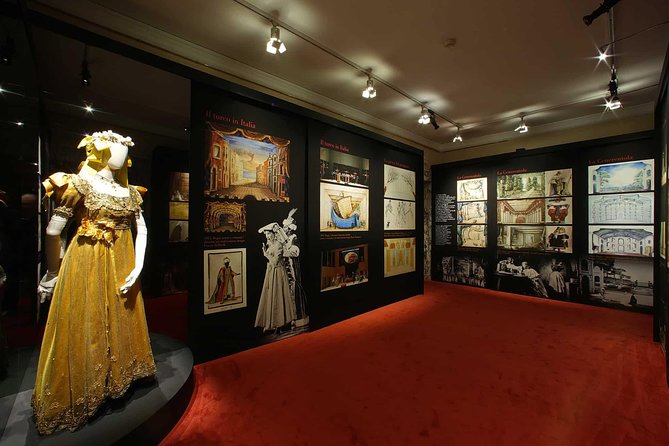
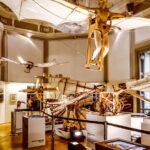
Here’s the honest core of the experience: the museum is usually the main event. The tour route takes you through the theatre’s museum, where you’ll spend time on history, portraits, instruments, and stage-related objects.
This is where the tour makes its most persuasive argument. A lot of people walk into La Scala thinking they’ll simply admire a famous room. The museum reframes that. It shows you the visual language of opera—costume design, how performances were staged, and the tools musicians use.
You’ll also see portraits of major Italian figures. Verdi and Toscanini were specifically mentioned, and you should expect other composer and performer imagery too. Several reviews praised guides who made the material feel grounded and easy to follow, even when the rooms became busy.
That said, if you want a building-focused tour that sticks to architecture and theatre mechanics, you may feel pulled off course. One review said they expected more depth about the theatre itself and felt most of the hour was museum-based.
Costumes, Instruments, and Opera Props: Why This Works
The museum displays aren’t random souvenirs. They’re a shortcut to understanding what makes opera different from other performance art.
For example:
- Costumes help you see how character, era, and drama get translated into fabric and silhouette.
- Instruments connect the sound you hear in a performance to the people and craft behind the music.
- Stage props and production items show you how storytelling is built with physical objects, not just sound and voice.
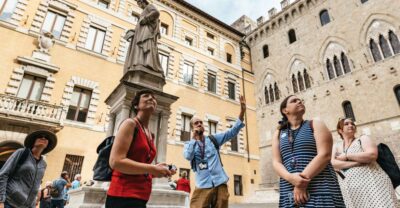
This is also where a great guide earns their money. Some guides were praised for being engaging and funny without turning the tour into a lecture. Names that came up positively include Claudia, Stefania, and Alejandro, each described as lively or strongly informed.
If your guide is less engaging or the sound equipment is poor, the museum can feel like a checklist instead of a story. I’ll cover that next, because it really affects whether this tour feels like a win.





Sound, Crowds, and the Group Reality
Even though the experience is described as a tour with a private guide, the practical details can feel more like a group visit. The tour says there’s a maximum of 25 travelers, and reviews include comments that it didn’t feel private.
Crowding is a real variable. Some reviews described multiple groups in small rooms, making it hard to focus. Other comments mention heat and cramped navigation inside certain museum spaces. If you get claustrophobic with close quarters, you’ll want to mentally prepare for that.
Then there’s audio quality. Several reviews flagged issues like poor radio sound, static, buzzing, or a mic held in a way that made it harder to hear. If you’re coming from a background of high-quality audio tours, you may find this annoying. If you’re patient and don’t mind asking your guide to repeat something, you can still have a good time.
Practical tip: keep your expectations flexible. If you walk in thinking you’ll hear every word perfectly, you might leave frustrated. If you walk in ready to learn from the visuals and the occasional key explanation, you’ll likely feel more satisfied.
The Bookshop Stop: Small, But Surprisingly Fun
The tour includes time in the museum bookshop. That’s not a throwaway stop. It’s a chance to leave with something useful for the opera rabbit hole—books about opera in general and famous composers in particular.
One advantage here is that you can buy something tailored to your taste. If you love Verdi, look for Verdi-focused material. If you’re curious about the broader story of Italian opera, you can pick a more general history book.
It’s also an easy win if the day’s rehearsal access is limited. Even if the auditorium viewing feels short, the bookshop gives you a way to end with something that extends the experience.
Photos and the Box-View Reality
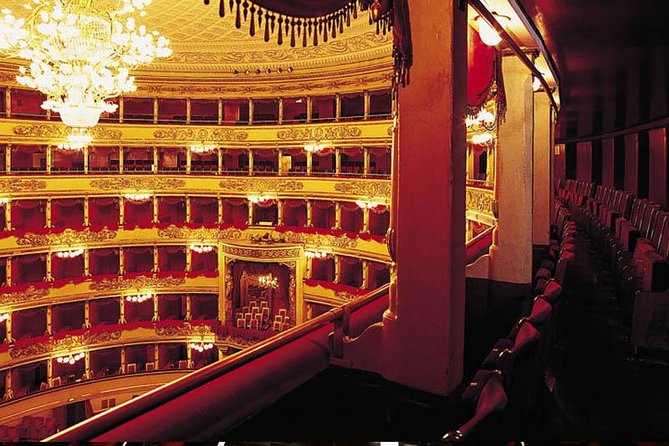
You’re likely to spend some time looking at the theatre from an opera box. Depending on rehearsal conditions and the day’s lighting, what you can see may be more or less dramatic.
In one account, people had limited time in a box with plexiglass at the front, while others got a better moment when a rehearsal was running and lights were down. Another review mentioned getting pictures once lights came on after entering the box.
So for photo expectations:
- Plan for some strong views.
- Don’t assume you’ll get a full, unobstructed stage shot every time.
- If the lights are off, you might get a better view after your tour ends (not guaranteed, but it happened to at least one group you should know about).
Who This Tour Suits Best
This is a good fit if you:
- Want a fast, guided introduction to La Scala’s place in opera
- Like museums that explain context through objects—costumes, instruments, portraits
- Appreciate short stops with a guide explaining what you’re looking at
It may feel less ideal if you:
- Want behind-the-scenes access or backstage areas
- Are mainly chasing a full-length theatre interior experience
- Get frustrated when group logistics, crowding, or audio quality interfere
In other words, it’s best for people who enjoy opera history and objects, not just architecture-as-a-photo. The hour moves quickly. You’ll enjoy it more if you’re ready to be a student for a bit.
Should You Book This La Scala Tour?
I’d book it if your priority is a guided La Scala overview that combines the theatre viewing moment with a museum visit that actually teaches you why everything matters.
I’d pause before booking if your top goal is a deep theatre-only experience—because the route can become museum-heavy and auditorium access can be limited. If you’re the type who wants to stay in the building and soak it in, you may prefer a format that gives longer auditorium time.
My practical rule: if you’re flexible about rehearsal conditions and you’re happy to learn through costumes and instruments as much as through the stage, you’re likely to feel you got your money’s worth.
FAQ
How long is the La Scala Theatre and Museum Tour?
It runs for about 1 hour.
Where do I meet for the tour?
You start at Teatro alla Scala Museum, Largo Antonio Ghiringhelli, 1, 20121 Milano MI, Italy.
Is the tour in English?
Yes, it’s offered in English.
What happens if the auditorium can’t be visited due to a rehearsal or show?
The tour notes that the auditorium visit is guaranteed unless a rehearsal or show is in progress. If that happens, your guide provides a voucher to visit the auditorium on the next available date, and it notes that no refund will be guaranteed for that event.
What’s included in the price?
You get a professional licensed tour guide plus entrance to the Scala Theatre and Museum.
What if I’m late to the meeting point?
The tour states that if you’re delayed, entry will no longer be permitted, and it also says this will not be refunded.