REVIEW · LECCE
Lecce: Pasta Making Class in 1400s-Era Courtyard with Wine
Book on GetYourGuide →Operated by LecceGo · Bookable on GetYourGuide
There’s something satisfying about making pasta with your own hands. In Lecce, I love this hands-on class set in a 1400s courtyard, where you learn Apulia’s shapes and then eat what you made with wine. One thing to keep in mind: it’s a popular activity and the group can be large, so you’ll want patience as you rotate through instruction.
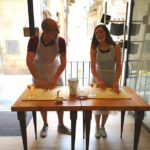
The setup hits a sweet spot for value. You get a professional cook and equipment, plus a central museum location in old Lecce. You’re not just watching; you’re working the dough with a local team, often including Luciana and Nonna Teresa, who keep the process moving and correct your technique.
As for the food side, this is built like a proper evening in Salento. You’ll make orecchiette (and also work on Apulian pasta such as sagne) and then enjoy your pasta with wine after the class. It runs rain or shine, and you’ll want to bring a passport or ID card so you can check in smoothly.
In This Review
- Key things that make this pasta class in Lecce worth your time
- A 1400s courtyard pasta class, right in the Lecce museum center
- What happens during 2.5 hours of pasta-making (and how the instruction feels)
- Orecchiette: why this Apulian shape is such a fun hands-on skill
- Sagne in Puglia: learning a pasta style that belongs to the region
- Tools, dough, and the real reason pasta-making feels tricky
- The meal part: wine, what you made, and how dinner closes the loop
- Price and value: what $68 really covers in Lecce old town
- Logistics that actually matter: meeting point, rain or shine, and what to bring
- Who should book this Lecce pasta-making class (and who might not love it)
- Should you book LecceGo’s orecchiette-and-sagne class?
- FAQ
- Where do I meet for the pasta-making class in Lecce?
- How long is the experience?
- What pasta will I make during the class?
- Is the class taught in English or other languages?
- What is included in the price?
- What should I bring and is the class rain or shine?
Key things that make this pasta class in Lecce worth your time
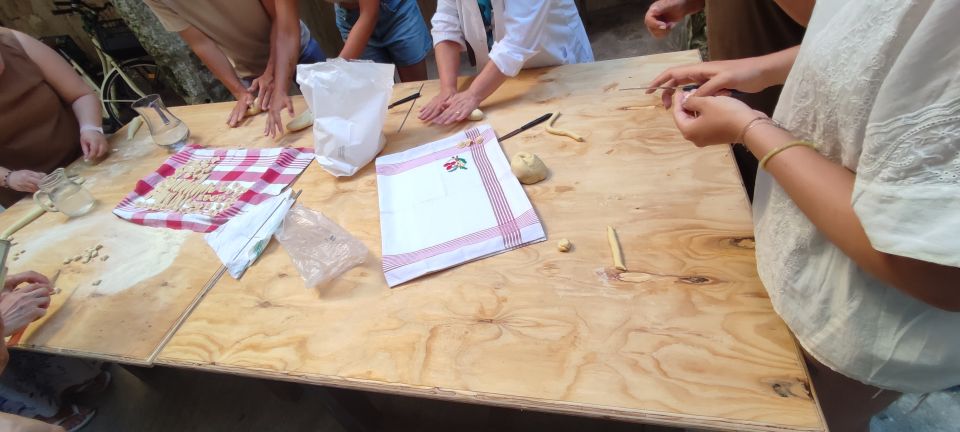
- 1400s courtyard setting: you shape dough in a place that feels made for slow evenings in old Lecce
- Real guidance from the team: instruction is led by local cooks, with English support from the group’s language team
- Hand-made orecchiette practice: you learn the technique well enough to take the method home
- Apulia-only sagne focus: you get context for a pasta style tied closely to Puglia
- Wine with your meal: the evening ends with what you made, plus a glass (and often more wine)
- Museum-center location: you’re steps from Lecce’s core sights, not out on the edge
A 1400s courtyard pasta class, right in the Lecce museum center
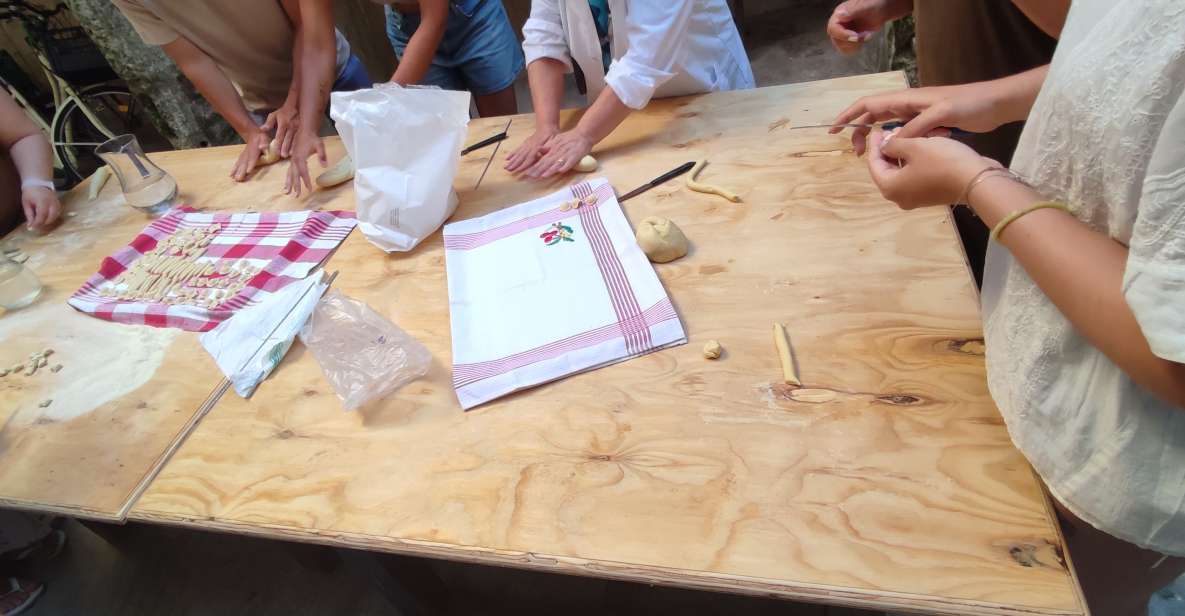
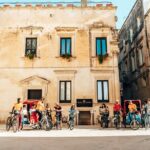
Lecce is already a feast for the eyes. But this experience adds a different kind of flavor by putting your pasta work inside a courtyard dating back to the 1400s. You’re in the centre of town, and the meeting point is straightforward: via Ascanio Grandi n 58, at the Faggiano Archaeological Museum.
That old-stone setting changes the vibe fast. Instead of another kitchen studio where everyone lines up and waits, you’re surrounded by history while your dough turns into dinner. It makes the class feel like part of daily life in Salento, not just a filmed demo.
The other big advantage of the museum location is practical. You can plan your evening without wasting time on transit. Lecce’s old town is walkable, so you can pair this with a stroll before or after and still keep the night relaxed.
You can also read our reviews of more tours and experiences in Lecce.


What happens during 2.5 hours of pasta-making (and how the instruction feels)
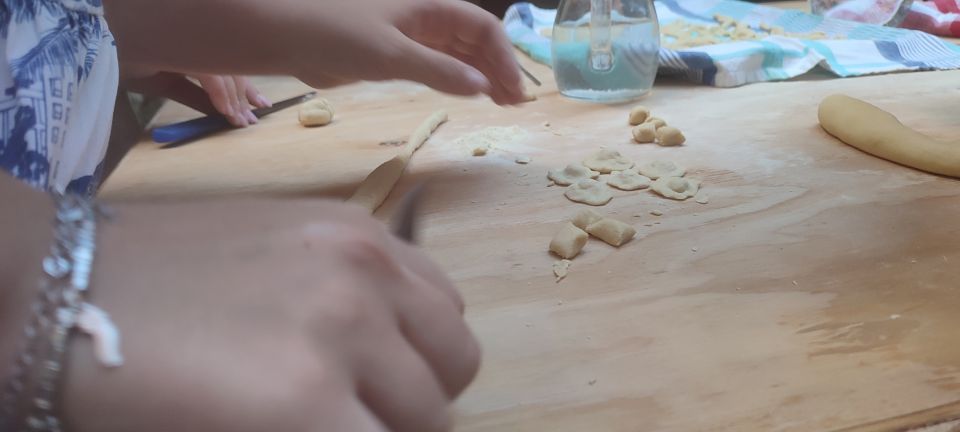
The class lasts about 2.5 hours, and that timing matters. You’ll get enough time to actually form pasta with your hands, not just try it once and call it a day. The pacing is also built around learning: mixing, shaping, and then cooking so you can eat it after.
In the real world, a pasta class like this lives or dies on the teachers. In this case, you’re working with a professional cook and a local teaching team. Names that come up again and again include Nonna Teresa and Luciana, plus Therese mentioned in feedback. What stands out is the way they manage quality: they help you while still pushing you toward the right texture and form.
Language support is solid. The instructor team includes Italian, English, and French, so you’re not stuck if your Italian is rusty. That helps a lot in hands-on classes, where you need quick corrections in real time.
Expect a lively, working atmosphere. Some classes run with around 20 people, and the courtyard setup handles that energy well. Still, if you’re the type who likes quiet and lots of one-on-one attention, you may find the pace a touch busy. The good news is that the teaching staff is used to guiding mixed groups.
Orecchiette: why this Apulian shape is such a fun hands-on skill
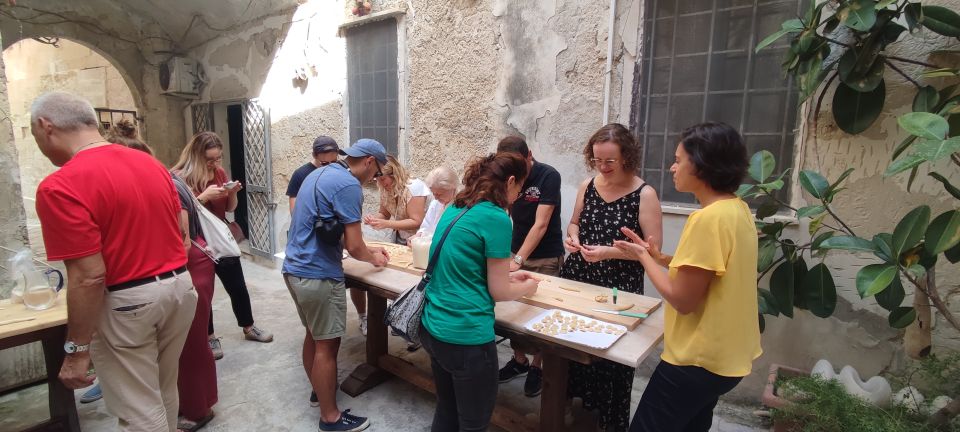
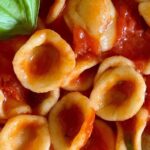
Orecchiette isn’t just a pasta shape; it’s a local craft. You’re taught to make it in a way that connects technique to the final result you eat. The class centers on how you combine water and flour and how you handle the tools of the trade, then follows through into shaping.
What you gain here is muscle memory. After practicing the hand motions, orecchiette stops feeling like a photo you saw online and starts feeling like something you can repeat at home. That’s one reason the experience gets such strong marks: you’re not leaving with a vague idea of pasta-making. You’re leaving with the steps you can use again.
Also, orecchiette is a great choice for learning because it rewards attention. Even if your first attempts aren’t perfect, the teachers guide you toward the right thickness and form. And once you cook it and taste it, the feedback loop becomes immediate: you understand what worked and what didn’t.
Sagne in Puglia: learning a pasta style that belongs to the region
The highlights call out sagne as a pasta type made in Puglia. You don’t just shape it; you also get the point of why it’s treasured. The idea is simple: southern pasta traditions aren’t random. They’re tied to local habits, local ingredients, and local know-how.
That regional focus matters if you’re trying to eat beyond the basics. In many places, a pasta class feels like an Italian cooking overview. Here, the emphasis stays on typical Apulian methods and shapes. You’ll hear explanations about pasta’s role worldwide, with a specific lens on southern varieties—especially the kinds that come from Puglia.
Sagne can also change how you think about pasta textures and sauces. In other words, you learn pasta as a system, not just an ingredient.
One more practical benefit: when a class includes two shapes (orecchiette plus another Apulian pasta like sagne), it helps you understand what changes when the dough is formed differently. That makes you more confident later when you try to cook on your own.
Tools, dough, and the real reason pasta-making feels tricky
If you’ve never made pasta before, you’ll probably be surprised by how physical it is. It’s not hard in a technical-engineering way. It’s hard in the hands-on way—getting dough consistency right and shaping without rushing.
The team addresses this directly. You follow a local woman and cook who explain how to combine water and flour and use the tools of the trade. Reviews consistently praise the patience and willingness to re-explain steps when people need it again. That matters because pasta isn’t like measuring coffee: small differences show up fast.
A gentle note: you should expect to get a little flour on your hands and maybe on your shirt. That’s normal. The learning moment is part of the charm.
The meal part: wine, what you made, and how dinner closes the loop
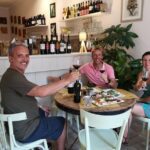
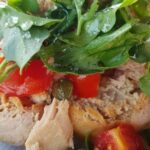
Here’s the part that makes the class feel complete. You don’t just learn and then go hunt for dinner. After the pasta is cooked, you eat what you made with a glass of wine. The structure is simple: hands-on prep, cooking time, then a shared meal.
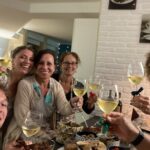
Several people mention wine and snacks while pasta cooks, then additional wine at the table with conversation. That means you’re not sitting there waiting in silence. You’re tasting, chatting, and enjoying the outcome.
Even if you’re a bit slow at first, the payoff comes quickly. Fresh pasta tastes different from dried pasta in a way you can’t fake. You’ll notice the texture as soon as you take a bite, and that helps you connect instruction to results.
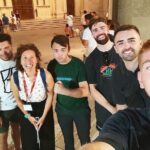
It’s also a social setup. You’ll meet people from different countries as you work together, and the meal turns the cooking class into a proper evening. If you like conversation, this is one of the better ways to meet fellow travelers without turning it into a lecture.
Price and value: what $68 really covers in Lecce old town
At $68 per person, you’re paying for more than a lesson. You’re paying for:
- A hands-on class for about 2.5 hours
- A professional cook and teaching team in a museum setting
- Cooking equipment included
- Food at the end: you eat the pasta you made
- Wine during/with the meal
Transport isn’t included, but the central location helps offset that. You’re meeting in the city center, so you can plan on foot if your hotel is near old Lecce.
In plain terms, the price makes sense because it bundles the two things people usually pay separately for in Italy: a cooking experience and dinner. You get the meal as part of the program, and you’re eating fresh pasta you helped create.
If your travel budget is tight, you’ll still feel the value here because you don’t need to add a restaurant bill that night. You’re buying an evening, not just an activity.
Logistics that actually matter: meeting point, rain or shine, and what to bring
Meeting point: via Ascanio Grandi n 58, at the Faggiano Archaeological Museum. This is useful because it anchors the experience in the heart of Lecce. Plan to arrive a few minutes early so you can settle before the dough starts demanding attention.
Bring passport or ID card. It’s a small step, but it prevents check-in slowdowns.
The class runs rain or shine, so you don’t need to reorganize your day if weather changes. Also, the venue is wheelchair accessible, which is a real win if you need step-free access.
Group size can be larger at times (around 20 comes up in feedback). If you’re someone who prefers extra space, it’s worth knowing ahead. The tradeoff is that you’ll likely meet a wider range of people, and the energy stays lively.
Who should book this Lecce pasta-making class (and who might not love it)
I think this is a great fit if you:
- Want a hands-on cooking experience, not a watching-only format
- Like local food culture and want to focus on Apulia-specific pasta
- Enjoy eating what you make, ideally with wine and conversation
- Don’t mind working in a larger group for the sake of value and atmosphere
It might not be perfect if:
- You prefer very quiet, one-on-one instruction
- You’re expecting a super-formal, slow pace
- You’re easily frustrated by hands-on learning (pasta can be a little stubborn at first)
The upside is that the instructors are used to mixed skill levels, and many people specifically mention how the teachers correct mistakes without shutting anyone down.
Should you book LecceGo’s orecchiette-and-sagne class?
If you want an authentic Lecce night that combines historic setting, real local pasta technique, and a satisfying meal, I’d book it. The best reason is the payoff: you practice the craft, then you eat it right there with wine.
If you’re worried about crowds, go in with the right mindset. You’ll still get instruction, but you’ll share the room with others. For most people, that’s part of the fun.
I’d also prioritize this if you’re the kind of traveler who wants one memorable food activity that feels like it belongs in Lecce, not just something you check off.
FAQ
Where do I meet for the pasta-making class in Lecce?
You meet directly in via Ascanio Grandi n 58, at the Faggiano Archaeological Museum.
How long is the experience?
The duration is about 2.5 hours.
What pasta will I make during the class?
The class includes making Orecchiette and Sagne, with techniques for typical Apulian pasta.
Is the class taught in English or other languages?
Yes. The instructor and teaching team include Italian, English, and French.
What is included in the price?
The package includes a professional cook, a location in a museum in the center of Lecce, cooking equipment, and you’ll eat your pasta with wine after the course.
What should I bring and is the class rain or shine?
Bring a passport or ID card. The tour takes place rain or shine.