REVIEW · MILAN
Milan Culinary Experience: Pasta & Gelato or Tiramisù Class
Book on Viator →Operated by Towns of Italy · Bookable on Viator
Milan’s pasta and gelato class is small, hands-on, and very practical. I love the fresh pasta techniques for tagliatelle and ravioli, and I also like the gelato focus, including how to make the cone for eating it. One thing to consider: you need to arrive early and be on time, because the lesson starts at 11:00am at a specific spot inside the Mercato Centrale area.
You’ll spend about 3 hours in a cooking school setting that keeps the group moving, with plenty of staff attention thanks to the capped size (up to 20). The day ends right where you started, and the meal comes with wine that makes the whole lunch feel like part cooking class, part Milan lunch.
In This Review
- Quick Highlights You’ll Actually Use
- Above Mercato Centrale: The Setup That Makes This Easy
- Price and Timing: Is $85.32 Worth It?
- Finding the Class: Mercato Centrale Isn’t One Door
- What Actually Happens in the Pasta Section
- The Lunch Part: Sauces, Cheese Fondue, and Wine That Flows
- Gelato Demonstration: Why the Cone Technique Matters
- Dessert Timing: Gelato Now, Tiramisù From March 1, 2026
- Group Size and the Chef Style: What Makes It Feel Personal
- Dietary Notes You Should Actually Plan For
- Who This Milan Class Is Best For
- What You Take Home: Recipes and a Graduation Certificate
- Should You Book This Milan Pasta and Gelato Class?
- FAQ
- What time does the class start?
- How long is the experience?
- Where do I meet for the cooking class?
- Do they pick up and drop off at your hotel?
- Is the dessert always gelato?
- Are vegetarians welcome?
- Is this class suitable for people with celiac disease?
- What is the cancellation policy?
Quick Highlights You’ll Actually Use
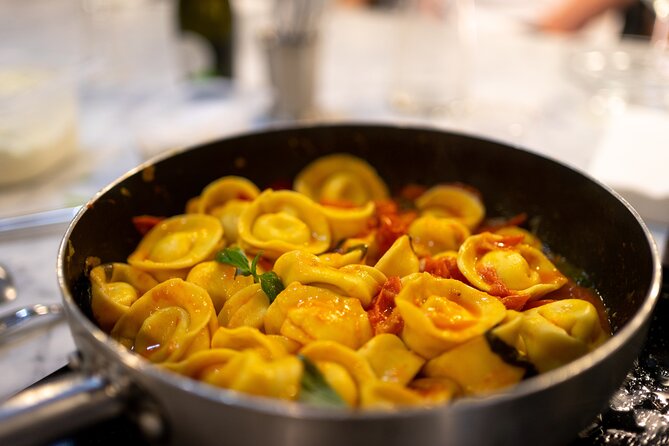
- Tagliatelle and ravioli hands-on practice with clear steps you can repeat at home
- Gelato cone technique plus a real look at how freezing changes texture
- Two pasta mains and a dessert plan (gelato now, tiramisù starting March 1, 2026)
- Unlimited wine with lunch for adults, with soft drinks for kids
- Small-group feel that helps you ask questions without shouting
Above Mercato Centrale: The Setup That Makes This Easy
Milan can be chaotic, especially around train areas, so I love that this class anchors you in a place that’s both familiar and easy to reach: Mercato Centrale. The meeting point is at Towns of Italy – Cooking School – Milanpresso Mercato Centrale, on Via Giovanni Battista Sammartini, and it’s also listed as near public transportation. You start at 11:00am and you’ll end back at the same meeting point.
The most practical benefit is the building itself. Mercato Centrale is a landmark, and being “above” the market means you’re not hunting through side streets for hours. Still, give yourself extra time the first time you come, because it’s easy to wander around the market before you find the right entrance and floor.
This is also built for real interaction. The class size is capped at 20 travelers, and that matters: you don’t just watch. You get hands-on time, and when something feels off, you have a better shot at getting a quick fix from the chef.
You can also read our reviews of more tours and experiences in Milan.



Price and Timing: Is $85.32 Worth It?

At $85.32 per person for about three hours, this isn’t a “snack and a show” kind of experience. It’s priced like a true food activity because you get:
- hands-on pasta work (you make shapes like tagliatelle and ravioli)
- a gelato preparation demonstration (plus cone-eating technique)
- a sit-down lunch that includes wine
That wine part is not minor. If you like Italian food, a glass or two with lunch is part of the culture of eating slowly and enjoying the meal, and here it’s included. For many people, that inclusion is what turns the class into a value play versus paying for a restaurant meal plus a separate workshop.
Timing is also smart. A late morning start gives you a chance to eat lightly beforehand, then you settle in and get a full lunch without needing to plan dinner right after. The class runs long enough to teach technique, not just cook for show.
Finding the Class: Mercato Centrale Isn’t One Door
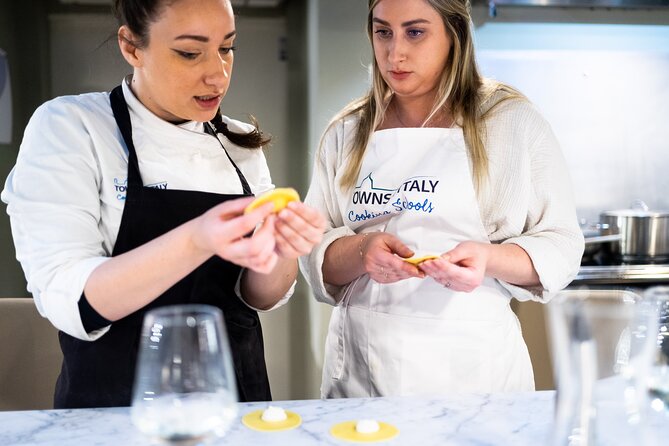
Your biggest logistics win is that the class starts at the meeting point, and it ends back there too. That means you don’t have to worry about transfers, and you don’t need a taxi plan.
But the location is busy. One clear lesson I’d follow if I were going again is this: arrive early. In the Mercato Centrale complex, it’s not hard to lose 10 to 20 minutes just walking the wrong direction or checking the wrong hallway.
If you’re navigating on foot, here’s the simple approach:
- Plan to arrive a bit before 11:00am
- Look for Mercato Centrale, then work your way to the cooking school location on the listed floor
Also, this is not a pickup and drop-off experience. You’ll need to get yourself there.
What Actually Happens in the Pasta Section
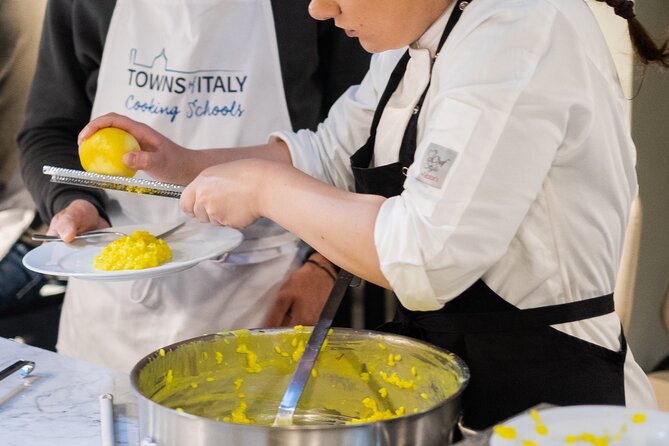
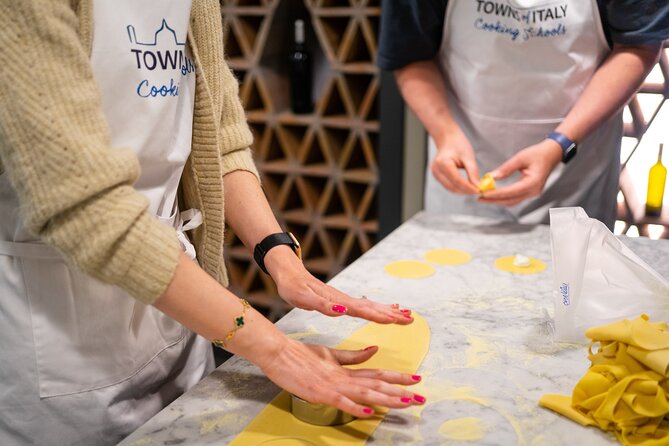
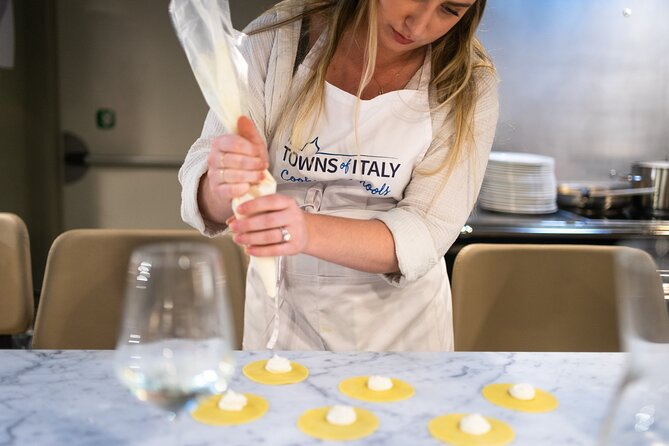
This is the part most people come for: learning the tricks to making fresh pasta. You’ll work with dough and learn how to shape tagliatelle and ravioli. The focus is on getting the texture and handling right, not just making something that looks good for a minute.
A useful detail is that the class doesn’t stop at dough. You also learn how sauces fit into the final result, including seasonal options. Carbonara and pesto are mentioned as examples of the styles you might see, and the menu can vary by season.
Here’s what to expect during pasta time:
- you’ll prepare and shape pasta (including ravioli)
- you’ll learn the practical steps that help prevent common mistakes like tough dough or uneven rolling
- you’ll connect the pasta shape to the sauce style, so you understand why Italians match certain shapes to certain flavors
One more thing I like: the teaching tends to be structured and clear, with instructors who encourage questions. In past sessions, chefs like Matteo and Fabrizio have led groups with a friendly, interactive tone, including volunteer moments during demonstrations. That kind of participation can make a class feel less like school and more like a shared kitchen experience.
The Lunch Part: Sauces, Cheese Fondue, and Wine That Flows
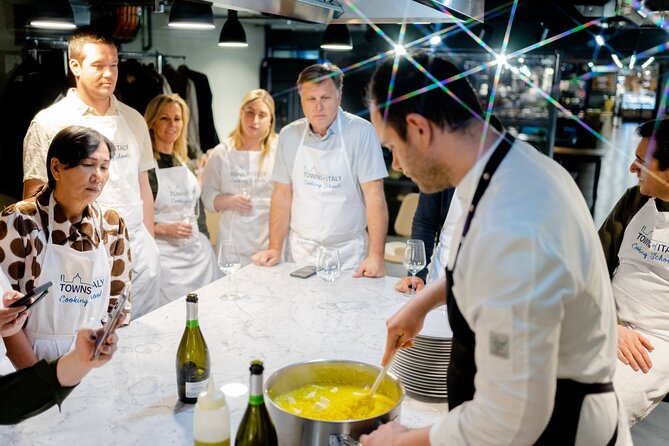
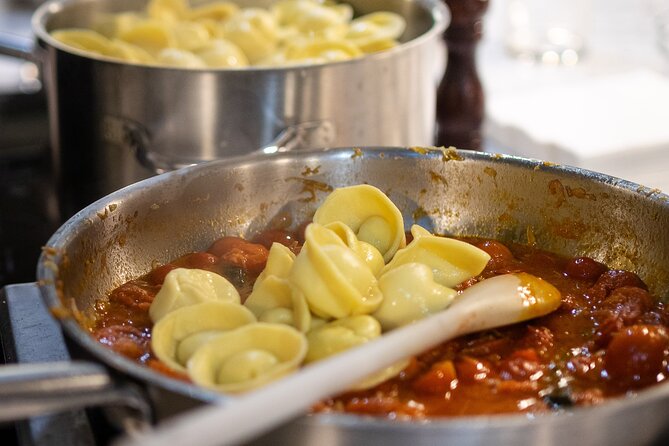
After pasta prep, you move into the meal. The class typically centers on ravioli and tagliatelle, with sauces and other components that can include cheese fondue. Menu details vary seasonally, but the goal is consistent: you finish by eating what you made, and you do it as a proper Italian lunch.
Wine is included with lunch, and it’s described as unlimited. Soft drinks are included for children. That changes the energy in a good way. People relax, talk, and you taste sauces in a more “meal” context instead of eating quickly between steps.
There’s one caution worth naming because it comes up for some people: occasionally the portions served are not exactly one-for-one with your personal batch. The class process can combine elements, and some participants felt they wanted to eat the exact pasta they personally shaped. If being able to say I ate my own ravioli is important to you, you can set that expectation in your mind and know the class may prioritize speed and flow over strict individual plating.
If you want the best experience, eat with curiosity. The sauces and wine pairing can make you focus on flavors and technique rather than counting pieces.






Gelato Demonstration: Why the Cone Technique Matters
The gelato portion isn’t just watch-and-walk-away. You’ll see how the gelato is prepared and you’ll learn about natural flavors and freezing techniques. That freezing logic is key, because gelato isn’t just sweet cream; it’s about texture.
Another small detail that feels very “Italian practical” is the focus on how to eat gelato. The session includes learning how to make the cone for eating gelato. That might sound minor, but it changes the whole experience. A cone you assemble correctly helps you hold and portion gelato without turning it into a sticky mess on your hands.
You’ll also get the smell component of cooking. Many people remember the gelato stage because it hits your senses fast, especially when flavors are being explained alongside how they set.
If you’re into food science, pay attention to how they talk about freezing and texture. Even if you don’t remember every explanation, you’ll leave with a better instinct for why gelato melts differently than ice cream and how that texture comes from the process.
Dessert Timing: Gelato Now, Tiramisù From March 1, 2026
Dessert is included, and it has a clear switch date. Until March 1, 2026, the dessert included is gelato. Starting March 1, 2026, the class dessert becomes tiramisù.
That matters if you’re planning around a specific craving. If you’re traveling before March 1, 2026, gelato is the guarantee. If you’re traveling after that date, you should expect tiramisù instead.
Either way, you’ll have an end-of-meal payoff that fits Italian comfort food. And since the earlier parts are hands-on (pasta) and instructional (gelato), the dessert isn’t random. It’s the familiar closing chapter.
Group Size and the Chef Style: What Makes It Feel Personal
This class caps at 20 travelers, and the smaller group size shows. You get more attention and you can ask about technique without feeling lost in a crowd. Many people specifically loved the clarity of instructions and the interactive feel.
Chefs named in these experiences include Matteo, Fabrizio, and Alfredo (for certain sessions). While names can vary day to day, the consistent theme is that the chef runs a structured class and keeps it lively enough that the group doesn’t go silent.
There’s one social note you might care about. Some participants suggested an icebreaker at the start would help people who arrive with different languages and temperaments. The good news: the kitchen environment and shared tasks naturally create conversation, but if you’re shy, having a simple conversation topic ready helps. Ask a practical question about the dough or sauce and people will usually answer.
Dietary Notes You Should Actually Plan For
This class is not for everyone, and it’s better to plan before you book:
- Vegetarians are welcome. You should let them know about any dietary restrictions in advance so the kitchen can adjust recipes.
- It is not suitable for celiacs (so gluten-free needs aren’t covered here).
- Alternative recipes are available for intolerance and allergies, with advance notice appreciated.
If you’re gluten-free or have a serious allergy, don’t assume. Use your booking information to communicate clearly. The class notes that substitutions exist, but it also specifically says it’s not suitable for celiacs, so you need to be realistic.
Also, pets are not permitted on the activity. If you’re traveling with an animal, plan separate arrangements.
Who This Milan Class Is Best For
This is a strong fit if you want:
- a fun, hands-on food skill you can repeat at home
- a meal that includes wine and feels like a real lunch, not just samples
- a class that isn’t oversized
It’s also a good choice for solo travelers. Because the group size is limited and tasks are shared, you’ll usually have an easy way to talk to people. If you’re traveling with kids, it can work too, as long as anyone under 18 is accompanied by at least one adult.
I’d also recommend this if you love regional Italian eating. Even within pasta basics, you’ll pick up how shapes and sauces connect, and that helps when you’re choosing dishes later.
What You Take Home: Recipes and a Graduation Certificate
This experience includes a digital booklet with recipes to recreate what you made. It’s designed for taking the class back into your kitchen. You also receive a graduation certificate, which sounds funny, but it’s an actual keepsake that marks the experience.
In some cases, participants have received recipe access via QR code. If you rely on internet, plan for it. If you want the recipes immediately offline, you might want to save them when you receive the link.
Either way, the point is simple: you leave with more than a full stomach. You leave with a method.
Should You Book This Milan Pasta and Gelato Class?
Book it if you want a structured, hands-on cooking session in a central location, with lunch included and wine that makes it feel like a proper Milan meal. The small-group size (up to 20) and the focus on technique—fresh pasta shaping plus gelato freezing and cone eating—make it a good value use of a few hours.
I would hesitate only if:
- you’re very sensitive to gluten exposure (it’s not suitable for celiacs)
- you might arrive late or hate being rushed finding the exact place (plan to get there early)
- you want strict individual portions exactly matching what you personally shaped (the served meal can be combined for efficiency)
If you’re flexible and you like learning by doing, this class is one of the most satisfying ways to spend a half-day in Milan. You’ll walk away with pasta skills you can use and a gelato technique that makes the dessert feel smarter, not just sweeter.
FAQ
What time does the class start?
The class starts at 11:00am.
How long is the experience?
It runs for about 3 hours.
Where do I meet for the cooking class?
You meet at Towns of Italy – Cooking School – Milanpresso Mercato Centrale, Via Giovanni Battista Sammartini, 1/Primo Piano, 20125 Milano MI, Italy.
Do they pick up and drop off at your hotel?
No. Pick up and drop off are not included.
Is the dessert always gelato?
Dessert is gelato until March 1, 2026. Starting March 1, 2026, classes include tiramisù.
Are vegetarians welcome?
Yes. Vegetarians are welcome, and advance notice of dietary restrictions is appreciated.
Is this class suitable for people with celiac disease?
No. It is not suitable for celiacs.
What is the cancellation policy?
Free cancellation is allowed up to 24 hours before the experience start time for a full refund.