REVIEW · MILAN
Milan: Entrance Ticket to La Scala Theatre Museum
Book on GetYourGuide →Operated by Vivaticket SPA Teatro Alla Scala · Bookable on GetYourGuide
La Scala isn’t just a landmark sign in Milan; it’s a working opera world, and the museum lets you see the machinery behind the magic. With this ticket, you explore the La Scala Theatre Museum and spend time inside an elegant opera-house setting that has hosted legends from Verdi to Callas.
Two things I especially like are the museum’s hands-on storytelling through costumes, set designs, and instruments, and the chance to catch views of the auditorium interior itself. The visit also uses an app audioguide in 7 languages, so you’re not wandering through rooms full of things you half-understand.
One thing to consider: access to certain angles can depend on what’s happening in the theatre, and it’s possible the most complete view of the main space isn’t open every time.
In This Review
- Key Points to Know Before You Go
- La Scala Museum: What This Ticket Actually Delivers
- Inside the Theatre: Your Best Chance at the View
- A practical tip: check theatre lighting
- When rehearsals affect access
- Museum Highlights That Make the Stage Feel Real
- Costumes, sets, and instruments
- Portraits and busts: the people behind the performances
- Behind-the-scenes context across the decades
- Audioguide in 7 Languages: The Difference Between Seeing and Understanding
- The Human Touch: Staff Guidance and Rehearsal Moments
- If you’re lucky, you catch rehearsal energy
- A guide name worth knowing: Simona
- Tickets, Lines, and What to Do at the Door
- What You Should Bring (And What You Shouldn’t)
- Location: A Perfect Pairing Day Near the Duomo
- Price and Value: Is It Worth $17?
- Who This Ticket Suits Best
- Should You Book the La Scala Theatre Museum Ticket?
- FAQ
- How long is the La Scala Theatre Museum ticket valid?
- What’s included with the ticket?
- Does this ticket help you avoid the ticket line?
- Is free cancellation available?
- Do I need to pay all the money now?
- Are large bags or luggage allowed inside?
- Is the museum accessible for wheelchair users and strollers?
- Where is La Scala Theatre Museum compared to other sights?
Key Points to Know Before You Go
- The ticket includes an app audioguide in 7 languages, downloadable at the museum
- You’ll see costumes, set designs, and musical instruments tied to major productions
- Portraits and busts add context for the musicians linked to La Scala
- Views inside the auditorium can vary if rehearsals are in progress
- Bring only small items—luggage or large bags must go into the cloakroom
- Plan around lighting for the best visibility inside the theatre
La Scala Museum: What This Ticket Actually Delivers
This is one of those tickets that feels small on the price tag and big on the access. For about $17 per person, you’re paying to enter a museum built around a world-famous stage. It’s not just display cases. You move through rooms that explain how productions were shaped, and you get a look at the space where those stories were performed.
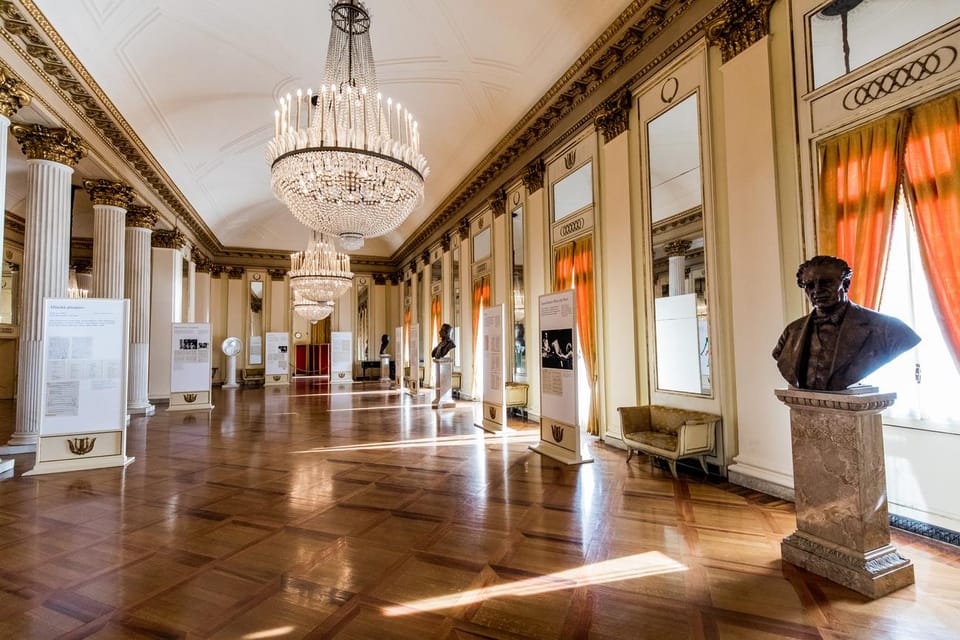
You’ll start with a look around the theatre interiors. Even when there’s no big opera or ballet show scheduled, La Scala still has presence. The building does the talking: refined, theatrical, and very Italian in its sense of style.
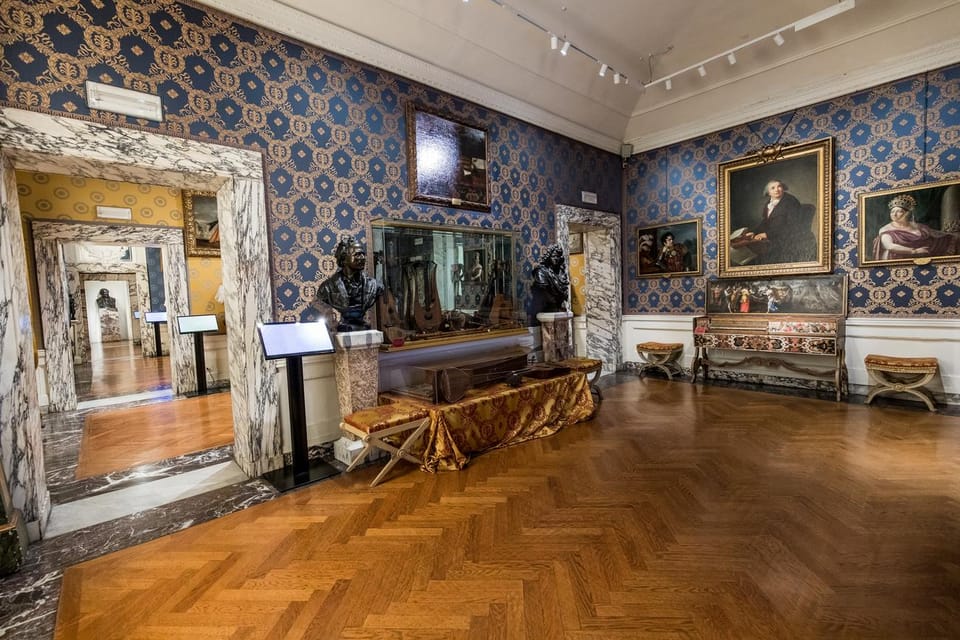
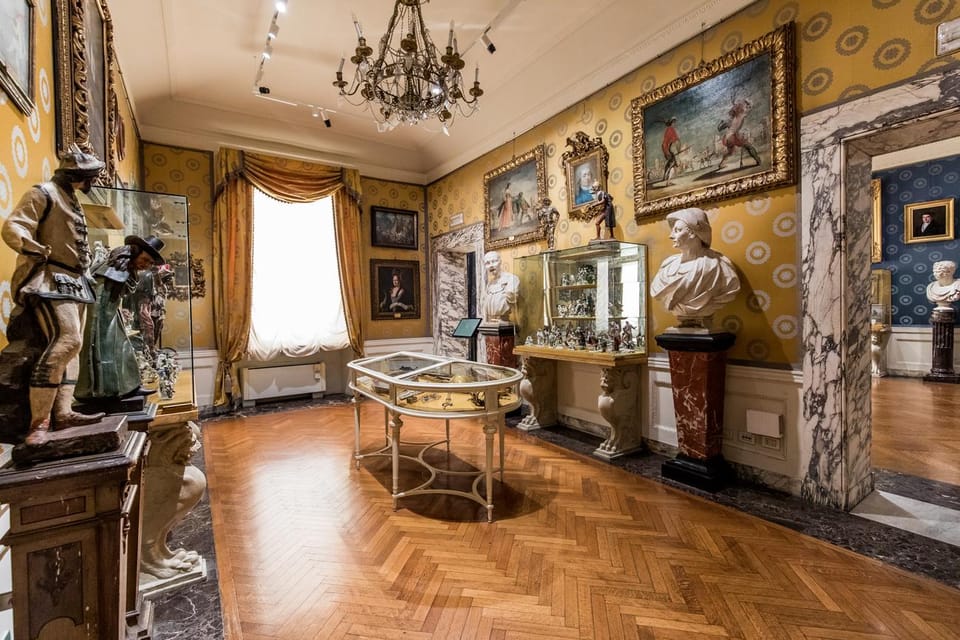
Then the museum section takes over. Think artifacts you can connect to specific moments—costumes, set designs, musical instruments, plus portrait-style galleries with faces you recognize from the history of opera. If you like understanding performance as design (not only music), this part is what makes the ticket worth your time.
You can also read our reviews of more tours and experiences in Milan.



Inside the Theatre: Your Best Chance at the View
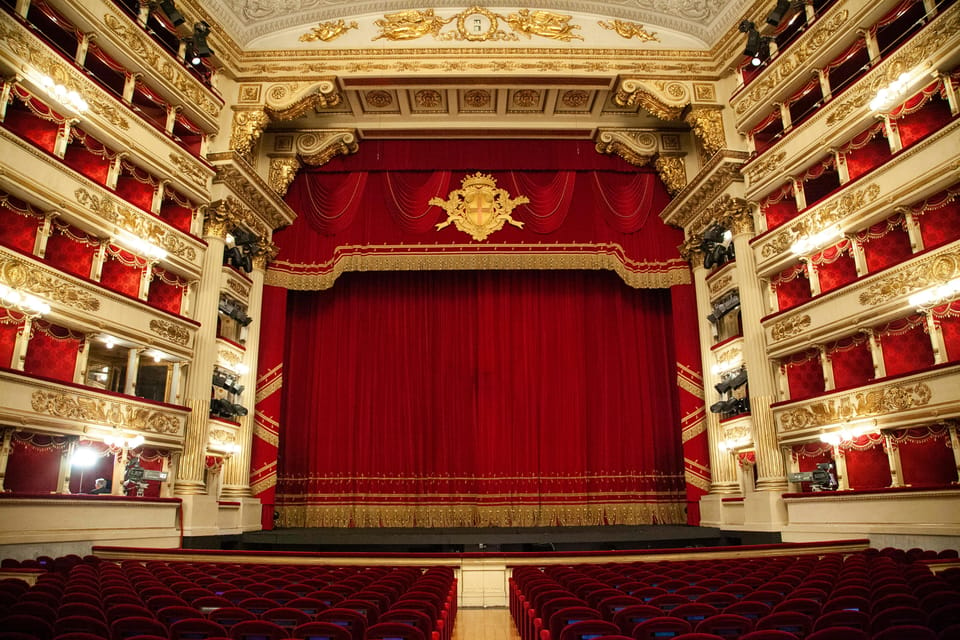
The best value of this ticket often comes down to what you can see inside the auditorium. You’ll likely expect to admire the famous hall, but the exact view can change based on current theatre activity.
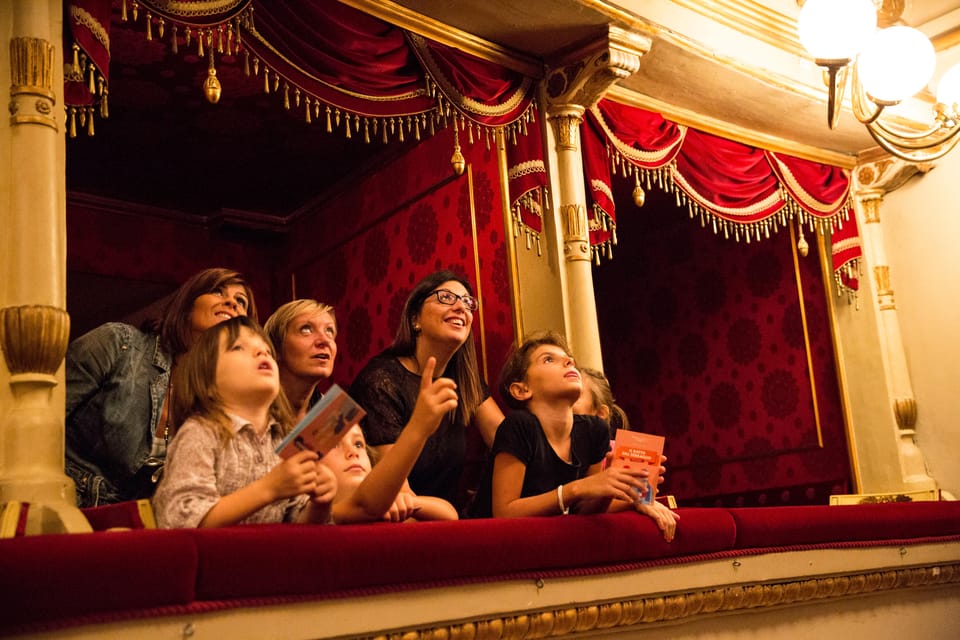
If the theatre is lit and accessible, you can get an impressive look from seating areas and, on the right day, from spaces like boxes. That’s the angle that makes the ticket feel like more than a museum visit. You see how the room is shaped—how sightlines and staging work—so the whole space makes more sense.
A practical tip: check theatre lighting
Before you go, check whether the theatre lights are on for best visibility. La Scala’s museum posts this detail here:
https://www.museoscala.org/it/visibilita-teatro.html
When the lights are right, the interior details look dramatically better—especially if you’re planning photos or you care about architectural features.
When rehearsals affect access
Sometimes there are rehearsals. On rehearsal days, you might find that not every area of the theatre is open in the same way as normal museum access. It can still be great—sometimes you can even catch a rehearsal atmosphere—but your view might be limited to certain seating levels rather than the full “main hall” feeling.
So go with the mindset that your goal is the museum plus a theatre peek, not a guaranteed front-row experience.
Museum Highlights That Make the Stage Feel Real
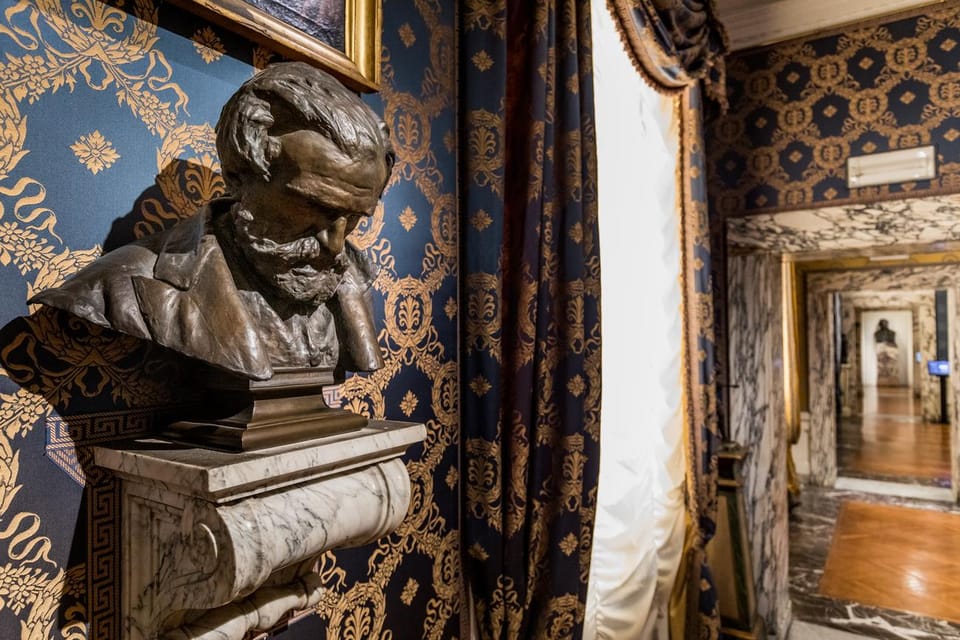
Once you’re past the initial theatre look, the museum does its job: it helps you connect famous names to physical objects.






Costumes, sets, and instruments
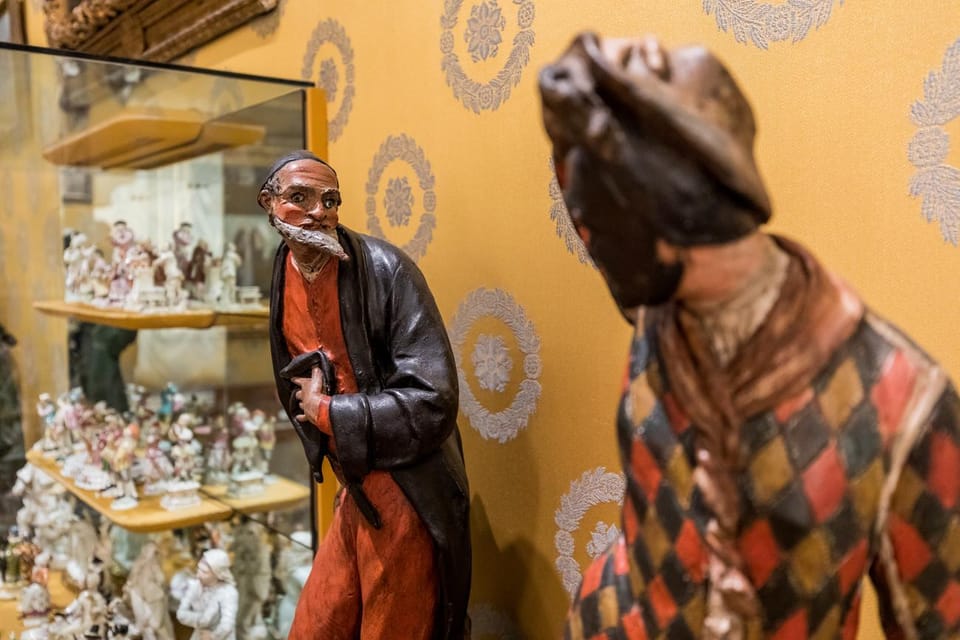
This is the core collection. You’ll see costumes that communicate time period and character choices, set designs that show how scenes were built (not just imagined), and musical instruments that help you understand the sound world behind the performances.
What I like about this mix is that it breaks the “opera = singing” stereotype. You start noticing how productions are built from art direction, construction choices, and musical craft. The museum turns backstage work into something you can actually see.
Portraits and busts: the people behind the performances
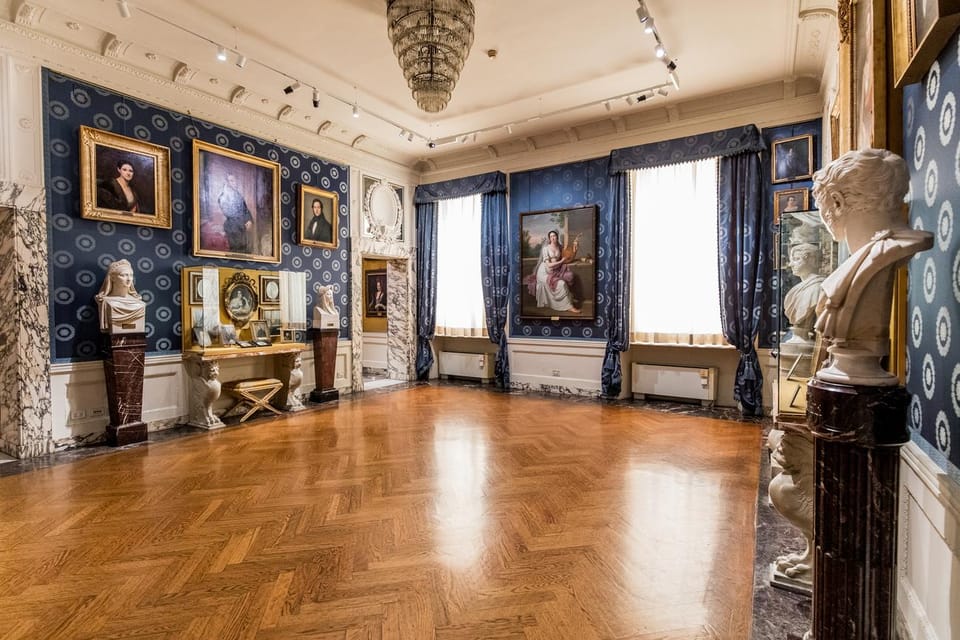
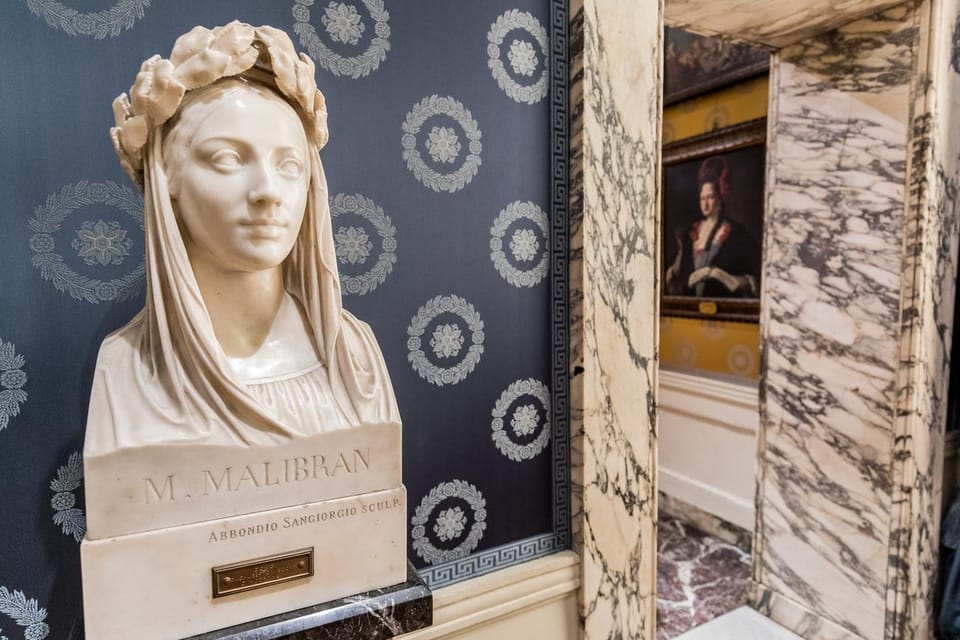
There’s also a gallery of portraits and busts of great musicians. This helps you frame La Scala as more than a building. You’re walking through a timeline of influence—names that show up in opera history again and again.
The museum’s storytelling is strongest when you already have a loose sense of who you’re looking at. You don’t need to be an opera expert, though. The audioguide fills in the gaps without making you feel lost.
Behind-the-scenes context across the decades
The museum focuses on early years and notable performances, and it also includes the kind of “how it worked” details that make La Scala feel human. You learn about the theatre’s evolution over 200 years, not as trivia, but as why today’s opera experience exists.
Even if you visit in a period when no major opera or ballet is scheduled, the museum’s videos and visual media help you imagine what a live performance environment feels like.
Audioguide in 7 Languages: The Difference Between Seeing and Understanding
The visit includes an app audioguide in 7 languages. It’s downloadable at the museum, which is helpful because you don’t have to solve your phone setup at home.
Here’s why I think the audioguide matters: without it, a theatre museum can turn into a “nice rooms, nice objects” stroll. With it, you start linking items to what they represent—who used them, what production context they belong to, and why a specific design choice mattered.
If you’re the kind of person who likes to read the placards but also wants more explanation, this strikes a good balance. You can move at your own pace and still feel oriented.
The Human Touch: Staff Guidance and Rehearsal Moments
A big part of the La Scala experience is that it’s a live cultural institution, not just a closed museum. That matters for your expectations.
On some visits, staff may help you get oriented in the theatre area and explain what you can access that day. You may also have the chance to see rehearsal activity, depending on the schedule.
If you’re lucky, you catch rehearsal energy
The standout memory for many people isn’t only the display items—it’s the sense that the building is still doing its job. If rehearsals are happening, you may witness a rehearsal moment that adds a layer of realism you won’t get from a purely static museum.
A guide name worth knowing: Simona
If you have the chance to hear from a guide in the museum context, keep an ear out for Simona. People specifically highlight her because she shares local and historical context clearly and with energy.
Even if you’re not in a guided group, it’s a reminder that the museum often benefits from staff who care about explanation, not just rules.
Tickets, Lines, and What to Do at the Door
This ticket lists skip the ticket line, which is a great idea in theory. In practice, you should still plan for a “quick check” moment when you arrive—because the flow depends on how the museum staff manages entry that day.
My practical advice:
- Have your booking confirmation ready on your phone.
- Arrive a few minutes early so you’re not stuck figuring things out while everyone else is moving.
- If you’re unsure where to go for the skip-the-line entry, ask at the staff point closest to the entrance.
Also, remember the museum is in the heart of Milan, right near major sights. You don’t want your “easy entry” to be slowed down by a last-minute scramble.
What You Should Bring (And What You Shouldn’t)
La Scala enforces a clear rule: luggage or large bags are not allowed in the museum area. Large backpacks must be checked into the cloakroom.
So pack light. If you’re visiting on the same day as other sights around the Duomo area, consider whether you’ll need your bigger bag later. The cloakroom solves the problem, but it’s still a time add-on.
Small day essentials are fine. Think camera, water bottle (if allowed), and whatever you need for walking around central Milan.
Location: A Perfect Pairing Day Near the Duomo
One reason this ticket works so well is geography. The La Scala Theatre Museum is just steps away from the Cathedral area and the Vittorio Emanuele Gallery. That means you can build a classic Milan route without big transit.
If you’re planning a day that includes:
- Duomo and the surrounding lanes
- Shopping and architecture time at Vittorio Emanuele Gallery
- Then a calm, indoor break inside La Scala
…this ticket fits smoothly into that kind of itinerary.
It’s also an ideal choice if you want a cultural activity that feels “Milan” but doesn’t require planning around show schedules.
Price and Value: Is It Worth $17?
At $17 per person, this is good value because you’re getting three things together:
- Access to the theatre-focused museum exhibits (costumes, sets, instruments, portraits/busts)
- A theatre interior experience when lighting and access align
- An included app audioguide in 7 languages
Many museum tickets in big cities charge a similar amount, but this one connects directly to an operating art form. That connection is the value. You’re not only looking at history—you’re seeing the tools and space that made the performances possible.
If you’re an opera superfan, you’ll appreciate the name recognition and production context. If you’re a casual visitor, the museum’s visuals and videos help you understand what La Scala represents without homework.
The only time I’d hesitate is if you strongly need guaranteed access to the most central auditorium view, regardless of the theatre’s schedule. Since access can vary with rehearsals and visibility, go with flexibility.
Who This Ticket Suits Best
This is a strong pick if you:
- Want a Milan classic that feels more specific than generic city museums
- Like seeing how performance is built—design, costumes, and instruments
- Prefer an activity you can enjoy even if there’s no opera or ballet running that day
- Want an audio-supported visit in 7 languages
It’s also a smart choice for families with strollers or wheelchair users, since the theatre and museum are wheelchair accessible.
Should You Book the La Scala Theatre Museum Ticket?
Yes, I’d book it if you want a high-impact indoor stop that’s tied to real theatrical history and real production objects. The $17 price is reasonable, and the combination of museum exhibits plus theatre access makes it better than a plain collection visit.
If you’re going on a day when rehearsals are happening, keep expectations flexible. You may still enjoy the museum fully, and the auditorium view may depend on lighting and what’s open. The workaround is simple: check the theatre lighting before you go, and arrive ready to enjoy the experience even if the angle isn’t exactly what you imagined.
FAQ
How long is the La Scala Theatre Museum ticket valid?
The ticket is valid for 1 day. You should also check availability to see the starting times for entry.
What’s included with the ticket?
Your ticket includes entrance to the La Scala Theatre Museum, access to the museum exhibits, and an app audioguide in 7 languages (downloadable at the museum).
Does this ticket help you avoid the ticket line?
Yes. The experience includes skip the ticket line.
Is free cancellation available?
Yes. You can cancel up to 24 hours in advance for a full refund.
Do I need to pay all the money now?
No. The option reserve now & pay later is available, so you can book and pay later.
Are large bags or luggage allowed inside?
No. Luggage or large bags are not allowed. Large backpacks must be checked into the cloakroom.
Is the museum accessible for wheelchair users and strollers?
Yes. The theater and museum are accessible to wheelchairs and strollers.
Where is La Scala Theatre Museum compared to other sights?
It’s located just steps away from the Cathedral and Vittorio Emanuele Gallery, making it easy to combine with nearby central Milan stops.