REVIEW · MILAN
Milan: Pasta and Tiramisu Cooking Class with Wine
Book on GetYourGuide →Operated by The Roman Food Tour · Bookable on GetYourGuide
Milan gets tastier when you cook it. This pasta and tiramisu class is a break from photo stops, and it puts you in a real Milanese restaurant kitchen for hands-on lessons. I like the chance to learn fresh pasta from scratch step by step, and I love that the dessert half is just as serious: the secrets behind tiramisu.
Chef-led, English instruction keeps things smooth, and hosts like Chef Mimo (and sometimes Damiano) keep the vibe friendly. One thing to consider: the class can run with about 15–20 people, so if you want lots of one-on-one coaching, you may need to work with the group rhythm and ask questions when the instructor pauses.
In This Review
- Key Points You’ll Actually Care About
- Why This Milan Cooking Class Feels Like Local Life (Not a Performance)
- The 3-Hour Flow: Prosecco Welcome, Pasta Lessons, Tiramisu, Then a Proper Meal
- Fresh Pasta From Scratch: Flour, Dough Feel, and Pasta Fresca vs. Secca
- Tiramisu Secrets: Learning the Classic You Can Repeat at Home
- Wine With Dinner: What’s Included and How It Changes the Meal
- Group Size and Asking Questions: 15–20 People Isn’t Bad, But Plan Smart
- Dietary Needs and Allergy Safety: Substitutions Exist, Cross-Contamination Is Possible
- Price and Value: Why $61 Can Make Sense in Milan
- Best For Who: The Right Fit for Food Lovers (and Beginners Who Want Results)
- Should You Book This Milan Pasta and Tiramisu Class?
- FAQ
- How long is the Milan pasta and tiramisu cooking class?
- Where does the class meet?
- What language is the instruction in?
- What’s included in the price?
- Do I get to eat what I make?
- Do I receive alcohol during the class?
- Are vegetarian options available?
- Can the class accommodate allergies or food preferences?
- Is the class suitable for vegans or lactose intolerance?
- What is the cancellation and payment flexibility?
Key Points You’ll Actually Care About
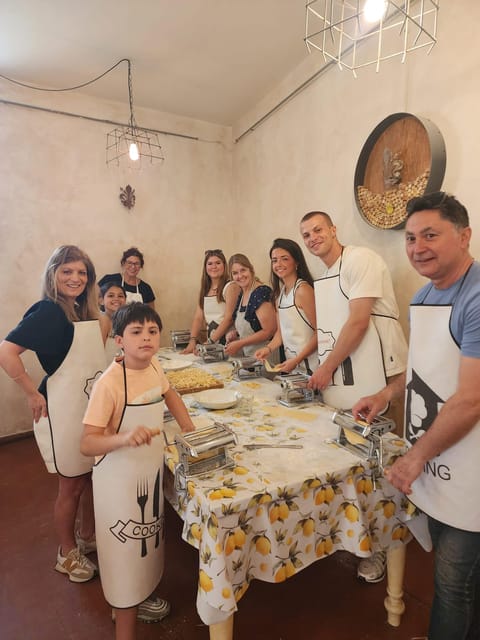
- Hands-on pasta dough training with guidance on flour and technique.
- Classic tiramisu lessons that focus on the traditional approach (eggs/dairy/gluten).
- Prosecco on arrival plus fine wine paired with the meal you eat.
- You eat what you make, including samples and a sit-down lunch or dinner.
- Group size around 15–20, which can limit deep back-and-forth questions.
Why This Milan Cooking Class Feels Like Local Life (Not a Performance)
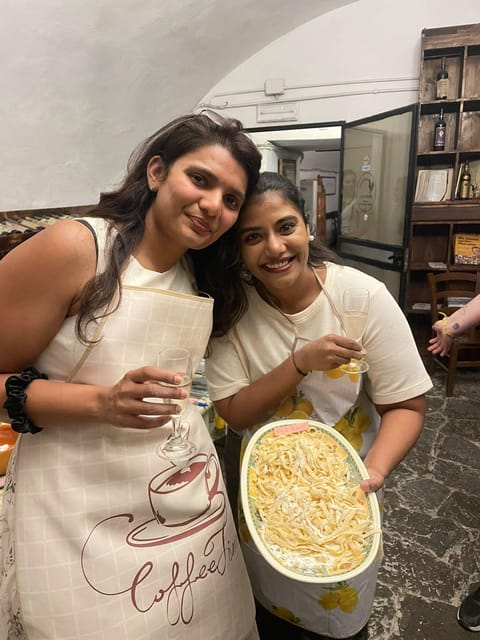
This class works because it treats food like a craft, not a show. You’re not just watching someone else cook. You’re at a station, rolling up your sleeves, and learning why Milanese pasta tastes the way it does.
The setting matters, too. It happens in a locally loved Milanese restaurant, and you even get a behind-the-scenes look at how the place runs. That small peek changes your mindset fast. You start paying attention to details like dough texture and sauce consistency instead of thinking about the final plate only.
The best part is the pairing of two classics. You get pasta fundamentals and then jump straight to tiramisu. That mix is smart for first-timers: once you learn one technical skill (dough), the dessert section feels like a reward rather than another obstacle.
You can also read our reviews of more tours and experiences in Milan.



The 3-Hour Flow: Prosecco Welcome, Pasta Lessons, Tiramisu, Then a Proper Meal
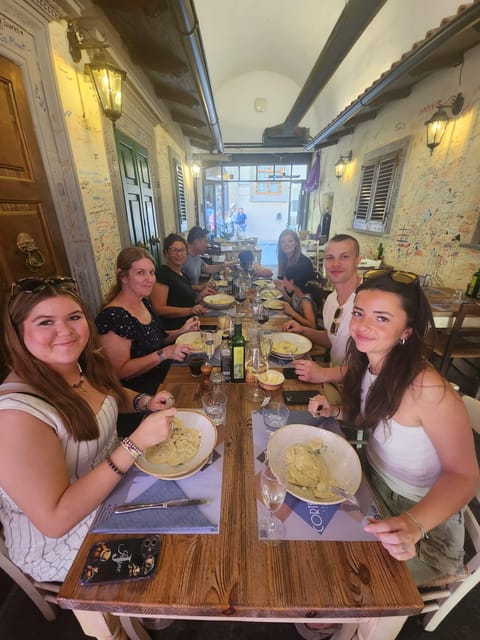
The timing is tight but not rushed, and the structure is clear from start to finish.
First, you arrive at the meeting point (it can vary by option). You step inside and get a welcome glass of Prosecco. Then you move behind the scenes to see how an authentic Italian restaurant operates day-to-day.
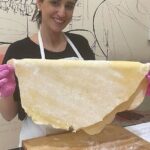
Next comes the kitchen work. You tie on your apron, get a workstation, and start learning how to make the dough. The instruction covers:
- how to prepare the perfect pasta dough
- which flour to use
- the difference between pasta fresca and pasta secca
Once your pasta is ready, the flow shifts slightly. The staff cooks the pasta and adds sauce, so you finish with something close to restaurant-quality. You don’t have to gamble on timing or heat control alone, which is a big win when you’re learning.
Then you tackle tiramisu. You’ll follow step-by-step guidance to make it, and you’ll sample what you prepare. At the end, you all sit together for lunch or dinner while sipping fine wine that pairs with the meal.
This is the practical genius of the class: you get the learning, you get the food, and you’re not left hungry or cleaning up for hours.
Fresh Pasta From Scratch: Flour, Dough Feel, and Pasta Fresca vs. Secca
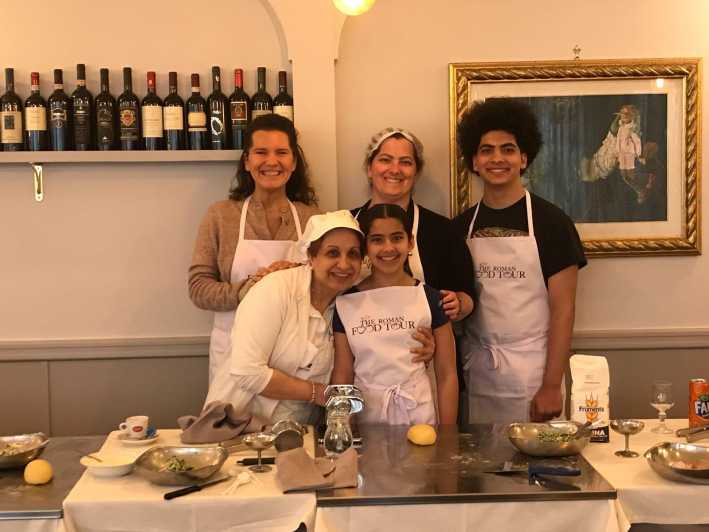
If you’ve ever tried to make pasta at home and ended up with either tough noodles or sticky sheets, this is exactly the kind of class that can reset your expectations. You’re guided through the basics of dough, and the teacher doesn’t treat it like magic.
Here’s what you can focus on during the dough portion:
- Flour choice matters: you’ll learn which type to use and why it affects the dough.
- Dough consistency is the real “recipe”: you’re shown how to get it right before rolling.
- Understanding pasta fresca vs. pasta secca: that’s not just trivia. It explains why fresh pasta cooks differently and why dried pasta behaves more predictably.
The hands-on station format helps. You’re not just listening; you’re repeating the steps. That repetition builds confidence fast, especially if you’re a beginner who thought pasta was out of reach.
Also, you’ll walk away with more than a single dish. Once you understand dough structure and the fresh-versus-dried concept, you can start making better decisions later when you buy flour, roll dough, or plan cooking times.
Tiramisu Secrets: Learning the Classic You Can Repeat at Home
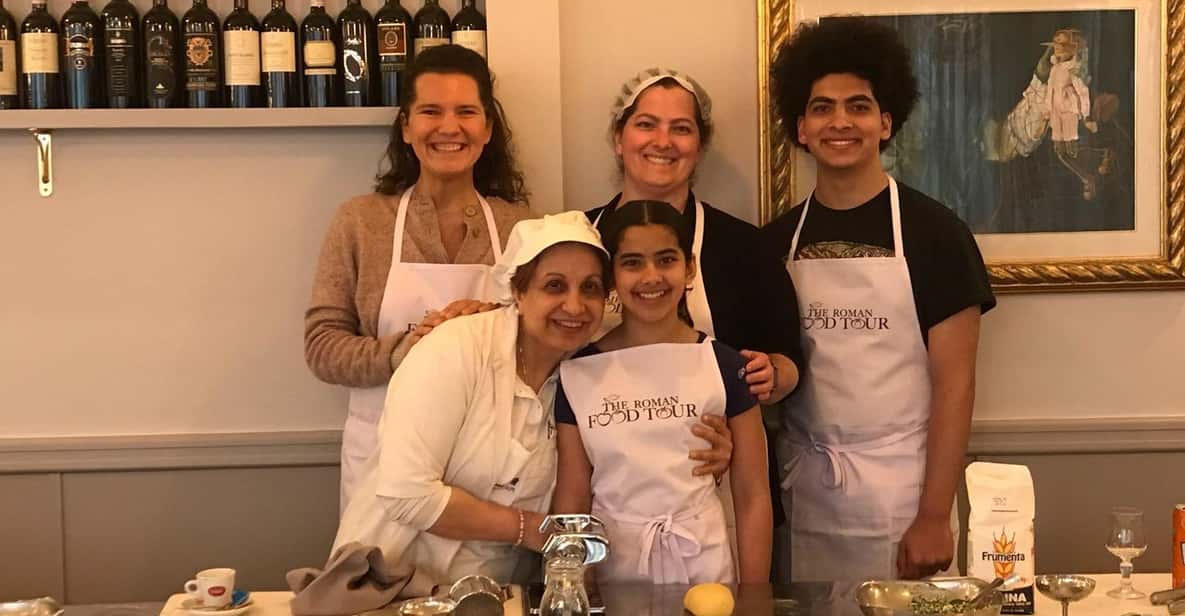
The tiramisu portion is where the course turns from technique into payoff. After you learn pasta, tiramisu feels like the reward step, but it’s still taught with care.
You’ll learn how to prepare Italy’s most loved dessert, using the traditional approach. That’s important because tiramisu is one of those dishes where shortcuts show. The class is explicit that the instruction is based on the classic recipe, which includes gluten, dairy, and eggs.
So what should you watch for while you’re working?
- The rhythm of assembly: layers matter.
- Timing and texture: you want the right balance so it sets without turning watery.
- Taste balance: classic tiramisu is all about harmony, not sweetness alone.
You also don’t just make it and leave. You’ll sample the dishes you prepare, and it’s served as part of the shared meal experience. That means the tiramisu is both a lesson and part of lunch or dinner, not a separate side activity.
Wine With Dinner: What’s Included and How It Changes the Meal
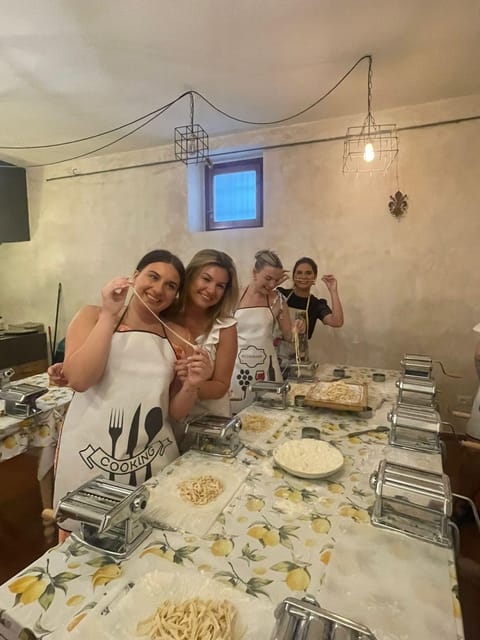
This class doesn’t treat wine as an optional extra. You start with Prosecco, and you end with fine wine during the shared meal.
That matters because it turns the class into a complete evening. You’re not walking out after cooking and thinking you still need dinner. Instead, the meal is part of the experience, and you eat together as a group.
Wine also makes the food feel more grounded. Pasta and tiramisu are naturally comfortable with wine, so the pairing feels logical, not gimmicky. The class is set up so you can enjoy the results of your work, not just taste small bites and rush back out.






Group Size and Asking Questions: 15–20 People Isn’t Bad, But Plan Smart
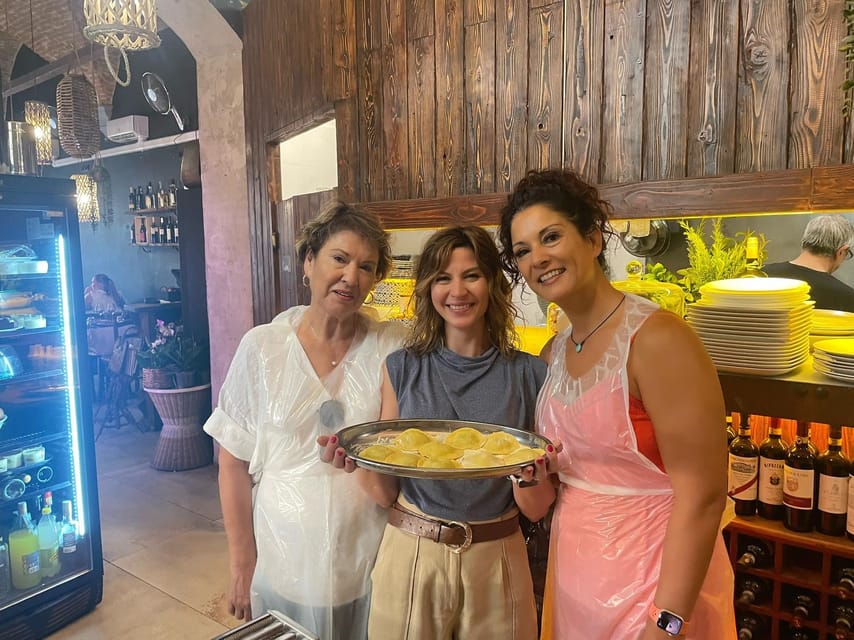
One real consideration is the group size. Classes can run with about 15–20 people, which can make it harder to get detailed personal feedback every single step.
That doesn’t mean you’re left alone. It does mean you’ll get the best results if you approach the class like a workshop:
- pay attention during the instructor demos
- ask questions when there’s a natural pause
- keep your questions focused on what you’re doing at your station
If you prefer one-on-one teaching, you might feel slightly limited. But if you’re okay learning in a group environment, the structure works. You’ll still get step-by-step guidance, and you’ll still have a finished meal you can actually enjoy.
Dietary Needs and Allergy Safety: Substitutions Exist, Cross-Contamination Is Possible
This part is important, so don’t skim it.
The class offers substitutes for allergies or food preferences, but the instruction always focuses on the traditional recipe, which contains gluten, dairy, and eggs. They also note they cannot guarantee 100% free of cross contamination.
So what does that mean for you?
- If you have serious allergies, you should inform the activity provider and understand that the kitchen may involve the traditional ingredients around you.
- Vegetarian options are available upon request.
- Some needs aren’t suitable based on the class rules: it’s not suitable for vegans, people with gluten intolerance, and people with lactose intolerance.
In other words, you’ll want to be very clear on what “safe” means for you before booking. For many people with flexible diets, this is manageable. For people with strict allergy requirements, it’s essential to confirm details ahead of time.
Price and Value: Why $61 Can Make Sense in Milan
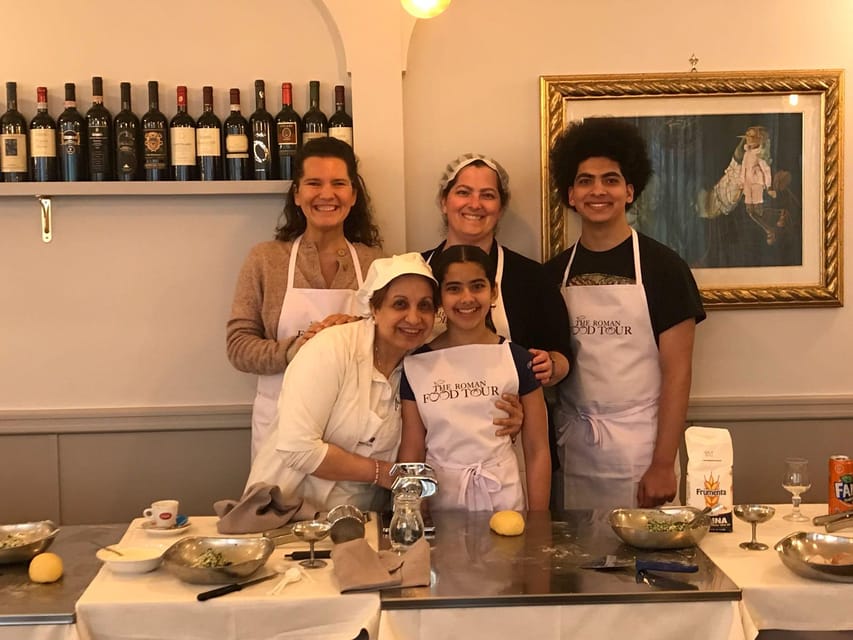
At $61 per person for about 3 hours, the value isn’t just about the cooking skill. It’s the bundle.
You’re getting:
- a chef/instructor experience
- fresh pasta you help prepare
- tiramisu you learn to make
- fine wine
- a shared sit-down lunch or dinner setup
- tasting what you prepare
In a city like Milan, eating out can add up fast. This class includes both the meal and the entertainment/education factor, and you’re not paying separately for wine and dessert at the end.
Also, you’re leaving with a practical skill. Pasta dough basics and classic tiramisu assembly are things you can repeat. Even if your first attempts at home aren’t perfect, you’ll have a better starting point than the average tourist recipe.
So the pricing feels reasonable if you want a hands-on food experience rather than another dinner reservation.
Best For Who: The Right Fit for Food Lovers (and Beginners Who Want Results)
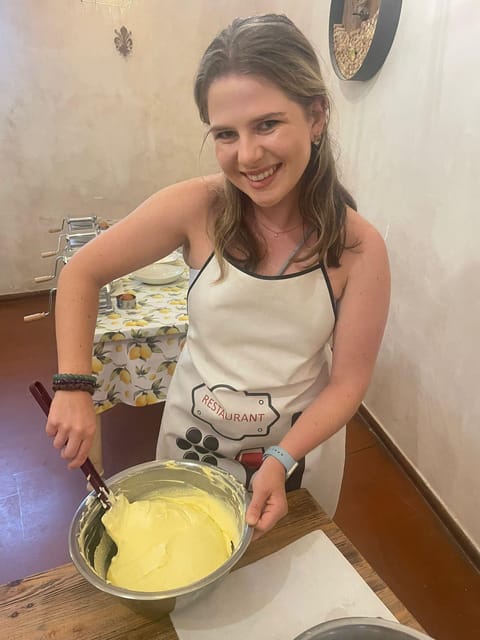
This is ideal if you:
- love Italian food but don’t love cooking alone at home
- want a fun adult-friendly activity that still teaches real technique
- like social settings where you cook alongside others (even in a group)
- want a structured lesson in pasta fresca basics and classic dessert-making
It’s also a good option if you’re traveling with friends and want something interactive that doesn’t depend on navigating museums, queues, or schedules. The class gives you a clear arc, from dough to dessert to dinner.
If you’re a very strict eater with allergies or intolerance needs, review the restrictions carefully and message the provider in advance. The class can support some preferences, but it can’t promise a totally allergen-free environment.
Should You Book This Milan Pasta and Tiramisu Class?
If you’re the type of traveler who likes to do one memorable “learn something real” activity, I’d say yes—especially if you want both pasta and tiramisu in one evening. The combination of fresh pasta training, a focused tiramisu lesson, and a built-in meal with Prosecco and fine wine makes it feel like more than a cooking demo.
Book it if:
- you want a hands-on workshop with a restaurant meal at the end
- you enjoy social experiences in groups around 15–20 people
- you’re comfortable with the classic recipe ingredients (gluten/dairy/eggs)
Skip or double-check if:
- you have strict allergy needs where cross contamination would be a deal-breaker
- you’re vegan or need to avoid gluten or lactose
If that sounds like you, this class can be a highlight. It’s practical, tasty, and rooted in the kind of food experience that actually sticks with you after you leave the city.
FAQ
How long is the Milan pasta and tiramisu cooking class?
The class lasts 3 hours.
Where does the class meet?
The meeting point may vary depending on the option booked.
What language is the instruction in?
The instructor teaches in English.
What’s included in the price?
You get a chef, fresh pasta, tiramisu, and fine wine.
Do I get to eat what I make?
Yes. You sample the dishes you prepare, and you also sit down together for lunch or dinner.
Do I receive alcohol during the class?
Yes. You get a welcome glass of Prosecco when you arrive, and you have fine wine with your meal.
Are vegetarian options available?
Vegetarian options are available upon request.
Can the class accommodate allergies or food preferences?
They offer substitutes for allergies or food preferences, but the instructions focus on the traditional recipe that contains gluten, dairy, and eggs, and they cannot guarantee 100% free of cross contamination. Tell them your allergies or restrictions when booking.
Is the class suitable for vegans or lactose intolerance?
No. It is not suitable for vegans, people with gluten intolerance, and people with lactose intolerance.
What is the cancellation and payment flexibility?
You can cancel up to 24 hours in advance for a full refund, and you can reserve now and pay later (pay nothing today).