REVIEW · MILAN
Milan: Gray Line Milan Open Tour Hop-On Hop-Off Bus Tour
Book on GetYourGuide →Operated by Milanopentour · Bookable on GetYourGuide
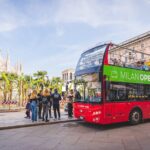
Milan changes neighborhoods fast, and this bus keeps pace. A Gray Line hop-on hop-off ticket is a smart shortcut for seeing the Duomo area, Cenacolo, and other must-do stops without committing to a rigid walking schedule. I like the flexibility of getting on and off at any stop, whenever you feel like slowing down.
My favorite part is the multilingual audio guide setup. You get disposable earphones, WiFi on board, USB sockets, and onboard commentary that includes kid-friendly tracks in English, Italian, and Spanish. There is also a dedicated hostess during the tour, which matters more than you think when you’re trying to find the right stop quickly.
One thing to keep in mind: the audio experience isn’t always perfect. Even with headphones in and the volume up, commentary can cut out now and again or some audio points can feel inconsistent, especially when conditions are wet and visibility is worse.
In This Review
- Key things I’d plan around
- Milan in shortcut mode: what this hop-on hop-off tour really does for you
- Two routes that make sense: Milan Highlights vs Fashion, Design & Leisure
- Milan Highlights route: classic center in a clean loop
- Fashion, Design & Leisure line: modern Milan plus museums and canals
- Stop-by-stop strategy: where to hop off first
- Duomo and the Scala corridor: your bearings, fast
- Castello, Brera, and the mid-route breaks
- Cenacolo and Sant’Ambrogio: big destinations, no rushing
- Museums and modern Milan: Triennale, Museo Scienza, and more
- Navigli and Arco della Pace: the best end-of-day payoff
- Comfort and weather reality: open-air days in Milan
- How the audio guide works in real life
- What you get included, and why it matters
- Price and value: is $29 worth it in Milan?
- Should you book this Milan open tour?
- FAQ
- FAQ
- How long is the Milan hop-on hop-off bus tour ticket valid?
- What is included with the ticket?
- What languages are available on the audio guide?
- Does the tour run in bad weather?
- Can I get on and off at any stop?
- Where is the meeting point?
- Is the tour wheelchair accessible?
Key things I’d plan around

- Two themed routes, one flexible ticket: Milan Highlights for classic center sights and a Fashion, Design & Leisure line that reaches farther out.
- Audio with disposable earphones: You’re not stuck sharing audio with strangers.
- Rain-friendly open-air touring: Expect foggy windows and wet decks, not a canceled day.
- Real-world comfort tips matter: Choose your seat wisely on rainy or hot days.
- Use hop-offs like checkpoints: Get off for a landmark, then reload the bus for the next cluster.
Milan in shortcut mode: what this hop-on hop-off tour really does for you
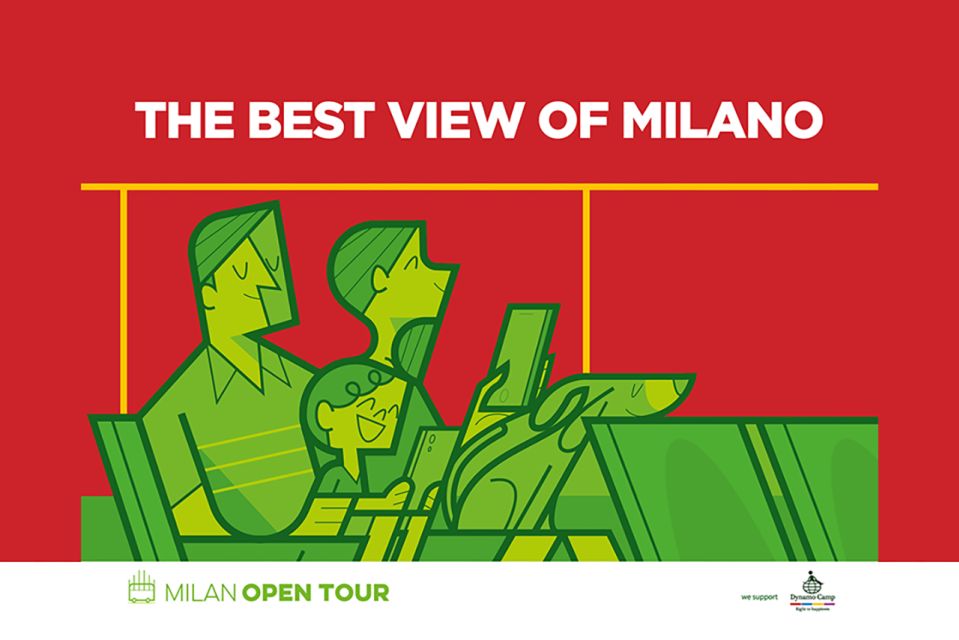
This tour works best when you treat it like a moving map. You ride through Milan’s key zones, and the bus does the hard part: getting you from one sightseeing pocket to the next. You’re not trying to “do Milan” by foot in one exhausting day. Instead, you let the routes connect the big anchors, then you choose where to spend your time.
The ticket is built around simple control: get on at any of the bus stops, stay as long as you want, then hop off again whenever you’re ready. That sounds basic, but in Milan it’s a huge advantage because traffic, one-way streets, and construction can make even short distances feel like a puzzle.
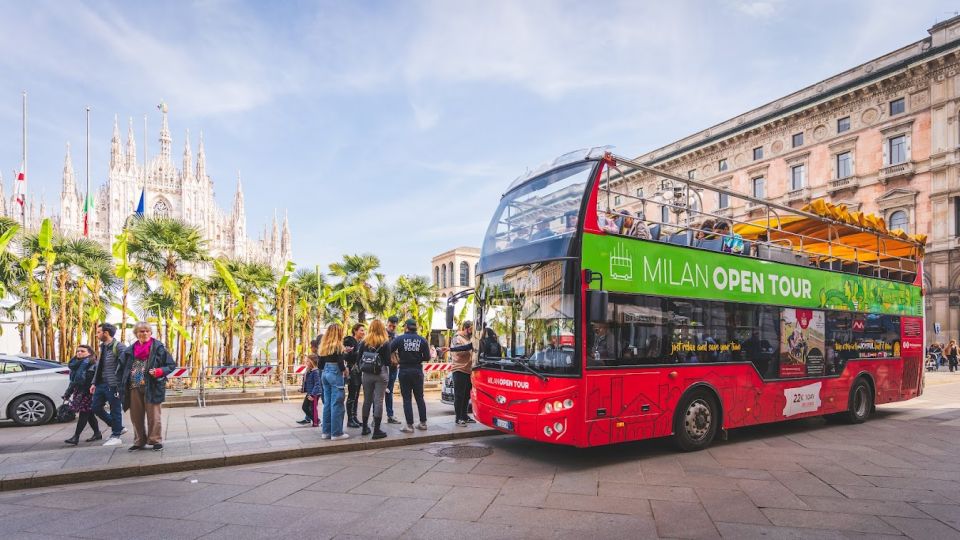
The open-air angle is part of the appeal. When the weather cooperates, you get wide views across the city. When it doesn’t, you still get motion and visibility, just with more window condensation and a deck that can feel cold or damp depending on the day. The goal is not comfort perfection. The goal is getting you oriented fast, then giving you freedom to follow your interests.
You can also read our reviews of more tours and experiences in Milan.

Two routes that make sense: Milan Highlights vs Fashion, Design & Leisure
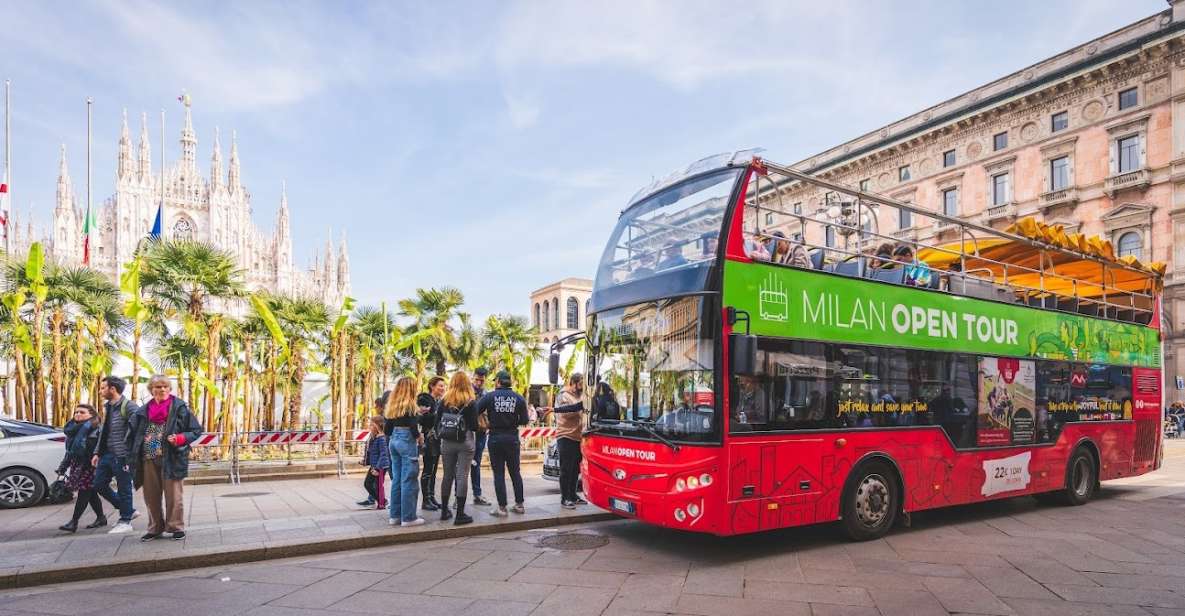
Think of this as two different ways to read Milan. If you’re short on time, Milan Highlights is the easiest place to start because it focuses on a tight set of classic center stops. If you want broader coverage, Fashion, Design & Leisure expands the reach and adds more modern neighborhoods plus museums and canals.
Milan Highlights route: classic center in a clean loop
This line hits the headline sites and some neighborhoods most first-timers want. It includes:
- Duomo (Piazza Duomo): the obvious starting point for Milan’s main square energy.
- Scala (Via Manzoni 33): good for linking your visit to the cultural core.
- San Marco (Via Fatebenefratelli 5): a stop that helps you spread your sightseeing beyond only the main square.
- Brera (Via Bontaccio 2): a practical hop-off for the more “wanderable” feeling around Brera.
- Lanza (Via Tivoli 8): another central anchor that keeps you from backtracking.
- Castello (Piazza Castello 26): a natural photo and walking zone.
- Cairoli (Foro Buonaparte 70): a mid-route stop that keeps the loop moving smoothly.
- Cadorna (Via Boccaccio, corner with Via Leopardi): helpful if you’re connecting to other transit plans.
- Cenacolo (Via Caradosso 1): a key destination stop on this line.
- Litta (Corso Magenta 2): a final nudge into a central area that’s convenient to explore on foot after your ride.
This route is ideal when you want to see a lot without thinking too hard. You can ride the loop to get oriented, then hop off at the 2–4 spots you really want to revisit.
Fashion, Design & Leisure line: modern Milan plus museums and canals
This one reaches a wider range of Milan, mixing landmarks, neighborhoods, and a few big-name institutions. It includes (in order as listed):
- Duomo (Piazza Duomo)
- Scala (Via Manzoni 33)
- Dugnani (Via Manin 24)
- Repubblica (Piazza della Repubblica 5)
- Stazione Centrale (Piazza Duca d’Aosta 5)
- Regione (Via Melchiorre Gioia 31)
- Gae Aulenti (Via Sturzo 7)
- Monumentale (Via Ceresio 79)
- Acquario (Viale Gadio 10)
- Castello (Piazza Castello 26)
- Cairoli (Foro Buonaparte 70)
- Cadorna (Via Boccaccio corner Via Leopardi)
- Cenacolo (Via Caradosso 114)
- Paleocapa (Via Paleocapa 4)
- Triennale (Viale Moliere 16)
- Arco della Pace (Corso Sempione 4)
- City Life (Piazza 6 Febbraio 26)
- Buonarroti (Viale Monterosa 319)
- Pagano (Via del Burchiello 20)
- Conciliazione (Piazza Conciliazione corner Via E. Toti)
- Cenacolo again (Via Caradosso 12)
- Sant’Ambrogio (Via Carducci 16)
- Museo Scienza (Via Olona 11)
- Navigli (Piazza XXIV Maggio 6)
- Parco Basili(ci)e (Via Molino delle Armi 33)
- Università Studi (Via Sforza 38)
- San Babila (Via Larga 2)
This route is especially useful if you want more than the old center. You’ll get a stronger sense of modern Milan too, with stops like Gae Aulenti, City Life, and Arco della Pace adding variety to your day. And if you’re the type who likes to pair a bus ride with a wander, Navigli is a smart hop-off because it’s a distinct district where foot exploration feels natural after you arrive.
Stop-by-stop strategy: where to hop off first
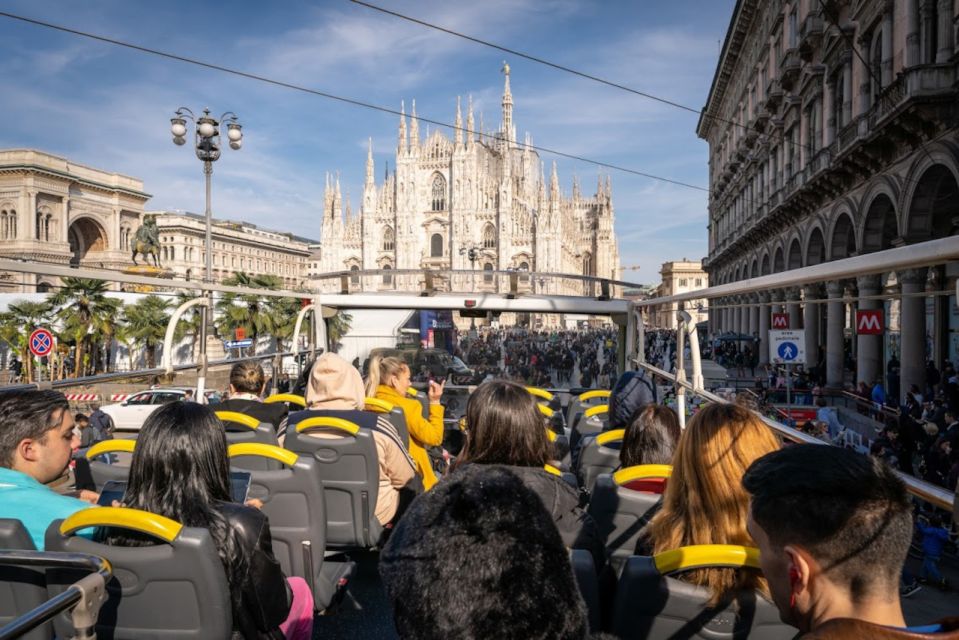
I think the best way to enjoy a hop-on hop-off bus tour is to treat it like a menu. Don’t worry about doing everything. Pick a few “must get off” stops, then keep your options open.
Here’s how I’d plan it using the stops on these routes.

Duomo and the Scala corridor: your bearings, fast
Start with Piazza Duomo. Even if you don’t go far inside immediately, standing in the Duomo area gives you a point of reference for everything else Milan will throw at you. From there, it’s a quick hop toward Scala (Via Manzoni 33) on both lines, which is a convenient way to stitch together Milan’s center highlights without wasting time crossing the city on foot.
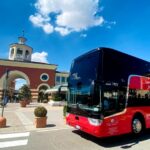
Practical note: the bus is easy to find at central points, and the tour design is built around those dense sightseeing areas. If you want the classic Milan arc without over-planning, this segment is your foundation.
Castello, Brera, and the mid-route breaks
On Milan Highlights, Castello (Piazza Castello 26) is a great “pause and reset” stop. It’s also convenient because it sits between other central points on the loop.
Brera (Via Bontaccio 2) is the stop I’d use when you want to step off and simply breathe in the neighborhood vibe for a while. It’s also the kind of place where a short walk after you get off the bus can feel more rewarding than trying to cram in another long hop.
On the Fashion, Design & Leisure route, you’ll also see Castello, plus extra central stops like Cairoli and Cadorna. That’s useful if you want a calmer rhythm: ride, hop off to check an area, then hop back on without changing your overall day plan.
Cenacolo and Sant’Ambrogio: big destinations, no rushing
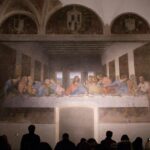
This is one of the reasons the bus ticket is so valuable. You’re not just passing by; you can actually plan time around Cenacolo and Sant’Ambrogio.
Cenacolo appears twice on the Fashion, Design & Leisure line at two different nearby addresses. I like that because it reduces the feeling that you’ll miss your best timing if you enter the route from one side. Just look for the Cenacolo stop you prefer based on where you are on the route.
Sant’Ambrogio (Via Carducci 16) is on the Fashion, Design & Leisure line, and it pairs well with a day that also includes museum and neighborhood stops. The main advantage is flexibility. You can spend time at the place that matters most to you, then continue on without reorganizing transport.
Museums and modern Milan: Triennale, Museo Scienza, and more
If you want Milan that feels current, don’t skip:
- Triennale (Viale Moliere 16)
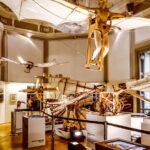
- Museo Scienza (Via Olona 11)
- Gae Aulenti (Via Sturzo 7)
- City Life (Piazza 6 Febbraio 26)
- Monumentale (Via Ceresio 79)
- Acquario (Viale Gadio 10)
I like these stops because they help you break up the day. Instead of doing landmark-after-landmark, you get zones where you can slow down and choose a longer visit. If you’re traveling with kids, the included kid commentary in English, Italian, and Spanish is also designed to make those cultural pauses easier.
Navigli and Arco della Pace: the best end-of-day payoff
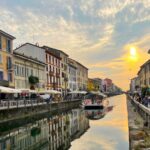
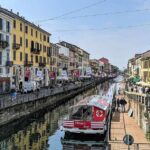
If you’re planning your day around atmosphere, schedule Navigli (Piazza XXIV Maggio 6) toward the later part of your loop. It’s a named district stop, which usually means you’ll have an easier time continuing your evening on foot after you get off.
Arco della Pace (Corso Sempione 4) is another strong “finish with a view” target. These kinds of open areas tend to feel better when you’re not racing the clock.
Comfort and weather reality: open-air days in Milan
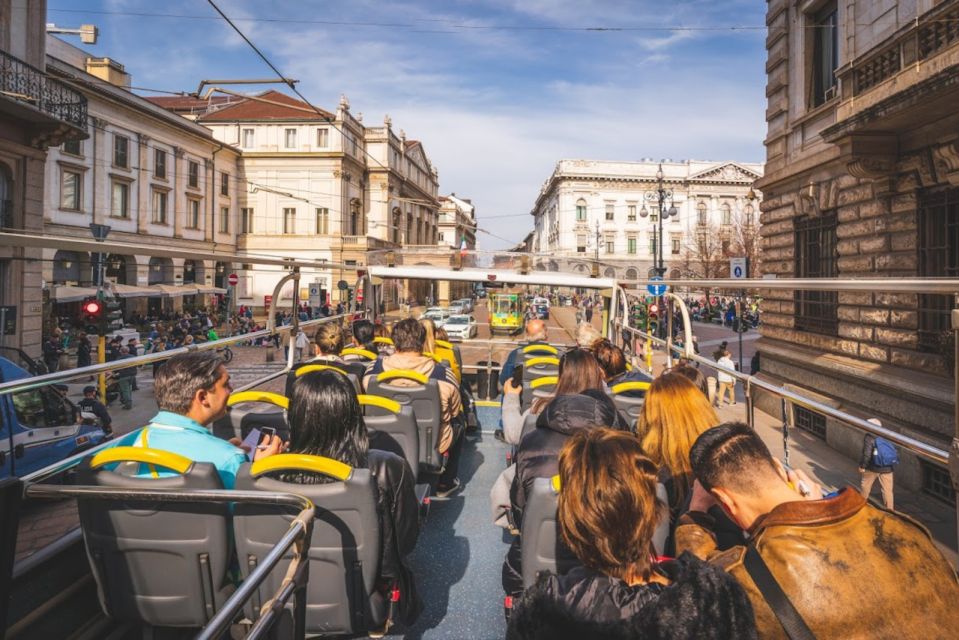
The tour is designed for rain or shine, so you’re not paying for a fair-weather fantasy. That said, the physical experience changes.
On rainy days, expect foggy windows from condensation. If you’re on the upper deck, you may also notice less visibility and wet surfaces, but you still get the motion that keeps you warm enough to stay out longer than you would if you were walking the city nonstop.
On very hot days, I’d plan for the deck temperature difference. One review noted the upstairs area can feel hot with limited shade, while downstairs can feel warmer too if cooling isn’t performing well. My practical advice is to switch decks if you start feeling uncomfortable, and to keep an eye on the way windows fog up if you’re using audio while leaning forward.
One small but useful seating tip: pick a seat on the right side of the bus when you can. A helpful note from the experience is that many attractions line up better from that side. It’s not a guarantee, but it can reduce the moment of wondering what you missed while the bus rolls past.
How the audio guide works in real life
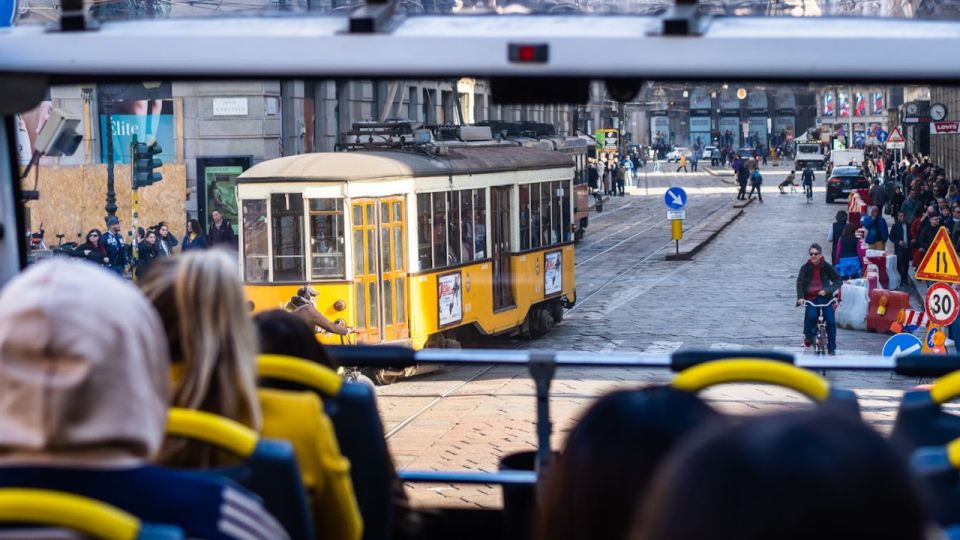
The tour includes an audio guide with languages listed like Spanish, Chinese, Dutch, English, French, German, Italian, Japanese, Arabic, Portuguese, and Russian. You also get commentary for kids in English, Italian, and Spanish, plus disposable individual earphones, so you’re not stuck using shared audio.
Still, here’s what I would plan for. Some stops can have occasional issues: parts of the commentary can cut out now and again, and not all audio points always seem to activate consistently. If that happens, don’t panic. Keep listening as long as it returns, and use the paper map to reorient yourself at each hop-off.
Also, WiFi and USB sockets are handy if your phone battery is already draining from navigation and photos. Even if you never use them, they’re there when you need them.
What you get included, and why it matters
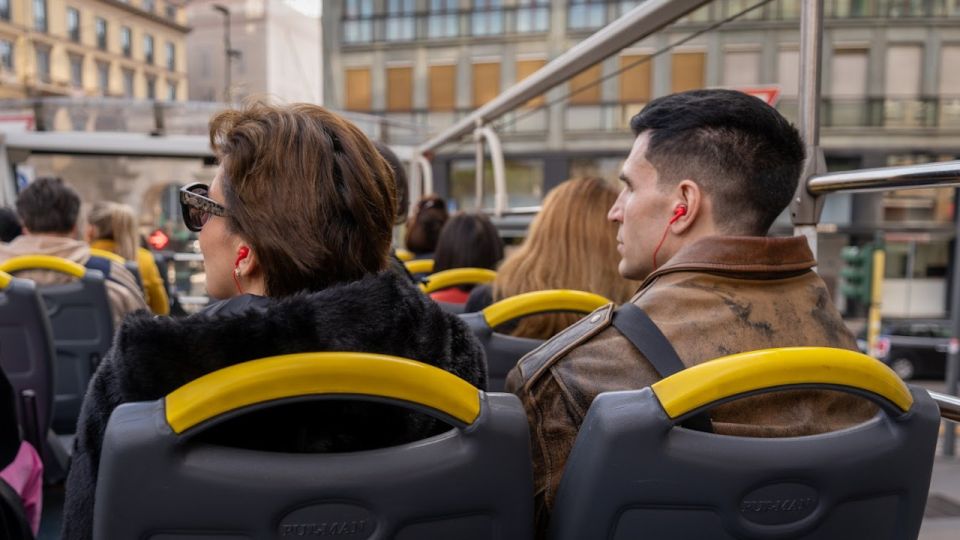
This is not just a bus ticket. The value is in the “extras” that reduce friction during the day:
- Hop-on hop-off access at all stops on the routes
- Paper map for quick orientation
- Audio guide with multiple languages plus kid commentary
- Disposable earphones for private listening
- WiFi on board and USB sockets
- Dedicated hostess during the tour
- Wheelchair accessible service
- Pet friendly policy
- Free cancellation up to 24 hours in advance for a full refund (good if weather is a wildcard)
Those inclusions help you move faster through your day. The hostess is especially useful when you’re trying to confirm which stop is next, and the earphones make the audio guide actually usable instead of awkward.
Price and value: is $29 worth it in Milan?
At about $29 per person for a hop-on hop-off ticket valid for 1–3 days, this is best value when you’re doing one of these:
- You have limited time and want the city’s layout in one ride.
- You want to choose a few highlights today, then decide tomorrow based on what you liked.
- You want a “rain plan” that still gets you sightseeing movement.
If you’re the type who hates committing to a schedule and wants control, the hop-on hop-off structure can justify the price quickly. You’re buying time saved in transit, plus the audio layer that helps you connect what you see to what you’re looking at.
Where it can feel less worth it is when you only want one quick walk-by route and you’re confident you can navigate Milan efficiently without help. In that case, you might compare your plan with what you would spend on individual transit and tickets for the same sights.
One more practical value note: the tour is described as having frequent service and easy stops, but there can still be longer waiting times depending on the day and how many buses are running. If you’re working with a tight itinerary, build a little buffer into your plan between hop-offs.
Should you book this Milan open tour?
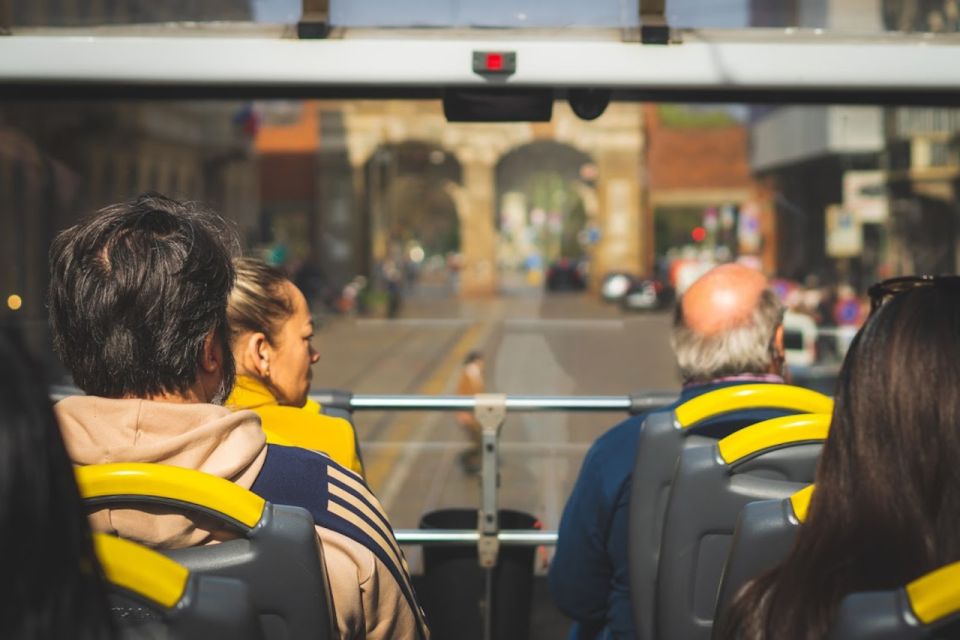
I’d book it if you’re a first-timer, a short-stay visitor, or someone who wants Milan’s big sights without a lot of transit stress. The two-route setup is the big selling point. Milan Highlights is your quick classic read. Fashion, Design & Leisure helps you broaden the day into neighborhoods and modern landmarks, including stops like Navigli and Gae Aulenti.
I’d think twice if you depend heavily on perfect audio continuity at every stop, or if your travel style is “only walk and only one bus ride.” In that case, you might find it frustrating when narration cuts out or when you hit a day with slower boarding.
FAQ
FAQ
How long is the Milan hop-on hop-off bus tour ticket valid?
Your ticket is valid for 1 to 3 days, depending on the option you choose and starting times shown for availability.
What is included with the ticket?
Included features are the hop-on hop-off bus ticket, paper map, audio guide, disposable individual ear-phones, WiFi on board, USB sockets, and a dedicated hostess during the tour.
What languages are available on the audio guide?
The audio guide languages listed include Spanish, Chinese, Dutch, English, French, German, Italian, Japanese, Arabic, Portuguese, and Russian. There are also kid commentaries in English, Italian, and Spanish.
Does the tour run in bad weather?
Yes. The tour takes place rain or shine, and you can still enjoy it on rainy days.
Can I get on and off at any stop?
Yes. Your tickets allow you to start from all bus stops and you can get on and off whenever you want along the route.
Where is the meeting point?
The meeting point may vary depending on the option booked.
Is the tour wheelchair accessible?
Yes. The experience is listed as wheelchair accessible. Pets are also welcome, and the tour is described as pet friendly.