REVIEW · MILAN
Milan: Italian Cooking Class with Food and Wine
Book on GetYourGuide →Operated by CHEF AND THE CITY · Bookable on GetYourGuide
Fresh pasta in a real Milan kitchen beats watching from the sidelines. In this 3-hour class, you cook three traditional dishes with an Italian chef, then you sit down together for the meal and wine. You also leave with recipes you can actually follow back home.
I love how hands-on the format is. You work from your own desk, make pasta shapes from scratch, and get professional tips while you’re doing the work, not after the fact. I also like that you’re fed well: you snack during prep, cook a full set of dishes, and finish with a shared dining moment.
One consideration: it’s a working professional lab, so you have to follow kitchen rules (no tasting while cooking, no drinks/food at your station, and no large bags). If that kind of structure doesn’t sound fun to you, pick a different activity.
In This Review
- Key takeaways before you go
- Chef and the City: Finding the street-level kitchen
- 3 hours of hands-on Italian cooking (you do the work)
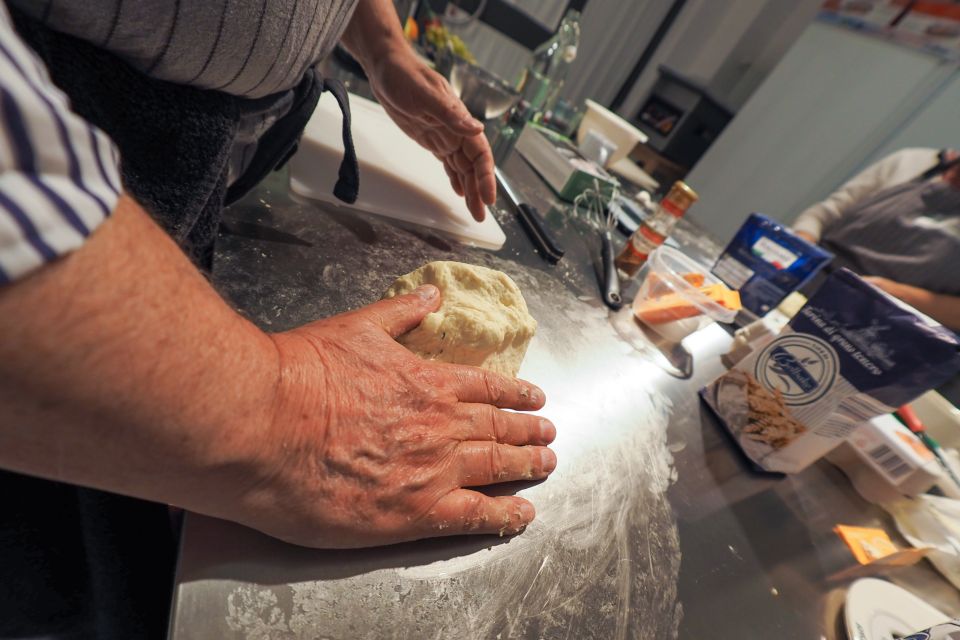
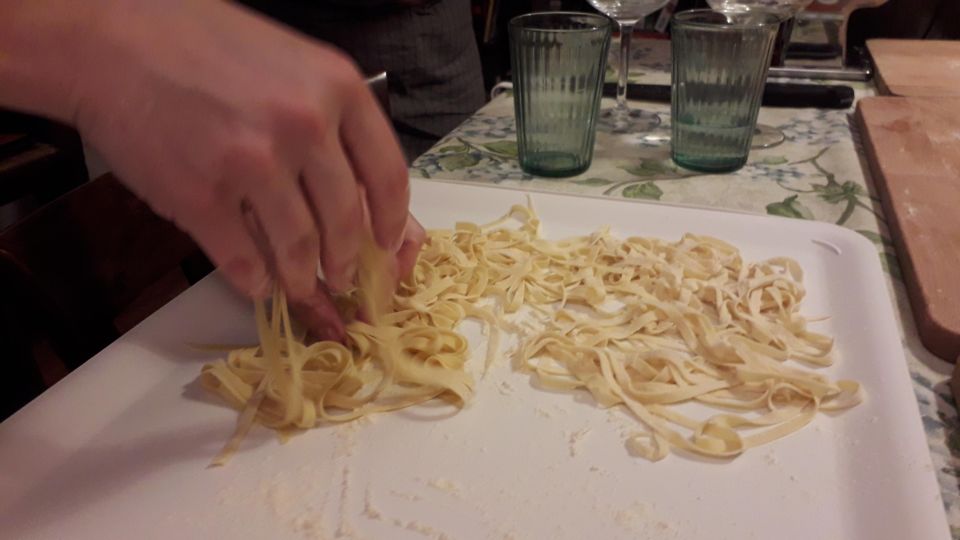
- Fresh pasta from scratch: tagliatelle, gnocchi, ravioli, and more
- A quick reality check: sauces take time
- Starters and sides: bruschetta, focaccia, eggplant parmigiana, and the art of prep
- Dessert and the group meal with wine: eat like you cooked it
- Take-home recipes: how you’ll use them at home
- Price and value: is $80 fair for a Milan class?
- Rules in the kitchen: how they affect your experience
- Who this Milan cooking class fits best
- Should you book Chef and the City in Milan?
- FAQ
- What’s the duration of the Milan Italian Cooking Class?
- Where is the meeting point?
- What does the $80 price include?
- What will I cook during the class?
- What languages are offered?
- Is wine included?
- Are pets allowed?
- Is the class wheelchair accessible?
- Are there rules I should know before cooking?
- Who is this class suitable for?
Key takeaways before you go
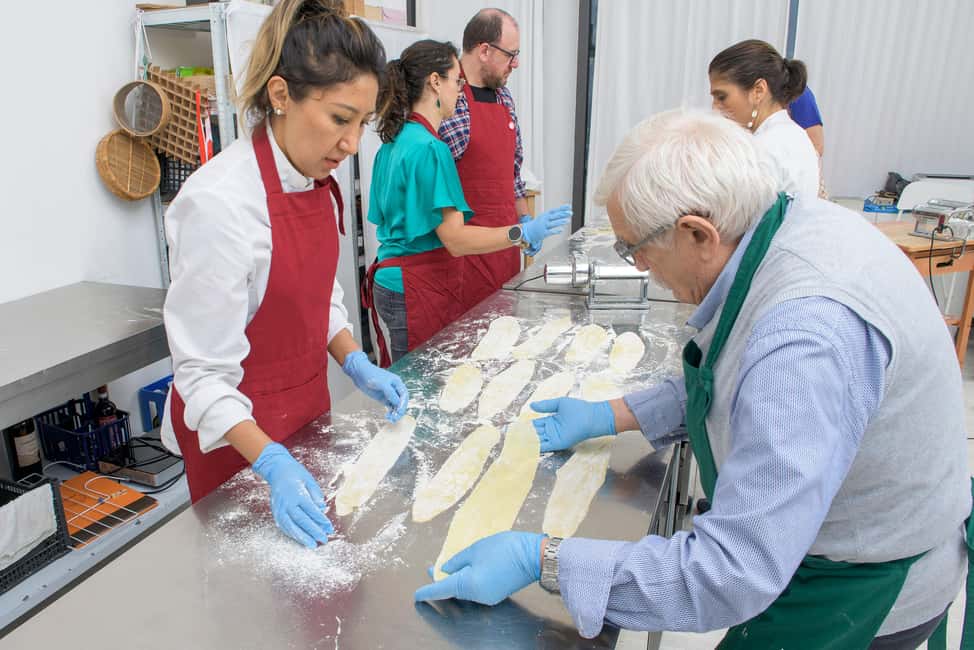
- Fresh pasta training: expect pasta shapes like tagliatelle, gnocchi, ravioli, plus classics like cacio e pepe and ragu techniques
- Chef-led, not demo-only: you cook at your own station with tools, gloves, and aprons provided
- Recipes you can reuse: you get a full set of recipes to recreate the dishes at home
- Wine included with dinner: red and white pair with what you make, in a relaxed group meal
- Small-group feel: some sessions are very personal, which makes it easier to ask questions
Chef and the City: Finding the street-level kitchen
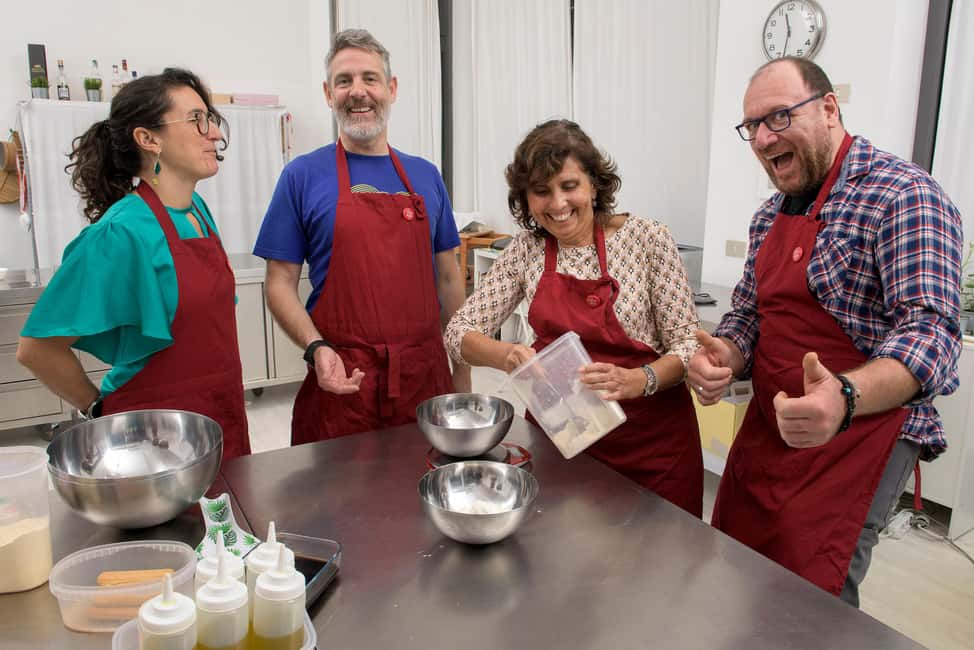
This class meets at Chef and the City, a street-level spot with three big windows and three red signs on top. When you arrive, ring the bell at the main window door. It’s the kind of meeting point that feels simple once you spot it, and it helps to arrive a few minutes early so you can settle in before the kitchen rules start.
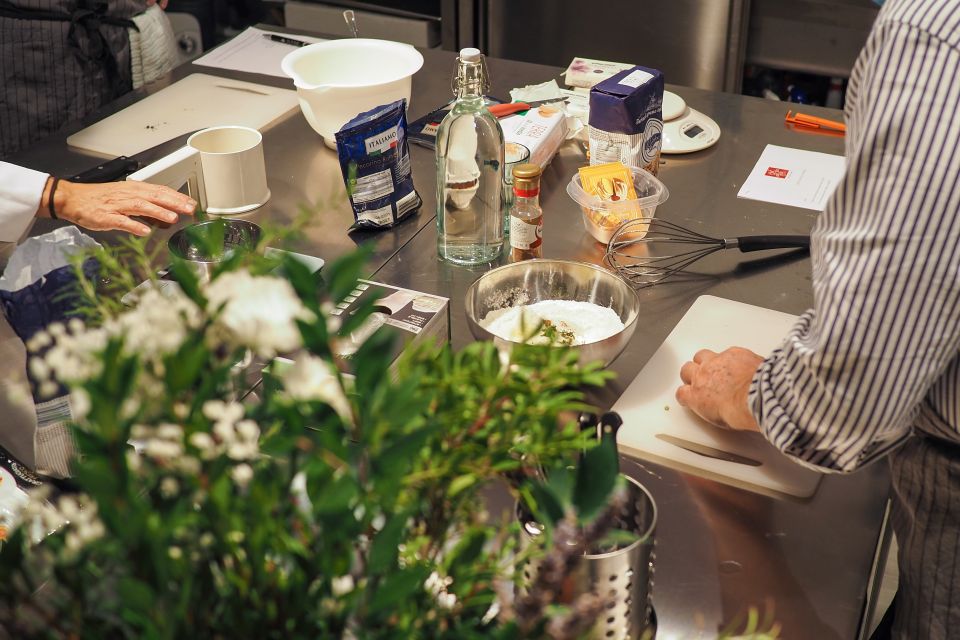
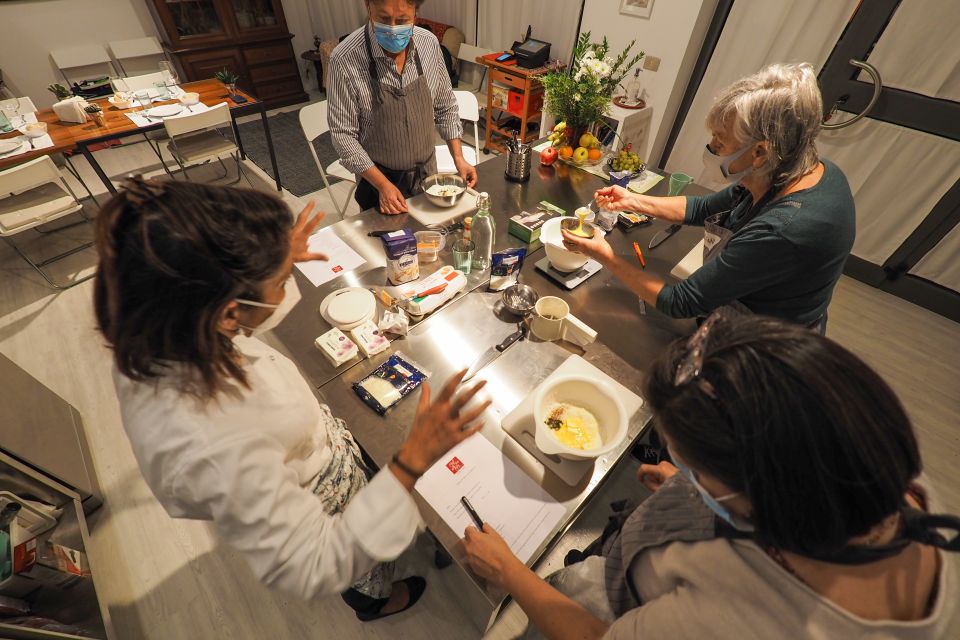
Inside, the setting is a real professional cooking lab, not a rented room. That matters because it keeps things organized: you’ll get your station, you’ll work with the provided tools, and the flow from prep to cooking to eating is tight.
You can also read our reviews of more tours and experiences in Milan.


3 hours of hands-on Italian cooking (you do the work)
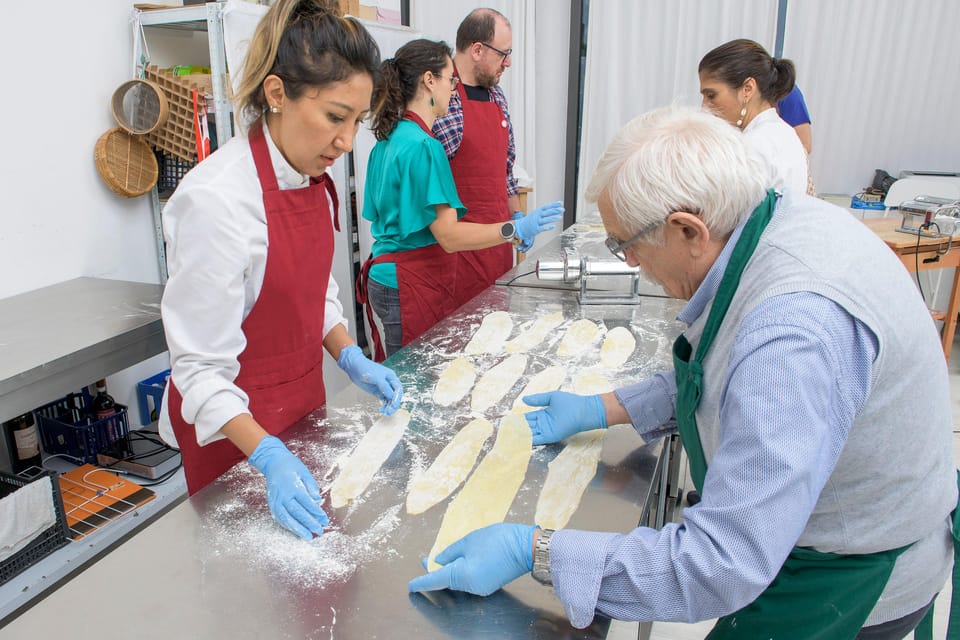
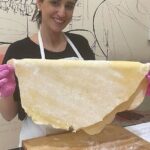
The whole point here is that you cook. You won’t just watch an expert move quickly in front of you. You’ll prepare three traditional dishes under an Italian chef’s supervision, working through the steps yourself with guidance in real time.
A typical arc goes like this:
- You start with light bites and drinks while the chef explains what’s coming next.
- Then you move into production mode at your personal desk: mixing, shaping, assembling, and learning why each step matters.
- You take a break for additional snacks and drinks.
- You finish with coffee/tea-style options and sit down as a group to eat what you made—paired with wine.
One reason I think this format works for most visitors is pacing. In a short 3-hour window, you still get instruction and hands-on practice, without the long stretches that happen in purely observational classes.
Fresh pasta from scratch: tagliatelle, gnocchi, ravioli, and more
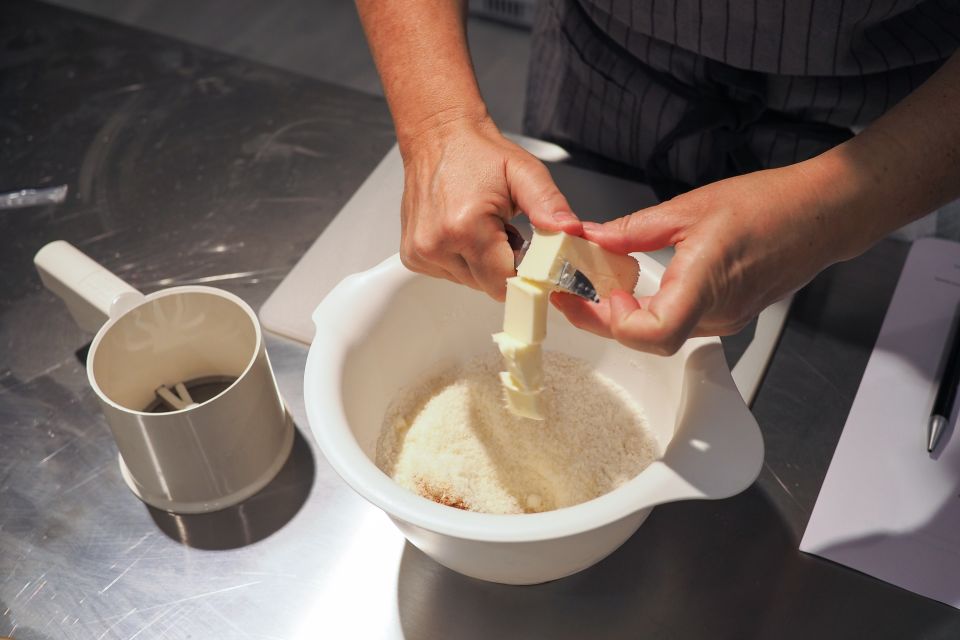
This is where the class earns its reputation. You’ll make fresh pasta from scratch—examples in the class description include tagliatelle, gnocchi, and ravioli. You’re also likely to work with classic sauce ideas like cacio e pepe and ragu, depending on the specific menu for your session.
Here’s what makes pasta-making valuable in this setup:
- You learn technique while your hands are doing the task. That’s how you stop guessing at things like dough texture and shaping.
- You get tips for consistency. With fresh pasta, small differences matter fast.
- You build confidence. By the end, you’re not just eating a dish—you understand the method.
Also, the chef doesn’t only teach recipes. She (and sometimes the teaching team) explains the logic behind the rules. One review noted corrections about classic sauce thinking—like avoiding creamy shortcuts and bacon-style changes that some people assume are part of the dish. Even if your exact menu differs, you’ll leave with a sharper sense of what makes Italian cooking taste right.
A quick reality check: sauces take time
Some sessions may include a shortcut that still feels practical. One review explained that certain sauces (like ragu and cacio e pepe) were provided as homemade components because they take hours to cook. That doesn’t ruin the experience—it actually makes the class fit the 3-hour schedule.
If you love going full chef at home, you’ll still have the recipes. And if you want to recreate slow-simmer sauces later, the take-home materials should help you do it on your timeline.
Starters and sides: bruschetta, focaccia, eggplant parmigiana, and the art of prep
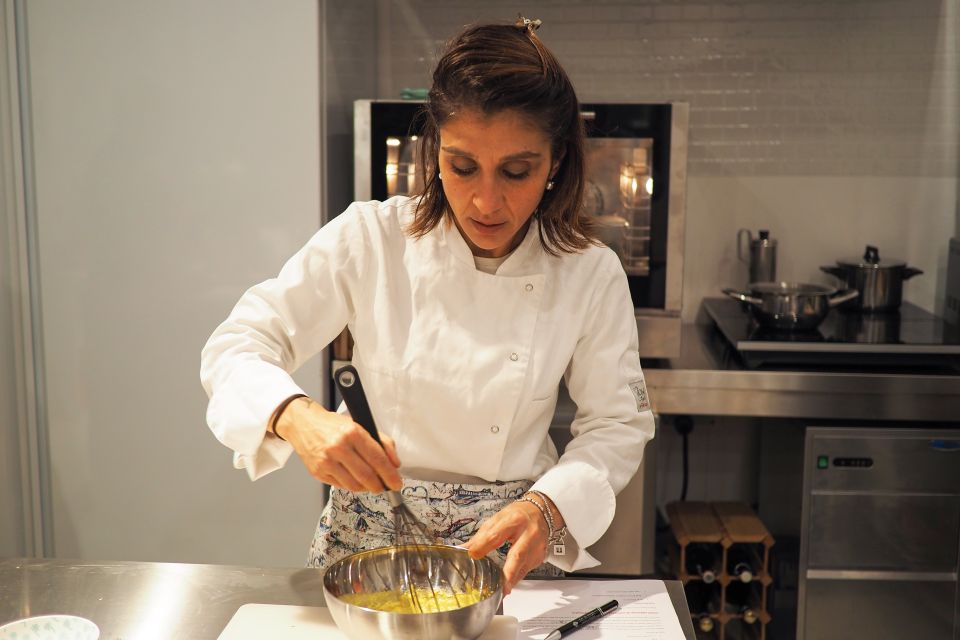
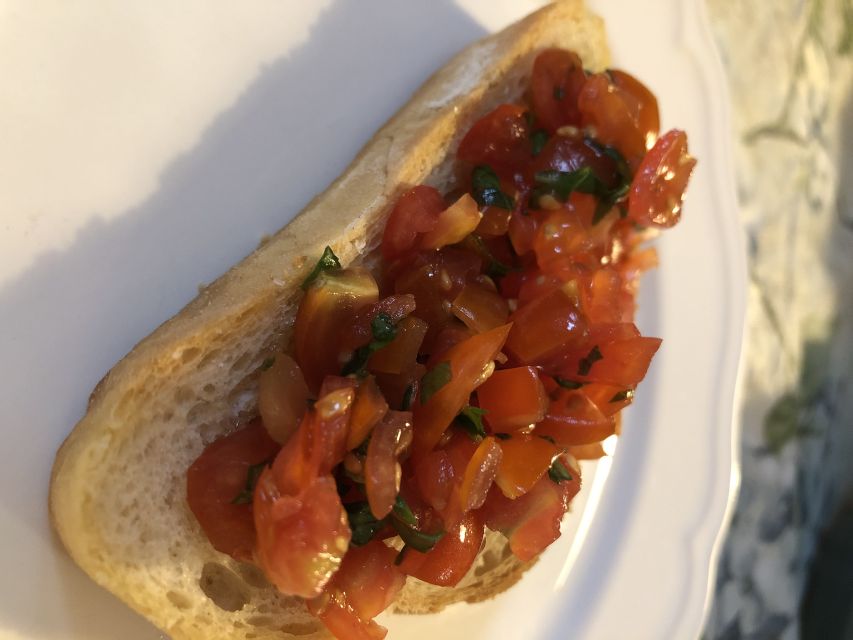
After you start learning pasta, the class often balances it with classic starters and savory dishes. Based on the menu options listed, you might work with items like bruschetta, focaccia, or eggplant parmigiana.
What I like about this part is that it trains different skills than pasta:
- knife work and assembly
- layering flavor
- getting balance between rich and fresh elements
You also get snacks during the workshop—cheese, dry tomatoes, mortadella, and olives are mentioned. That’s not just filler. It helps you keep energy up while you’re doing hands-on prep, and it gives you small tastes along the way without turning the class into a meal that never starts.
The workshop also emphasizes healthy, no-waste cooking. In practical terms, that usually shows up as smarter use of ingredients and tidy kitchen workflow. You’re not swimming in mystery leftovers; you’re cooking with intention.






Dessert and the group meal with wine: eat like you cooked it
The final payoff is sitting down together and eating your work. You’ll enjoy the main dishes you prepared as a group, with wine included.
Two things make this part feel special:
- You’re eating what you made, while the techniques are still fresh in your head.
- The wine and conversation turn the workshop from a task into an evening.
Wine isn’t an afterthought here. Reviews mention both red and white wine, with one person noting 1.5-liter bottles being on the table. That said, the kitchen is still a professional setup, so expect the drinks to be part of the meal flow—not a party atmosphere while you’re cooking.
Desserts vary by session, but the description and reviews point to Italian favorites such as tiramisù. One chef-taught tip that stuck with a reviewer: tiramisù isn’t prepared with amaretto in the classic approach they learned. If that kind of detail matters to you, you’re in the right place. This is the type of small correction that turns a recipe from copycat to real.
Take-home recipes: how you’ll use them at home
You get copies of all recipes. That’s important for value, because the class isn’t only about what you eat tonight. It’s about giving you a plan for next week.
When recipes come with technique notes (and not just ingredient lists), pasta classes become repeatable. Based on the way the chef teaches and explains, you should be able to recreate the dishes without guessing.
Also, the class description emphasizes recipes that are easy to make at home. In real life, pasta is only intimidating until you’ve done it once. After this workshop, you’ll know what dough texture should feel like, how pasta should look when shaped properly, and what sauces should taste like when they’re built the Italian way.
One more practical note: if your session includes made components (like slow sauces provided rather than cooked from zero during the class), use the recipes to decide how ambitious you want to be at home. You can keep the effort manageable or go full slow-cook mode.
Price and value: is $80 fair for a Milan class?
At $80 per person for about 3 hours, this sits in the value zone for Milan cooking experiences, especially because wine, food, tools, and recipes are included.
Here’s what you’re paying for beyond ingredients:
- an Italian chef teaching at your station
- hands-on pasta work (the hardest part of most cooking classes)
- a structured evening that ends with you eating what you cooked
- take-home recipes so the class doesn’t vanish the next day
If you’ve done cooking classes elsewhere, you know the trap: sometimes you cook just enough to feel involved, and the rest is a show. This one leans more toward full participation. You’re not left standing around, and the clean, professional lab setup helps keep the experience moving.
For me, that makes the price easier to justify, even in a pricey city like Milan.
Rules in the kitchen: how they affect your experience
This is a working lab, so the rules are part of the deal. You’ll be asked to follow kitchen guidance such as:
- no drinks and no food while cooking
- no tasting food while cooking
- tie up long hair
- no luggage or large bags
These rules are there for hygiene and safety. They can feel strict at first, but they also create a calm, professional pace. Plan to travel light, and if you’re wearing anything with long sleeves or loose cuffs, consider adjusting so it’s easier to work.
It’s also not wheelchair accessible, and pets aren’t allowed. Children under 10 years aren’t suitable, so this is best for adults and older teens who want to cook seriously for a short stretch of time.
Who this Milan cooking class fits best
This is a great choice if you want:
- a hands-on Milan cooking experience with real pasta practice
- an evening that mixes cooking with an actual sit-down meal and wine
- a teacher-led class with practical tips you’ll use again
It’s also ideal for solo travelers, because the format is interactive and social once you start eating together. Reviews highlight small group dynamics, and when the group is small, you can usually ask more questions and get clearer feedback.
If you’re the type who hates rules in a shared kitchen, or if you can’t manage without tasting as you cook, you might feel slightly constrained. In that case, choose a different kind of food experience.
Should you book Chef and the City in Milan?
Yes, if your goal is to leave Milan knowing how to make fresh pasta and classic Italian dishes with confidence. The combination of hands-on cooking, wine with the meal, and take-home recipes is a strong match for a short trip.
Book it especially if you like learning technique, not just eating. The chef’s teaching style comes through in how she explains steps and how she corrects common assumptions about Italian cooking.
Skip it if you need a totally relaxed, no-structure activity, or if your travel setup includes luggage you don’t want to manage. This class runs like a real lab: efficient, organized, and focused on getting you cooking.
FAQ
What’s the duration of the Milan Italian Cooking Class?
The class runs for 3 hours.
Where is the meeting point?
You meet at Chef and the City, a street-level shop with three big windows and three red signs on top. Ring the bell at the main window door when you arrive.
What does the $80 price include?
It includes food, beverage, cooking tools, gloves, aprons, and wine.
What will I cook during the class?
You’ll cook 3 traditional dishes with an Italian chef. The class description lists examples such as fresh pasta (tagliatelle, gnocchi, ravioli), sauces like cacio e pepe and ragu, plus items like bruschetta, focaccia, eggplant parmigiana, and dessert options such as tiramisù.
What languages are offered?
The host or greeter speaks Italian and English.
Is wine included?
Yes. Wine is included as part of the experience.
Are pets allowed?
No, pets are not allowed.
Is the class wheelchair accessible?
No, it’s not wheelchair accessible.
Are there rules I should know before cooking?
Yes. In the professional kitchen you must follow rules like no drinks and no food while cooking, no tasting food while cooking, and tying up long hair. Luggage or large bags are not allowed.
Who is this class suitable for?
It isn’t suitable for children under 10 years, and it isn’t listed as suitable for people with mobility impairments.