REVIEW · ROME
Rome: The Four Seasons by Vivaldi
Book on GetYourGuide →Operated by Opera e Lirica srl · Bookable on GetYourGuide
Vivaldi’s Seasons, right by Trevi. If you want a Roman evening that feels both musical and visual, this performance hits the sweet spot: Elvin Dhimitri leads the show, and the full sound (including harpsichord) makes the Baroque details click into place. I especially like how the music follows the seasons minute-to-minute, not as vague background, but as a story you can track. The only real catch is comfort and logistics: seats aren’t numbered, and the temperature in churches can swing from chilly to hot.
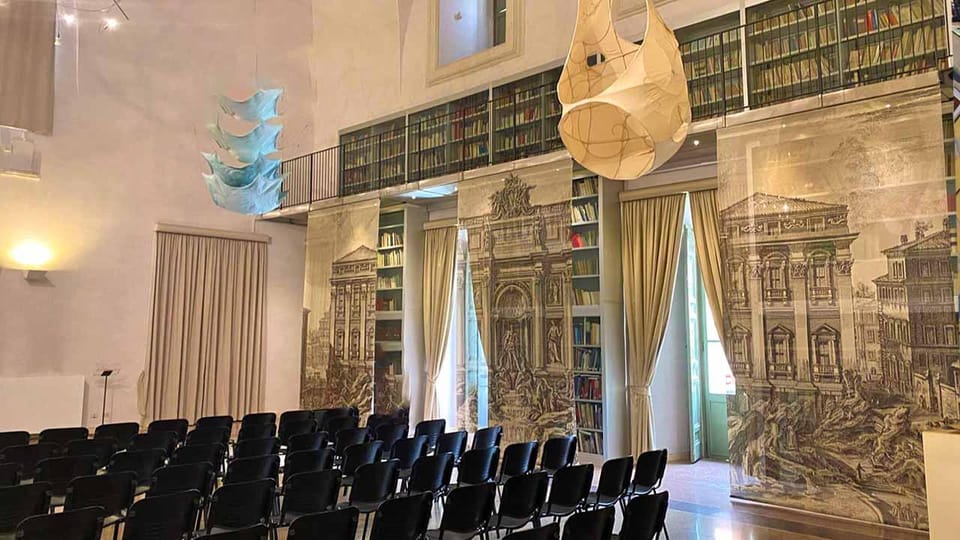
Location-wise, it’s also practical in a very Rome way. You may hear the concert in the city center’s Sala Dante of Palazzo Poli, with the bonus of overlooking the marvelous Trevi Fountain from the windows. Just know that because the seats are first come first served, arriving a bit early helps you avoid ending up behind taller heads.
In This Review
- Key things I’d circle before you go
- Vivaldi’s Four Seasons in Rome: why this concert format feels special
- Meet Elvin Dhimitri and Opera e Lirica: the people behind the sound
- Your Roman venue choice: church, Palazzo Poli windows, or Horti Sallustiani nights
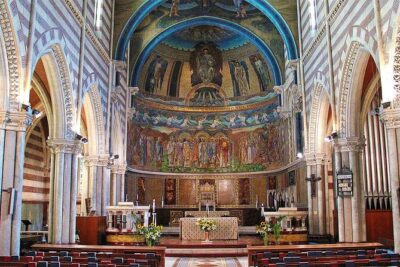
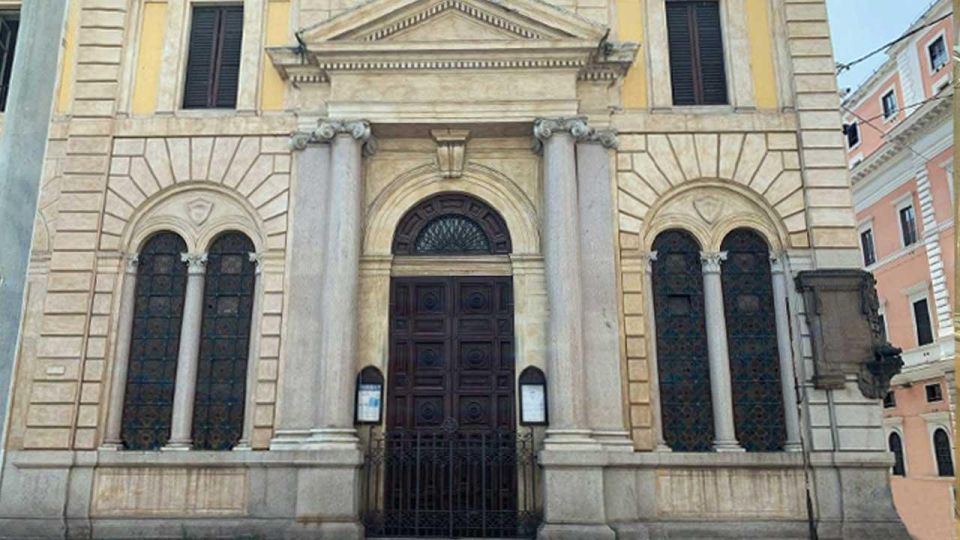
- Chiesa Evangelica Metodista: small church acoustics with a comfort warning
- Sala Dante of Palazzo Poli: Trevi Fountain from your seat
- Horti Sallustiani: two showtimes for an outdoor-or-periphery evening feel
- The 80-minute program: listening guide for Spring to Winter
- Price and value: why about $35 for Vivaldi feels fair
- How to make it your best Rome night: timing, seats, and what to bring
- Who should book this concert?
- Should you book The Four Seasons by Vivaldi in Rome?
- FAQ
- Where does the concert meeting point start?
- How long is The Four Seasons performance?
- What is the price per person?
- Who performs the concert?
- What music is included?
- Are seats numbered?
- Where can the performance take place?
- Is there more than one showtime on some dates?
- Is free cancellation available?
Key things I’d circle before you go
- Elvin Dhimitri brings violin energy and clear musical leadership
- Harpsichord adds the unmistakable Baroque punch to the texture
- Three central-rome venue choices, each with its own atmosphere
- The Four Seasons program is fully presented across Spring, Summer, Autumn, Winter
- First come first served seating means timing affects your view
- Trevi Fountain sightline is a rare extra when the concert is in Sala Dante
Vivaldi’s Four Seasons in Rome: why this concert format feels special
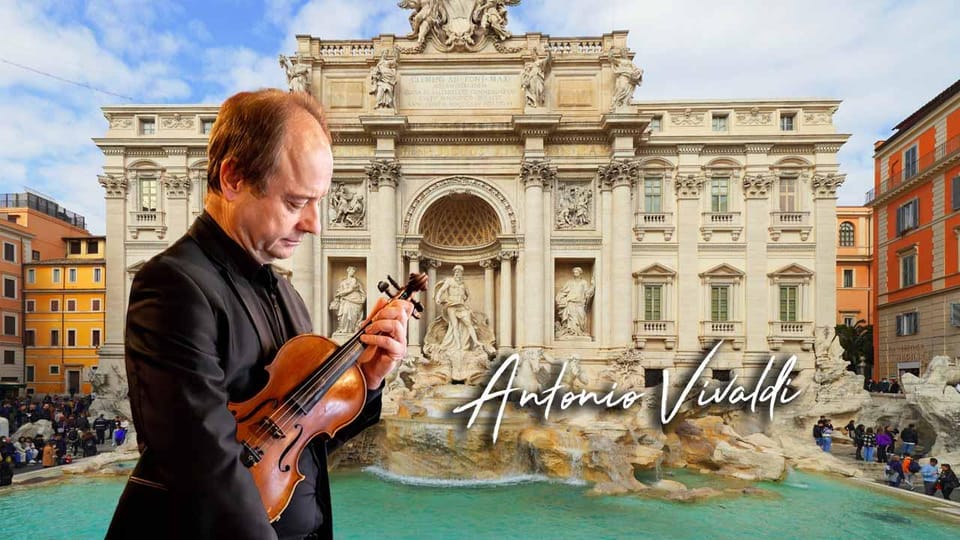
The Four Seasons is famous for a reason, but live performances are where it gets extra real. Vivaldi paints the weather, the animals, and the moods with quick rhythmic changes, sharp contrasts, and melodies that practically act out the scenes. In Rome, that storytelling lands well because you’re surrounded by the Baroque era’s same love for drama—how nature changes, how humans react, and how sound can mimic what you see outside.
What makes this version appealing for you is the balance of focus and accessibility. It’s not a huge, overwhelming concert hall with you lost in the back row. It’s designed as a close listening experience for an 80-minute ticket, featuring violin soloist and period-influenced instrumentation (strings plus harpsichord). That’s a very good setup if you want to understand the music without needing a course in Baroque theory first.
Also, I like that the program isn’t just a “greatest hits” sampler. You get the full arc: Spring’s birdlike liveliness, Summer’s thunderstorm chaos, Autumn’s peasant dances and the hunt, and Winter’s cold bite and chattering details. Even if you only half-know the melodies, you’ll feel the structure.
You can also read our reviews of more tours and experiences in Rome.
Meet Elvin Dhimitri and Opera e Lirica: the people behind the sound
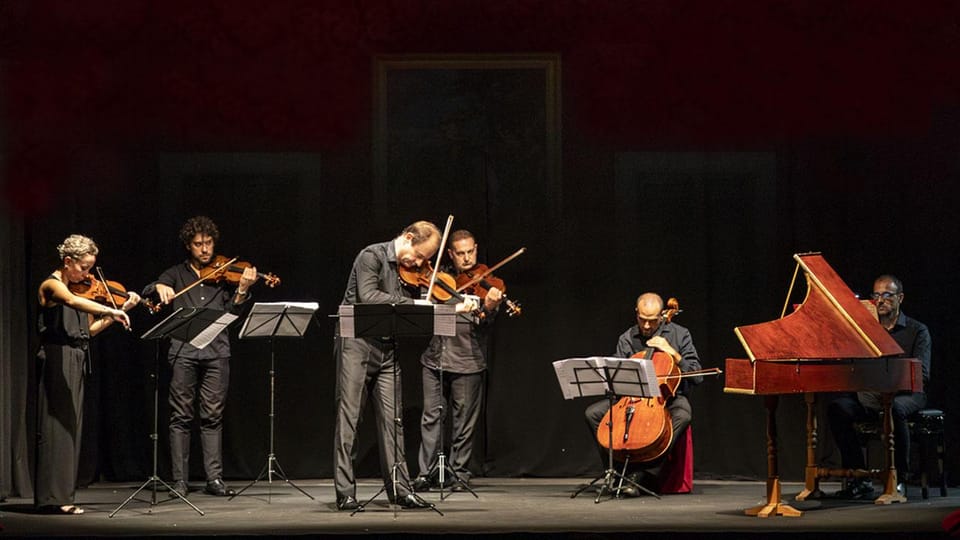
This performance is presented by Opera e Lirica srl, with a small ensemble built around a strong first violin. The centerpiece is Elvin Dhimitri, known as first violin of Opera and Lirica. In this setting he’s more than a soloist on a pedestal—he’s listed as both violin soloist and conductor, which matters. When the lead also steers the ensemble, you tend to hear tighter timing and cleaner transitions between movements.
The ensemble includes a strings quintet and a harpsichord. That harpsichord is key for Vivaldi’s color. It doesn’t replace the strings; it sharpens the edges, gives the rhythm a crisp outline, and helps the whole texture feel like it belongs to the Baroque world instead of a modern chamber concert that happens to play old music.
If you’re a first-timer, this is also a confidence-builder. Multiple listeners highlight things like skill that feels alive and a lead violinist who appears to sustain the program with full concentration (even when it seems memory-driven rather than reading). Bottom line: you’re not just hearing Vivaldi—you’re hearing a group that understands the drama and the pacing.
Your Roman venue choice: church, Palazzo Poli windows, or Horti Sallustiani nights
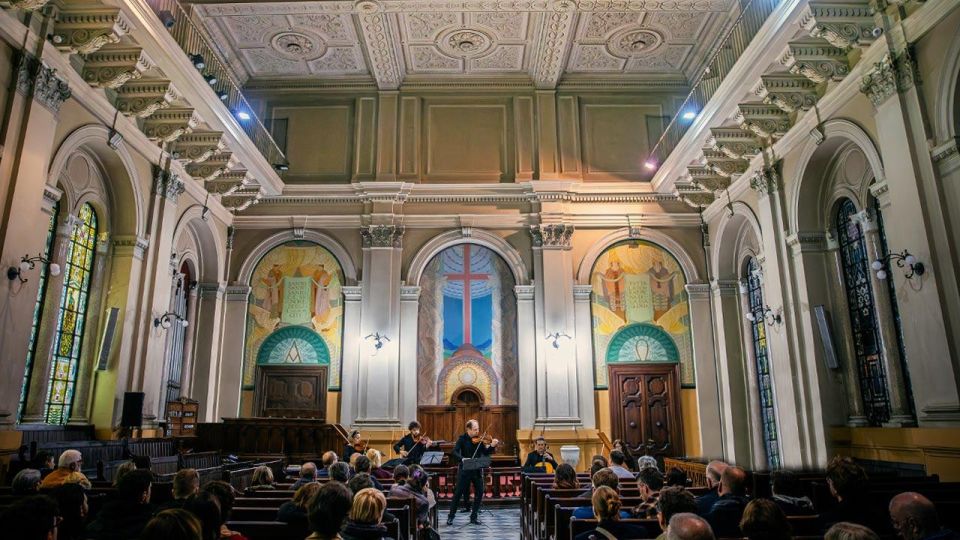
One of the most practical (and slightly tricky) things here is that the concert can be in one of three locations, depending on the session you book. All of them are central Rome options, but they create different vibes and different “how will it feel in my body” questions.
Here are the three venues you can run into:
- Chiesa Evangelica Metodista (Via XX Settembre 122 c)
- Sala Dante of Palazzo Poli (Via Poli, 54)
- Horti Sallustiani (Piazza Sallustio 21), with two possible showings at 7:00 pm and 9:00 pm
The meeting point is the Chiesa Evangelica Metodista, so plan your arrival route accordingly. From there, you’ll be guided to the performance space for your specific date/time.
Chiesa Evangelica Metodista: small church acoustics with a comfort warning
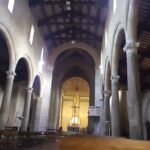
If your concert is in the church, the big win is sound. Many audience notes point to acoustics that are very good even in a smaller space. That’s exactly what you want for Vivaldi: clarity of the violin line, enough resonance to make the harmonies feel alive, and no “blank” effect where everything blurs.
The tradeoff is body comfort. A few people mention the church being chilly. Others report it can get hot, even in the evening. So I’d bring a light layer you can keep on your lap or shoulders. In a stone room with a small audience and lots of sound, temperature is part of the experience—plan like a grown-up, not like you’re heading to the beach.
One more small practical thought: lighting is sometimes mentioned, with a wish for softer illumination. That affects how much you can comfortably see the performers, but it usually won’t change the music quality.
Sala Dante of Palazzo Poli: Trevi Fountain from your seat
If you’re lucky enough to get Sala Dante of Palazzo Poli, you’re adding a visual treat that almost never happens with classical concerts. The setup includes windows where you can overlook Trevi Fountain while you listen. That means the music isn’t just “in a room”—it’s happening with Rome right there at eye level.
This venue is also a great choice if you want the evening to feel like a mini-event. After the concert, you can keep the night going without spending time figuring out transit. You’re already in the central area where you’ll find easy wandering and rooftop-bar energy.
One caution: if you’re sensitive to crowding or you care a lot about where you sit, first come first served matters even more when views are part of the magic.


Horti Sallustiani: two showtimes for an outdoor-or-periphery evening feel
Horti Sallustiani comes with two sessions: 7:00 pm and 9:00 pm. That’s handy when you’re trying to fit classical music into a day of sightseeing. It also gives you a choice in terms of how the evening will feel—early show for sunset energy and late show for darker-night atmosphere.
Because the specific setting details aren’t listed beyond the venue name and location, I’d treat this as the option that may feel less “church intimate” and more “evening event.” If your priority is maximum acoustic purity, the church is usually the safest bet. If your priority is timing flexibility and a different mood, Horti Sallustiani is worth it.
The 80-minute program: listening guide for Spring to Winter
The program is the full Four Seasons cycle, presented through Vivaldi concertos for string orchestra, with violin soloist, and with the harpsichord part of the ensemble sound.
Here’s what to listen for, movement by movement:
Spring (Concerto No. 1 in E Major, RV 269)
Expect playful motion. The piece leans into the feeling of birds and early-season life, with quick phrases and a dance-like quality. The contrast between relaxed lyrical sections and more energetic figures is the whole point—Vivaldi wants you to hear “wake-up” energy.
Summer (Concerto No. 2 in g minor, RV 315)
Summer is where the drama ramps up. The storm section is part of the fame, and you’ll hear escalating rhythmic intensity that turns from heat into danger. Even without knowing the story beforehand, you’ll recognize how the music changes pace and tension. The harpsichord helps keep that rhythmic realism sharp.
Autumn (Concerto No. 3 in F Major, RV 293)
Autumn is often described with peasant dance and song energy, then it shifts into darker, sleepier, and then hunt-like excitement. The transitions are where you get the most value live, because timing is everything. You’ll feel when the mood switches, rather than just hearing “different sections.”
Winter (Concerto No. 4 in f minor, RV 297)
Winter’s famous details are the cold edges: tight phrasing, a sense of shivering, and then the rain and chill feeling that keeps pulling the listener along. The movement structure makes it easy to follow even if you’re not reading along.
One practical takeaway: because it’s roughly 80 minutes, you’re not committing to a long marathon. It’s a strong “evening anchor” after a day of museums, especially if you want something cultural that isn’t just walking around another piazza.
Price and value: why about $35 for Vivaldi feels fair
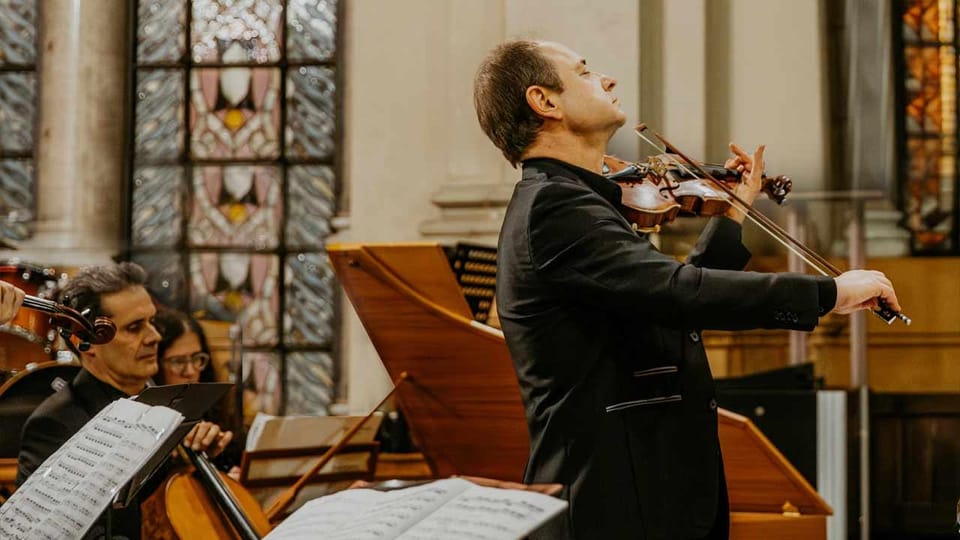
At $35 per person for an 80-minute performance, the value is mostly about what you get for the time. You’re paying for a complete Four Seasons experience with a real soloist, strings, and harpsichord—performed in an intimate setting. This isn’t a ticket for background ambiance. It’s a focused concert ticket with a program that has enough variety that even non-experts will stay engaged.
It also helps that the location options are central. If your concert includes the Trevi Fountain view, you’re effectively buying two things at once: music plus a rare Roman perspective. Even without the view, you still get the advantage of hearing Baroque music in a space made for it, where small-scale acoustic performance can feel vivid.
If you’re traveling as a family, you may find this duration easier than longer classical programs. One review note called out how it worked well for children aged 4 and 8, which suggests the pacing is friendly for younger audiences who can handle quiet attention for about an hour.
How to make it your best Rome night: timing, seats, and what to bring
Because seats aren’t numbered and it’s first come first served, you should think like a practical traveler. If you care about seeing the musicians clearly or you want a better line of sight, arrive with a little buffer. Don’t cut it to the last minute.
Temperature is the other real variable. People mention both chilly and hot conditions, so pack for “church weather,” not “Rome weather.” Bring a light layer and something warm for your lap. If you run cold easily, plan extra.
Finally, treat the concert as part of your Rome route. When the venue gives you Trevi Fountain, your post-concert plans are instantly easier. If it’s in the church instead, you’ll still be in the city center, so think dinner + a relaxed walk afterward.
Who should book this concert?
This is a strong match if you:
- want a classic Roman music evening without a long commitment
- enjoy Vivaldi or want a clear first introduction
- like hearing Baroque with the harpsichord sound in the mix
- would enjoy a venue moment, especially a Trevi Fountain view
It may be less ideal if you:
- need guaranteed numbered seating or reserved specific views
- are very sensitive to temperature swings in indoor venues
Should you book The Four Seasons by Vivaldi in Rome?
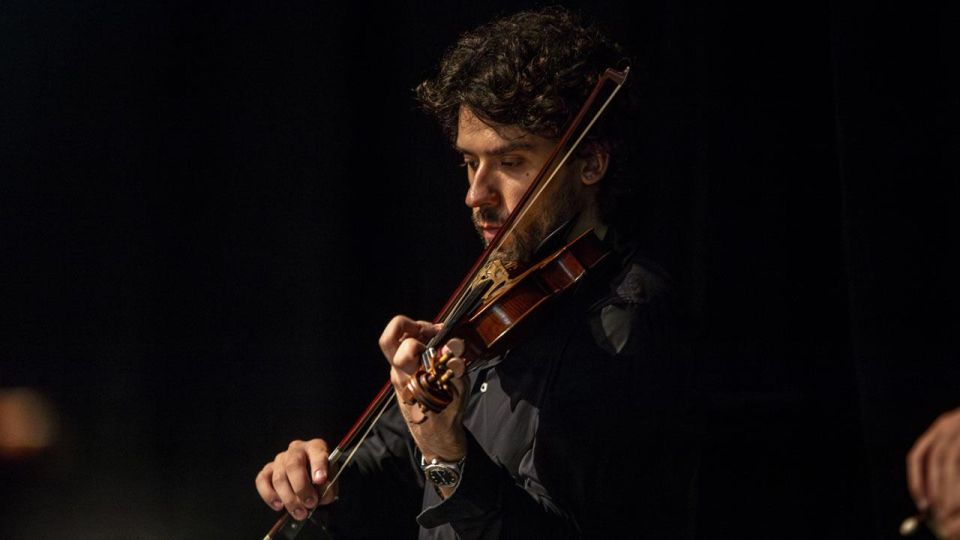
Yes, I think you should book it—if you’re excited by live Baroque music and you’re okay with the tradeoff of first come first served seating. For the price, it’s a solid way to hear the entire Four Seasons cycle performed by Elvin Dhimitri, strings quintet, and harpsichord, and to do it in central Rome settings that can feel genuinely special.
If you want the most “Rome moment,” pick the session in Sala Dante of Palazzo Poli for the Trevi Fountain sightline. If you prefer a more classic concert atmosphere, the church option is the safest bet for sound, just be ready for whatever temperature the room decides to deliver that night.
FAQ
Where does the concert meeting point start?
You’ll meet at Chiesa Evangelica Metodista, Via XX Settembre 122 c, Rome.
How long is The Four Seasons performance?
The duration is listed as 80 minutes.
What is the price per person?
The price is $35 per person.
Who performs the concert?
It’s performed by violin soloist Elvin Dhimitri, a strings group, and harpsichord, under Opera e Lirica.
What music is included?
The full program is Vivaldi’s The Four Seasons, with four concertos: Spring, Summer, Autumn, and Winter (RV 269, RV 315, RV 293, RV 297).
Are seats numbered?
No. Seats are not numbered, and seating is first come first served.
Where can the performance take place?
It can take place at Chiesa Evangelica Metodista (Via XX Settembre 122 c), Sala Dante of Palazzo Poli (Via Poli 54), or Horti Sallustiani (Piazza Sallustio 21).
Is there more than one showtime on some dates?
Yes. At Horti Sallustiani there are two concert times: 7:00 pm and 9:00 pm.
Is free cancellation available?
Yes. Free cancellation is available up to 24 hours in advance for a full refund.