REVIEW · MILAN
Milan: Villa Necchi Campiglio Entry Ticket
Book on GetYourGuide →Operated by FAI - Fondo Ambiente Italiano · Bookable on GetYourGuide
A Milan villa with real atmosphere. Villa Necchi Campiglio lets you see how high-end Italian domestic life looked in the 1930s, and it pairs that with a calm garden setting that makes the interwar glamour feel close-up and human. I love the way the house shows changing interior tastes without feeling like a museum display, and I also love the sense of space you get from the grounds around the villa.
The one thing to consider: not all areas may be open every day, and the basement can be closed depending on the visit.
In This Review
- Key things to know before you go
- The 60-minute experience: what you actually see
- Enter at Via Mozart, and don’t get fooled by directions
- A 1930s villa by Portaluppi: architecture you can spot fast
- The garden and pool: slow down and actually look
- Discover the house: the “domestic luxury” lesson
- Art in context: how the rooms tell a family story
- Staff support: friendly guides and small explanations
- Price and value: $17 for a focused Milan stop
- Where this fits in your Milan day
- Accessibility and pacing: smooth but plan for room changes
- Should you book Villa Necchi Campiglio?
- FAQ
- How long is the Villa Necchi Campiglio visit?
- Where do I meet for the ticket entry?
- Is any food included with the entry ticket?
- What is the price per person?
- Is there free cancellation?
- Are there wheelchair access options?
- Does the visit include the villa only?
- Final call
Key things to know before you go
- A tight 1-hour visit that’s enough time to see the core rooms and settle into the garden views.
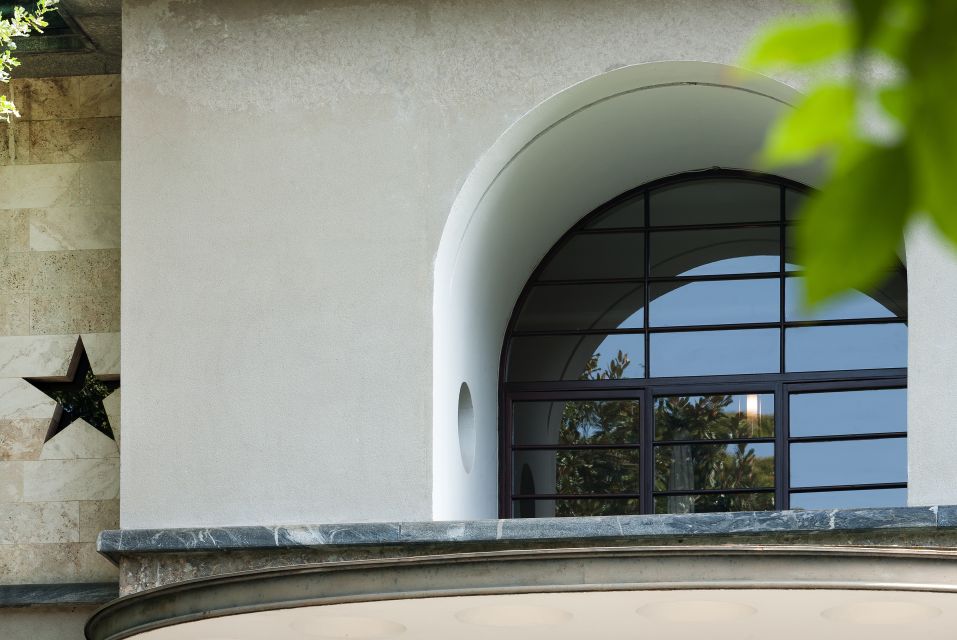
- Designed by Portaluppi in the original era, so the architecture is part of the experience, not just background.
- Interwar family life, not just furniture: the rooms help you picture how a household ran.
- Friendly staff and docents in many rooms, with serviceable English available if you ask.
- Plan for possible room access changes, since some parts like the basement may not be available.
- Location convenience near the fashion district, with about a 10-minute walk from San Babila.
The 60-minute experience: what you actually see
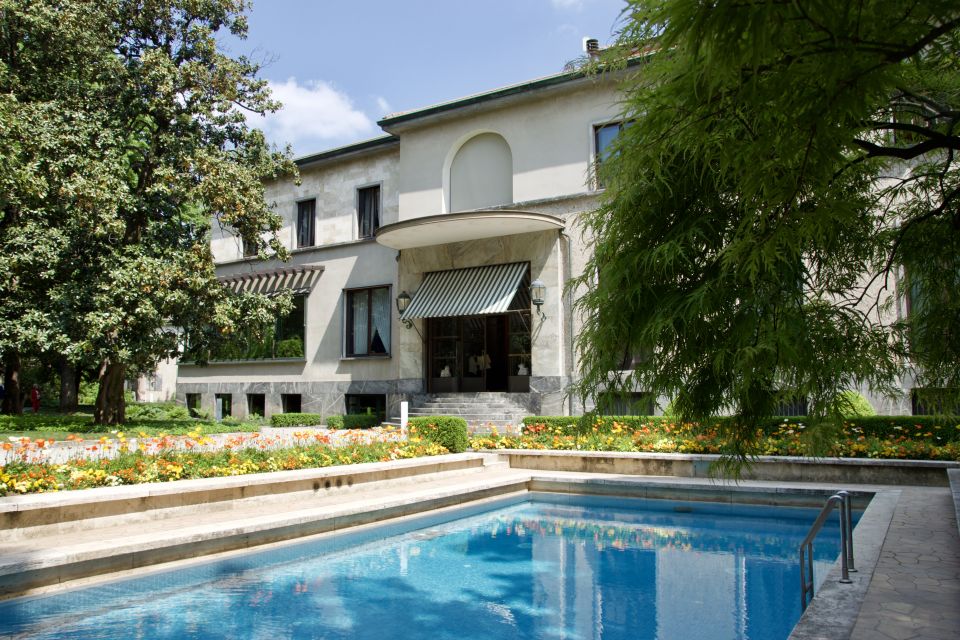
Villa Necchi Campiglio is built for a short, satisfying visit. You’re looking at a 1-hour entry ticket, which means you can fit it into a Milan day without racing across the city or stuffing it into the last minutes before dinner.
In that hour, the goal is to move through the main interior areas and take in the outdoor spaces that frame the home. The house setting is especially good for photos, but the better payoff is how the design feels lived-in: light levels, room flow, and the way different surfaces and colors work together.
If you like architecture, this is the kind of stop that doesn’t require a textbook. Even if you don’t obsess over design theory, you’ll start noticing details fast, like how the home balances formality with everyday comfort.
You can also read our reviews of more tours and experiences in Milan.



Enter at Via Mozart, and don’t get fooled by directions
The meeting point is straightforward but easy to mess up: go to the entrance on Via Mozart. One practical tip from real-world experience: ignore route suggestions that try to steer you to the wrong spot. The entry is not where you’d naturally expect it to be from the street approach.
Also, get your bearings quickly. The tour starts inside, so you shouldn’t stand around at the curb waiting for something to happen. Once you’re through the entrance, you can settle into the visit with less stress and less last-minute confusion.
This matters in Milan. Streets can be busy, sidewalks can be crowded, and a small routing mistake can turn a calm hour into a slightly irritated one.
A 1930s villa by Portaluppi: architecture you can spot fast
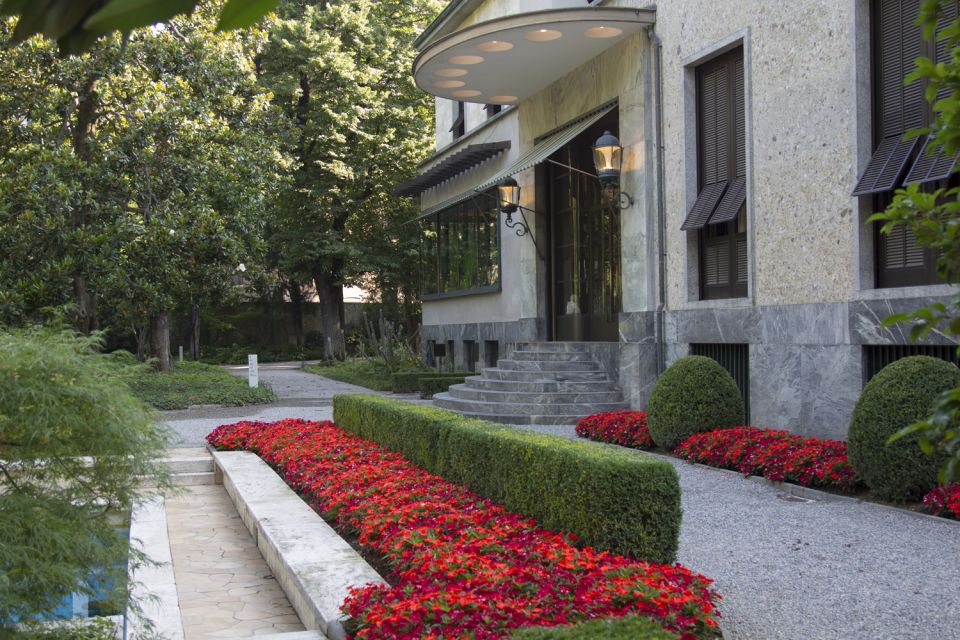
The villa is strongly tied to its original design era. It was created in the 1930s and is associated with the architect Portaluppi, which gives you a clear context for what you’re looking at: a home shaped by the aesthetics of its time, and a layout designed to showcase elegance in daily life.
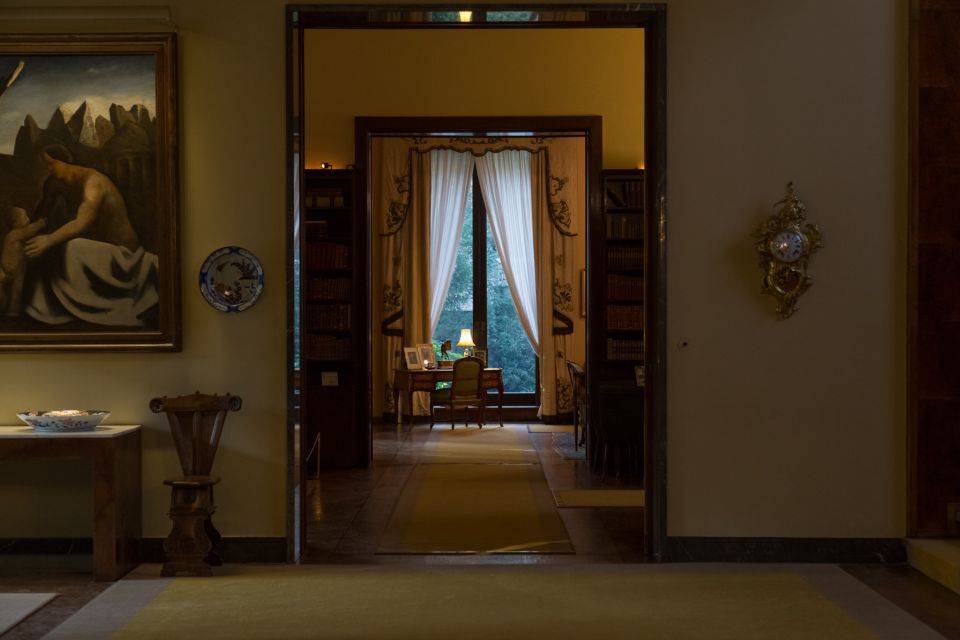
When you move through, pay attention to how the home handles transitions. Rooms aren’t just separate spaces; they feel connected through sightlines and placement of key furnishings and art. The effect is that you get a sense of order, but not stiffness.
This is also a place where restoration matters. The house has been put back so carefully that it feels like you’re seeing the original idea rather than a “best effort” imitation. When restoration is done well, you don’t just see pretty rooms. You feel how the home would have worked for the family living there.
The garden and pool: slow down and actually look
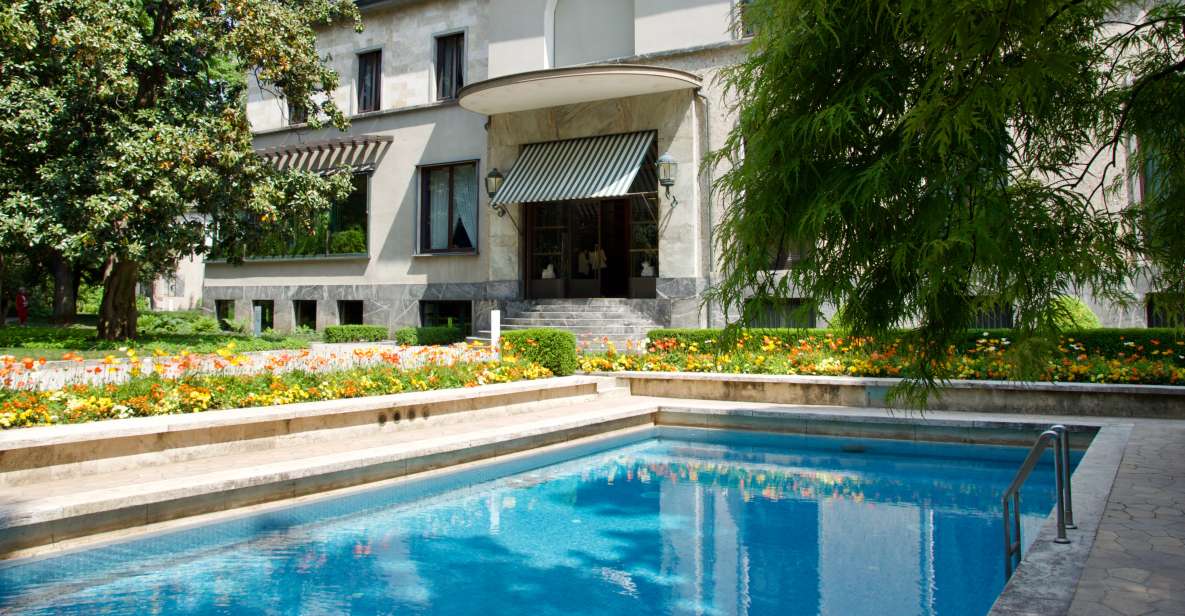
The grounds are a big part of why this ticket feels worth it. The villa is surrounded by a peaceful garden, and you get a break from the city’s pace even though you’re near Milan’s fashion zone.
In the outdoor area, the highlights are the visual contrast. Think bold color from plantings against clean architectural lines. You may also notice the iconic pool setting, which gives the garden a distinctly glamorous edge that fits the era the house represents.
I like this stop because you can slow down without feeling guilty. You’re not trapped inside watching a screen or following a tight script. You can pause, look up, and let the place reset your head.
If your day is packed with Duomo photos and shopping windows, this garden time can be the change of pace you’re craving.
Discover the house: the “domestic luxury” lesson
Villa Necchi Campiglio isn’t presented as a sterile showroom. The rooms are arranged in a way that helps you understand how a well-off Milanese family might have lived between the wars.
This is where the experience becomes more than pretty décor. You’ll see how the home communicates status through refined choices, from the feeling of the interiors to the art selections on display. The big takeaway is that luxury here isn’t only about wealth. It’s also about taste, comfort, and how people wanted their home to function socially.
You’ll likely spend time in rooms where staff can point out features. In practice, many areas are supported by docents who explain what to look for, and if you ask, some staff can manage serviceable English. If the visit is mostly Italian, that’s still okay. Body language and simple prompts go a long way when someone is trying to help.
One more practical note: the basement may not be available on every visit. If you’re hoping to see every corner, keep expectations flexible.






Art in context: how the rooms tell a family story
The villa holds sensational works of art, and the best part is how they relate to the rooms around them. It doesn’t feel like random artwork glued to walls. Instead, the art is part of the atmosphere of the home, tied to the same design sensibility that governs everything else you see.
The whole place is about immersion in a specific lifestyle: Milan’s interwar years, seen through the lens of one family. That means you’re not only looking at objects. You’re building a picture of how people arranged beauty in everyday corners—how they displayed taste, hosted guests, rested, and moved through their own space.
If you love design, you’ll enjoy how the house reflects changing interior tastes. If you’re more into cultural storytelling, you’ll likely appreciate how the home gives the era a human scale.
Either way, this isn’t just one more “walk and look” site. It has a point of view, and the restoration supports it.
Staff support: friendly guides and small explanations
A recurring theme is the warmth of the people working there. Staff are friendly, and docents are present in many rooms to answer questions if you want more detail.
That matters more than you might think. In a short 1-hour visit, you don’t have time for wandering and guessing. When staff can explain what matters—what you’re seeing, why it’s here, and what it connects to—you get more value without extending your time.
Even if language is a bit of a wildcard, don’t be shy about asking. Serviceable English has been reported, and even when full explanations aren’t possible, you can still learn the key points by asking simple questions like what to focus on in a room.
Price and value: $17 for a focused Milan stop
At about $17 per person, this ticket lands in a “worth it if you like the premise” category. You’re not paying for a half-day outing, and you’re not paying for a meal. This is an entry ticket to a restored villa plus the benefit of on-site explanations.
So the value depends on you:
- If you enjoy architecture, interior design, or elegant home museums, this is a great use of time.
- If you only want big outdoor sights or grand city views, you might find it more interesting than life-changing.
The timing helps. One hour is long enough to feel satisfied, but short enough to pair with other nearby Milan highlights. You can do Villa Necchi, then keep moving through the fashion district or head toward Duomo-area sights.
And since it’s only entry (no food included), you can decide your own rhythm: quick coffee nearby, a proper lunch when the day is ready, or a late aperitivo after your walk.
Where this fits in your Milan day
I think this works best as a calm counterweight to the intensity of central Milan. It’s not far from major areas, about a 10-minute walk from San Babila, and it sits near the fashion district by Via Montenapoleone.
Try it like this:
- Morning: do it early for quieter garden time and easier photo stops.
- Afternoon: pair it with shopping streets, since it’s close to that whole zone.
- Late day: if you’re tired, the calm garden setting is a nice wind-down before dinner.
You’ll also appreciate it more if you’re in a museum-and-architecture mood. If your travel style is mostly landmarks and views, you can still enjoy it, but plan to focus on the details rather than expecting a single signature panorama.
Accessibility and pacing: smooth but plan for room changes
The villa is listed as wheelchair accessible, which is a big plus for travelers who need step-free options. The visit is also designed for a short time window, so pacing is generally manageable.
The one “pace spoiler” can be access variation. The basement may not be open, depending on the day. That’s not unusual for historic properties. The key is to treat the basement as a bonus, not a promise.
If you like checking off every space, go into the visit with the mindset that you’re here for the main rooms and garden experience, not a full explore-your-way-through every level.
Should you book Villa Necchi Campiglio?
Book it if you want a refined, era-specific look at Milan that doesn’t require a long schedule. The 1930s villa setting, the garden calm, and the way staff help you understand what you’re seeing make this a smart use of one hour.
Skip it or rethink your priorities if:
- You mainly want dramatic outdoor sights and city panoramas.
- You’re traveling with someone who only cares about major landmarks and not design or art in domestic spaces.
If you do book, come with one goal: look at the house as a story. Notice how the rooms connect, how the art fits the mood, and how the garden changes the tone of the day. That’s what turns a ticket into a memory in Milan.
FAQ
How long is the Villa Necchi Campiglio visit?
The entry ticket experience is scheduled for 1 hour.
Where do I meet for the ticket entry?
Go to the entrance of Villa Necchi located on Via Mozart.
Is any food included with the entry ticket?
No. The ticket does not include food or a restaurant meal.
What is the price per person?
The price is listed as $17 per person.
Is there free cancellation?
Yes. You can cancel up to 24 hours in advance for a full refund.
Are there wheelchair access options?
Yes. The villa is listed as wheelchair accessible.
Does the visit include the villa only?
Yes. What’s included is the entry ticket to Villa Necchi Campiglio.
Final call
If you’re spending time near San Babila or the fashion district and you want a calm, design-focused Milan break, this is an easy yes. The ticket is affordable for what you get in one hour, and the on-site explanations help you leave with more than just photos.