REVIEW · CATANIA
Mount Etna: Ascent to 2800m by 4×4
Book on GetYourGuide →Operated by ALTERNATIVETNA · Bookable on GetYourGuide
Cold air, big skies, and a real volcano up close. This 2.5-hour 4×4 ascent takes you high enough to see the craters, lava fields, and sea views without committing to a long hike, and you’ll get expert explanations from a volcanologist guide. The main downside is simple: it can feel very cold at altitude, and the crater edges are near enough that you’ll want to take safety seriously (especially around kids).
If you’ve been wanting Etna, this is one of the more practical ways to do it: short walking breaks, lots of window-view stops, and a fast way to reach the 2800m area. Guides like Giuseppe and Flavio have a clear way of explaining what you’re seeing, and that makes the whole experience click.
Key points I’d underline before you go
- 4×4 road access gets you up to the 2800m zone quickly, with unpaved driving through volcanic terrain
- Guided science with real context, explained by the volcanologist guide (often in clear English like Giuseppe and Flavio)
- Short treks that still bring you to crater viewpoints near 2865m, depending on conditions
- Valle del Bove views and wide Sicilian-coast panoramas from above the northeast crater
- 2002 eruption crater edge stop adds a “why the ground looks like this” anchor moment
- Plan for cold: snow can happen up there even when lower Sicily feels warm
In This Review
- Mount Etna by 4×4: Why This Cuts to the Good Stuff
- Start at Piano Provenzana, Then Climb Toward Pizzi Deneri (2810m)
- Otherworldly Craters and Old Volcano Scars: What the 2800m Stops Feel Like
- A Short Walk, Then a Descent: How the Timing Works in 2.5 Hours
- The 2002 Eruption Crater Edge: Why This Stop Matters
- Volcanologist Guide Talk: From Giuseppe to Flavio, You’ll Want Questions
- What About the Weather Up There: Cold, Wind, and Possible Snow
- Price and Value: Is $100 Worth 2.5 Hours on Etna?
- Who Should Book This, and Who Should Skip
- Should You Book the Etna 4×4 Ascent to 2800m?
- FAQ
- Where does the tour start?
- How long is the Mount Etna ascent by 4×4?
- What’s the price per person?
- What do you do during the tour at altitude?
- What’s included in the ticket?
- What languages are offered?
- Is the tour suitable for everyone?
- What should I bring?
- Is it wheelchair accessible?
- What’s the cancellation policy?
Mount Etna by 4×4: Why This Cuts to the Good Stuff
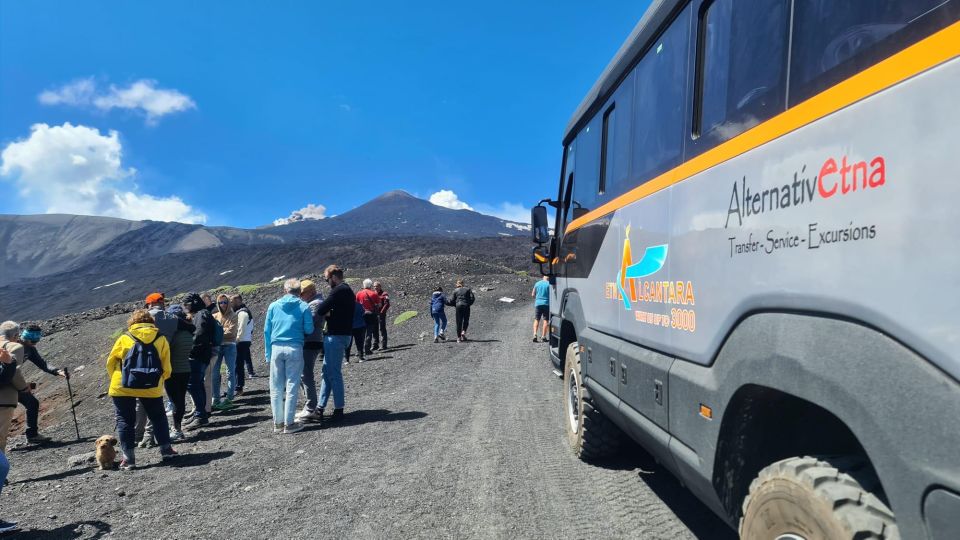
Mount Etna isn’t subtle. The moment you’re up high, you stop seeing a “mountain” and start seeing a working system—craters, fresh-looking scars, and the way lava reorganizes the ground.
What I like about this format is the balance. You’re not stuck on a bus for the whole trip, but you also aren’t hiking for hours. You get driving up unpaved volcano roads, then short walks that put you at viewing points with the kind of scale that’s hard to grasp from the plains.
The other big plus is that the guide is a volcanologist, not just a driver with a few facts. That matters because you’re not only looking at geology—you’re learning how to read it: what different crater areas mean, why the valleys and ridges look the way they do, and what current activity affects during the day.
Start at Piano Provenzana, Then Climb Toward Pizzi Deneri (2810m)
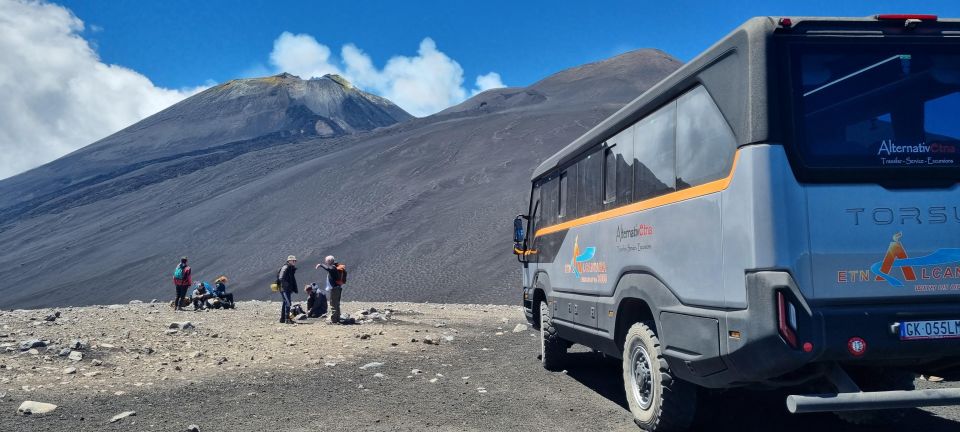
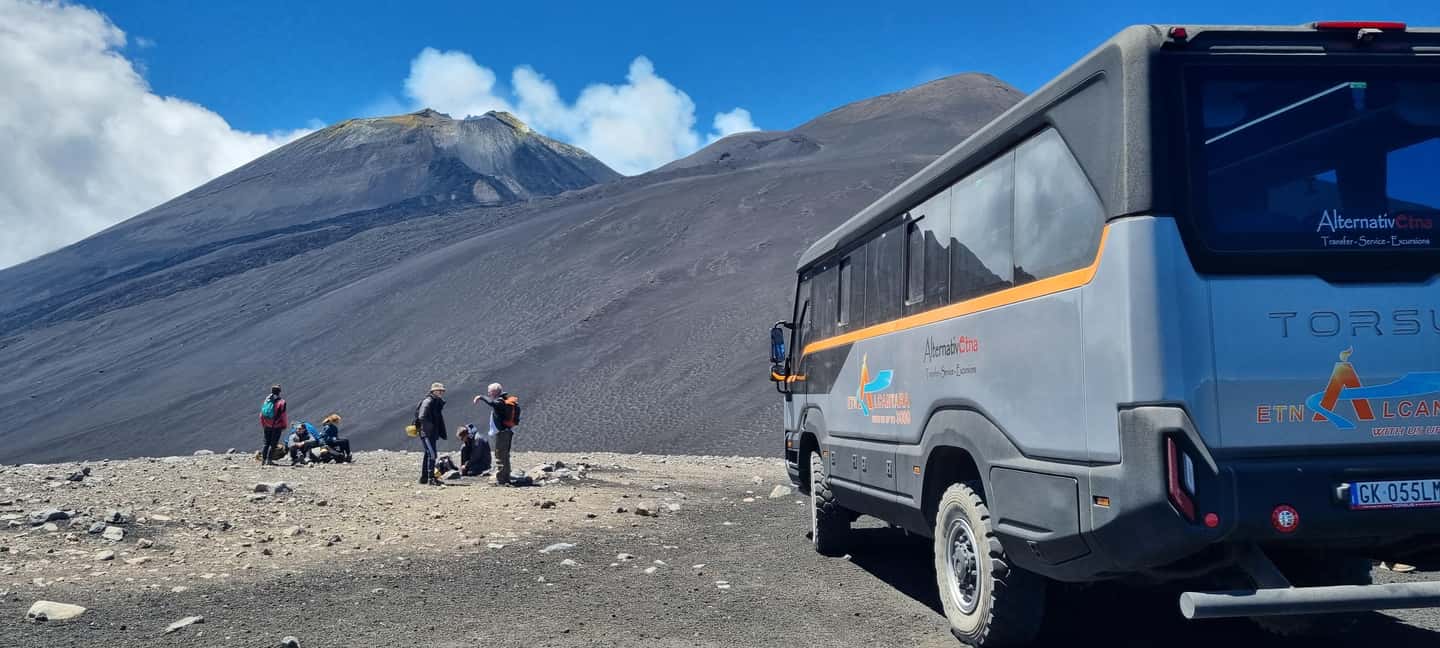
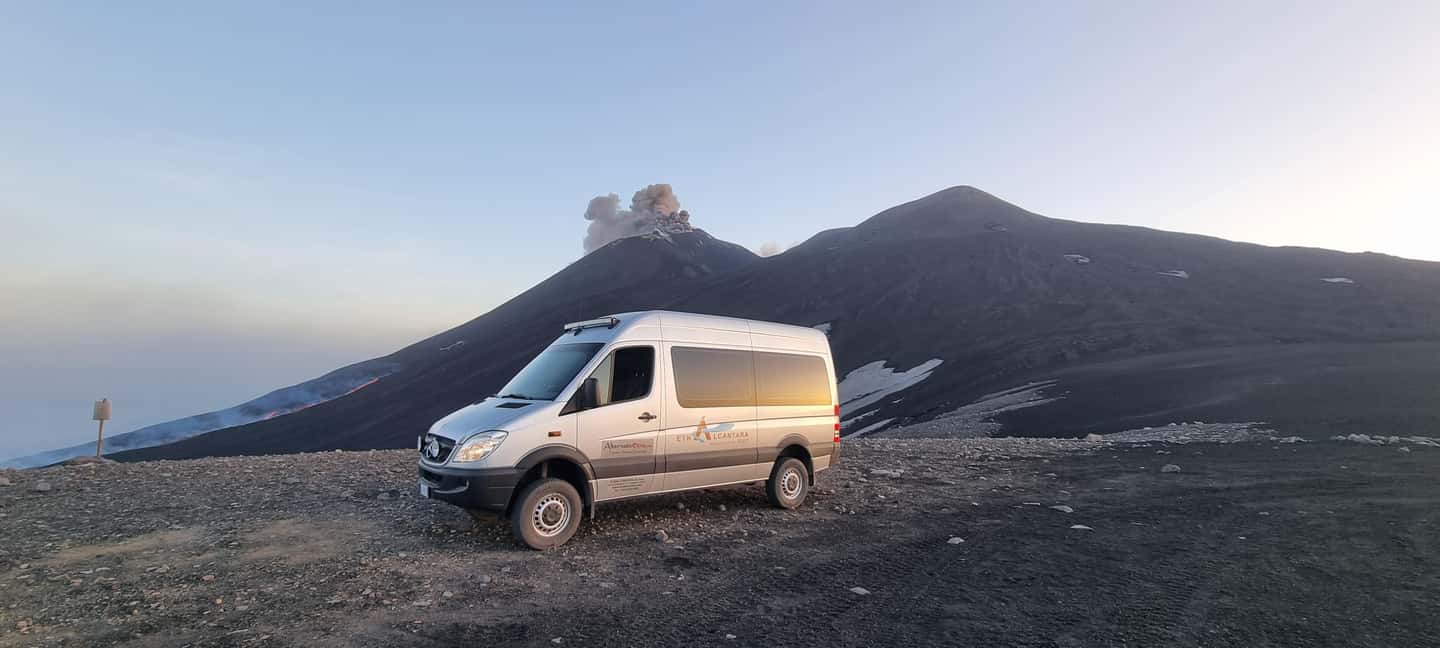
Your day starts in Piano Provenzana on Etna’s north side. From there, you board a comfortable 4×4 vehicle and start climbing on unpaved roads. This isn’t a gentle drive; it’s part of the attraction. You feel the ground changing under you as the volcanic terrain takes over.
The first altitude “wow” is the approach to Pizzi Deneri, the astrophysical observatory at 2810m. Even if you’ve never looked through a telescope, the setting makes sense: this is high, exposed, and built for clear skies.
At these heights, visibility can shape the whole experience. When clouds drift in, you still get dramatic atmosphere—craters can hide and reappear, and the world can look otherworldly. When the air is clear, you’ll get long coastal views out toward the sea.
You can also read our reviews of more tours and experiences in Catania.
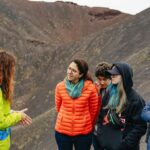
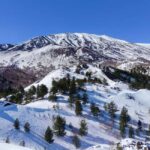
Otherworldly Craters and Old Volcano Scars: What the 2800m Stops Feel Like
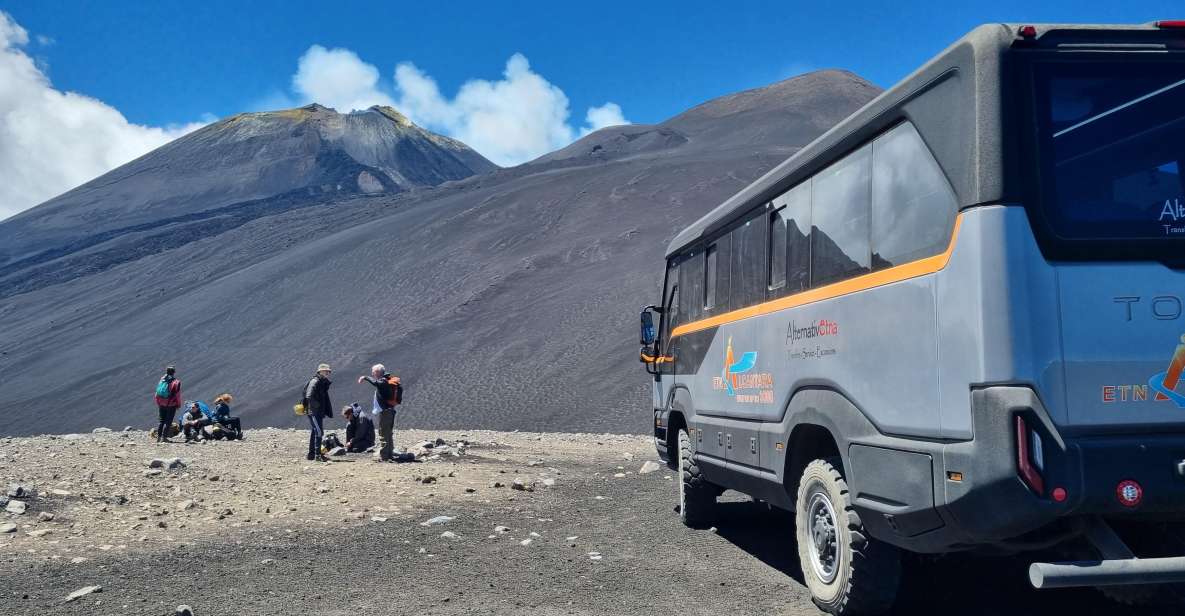
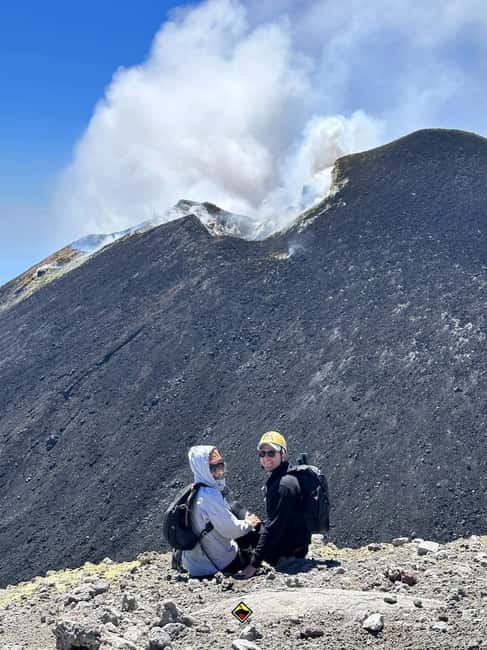
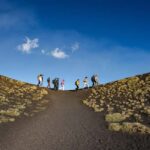
Once you reach the 2805m area, you’ll swap from vehicle views to a short trek upward, with a goal altitude around 2865m depending on volcanic conditions. The walk is brief, but it’s enough to make the scenery feel close and physical instead of distant.
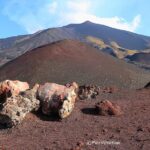
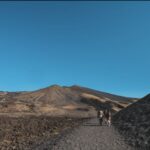
Expect lava-field walking. You’ll see the ground in a way that’s hard to replicate elsewhere in Europe: dark surfaces, rough textures, and old craters that look like they were carved by a giant hand. The terrain can feel lunar—flat in spots, jagged in others, with the sea far below.
One of the most impressive parts of this higher viewpoint is what you look down at. You’ll get a view of Valle del Bove beneath the northeast crater. That single sight helps you understand Etna as a system, not just a peak—there’s an entire basin-like story under your feet.
Also, you’ll be learning while you look. A volcanologist guide explains what you’re seeing as panoramic vistas stretch across Sicily’s coast. For many people, the “aha” moment is realizing that the rocks and shapes aren’t random. They’re the result of repeated activity, and today’s path is built around that reality.
A Short Walk, Then a Descent: How the Timing Works in 2.5 Hours
This is designed to fit into a half-day without feeling rushed. After the higher viewing moment, you head back down by 4×4 to around 2200m.
Then comes another short walking segment—about 20 minutes—to reach the edge of the crater left from the 2002 eruption. This part is valuable because it gives you a clear visual reference. You’re not only looking at “old” volcano shapes in general; you’re standing at a specific aftermath.
You’ll also get the sense of how fast the day can change. Up high, the air can turn sharply cold. Lower down, it may feel more forgiving. That’s why this tour’s structure works well: you don’t lose the entire day to cold waiting.
The 2002 Eruption Crater Edge: Why This Stop Matters
If you remember one thing about Etna after your trip, it should be the cause-and-effect relationship the guide helps you see.
The 2002 eruption crater edge stop anchors the whole experience. From the higher viewpoints, the volcano can look like a big abstract scene. At the crater edge, it becomes specific. You’re standing at the edge of what happened during a real event, and that helps you connect the “science words” to something visible.
It’s also where you’ll feel the closeness of the terrain. The viewpoint requires you to walk and stand near rim areas. That doesn’t mean it’s unsafe when managed well—but it does mean you should take it seriously: keep your footing, watch your step, and follow your guide’s safety instructions.
A practical note based on what I’ve heard from other visitors: if you’re traveling with kids, keep a close eye. Rims can attract “let’s get one more photo” energy, and this is exactly when you don’t want distractions.
Volcanologist Guide Talk: From Giuseppe to Flavio, You’ll Want Questions
A big reason people rate this tour so highly is the guide’s communication style. Names that come up often are Giuseppe and Flavio, and they’ve been described as patient, clear, and fluent in English. That matters more than you might think.
When a volcanologist explains Etna, you start connecting observations:
- why one crater area looks different from another
- how activity affects what you’ll be able to do that day
- what the valleys and ridges suggest about past flows
And because it’s a smaller, concentrated format, you can actually ask questions instead of feeling like you’re just passing through. If you’ve ever wondered how scientists watch a living volcano, this is one of the better ways to get your curiosity answered without drowning in technical jargon.
Tip: bring a couple questions to the top. Something like how conditions decide whether you go a bit higher, or what clues tell you about the most recent activity. When the guide is teaching, these are the questions that get the most satisfying answers.
What About the Weather Up There: Cold, Wind, and Possible Snow
Let’s be real: altitude weather is the hidden variable on Etna.
Even when it’s comfortable in lower areas, the higher you go, the more you’re dealing with cold air and wind. One visitor experience included snow starting while they were up near the crater area, and that’s not the kind of surprise you want with just a thin layer.
I’d plan for cold even in summer. Wear hiking pants and closed hiking shoes (you’ll want grip on uneven volcanic surfaces). Bring sunglasses—brightness can be intense at altitude. And do not ignore a daypack: you’ll want a place for warm layers and whatever personal essentials you’ll keep with you.
If you run hot, great. If you don’t, bundle up. The tour is short enough that dressing right turns the whole experience from “tolerable” into “comfortable enough to enjoy.”
Price and Value: Is $100 Worth 2.5 Hours on Etna?
At $100 per person for about 2.5 hours, this tour is basically paying for three things:
1) access to the 2800m zone via 4×4 without a long hike
2) a volcanologist guide who explains what you’re seeing
3) guided short walks that still hit the key viewpoints (including the 2002 eruption crater edge)
If you’re trying to do Etna in limited time, that value math adds up fast. You’re not giving up the day. You’re not stuck in a full-day slog. And you still get multiple altitude perspectives: the observatory area, the crater viewpoints near 2865m, then the crater edge at lower altitude.
Could you do Etna cheaper by going independently? You might, depending on what you already have planned and how you handle transportation. But in terms of “time-to-reward,” this kind of guided ascent often wins. You get the big sights plus the explanation that makes those sights legible.
Who Should Book This, and Who Should Skip
This experience fits best if you want Etna without turning your vacation into a long physical grind. It’s short, guided, and built around viewpoints you can reach with brief treks rather than all-day walking.
It’s also a good choice if mobility is limited. The tour is listed as wheelchair accessible, which matters because a high-altitude Etna day can otherwise be tough for people who can’t manage lots of uneven terrain. That said, the same tour data also lists medical and age limits.
You should avoid this if you have:
- back problems
- heart problems
- high blood pressure
- if you are pregnant
- if you have babies under 1 year
- if you’re over 95
That list isn’t there to be dramatic. It’s because the activity involves altitude, walking on volcanic ground, and close proximity to crater rims.
If you’re traveling with kids, I’d be extra cautious. The routes can bring you close to crater edges, and cold can also make kids less cooperative. If you do go, you’ll want to prioritize safety over photos.
Should You Book the Etna 4×4 Ascent to 2800m?
Book it if you want Etna’s highest reachable 4×4 zone with a volcanologist guide, short walks, and real payoff in a compact time window. The value is strongest for people who want the geology and the views without committing to a longer hike.
Pass or consider a different style of Etna outing if cold weather, crater-edge walking, or your medical situation makes this a poor fit. Also think twice if you know you’ll struggle with basic hiking footing.
If you’re aiming for a practical, high-impact Etna day—this is the kind of tour that gets you above 2800m and back again, with stories you’ll remember long after the volcano fades behind you.
FAQ
Where does the tour start?
The meeting point is at the Alternativetna office.
How long is the Mount Etna ascent by 4×4?
The duration is 2.5 hours.
What’s the price per person?
The price is listed as $100 per person.
What do you do during the tour at altitude?
You’ll take a 4×4 up Mount Etna, reach about the 2810m area near Pizzi Deneri, do a short trek toward roughly 2865m depending on volcano activity, then descend and do another short walk to the crater edge from the 2002 eruption.
What’s included in the ticket?
It includes a licensed volcanological guide and round-trip transportation by 4×4 bus.
What languages are offered?
The live tour guide is available in English and Italian.
Is the tour suitable for everyone?
It is not suitable for pregnant women, people with back problems, people with heart problems, people with high blood pressure, babies under 1 year, or people over 95 years.
What should I bring?
Bring sunglasses, hiking shoes, a daypack, and hiking pants.
Is it wheelchair accessible?
Yes, the tour is listed as wheelchair accessible.
What’s the cancellation policy?
You can cancel up to 24 hours in advance for a full refund.