REVIEW · ROME
Skip the Line Tour: Vatican Museums and Sistine Chapel
Book on Viator →Operated by Greenline Tours · Bookable on Viator
One of Europe’s biggest art hits comes with less waiting. This Skip the Line: Vatican Museums and Sistine Chapel tour pairs a fast-track entry with a guided route that tries to keep you focused on the big moments. You’ll also add St. Peter’s Basilica so your Vatican day feels like more than just a museum stamp.
What I like most is the time-saving payoff: you’re paying to sidestep the worst of the museum queue and move efficiently through the collections. I also really appreciate the guide + headphones setup, because the Vatican is loud, crowded, and easy to tune out when you’re trying to read details.
One consideration: the experience can feel rushed when crowds swell, especially in the Sistine Chapel. If you’re the slow-and-savor type, you’ll want to mentally prepare for a “see it well, not linger forever” pace.
In This Review
- Key things to know before you go
- Why this Vatican skip-the-line tour feels worth it
- Coach ride from Rome to Vatican City: expect comfort, then reality
- Entering the Vatican Museums: how the route keeps you moving
- Hearing the story through headsets (and when accent can get in the way)
- Sistine Chapel: the short viewing window you should plan for
- St. Peter’s Basilica stop: Pietà, scale, and closure contingencies
- Pace vs. personal freedom: who will love this and who might not
- Dress code and security: the two rules that can ruin your day
- Price and value: what you’re really paying for
- Morning vs. afternoon tours: pick based on your tolerance for crowds
- Optional full-day Christian Rome upgrade: a different kind of day
- Should you book this Vatican Museums and Sistine Chapel skip-the-line tour?
- FAQ
- How long is the Vatican Museums and Sistine Chapel skip-the-line tour?
- What time options are available?
- Is the tour in English?
- Does the tour include admission tickets?
- What about security and waiting time?
- Is pickup or drop-off included?
- What dress code do I need for the Vatican?
- What if St. Peter’s Basilica is closed?
Key things to know before you go
- Fast-track museum entry helps you beat the longest lines, but you still go through security (plan extra time).
- Headphones mean you get commentary even in a noisy, tightly packed setting.
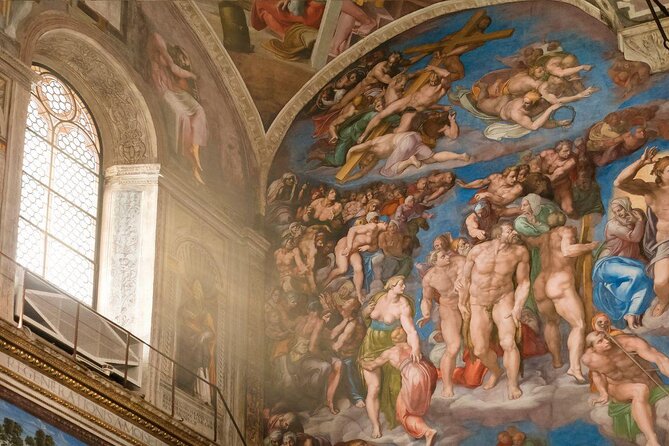
- Sistine Chapel time is limited, so keep your eyes up and don’t expect a long, quiet study session.
- St. Peter’s Basilica is a strong add-on, including Michelangelo’s Pietà if the schedule allows.
- Group size is capped at 20, which is manageable compared with larger bus tours.
- Dress code is strictly enforced (covered knees and shoulders), or you can be refused entry.
Why this Vatican skip-the-line tour feels worth it
The Vatican can eat an entire morning if you’re unlucky with lines. This tour is built around one job: getting you in faster so your guide time is spent inside, not standing outside with everyone else. For first-timers, that matters a lot because the Vatican’s scale is intimidating.
I also like the “greatest hits” structure. You’re not just wandering galleries at random—you’re routed through major highlights and guided toward what to actually look for. That’s especially useful if you don’t want to become an art historian between bus stops.
You do need to accept the trade-off. You’re paying for speed and focus, not long stretches of free-roaming silence. If you hate being guided along a schedule, you may feel like you’re getting ushered through rather than sightseeing at your own pace.
You can also read our reviews of more tours and experiences in Rome.
Coach ride from Rome to Vatican City: expect comfort, then reality
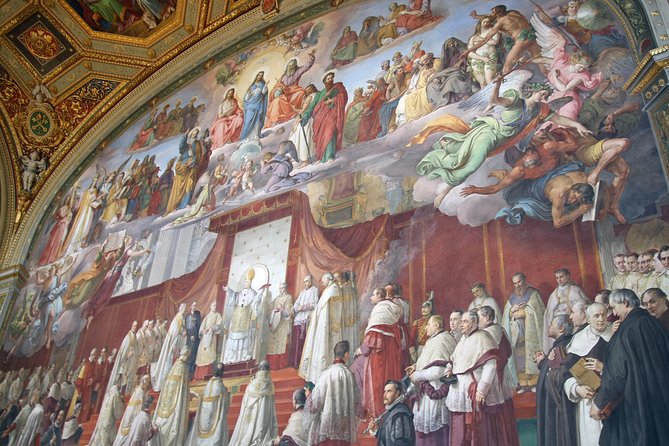
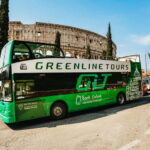
The tour uses an air-conditioned coach leaving from central Rome (the program notes boarding near Termini). This is a practical choice: you’re not trying to figure out transit with luggage, heat, and crowds.
Once you’re at the Vatican, the “skip the line” part mainly refers to entering the Vatican Museums. You’ll still face metal detectors, and you should expect to wait about 20–30 minutes to get cleared. So yes, it saves time—but no, it doesn’t eliminate waiting entirely.
This is also where planning pays off. Wear comfortable shoes, carry a small bottle of water if you can, and keep your outfit Vatican-compliant. The Vatican is strict here, and you don’t want your day derailed by something as simple as bare shoulders.
Entering the Vatican Museums: how the route keeps you moving
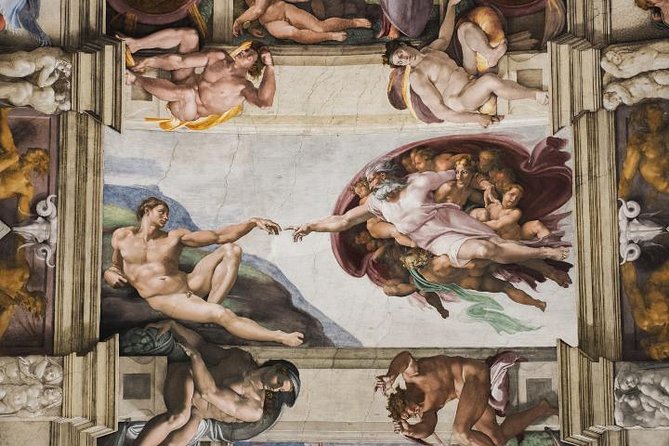
Inside the Vatican Museums, your guide helps you “turn the volume up” on what you see. The route is designed around recognizable landmarks, including the Gallery of the Tapestries and the Gallery of Maps. These are the kinds of rooms that can be overwhelming if you’re solo, because you might not know what you’re looking at—or why it matters.
You’ll also head down the bronze spiral staircase, described as a key moment in the experience. It’s a clever way to build a theme: the guide uses the setting to talk about Flemish tapestries and how they were based on works connected to Raphael’s school. Even if you’ve never studied Renaissance art, the explanation gives you a lens that makes the images feel less random.
One thing I’d keep in mind: the Vatican Museums are crowded. Even with a fast-track plan, the galleries can get packed quickly, and your “personal space” will be limited at peak hours. That’s when your guide’s pacing becomes the make-or-break factor.
Hearing the story through headsets (and when accent can get in the way)
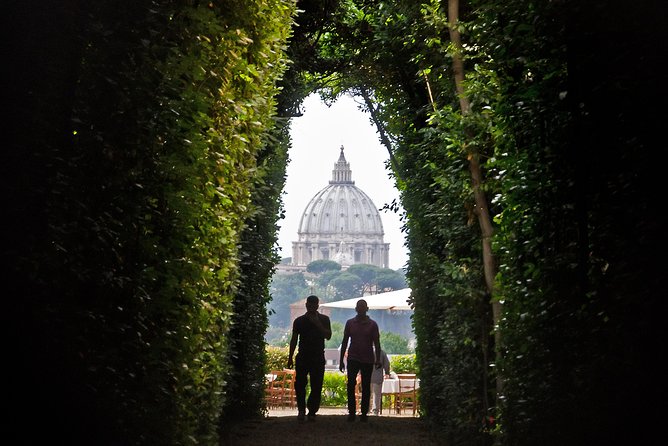
This tour includes professional guidance plus headphones. In theory, that setup is huge value because it cuts down the usual Vatican problem: you end up straining to hear a guide over constant crowd noise.
In real life, you’ll still want to be alert. Some guides are easier to follow than others, and if the commentary is delivered quickly—or if the accent is heavy—you might find yourself reprocessing sentences more than you’d like. The fix is simple: keep your headset volume up to a comfortable level and don’t be shy about stepping closer when you truly need context.
Also, don’t expect lots of back-and-forth questions. The format is meant for flow, and the guide needs the group together to keep the schedule working.
Sistine Chapel: the short viewing window you should plan for
The Sistine Chapel is the centerpiece, but the format is tight. Your time there is limited—think about 10–15 minutes in many cases—so the goal is to see the ceiling and major fresco elements before the group moves on.
What works best in this situation is using your eyes efficiently:
- Look up first for Michelangelo’s ceiling work.
- Then scan for the big figures and composition lines your guide points out.
- Don’t try to read everything like it’s a museum label wall.
The good news: even brief time can be meaningful if you know where to direct your attention. The better guide commentary helps you understand what you’re looking at rather than just recognizing names.
The drawback: if you expect a slow, reverent, no-rush moment, the crowd and schedule can break that mood fast. Some people end up feeling like they didn’t get long enough to truly take it in.

St. Peter’s Basilica stop: Pietà, scale, and closure contingencies
After the chapel, the tour heads to St. Peter’s Basilica. This is where the day often feels complete because you go from painted sacred art to a living church with huge scale and dramatic space.
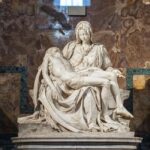
A highlight noted in the tour overview is Michelangelo’s Pietà. That’s a meaningful inclusion because it’s one of the most famous works in the basilica—and it’s easy to walk past without guidance if you don’t know where to stand.
There’s also a practical contingency: if St. Peter’s Basilica can’t be visited because it’s closed, the tour spends more time in the Vatican Museums. That’s good to know ahead of time because it changes your “day feel.” You might end up with a little less of the basilica atmosphere and a bit more museum time.
Pace vs. personal freedom: who will love this and who might not
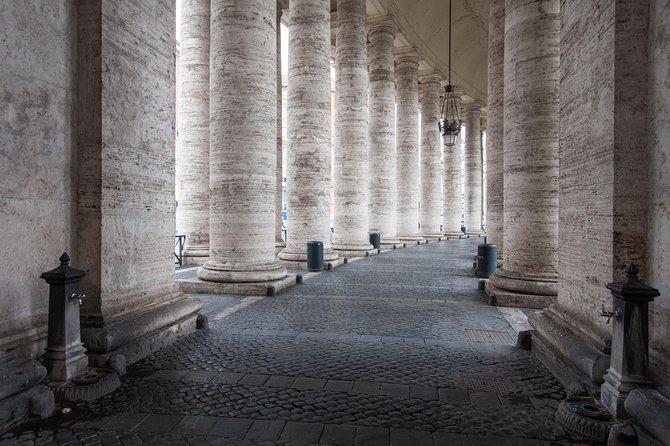
This tour is best for you if:
- You’re in Rome for a limited time and you want your Vatican hits covered.
- You prefer a structured plan that points out what matters.
- You’re okay with a group pace and you want to avoid the long museum queues.
It may feel frustrating if:
- You hate being moved along a schedule, especially in tight rooms.
- You want extended solo time to read every detail.
- You’re traveling during peak days when groups overlap more than usual.
Walking is a factor. The tour notes it’s not recommended for people with walking difficulties. Even with a capped group size, Vatican days involve lots of standing, moving, and navigating crowds.
The group size limit of 20 travelers is a plus. It’s small enough that the guide can keep you together, but it’s still large enough that you won’t have a private viewing experience.
Dress code and security: the two rules that can ruin your day
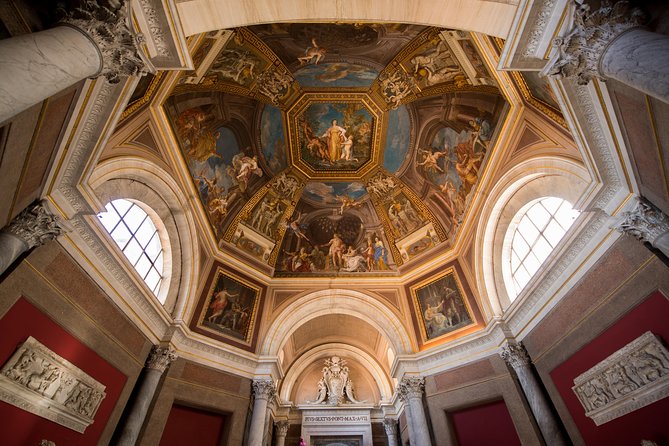
The Vatican Museums have a dress code that’s strictly enforced: knees and shoulders must be covered for both men and women. If you show up in shorts or a sleeveless top, you risk being refused entry. This isn’t a “wear it if you feel like it” situation.
You also need to plan for security checks. Even with fast-track entry, metal detectors can add about 20–30 minutes. Wear shoes you can remove/put back quickly if required, and keep any items that set off alarms minimal.
If you travel with a stroller, be aware that security can be strict. One review in the provided feedback mentions the Vatican security didn’t allow entry into the chapel with a stroller, even though the guide tried to help. So if you’re traveling with mobility gear, your safest move is to confirm rules before you go.
Price and value: what you’re really paying for
At $126.50 per person, you’re paying for a specific bundle:
- A guided route through major sights
- Skip-the-line entry for the Vatican Museums
- Transport via coach from Rome to Vatican City
- Headphones to hear the guide
This price makes the most sense if you value time. If you tried to do this solo, you’d still need a plan to beat lines, deal with security, and figure out what’s worth your attention in a massive complex. Paying for guidance is basically buying fewer wasted hours and less stress.
If you’re the type who enjoys slow wandering and doesn’t mind queues, you might feel the tour is “too controlled” for the money. In those cases, some travelers argue that paying at the site and setting your own pace can be better—especially if you’re willing to spend extra time waiting.
Morning vs. afternoon tours: pick based on your tolerance for crowds
The tour offers morning or afternoon options. In general, morning can feel calmer and more manageable—while afternoon can run into heavier crowd conditions and overlapping groups.
The key issue isn’t the art. It’s the logistics: when too many groups funnel into the same rooms, your guide can’t stop often, and explanations get shorter. That’s when people feel the pace is “too fast.”
If you’re flexible, choose the time slot that fits your energy, not just your schedule. If you’re sensitive to crowds or you really want time to stare at fresco details, prioritize the least crowded window you can.
Optional full-day Christian Rome upgrade: a different kind of day
There’s also an upgrade to a full-day tour that adds Christian Rome in the afternoon. If you take this option, your day becomes less about art museums and more about sites tied to early Christianity and pilgrimage traditions.
The added stops include:
- Esquiline Hill and Santa Maria Maggiore
- San Giovanni in Laterano (St. John Lateran), described as the official church of the pope
- The Holy Steps (28 steps), where pilgrims supposedly climb on their knees
- The Sancta Sanctorum (Holy of Holies), described with examples of relics historically associated with the collection
- The Appian Way, including the Chapel of Domine Quo Vadis
- Catacombs
- The Baths of Caracalla
The day ends with a drop-off in town or at your hotel.
This upgrade is a great match if you want context and story beyond the Vatican Museum ceiling. The trade-off is obvious: it’s more walking and more structured stops, so your “rest breaks” are likely shorter.
Should you book this Vatican Museums and Sistine Chapel skip-the-line tour?
Book it if you want the smart first-time plan: fast entry, a guide to help you focus, and a schedule that keeps your Vatican day from collapsing into line time. It’s especially worth it if your trip is short and you want St. Peter’s Basilica added without extra planning.
Skip it or consider another format if you’re the type who needs long, quiet looking time. This tour can feel like you’re getting through rooms more than you’re getting lost in them—in the Sistine Chapel and elsewhere—because the Vatican is crowded and the tour keeps moving.
My practical bottom line: if you can follow the dress code, you’re comfortable with security timing, and you’re okay with a guided pace, this is a strong way to make the Vatican manageable.
FAQ
How long is the Vatican Museums and Sistine Chapel skip-the-line tour?
It runs for about 3 hours (approx.).
What time options are available?
You can choose between a morning or afternoon tour.
Is the tour in English?
Yes, the tour is offered in English.
Does the tour include admission tickets?
Yes. Admission tickets are included for the Sistine Chapel and the Vatican Museums.
What about security and waiting time?
You must pass through metal detectors, and you should expect to wait about 20–30 minutes to clear security.
Is pickup or drop-off included?
No. Pick up and Drop off are not included (though the tour meets at a set location and ends back there).
What dress code do I need for the Vatican?
You need covered knees and shoulders for both men and women. It’s strictly enforced.
What if St. Peter’s Basilica is closed?
If St. Peter’s Basilica can’t be visited because it’s closed, the tour will spend more time in the Vatican Museums instead.